Orthodontics
April 28, 2026
Braces for Crooked Teeth: How Orthodontic Treatment Can Transform Your Smile?
 Dr. Rifat Alsaman
A misaligned smile affects far more than appearance; it influences how you eat, speak, clean your teeth, and feel about yourself every single day. Braces for Crooked Teeth represent one of the most proven, transformative solutions in modern orthodontics, capable of delivering dramatic functional and aesthetic improvements regardless of age. This guide covers causes, treatment options, timelines, and how the right orthodontic care can improve your quality of life.
What Are Crooked Teeth?
Crooked teeth refer to any condition where teeth emerge or shift out of ideal alignment. This can involve individual teeth that twist, overlap, or angle incorrectly. It can also affect the entire jaw structure. Orthodontic treatment addresses all of these variations systematically. The condition is extremely common and affects millions of people globally. It ranges from mild aesthetic irregularities to severe misalignments that interfere with oral function and long-term health.
Why Do Teeth Become Crooked and How Braces Help
Several factors contribute to misaligned teeth. Genetics plays the largest role. Jaw size and tooth size are inherited traits, and a mismatch often results in crowding or spacing. Early childhood habits can also alter jaw development. These include prolonged thumb sucking, pacifier use, or mouth breathing. Premature loss of baby teeth disrupts natural eruption paths as well. Additionally, injuries, untreated cavities, and crowded wisdom teeth bring many patients to seek corrective treatment.
Difference Between Crooked Teeth and Uneven Teeth
While often used interchangeably, these terms describe slightly different conditions. Crooked teeth typically involve rotations, twisting, or angular deviations from ideal alignment. Meanwhile, uneven teeth sit at different heights or appear mismatched in size, creating an irregular biting surface. In clinical practice, both conditions frequently coexist and are treated together. Understanding this distinction helps patients communicate more clearly with their orthodontist. It also sets realistic expectations about what treatment will correct.
How Braces Correct Crooked Teeth
The motivations behind seeking orthodontic care are deeply personal. They span aesthetic, functional, and psychological dimensions. Some patients are driven purely by a desire for smile confidence. Others seek treatment due to chronic jaw pain, difficulty eating, or persistent hygiene struggles. For many, a combination of these concerns develops over time. Understanding why patients pursue treatment highlights the life-improving impact that aligned teeth provide. This impact extends far beyond what is visible in a photograph.
Aesthetic Concerns and Smile Confidence for braces crooked
A smile is one of the first things others notice. Misaligned teeth are a major source of self-consciousness for millions. Patients report avoiding photographs, covering their mouth when laughing, or feeling hesitant in social settings. Orthodontic treatment addresses these concerns directly and permanently. It creates a smile that patients feel proud to display. The resulting psychological transformation—renewed confidence and better self-image—is consistently rated as a top benefit of treatment.
How Braces Fix Crooked Teeth and Improve Cleaning
Misaligned teeth create irregular surfaces, tight overlaps, and hard-to-reach corners. Toothbrushes and floss cannot navigate these zones effectively. Plaque then accumulates, increasing the risk of cavities and gum disease. Once teeth are aligned, oral hygiene becomes much more efficient. Consistent cleaning becomes achievable, leading to measurable improvements in overall gum health.
How Braces Correct Crooked Teeth and Bite Issues
Crooked teeth frequently disrupt the natural bite between upper and lower jaws. An uneven bite places excessive pressure on specific teeth and jaw joints during chewing. Over time, this uneven load creates discomfort, headaches, worn enamel, and joint issues. Orthodontic treatment realigns the entire dental arch. It creates a balanced bite that distributes chewing forces correctly. Patients completing bite treatment often describe this pain relief as a welcome, unexpected outcome.
How Braces Fix Crooked Teeth and Speech
Tooth position directly influences speech production. Misaligned teeth, gaps, or severe crowding interfere with necessary tongue placement. Lisps, whistling sounds, and consonant difficulties are commonly linked to dental misalignment. Orthodontic treatment gradually repositions teeth to support clearer speech. For children, addressing these issues early prevents speech patterns from becoming permanent habits. Adults who correct long-standing misalignments also report noticeable improvements in daily conversational clarity.
How Braces Correct Crooked Teeth
Orthodontic treatment does more than straighten smiles. It prevents progressive dental problems that develop when misalignment goes uncorrected for years. These problems include accelerated tooth decay, enamel erosion, chronic jaw pain, and digestive issues. Addressing misalignment proactively protects the entire oral system from damage. It reduces long-term dental expenses and preserves natural teeth. Early intervention is a genuinely valuable investment.
How Do Braces Fix Crooked Teeth?
Research supports the benefits of orthodontic treatment beyond aesthetics. A study in the American Journal of Orthodontics and Dentofacial Orthopedics found that people with straight teeth tend to have better oral hygiene and fewer signs of gum disease. Correcting bite issues can also reduce the risk of tooth wear and temporomandibular joint (TMJ) disorders. According to the American Association of Orthodontists, about 4 million Americans wear braces, with roughly 25% being adults. These statistics highlight the growing recognition of orthodontics as a valuable investment in overall health.
Increased Risk of Tooth Decay and Gum Disease for braces crooked
Teeth that crowd or overlap create spaces where bristles and floss cannot reach. These neglected areas accumulate plaque and bacteria, causing cavities and gum inflammation. Untreated gum disease can progress to periodontitis, which causes irreversible bone loss. Straightening your teeth eliminates the architectural structures that make cleaning impossible. Straighter teeth are fundamentally easier to keep clean, making treatment a powerful preventive measure alongside its cosmetic benefits.
Tooth Wear and Enamel Damage for braces crooked
When teeth are misaligned, some surfaces bear excessive chewing forces while others are unused. This uneven distribution accelerates enamel wear on overloaded teeth. It leads to sensitivity, flattened cusps, micro-cracks, and higher fracture risk. Over decades, this wear becomes irreversible and requires extensive restorative work. Correcting misalignment redistributes chewing forces evenly. Treating misalignment early protects your enamel investment and reduces future dental costs.
TMJ and Jaw Pain
The temporomandibular joint (TMJ) connects the jaw to the skull. It is extremely sensitive to bite imbalances caused by crooked or uneven teeth. Misalignment forces this joint into unnatural positions during chewing, speaking, and resting. This causes clicking sounds, locking sensations, facial pain, and headaches. Orthodontic treatment restores proper bite alignment, relieving strain on surrounding muscles. Many patients discover that their chronic jaw discomfort stems entirely from dental misalignment.
Difficulty Chewing and Digestive Impact
A healthy bite relies on teeth meeting evenly to break down food efficiently. When teeth are crooked or uneven, patients chew inadequately or avoid certain food textures. Insufficiently chewed food is harder to digest, placing extra burden on the stomach. Aligning your teeth restores full chewing function across the entire arch. Patients completing treatment frequently report eating previously avoided foods comfortably, leading to improved digestion.
How Orthodontic Treatment Works
Braces for crooked teeth apply consistent, controlled pressure to teeth over an extended period. This gradually guides them into ideal positions within the dental arch. The process requires careful planning, precise force, and regular monitoring to ensure safe movement. Bone surrounding the teeth remodels continuously in response to these forces. This allows permanent repositioning that cannot be achieved non-surgically. Understanding the underlying science helps patients appreciate why treatment takes time and compliance.
The Science Behind Orthodontic Tooth Movement
Teeth are anchored in the jawbone by a flexible tissue called the periodontal ligament. This ligament responds to sustained pressure by triggering a biological remodeling process. When force is applied, the compressed side of the ligament signals bone cells to dissolve bone. Simultaneously, the stretched side signals new bone formation. This coordinated cycle allows teeth to move safely. Controlled pressure drives permanent change whether using traditional brackets or clear aligners.
Step-by-Step Orthodontic Treatment Process
The orthodontic journey begins with a comprehensive consultation involving X-rays and digital impressions. A customized treatment plan is developed, and braces are fitted. Regular adjustment visits—typically every four to eight weeks—incrementally increase the applied pressure. Treatment works through a cumulative series of small adjustments. Once ideal alignment is achieved, appliances are removed and retainers are fitted. The total process typically spans 12 to 30 months depending on complexity.
Types of Braces for Uneven Teeth
Choosing among available braces for uneven teeth is an important decision. Each system offers distinct advantages regarding aesthetics, cost, comfort, and clinical suitability. The ideal choice depends on severity, lifestyle, and clinical factors identified during your exam. A consultation with an experienced orthodontist is essential for making an informed decision. The right choice balances clinical effectiveness with your daily needs.
Traditional Metal Braces
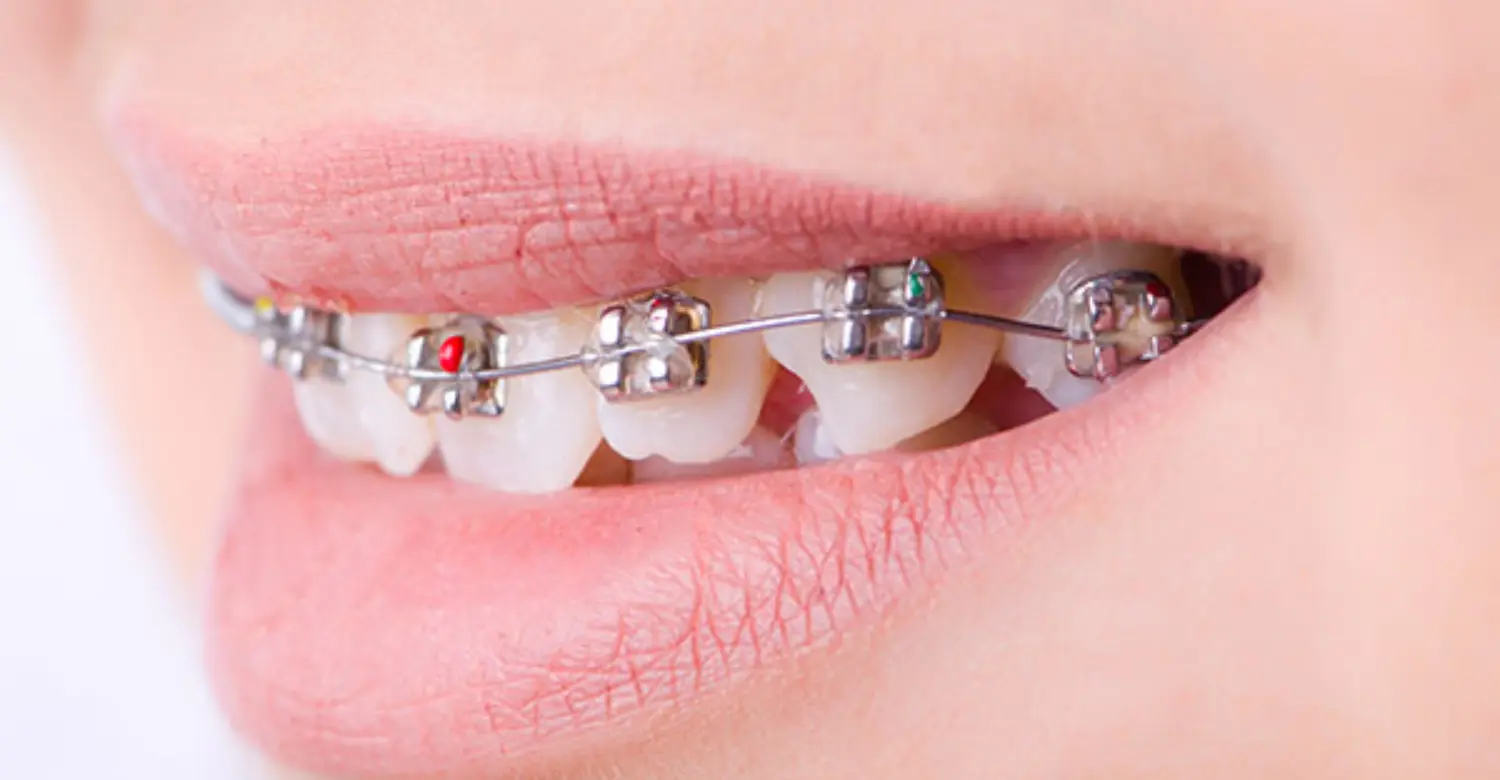
Metal braces remain the most widely used and versatile option among braces for crooked teeth. Stainless steel brackets are bonded to each tooth and connected by an archwire. Modern metal braces are smaller, more comfortable, and sleeker than earlier generations. They handle all severity levels of misalignment, including complex bite issues and severe crowding. Their durability and precision make them the preferred choice for many patients requiring extensive movement.
Ceramic Braces
Ceramic braces function identically to metal systems but use clear or tooth-colored brackets. They are a popular choice for adult patients seeking a discreet yet reliable option. Ceramic brackets blend naturally with enamel for reduced visibility. They are slightly more fragile than metal and carry a modest additional cost. For patients wanting aesthetic discretion during treatment, ceramic braces represent an excellent balance of performance and appearance.
Lingual Braces
Lingual braces attach to the inner, tongue-facing surfaces of the teeth. This makes them entirely invisible from the outside. They deliver the full clinical power of fixed braces while remaining completely hidden. Lingual systems are custom-fabricated to fit your unique tooth anatomy. They require an adjustment period for speech and tongue comfort. Because they demand specialized expertise, they carry a higher cost but remain popular for image-conscious patients.
Clear Aligners as an Alternative Option
Clear aligners use a series of custom transparent trays to shift teeth progressively. They offer a discreet alternative to traditional braces for uneven teeth. Aligners are fully removable for eating and cleaning, meaning no dietary restrictions apply. However, they depend heavily on patient compliance. Trays must be worn 20 to 22 hours daily for effective results. Clear aligners work best for mild to moderate misalignment, while severe bite issues often require fixed braces.
Choosing the Right Orthodontic Treatment
Selecting the right system from available options requires evaluating several factors. These include misalignment severity, oral health, patient age, aesthetic preferences, budget, and daily habits. There is no single best option for everyone. An experienced orthodontist will present evidence-based options alongside clear expectations. Patients who make this decision in partnership with their specialist achieve greater satisfaction and superior final results.
Other Orthodontic Tools and Auxiliary Appliances That Support Braces
Braces are often only one part of a comprehensive treatment plan. Depending on complexity, orthodontists may recommend auxiliary appliances. These include palatal expanders, elastics, temporary anchorage devices (TADs), bite turbos, and retainers. These supporting tools improve tooth movement, guide jaw development, and shorten overall treatment time.
At Vitrin Clinic, every treatment plan is customized after digital scans and bite analysis. Dr. Rifat Alsaman, Head of the Medical Team, explains that auxiliary appliances allow orthodontists to move teeth predictably while preventing unwanted drift. Studies report that combining braces with proper auxiliary devices significantly improves efficiency and long-term stability in complex cases.
Structural Realignment Metrics: Comparing Different Options for Crooked Teeth
Different orthodontic treatments achieve alignment through distinct biomechanical methods. Traditional metal braces offer maximal control over severe crowding and bite issues. Ceramic braces match this performance with better aesthetics. Clear aligners handle mild to moderate crowding well but may not resolve severe skeletal discrepancies.
Treatment | Best For | Visibility | Average Treatment |
Metal Braces | Severe crowding | High | 18–30 months |
Ceramic Braces | Moderate to severe cases | Low | 18–30 months |
Lingual Braces | Cosmetic concerns | Hidden | 18–36 months |
Clear Aligners | Mild to moderate crowding | Nearly invisible | 6–24 months |
At Vitrin Clinic, specialists evaluate skeletal structure, crowding severity, periodontal health, and facial symmetry. Dr. Rifat Alsaman notes that successful treatment depends on choosing the appliance that matches the patient's biology—not just the least visible option. This personalized approach maximizes functional and cosmetic outcomes.
Before and After Expectations with Braces
Knowing what to expect during braces for crooked teeth treatment reduces anxiety and improves cooperation. Each phase from diagnostics to long-term retention—has distinct characteristics and milestones. Patients with realistic expectations handle temporary discomfort better and remain motivated during middle treatment phases. They are also more committed to retainer protocols, protecting their final outcome. A thorough pre-treatment conversation sets the foundation for success.
What to Expect Before Treatment
Before orthodontic treatment for misaligned teeth are fitted, patients undergo a diagnostic evaluation. This includes panoramic X-rays, photos, and digital impressions. Existing cavities or gum disease must be treated first, as active issues can worsen during orthodontic care. The orthodontist presents a detailed treatment plan containing estimated timelines, costs, and movement goals. This upfront preparation ensures active treatment proceeds as smoothly as possible.
Changes During Orthodontic Treatment
The first weeks of orthodontic treatment for misaligned teeth treatment typically involve mild soreness as teeth adapt. Speech may be temporarily altered, and eating habits will require adjustment. As treatment progresses, visible changes begin emerging. Crowded areas open up, protruding teeth retract, and midlines align. Progress is gradual. Patients are encouraged to take periodic photos to track subtle changes that become striking over time.
After Braces Removal: Retainers and Maintenance
Removing orthodontic treatment for misaligned teeth is a major milestone, but ongoing retention is vital. Teeth naturally tend to drift back toward original positions a process called relapse. Retainers counteract this tendency effectively. These include fixed wires bonded behind teeth or removable clear trays. Consistent retainer wear during the first year post-treatment preserves your aligned smile. Investing in compliance protects the value of your entire orthodontic treatment.
Timeline for Seeing Results
The timeline for braces for crooked teeth varies based on case complexity, patient age, and chosen appliance. Mild misalignment can be corrected in 12 months. Moderate cases require 18 to 24 months, while severe cases take up to 36 months. Initial visual improvements often appear within the first three to four months. Attending adjustments, maintaining hygiene, and avoiding appliance damage keep your treatment on schedule.
Financial Considerations: Understanding the Cost of Crooked Teeth Correction
The total cost of correcting crooked teeth depends on several factors. These include misalignment severity, treatment duration, appliance type, imaging, and auxiliary procedures. While clear aligners and lingual braces have higher upfront costs, choices should always align with clinical needs rather than price alone.
At Vitrin Clinic, patients receive a clear treatment outline detailing every stage before care begins. Dr. Rifat Alsaman emphasizes that correcting crooked teeth is an investment in long-term oral health. Aligned teeth are easier to clean and experience less wear, reducing future restorative expenses. Research confirms that early treatment reduces the overall complexity and cost of lifelong dental care.
Preventive Tips During Orthodontic Treatment
Maintaining oral health during orthodontic treatment requires extra attention to hygiene, diet, and daily care. Braces create additional surfaces where food debris and plaque accumulate. Small daily habits, proper technique, and dietary modifications make a huge difference in your final outcome. Patients who maintain clean teeth throughout care finish treatment with healthy, bright, and aligned smiles.
Oral Hygiene with Braces
Brushing with braces requires proper technique. Angle the brush toward the gumline, then toward the brackets, using circular motions. An interdental brush is essential for cleaning beneath wires where standard bristles miss. Floss threaders or water flossers help clean between tight spaces. Patients wearing braces for crooked teeth should brush after every meal and before bed. Daily fluoride mouthwash adds extra protection against cavity risks.
Foods to Avoid with Braces
Certain foods pose a direct risk to appliances during orthodontic treatment. Hard items like ice, raw carrots, hard candy, and tough crusts can snap brackets or bend wires. Sticky foods like caramel, gum, and dried fruit cling to components and are difficult to remove. Biting directly into hard fruits should be avoided; cut them into small pieces instead. These minor adjustments prevent emergencies and keep treatment moving forward.
Managing Discomfort and Emergencies
Soreness following adjustment appointments is normal during orthodontic treatment. Over-the-counter pain relief, soft foods, and warm saltwater rinses relieve discomfort within two to three days. For emergencies like a loose bracket or poking wire, orthodontic wax covers sharp edges until an appointment is set. Contact your orthodontist promptly rather than trying DIY repairs. Quick action prevents delays and protects planned tooth movement.
Importance of Regular Orthodontic Visits
Attending scheduled adjustment appointments is critical for orthodontic treatment. These visits are active care sessions where your orthodontist evaluates progress, adjusts archwires, and updates elastics. Postponed appointments extend total treatment duration. Maintaining consistency ensures you reach your target outcome on schedule with minimal complications.
Professional Guidance: When Should You Consider Braces?
Not everyone with minor irregularities requires orthodontic treatment. However, clear indicators warrant professional evaluation. Difficulty cleaning, bite problems, chronic jaw pain, speech issues, or aesthetic concerns signal that intervention should be explored. An orthodontic consultation provides clarity regarding treatment needs, timelines, and outcomes. Early evaluation helps prevent progressive complications down the road.
Signs You May Need Braces for Crooked Teeth
Clear indicators for seeking braces for crooked teeth include visible crowding, gaps, twisted teeth, and difficulty biting. Jaw pain, clicking joints, or improper tooth contact when closing your mouth are also signals. Food trapping, frequent cavities, and unusual gum recession indicate hidden issues. If these symptoms occur, a comprehensive assessment is strongly recommended to determine corrective steps.
Ideal Age for Orthodontic Treatment
Orthodontic treatment can be placed at almost any age. However, the ideal window for children is between ages 10 and 14. During this stage, the jaw is growing and teeth respond quickly to forces. Interceptive care can begin around age seven to address jaw growth early. Early intervention simplifies future care. That said, adults achieve equally outstanding outcomes; age affects speed and complexity, but not the final result.
Adult Orthodontics: Is It Too Late?
It is never too late. Adults represent the fastest-growing group seeking orthodontic treatment for uneven teeth. Modern systems deliver excellent results at any age, provided bone and gum health are sound. Adult patients are typically highly motivated and compliant throughout care. While treatment may take slightly longer due to denser bone structure, outcomes are equally transformative for your health and confidence.
Are There Alternatives to Braces for Mild Misalignment?
If your teeth are only slightly crooked or have minor chips or gaps, you might consider cosmetic alternatives. Porcelain veneers are thin shells bonded to the front of teeth to improve appearance. They can correct minor misalignment, discoloration, and shape issues. Dental bonding uses tooth-colored resin to reshape teeth or close small gaps. Cosmetic contouring removes small amounts of enamel to reshape teeth and improve symmetry.
These options are typically faster than braces, often completed in just a few visits. However, they are not suitable for significant bite problems or severe crowding. Dr. Rifaat Al-Samman emphasizes, "For mild cases, cosmetic treatments can be an excellent choice, but a thorough evaluation is necessary to ensure they are appropriate for your oral health."
Pain Management: Does It Hurt to Get Braces for Crooked Teeth?
Most patients experience mild soreness rather than severe pain after braces are placed or adjusted. Pressure causes tenderness for a few days before subsiding. Soft foods, orthodontic wax, proper hygiene, and mild pain relievers help ease this transition.
At Vitrin Clinic, patients receive comprehensive guidance on managing discomfort. Dr. Rifat Alsaman explains that modern systems apply lighter, more controlled forces than older techniques. This makes care significantly more comfortable. Discomfort typically peaks within 24 to 48 hours and resolves steadily within a week.
Life Stages and Alignment: Custom Braces Protocols for Different Life Stages
Orthodontic treatment straightens crooked teeth at nearly any age, but strategies vary by growth stage and bone biology. Children benefit from growth guidance, teenagers experience faster movement, and adults may require multidisciplinary care involving periodontal support.
At Vitrin Clinic, protocols are tailored for every age group using digital diagnostics. Dr. Rifat Alsaman notes that adult orthodontics is increasingly popular because modern appliances remain discreet. Adults now represent roughly one-third of orthodontic patients worldwide, reflecting growing awareness of the functional benefits of alignment.
Tips for Patients
Successful treatment depends on consistent daily care. Brush after meals using fluoride toothpaste (1,450 ppm), use flossing aids, and avoid hard foods that break brackets. After brushing, spit out excess toothpaste without rinsing immediately so fluoride remains on enamel. Limit sugary snacks to mealtimes to minimize acid attacks.
Vitrin Clinic provides personalized hygiene instructions at every visit. Dr. Alsaman recommends attending all scheduled appointments, wearing elastics as directed, and reporting broken appliances promptly to avoid delays.
Why Choose Vitrin Clinic for Braces for Crooked Teeth
Vitrin Clinic has built a reputation for outstanding orthodontic outcomes through expert care, advanced tech, and patient-centered focus. For patients seeking this treatment, Vitrin Clinic offers seamless care from consultation to long-term retention. Every step is designed to optimize clinical results and patient comfort.
Experienced Orthodontic Specialists
The team at Vitrin Clinic brings extensive experience across all major braces for uneven teeth systems. They manage complex misalignments, severe bite corrections, and combined procedures. Specialists pursue continuous education to stay updated on emerging technologies. This depth of experience ensures challenging cases are handled with precision, giving patients complete confidence in their care.
Personalized Treatment Planning
At Vitrin Clinic, no two treatment plans for braces for uneven teeth are identical. Comprehensive records including 3D scans and digital photos inform custom plans tailored to your anatomy, goals, and budget. Patients participate actively in planning while receiving clear explanations of all options. This individualized approach ensures every decision supports your long-term health and personal priorities.
Advanced Orthodontic Technology
Vitrin Clinic utilizes modern technology to enhance precision and comfort for braces for uneven teeth treatments. Digital scanning replaces messy traditional impressions. Computer simulations map out movements before treatment starts, improving accuracy. Low-profile brackets reduce irritation, while heat-activated wires apply gentle forces. These tools translate to fewer emergencies, shorter visits, and efficient timelines.
Comprehensive Patient Care and Follow-Up
Vitrin Clinic's dedication extends beyond the day braces come off. Retention protocols protect the stability of your outcome over time. The clinical team remains accessible for questions or appliance adjustments throughout your journey. Ongoing oral health monitoring catches subtle changes early, ensuring your results remain stable for years to come.
Comfortable and Patient-Centered Environment
Vitrin Clinic understands that many patients experience dental anxiety. The environment is designed to be calm, welcoming, and supportive. Staff communicate clearly, explaining every step before proceeding to ensure complete comfort. For younger patients, gentle techniques build trust and cooperation. This patient-first philosophy makes the treatment experience positive, stress-free, and rewarding.
Transparent Recommendations for Your Smile
We believe in providing honest and unbiased recommendations. Our treatment plans are based solely on your dental needs and goals, not on any financial incentives. We do not have conflicts of interest with any specific product or brand. Dr. Rifat Alsaman states, "Our priority is to offer the most suitable treatment options for each patient, ensuring you receive the highest quality care without unnecessary procedures."
Your Privacy and Safety Are Our Priority
At Vitrin Clinic, we adhere to strict patient privacy policies and data protection regulations. Your personal and medical information is kept confidential and used only for your treatment. We follow international standards for infection control and patient safety to ensure a secure and comfortable experience. When you choose us for your orthodontic care, you can trust that your well-being is our top concern.
What We Notice Clinically
During evaluations at Vitrin Clinic, specialists frequently find that crooked teeth do not exist in isolation. Many patients also present with bite discrepancies, excessive wear, plaque buildup, gum inflammation, or enamel erosion. Digital imaging reveals hidden alignment issues that standard mirror checks miss.
Dr. Rifat Alsaman explains that identifying these conditions early allows specialists to create safer, more stable treatment plans. Addressing both alignment and underlying health delivers a smile that functions as well as it looks.
Book Your FREE Consultation Now
Beginning your journey toward straighter, healthier teeth starts with a single conversation. Vitrin Clinic offers a completely free initial consultation for patients interested in dental aligners for uneven teeth, an opportunity to meet the orthodontic team, undergo an initial assessment, and receive honest, expert guidance on your options. Whether your misalignment is mild or complex, whether you are a teenager or an adult, the team at Vitrin Clinic is ready to help you understand exactly what is possible and design a treatment plan tailored specifically to you. Book your free consultation today and take the first step toward the smile you deserve.
Clinical Note
Early cavities often develop without pain or visible changes, making them easy to miss at home. Crowded teeth create hidden plaque traps where decay forms between teeth long before symptoms show. Regular dental exams combined with digital X-rays detect these lesions before extensive treatment is required.
At Vitrin Clinic, preventive monitoring is integrated directly into orthodontic care. Dr. Rifat Alsaman emphasizes that preserving enamel health is just as critical as aligning teeth. This ensures patients complete treatment with strong, healthy, and beautifully aligned smiles.
Conclusion
Orthodontic treatment for misaligned teeth remains one of the most effective ways to achieve a healthy bite, better oral function, and lasting smile confidence. Whether you choose traditional braces, ceramic options, or clear aligners, success depends on matching treatment to your individual goals and biology. Modern orthodontics offers comfortable, precise choices that correct everything from simple crowding to complex bite issues.
At Vitrin Clinic, every journey starts with a thorough digital evaluation to build a custom plan. Dr. Rifat Alsaman and his team believe great orthodontic care transforms more than appearance it improves overall health, facial balance, and quality of life. With expert guidance and personalized care, Vitrin Clinic helps you achieve a healthy smile that lasts a lifetime.
Reference
FAQs
Dr. Rifat Alsaman has more than 5 years of clinical experience in dentistry and currently serves as the Head of the Medical Team at Vitrin Clinic. He is dedicated to providing exceptional patient care, overseeing treatment planning, and ensuring the highest clinical standards across the team. His expertise, attention to detail, and commitment to continuous professional development have helped countless patients achieve healthier, more confident smiles.


.webp&w=3840&q=75)
