Orthodontics
April 28, 2026
Is Dental Straightening Surgery the Best Solution for Severe Misaligned Teeth?
 Dr. Rifat Alsaman
For patients with severe jaw misalignment, braces may not be enough. Dental straightening surgery is often the most effective solution. Unlike standard orthodontics, this surgical approach fixes underlying skeletal problems.
When teeth are misaligned due to jaw structure, surgery offers lasting results. It delivers functional and aesthetic benefits that non-surgical options cannot achieve.
What Dentists Mean by Dental Straightening Surgery
Dental straightening surgery includes specialized procedures for severe misalignment. Dentists use these techniques when orthodontics alone falls short. The process involves surgical repositioning of the jawbones, teeth, or both.
These complex procedures require careful planning by multidisciplinary teams. Orthodontists and oral surgeons work together to achieve complete dental correction.
Definition and Clinical Purpose
Dental straightening surgery refers to medically guided structural procedures. It repositions teeth and jawbones to restore basic bite function. The treatment also improves facial symmetry and enhances speech.
Dental correction at this level goes beyond cosmetic improvement. It addresses structural conditions that affect daily quality of life. This makes surgery medically necessary for complex alignment disorders.
When Surgery on Teeth Straighten Is Recommended
Surgery on teeth straighten is recommended when misalignment stems from skeletal causes. Dentists suggest this path when orthodontic treatment cannot achieve a stable bite.
Common triggers include severe overbites, underbites, and open bites. Significant jaw size discrepancies also require surgical intervention. A thorough evaluation determines whether surgery or non-surgical dental correction is best.
Difference Between Orthodontics and Surgical Alignment
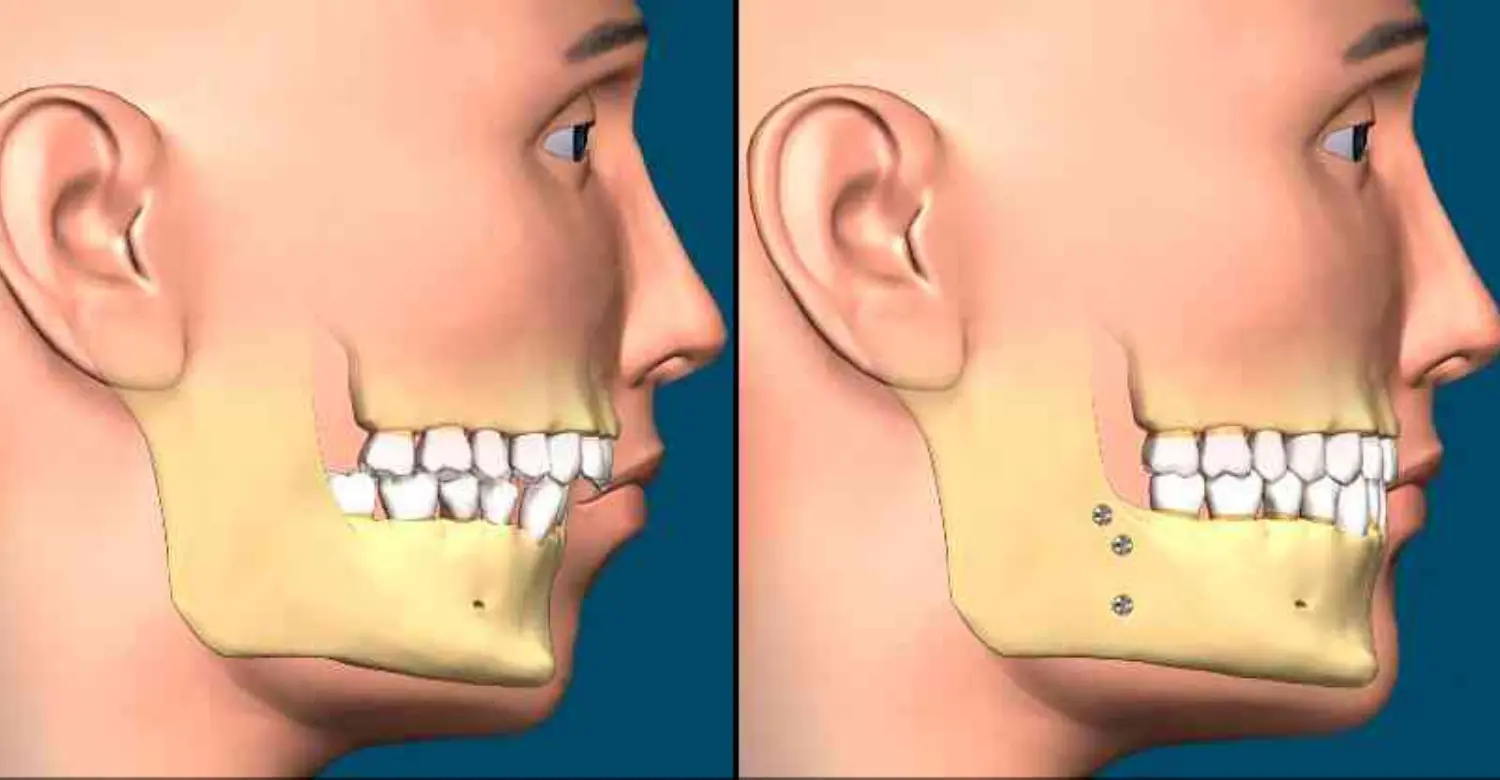
Orthodontics gradually moves teeth within the jawbone using braces or aligners. Dental straightening surgery repositions the jawbone itself. This creates a structurally sound foundation for the mouth.
While orthodontics addresses tooth-level issues, surgical alignment corrects skeletal problems. These approaches are often combined. Orthodontics prepares the teeth, and dental straightening surgery fixes the underlying jaw structure.
Problems That Cannot Be Fixed With Braces Alone
Significant jaw discrepancies exceed what braces can resolve. Facial asymmetry from uneven jaw growth also requires surgical correction. In these cases, teeth straightening surgery is necessary.
Attempting to fix structural issues with braces alone causes poor outcomes or relapse. When the root cause is the jawbone, surgery is the only path to lasting improvement.
Common Dental Problems That May Require Teeth Straightening Surgery
Not all misalignment cases require surgery. However, certain conditions are complex enough to make teeth straightening surgery the best option. These are typically structural problems where the jaw drives the misalignment.
Identifying these conditions requires clinical examinations and detailed imaging. Recognizing these issues early helps patients seek care before complications worsen.
Severe Overbite and Underbite
A severe overbite occurs when upper teeth excessively overlap lower teeth. An underbite happens when the lower jaw protrudes forward. Both conditions strain jaw joints, impair chewing, and cause discomfort.
When the discrepancy is skeletal, dental straightening surgery becomes necessary. Surgically repositioning the jaw corrects these issues far more effectively than braces.
Open Bite and Crossbite Conditions
An open bite occurs when upper and lower teeth do not meet when closed. A crossbite happens when upper teeth sit behind lower teeth. Both conditions often develop from abnormal jaw growth.
Surgery on teeth straighten may be required in moderate to severe cases. It repositions the jaw to achieve a stable bite that orthodontics cannot produce.
Jaw Size Discrepancies
When upper and lower jaws differ in size, misalignment cannot be corrected through orthodontics alone. These discrepancies create severe bite problems and facial imbalance.
Dental straightening surgery directly addresses the skeletal cause by repositioning the jaws. This surgical approach provides permanent dental correction that aligners cannot replicate.
Facial Asymmetry Related to Bite Issues
Facial asymmetry caused by uneven jaw development affects both function and appearance. When one side of the jaw grows more, bite imbalances result.
Teeth straightening surgery corrects this by surgically adjusting jaw positions to create symmetry. Patients notice major improvements in both bite function and facial harmony after treatment.
Functional Difficulties With Chewing and Speech
Some patients struggle to chew food or pronounce sounds due to jaw misalignment. These functional difficulties indicate that structural issues require surgical correction.
Difficulty chewing leads to nutritional problems, while speech issues affect daily communication. Surgery on teeth straighten restores proper jaw position to improve both functions effectively.
Restorative and Cosmetic Prosthetics as a Surgical Alternative
Surgery is not always the only solution for severe misalignment. Depending on tooth condition and jaw structure, restorative treatments offer alternatives.
At Vitrin Clinic, treatment planning starts with a detailed clinical evaluation. We determine if a patient needs orthodontics, surgery, or restorative care. The goal is to protect dental health, improve chewing, and enhance appearance.
According to Dr. Rifat Alsaman, Head of the Medical Team at Vitrin Clinic, every case requires a personalized approach. Some patients benefit from combining cosmetic dentistry with restorative care when skeletal correction is unnecessary.
Dental Implants or Bridges for Non-Orthodontic Structural Realignment
Missing or damaged teeth can contribute to an uneven bite. In these cases, dental implants or bridges may be considered instead of teeth straightening surgery.
Implants replace missing teeth with artificial roots, while bridges fill gaps. These treatments improve bite balance, support surrounding teeth, and restore chewing function.
At Vitrin Clinic, specialists evaluate bone condition and bite relationships before recommending implants. This ensures the treatment improves both function and smile appearance
Clinical Note:
Dental implants and bridges do not move naturally positioned teeth. They are designed to restore missing teeth and improve balance after tooth loss.
Dr. Rifat Alsaman emphasizes that selecting between orthodontics, surgery, or restorative care depends on the root cause of misalignment.
Porcelain Veneers for Masking Minor Skeletal Discrepancies
For patients with mild alignment concerns or cosmetic imperfections, porcelain veneers alignment may provide an aesthetic solution without major surgical procedures.
Porcelain veneers are thin ceramic shells placed over the front surface of teeth to improve:
Tooth shape and proportions
Minor spacing issues
Uneven edges
Smile symmetry
Overall visual harmony
However, veneers are not a replacement for surgery when severe jaw discrepancies or major bite problems exist. They are most suitable for patients whose concerns are mainly cosmetic rather than functional.
At Vitrin Clinic, cosmetic treatment plans focus on achieving natural results while maintaining healthy tooth structure.
What We Notice Clinically:
At Vitrin Clinic, we notice patients often confuse cosmetic issues with skeletal problems. A detailed examination determines if veneers are sufficient or if deeper structural correction is required.
Dr. Rifat Alsaman notes that veneers create excellent visual improvements. However, proper diagnosis is essential to avoid treating functional problems with cosmetic solutions alone.
Who May Need Teeth Operations Straightening Teeth?
Not every patient with misaligned teeth requires surgery. However, specific profiles make teeth operations straightening teeth the most suitable route.
Determining candidate suitability requires a comprehensive clinical assessment. Patients in specific categories—due to age, severity, or prior history may find surgery is the only effective solution.
Adult Patients With Skeletal Misalignment
Adults with fully developed jaws and skeletal misalignment are strong candidates for dental straightening surgery. Because adult jaw growth is complete, orthodontics alone cannot move bone sufficiently.
Dental correction in adult skeletal cases requires surgically repositioning the jawbone. This approach permanently resolves long-standing functional and aesthetic concerns.
Patients With Failed Orthodontic Treatment
Some patients complete orthodontic treatment only to experience relapse due to unaddressed skeletal issues. For these individuals, teeth straightening surgery may be the next step.
When braces reach their limits, surgery tackles the root skeletal cause. This prevents further relapse that repeated non-surgical treatments cannot fix.
Complex Crowding With Jaw Imbalance
Severe crowding combined with jaw imbalance creates a complex situation. In these cases, surgery on teeth straighten is often necessary.
There is insufficient space in the jaw, and the jaw itself is mispositioned. Repositioning the jaw provides comprehensive dental correction that orthodontics alone cannot achieve.
Patients Seeking Long-Term Functional Correction
Some patients prioritize lasting functional results over temporary cosmetic improvements. For structural misalignment, dental straightening surgery offers a permanent solution. It improves chewing, speech, and jaw joint health.
Unlike repeated orthodontic procedures, surgery stabilizes jaw position definitively. It provides a long-term investment in overall oral health.
Types of Dental Straightening Surgery Explained
Several surgical procedures fall under the umbrella of dental straightening surgery. Each is designed to address a specific type of structural misalignment.
Choosing the right option depends on the nature of the condition. It matters whether the issue involves the upper jaw, lower jaw, or both.
Orthognathic Jaw Surgery
Orthognathic surgery is the most comprehensive form of dental straightening surgery. It involves repositioning the upper jaw, lower jaw, or both to correct severe bite disorders.
It requires careful pre-surgical planning using digital imaging. Orthognathic surgery is the gold standard for complex skeletal cases where structural change is required.
Surgical Tooth Repositioning Techniques
Individual teeth may need surgical repositioning if they cannot be moved orthodontically. This occurs in cases of ankylosis or severe impaction.
Surgery on teeth straightened at the individual level involves cutting bone around a tooth to reposition it manually. This targeted approach achieves precise correction without altering the entire jaw.
Surgically Assisted Palatal Expansion
In adults with narrow palates, surgically assisted palatal expansion widens the upper jaw. Because the palate fuses after growth completes, expanders alone are insufficient.
Surgery must first separate the palatal suture. This form of dental straightening surgery creates space for proper tooth alignment in fully developed adult patients.
Combined Orthodontic and Surgical Treatment Plans
Most dental straightening surgery cases involve a combined approach where orthodontic treatment precedes and follows surgery. Braces first align teeth within each jaw independently. Surgery then repositions the jaws. Post-surgical orthodontics then refine the bite and close remaining gaps. This combined treatment achieves the most precise dental correction, ensuring both the teeth and jaw structure are optimally aligned for long-term function and aesthetic appearance.
Financial Planning: Understanding Teeth Straightening Surgery Cost Metrics
Understanding the teeth straightening surgery cost is an important step before starting treatment. The final price depends on several factors, including the complexity of misalignment, diagnostic requirements, surgical techniques, location, and whether additional procedures are needed.
Common factors affecting cost include:
Severity of dental misalignment
Required imaging and digital planning
Orthodontic preparation before surgery
Type of surgical correction
Follow-up appointments and aftercare
At Vitrin Clinic, patients receive a personalized treatment plan that explains the recommended procedures, expected timeline, and cost considerations before beginning treatment.
Clinical Note:
The lowest treatment cost does not always represent the best value. Severe cases require precise planning because incorrect treatment choices may affect bite function, oral health, and long-term stability.
The Complete Process of Teeth Straightening Surgery
Teeth straightening surgery is not a single-day procedure; it is a carefully phased process involving evaluation, planning, orthodontic preparation, surgery, and recovery. Understanding each stage helps patients feel confident throughout their dental correction journey. The timeline can span one to two years depending on complexity, but each phase serves a critical purpose in ensuring the surgical outcome is stable, functional, and aesthetically successful.
Initial Consultation and Examination
The process begins with a thorough consultation where the dental team assesses bite, jaw structure, and overall oral health. X-rays, photographs, and dental impressions are taken. During this phase, the team determines whether dental straightening surgery is appropriate and discusses expected outcomes with the patient. This consultation is also when patients can ask questions and fully understand the scope of their dental correction plan before committing to treatment.
Digital Imaging and Treatment Planning
Advanced digital imaging including 3D cone beam CT scans and digital bite analysis creates a precise map of the patient's jaw structure. This data guides the entire dental straightening surgery plan, allowing surgeons to simulate outcomes virtually before any procedure begins. Accurate treatment planning is critical to teeth operations straightening teeth success, determining how far each jaw will be moved and what the final dental correction result will look like.
Pre-Surgical Orthodontic Phase
Before dental straightening surgery takes place, patients typically undergo six to eighteen months of orthodontic treatment. Braces or aligners align the teeth within each jaw so they fit together correctly once repositioned surgically. This pre-surgical dental correction step may temporarily worsen the bite appearance, which is expected and normal. It ensures that post-surgical results are stable and that the bite functions correctly from the very first day after surgery.
The Surgical Procedure Step-by-Step
Dental straightening surgery is performed under general anesthesia in a hospital setting. The oral surgeon makes incisions inside the mouth to avoid external scarring, then repositions the jaw bones as pre-planned. Titanium plates and screws secure the bones in their new positions. Most surgery on teeth straighten procedures last two to four hours. Patients typically remain in the hospital for one to two days before beginning home recovery.
Post-Surgery Orthodontic Adjustments
After teeth straightening surgery, a final phase of orthodontic treatment refines the bite. This phase typically lasts several months and focuses on closing spaces, adjusting tooth alignment, and ensuring all teeth meet correctly. These adjustments are critical for achieving the precise dental correction that surgery alone cannot fully deliver. Regular orthodontic appointments throughout this phase ensure incremental progress until the bite is fully optimized and functionally stable.
Final Retention Phase
Once orthodontic adjustments are complete, patients enter the retention phase to maintain dental straightening surgery results. Custom retainers hold teeth in their corrected positions and prevent relapse. The retention phase is a lifelong commitment for most patients, involving nightly retainer wear. Consistent use protects the investment made in teeth operations straightening teeth and ensures dental correction results last a lifetime. Any retainer discomfort should be reported promptly to avoid compromising outcomes.
Alternatives to Surgery on Teeth Straighten
Not every patient with misaligned teeth needs surgery on teeth straighten. For many, non-surgical dental correction options deliver excellent results. Understanding the available alternatives helps patients make informed decisions based on the severity of misalignment and whether the problem involves jaw structure or purely dental positioning. A proper clinical assessment is always the first step before recommending any form of teeth straightening surgery or non-surgical alternative treatment.
Traditional Braces
Traditional metal or ceramic braces are the most common form of dental correction for mild to moderate misalignment. They apply continuous pressure to move teeth gradually into proper positions and are highly effective when no skeletal discrepancy exists. However, braces cannot reposition the jaw itself, making them insufficient for cases that truly require dental straightening surgery due to structural skeletal problems that exceed the scope of conventional orthodontic treatment methods.
Clear Aligners
Clear aligners offer a discreet alternative to braces for mild to moderate dental correction. Removable and nearly invisible, they are popular among adults seeking results without visible hardware. While highly effective for minor crowding and spacing, aligners share the same limitations as braces they move teeth but cannot alter jaw position. Cases requiring surgery on teeth straighten due to skeletal misalignment will not achieve adequate results with aligners alone as a standalone treatment.
Cosmetic Dentistry Solutions for Mild Cases
For patients with minor aesthetic concerns rather than functional misalignment, cosmetic options such as veneers, bonding, or crowns can improve tooth appearance without orthodontic or surgical intervention. These solutions reshape and resurface teeth to create a more aligned look. However, cosmetic dental correction does not address bite or jaw position, making these options unsuitable for moderate to severe cases that require teeth straightening surgery for functional and structural medical reasons.
When Non-Surgical Options Are Not Enough
When misalignment involves the jaw bones rather than just teeth, non-surgical options reach their limits. Patients experiencing bite problems, jaw pain, or failed orthodontic outcomes often find that dental straightening surgery is their only effective path to dental correction. Continuing with non-surgical approaches in skeletal cases can worsen the condition or delay necessary treatment. A specialist evaluation determines precisely when surgery becomes the appropriate and necessary next step in care.
Post-Surgery Dental Care and Recovery Tips
Recovery following teeth straightening surgery requires careful attention to oral hygiene, diet, and follow-up care. The healing process spans several weeks to months for full recovery. Proper post-operative care protects surgical results, supports healing, and reduces complications. Patients who diligently follow their care instructions tend to experience smoother recoveries and more successful dental correction outcomes. Below are essential recovery tips for anyone undergoing dental straightening surgery at any stage of healing.
Oral Hygiene During Healing
Maintaining oral hygiene after teeth straightening surgery is essential but requires a gentle approach. Patients should rinse with prescribed antiseptic mouthwash and use a soft-bristled toothbrush carefully around surgical sites. Avoiding vigorous brushing near sutures prevents irritation and infection. Clean teeth and gums accelerate healing and protect dental correction outcomes. Neglecting oral hygiene during recovery significantly increases infection risk and can seriously compromise the results of the surgical procedure.
Recommended Foods After Surgery
Following teeth operations straightening teeth, patients should maintain a soft food diet for several weeks. Soups, mashed vegetables, yogurt, smoothies, and soft cooked grains are ideal choices. Hard, crunchy, or chewy foods strain the healing jaw and may disturb surgical hardware. Proper nutrition supports recovery, so the soft diet should remain balanced and nutrient-rich. Gradual reintroduction of normal foods occurs as healing progresses and is always guided by the treating surgical team.
Managing Discomfort and Swelling
Swelling and mild discomfort are normal following surgery on teeth straighten and typically peak within the first few days. Applying cold compresses during the first 48 hours helps minimize swelling. Pain medication prescribed by the surgeon should be taken as directed. Keeping the head elevated when resting reduces fluid accumulation around the surgical area. Most swelling resolves significantly within two to three weeks, with full resolution occurring over several months after surgery.
Importance of Follow-Up Visits
Follow-up appointments after dental straightening surgery allow the surgical team to monitor healing, remove sutures if needed, and assess dental correction progress. These visits are not optional; they are essential for catching complications early and making timely orthodontic adjustments. Regular follow-ups ensure the jaw is healing in the correct position and that the patient is recovering well from their teeth operations straightening teeth procedure at every phase.
Retainers and Long-Term Stability
Long-term stability after dental straightening surgery depends on consistent retainer use. Custom retainers are provided once the final orthodontic phase is complete, and patients must wear them nightly as instructed. Retainers prevent teeth from drifting back toward their original positions. Consistent use protects the investment made in teeth straightening surgery and ensures dental correction results last a lifetime. Any retainer discomfort should be reported immediately to avoid compromising long-term treatment outcomes.
Advanced Technology Used in Dental Straightening Surgery
Modern dental straightening surgery is supported by advanced diagnostic and surgical technologies that increase precision, reduce recovery time, and improve outcomes. These innovations allow dental teams to plan procedures virtually before any incision is made, minimizing errors and maximizing accuracy. At leading clinics, cutting-edge tools have transformed what is possible in surgical dental correction, helping patients benefit from safer, more predictable procedures than were available in previous generations of treatment.
3D Treatment Planning
Three-dimensional treatment planning uses cone beam CT scans to create detailed digital models of the patient's skull, jaw, and teeth. Surgeons can virtually simulate the outcome of teeth straightening surgery before performing it, allowing precise pre-surgical planning. This technology minimizes surprises during surgery and ensures the planned dental correction closely matches the actual result. 3D planning is now considered an essential standard of care for complex teeth operations straightening teeth procedures worldwide.
Digital Bite Analysis
Digital bite analysis uses computerized sensors to map precisely how a patient's upper and lower teeth meet. This information guides both pre-surgical orthodontic preparation and post-surgical adjustments throughout dental straightening surgery. Accurate bite analysis ensures the surgical repositioning of the jaw achieves its intended functional improvement. Without precise bite data, dental correction results may be suboptimal. This technology enables consistently accurate and measurable outcomes across complex surgical treatment cases.
Minimally Invasive Surgical Techniques
Advances in technique have made teeth straightening surgery significantly less traumatic than in previous decades. Minimally invasive approaches use smaller incisions, specialized instruments, and refined suturing methods to reduce tissue damage and accelerate healing. Patients benefit from shorter recovery times, reduced post-operative discomfort, and lower complication risks. These refinements make modern surgery on teeth straighten safer and more accessible, encouraging more patients to pursue the dental correction they need.
Precision-Guided Surgical Tools
Precision-guided surgical tools including digital surgical guides and computer-assisted navigation systems help surgeons execute pre-planned dental correction with exceptional accuracy. These tools translate virtual treatment plans into precise physical movements during dental straightening surgery. The result is a more predictable procedure with fewer post-operative adjustments needed. Precision guidance is especially valuable in complex teeth operations straightening teeth cases where millimeter-level accuracy determines the ultimate success of the final bite and facial symmetry.
Aesthetic and Clinical Projections: Teeth Straightening Surgery Before & After
Reviewing teeth straightening surgery before and after results helps patients understand the possible changes in smile appearance, facial balance, and oral function.
At Vitrin Clinic, before-and-after planning involves digital assessment and detailed evaluation to predict how treatment may improve:
Tooth alignment
Facial proportions
Bite relationship
Smile symmetry
Patient confidence
Every case is unique, and results depend on the patient's bone structure, dental condition, and treatment response.
Better Masticatory Capabilities and Functional Outcomes
One of the main goals of teeth straightening surgery is improving more than appearance. Correcting severe alignment problems can support better chewing efficiency and healthier jaw function.
Improved alignment may help:
Create a more balanced bite
Reduce excessive pressure on certain teeth
Improve chewing comfort
Support long-term dental health
What We Notice Clinically:
Patients with severe misalignment often adapt to an incorrect bite over many years. After correction, many patients notice improvements in chewing comfort and overall oral function.
Dr. Rifat Alsaman, Head of the Medical Team at Vitrin Clinic and a cosmetics dentist, explains that functional improvement is always considered alongside aesthetic goals when planning complex smile transformations.
Improved Visual Appeal and Balanced Facial Profiles
Severe dental misalignment can affect more than the smile. In some cases, jaw position and tooth relationship may influence facial balance and create aesthetic concerns around the jaw.
Successful treatment planning can help improve:
Smile proportions
Facial harmony
Lip support
Overall appearance
At Vitrin Clinic, specialists focus on creating results that look natural and complement each patient's facial features.
Clinical Note:
A balanced smile is not created by straight teeth alone. Proper tooth position, bite function, facial structure, and soft tissue support all contribute to an attractive and stable result.
Why Choose Vitrin Clinic for Teeth Straightening Surgery
Choosing the right clinic for teeth straightening surgery is one of the most important decisions a patient will make. The complexity of dental straightening surgery demands exceptional skill, advanced technology, and a patient-centered philosophy. Vitrin Clinic combines all of these qualities, offering a comprehensive and reliable environment for surgical dental correction. From the first consultation through the final retention phase, Vitrin Clinic is committed to delivering exceptional results and compassionate, consistent care.
Experienced Multidisciplinary Team
Teeth straightening surgery requires close collaboration between orthodontists, oral surgeons, and support specialists working as a unified team. At Vitrin Clinic, experienced professionals from multiple disciplines contribute to every stage of the treatment plan. This multidisciplinary approach ensures every aspect of dental correction is handled with expertise and continuity. Coordinated specialist care minimizes errors, shortens treatment timelines, and produces outcomes that reflect the combined knowledge of a truly integrated clinical team.
Comprehensive Diagnostic Approach
Before recommending any surgical procedure, Vitrin Clinic conducts thorough evaluations including 3D imaging, digital bite analysis, and full oral health assessments. This comprehensive diagnostic process ensures every recommendation is evidence-based and specific to the patient's unique anatomy. Rather than applying generic protocols, Vitrin Clinic tailors each dental correction plan to the actual root cause of the patient's misalignment delivering targeted, individualized treatment rather than one-size-fits-all surgical solutions.
Personalized Treatment Plans
No two patients have identical dental structures or treatment goals. Vitrin Clinic develops individualized plans for every teeth operations straightening teeth candidate, considering medical history, aesthetic preferences, functional needs, and recovery expectations. By creating a customized roadmap, Vitrin Clinic ensures that surgical dental correction results align precisely with what each patient needs, a thoughtfully designed strategy rather than a standardized template applied regardless of individual anatomy or circumstances.
Advanced Surgical Technology
Vitrin Clinic invests in the latest teeth straightening surgery technologies, including 3D cone beam CT imaging, digital surgical planning software, and precision-guided instruments. This commitment to technological excellence means patients benefit from safer procedures, more predictable outcomes, and faster recovery. Advanced technology is not a luxury at Vitrin Clinic; it is a standard feature of every dental correction case, reflecting the clinic's dedication to delivering current best-practice surgical care.
Patient-Centered Care and Follow-Up
From the first consultation to the final retention check, Vitrin Clinic prioritizes the patient experience. Post-surgical follow-up appointments are scheduled proactively, and patients have direct access to their care team throughout the dental correction journey. This responsive, patient-centered approach reduces anxiety, improves compliance with post-surgical care instructions, and leads to better long-term outcomes. Patients at Vitrin Clinic are guided every step of the way and never feel unsupported during treatment.
What We Notice Clinically From Vitrin Clinic
At Vitrin Clinic, we notice that patients seeking teeth straightening surgery often have different concerns: some want better appearance, while others struggle with chewing difficulties, bite problems, or confidence issues caused by severe misalignment.
A complete clinical assessment helps identify whether the main problem is:
Tooth position
Jaw relationship
Missing teeth
Bite imbalance
Cosmetic appearance
Dr. Rifat Alsaman, Head of the Medical Team at Vitrin Clinic and a cosmetics dentist, highlights that successful treatment requires understanding the complete oral condition rather than focusing only on visible tooth alignment.
Your Smile Transformation Is One Click Away!
If you have been living with misaligned teeth, jaw pain, or bite problems that braces have not resolved, Vitrin Clinic's expert team is ready to guide you toward lasting dental correction. A free consultation is your first step toward understanding your options and creating a fully personalized treatment plan designed specifically for you. Don't delay the smile and function you deserve, book your free consultation at Vitrin Clinic today and take the first step toward your transformation.
Clinical Note: Protecting Oral Health Before and After Treatment
Early dental problems can sometimes develop without noticeable pain or visible changes. Cavities, especially between teeth or under enamel surfaces, may remain undetected without professional examination and X-rays.
Before teeth straightening surgery, maintaining healthy teeth and gums is essential because untreated dental issues can affect treatment success.
At Vitrin Clinic, comprehensive examinations help identify hidden dental problems and prepare patients for safe and predictable treatment.
Tips for Patients Before Teeth Straightening Surgery
Patients can improve their treatment experience and support long-term results by following proper oral care habits.
Tips for patients:
Use toothpaste containing 1,450 ppm fluoride to strengthen enamel.
After brushing, spit out toothpaste instead of rinsing immediately with water to allow fluoride to remain on teeth longer.
Avoid frequent sugary snacks throughout the day because repeated acid attacks increase cavity risk.
Maintain regular dental check-ups before and after treatment.
Follow all professional cleaning and aftercare recommendations.
Dr. Rifat Alsaman, Head of the Medical Team at Vitrin Clinic and a cosmetics dentist, recommends that patients view oral hygiene as an essential part of their treatment journey because healthy teeth and gums support better surgical and cosmetic outcomes.
Conclusion: Is Teeth Straightening Surgery the Right Choice for You?
Teeth straightening surgery can be a life-changing solution for patients with severe dental misalignment, jaw-related concerns, or complex bite problems that cannot be corrected with traditional orthodontic treatments alone. However, the right approach depends on each patient's dental structure, functional needs, and aesthetic goals.
At Vitrin Clinic, every treatment journey begins with a comprehensive evaluation to determine whether surgery, orthodontics, restorative dentistry, or cosmetic solutions such as veneers are the most suitable option. The focus is always on achieving a balanced smile while protecting long-term dental health and oral function.
Dr. Rifat Alsaman, Head of the Medical Team at Vitrin Clinic and a cosmetics dentist, emphasizes that successful smile transformations require accurate diagnosis, personalized planning, and a combination of medical expertise and advanced technology. Whether your goal is improved chewing ability, enhanced facial balance, or a more confident smile, a professional consultation is the first step toward choosing the safest and most effective treatment path.
With the right dental team and proper planning, teeth straightening surgery can help patients achieve not only a straighter smile but also improved quality of life and lasting oral wellness.
Reference
FAQs
Dr. Rifat Alsaman has more than 5 years of clinical experience in dentistry and currently serves as the Head of the Medical Team at Vitrin Clinic. He is dedicated to providing exceptional patient care, overseeing treatment planning, and ensuring the highest clinical standards across the team. His expertise, attention to detail, and commitment to continuous professional development have helped countless patients achieve healthier, more confident smiles.


.webp&w=3840&q=75)
