
Adult braces options provide significant benefits for maintaining long-term oral health and achieving a confident smile. For adults, correcting misaligned teeth is not just cosmetic; it helps improve bite function, prevents jaw pain, reduces wear on teeth, and minimizes risks of gum disease. Many adults also experience self-esteem boosts as they transform their smiles. With advancements in orthodontics, adults no longer need to settle for bulky, uncomfortable braces. Modern adult braces options, including clear aligners, lingual braces, and ceramic options, offer discreet and effective solutions. By choosing the right treatment, adults can enjoy both health and aesthetic improvements without compromising their professional or social lives.
Understanding Adult Braces Options
Adult braces options are tailored to meet the unique dental needs of grown patients. Unlike adolescent orthodontics, adult teeth may have denser bone structures, previous restorations, or more complex alignment issues. Options range from traditional metal braces to advanced clear aligners, allowing patients to select treatments that balance aesthetics, comfort, and efficiency. Understanding adult braces options helps individuals make informed decisions about the type, duration, and cost of treatment. Orthodontists often assess bite issues, jaw alignment, and cosmetic preferences before recommending a plan. Awareness of all adult braces options empowers patients to select a solution that improves oral function while maintaining a discreet and confident appearance throughout treatment.
Why Adults Need Braces
Adults need braces for both functional and aesthetic reasons. Misaligned teeth can lead to bite problems, jaw discomfort, and uneven tooth wear, which can worsen over time. Beyond health concerns, a well-aligned smile boosts self-confidence and improves overall appearance. Many adults seek adult braces options to correct lifelong orthodontic issues that were not addressed in childhood. Others pursue braces after experiencing teeth shifting due to aging or tooth loss. Modern orthodontic techniques allow adults to choose from multiple adult braces options, offering discreet treatments without affecting daily life. Correcting alignment as an adult also promotes long-term dental health, making braces a valuable investment in both appearance and well-being.
Common Challenges in Adult Orthodontics
Adult braces options face unique challenges compared to treatments for younger patients. Adults may have denser bone structures, prior dental restorations, or periodontal concerns that affect treatment planning. Tooth movement can be slower, requiring longer treatment durations. Adults also often prioritize aesthetic concerns, seeking discreet or removable braces. Maintaining oral hygiene with traditional braces can be more difficult due to lifestyle and work commitments. Additionally, adults may face higher costs due to complex cases. However, these challenges are manageable with modern adult braces options, careful planning, and consistent follow-up. Orthodontists provide tailored solutions that minimize discomfort and maximize efficiency while addressing each adult’s unique dental needs.
Jaw alignment issues in adults
Jaw misalignment, including overbites, underbites, and crossbites, is common in adults and can cause chronic discomfort and uneven tooth wear. Adult braces options help reposition teeth and jaws gradually, restoring function and aesthetics. Aligning the jaw properly improves chewing, reduces stress on the temporomandibular joint (TMJ), and alleviates associated headaches or jaw pain. Adults with misalignment often require more precise orthodontic planning due to denser bone and less flexible dental structures. Options like lingual braces, ceramic braces, and clear aligners can correct these issues discreetly. Addressing jaw alignment with adult braces options enhances both oral health and overall confidence.
Teeth crowding and spacing concerns
Teeth crowding and spacing can significantly impact oral health and appearance. Overlapping or widely spaced teeth may be harder to clean, increasing the risk of cavities and gum disease. Adult braces options, including metal braces, ceramic braces, and clear aligners, correct these problems efficiently. Properly aligned teeth also improve bite function and reduce abnormal wear. Adults often choose braces for cosmetic reasons, but the health benefits are equally important. Depending on the severity, orthodontists may combine braces with tooth extraction or interproximal reduction to optimize results. Modern adult braces options provide discreet and effective ways to resolve spacing concerns while maintaining a professional or social lifestyle.
Breaking Free from Social Stigmas of Adult Orthodontics
Many adults delay orthodontic treatment because they worry about appearance or professional image. In reality, adult braces have become increasingly common, with discreet options such as ceramic braces and clear aligners making treatment more socially acceptable than ever. Studies show that adult orthodontic patients continue to increase every year as people prioritize oral health alongside aesthetics.
At Vitrin Clinic, many patients initially arrive feeling embarrassed about wearing braces. However, they often report greater confidence after learning about nearly invisible treatment options. According to Dr. Rifat Alsaman, Head of the Medical Team at Vitrin Clinic and cosmetic dentist, the biggest obstacle is usually psychological rather than clinical. Once patients understand today's advanced orthodontic solutions, they become much more comfortable starting treatment.
Insight: Adult orthodontic patients now represent roughly one-third of orthodontic cases in many developed countries, reflecting changing attitudes toward lifelong dental care.
Types of Braces Options for Adults
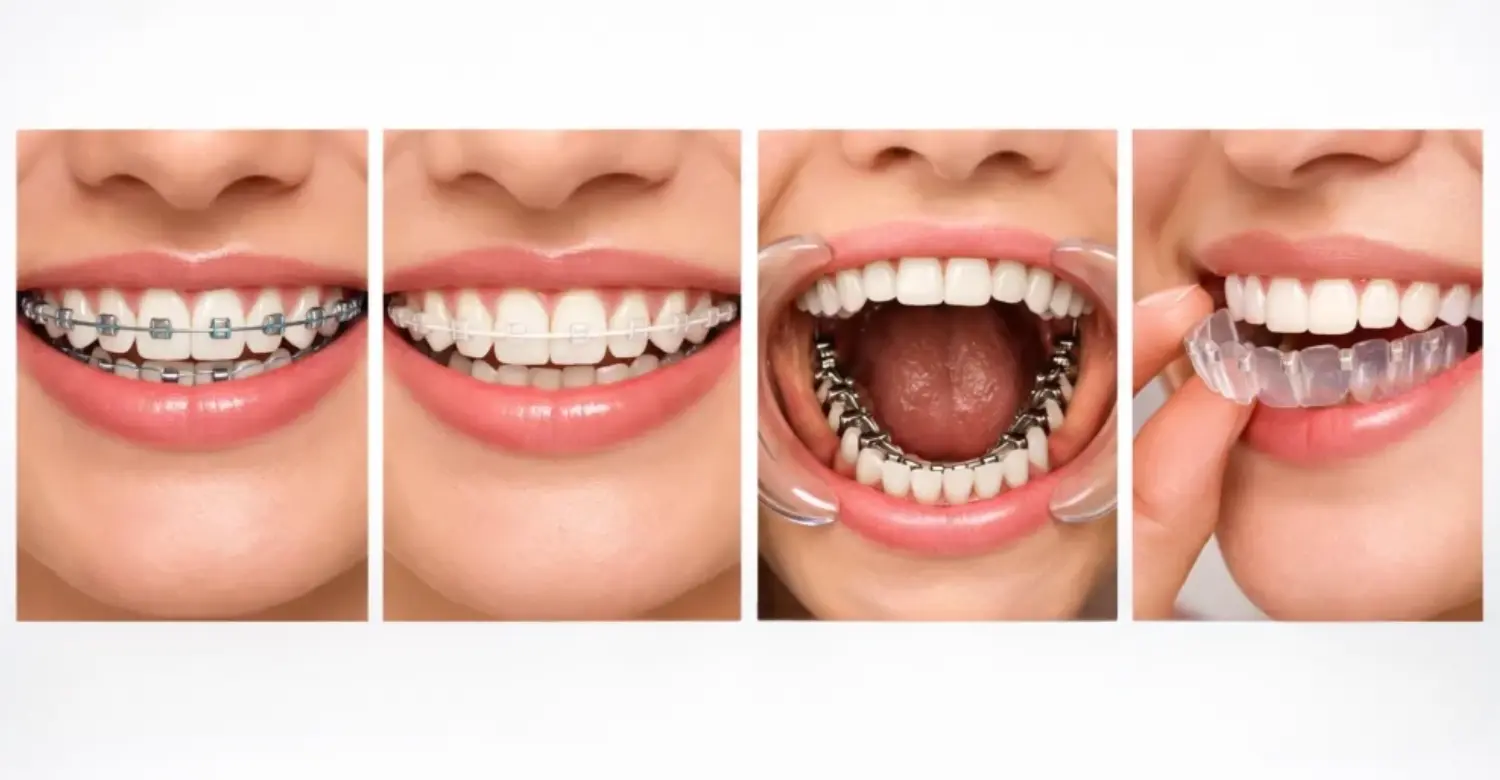
There are several adult braces options available, each catering to different needs. Traditional metal braces remain effective, while ceramic braces offer a more discreet look. Lingual braces are hidden behind the teeth, and clear aligners provide removable, near-invisible correction. Self-ligating braces improve efficiency and reduce appointments. Choosing among adult braces options depends on aesthetic preference, lifestyle, dental complexity, and budget. By understanding each type, adults can select treatments that align with their personal and professional goals. Orthodontists typically provide consultations to evaluate the most suitable adult braces options for achieving optimal alignment with comfort and confidence.
Traditional Metal Braces
Traditional metal braces remain the most reliable option for correcting dental misalignment, especially in complex cases. They consist of metal brackets bonded to teeth, connected by archwires that gradually apply pressure to move teeth into their proper positions. While they are more visible than other options, modern designs are smaller, more comfortable, and highly effective. Metal braces can address severe crowding, bite problems, and jaw misalignment. Regular orthodontic visits are essential to adjust the wires and monitor progress. Despite their visibility, they offer predictable results and are often the fastest way to correct challenging dental conditions. Their durability and effectiveness make them a widely trusted choice among adults seeking alignment correction.
How metal braces work for adults
Metal braces use brackets and wires to gradually shift teeth into proper alignment. For adults, these braces are highly effective for correcting severe crowding, bite misalignment, or spacing issues. The orthodontist adjusts the wires periodically to apply controlled pressure, guiding teeth over time. Although visible, modern metal braces are smaller, more comfortable, and durable than older designs. Adult braces options include customizable metal braces that can match aesthetic preferences or incorporate color choices for personalization. This traditional approach remains a reliable solution for adults seeking predictable, comprehensive orthodontic results.
Advantages of traditional braces
Traditional metal braces offer numerous benefits for adults. They can address complex dental problems that may be difficult with other adult braces options. Metal braces are highly durable and provide precise control over tooth movement. They are suitable for cases involving significant bite correction, jaw alignment issues, or crowded teeth. Treatment plans are predictable, and progress can be monitored closely by the orthodontist. While metal braces are visible, they remain one of the most cost-effective adult braces options. Many adults choose them for their reliability and efficiency, knowing that the end result is a healthier, well-aligned smile.
Ceramic Braces
Ceramic braces use brackets made of clear or tooth-colored materials, making them less noticeable than traditional metal options. They function similarly, using wires to gradually shift teeth into alignment. Many adults choose them for aesthetic reasons, as the discreet appearance is ideal for professional or social environments. While slightly more fragile than metal, they are durable enough for effective treatment. Proper care is crucial to prevent staining and maintain their appearance. Ceramic braces are suitable for mild to moderate dental corrections and provide a comfortable treatment experience. They combine the reliability of fixed appliances with a visually appealing, low-profile design that suits image-conscious patients.
Discreet braces options for adults
Ceramic braces are a popular adult braces option for those who prioritize discretion. Made from tooth-colored or clear materials, they blend seamlessly with natural teeth, offering a more subtle alternative to traditional metal braces. Ceramic braces work similarly to metal braces, gradually adjusting teeth through brackets and wires. They are ideal for adults concerned about appearance in professional or social settings. This adult braces option provides the balance of effectiveness and aesthetics, ensuring that treatment is not only functional but also visually appealing throughout the process. Many adults find ceramic braces enhance confidence while improving alignment.
Maintenance and care tips
Ceramic braces require careful maintenance to avoid discoloration or damage. Adults should brush and floss regularly, using specialized tools if needed. Avoiding stain-prone foods and beverages, like coffee or red wine, helps maintain their discreet appearance. Regular orthodontic visits ensure adjustments are made safely and effectively. While ceramic braces are slightly more fragile than metal braces, following care instructions preserves their functionality. For adults seeking a less noticeable option, ceramic braces are a highly effective choice among adult braces options, providing both cosmetic appeal and lasting dental health improvements.
Lingual Braces
Lingual braces are unique because they are attached to the back of the teeth, making them invisible from the front. This design is ideal for adults who want an effective solution without altering their appearance. They function similarly to traditional braces, using brackets and wires to gradually reposition teeth. Placement and adjustments require a skilled orthodontist due to the complexity of working behind the teeth. Initial discomfort may include tongue irritation and slight changes in speech, which typically improve as patients adapt. These braces are excellent for those needing comprehensive alignment treatment while maintaining discretion in both personal and professional settings.
Braces for adults options hidden behind teeth
Lingual braces are an excellent adult braces option for those seeking complete discretion. Attached to the back of the teeth, they are virtually invisible from the front. This makes them ideal for professionals or individuals concerned with aesthetics. Despite being hidden, lingual braces function like traditional metal braces, gradually shifting teeth into alignment. Adjustments are made periodically to ensure consistent progress. Lingual braces require an experienced orthodontist due to their complexity. Adults benefit from this adult braces option by achieving effective alignment without impacting appearance or daily confidence.
Comfort and adjustment period
Lingual braces may initially feel uncomfortable as the tongue adjusts to the brackets. Speech and eating can be temporarily affected, but most adults adapt within a few weeks. Regular orthodontic visits help manage discomfort and monitor tooth movement. Using wax or specialized orthodontic tools can reduce irritation. The adjustment period is a key consideration when choosing lingual braces as an adult braces option, but the discreet appearance often outweighs the temporary inconvenience. With commitment to care and follow-ups, adults can achieve beautifully aligned teeth without visible braces.
Clear Aligners
Clear aligners are removable, transparent trays designed to gradually shift teeth into proper positions. They are ideal for individuals seeking a discreet alternative to braces. Each set of trays is custom-made based on digital scans of the teeth, ensuring precise movements and a comfortable fit. Aligners are removed during eating, brushing, and flossing, allowing for better oral hygiene and fewer dietary restrictions. Mild discomfort can occur as teeth adjust to each new tray, but it is generally minimal. They are suitable for mild to moderate alignment issues and offer flexibility, convenience, and aesthetic benefits, making them a popular choice among adults seeking invisible dental correction.
Best orthodontic options for adults without metal braces
Clear aligners, such as Invisalign, are a top adult braces option for those wanting a metal-free solution. These removable, transparent trays gradually move teeth into proper alignment. Adults favor them for their convenience, aesthetics, and ability to maintain oral hygiene easily. Clear aligners are custom-designed using 3D scans for precise treatment, offering comfort and predictability. This adult braces option suits mild to moderate orthodontic issues and allows lifestyle flexibility, such as removing trays during meals or special events. Clear aligners provide a discreet, effective, and modern solution for adult patients seeking optimal results.
Benefits of removable aligners
Removable aligners offer several advantages over traditional braces. Adults can eat without restrictions, maintain better oral hygiene, and remove them for special occasions. The trays are comfortable, cause minimal irritation, and are easy to clean. Treatment monitoring is done through periodic orthodontic visits or remote check-ins. Clear aligners allow adults to correct dental issues discreetly, making them a preferred adult braces option for image-conscious patients. Over time, aligners provide predictable results, improving bite function and aesthetics without the visible appearance of metal brackets or wires.
Self-Ligating Braces
Self-ligating braces use specialized brackets that do not require elastic bands to hold the archwire in place, reducing friction and allowing teeth to move more efficiently. This often results in shorter treatment times and fewer orthodontic visits. These braces are available in metal or ceramic styles, combining aesthetic appeal with efficiency. Reduced friction also minimizes discomfort during adjustments, making them a more comfortable experience compared to traditional systems. Self-ligating braces are particularly suitable for patients with moderate to complex alignment issues who want faster, effective results with less frequent appointments, while maintaining precision in tooth movement.
Faster treatment options for adults
Self-ligating braces use a specialized bracket system that reduces friction, allowing teeth to move more efficiently. This adult braces option often shortens treatment duration compared to traditional braces. Reduced friction also minimizes discomfort during adjustments. These braces come in metal or ceramic versions, combining speed and aesthetics for adult patients. Self-ligating braces are particularly suitable for adults seeking faster results without compromising precision or alignment quality. By streamlining the treatment process, this adult braces option balances efficiency with comfort and long-term oral health benefits.
Reduced visits to the orthodontist
Self-ligating braces require fewer adjustments, reducing orthodontic visits. Adults with busy schedules benefit from this efficiency, making it a convenient adult braces option. The system’s design maintains consistent pressure on teeth, ensuring steady progress while minimizing chair time. Reduced visits also lower overall treatment inconvenience and enhance adherence to orthodontic care plans. Adults can enjoy predictable results, achieving aligned teeth without frequent disruptions to work or personal life. Combining faster treatment and fewer appointments, self-ligating braces offer an effective, adult-friendly solution for those seeking reliable orthodontic correction.
Accelerated Orthodontics and Specialized Interdisciplinary Dental Care
Adults frequently require more than simple tooth movement. Their treatment may involve restorative dentistry, periodontics, implant planning, or cosmetic procedures alongside orthodontics. This interdisciplinary approach helps create healthier, longer-lasting outcomes.
Accelerated orthodontics may also shorten treatment time for selected patients through specialized clinical techniques that stimulate bone remodeling. However, not every patient is a suitable candidate.
At Vitrin Clinic, treatment planning brings together multiple dental specialties to ensure orthodontic movement supports both oral function and smile aesthetics. Dr. Rifat Alsaman explains that comprehensive planning reduces future complications and allows cosmetic procedures such as veneers or crowns to be completed with greater precision after orthodontic treatment.
Advanced Clinical Interventions for Skeletal and Sleep Issues
While braces effectively correct many alignment problems, they cannot change jaw bone anatomy. Patients with severe skeletal discrepancies or airway-related conditions sometimes require advanced interventions beyond conventional orthodontics.
A complete diagnosis includes facial analysis, digital imaging, bite evaluation, and airway assessment before determining the most appropriate treatment pathway.
Orthognathic Surgery and Treatment for Sleep Disorders
When jaw position contributes to severe bite problems or obstructive sleep apnea, orthognathic surgery may be recommended alongside orthodontic treatment. Braces prepare the teeth before surgery and refine the bite afterward.
At Vitrin Clinic, patients with complex skeletal conditions receive comprehensive evaluations before surgical recommendations are made. Dr. Rifat Alsaman emphasizes that surgery is reserved for carefully selected cases where orthodontics alone cannot achieve stable functional results.
Research has shown that correcting jaw position may significantly improve chewing efficiency, facial balance, and airway function in appropriate candidates.
Vitrin Clinic Adult Braces Options
Vitrin Clinic offers comprehensive treatment options designed for adult patients seeking effective alignment solutions. The clinic emphasizes individualized treatment plans based on detailed assessments of teeth, bite, and jaw structure. Patients receive guidance on the type of appliance most suitable for their dental needs, lifestyle, and aesthetic preferences. Using advanced imaging and digital planning, the clinic ensures precision and predictability throughout treatment. Experienced orthodontists work closely with each patient, providing follow-up care and adjustments to optimize results. By combining personalized attention, technology, and a patient-centered approach, Vitrin Clinic delivers high-quality dental correction solutions that enhance both function and appearance.
Personalized Consultation at Vitrin Clinic
Consultations at Vitrin Clinic are tailored to evaluate each patient’s specific dental alignment and bite requirements. The process begins with a comprehensive examination, including digital scans, imaging, and assessments of oral health. Patients are presented with all treatment options suitable for their condition, and potential outcomes are discussed to ensure informed decisions. Lifestyle, aesthetic goals, and dental complexity are considered when recommending the best approach. The clinic emphasizes education and transparency, helping patients understand how different appliances function, treatment timelines, and maintenance. Personalized consultations ensure that each patient receives a plan that balances comfort, effectiveness, and long-term dental health.
Assessing your adult teeth alignment options without braces
At Vitrin Clinic, consultations begin with a comprehensive assessment of teeth alignment, bite, and jaw health. Adult braces options are reviewed, including non-braces alternatives like aligners for minor corrections. Customized treatment plans consider oral health, aesthetics, and lifestyle. This approach ensures each patient receives an optimal adult braces option tailored to their needs. Advanced diagnostics, including digital imaging, allow precise planning, improving outcomes. By evaluating all possibilities, Vitrin Clinic empowers adults to choose treatments that align with both dental health goals and personal preferences.
Choosing the right braces option for your lifestyle
Selecting an adult braces option at Vitrin Clinic involves matching treatment to lifestyle. Professionals may prefer discreet options like clear aligners or lingual braces, while those prioritizing speed may choose self-ligating braces. Adults with complex dental needs can opt for traditional or ceramic braces for predictable results. Personalized consultations ensure comfort, convenience, and satisfaction. Patients receive guidance on maintenance, aesthetics, and duration, allowing informed decisions. This individualized approach helps adults achieve a healthy, confident smile without disrupting daily life or professional obligations, making Vitrin Clinic a preferred choice for adult braces options.
Advanced Technology for Adult Orthodontics
The clinic incorporates cutting-edge technology to improve treatment outcomes and patient comfort. Digital 3D scanning and imaging allow precise mapping of teeth and jaw structures, enabling customized treatment plans. Computer-assisted simulations help visualize expected results before treatment begins, improving predictability. Minimally invasive techniques reduce discomfort and shorten recovery periods, while custom-fabricated appliances enhance comfort and efficiency. Technology also allows for remote monitoring of progress in some cases, reducing the need for frequent appointments. Incorporating these tools ensures a smoother, more effective treatment process, offering patients modern, high-quality dental correction solutions.
3D scanning for precise treatment
Vitrin Clinic uses 3D scanning technology to plan adult braces options accurately. Scans capture tooth and jaw structure in high detail, enabling precise aligner or brace fabrication. This reduces errors and enhances treatment efficiency. Adults benefit from shorter appointments and customized solutions, tailored to their dental anatomy. Digital planning allows simulation of treatment progress, giving patients a clear understanding of expected outcomes. Incorporating advanced technology ensures that adult braces options at Vitrin Clinic provide superior precision, comfort, and predictable results, aligning both function and aesthetics.
Minimally invasive braces procedures
Modern adult braces options at Vitrin Clinic include minimally invasive techniques. Treatments are designed to reduce discomfort and preserve healthy tissue. Innovations like customized brackets, digital planning, and gentle adjustments minimize pain while enhancing efficiency. Adults experience smoother transitions, shorter recovery, and less noticeable treatment processes. Minimally invasive approaches also reduce the need for extractions or surgical interventions when possible. This ensures that adult patients can enjoy effective orthodontic correction with minimal disruption, making Vitrin Clinic a leader in patient-focused adult braces options.
What We Notice Clinically
At Vitrin Clinic, we frequently observe that adults seeking braces often have additional dental concerns that younger patients do not. Worn teeth, missing teeth, gum recession, old fillings, and bite instability commonly influence orthodontic planning.
Dr. Rifat Alsaman, Head of the Medical Team at Vitrin Clinic, explains that successful adult orthodontics requires treating the entire mouth, not just straightening the teeth. A comprehensive assessment allows the dental team to coordinate orthodontics with restorative and cosmetic dentistry for healthier, more predictable long-term outcomes.
How Much Do Adult Braces Options Cost?
Price depends on the appliance, case complexity, and your clinic's location. Here's a general breakdown:
Appliance | Typical Cost |
|---|---|
Metal | $3,500 – $6,500 |
Ceramic | $4,000 – $8,000 |
Lingual | $8,000 – $13,000 |
Clear Aligners | $3,500 – $8,000 |
Cost and Duration of Adult Braces Options
The cost and treatment duration vary depending on the type of appliance, complexity of dental issues, and clinic location. Simple cases requiring mild adjustments may take a year or slightly more, while complex bite or crowding issues can extend treatment to 30–36 months. Costs are influenced by the materials used, the experience of the orthodontist, and additional procedures such as extractions or jaw corrections. Planning and scheduling appointments strategically, combined with diligent care, can optimize timelines. Understanding these factors helps patients budget appropriately and set realistic expectations for both time and financial commitment associated with achieving a well-aligned smile.
Factors Affecting Cost
Several factors influence the total cost of dental alignment treatments. These include the type of appliance selected, complexity of alignment, duration of treatment, and number of adjustments required. Specialized appliances, such as lingual systems or clear trays, generally cost more due to custom fabrication and advanced technology. Additional dental procedures, such as extractions, bone modifications, or restorative work, also impact pricing. Geographic location, orthodontist expertise, and clinic facilities contribute to variations in fees. By evaluating these considerations, patients can choose a treatment that aligns with both their financial situation and their desired outcomes for aesthetics, functionality, and efficiency.
Financial Structures and Payment Portals for Adult Alignment
The cost of adult braces varies according to appliance type, treatment complexity, treatment duration, and any additional dental procedures required. Flexible payment plans make orthodontic care accessible for many adults.
At Vitrin Clinic, patients receive individualized treatment plans with transparent pricing before treatment begins. Flexible installment options help many adults begin treatment sooner instead of postponing necessary care.
Are Braces Covered By Insurance For Adults?
Insurance coverage depends on the patient's country, provider, and policy. Many plans offer limited orthodontic benefits for adults, while others provide coverage only when treatment is medically necessary.
Patients should carefully review annual limits, exclusions, waiting periods, and lifetime orthodontic benefits before starting treatment.
The treatment coordinators at Vitrin Clinic help international patients understand available payment options and prepare the necessary documentation whenever insurance reimbursement is possible.
Type of braces and materials
The cost of adult braces options varies based on the type of braces and materials used. Traditional metal braces are generally the most affordable, while ceramic, lingual, or self-ligating braces may cost more due to material complexity and aesthetic benefits. Clear aligners are often priced higher because of custom fabrication and digital planning. Adults with complex orthodontic needs, like jaw misalignment or severe crowding, may require additional appliances or procedures, increasing the cost. Location, orthodontist experience, and clinic technology also influence pricing. Evaluating different adult braces options helps patients balance effectiveness, aesthetics, and affordability for a treatment plan that fits both dental goals and budget.
Complexity of adult teeth alignment
Treatment complexity significantly impacts the cost of adult braces options. Adults often face denser bones, previous dental work, or severe misalignment, which requires longer treatment times and specialized techniques. Cases involving jaw correction, severe crowding, or bite adjustments typically demand more visits and advanced appliances, adding to the overall cost. Simpler spacing issues or mild crowding may be corrected with clear aligners or ceramic braces at a lower price. By assessing each patient’s dental complexity, orthodontists recommend the most suitable adult braces options that balance treatment efficiency, effectiveness, and financial feasibility, ensuring both long-term oral health and a beautiful smile.
Treatment Duration
Treatment timelines depend on dental complexity, appliance type, and patient compliance. Mild alignment issues with removable trays may be resolved in 12–18 months, while fixed appliances for more severe crowding or bite problems can take 24–36 months. Adult patients may experience slower tooth movement compared to adolescents due to denser bone structures. Regular follow-ups and adherence to care instructions are essential to prevent delays. In some cases, accelerated techniques, such as self-ligating systems, can shorten the timeline. By understanding treatment duration, patients can plan accordingly and remain committed to achieving long-term dental stability and improved function.
Average timeline for braces for adults options
The duration of adult braces options varies based on the type of treatment and complexity of dental issues. On average, traditional metal braces take 18–30 months, ceramic braces 18–28 months, and clear aligners 12–24 months for mild to moderate cases. Lingual braces may require 24–36 months for complex alignment. Self-ligating braces can shorten treatment by reducing friction and speeding tooth movement. Adults with prior dental restorations or denser bone structures may experience slightly longer timelines. Regular check-ups and adherence to orthodontist instructions can optimize results. Understanding the typical duration of adult braces options helps patients plan for consistent progress toward a healthier, aligned smile.
Tips to speed up orthodontic results
Adults can accelerate results with adult braces options by following professional guidance. Maintaining excellent oral hygiene prevents complications and allows smoother tooth movement. Wearing elastics, aligners, or other appliances as directed ensures consistent pressure. Avoiding hard or sticky foods protects braces, reducing delays. Regular appointments allow timely adjustments and progress tracking. Some clinics offer accelerated orthodontic techniques, such as self-ligating braces or micro-osteoperforation, to stimulate faster tooth movement. Compliance with treatment protocols, combined with a healthy diet and lifestyle, optimizes the effectiveness of adult braces options, helping adults achieve a beautiful, aligned smile in the shortest safe timeframe.
Direct-to-Consumer Risks: Professional Clear Aligners vs. Mail-Order Aligners
Mail-order aligners have become popular because of convenience and lower costs. However, moving teeth without comprehensive clinical examination carries important risks.
Professional orthodontic treatment includes X-rays, digital scans, periodontal evaluation, and continuous supervision throughout tooth movement. Mail-order systems generally lack these essential diagnostic steps.
According to Dr. Rifat Alsaman, successful orthodontics depends on controlling tooth movement while protecting bone, gums, and bite function. At Vitrin Clinic, every aligner treatment is supervised by experienced dental professionals who monitor progress and make adjustments whenever necessary.
Clinical reports have documented higher rates of bite problems and incomplete treatment when orthodontic movement occurs without appropriate professional supervision.
Auxiliary Elements in Fixed Appliance Systems
Modern braces include several components beyond brackets. These accessories improve tooth movement efficiency and help achieve precise treatment goals.
Patients may use elastics, different archwire materials, bite turbos, springs, or temporary anchorage devices depending on their orthodontic needs.
Archwires, Elastics, and Protective Mouthguards
Archwires provide continuous force to guide tooth movement throughout treatment. Elastics correct bite relationships by coordinating upper and lower teeth. Protective mouthguards are recommended during contact sports to reduce the risk of orthodontic injuries.
At Vitrin Clinic, patients receive individualized instructions for wearing elastics correctly and maintaining orthodontic appliances throughout treatment.
Dr. Rifat Alsaman reminds patients that inconsistent elastic wear is one of the most common reasons adult treatment takes longer than originally planned.
Clinical Note
Adult orthodontic treatment begins with evaluating gum health, bone support, and existing dental restorations, not simply tooth alignment. Many adults require periodontal therapy or restorative care before braces can safely begin.
According to Dr. Rifat Alsaman, early diagnosis prevents unnecessary complications and helps ensure stable long-term outcomes. At Vitrin Clinic, digital imaging, bite analysis, and comprehensive examinations allow the dental team to develop personalized orthodontic treatment plans that protect both oral health and smile aesthetics.
Maintaining Your Smile After Braces
Post-treatment care is critical to preserving alignment and overall oral health. Retainers, either fixed or removable, prevent teeth from shifting back to their previous positions. Patients should follow their orthodontist’s schedule for retainer wear and maintenance. Good oral hygiene practices, including regular brushing, flossing, and dental check-ups, help sustain results. Avoiding habits such as chewing hard objects or nail-biting protects alignment. Monitoring minor changes early allows timely intervention if needed. By adhering to post-treatment care routines, patients can enjoy long-term stability, a healthy bite, and a confident, radiant smile after completing orthodontic treatment.
Retainers and Follow-Up Care
After completing adult braces options, retainers are crucial to maintain results. Teeth can naturally shift without consistent retention, so orthodontists often prescribe removable or fixed retainers. Adults should follow a structured follow-up schedule to monitor alignment and oral health. Retainer usage ensures the long-term stability of the bite and prevents relapse. Periodic check-ups allow adjustments if minor movement occurs. Proper care of retainers and adherence to instructions extend the lifespan of orthodontic results. Retainers complement the benefits of adult braces options, protecting your investment in a healthy, confident, and well-aligned smile.
Oral Hygiene Tips for Adults with Braces
Maintaining oral hygiene during and after adult braces options is critical. Brushing after meals, using interdental brushes, and flossing regularly prevent plaque buildup and decay. Fluoride toothpaste strengthens enamel and reduces sensitivity. For clear aligners, thorough cleaning of trays prevents odor and staining. Adults should avoid hard, sticky, or sugary foods that can damage braces or increase the risk of cavities. Regular dental cleanings and check-ups complement orthodontic treatment. Effective oral hygiene preserves the health, functionality, and aesthetics achieved through adult braces options, ensuring your smile remains radiant for years to come.
Tips for Patients
Brush around brackets and wires after every meal using fluoride toothpaste.
Clean between teeth daily with interdental brushes or floss designed for braces.
Wear elastics exactly as instructed to avoid treatment delays.
Avoid hard, sticky, and chewy foods that may damage orthodontic appliances.
Keep all scheduled adjustment appointments.
If using clear aligners, wear them for 20–22 hours daily.
Store removable appliances in their protective case.
Wear a protective mouthguard during sports.
Report broken brackets or persistent discomfort promptly to your orthodontist.
At Vitrin Clinic, patients receive personalized hygiene guidance throughout every stage of treatment to help achieve the best possible results.
Long Term Benefits of Adult Orthodontics
Adult braces options offer lasting benefits beyond appearance. Proper alignment improves bite efficiency, reduces uneven tooth wear, and prevents jaw problems like TMJ disorder. Correctly spaced teeth enhance oral hygiene and lower the risk of cavities or gum disease. Adults also gain a confidence boost, contributing to better personal and professional interactions. Long-term maintenance with retainers ensures results last a lifetime. By investing in adult braces options, adults enjoy functional, aesthetic, and health improvements, combining the transformative power of orthodontics with a practical, enduring solution for oral care and overall well-being.
Conclusion
Choosing the right adult braces options is about more than achieving straighter teeth—it is an investment in your long-term oral health, bite function, and confidence. Whether you need traditional braces, ceramic braces, lingual braces, or clear aligners, the best treatment depends on your unique dental condition, lifestyle, and goals. A comprehensive evaluation ensures that factors such as gum health, bone support, and jaw alignment are considered before treatment begins.
At Vitrin Clinic, every orthodontic journey is personalized through advanced digital diagnostics and multidisciplinary care. Dr. Rifat Alsaman, Head of the Medical Team at Vitrin Clinic and a cosmetic dentist, believes that successful adult orthodontics combines precise tooth movement with healthy gums, stable bite function, and beautiful smile aesthetics. If you're considering braces as an adult, a professional consultation can help you explore the most suitable treatment option and take the first step toward a healthier, more confident smile.
reference
FAQs

Dr. Rifat Alsaman has more than 5 years of clinical experience in dentistry and currently serves as the Head of the Medical Team at Vitrin Clinic. He is dedicated to providing exceptional patient care, overseeing treatment planning, and ensuring the highest clinical standards across the team. His expertise, attention to detail, and commitment to continuous professional development have helped countless patients achieve healthier, more confident smiles.


.webp&w=3840&q=75)
