Dental Implant
January 11, 2026
All on 4 Dental Implants Step by Step: A Complete Guide to the Procedure

Understanding the all on 4 dental implants step by step process helps patients approach this treatment with confidence. It builds realistic expectations. It also builds thorough knowledge of what each phase involves. The all on 4 dental implants procedure follows a systematic, well-established sequence. Decades of clinical experience have optimized outcomes. Steady protocol improvements have cut treatment duration and discomfort along the way.
Ready to transform your smile?
Talk to our team and get your FREE treatment plan.
What Is the All on 4 Dental Implants Procedure?
The all on 4 dental implants procedure is an innovative approach to full arch tooth replacement. It strategically uses four precisely positioned implants. These implants support complete upper or lower prosthetic restorations. This treatment transforms the lives of patients facing complete tooth loss. It provides fixed, stable teeth that restore chewing ability, speech clarity, and confident smiling, all through one coordinated surgical intervention.
Understanding the all on 4 process starts with its fundamental efficiency. It uses fewer implants than traditional approaches. Yet it keeps equivalent or superior stability, through biomechanically optimized positioning. The all on 4 dental implants step by step sequence moves logically from comprehensive planning through surgical execution to final restoration. It typically finishes within 3-6 months, from initial consultation to final teeth delivery. This streamlined timeline, combined with high success rates, is why All on 4 has become the gold standard for full-arch tooth replacement.
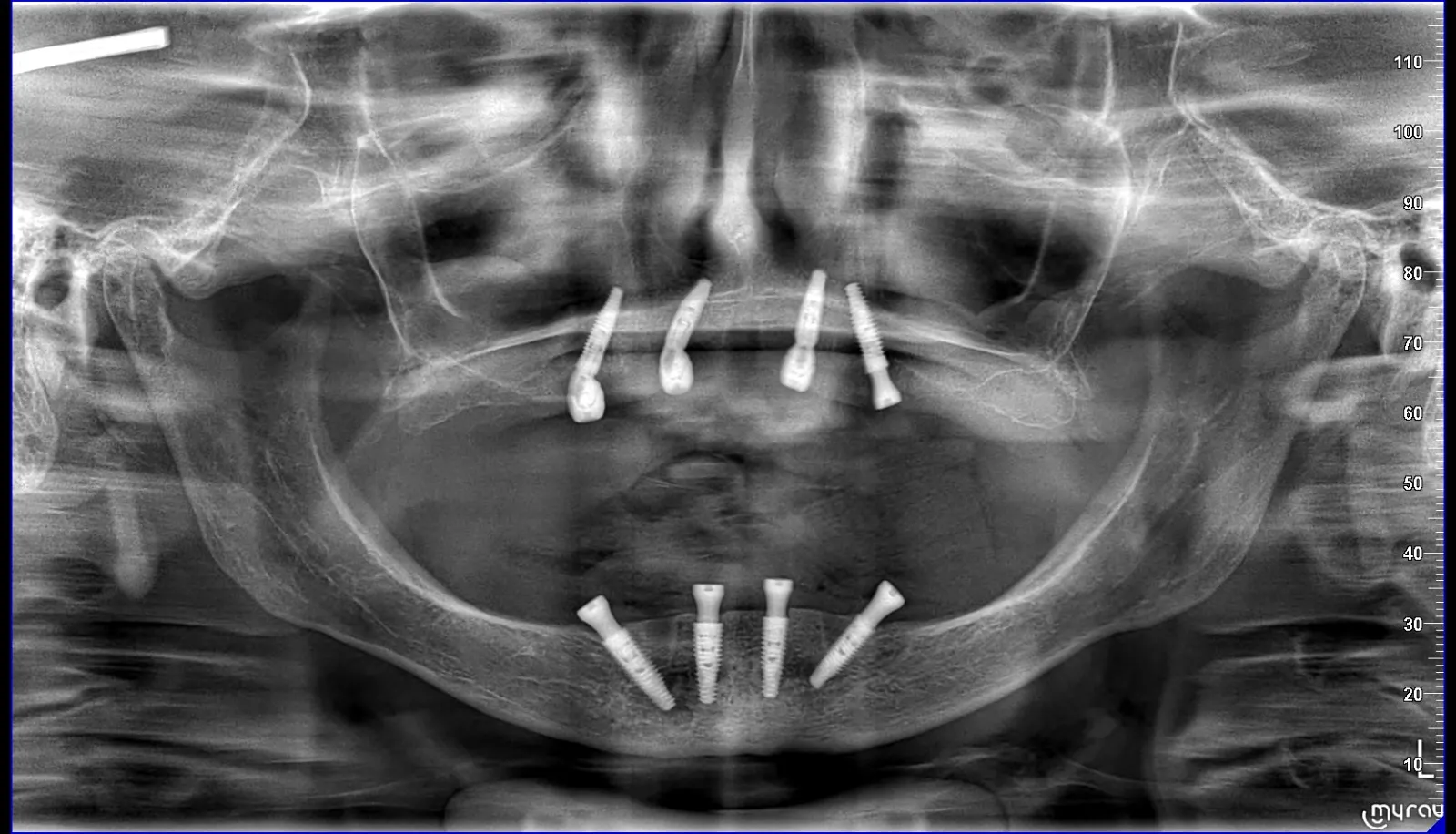
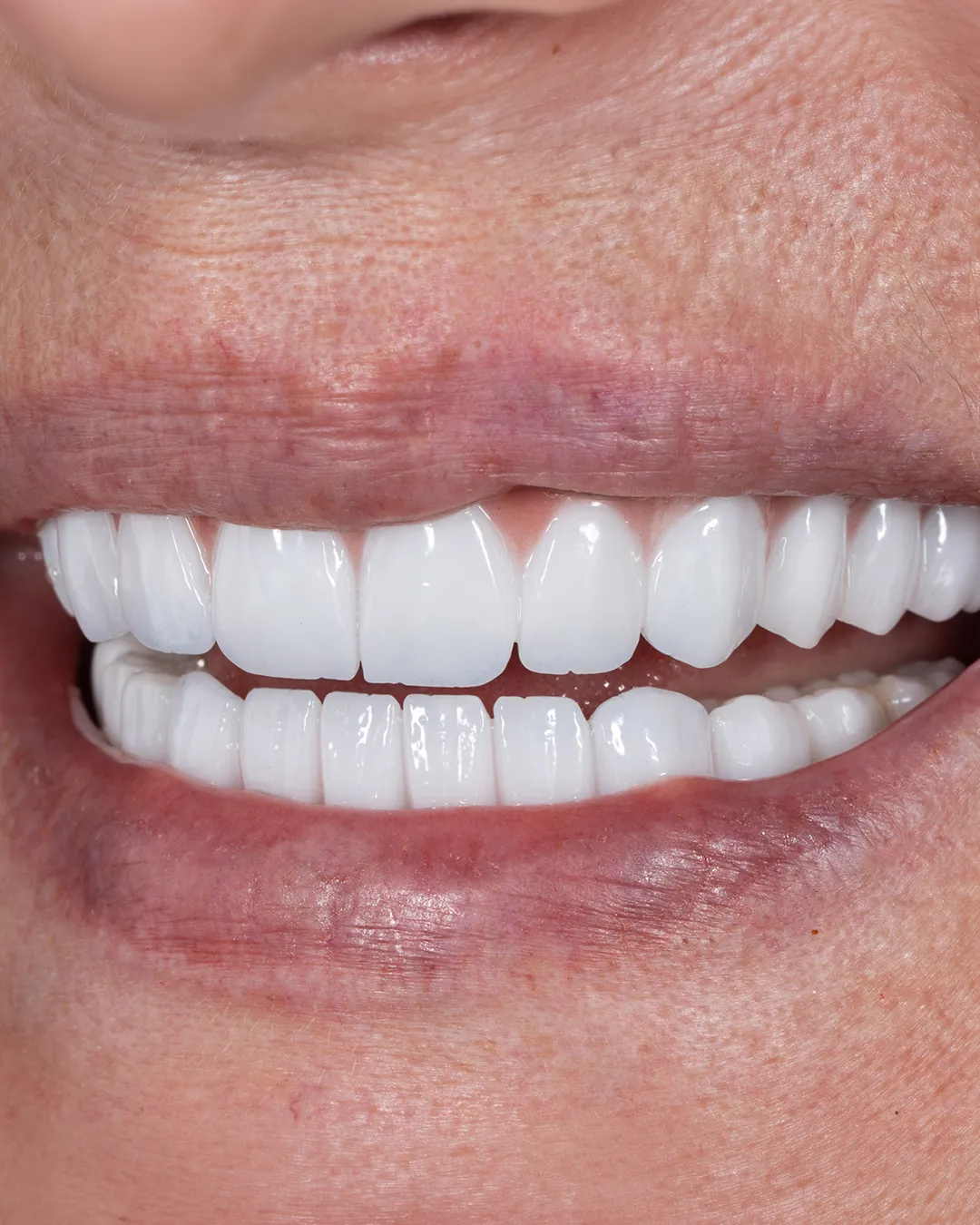

Overview of the All on 4 Process
The all on 4 dental implants procedure provides full-arch tooth replacement using four implants. They are strategically positioned to maximize bone engagement. This approach avoids anatomical structures that would otherwise require grafting. It delivers fixed or implant-supported teeth, depending on patient preference and clinical recommendations. Both options dramatically outperform traditional removable dentures in stability, comfort, and function.
The treatment is designed for efficiency and long-term stability. It combines refined surgical techniques with sophisticated prosthetic engineering. This engineering distributes chewing forces optimally across the four implant anchors. The All-on-4 dental implant procedure step by step typically allows immediate temporary tooth placement on surgery day. This provides instant aesthetic and functional improvement. Meanwhile, the implants integrate with surrounding bone over the following months. This immediate function is a major advantage over older protocols that require months of healing first.
.webp)
Step 1: Initial Consultation and Evaluation
The All-on-4 dental implant procedure step by step journey begins with a comprehensive initial consultation and evaluation. This establishes treatment feasibility. It identifies potential challenges and develops preliminary plans for the phases ahead. This first step involves a thorough examination, detailed imaging, and an honest discussion of expectations and concerns. Patients also get a preliminary cost estimate, giving them the information they need for informed decision-making.
Success of the all on 4 dental implants procedure depends heavily on this initial assessment. It identifies anatomical considerations, medical factors affecting healing, and any preparatory work needed before surgery. This consultation typically takes 1-2 hours. That gives enough time for examination, imaging review, and questions, without rushing through complex information. Thorough evaluation prevents later problems. It ensures only appropriate candidates proceed, and that patients understand what the all on 4 process involves before committing to this investment.
Ready to transform your smile?
Talk to our team and get a personal treatment plan.
Oral Examination and Medical Review
A comprehensive evaluation includes a review of dental and medical history. This identifies factors affecting treatment planning, healing potential, and anesthesia safety for the all on 4 process. The dentist thoroughly assesses gum and bone health through clinical examination and diagnostic imaging. This covers periodontal status, bone quality and quantity, existing teeth conditions, and bite relationships.
This medical review flags conditions that need managing before surgery. Examples include uncontrolled diabetes, osteoporosis, and bleeding disorders. Managing these first ensures optimal conditions for success. The exam also looks at patient expectations and lifestyle factors like smoking. It checks the patient's ability to maintain proper oral hygiene. This comprehensive assessment ensures the all on 4 dental implants procedure proceeds only when the odds of success justify the investment.


Digital Scans and 3D Imaging
Advanced diagnostic imaging using CBCT scans gives precise planning data. It shows bone quality, density, and volume. This data is essential for safe, optimal implant positioning in the all on 4 dental implants step by step protocol. These three-dimensional scans reveal nerve locations too. They flag anatomical variations that may require treatment plan changes, helping the procedure avoid complications.
The imaging shows sinus positions, nerve pathways, and existing pathology. All of these influence surgical approach and implant positioning. This digital data feeds sophisticated planning software. It lets the team position implants virtually before surgery, identifying optimal locations, angles, and depths for the all on 4 process implants. Comprehensive imaging substantially improves safety and precision compared to older two-dimensional X-rays.
Step 2: Personalized Treatment Planning
After initial evaluation and imaging, the all on 4 dental implants step by step process moves to detailed treatment planning. The surgical and prosthetic teams collaborate on strategies that optimize both immediate and long-term outcomes. This phase turns diagnostic data into actionable surgical and prosthetic blueprints. Every subsequent step follows this plan.
The all on 4 dental implants procedure requires close coordination between surgical placement and prosthetic design. Integrated planning is essential for optimal results. Modern digital planning software enables virtual treatment simulation. The team can test different approaches before beginning irreversible surgery. This planning investment adds time before surgery. But it dramatically improves outcomes, by solving problems virtually rather than discovering them mid-surgery.
Digital Smile and Implant Planning
Sophisticated software enables digital smile design, showing predicted aesthetic outcomes. At the same time, it plans an implant positioning strategy that supports that design. The planning determines optimal implant locations, angulations, and depths. This ensures adequate bone engagement while accommodating individual anatomy, as part of the all on 4 dental implants step by step protocol.
Comprehensive bite alignment planning ensures the final restoration works harmoniously with opposing teeth. It distributes forces appropriately for comfortable, efficient chewing. This integrated planning considers how surgical decisions affect prosthetic possibilities, and vice versa. Both phases work together, rather than creating conflicts that need compromise. The digital planning produces surgical guides and prosthetic specifications. This ensures the all on 4 dental implants procedure executes exactly as planned.
Choosing the Type of Final Teeth
Patients and the treatment team discuss temporary versus permanent teeth specifications. Most protocols provide immediate provisional restorations. Definitive prosthetics follow after complete implant integration. The planning covers material options, including economical acrylic, mid-range porcelain, or premium zirconia. Selection balances aesthetic priorities, durability, and budget.
Temporary teeth typically use less expensive materials, since they serve short-term purposes during healing. Final restorations use premium materials, chosen for long-term performance. This discussion helps patients understand trade-offs between options. It shows how choices affect total investment throughout the all on 4 dental implants step by step process. The planning ensures prosthetic specifications match patient priorities and realistic expectations.
Comparative Analysis: All-on-4 vs. All-on-6 Implant Protocols
The all on 4 process is not the only full-arch option. Patients researching all on 4 vs all on 6 often want to know why one arch gets four implants while another gets six. Both protocols restore a complete arch with a fixed bridge. The implant count changes how forces are distributed, and which patients qualify. Understanding this comparison helps patients discuss the right protocol with their treatment team before surgery.
Key Structural and Stability Differences
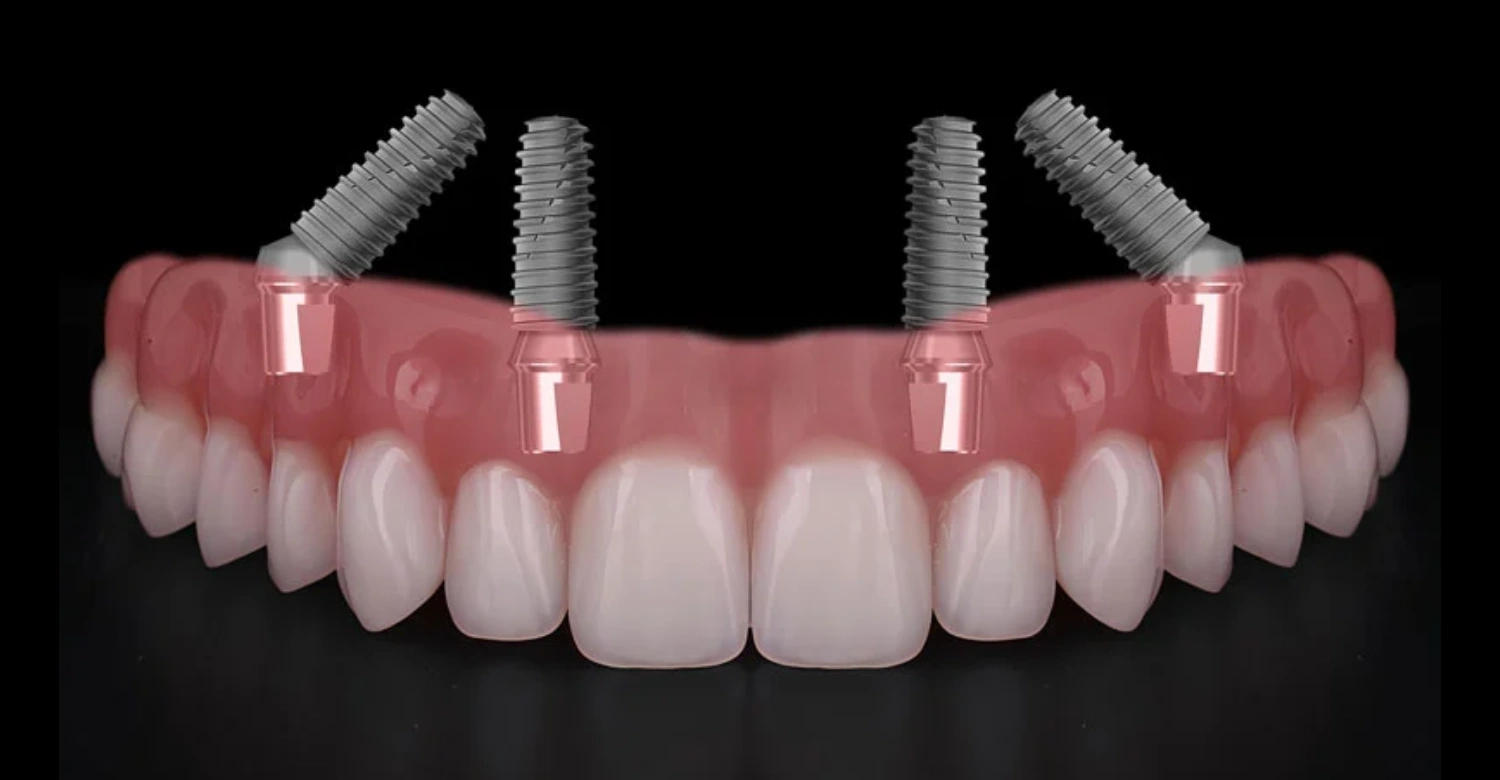
The all on 4 protocol uses two vertical anterior implants and two angled posterior implants. All on 6 dental implants add two more posterior anchors for extra load distribution. This difference matters most in patients with lower bone density. Six implants spread chewing force across more points, reducing stress on any single fixture. All on 4 remains stable for most patients, because angled placement already engages denser bone. All on 6 is generally reserved for cases needing added mechanical support.
Choosing Between All-on-4 and All-on-6: Patient Suitability Criteria
The criteria for all on 4 suitability include adequate anterior bone volume and no uncontrolled systemic disease. The bite pattern also needs to fit what a four-implant design can support. Patients with thinner bone or heavier bite forces are often better candidates for all on 6. So is anyone with a history of implant loss. The treatment team reviews CBCT imaging, bone density, and jaw anatomy before recommending either protocol. The wrong choice can affect long-term stability of the final bridge.
Step 3: Tooth Extractions (If Needed)
When patients have failing teeth that need removal, extractions happen on the same day as implant surgery. This eliminates a separate procedure and an extra healing period. Combining extractions with implant placement in one appointment reduces overall treatment duration. It also cuts patient burden and allows immediate progression to implant-supported restorations. Part of the procedure's efficiency comes from this integration. Traditional approaches often required months of healing after extractions before implants could be placed.
Modern techniques allow immediate implant placement into fresh extraction sockets. This works when bone quality and surgical conditions permit it, further speeding up the All-on-4 dental implant procedure step by step timeline. This extraction phase, when needed, bridges compromised natural dentition and the stable, implant-supported restoration ahead.
Removing Damaged or Failing Teeth
The surgical team extracts damaged or failing teeth first. This happens before proceeding to implant placement. Extractions happen on the same day as implant placement, using minimally invasive approaches. These approaches preserve surrounding bone and soft tissue.
Modern extraction techniques emphasize atraumatic removal that minimizes bone damage. This matters when implants will be placed into or next to extraction sites. The surgical team carefully sequences extractions and implant placements. Sometimes implants go into fresh sockets. Other times they go into adjacent intact bone, depending on anatomy. This coordinated approach keeps the all on 4 process efficient, while preserving the tissue and precision needed for successful healing.
Ready to transform your smile?
Talk to our team and get your Free treatment plan.
Preparing the Jaw for Implants
After extractions, the surgical team cleans and shapes the bone. They remove infected tissue and smooth irregular surfaces. This creates an optimal foundation for the implants. This preparation addresses any remaining pathology and optimizes bone contours for ideal positioning.
Site preparation may involve minor bone recontouring, to improve implant positioning options. Extensive grafting typically isn't needed, thanks to the strategic angled implant approach. The surgical team evaluates bone quality during this phase. Sometimes they adjust planned implant positions based on what they find during surgery. This adaptive approach delivers optimal implant stability, despite anatomical variations that imaging cannot always predict. Step three involves switching from temporary to permanent teeth, once the gums have healed.
Step 4: All on 4 Implant Placement Surgery
The core of the all on 4 dental implants step by step sequence is precise surgical placement of four titanium implants. This follows the pre-surgical digital plan. Guided techniques ensure submillimeter accuracy and optimal positioning. This surgical phase typically takes 2-3 hours per arch. It's the most critical stage of the all on 4 dental implants procedure, where meticulous technique heavily influences outcomes.
Modern computer-guided surgery uses surgical guides made from the planning data. This ensures implants land exactly where designed, removing the imprecision of freehand placement. The surgical phase demands both technical precision and adaptive judgment. Surgeons execute the planned approach, while responding to any unexpected findings during surgery. This combination of pre-planning and skilled execution is why the all on 4 process delivers such consistently strong outcomes.
Placement of the Four Dental Implants
The surgical technique places two front implants vertically in the anterior jaw. Bone quality typically stays excellent here, even with significant posterior bone loss. The surgeon then positions two back implants at angles up to 45 degrees. This engages denser anterior bone, while avoiding posterior structures like maxillary sinuses or mandibular nerves.
This strategic angulation maximizes use of available bone. It distributes forces optimally and creates the biomechanical foundation for full-arch restorations with just four implants. Implant placement follows precise depth, angulation, and position specifications from the digital plan. Surgical guides ensure an accuracy freehand techniques cannot match. Each implant must achieve adequate primary stability at placement. This supports immediate loading, a hallmark of the all on 4 dental implants procedure, which requires proper site preparation and careful implant seating.
Anesthesia and Comfort Options
Patient comfort during surgery relies on appropriate anesthesia. Local anesthesia provides baseline pain control. This is adequate for many patients comfortable with dental procedures. However, the all on 4 dental implants procedure often uses IV sedation or oral sedation. This suits anxious patients, or those who prefer reduced awareness during the 2-3 hour appointment.
Conscious sedation lets patients respond to commands while staying relaxed and comfortable. Most have limited memory of the procedure afterward. This makes the all on 4 dental implants step by step process less stressful for people with dental anxiety. The anesthesia team monitors vital signs throughout surgery, ensuring safety while keeping comfort levels up. Most patients report that the surgical experience proves far less uncomfortable than they expected. Appropriate anesthesia eliminates pain during the procedure and sets up a manageable recovery.
Step 5: Immediate Temporary Teeth Placement
One of the most appreciated parts of the all on 4 dental implants step by step protocol is immediate temporary teeth placement. Patients leave the surgical appointment with functional prosthetics. They avoid enduring a toothless healing period. This immediate loading capability is a major advancement over older protocols, which require months of healing first.
The all on 4 dental implants procedure enables same-day teeth when initial implant stability meets specific thresholds. This is typically measured through insertion torque values. These values indicate adequate bone engagement for safe immediate function. These temporary restorations serve several purposes.
Same-Day Teeth (When Eligible)
Patients who meet stability criteria receive a temporary bridge within 24 hours of implant placement. This provides immediate function and aesthetics, transforming both appearance and basic chewing ability right away. This immediate restoration capability is a remarkable advance. Historical implant protocols made patients wait months in temporary dentures, or without teeth at all, during healing.
Same-day teeth have revolutionized patient acceptance of the all on 4 dental implants procedure. They eliminate the most dreaded part of traditional implant treatment: the extended toothless period between extraction and restoration. These immediate provisionals attach to the newly placed implants, through specialized abutments. These abutments are designed for both immediate loading and later prosthetic fabrication. Not all patients qualify for immediate loading. Bone quality and extraction complexity sometimes require brief healing before attachment. But most patients enjoy this benefit, which defines the modern all on 4 dental implant step by step experience.
What to Expect with Temporary Teeth
Patients need to understand that temporary restorations require a soft diet during the initial healing weeks. Hard, crunchy, or chewy foods could overload the integrating implants. These provisional teeth are designed for the healing phase, rather than aggressive function. They use lighter materials and conservative occlusion. This protects implants during osseointegration, while still providing adequate aesthetics and basic chewing.
The temporaries may need minor adjustments during follow-up appointments, as tissues heal and swelling resolves. Most patients report that even these provisional restorations dramatically exceed the comfort of their previous failing teeth or traditional dentures. That motivates careful adherence to the healing protocol. The temporary phase typically spans 3-6 months in the all on 4 dental implants step by step process. Patients gradually expand their diet as healing progresses, while keeping the protective precautions that ensure successful implant integration.
Step 6: Healing and Osseointegration Phase
After implant placement, the all on 4 process enters the critical healing and osseointegration phase. Bone cells gradually colonize implant surfaces. This creates the permanent biological bonds that support long-term function. Integration typically takes 3-6 months. The exact time depends on individual healing capacity, bone quality, and other patient factors.
During this phase, patients function normally with their temporary restorations. Meanwhile, biological processes at the bone-implant interface build the foundation for decades of reliable service. Osseointegration is one of modern dentistry's most remarkable achievements. It is the body's acceptance of titanium implants as functional tooth root replacements. Understanding this healing phase helps patients see why the all on 4 dental implants step by step sequence requires several months from surgery to final teeth. Rushing integration risks implant failure, which would compromise the whole treatment.
Implant Integration with the Jawbone
The biological process involves bone fusing with implants through osseointegration. Osteoblasts deposit new bone directly onto the titanium implant surface. No fibrous tissue forms in between. This direct bone-to-implant contact creates the rigid anchorage needed to support significant chewing forces.
Integration typically takes 3-6 months. Lower jaw implants generally integrate faster than upper jaw implants, due to denser bone in the mandible. During this phase, patients must avoid overloading the integrating implants. Excessive forces could disrupt the developing bone-implant interface. Factors affecting integration speed include patient age, medical conditions, smoking status, and diet adherence during the critical early weeks. This phase proceeds largely invisibly from the patient's perspective. Most people simply enjoy their temporary teeth, while the remarkable biological work happens beneath the surface.
Follow-Up Appointments
Regular monitoring during healing involves follow-up appointments. These allow professional evaluation of healing progress and implant stability. Visits typically occur at 1 week, 1 month, 3 months, and sometimes 6 months post-surgery. They give the clinical team a chance to verify that healing is on track.
These appointments allow minor adjustments to the temporary prosthetic if needed, such as occlusal refinement. Professional cleaning during follow-ups maintains optimal hygiene around implant abutments. This prevents bacterial buildup that could compromise integration. These visits also reinforce home care techniques and address patient questions. They reassure patients that healing is progressing normally. During the initial consultation, the team also arranges financing and payment plans.
Step 7: Final All on 4 Teeth Placement
The culmination of the All-on-4 dental implant procedure step by step is final permanent teeth placement. The temporary restoration is replaced with the definitive prosthetic. This is custom-fabricated to patient specifications and treatment team recommendations. This appointment typically happens 3-6 months after initial surgery. By then, complete osseointegration is confirmed and the implants can safely support long-term loads.
Completing the all on 4 dental implants procedure marks a shift. Patients move from compromised natural dentition or unstable dentures, to permanent, stable, functional teeth. With proper maintenance, these can serve reliably for 15-20+ years. This final restoration reflects patient feedback from the temporary phase. It uses refined aesthetics and premium materials chosen for long-term performance. The delivery appointment is emotionally significant for most patients. It marks the start of their new life with restored oral function and confidence.
Removing the Temporary Bridge
The final phase begins with removing the temporary bridge that served during healing. This gives access to the integrated implants and abutments. After the temporary is removed, final impressions are taken. These use advanced digital scanning or traditional materials, capturing precise implant positions and soft tissue contours.
The appointment includes comprehensive bite refinement. This establishes occlusal relationships that distribute forces appropriately for comfortable chewing. This detailed recording phase, part of the all on 4 dental implants procedure, ensures the final restoration fits precisely. The impressions feed laboratory fabrication of the custom final bridge or denture that completes the all on 4 dental implants step by step transformation.
Placement of Permanent Teeth
The appointment culminates with the final bridge being secured to the integrated implants, through precision abutments. This creates the rigid connection that supports decades of reliable function. After attachment, the treatment team meticulously verifies comfort, function, and aesthetics. They make any minor adjustments needed for optimal satisfaction.
The final restoration uses premium materials chosen for durability. Its design optimizes force distribution, with carefully crafted aesthetics that complement facial features. Patients receive detailed instructions for maintaining their new teeth. These cover specialized cleaning techniques and the importance of regular professional maintenance. Most patients report their final teeth feel completely natural within days. This marks the beginning of a new chapter with restored confidence, function, and oral health.
Understanding Abutment Placement: The Transition Phase
Abutment placement is a step many patients overlook. Yet it directly connects the surgical and prosthetic phases of treatment. It happens after the implant integrates, or immediately at surgery in same-day protocols. It determines how securely the final bridge will sit.
How Multi-Unit Abutments Connect the Implant Fixture to the Final Bridge
Multi unit abutments for full arch restorations rely on small titanium connectors. These screw directly into each implant fixture. They correct any angulation between the implant and the planned bridge path. This implant abutment attachment phase allows the prosthetic team to build a bridge that seats passively over all four implants, without straining any single connection point. Precise abutment selection reduces mechanical stress once the final restoration is loaded.
Recovery Timeline for All on 4 Dental Implants
Understanding the recovery timeline helps patients prepare, and maintain realistic expectations. It helps them recognize normal healing versus complications that need attention. Recovery progresses through predictable phases. Most patients experience manageable discomfort and a rapid return to normal activities, when they follow proper post-operative protocols.
Recovery from the All-on-4 dental implant procedure step by step proves significantly easier than most patients expect. Modern surgical techniques and improved pain management both help the experience. Individual healing varies based on surgical extent and patient health. But most patients report far less difficulty than they feared, given the substantial benefits achieved. This knowledge turns vague anxiety into concrete understanding of what to expect.
First Week After Surgery
The critical first week involves managing swelling and mild discomfort. These peak 2-3 days post-surgery, then progressively fade with medication and proper home care. Patients receive detailed diet and hygiene instructions. They are restricted to soft foods, like smoothies, soups, yogurt, and mashed vegetables, during this sensitive period.
Cold compresses applied externally during the first 48 hours minimize swelling. Prescribed pain relievers, antibiotics, and anti-inflammatories prevent discomfort and infection. Most patients manage well with over-the-counter pain relievers after the first 2-3 days. Many resume desk work within 2-4 days, depending on how they feel. Meticulous oral hygiene using prescribed antimicrobial rinses keeps surgical sites clean. Patients should avoid direct brushing of sensitive areas during the first week. This protocol is designed specifically for patients with no teeth or failing dentition.
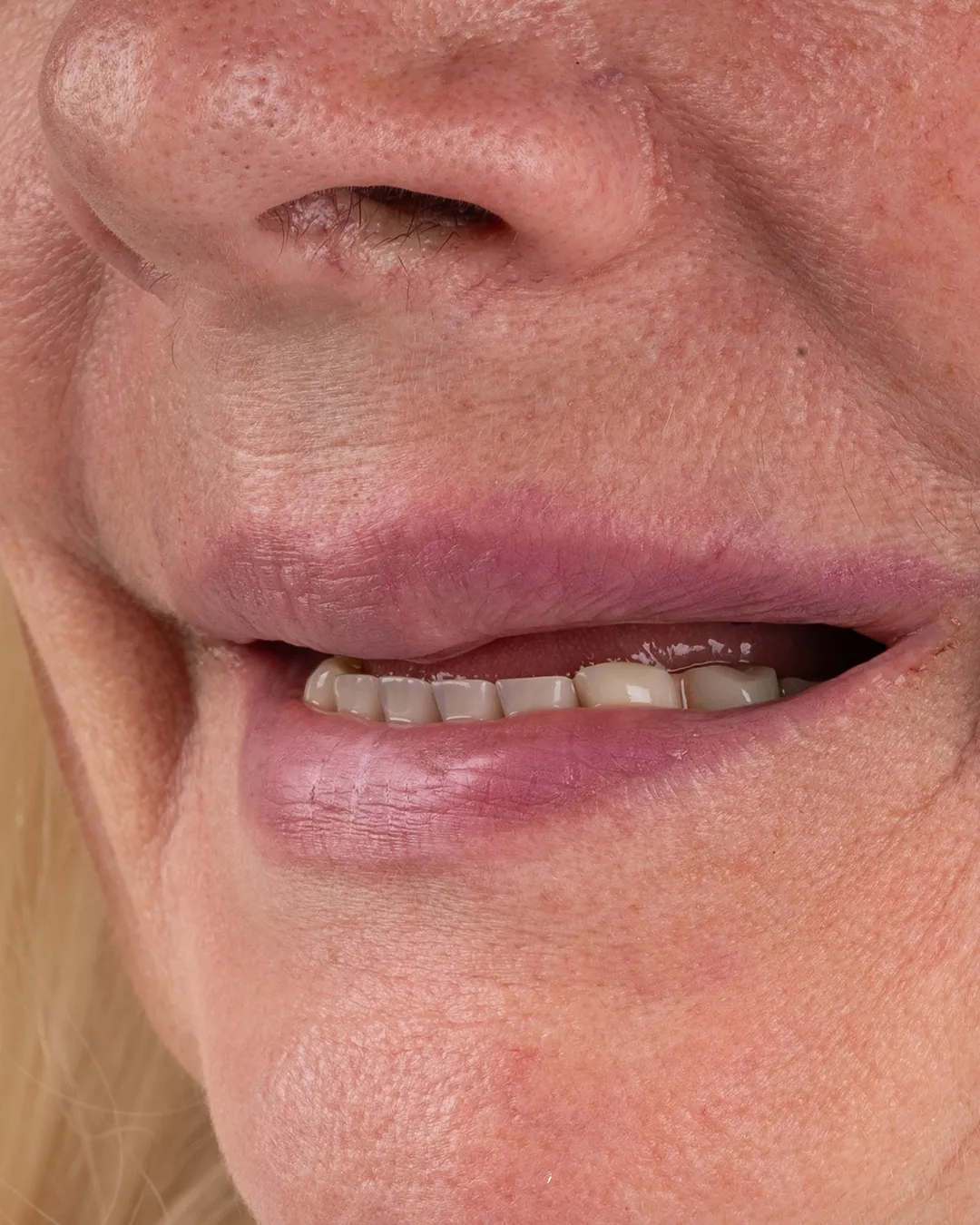
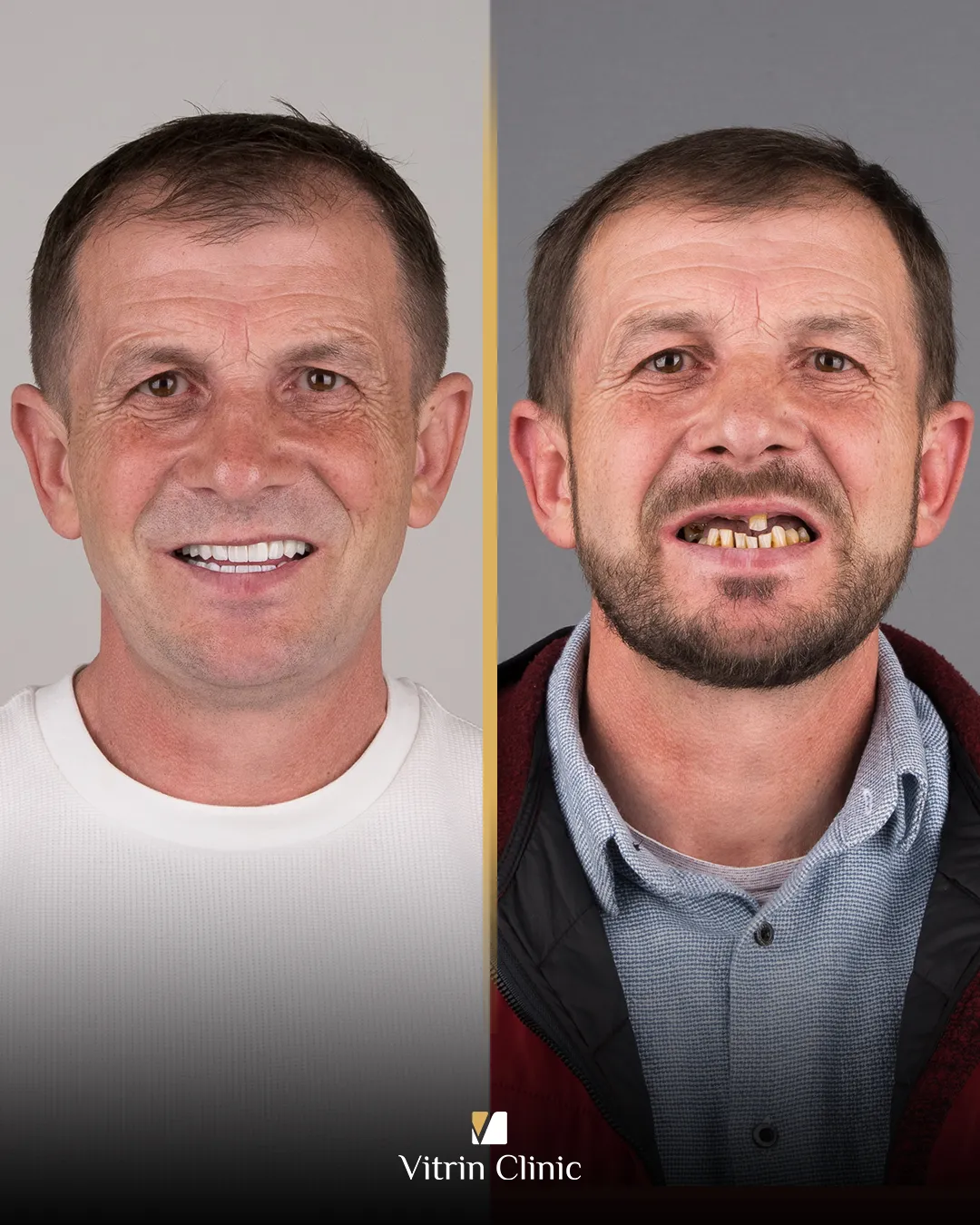
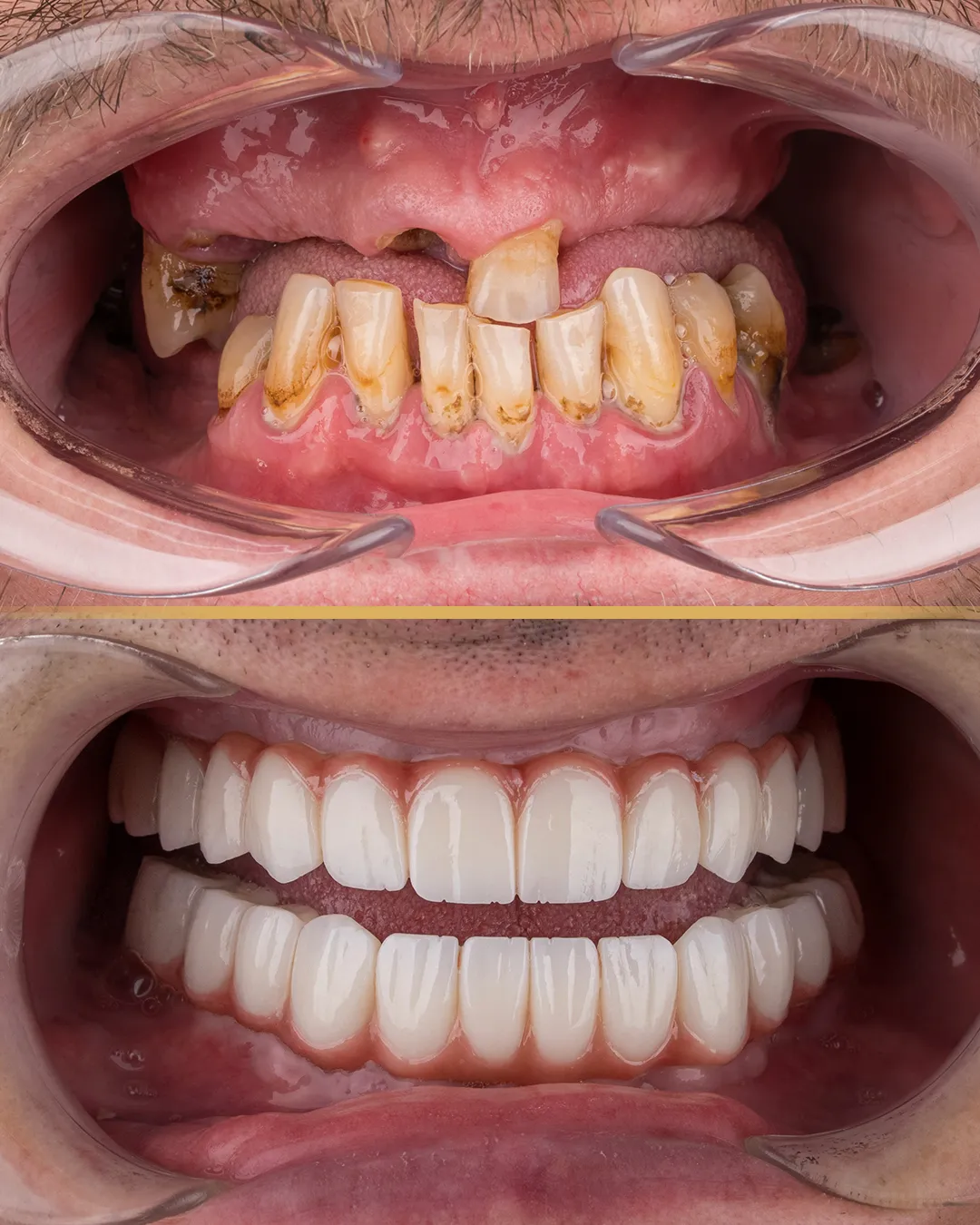
Case: All-on-4 Dental Implants
Starting concern: Severely worn and failing upper teeth from years of night-time grinding, with loose teeth and difficulty chewing
Treatment: All-on-4 implants on the upper jaw with a fixed zirconia bridge + custom night guard
Time in Istanbul: 2 visits , 5–7 days for implant surgery and temporary teeth, then 5–7 days after 3–6 months for the final bridge
Treatment goal: Replace failing teeth with a fixed, natural-looking smile and protect the new bridge from grinding forces
Clinical Note
Early cavities frequently cause no pain or visible change, so they get missed during self-checks at home. A dental exam with X-rays detects decay between teeth and under the enamel, before it reaches the stage where a patient would feel it. Patients recovering from all on 4 surgery should keep any remaining natural teeth on this same X-ray schedule. New decay elsewhere in the mouth can go unnoticed during the implant healing period.
Long-Term Recovery
As healing progresses through the following weeks and months, patients gradually return to normal eating. Integration solidifies, and the temporary restoration handles increasingly normal functional demands. Dietary expansion should proceed conservatively. Patients can introduce moderately firm foods around 4-6 weeks post-surgery, while still avoiding extremely hard or sticky items.
Building a long-term maintenance routine during healing creates habits that preserve the outcome for years to come. This includes specialized cleaning techniques for hard-to-reach areas, and tools like interdental brushes or water irrigators. Most patients report that by 6-8 weeks post-surgery, they've largely forgotten about their surgery. They simply enjoy their improved function. Healing tends to pass more quickly and easily than the pre-treatment anxiety suggested it would.
How Long Does the All on 4 Process Take?
Understanding the complete timeline helps patients plan appropriately, and manage expectations about when milestones occur. The timeline varies among patients. It depends on individual healing rates, bone quality, and whether preparatory procedures are needed before surgery.
Marketing materials often emphasize "teeth in a day" capabilities. But the complete all on 4 dental implants step by step process, from consultation to final teeth, typically spans 4-6 months when accounting for all phases. Understanding this realistic timeline prevents disappointment. Even this extended period proves dramatically faster than traditional implant approaches, which require 12-18+ months from start to finish. This efficient timeline makes comprehensive implant rehabilitation accessible to patients who need timely solutions.
Same-Day Results vs Full Treatment Timeline
The remarkable achievement of "immediate teeth in 1 day" refers to temporary restoration placement on surgery day. It provides instant functional and aesthetic improvement. This revolutionized patient acceptance of the all on 4 dental implants procedure. However, patients must understand that final teeth delivery happens after the healing period. That's typically 3-6 months post-surgery, once complete osseointegration is confirmed.
This distinction between immediate temporaries and delayed finals is an important expectation-management point. Patients get functional teeth immediately. But final premium restorations require patience for proper healing. Same-day temporaries eliminate the most dreaded part of traditional implant treatment: extended periods without teeth. Delayed final delivery optimizes long-term outcomes, through complete integration before loading. Most patients report the temporary phase passes quickly, making the all on 4 dental implants step by step timeline feel shorter than the calendar months suggest.
Ready to transform your smile?
Talk to our team and get a Free Treatment plan.
Factors That Affect Treatment Duration
Individual variation in bone condition significantly influences the timeline. Excellent bone quality sometimes allows earlier final restoration delivery. Compromised bone may need extended healing before definitive loading. Patient healing response varies based on age, medical conditions, medications, and smoking status.
Case complexity also matters. The number of extractions, any infection needing treatment, and any need for bone grafting all influence total duration. Some patients complete the all on 4 dental implants step by step process in 3-4 months, from initial consultation to final teeth. Others with complicating factors may need 6-9 months for optimal outcomes. These timeline variations reflect individualized treatment. Treatment proceeds at the right pace for each patient's circumstances.
Tips for Patients
Use a toothpaste with 1,450 ppm fluoride. After brushing, spit rather than rinse with water, so the fluoride stays on the teeth longer. If you snack on something sugary, have it with a meal instead of spreading sweets across the day. It's the frequency of acid attacks, not the total amount, that drives a cavity. These habits protect any remaining natural teeth around an all on 4 restoration.
Is the All on 4 Procedure Painful?
Addressing pain concerns matters for anxious patients considering this treatment. Fear of discomfort is a significant barrier preventing many from pursuing this solution. The reality involves manageable discomfort, far less severe than most patients anticipate. Modern anesthesia and pain management protocols ensure comfortable experiences, during and after the all on 4 dental implants procedure.
Understanding what to expect regarding pain throughout the all on 4 dental implants step by step process helps patients approach treatment confidently. Most patients report the treatment proves significantly less painful than feared. Many describe discomfort as comparable to, or even less than, routine tooth extractions. This realistic perspective, combined with knowledge of available comfort measures, empowers patients to proceed without unrealistic fears.
During the Procedure
Comprehensive anesthesia ensures comfort throughout the 2-3 hour surgical appointment. Local anesthesia provides baseline pain control, supplemented by sedation options for anxious patients. Most patients report minimal discomfort during the actual procedure. Numbness eliminates pain sensations, while pressure and vibration remain noticeable but not distressing.
Sedated patients often have limited or no memory of the surgical experience. From their perspective, the appointment passes quickly with no awareness of the work performed. The surgical team monitors patient comfort throughout, adjusting anesthesia as needed. Patients consistently express surprise that the procedure proved far less uncomfortable than anticipated. Many find their anxiety about surgical discomfort was unfounded, once they experience modern anesthesia and refined surgical techniques.
After the Procedure
Post-operative recovery involves manageable soreness rather than severe pain for most patients. Discomfort typically rates 3-5 on a 10-point scale during the first 2-3 days, as anesthesia wears off. Prescribed and over-the-counter pain medications effectively control discomfort. Most patients find that simple ibuprofen or acetaminophen suffices after the first few days.
The discomfort during recovery proves far less severe than the tooth pain that drove many patients to seek treatment originally. That makes temporary post-operative soreness an acceptable trade-off. Most patients resume normal activities within 2-4 days. Lingering soreness is manageable background discomfort, rather than debilitating pain. Patients should take medications as prescribed, use ice compresses, and maintain a soft diet. Avoiding activities that stress surgical sites promotes the healing that ensures success. The final result is a fully functional, aesthetic smile.
Clinical Protocol for Treatment Failure and Complication Management
No implant protocol carries a zero-risk guarantee. The all on 4 dental implants step by step process includes clear steps for managing the rare cases where healing or the restoration doesn't go as planned.
What Happens If an All-on-4 Implant Fails to Integrate?
Patients researching what happens if all on 4 fails should know something important. A single failed implant doesn't always mean losing the entire arch. If one implant fails to integrate, the dentist can often remove it and let the site heal. A replacement implant can go in, or support can redistribute across the remaining three. Early signs of failure include persistent mobility, pain, or infection around one fixture. Prompt evaluation limits further complications.
Addressing Mechanical Issues: Can All-on-4 Bridges Chip or Break?
Bridges can chip under heavy biting force, grinding, or accidental trauma. All on 4 bridge fracture repair typically involves removing the bridge and repairing the fractured section in the lab. The bridge is then reattached to the same abutments. Zirconia bridges resist chipping better than acrylic temporaries. This is one reason temporaries are treated as provisional rather than permanent. Routine check-ups catch small fractures before they progress.
What We Notice Clinically
Dr. Rifat Alsaman, Head of the Medical Team at Vitrin Clinic and a cosmetic dentist, notes that most complications patients worry about are preventable. The right follow-up schedule makes the difference. According to Dr. Rifat Alsaman, most bridge fractures he sees stem from patients skipping the soft-diet phase, rather than any flaw in implant design. Dr. Rifat Alsaman also observes that patients who attend every follow-up appointment during osseointegration rarely experience integration failure. Early mobility is caught and managed before it becomes a lost implant.
Why Choose Vitrin Clinic for the All on 4 Procedure
Vitrin Clinic's expertise in the all on 4 dental implants step by step process reflects our commitment to exceptional outcomes. We deliver this through experienced specialists, advanced technology, and comprehensive planning. Ongoing patient support runs throughout treatment and beyond. Our systematic approach combines clinical excellence with patient-centered care. Every individual receives personalized attention for their unique needs, concerns, and goals.
International patients choose Vitrin Clinic for All on 4 treatment because we deliver world-class care at accessible pricing. This is typically 50-70% less than comparable treatment in Western countries, without compromising quality or materials. Every aspect of treatment at our facility prioritizes patient safety, comfort, and satisfaction. Our success rates exceed 97% across thousands of completed cases. This shows that the right expertise and care protocols deliver consistently excellent outcomes.
Experienced All on 4 Specialists
Our team has extensive full-arch implant experience, developed through thousands of completed cases. This depth of expertise gives our specialists refined skills and clinical judgment. It lets them execute the all on 4 dental implants procedure efficiently. They anticipate potential complications and adjust techniques to individual anatomy. Challenges get managed with confidence born of extensive experience.
We maintain success rates exceeding 97%, through meticulous patient selection and thorough planning. Skilled surgical execution and comprehensive follow-up care both play a role. Our specialists' experience spans the full spectrum of cases, from straightforward to complex. We've encountered virtually every clinical situation. We've developed strategies for managing diverse anatomical and medical challenges. This expertise, combined with ongoing education, makes Vitrin Clinic specialists ideal partners for patients seeking the best outcomes.
Advanced Digital Technology
Vitrin Clinic uses cutting-edge 3D-guided implant placement technology. This enhances precision, improves safety, and optimizes outcomes throughout the surgical phase. Our comprehensive digital workflow includes high-resolution cone beam CT imaging and sophisticated planning software. Surgical guide fabrication and digital prosthetic design ensure accuracy at every stage of the all on 4 dental implants procedure.
This technology delivers precision and safety advantages over traditional approaches. It offers submillimeter implant positioning accuracy, and predictable anatomical structure avoidance. The investment in advanced equipment lets us deliver superior results in the all on 4 process. We maintain accessible pricing through operational efficiency and reduced revision rates. Our facility maintains state-of-the-art technology across all treatment phases, from initial imaging through final restoration delivery.
Full Support from Start to Finish
Vitrin Clinic provides comprehensive support throughout the entire treatment journey, from initial consultation through final restoration delivery and beyond. Our commitment extends from consultation to final teeth delivery and long-term aftercare. We offer accessible communication and responsive problem-solving. We invest genuinely in long-term patient relationships, rather than transactional interactions.
We ensure patients feel supported, informed, and confident throughout every phase of the all on 4 dental implants procedure. Clear communication and realistic expectation-setting matter here. International patients receive additional support, including travel coordination, accommodation assistance, and airport transfers. Translation services and comprehensive treatment scheduling maximize efficiency during their time in Turkey. This comprehensive support distinguishes Vitrin Clinic. Patients never feel abandoned as they navigate their treatment journey.
Ready to transform your smile?
Talk to our team and get your Free treatment plan.
Conclusion
Understanding the all on 4 dental implants step by step process empowers patients to approach this transformative treatment with confidence. It builds realistic expectations, and appreciation for the sophisticated planning behind these life-changing outcomes. The systematic progression, from comprehensive evaluation through surgical intervention to final restoration, shows the efficiency of modern implant dentistry.
The all on 4 dental implants procedure is a remarkable achievement in treatment efficiency. It combines immediate functional improvement with long-term reliability. These protocols were refined over decades of clinical experience worldwide. Patients who complete the all on 4 process consistently report that the journey proved more manageable than they expected. Immediate benefits and progressive improvements culminate in permanent restorations that transform quality of life. Making an informed decision requires understanding what each phase involves, what to expect during recovery, and how provider selection influences outcomes.
Key Takeaways About All on 4 Dental Implants Step by Step
The treatment follows a clear, structured process. It progresses logically from evaluation through planning, surgery, healing, and final restoration. Each phase builds on the last, toward optimal outcomes. This systematic approach delivers efficient, predictable results. Success rates exceed 95%, showing that this protocol consistently achieves its intended outcomes when experienced providers execute it.
The immediate temporary restoration capability eliminates extended toothless periods. It provides instant functional and aesthetic improvement, which revolutionized patient acceptance of comprehensive implant treatment. The complete timeline from consultation to final teeth typically spans 4-6 months. That's dramatically faster than traditional full arch approaches, which require 12-18+ months to completion. Understanding the all on 4 dental implants procedure thoroughly helps patients see this treatment as sophisticated, evidence-based healthcare. It is not an experimental or risky intervention.
Start Your All on 4 Journey at Vitrin Clinic
Contact Vitrin Clinic today to begin your all on 4 journey with a comprehensive, personalized evaluation. We'll assess your candidacy and discuss your goals and concerns. We'll develop a customized treatment plan for your unique needs. Our thorough consultation process gives you the information you need for confident decision-making. This includes a detailed treatment timeline, transparent cost breakdown, and honest discussion of your specific situation.
We make sure patients understand exactly what the all on 4 dental implants procedure involves. This covers what commitments are required, what outcomes to realistically expect, and how we'll support them throughout treatment. International patients get comprehensive coordination assistance, making travel to Vitrin Clinic convenient and stress-free. Support addresses all logistical concerns beyond the clinical treatment itself. Don't let missing teeth or failing dentition limit your life any longer. Contact Vitrin Clinic today to discover how our expertise in the all on 4 process can restore your smile, confidence, and quality of life.
Medical Disclaimer
This article is for general information and does not replace a personal assessment by a qualified dentist. Prices are approximate 2026 averages, with UK and Turkey figures converted to US dollars, and may vary by clinic and case.
Book your free consultation with Vitrin Clinic and get a personalized assessment and treatment plan from our dental team.