Oral Dentistry
September 22, 2026
What Is Congenital Adrenal Hyperplasia Oral Health?
 Dr. Rifat Alsaman
Congenital Adrenal Hyperplasia Oral Health is an area many patients and clinicians overlook. CAH is usually discussed only in terms of hormones and adrenal function. Yet cortisol-related hormones influence growth throughout the body. This means oral effects, from tooth development to gum and enamel changes, deserve just as much attention as the endocrine side of the condition.
What Is Congenital Adrenal Hyperplasia?
Understanding CAH itself helps explain its oral health effects. CAH is an inherited disorder. It is most often caused by a mutation affecting the 21-hydroxylase enzyme, which impairs cortisol production. Because this hormonal disruption reaches far beyond the adrenal glands, it can influence tissues throughout the body, including the mouth.
What Causes Congenital Adrenal Hyperplasia?
CAH is an autosomal recessive disorder. This means a child must inherit a mutated gene copy from both parents. The most common form involves a defect in the 21-hydroxylase enzyme. This disrupts normal cortisol synthesis and triggers hormonal imbalances across multiple organ systems, including dental and skeletal development.
How Does Congenital Adrenal Hyperplasia Affect the Body?
Corticoid hormones influence development and function across many organs. Because of this, CAH's effects extend well beyond the adrenal-genital system. Skeletal maturation, growth timing, and bone metabolism are commonly affected. This same hormonal disruption is part of why oral health has become a recognized area of clinical interest in CAH.
Why Can Congenital Adrenal Hyperplasia Be Relevant to Oral Health?
CAH is relevant to oral health because teeth and jaw development are hormonally regulated processes, much like skeletal growth. Since CAH alters cortisol and related hormone levels, it can influence dental development timing, enamel formation, and bone remodeling.
Find out what you need to know about cholecalciferol supplements
How Can Congenital Adrenal Hyperplasia Affect Oral Health?
Congenital Adrenal Hyperplasia Oral Health concerns span several distinct areas: accelerated dental development, enamel defects, gum changes, and in some documented cases, bone-related tooth loss. Not every patient experiences all of these. Understanding the range helps patients and dental teams know what to monitor over time.
Congenital Adrenal Hyperplasia Oral Manifestations
Oral manifestations of CAH reported in the literature include accelerated dental development, enamel defects, gingival and mucosal hyperpigmentation, and in some cases periodontal tissue destruction. These findings vary between patients. This reflects how individually CAH's hormonal effects present in the mouth.
Congenital Adrenal Hyperplasia and Teeth
CAH and teeth are connected mainly through hormone-driven developmental timing. Several studies found accelerated dental development in CAH patients. This acceleration was less pronounced than the skeletal maturation acceleration also observed. At least one study found no significant difference from unaffected patients.
Congenital Adrenal Hyperplasia Dental Health
Dental health in CAH can be shaped by both the hormonal disorder itself and long-term corticosteroid treatment. Some patients show no notable dental changes. Others have documented enamel defects, periodontal breakdown, and even premature tooth loss tied to underlying bone metabolism disturbances.
What Oral Changes Should Patients Watch For?
Patients and caregivers should watch for early or unusual dental eruption timing, visible enamel discoloration or roughness, gum swelling or dark pigmentation, tooth mobility, and sensitivity. Reporting these changes early supports better oral health outcomes and allows a dental team to intervene sooner.
Clinical Note
Oral findings in CAH should be evaluated individually, since not every patient develops the same dental problems. Some show accelerated development with no structural defects, while others experience enamel or periodontal changes. A personalized dental assessment remains the most reliable way to understand each patient's picture.
Discover what happens during a dental check-up
Can Congenital Adrenal Hyperplasia Cause Dental Problems?
Yes. Congenital Adrenal Hyperplasia Oral Health includes a real, if inconsistently documented, risk of dental problems. Case reports describe enamel defects, periodontal destruction, and premature tooth loss in some CAH patients. The evidence remains limited, mostly to individual cases rather than large population studies.
Congenital Adrenal Hyperplasia Dental Problems
Dental problems documented in CAH case literature include amelogenesis imperfecta (a structural enamel defect) combined with periodontitis. Severe periodontal tissue destruction and occlusal problems have also been reported in a young female patient. These findings highlight why individualized dental monitoring matters for CAH patients.
Tooth Development and Congenital Adrenal Hyperplasia
Tooth development in CAH patients has been studied across several papers. Five separate studies report accelerated dental development. This acceleration is generally less pronounced than the skeletal maturation seen in the same patients. This reinforces that oral health effects in CAH don't always mirror skeletal changes exactly.
Congenital Adrenal Hyperplasia Enamel Defects
Enamel defects in CAH have been documented in case reports, including amelogenesis imperfecta alongside periodontitis. These structural abnormalities can make teeth more prone to sensitivity, staining, or wear. They are one of the more visible dental signs clinicians associate with CAH.
Tooth Sensitivity and Structural Changes
Tooth sensitivity can accompany enamel defects or bone-related changes seen in some CAH cases. When enamel structure is compromised, teeth may become more reactive to temperature or pressure. This makes sensitivity an early warning sign worth discussing with a dental provider familiar with the patient's medical history.
Can Congenital Adrenal Hyperplasia Affect Tooth Strength?
Tooth strength can be affected indirectly, primarily through enamel defects or underlying bone changes documented in case reports. There is no single universal mechanism. Because findings vary significantly between patients, oral health assessments in CAH should always be individualized rather than assumed from general patterns.
Tips for the Patients
Maintain consistent brushing and flossing, and attend regular dental examinations. Always inform your dental team about your CAH diagnosis and current medications. This history helps dentists anticipate potential enamel, gum, or bone-related changes and tailor preventive care accordingly.
Understand the common causes of jaw popping
Is Congenital Adrenal Hyperplasia Linked to Premature Tooth Loss?
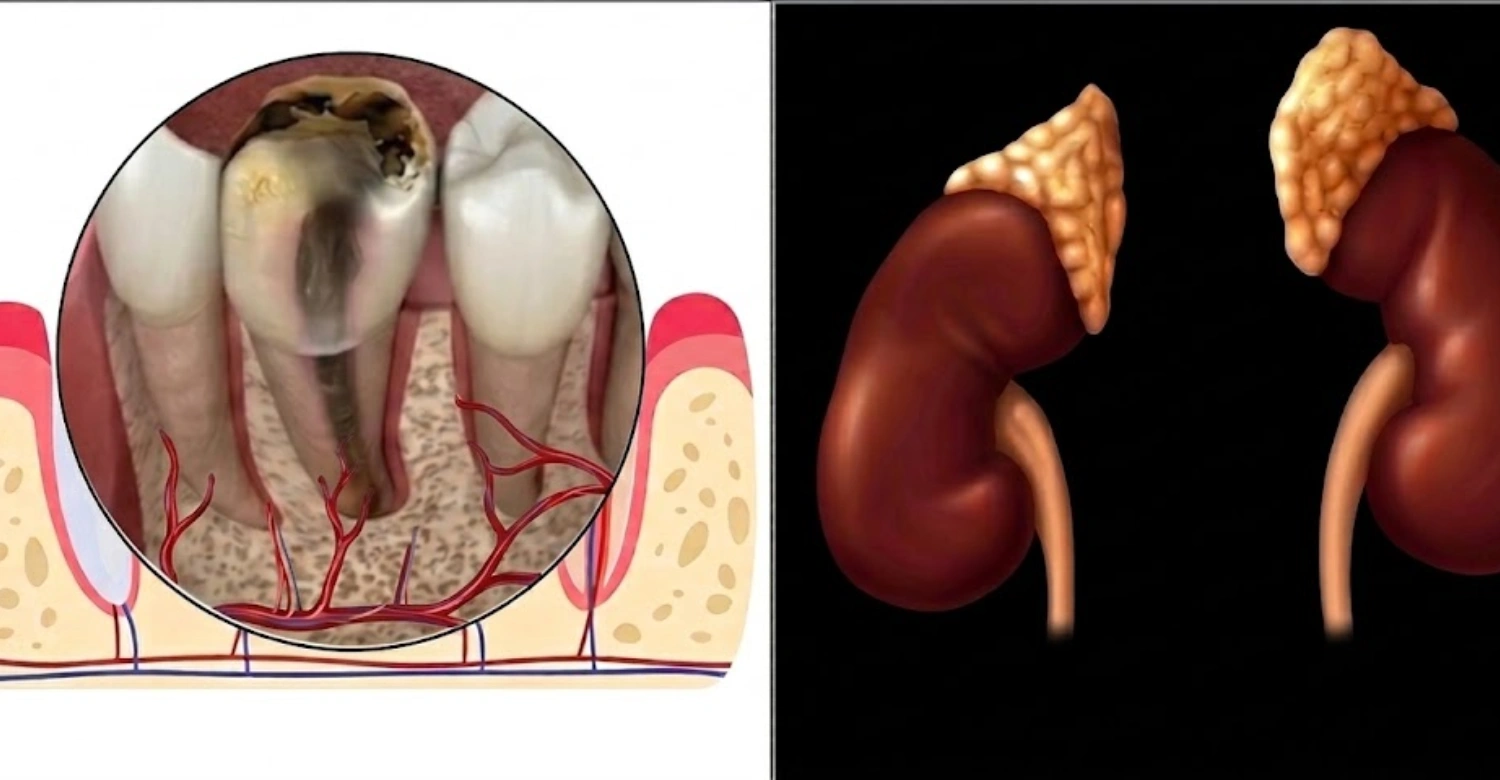
In some documented cases, yes. Research on oral health in CAH includes at least one detailed pediatric case. Long-term glucocorticoid therapy was associated with abnormal tooth mobility and premature loss of primary teeth. This was linked to underlying bone destruction, not structurally abnormal teeth.
Congenital Adrenal Hyperplasia Tooth Loss
Tooth loss in CAH, where documented, has been tied to bone resorption rather than decay alone. In one case, histology showed the tooth structure itself was normal. Underlying bone destruction was driving the mobility and eventual loss of the affected teeth.
Congenital Adrenal Hyperplasia Premature Tooth Loss
Premature tooth loss in CAH was described in a pediatric case involving long-term corticosteroid therapy. Primary molars and incisors became mobile and exfoliated early. Lab findings showed elevated RANKL alongside low osteoprotegerin and vitamin D. The condition stabilized after vitamin D supplementation.
Possible Factors That May Contribute to Tooth Loss
Several factors may contribute to tooth loss in CAH patients. These include enamel defects, dental caries, periodontal disease, and delayed detection of dental issues. Because these factors can overlap, a comprehensive dental evaluation is the most reliable way to identify which is driving changes in an individual case.
Enamel Defects and Tooth Damage
Structural enamel defects can weaken teeth over time, making them more vulnerable to damage, decay, or fracture. When present alongside other CAH-related oral changes, they add an extra layer of risk. Dental teams should factor this into long-term treatment planning.
Dental Caries
Dental caries can develop in any patient regardless of CAH. Weakened enamel or altered oral chemistry may increase susceptibility in some cases. Consistent oral hygiene and regular check-ups remain the most effective way to prevent decay from compounding other CAH-related dental risks.
Gum and Periodontal Problems
Gum and periodontal problems have been documented in case reports involving CAH patients, sometimes presenting as severe tissue destruction. Left untreated, periodontal disease can contribute to tooth mobility and loss. Early identification and consistent periodontal care are an important part of ongoing dental management.
Delayed Detection of Dental Disease
Delayed detection can allow decay, periodontal disease, or bone-related changes to progress further before treatment begins. CAH patients may have subtle or atypical early signs. Regular dental visits and open communication about medical history help catch problems before they advance.
When Does Tooth Loss Require Dental Evaluation?
Any unexplained tooth mobility, spacing changes, or early loss of primary or permanent teeth warrants prompt dental evaluation. Underlying bone changes can be involved in CAH patients. Addressing tooth loss quickly, rather than waiting, supports better long-term oral health outcomes.
Clinical Note
Tooth loss can have multiple causes, including decay, periodontal disease, and bone metabolism disturbances. A complete dental examination is important before assuming a single cause. Only a thorough assessment can determine which factor, or combination of factors, is responsible in a given patient.
Note - All images used are for editorial and illustrative purposes only and may not originate from the original news provider or associated company.
Explore how dental impressions are made
Can Congenital Adrenal Hyperplasia Affect the Enamel?
Yes. Enamel defects are among the more consistently documented aspects of oral health in CAH. Case reports describe structural abnormalities such as amelogenesis imperfecta in CAH patients. This underscores why enamel health deserves specific attention during routine dental visits for anyone with this condition.
What Are Enamel Defects?
Enamel defects refer to abnormalities in the structure, thickness, or mineralization of the outer tooth layer. They can range from mild surface roughness to more significant conditions like amelogenesis imperfecta. This has been documented in at least one CAH case report alongside periodontitis.
How Do Enamel Defects Affect Teeth?
Enamel defects can leave teeth more vulnerable to sensitivity, staining, wear, and decay. This happens because the protective outer layer isn't functioning normally. In CAH patients where enamel defects have been documented, this vulnerability adds another reason for closer dental monitoring over time.
Signs of Weak or Defective Enamel
Signs include visible discoloration, rough or pitted tooth surfaces, and increased sensitivity to hot or cold. Teeth may also appear more prone to chipping. Noticing these signs early allows dental teams to apply protective measures before more significant damage develops.
How Can Dentists Protect Teeth With Enamel Defects?
Dentists can protect affected teeth through fluoride treatments, protective sealants, and close monitoring for early decay. Personalized preventive plans, informed by a patient's CAH diagnosis, help address enamel vulnerability proactively. This is better than reactively treating damage after it appears.
Tips for the Patients
Use fluoride-based oral hygiene products and limit frequent sugary or acidic foods and drinks. Seek professional advice promptly if you notice sensitivity or visible enamel changes. These simple habits offer meaningful protection for enamel that may already be more vulnerable due to CAH.
Learn about dental medication and its uses
Does Congenital Adrenal Hyperplasia Increase the Risk of Periodontal Disease?
Possibly, in some documented cases. Congenital Adrenal Hyperplasia Oral Health literature includes case reports describing severe periodontal tissue destruction in CAH patients. Periodontal disease has multiple contributing factors and isn't considered an automatic or universal consequence of the condition itself.
Congenital Adrenal Hyperplasia and Periodontal Disease
CAH and periodontal disease have been linked in at least one detailed case report describing severe periodontal tissue destruction alongside enamel defects and occlusal problems. This suggests a possible connection worth monitoring. It isn't confirmed as a universal feature of CAH.
Signs of Gum Inflammation
Signs of gum inflammation include redness, swelling, tenderness, and gums that appear puffy or pull slightly away from the teeth. Patients with CAH should mention any of these changes to their dental team. Early gum inflammation is more manageable than advanced periodontal disease.
Bleeding Gums and Gum Sensitivity
Bleeding during brushing or flossing, along with gum sensitivity, are early indicators of inflammation that shouldn't be ignored. In CAH patients, these signs are worth flagging promptly. Some documented cases have shown periodontal changes progressing more significantly than expected.
How Oral Hygiene May Help Protect the Gums
Consistent brushing, flossing, and professional cleanings help control the bacteria that drive gum inflammation and periodontal disease. For CAH patients, maintaining strong oral hygiene habits is a practical, everyday way to support long-term oral health alongside regular dental monitoring.
When Should Gum Problems Be Evaluated?
Gum problems should be evaluated whenever bleeding, swelling, or sensitivity persists beyond a few days. The same applies if gum recession or tooth mobility is noticed. Prompt evaluation allows treatment before periodontal disease progresses to a stage that could affect tooth stability.
Clinical Note
Periodontal disease has several risk factors, including oral hygiene, genetics, and other health conditions. It should not automatically be considered a direct consequence of CAH. Each case should be assessed on its own findings rather than assumed to follow a fixed pattern.
Find answers about hypodontia and missing teeth
What Are the Dental Complications of Congenital Adrenal Hyperplasia?
Documented dental complications in Congenital Adrenal Hyperplasia Oral Health research include enamel defects, tooth decay, gum disease, tooth sensitivity, and in some cases premature tooth loss. These complications don't appear in every patient. Awareness helps guide proactive, individualized dental care.
Enamel Defects
Enamel defects remain one of the more consistently reported dental complications. They range from mild surface irregularities to more significant conditions like amelogenesis imperfecta, documented in CAH case reports alongside periodontal changes.
Tooth Decay and Cavities
Tooth decay and cavities can affect any patient. Compromised enamel or altered oral conditions in some CAH cases may increase vulnerability. Regular checkups and strong hygiene habits remain the most effective prevention strategy regardless of underlying cause.
Gum Disease
Gum disease has appeared in case reports involving CAH patients, sometimes presenting with notable tissue destruction. Consistent monitoring and professional cleanings help catch gum disease early. This is important before it progresses to affect the supporting structures around the teeth.
Tooth Sensitivity
Tooth sensitivity often accompanies enamel defects or gum recession, both of which have been documented in CAH-related case reports. Addressing sensitivity early, with appropriate desensitizing treatments, helps maintain comfort and protect the underlying tooth structure.
Premature Tooth Loss
Premature tooth loss has been documented in at least one pediatric CAH case. It was tied to bone resorption from long-term corticosteroid therapy rather than decay. This underscores that oral health complications in CAH can stem from bone metabolism, not just the teeth themselves.
Other Congenital Adrenal Hyperplasia Dental Complications
Other CAH dental complications noted in the literature include gingival and mucosal hyperpigmentation and accelerated dental development. These are generally less concerning than structural or bone-related changes. They can still help clinicians recognize CAH-related oral patterns during routine exams.
Discover the link between tetanus and lockjaw
How Can Dental Problems Related to Congenital Adrenal Hyperplasia Be Managed?
Managing Congenital Adrenal Hyperplasia Oral Health concerns involves regular monitoring, preventive care, and targeted treatment for whichever complications appear, whether enamel defects, decay, gum disease, or tooth loss. A coordinated approach between medical and dental teams generally produces the most consistent long-term results.
Regular Dental Examinations
Regular dental examinations allow early detection of enamel changes, gum inflammation, or tooth mobility before they progress. For CAH patients, consistent monitoring is especially valuable given the range of documented oral findings associated with the condition.
Preventive Oral Care
Preventive oral care, including fluoride treatments, sealants, and thorough daily hygiene, helps reduce the risk of decay and protects enamel that may already be more vulnerable. This proactive approach is a cornerstone of supporting oral health in CAH over time.
Treatment for Enamel Defects
Treatment for enamel defects can include fluoride applications, bonding, or protective restorations depending on severity. The right approach depends on the extent of the defect and is best determined through individual assessment rather than a one-size-fits-all protocol.
Treatment for Tooth Decay
Treatment for tooth decay follows standard dental protocols, such as fillings or other restorative care. Dental teams may monitor CAH patients more closely given documented enamel vulnerabilities in some cases.
Management of Periodontal Disease
Management of periodontal disease typically involves professional cleanings, improved home care, and in more advanced cases, specialized periodontal treatment. Some CAH case reports document severe periodontal destruction. Early and consistent management is particularly important in these cases.
Restoring Missing or Damaged Teeth
Restoring missing or damaged teeth may involve various dental solutions depending on the patient's age, oral condition, and overall treatment history. A personalized plan ensures restorations support both function and long-term oral stability.
Tips for the Patients
Maintain regular dental visits. Discuss any changes in teeth, gums, sensitivity, or tooth loss with your dental team promptly. Sharing updates about your CAH management and medications also helps your dentist anticipate and address potential complications sooner.
Learn how to identify a gum line cavity
How Does Vitrin Clinic Support Patients With Congenital Adrenal Hyperplasia Oral Health?
Vitrin Clinic supports patients by offering individualized dental evaluations that consider each person's CAH history alongside their current oral condition. Because congenital adrenal hyperplasia oral health findings vary so widely between patients, the clinic focuses on personalized assessment rather than a standardized approach.
Comprehensive Dental Assessment at Vitrin Clinic
At Vitrin Clinic, every patient with a CAH history receives a comprehensive dental assessment. This covers enamel condition, gum health, tooth stability, and signs of developmental changes. The evaluation forms the foundation for any recommended treatment plan.
Preventive Dental Care at Vitrin Clinic
Vitrin Clinic prioritizes preventive dental care, including fluoride treatments and consistent monitoring. This helps protect enamel and gum health before complications develop. This proactive focus is especially valuable for patients whose medical history includes documented oral risk factors.
Personalized Treatment Planning at Vitrin Clinic
Personalized treatment planning at Vitrin Clinic factors in each patient's CAH diagnosis, medication history, and existing dental findings. This ensures that care addresses the individual's actual oral condition rather than applying a generic protocol to every case.
Restorative and Cosmetic Dental Solutions at Vitrin Clinic
Vitrin Clinic offers restorative and cosmetic dental solutions for patients affected by enamel defects, tooth damage, or tooth loss. This helps restore both function and appearance. Treatment options are selected based on the specific findings identified during the patient's assessment.
What We Notice Clinically
Dr. Rifat Alsaman, Head of the Medical Team at Vitrin Clinic and a cosmetic dentist, notes that patients dealing with excess saliva often have an overlooked dental issue. This can be decay, gum inflammation, or acid-related enamel wear. It usually resolves quickly once properly diagnosed and treated.
Clinical Note
Vitrin Clinic evaluates each patient's current oral condition and develops dental care according to their individual needs and existing findings, rather than assuming a fixed pattern of complications. This personalized approach reflects the varied nature of oral health presentations in CAH.
Explore what to do after a dental injury
Resource:
https://pubmed.ncbi.nlm.nih.gov/36382053/
FAQs
Dr. Rifat Alsaman has more than 5 years of clinical experience in dentistry and currently serves as the Head of the Medical Team at Vitrin Clinic. He is dedicated to providing exceptional patient care, overseeing treatment planning, and ensuring the highest clinical standards across the team. His expertise, attention to detail, and commitment to continuous professional development have helped countless patients achieve healthier, more confident smiles.


