Oral Dentistry
September 16, 2026
Helicobacter pylori Infection and Oral Health: What Is the Connection?
 Dr. Rifat Alsaman
Helicobacter pylori infection and oral health are increasingly discussed together, since this common stomach bacterium has also been detected in dental plaque, saliva, and on the tongue. Researchers are still studying whether the mouth acts as a reservoir for the bacterium. They are also asking whether this connects to gum inflammation, bad breath, or reinfection after gastric treatment. This article explains what is currently understood, and what remains an open question, about this relationship.
What Is Helicobacter pylori Infection?
Understanding this topic starts with the bacterium itself. H. pylori is a spiral-shaped organism that colonizes the stomach lining. It is one of the most common bacterial infections worldwide. It is linked to gastritis, peptic ulcers, and, in some cases, an increased long-term risk of gastric conditions that require medical management and monitoring.
What Causes H. pylori Infection?
H. pylori is generally transmitted through contaminated food, water, or close contact between people, including oral-oral and fecal-oral routes. It often spreads within households, particularly during childhood. Poor sanitation and crowded living conditions are associated with higher transmission rates. Understanding these causes is a useful starting point before exploring how H. pylori relates to the mouth in more detail.
How Does H. pylori Affect the Digestive System?
Once established in the stomach lining, H. pylori can trigger chronic inflammation and disrupt the protective mucous layer. It can also contribute to gastritis or peptic ulcer disease. Some infected individuals remain asymptomatic for years. This digestive impact matters here, since gastric irritation can also influence symptoms noticed in the mouth and throat.
Who Is at Risk of H. pylori Infection?
Risk factors include living in crowded or lower-resource settings, close contact with an infected family member, and limited access to clean water. Age and geographic region also influence prevalence. While anyone can be infected, understanding personal risk factors helps patients and clinicians recognize when digestive or oral symptoms may warrant further medical evaluation. Learn more about how many times are you supposed to chew your food
Helicobacter pylori Infection and Oral Health
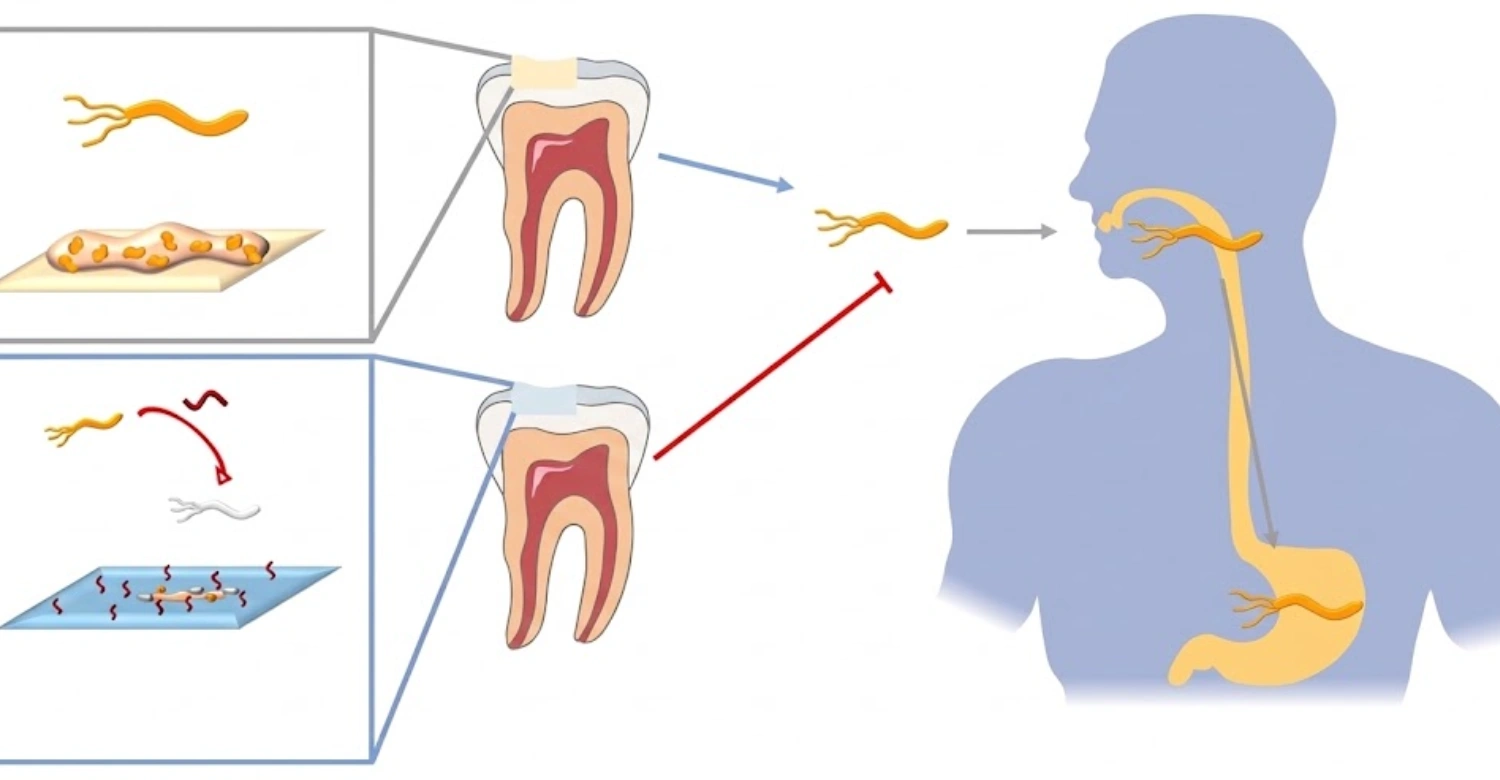
Helicobacter pylori infection and oral health intersect because the bacterium has been identified outside the stomach, particularly in dental plaque and saliva. This has led researchers to examine whether the oral cavity could serve as a secondary reservoir. The sections below explore what current evidence suggests about H. pylori and oral health, dental health, and possible oral symptoms.
H. pylori and Oral Health: Is There a Connection?
H. pylori and oral health appear connected through the detection of bacterial DNA in the mouth. Studies using PCR testing have found H. pylori in dental plaque and saliva samples from infected patients. Whether the organism is actively living in the mouth or simply passing through remains a subject of ongoing scientific discussion.
Note : All images used are for editorial and illustrative purposes only and may not originate from the original news provider or associated company.
H. pylori and Dental Health
Research on H. pylori and dental health has focused mainly on plaque and periodontal tissue rather than the teeth themselves. Evidence linking H. pylori directly to tooth decay is weaker and more inconsistent than evidence linking it to gum-related conditions. Shared risk factors, such as inconsistent oral hygiene, may explain some of the overlap seen in dental health studies.
H. pylori in Mouth: Can H. pylori Live in the Oral Cavity?
H. pylori in mouth samples has been confirmed through molecular testing, though growing the live bacterium from oral samples has proven difficult. This raises questions about whether oral H. pylori is fully active or largely dormant. Researchers continue investigating whether the mouth supports genuine, long-term colonization.
How Can H. pylori Reach the Mouth?
H. pylori may reach the mouth through swallowing, close contact, shared utensils, or gastric reflux that brings bacteria upward from the stomach. Saliva and dental plaque then provide a surface where the organism can potentially persist. This pathway is one reason oral hygiene is sometimes discussed alongside systemic treatment, reinforcing the broader link between H. pylori and oral health.
Can H. pylori in the Mouth Return After Treatment?
Some researchers propose that H. pylori remaining in dental plaque after successful stomach treatment could contribute to gastric reinfection in certain patients. This theory is not universally accepted, and results across studies vary. It remains an active area of research rather than an established clinical certainty.
H. pylori Oral Symptoms
H. pylori oral symptoms are not clearly defined, since most confirmed effects of the bacterium occur in the stomach. Some patients report mouth discomfort, taste changes, or throat irritation alongside digestive symptoms. These oral symptoms are nonspecific and can also result from unrelated dental or medical conditions that require separate evaluation.
Can H. pylori Cause Mouth Discomfort?
Mouth discomfort in H. pylori-positive patients may relate to reflux, gastritis-related nausea, or coexisting oral conditions rather than the bacterium acting directly on oral tissue. Discomfort can have many causes. A dental examination alongside medical assessment helps clarify whether symptoms stem from oral health issues, digestive disease, or both together.
Can H. pylori Affect the Tongue or Throat?
H. pylori has occasionally been detected on the tongue dorsum in research studies. Some patients with gastric infection report throat irritation, likely related to acid reflux rather than the bacterium itself. Studies in this area remain limited, so firm conclusions about tongue or throat effects are premature.
H. pylori and Bad Breath
H. pylori and bad breath have been studied as a possible pair, since the bacterium may produce volatile sulfur compounds. It is also associated with gastritis and reflux, both of which can influence breath odor. Bad breath has many causes, so H. pylori should be considered one possible contributing factor rather than the sole explanation.
Why Can H. pylori Be Linked to Bad Breath?
The proposed link involves direct bacterial byproducts in the mouth and indirect effects from stomach inflammation and reflux, which can carry odor upward. Poor oral hygiene often coexists with these factors. This makes it difficult to isolate H. pylori as an independent, standalone cause of bad breath in most patients.
Can Treating H. pylori Improve Bad Breath?
Some patients report improved breath after successful H. pylori eradication therapy, particularly when reflux-related odor was a factor. If bad breath stems mainly from plaque, gum disease, or tongue coating, dental treatment and oral hygiene improvements are typically needed alongside, or instead of, medical treatment for lasting results. Explore more on jaw pain when waking up
H. pylori and Gum Disease
This research has paid particular attention to periodontal tissue, since periodontal pockets may offer a favorable environment for bacterial persistence. H. pylori and gum disease studies generally describe an association rather than proven direct causation. Plaque accumulation and inflammation likely play a central shared role.
Can H. pylori Affect Gum Health?
Several studies report higher detection rates of H. pylori in patients with existing gum disease compared to periodontally healthy individuals. This does not confirm that H. pylori directly damages gum tissue. It may simply favor colonization where inflammation and deeper pockets already exist, reflecting a two-way relationship still being studied.
H. pylori and Periodontal Health
This research area has found the bacterium more frequently in subgingival plaque from patients with periodontitis than in plaque from healthy patients. Some analyses describe a meaningful statistical association between the two. Researchers caution that shared risk factors and study design limitations still make direct causation difficult to confirm.
Can H. pylori Increase the Risk of Periodontal Problems?
Current evidence suggests an association rather than a confirmed increased risk directly caused by H. pylori. Periodontal pockets may simply provide conditions favorable to bacterial survival. Larger, long-term studies are needed before H. pylori can be considered a true independent risk factor.
H. pylori and Gum Inflammation
Gum inflammation creates a low-oxygen environment that may support bacteria such as H. pylori, which does not thrive in typical oxygen-rich conditions. This relationship appears to run in both directions. Inflammation may attract colonization, while bacterial presence may also sustain ongoing inflammatory activity in the surrounding periodontal tissue.
H. pylori and Bleeding Gums
Bleeding gums are primarily linked to plaque buildup, gingivitis, and periodontal disease rather than H. pylori specifically. Where the two occur together, existing gum disease is usually the more direct explanation. Patients noticing persistent bleeding should still be evaluated for standard periodontal causes first.
Clinical Note
The presence of H. pylori in the mouth and its relationship with periodontal disease remain areas of clinical research. Oral symptoms should therefore be evaluated alongside established dental causes such as plaque accumulation, gingival inflammation, tooth decay, dry mouth, and periodontal disease before assuming a direct link to Helicobacter pylori infection and oral health.
Tips for the Patients
Maintaining good oral hygiene, attending regular dental examinations, cleaning between the teeth, and addressing persistent bad breath or gum bleeding can help protect oral health. If H. pylori infection is suspected, patients should also seek appropriate medical evaluation rather than relying on dental treatment alone. Discover more about lymphoma tongue symptoms
How Is H. pylori Infection Diagnosed?
Patients sometimes ask how the bacterium is actually confirmed. Diagnosis typically relies on medical, not dental, testing methods. Understanding these tests helps patients recognize that a dental visit alone cannot confirm or rule out an underlying H. pylori infection.
What Tests Are Used to Detect H. pylori?
Common tests include the urea breath test, stool antigen test, blood antibody testing, and endoscopic biopsy for direct tissue sampling. Each has different accuracy levels and appropriate uses depending on symptoms and prior treatment history. A physician typically selects the most suitable test based on the patient's overall clinical picture.
Can a Dentist Diagnose H. pylori?
A dentist cannot diagnose gastric H. pylori infection, since standard dental examinations do not include stomach-specific testing. A dentist may notice oral signs, such as persistent bad breath or unexplained periodontal changes, and can recommend that a patient discuss Helicobacter pylori infection and oral health concerns with a physician.
When Should Oral Symptoms Be Medically Evaluated?
Persistent bad breath, mouth discomfort, or throat irritation that does not improve with standard dental care may warrant medical evaluation. This is especially true alongside digestive symptoms like stomach pain or bloating. Combining dental and medical assessment offers a clearer picture of whether H. pylori or an oral condition explains the symptoms. Dive deeper into mastication
How Does H. pylori Treatment Affect Oral Health?
The picture can shift once systemic treatment begins, since antibiotic therapy targets the gastric bacterium directly. Some patients notice changes in breath or general comfort during treatment. Maintaining consistent oral hygiene throughout the treatment period remains important regardless of how digestive symptoms respond.
Can H. pylori Treatment Improve Oral Symptoms?
Patients whose oral discomfort or bad breath was related to reflux or gastritis may notice improvement after successful eradication therapy. If oral symptoms are caused by unrelated dental conditions, medical treatment for H. pylori is unlikely to resolve them, and separate dental care will still be needed.
Can H. pylori Come Back After Treatment?
Reinfection or treatment failure can occur, and some researchers have proposed that bacteria persisting in dental plaque could play a role in select cases. This theory remains debated, and physicians typically monitor recurrence through follow-up testing rather than dental assessment alone.
Why Is Oral Hygiene Important During H. pylori Treatment?
Maintaining oral hygiene during treatment supports overall health and may reduce bacterial load within the mouth. Its direct effect on systemic eradication success is still being studied. Brushing, interdental cleaning, and routine dental visits remain sensible practices for patients managing this condition.
Tips for the Patients
Patients should follow their prescribed H. pylori treatment exactly as directed and continue their normal dental hygiene routine. Persistent bad breath, gum inflammation, or other oral symptoms should be assessed separately if they do not improve, since Helicobacter pylori infection and oral health often require coordinated medical and dental attention. Read the full article on metabolic syndrome and periodontal disease
Vitrin Clinic and Oral Health
Vitrin Clinic focuses on identifying the underlying cause of a patient's symptoms rather than treating an isolated complaint. Patients presenting with persistent oral symptoms are evaluated within the broader context of their gum health, oral hygiene habits, and overall dental history.
How Does Vitrin Clinic Approach Oral Health?
At Vitrin Clinic, oral health assessments consider gum condition, plaque levels, and hygiene habits as part of a complete dental evaluation. This approach supports patients dealing with persistent oral symptoms, including those who may also be managing a separately diagnosed H. pylori infection raised by their physician.
Dental Evaluation for Patients With Persistent Oral Symptoms
Patients reporting ongoing bad breath, gum sensitivity, or discomfort receive a dental evaluation covering plaque accumulation, gum inflammation, and periodontal condition. This helps determine whether symptoms are explained by common dental causes or whether further medical evaluation may be appropriate.
Vitrin Clinic's Approach to Gum and Periodontal Health
The dental team at Vitrin Clinic highlights the importance of identifying the underlying cause of oral symptoms rather than treating the symptom alone. Patients can receive comprehensive dental evaluations focused on gum health, periodontal conditions, oral hygiene, and overall dental care as part of managing Helicobacter pylori infection and oral health.
What We Notice Clinically
Dr. Rifat Alsaman, Head of the Medical team at Vitrin Clinic and a cosmetics dentist, notes that patients who mention a known or suspected H. pylori infection sometimes also present with plaque buildup, mild gum inflammation, or persistent bad breath. These findings are evaluated using standard periodontal criteria, since dental signs alone cannot confirm a systemic infection but can guide appropriate hygiene and treatment recommendations.
Clinical Note
Oral symptoms associated with suspected H. pylori infection should be considered alongside common dental conditions. A thorough dental examination can help identify whether symptoms are related to oral health or may require further medical evaluation, keeping dental and medical care coordinated. Find out more about methotrexate and dental implants
About Vitrin Clinic
Vitrin Clinic is a dental clinic that offers comprehensive periodontal and oral health care through its Periodontics department, including professional cleaning, scaling and root planing, periodontal maintenance, and personalized hygiene guidance. For patients dealing with persistent gum inflammation, bleeding, or bad breath, including those managing a diagnosed H. pylori infection, the dental team at Vitrin Clinic evaluates the mouth thoroughly. They treat the underlying dental causes and coordinate with the patient's physician when a broader medical evaluation is needed. This combined approach supports patients working through Helicobacter pylori infection and oral health concerns at the same time. Get the details on muscles used for chewing
Resource:
https://pmc.ncbi.nlm.nih.gov/articles/PMC12388271/
FAQs
Dr. Rifat Alsaman has more than 5 years of clinical experience in dentistry and currently serves as the Head of the Medical Team at Vitrin Clinic. He is dedicated to providing exceptional patient care, overseeing treatment planning, and ensuring the highest clinical standards across the team. His expertise, attention to detail, and commitment to continuous professional development have helped countless patients achieve healthier, more confident smiles.


