
The mouth hosts hundreds of microbial species. Understanding oral bacteria types helps explain how tooth decay, gum disease, and bad breath develop. This guide explores oral bacteria types and their roles in oral health. It also covers how Vitrin Clinic approaches prevention and care for a balanced oral environment.
What Are Oral Bacteria Types?
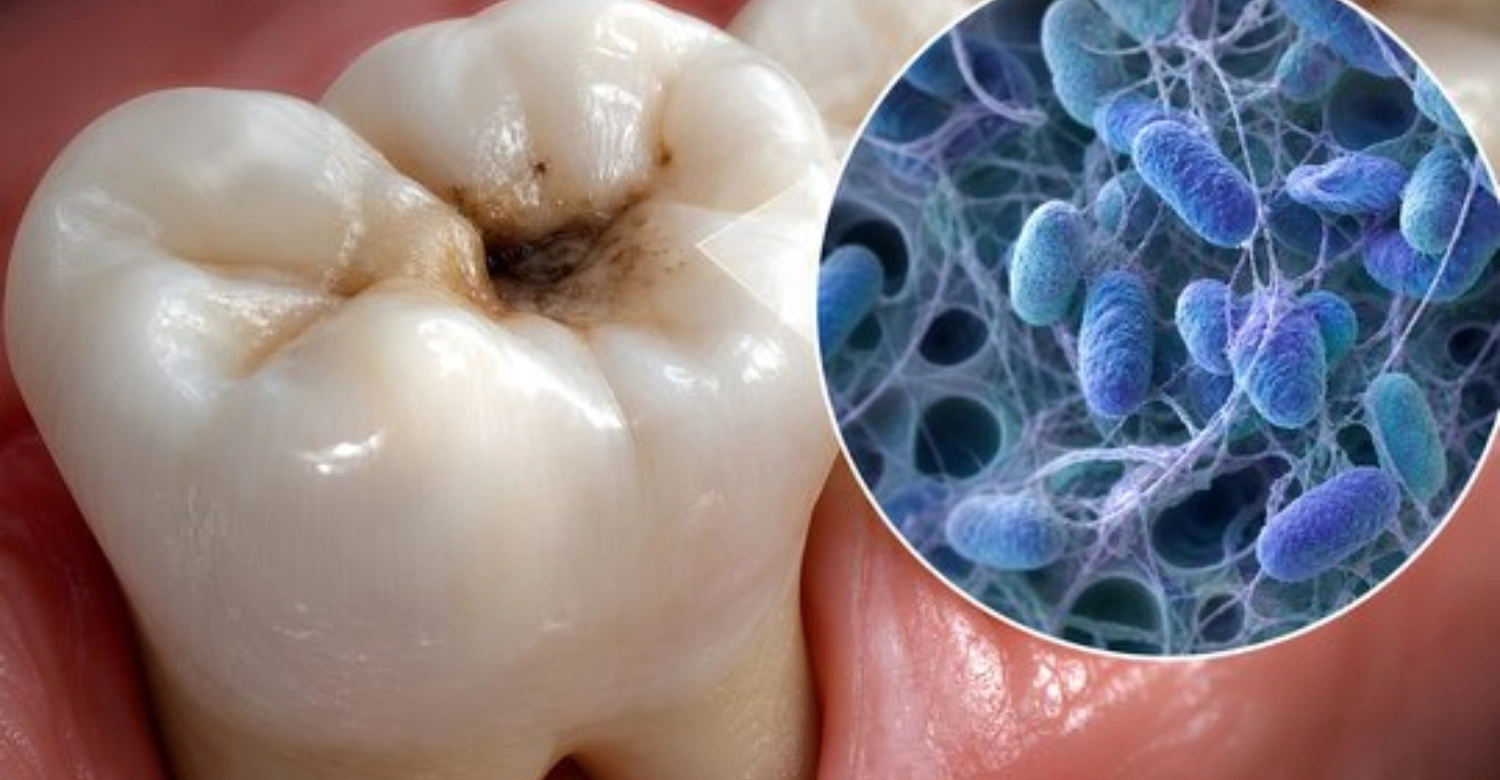
Oral bacteria types are the different categories of microorganisms that live in the mouth. They range from beneficial species to harmful ones. Learning about oral bacteria types helps explain why some bacteria protect the teeth and gums. Others contribute to decay, inflammation, or persistent bad breath.
What Are Oral Microorganisms?
Oral microorganisms are the bacteria, fungi, and other microbes that naturally live in the mouth. They colonize teeth, gums, tongue, and saliva, forming complex communities. Most are harmless or beneficial, supporting digestion and immune balance. Certain oral microorganisms can contribute to decay or gum disease when they overgrow.
How Many Bacterial Species Live in the Mouth?
Researchers estimate over 700 bacterial species can inhabit the human mouth. Each person typically carries a smaller, individual subset. These species vary by location — teeth, gums, tongue — and shift with diet, hygiene, and health. This makes the oral cavity one of the body's most diverse habitats.
What Is the Oral Microbiota?
The oral microbiota refers to the complete community of microorganisms living in the mouth, including bacteria, viruses, and fungi. A balanced oral microbiota supports healthy teeth and gums. Disruption can allow harmful oral bacteria types to dominate, increasing risks like cavities, gingivitis, and persistent bad breath.
Oral Flora and the Mouth Microbiome
Oral flora and the mouth microbiome describe the same living ecosystem of microbes coating the teeth, gums, and tongue. A healthy mouth microbiome keeps harmful organisms in check. Imbalance in oral flora can trigger inflammation, decay, and odor. This is why maintaining this ecosystem matters for lasting oral health.
Discover the connection between cardiometabolic disease and oral health
What Are the Main Oral Bacteria Types?
Oral bacteria types generally fall into beneficial and harmful categories. Beneficial species support digestion and protect against pathogens. Harmful oral bacteria types produce acids or toxins that damage teeth and gums. Recognizing these categories helps explain why balance, not complete elimination, is the real goal of oral care.
Beneficial Bacteria in the Mouth
Beneficial bacteria help break down food particles, support saliva function, and compete with harmful microbes for space and nutrients. They contribute to a stable oral environment and may even help regulate inflammation. Their presence is essential, rather than something to eliminate through aggressive oral hygiene practices.
Harmful Bacteria in the Mouth
Harmful bacteria thrive on sugars and food debris. They produce acids and toxins that erode enamel and irritate gum tissue. When these bacteria multiply unchecked, they disrupt the natural balance of oral bacteria types. This raises the risk of cavities, inflammation, and other dental complications over time.
Acid-Producing Bacteria and Tooth Decay
Acid-producing bacteria metabolize sugars into acids that gradually dissolve tooth enamel, leading to cavities. These bacteria thrive in plaque, especially when sugary foods are consumed frequently. Limiting sugar intake and maintaining consistent hygiene helps control these species. This reduces the pace of enamel breakdown considerably.
Bacteria Associated With Gum Disease
Certain bacteria are strongly linked to gum disease. They accumulate below the gumline and trigger inflammation. Left untreated, this bacterial buildup can progress from mild gingivitis to more serious periodontitis, damaging the tissue and bone that support teeth. This underscores the importance of routine dental care.
How Bacterial Species Can Affect Oral Health
Different bacterial species interact with teeth, gums, and saliva in distinct ways. Some support a protective barrier, while others release acids or enzymes that damage tissue. The overall mix of oral bacteria types — not any single organism — largely determines whether the mouth stays healthy or develops disease.
Learn about Lyme disease and oral health
Common Oral Bacteria Species Found in the Mouth
Several oral bacteria species are consistently identified in dental research. Streptococcus, Actinomyces, Lactobacillus, and Porphyromonas are among the most studied oral bacteria types. Each plays a different role in plaque formation, decay, or gum disease, depending on location and concentration within the mouth.
Streptococcus Species
Streptococcus mutans is one of the most well-known contributors to tooth decay. It thrives in plaque and produces acid from sugars. Other Streptococcus species are more benign and even help maintain oral balance. This shows how a single bacterial genus can include both harmful and beneficial members.
Actinomyces Species
Actinomyces species are commonly found in dental plaque and are associated with its structural buildup over time. They are generally less aggressive than acid-producing bacteria. Still, they can contribute to gum irritation and are often present alongside other organisms linked to early periodontal changes.
Lactobacillus Species
Lactobacillus species are acid-tolerant bacteria that thrive in areas already affected by decay, such as deep grooves or existing cavities. They are less involved in initiating decay. Instead, they often accelerate its progression once enamel breakdown has begun, making early intervention particularly important.
Porphyromonas Species
Porphyromonas gingivalis is a key bacterium linked to periodontal disease. It can survive in low-oxygen environments below the gumline. It triggers strong inflammatory responses and is frequently studied for its role in chronic gum disease and its broader effects on oral health.
How Different Mouth Bacteria Types Behave
Mouth bacteria types differ in oxygen needs, preferred locations, and the substances they produce. Some favor tooth surfaces, others the tongue or gumline. Understanding these behavioral differences helps explain why oral hygiene routines must address multiple areas of the mouth, not just the teeth alone.
Note: All images used are for editorial and illustrative purposes only and may not originate from the original news provider or associated company.
Find out what can cause a swollen roof of the mouth
How Do Oral Bacteria Affect Your Teeth and Gums?
Oral bacteria influence teeth and gums through plaque formation, acid production, and inflammatory responses. Depending on the balance of oral bacteria types present, effects can range from harmless coexistence to active tissue damage. This makes daily hygiene and professional monitoring important parts of long-term oral health.
Oral Bacteria and Tooth Decay
Tooth decay begins when acid-producing oral bacteria break down sugars into acids that weaken enamel. Over time, repeated acid exposure without adequate cleaning or saliva neutralization creates cavities. This happens particularly in areas where plaque accumulates and remains undisturbed for extended periods.
Oral Bacteria and Plaque Formation
Plaque forms when oral bacteria combine with food particles and saliva to create a sticky film on teeth. If not removed through brushing and flossing, this film hardens into tartar. This provides an even more stable environment for bacterial growth and further plaque buildup.
Oral Bacteria and Gum Disease
When oral bacteria accumulate along and below the gumline, they trigger an immune response that causes redness, swelling, and bleeding. Persistent bacterial presence can allow inflammation to progress from gingivitis toward more advanced gum disease. This affects the supporting structures of the teeth.
Oral Microbiota and Bad Breath
An imbalanced oral microbiota often contributes to persistent bad breath. Certain bacteria release sulfur compounds while breaking down food debris and dead cells. Addressing the underlying bacterial imbalance, rather than masking odor temporarily, is usually necessary for lasting improvement.
When Oral Bacteria Become Harmful
Oral bacteria become harmful when their numbers grow unchecked due to poor hygiene, diet, or other disruptions. This shift from a balanced to an overgrown bacterial population is what typically triggers visible problems, like decay, gum inflammation, and persistent odor in the mouth.
Clinical Note
The presence of bacteria in the mouth is normal and expected. However, an imbalance in the oral microbiota — where harmful oral bacteria types outnumber beneficial ones — can significantly increase the risk of cavities, gum disease, and other dental problems. Balance is the primary clinical concern.
Tips for the Patients
Brush teeth twice daily, floss once a day, and gently clean the tongue to reduce bacterial buildup. Stay hydrated to support saliva flow. Schedule regular dental checkups so early signs of imbalance can be identified and addressed before problems develop further.
Discover how sleeping with your mouth open can affect your teeth
What Causes an Imbalance in the Oral Microbiome?
Several everyday factors can disrupt the oral microbiome, allowing harmful oral bacteria types to outcompete beneficial ones. Diet, hygiene habits, hydration, smoking, and even medications all influence which bacterial species thrive. This makes lifestyle awareness an important part of maintaining balance.
Poor Oral Hygiene
Infrequent brushing and flossing allow food debris and plaque to accumulate, giving harmful bacteria more opportunity to multiply. Over time, this buildup shifts the bacterial balance toward species that produce acids and toxins. This increases the likelihood of decay and gum inflammation.
High-Sugar Diet
Frequent sugar consumption feeds acid-producing bacteria, fueling rapid growth and acid production that erodes enamel. Diets high in refined carbohydrates and sugary drinks tend to favor harmful bacterial species over beneficial ones. This tips the oral environment toward a more decay-prone state.
Dry Mouth
Saliva helps wash away food particles and neutralize acids, so reduced saliva flow allows bacteria to accumulate more easily. Dry mouth, whether from dehydration, medication, or breathing patterns, removes a key natural defense. It can accelerate bacterial imbalance over time.
Smoking and Tobacco Use
Smoking and tobacco use alter the oral environment, reducing oxygen levels and blood flow to gum tissue. This creates favorable conditions for certain harmful bacteria. It also impairs the body's ability to fight inflammation, often worsening gum disease progression significantly.
Antibiotics and Changes in Oral Flora
Antibiotics can reduce beneficial bacteria alongside harmful ones, temporarily disrupting the oral flora. While sometimes necessary, this disruption can allow opportunistic species to grow unchecked. A balanced microbial community gradually re-establishes itself over the following weeks.
How Lifestyle Habits Affect Mouth Bacteria Types
Diet, hygiene, hydration, and habits like smoking all shape which mouth bacteria types dominate. Consistent healthy choices support beneficial species, while neglect or harmful habits favor bacteria linked to decay, inflammation, and odor. This is why daily routines matter as much as professional care.
Explore the different stages of tooth decay
Can Oral Bacteria Cause Tooth Decay and Gum Disease?
Yes, oral bacteria are directly involved in both tooth decay and gum disease. Different oral bacteria types drive each condition — acid producers target enamel, while others trigger gum inflammation. This makes bacterial control central to preventing both issues effectively.
Oral Bacteria and Cavities
Cavities form when oral bacteria metabolize sugars into acid, gradually dissolving enamel. Without intervention, this process continues deeper into the tooth. It eventually affects the dentin and potentially the nerve, which can lead to pain and more extensive treatment needs.
Oral Bacteria and Gingivitis
Gingivitis develops when oral bacteria accumulate along the gumline, causing redness, swelling, and bleeding during brushing. This early stage of gum disease is generally reversible with improved hygiene. This makes it an important point for early intervention and monitoring.
Oral Bacteria and Periodontitis
If gingivitis is left untreated, oral bacteria can spread deeper, leading to periodontitis. This more advanced condition damages the bone and tissue supporting teeth. This stage may cause tooth mobility and requires professional dental management and follow-up.
Why Bacterial Imbalance Matters for Dental Health
Bacterial imbalance matters because it shifts the mouth from a stable, protective state to one favoring decay and inflammation. Recognizing early signs of imbalanced oral bacteria types allows for timely adjustments in hygiene and diet. This happens before more serious dental problems develop.
Tips for the Patients
Maintain consistent oral hygiene habits every day. Seek professional evaluation if you notice persistent bleeding, swelling, bad breath, or tooth sensitivity. Early assessment helps identify bacterial imbalance before it progresses into more significant dental concerns.
Learn more about pulpectomy and when it may be needed
How Can You Keep Healthy Oral Bacteria in Balance?
Supporting healthy oral bacteria types involves consistent daily habits that limit harmful bacterial growth while allowing beneficial species to thrive. Simple, sustainable routines — rather than harsh or excessive measures — are typically the most effective way to maintain long-term balance.
Brush Your Teeth Twice a Day
Brushing twice daily removes plaque and food debris before bacteria can multiply excessively. Using a fluoride toothpaste strengthens enamel while mechanically disrupting bacterial colonies. This is one of the most fundamental habits for maintaining oral balance.
Clean Between Your Teeth
Flossing or using interdental brushes removes plaque from areas a toothbrush cannot reach, particularly between teeth and along the gumline. These spaces are common sites for bacterial buildup. This makes daily interdental cleaning essential for comprehensive plaque control.
Limit Sugary Foods and Drinks
Reducing frequent exposure to sugary foods and drinks limits the fuel available to acid-producing bacteria. Choose water or unsweetened options between meals, rather than constant sipping on sugary beverages. This helps minimize prolonged acid attacks on enamel.
Stay Hydrated
Drinking enough water supports steady saliva production, which naturally helps rinse away food particles and neutralize acids. Adequate hydration is a simple but often overlooked factor. It helps maintain a balanced oral environment throughout the day and evening.
Maintain a Balanced Diet
A diet rich in fiber, vegetables, and lean proteins supports saliva flow and reduces reliance on sugary or processed foods. Balanced nutrition contributes to healthier oral bacteria types. It limits the conditions that favor harmful bacterial growth over time.
Supporting a Healthy Oral Flora
Consistent hygiene, hydration, and balanced nutrition work together to support a healthy oral flora. Rather than eliminating bacteria entirely, the goal is maintaining conditions that favor beneficial species. This limits opportunities for harmful ones to dominate.
Discover the connection between congenital adrenal hyperplasia and oral health
When Should You See a Dentist About Oral Bacteria?
Certain symptoms suggest that oral bacteria types may be out of balance and warrant professional evaluation. Recognizing these signs early allows for timely treatment. This happens before minor imbalances progress into more significant dental problems.
Persistent Bad Breath
Bad breath that persists despite regular brushing and flossing may indicate a bacterial imbalance rather than a temporary dietary cause. A dental evaluation can help identify whether underlying decay, gum disease, or another factor is responsible.
Bleeding or Swollen Gums
Gums that bleed during brushing or appear consistently swollen are common early signs of bacterial-related inflammation. Mild cases may improve with better hygiene. Persistent symptoms should be evaluated to prevent progression toward more advanced gum disease.
Frequent Cavities
Developing cavities frequently, despite reasonable hygiene habits, may suggest an imbalance favoring acid-producing oral bacteria types. A dental professional can assess contributing factors such as diet, saliva flow, and brushing technique. This helps reduce future decay risk.
Tooth Sensitivity or Pain
New or worsening tooth sensitivity can signal enamel erosion from bacterial acid production. It sometimes indicates decay that has progressed beneath the surface. Evaluating the cause early helps prevent more extensive treatment later on.
Signs That Your Oral Microbiota May Be Out of Balance
Persistent odor, gum changes, frequent cavities, and sensitivity collectively suggest the oral microbiota may be imbalanced. These signs, especially when combined, are strong indicators that professional assessment is needed rather than relying on home care alone.
Find out why your mouth may suddenly produce so much saliva
How Does Vitrin Clinic Approach Oral Health?
Vitrin Clinic approaches oral health by focusing on prevention, early identification of bacterial imbalance, and personalized care. Rather than addressing symptoms alone, the clinic emphasizes understanding each patient's oral bacteria types and overall risk factors. This guides appropriate treatment.
Personalized Dental Evaluations at Vitrin Clinic
At Vitrin Clinic, evaluations consider each patient's oral hygiene habits, diet, and clinical findings to build a complete picture of oral health. This personalized approach helps identify early signs of bacterial imbalance. It catches them before they progress into more significant concerns.
Preventive Care and Oral Hygiene
Preventive care at Vitrin Clinic emphasizes education around brushing, flossing, and diet alongside professional cleanings. This combination helps patients maintain healthier oral bacteria types over time. It also reduces reliance on more extensive treatment later.
Identifying Plaque, Cavities, and Gum Problems
Routine examinations at Vitrin Clinic focus on identifying plaque buildup, early cavities, and gum changes before they become more serious. Early detection allows for simpler, less invasive management of bacterial-related dental issues.
Personalized Treatment Plans
When treatment is needed, Vitrin Clinic develops personalized plans based on each patient's specific findings and risk factors. This is done rather than applying a one-size-fits-all approach, ensuring recommendations align with individual oral health needs.
Vitrin Clinic and Long-Term Oral Health
Vitrin Clinic supports long-term oral health by combining preventive strategies with ongoing monitoring. This helps patients maintain balanced oral bacteria types and reduce the recurrence of common dental problems over time.
What We Notice Clinically
Dr. Rifat Alsaman, Head of the Medical Team at Vitrin Clinic and a cosmetics dentist, highlights the value of prevention and early diagnosis. This applies when managing oral health concerns associated with plaque and bacterial imbalance.
Clinical Note
Vitrin Clinic focuses on assessing each patient's oral condition. It then recommends an appropriate treatment or preventive approach based on their individual needs and clinical findings.
Tips for the Patients
Patients are encouraged to maintain daily oral hygiene. Schedule professional dental evaluations whenever you notice changes in your teeth, gums, or breath, supporting earlier identification of bacterial imbalance.
Explore pneumococcal disease and oral health
Resource:
https://pmc.ncbi.nlm.nih.gov/articles/PMC9962706/
https://pmc.ncbi.nlm.nih.gov/articles/PMC10059713/
https://pmc.ncbi.nlm.nih.gov/articles/PMC8261760/
FAQs

Dr. Rifat Alsaman has more than 5 years of clinical experience in dentistry and currently serves as the Head of the Medical Team at Vitrin Clinic. He is dedicated to providing exceptional patient care, overseeing treatment planning, and ensuring the highest clinical standards across the team. His expertise, attention to detail, and commitment to continuous professional development have helped countless patients achieve healthier, more confident smiles.


