Dental Crowns
February 16, 2026
Best Crown for Molars: Complete Guide to Choosing the Right Dental Crown
 Dr. Rifat Alsaman
When restoring damaged or decayed teeth, selecting the best crown for molars is crucial. Molars endure significant chewing forces daily. Therefore, crown material choice directly impacts long-term success, functionality, and aesthetic appeal. Understanding your crown options can save you time, money, and potential complications later.
The best crown for molars must withstand heavy biting pressure while maintaining comfort. This guide explores everything you need to know about selecting the best crown for molars. We cover material options, pediatric considerations, and sourcing quality products. Whether you are a patient or a dental professional, this article provides evidence-based information. At Vitrin Clinic, we help patients choose and receive the best crown for molars tailored to their needs.
Introduction to Molars and Dental Crowns
Molars are large, flat teeth at the back of your mouth. They play a critical role in chewing and grinding food for proper digestion. Because these teeth face intense forces, they are susceptible to wear, decay, and damage over time. When molars suffer severe damage, dental crowns offer an effective restoration solution. They cover the entire visible portion of the tooth. Understanding these specialized crown requirements helps patients and professionals make informed decisions. The best crown for molars balances strength, longevity, biocompatibility, and overall cost-effectiveness.
What Are Molars and Why Are They Important?
Molars are posterior teeth designed to grind food into smaller, easily digestible pieces. Adults typically have twelve molars, including four wisdom teeth. However, many people have wisdom teeth removed due to impaction or crowding issues. These teeth feature broad, flat surfaces with multiple cusps that work together to break down tough foods.
Molars bear the greatest chewing forces in the mouth. In fact, they often experience pressure exceeding 200 pounds per square inch. Maintaining healthy molars is essential for proper nutrition, jaw alignment, and long-term oral health.
Why Choosing the Best Crown for Molars Matters
Selecting the best crown for molars impacts the restoration’s longevity and your eating comfort. Poor crown choices can lead to premature failure. Consequently, this requires costly replacements and compromises the underlying tooth. The best crown for molars must withstand constant heavy biting forces without cracking or wearing down opposing teeth.
Additionally, proper crown selection ensures biocompatibility. This prevents allergic reactions or gum irritation caused by sensitive materials. Investing in the best crown for molars preserves your natural tooth structure for years while saving money and time. Choosing the right material is incredibly important; exploring gold crown dental ensures you get the best functional and aesthetic results possible.
Types of Crowns Suitable for Molars
Multiple crown types exist for molar restoration. Each option offers distinct advantages depending on individual patient needs. Understanding different crown materials helps patients and dentists collaborate effectively. The best dental crown material for molars varies based on bite force, aesthetic preferences, and budget constraints. Modern dental technology has expanded these crown options significantly. At Vitrin Clinic, we offer comprehensive consultations to help determine the best crowns for molars for your specific case.
Which Type of Crown Is Best for Molars?
Determining which type of crown is best for molars depends on evaluating multiple clinical factors. For posterior molars with minimal aesthetic concerns, metal or zirconia crowns provide excellent strength and longevity. When aesthetics matter, all-ceramic or zirconia crowns offer tooth-colored options that blend naturally.
Porcelain-fused-to-metal crowns provide a middle ground by combining metal strength with porcelain aesthetics. However, they may show metal margins over time. The best dental crowns for molars ultimately balance your specific preferences and clinical situation for optimal results.
Metal Crowns
Metal crowns, typically made from gold alloy or base metal alloys, offer the most durable option for molars. These crowns require minimal tooth reduction, preserving more natural tooth structure during preparation. Metal crowns withstand intense chewing forces exceptionally well. They rarely chip or break, even under extreme pressure.
Their primary disadvantage is their metallic color, making them less aesthetically desirable. However, appearance matters less for back teeth. Despite their look, metal crowns remain an excellent choice for the best crown material for molars when durability is top priority.
Porcelain-Fused-to-Metal Crowns
Porcelain-fused-to-metal (PFM) crowns combine a strong metal base with a tooth-colored porcelain overlay. They offer a reasonable balance between durability and aesthetics. This makes them popular for molars that are occasionally visible when smiling.
The metal substructure provides excellent strength to withstand molar chewing forces. Meanwhile, the porcelain surface mimics natural tooth color reasonably well. However, the porcelain layer can chip under heavy forces. Additionally, metal margins may show if gums recede over time. Still, PFM crowns represent a solid middle-ground option for the best crown material for molars.
All-Ceramic Crowns
All-ceramic crowns are made entirely from dental ceramic materials. They provide the most natural-looking aesthetic results of any crown type. These crowns are ideal for patients with metal sensitivities, as they contain no metal components.
Modern ceramic materials have improved in strength. However, they still do not match the durability of metal or zirconia in heavy-force areas. All-ceramic crowns work best for molars with lighter bite forces or where aesthetics are prioritized. While not always the strongest option, they can be among the best dental crown materials for molars prioritizing appearance.
Zirconia Crowns
Zirconia crowns are crafted from zirconium dioxide, an exceptionally strong ceramic material. They combine exceptional durability with excellent aesthetic properties. These crowns resist chipping and fracturing better than traditional all-ceramic options. At the same time, they provide a natural tooth-colored appearance.
Zirconia’s strength makes it particularly well-suited for molars facing heavy chewing forces. The material is also highly biocompatible, making it ideal for patients with metal sensitivities. Many dental professionals consider zirconia among the best crowns for molars due to its optimal balance of strength and appearance.
Comparison of Best Crown Material for Molars
Comparing crown materials requires evaluating strength, aesthetics, biocompatibility, longevity, and cost. Metal crowns offer superior strength and longevity. However, they lack aesthetic appeal, making them ideal for non-visible posterior molars.
Zirconia provides excellent strength comparable to metal while offering natural tooth color. This makes it perhaps the best crown material for molars for most patients. Porcelain-fused-to-metal crowns balance strength and aesthetics moderately well, but they can chip. All-ceramic crowns excel aesthetically, but they may not withstand extreme forces as effectively in heavy-bite situations.
Which Dental Crown Is Best for Molars? (Factors to Consider)
Selecting which dental crown is best for molars requires evaluating your specific clinical situation and long-term goals. Consider the location of the tooth. Back molars prioritize durability over aesthetics, while visible molars warrant tooth-colored options. Evaluate your bite force and chewing habits. Heavy grinders need extremely durable materials like metal or zirconia to prevent restoration failure.
Budget also plays a significant role. Metal crowns are typically more affordable, while zirconia commands premium prices. Discuss these factors with your dentist to determine which type of crown is best for molars in your unique case.
Advanced Ceramic Options: Lithium Disilicate (E-max) for Select Molar Cases
Lithium disilicate, commonly known as E-max, is one of the most aesthetic crown materials available. It is most often recommended for front teeth and premolars. However, it can also be an excellent choice for carefully selected molar cases. Modern E-max crowns offer natural translucency and strength, providing a lifelike restoration.
However, E-max is not ideal for every molar. Back teeth face the highest chewing forces. Patients with severe teeth grinding (bruxism) or extensive tooth loss may benefit more from zirconia. At Vitrin Clinic, every patient undergoes digital bite analysis. This helps us determine whether E-max can safely withstand daily chewing forces.
According to Dr. Rifat Alsaman, Head of the Medical Team at Vitrin Clinic, selecting materials requires careful evaluation. Bite alignment, remaining tooth structure, and lifestyle habits all influence the final recommendation. While E-max produces exceptional cosmetic results, zirconia remains the preferred material for molars exposed to significant functional stress.
Aesthetic Superiority vs. Mechanical Strength Limits on Back Teeth
Although zirconia is generally considered the strongest material for back teeth, lithium disilicate (E-max) remains a viable option for select molars. E-max crowns provide exceptional translucency, mimicking natural enamel while offering a strength of around 500 MPa. They work best for patients with healthy bite alignment and minimal teeth grinding.
At Vitrin Clinic, every case is digitally evaluated before selecting the crown material. Dr. Rifat Alsaman explains that E-max works exceptionally well for premolars and selected first molars where aesthetics are a priority. Meanwhile, zirconia remains preferred for patients with heavy chewing forces or bruxism.
Clinical Note
Not every molar requires the strongest material available. Digital bite analysis, remaining tooth structure, and grinding habits should all be evaluated before selecting E-max or zirconia. Choosing the correct material is more important than simply choosing the strongest one.
Selecting the Best Crowns for Pediatric Molars
Pediatric molars require special crown considerations. Children’s teeth and jaws are still developing and will eventually be replaced by permanent teeth. Preformed stainless steel crowns have traditionally been the standard for primary molars due to their durability.
However, newer aesthetic options like zirconia pediatric crowns offer tooth-colored alternatives for visible teeth. The best preformed crown brands for pediatric molars balance ease of placement, durability, and affordability for temporary restorations. Choosing appropriate pediatric crowns ensures children maintain proper chewing function and space maintenance until permanent teeth erupt naturally.
Best Preformed Crown Brands for Pediatric Molars
Several reputable manufacturers produce high-quality preformed pediatric crowns, with stainless steel and zirconia being the primary options. Leading stainless steel crown brands include 3M ESPE, NuSmile, and Hu-Friedy. They offer reliable, cost-effective choices for pediatric molar restoration.
For aesthetic pediatric crowns, NuSmile ZR zirconia crowns and Cheng Crowns represent popular tooth-colored alternatives. EZ-Pedo crowns provide another stainless steel option with simplified sizing and placement procedures. When determining the best preformed crown brands for pediatric molars, consider both clinical performance and parent satisfaction. Choosing the right material is incredibly important; exploring porcelain fused to metal ensures you get the best functional and aesthetic results possible.
Tips for Parents Choosing Molars Crowns for Kids
When your child needs a crown for a primary molar, discuss stainless steel and zirconia options with your pediatric dentist. Consider your child’s age and how long the crown must last before the permanent tooth erupts. For visible teeth or self-conscious children, aesthetic zirconia crowns may be worth the additional investment.
Ensure your child maintains excellent oral hygiene around crowned teeth to prevent decay at margins. Finally, trust your pediatric dentist’s recommendation regarding the best choice for your child’s specific clinical situation.
Buying the Best Crown for Molars
Purchasing dental crowns involves considerations beyond just material selection. You must also choose between custom-made and prefabricated options. Custom crowns fabricated by dental laboratories offer the most precise fit and natural appearance. However, they require multiple visits and temporary crown placement.
Prefabricated crowns can sometimes be placed in a single visit, though they may fit less precisely. The best crown for molars for sale varies by individual needs. Some patients prioritize convenience, while others focus on fit and aesthetics. Understanding your sourcing options helps ensure you receive quality restorations that provide lasting value.
Best Crown for Molars for Sale: Online and Offline Options
Dental crowns are primarily purchased through professional dental laboratories. Some practices use in-office milling systems to create same-day crowns for patient convenience. Online supply companies sell preformed crowns for dental professionals. However, patients should never attempt to purchase or place crowns without professional oversight.
Practices often work with multiple laboratories to source different crown types based on specific case requirements. When researching the best crown for molars for sale, focus on finding an experienced dentist who works with reputable laboratories. Vitrin Clinic partners with top-tier dental laboratories to ensure patients receive the highest quality crowns available.
Best Crown for Molars Factory and Manufacturers
Numerous manufacturers worldwide produce dental crowns, with quality varying significantly based on materials and production processes. Reputable manufacturers maintain strict quality control, use certified materials, and comply with international regulations like ISO and FDA standards. Major global companies back their products with extensive research supporting safety and effectiveness.
The best crown for molars factory operations feature advanced CAD/CAM technology, skilled technicians, and rigorous quality testing. Choosing crowns from established manufacturers with documented quality standards ensures safer, more predictable outcomes compared to unverified sources.
Best Crown for Molars Factory in China
China has become a major producer of dental crowns, with facilities ranging from basic operations to advanced facilities matching international standards. The best crown for molars factory in China operations employ modern CAD/CAM technology, use certified materials, and maintain strict quality control. Chinese manufacturers like Huge Dental and Glidewell China produce reliable crowns at competitive prices.
However, quality varies widely among suppliers. It is essential to verify certifications, material sources, and quality control processes before purchasing. Working with practices that carefully vet their suppliers ensures cost savings without compromising safety or quality.
Quality Checks and Certifications
Reputable crown manufacturers maintain certifications from regulatory bodies like the FDA, CE, and ISO standards. Essential quality checks include material verification, dimensional accuracy testing, biocompatibility assessment, and strength testing. Manufacturers should provide documentation of material composition confirming the absence of harmful contaminants.
Dental laboratories with Good Manufacturing Practices (GMP) certification demonstrate commitment to consistent quality and safety. When evaluating the best crown for molars factory, always verify certifications and request documentation to ensure product safety. If you are experiencing unexpected issues, reading about crowns for teeth grinding will provide you with the necessary steps to find immediate relief.
Material Modifications: Full Metal (Non-Precious Alloys) & Hybrid Layered Crowns
Although zirconia and porcelain crowns are popular options today, full metal crowns made from non-precious alloys continue to provide outstanding durability. These restorations resist wear, require less tooth reduction, and withstand years of heavy chewing. Their primary drawback is their metallic appearance, which makes them less desirable for aesthetic areas.
Another option is the hybrid layered crown. This combines the strength of a zirconia core with a porcelain outer layer to improve appearance. This design offers a balance between durability and aesthetics. However, the porcelain layer may chip under excessive biting forces compared to solid monolithic zirconia.
At Vitrin Clinic, the choice between metal, hybrid, zirconia, and ceramic crowns depends on your oral health, cosmetic goals, and budget. Dr. Rifat Alsaman explains that no single crown material is universally superior. Instead, optimal results come from matching the material to the patient's functional demands.
Budget-Friendly Durability Options for Posterior Teeth
While zirconia dominates modern restorative dentistry, full metal crowns made from non-precious alloys remain one of the most durable, budget-friendly options for back teeth. These crowns require minimal tooth reduction and easily withstand decades of chewing pressure. Alternatively, hybrid layered crowns combine a strong zirconia framework with porcelain layering to improve appearance.
At Vitrin Clinic, treatment recommendations are personalized based on chewing forces, cosmetic expectations, and long-term oral health. Dr. Rifat Alsaman explains that although metal crowns remain clinically reliable, zirconia has become the preferred choice because it combines outstanding strength with superior aesthetics.
Tips for Patients
Don't ignore chipped or loose crowns.
Replace worn crowns before bacteria reach the underlying tooth.
Ask about the expected lifespan of each crown material.
Maintain excellent oral hygiene around crown margins.
Expert Tips for Long-Lasting Molars Crowns
Even the best dental crowns for molars require proper care and maintenance to achieve their maximum lifespan. Implementing good oral hygiene practices, avoiding harmful habits, and maintaining regular dental visits significantly extend crown longevity. Care for your crowned tooth properly to protect both the restoration and underlying tooth structure from decay. Following professional recommendations ensures you get the best return on your investment over many years. At Vitrin Clinic, we provide comprehensive aftercare instructions to help patients maximize the lifespan of their molar crowns.
How to Ensure Your Crown Lasts Longer
Avoid chewing ice, hard candies, or other extremely hard objects that can fracture strong crown materials over time. Practice excellent oral hygiene by brushing twice daily and flossing around crowned teeth to prevent decay at the margins. Consider wearing a nightguard if you grind your teeth during sleep, as heavy forces can damage restorations.
Schedule regular dental checkups and cleanings to monitor crown condition and address minor issues early. Following these preventive measures helps ensure your investment in the best crown for molars provides many years of reliable service.
Maintenance and Oral Hygiene Tips for Molars Crowns
Brush crowned teeth using the same gentle, thorough technique you use for natural teeth, paying special attention to the gum line. Floss daily around crowned molars. Slide the floss carefully along the sides rather than snapping it forcefully, which could dislodge the crown.
Use an antimicrobial mouthwash to reduce bacteria around crown margins and protect remaining natural tooth structure. Avoid using your crowned molars to open packages, crack nuts, or perform non-food-related tasks. Regular professional cleanings remove plaque buildup around crowns that home care alone cannot eliminate. Choosing the right material is incredibly important; exploring durable ceramic crowns ensures you get the best functional and aesthetic results possible.
Diagnostic Indicators: Why You Might Need a Crown on a Molar Tooth
A dental crown is recommended when a molar loses enough strength that a filling can no longer protect it. Large cavities, fractured teeth, worn chewing surfaces, and root canal treatment all weaken tooth structure. This increases the overall risk of cracks or complete tooth fractures. A crown surrounds the remaining tooth, restoring its shape, function, and chewing ability.
Not every damaged molar requires extraction. In many cases, placing a crown allows the natural tooth to be preserved for many years. At Vitrin Clinic, advanced digital imaging helps determine whether a crown is the most appropriate treatment option.
According to Dr. Rifat Alsaman, Head of the Medical Team at Vitrin Clinic, early diagnosis is vital for saving compromised molars. Treating structural damage before extensive fractures occur leads to conservative and predictable outcomes.
Structural Reinforcement Post-Root Canal Therapy
After root canal treatment, a molar becomes significantly weaker because much of its internal structure has been removed. A dental crown acts as a protective shell, helping distribute chewing forces evenly and preventing future fractures.
At Vitrin Clinic, Dr. Rifat Alsaman carefully evaluates the remaining tooth structure before recommending a crown. Preserving healthy tooth tissue while ensuring long-term protection is always our primary goal.
Shielding Cracked or Fractured Tooth Enamel Under Occlusion
Molars absorb the highest chewing forces in the mouth, making cracked teeth especially vulnerable to damage. Small cracks can rapidly worsen during normal chewing, eventually leading to tooth fractures that require complete extraction. A properly fitted crown stabilizes the tooth and prevents crack propagation.
According to Dr. Rifat Alsaman, early diagnosis dramatically improves the likelihood of saving a damaged molar.
Tips for Patients
Never ignore pain when biting.
Visit your dentist immediately if a filling breaks.
Avoid chewing hard foods on a cracked tooth.
Schedule routine examinations even when you have no pain.
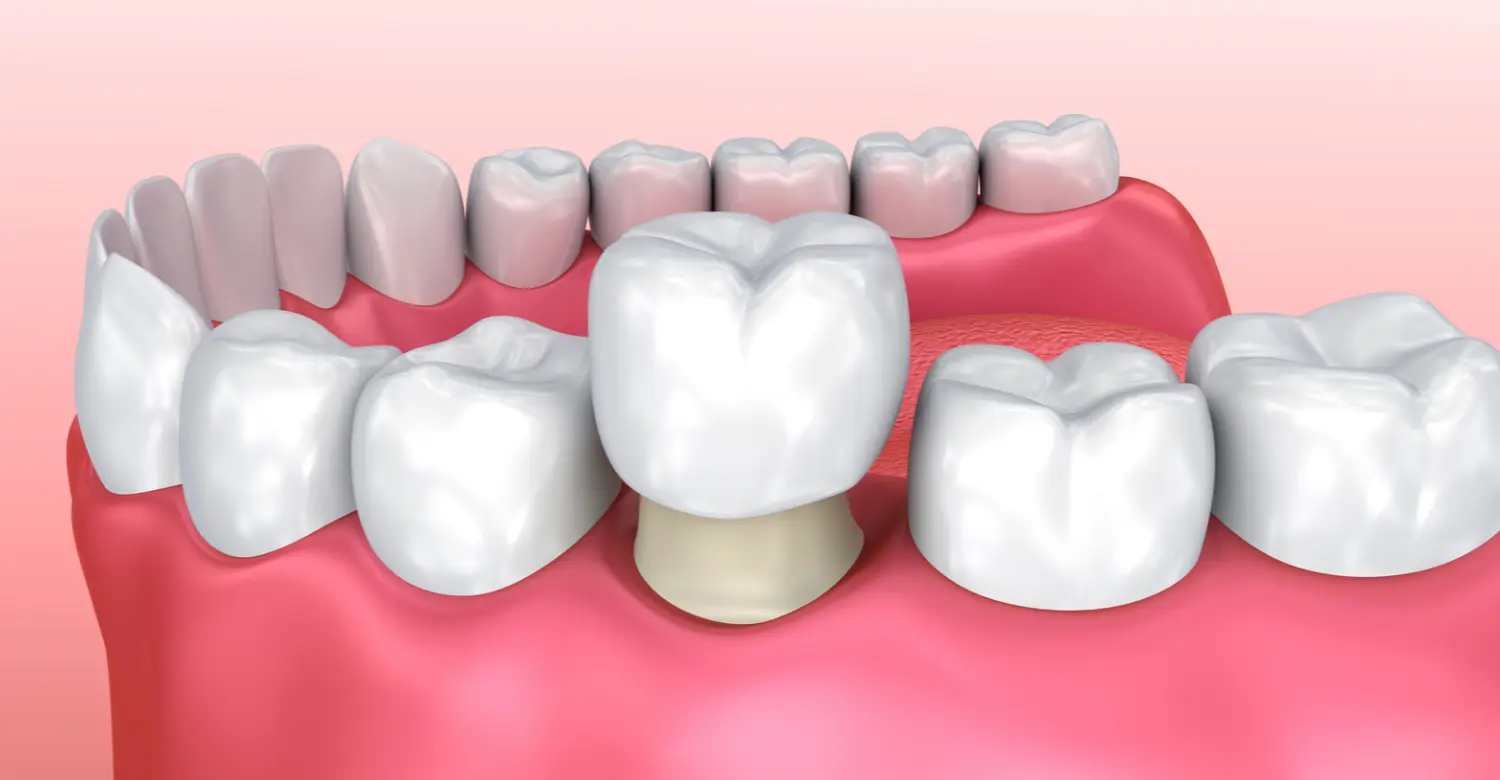
The Clinical Difference: Choosing Same-Day Chairside Crowns vs. Lab-Fabricated Restorations
CAD/CAM technology allows some molar crowns to be designed and milled during a single appointment. Meanwhile, more complex restorations are fabricated in a professional dental laboratory. Same-day crowns provide convenience and reduce treatment time. However, laboratory-made crowns allow greater customization for complicated bite relationships and aesthetic demands.
At Vitrin Clinic, digital scanning and bite analysis determine whether a patient is an ideal candidate for same-day treatment. Dr. Rifat Alsaman explains that the decision depends on tooth preparation quality, bite complexity, and long-term functional requirements.
Clinical Note
The accuracy of a crown depends more on the quality of tooth preparation, digital impressions, and bite adjustment than on whether it is produced chairside or in a laboratory.
Tips for Patients
Ask whether you're a candidate for a same-day crown.
Attend your bite adjustment appointment if recommended.
Avoid chewing hard foods until your dentist confirms the bite is stable.
Wear a night guard if you grind your teeth.
Vitrin Clinic: Your Trusted Dental Crown Provider
Vitrin Clinic specializes in comprehensive dental crown services, from initial consultation through final placement and long-term maintenance. Our experienced team stays current with advanced crown materials and techniques to offer patients state-of-the-art treatment options. We work with top-tier dental laboratories to ensure every crown meets high standards for quality, fit, and longevity.
At Vitrin Clinic, we understand that choosing the best crown for molars involves a personalized assessment of your dental health. Our patient-centered approach ensures you receive expert guidance and quality care throughout your treatment journey from start to finish.
Services Offered for Molars Crowns
Vitrin Clinic offers comprehensive crown services, including initial evaluation, treatment planning, tooth preparation, temporary crown placement, and final installation. We provide multiple material options—including metal, porcelain-fused-to-metal, all-ceramic, and zirconia—to match each patient’s specific needs.
Our advanced digital imaging and CAD/CAM capabilities enable precise crown design for optimal fit, function, and natural appearance. We offer both traditional multi-visit procedures and same-day crown options for single-appointment convenience. Follow-up care and maintenance support ensure your restoration continues functioning properly long-term.
Why Choose Vitrin Clinic for Your Dental Crowns
Vitrin Clinic combines experienced professionals, advanced technology, quality materials, and patient-centered care to deliver superior crown results. Our team takes time to thoroughly explain your options, answer questions, and help you make informed decisions about the best crowns for molars. We use materials exclusively from reputable manufacturers with proven safety track records and proper certifications.
Our comfortable facility and caring staff create a positive treatment experience that reduces anxiety throughout the process. By choosing Vitrin Clinic, you partner with professionals committed to your long-term oral health and successful outcomes.
Conclusion: Choosing the Best Crown for Molars
Choosing the best crown for molars depends on more than selecting the strongest material available. The ideal crown must match your bite force, tooth condition, aesthetic expectations, and long-term oral health needs. Zirconia remains one of the most popular choices due to its strength and durability. However, materials like lithium disilicate (E-max), hybrid crowns, and metal restorations remain suitable for specific clinical situations.
At Vitrin Clinic, every crown treatment begins with a detailed examination and personalized treatment planning. Dr. Rifat Alsaman emphasizes that successful molar crown treatment depends on choosing the right material for each patient's unique condition rather than following a one-size-fits-all approach.
With advanced technology and experienced specialists, Vitrin Clinic helps patients restore damaged molars, improve chewing function, and protect natural teeth. A properly planned crown is an investment in your overall dental health.
Key Takeaways for Choosing the Best Crown for Molars
The best crown material for molars balances strength, longevity, aesthetics, biocompatibility, and cost according to your individual priorities. Zirconia crowns offer an excellent combination of durability and natural appearance. This makes them ideal for most molar crown situations in contemporary practice. Metal crowns offer unmatched strength, making them best suited for non-visible posterior molars.
Proper crown care including excellent oral hygiene, avoiding harmful habits, and regular dental visits dramatically extends crown lifespan. Working with experienced dental professionals ensures the best possible outcomes for your molar crown investment. If you are experiencing unexpected issues, reading about a cracked dental crown will provide you with the necessary steps to find immediate relief.
Final Advice from Dental Experts
Consult with an experienced dentist who can evaluate your specific situation and recommend the most appropriate crown type. Don’t base your decision solely on cost. Investing in quality crowns and expert placement saves money long-term by avoiding premature failures.
Ask about your dentist’s experience with different crown materials and their preferred options for molar restorations based on clinical outcomes. Remember that even the best dental crown material for molars requires proper home care and professional maintenance to achieve its maximum lifespan. Trust the guidance of qualified professionals at reputable practices like Vitrin Clinic who prioritize your long-term oral health.
What Is the Best Crown Material for Molars? A Vitrin Clinic Guide
Key Needs for Molar Crowns
Molars need crown materials that resist biting forces and wear while fitting well. Strength, durability, and opposing-tooth wear are central when comparing options.
Common Crown Materials for Molars
Zirconia, metal, and porcelain-fused-to-metal crowns are often discussed for molars. Each balances strength, appearance, and tooth reduction differently.
Choosing a Molar Crown Material with Vitrin Clinic
A dentist can match material choice to your bite, gum health, and appearance goals. Vitrin Clinic can be researched as a dental tourism option for molar crown treatment in Turkey.
Reference
FAQs
Dr. Rifat Alsaman has more than 5 years of clinical experience in dentistry and currently serves as the Head of the Medical Team at Vitrin Clinic. He is dedicated to providing exceptional patient care, overseeing treatment planning, and ensuring the highest clinical standards across the team. His expertise, attention to detail, and commitment to continuous professional development have helped countless patients achieve healthier, more confident smiles.


