Orthodontics
April 16, 2026
Braces Food to Avoid: A Complete Guide for Healthy Orthodontics
 Dr. Rifat Alsaman
When you have braces, knowing Braces food to avoid is essential for a healthy orthodontic treatment. Hard foods like nuts, ice, and hard candies can break brackets or bend wires. Sticky foods such as caramel, gum, and taffy can get stuck and pull off braces. Crunchy snacks like chips and popcorn can damage your appliances. Sugary foods and drinks increase the risk of cavities around brackets. Chewy foods, including tough meats and bagels, can stress wires. Whole fruits like apples or pears should be cut into small pieces to protect braces. Corn on the cob should be removed from the cob before eating. Avoid biting directly into hard breads or crusty rolls. Even chewing ice is risky for braces. Following these Braces Diet Restrictions guidelines keeps your treatment safe and ensures a healthy, beautiful smile.
Why Knowing Braces Food to Avoid Is Crucial
Understanding braces food to avoid is crucial because certain foods can damage brackets wires and bands requiring emergency repairs. Dietary compliance directly impacts treatment duration efficiency and final outcomes making food choices a significant factor in orthodontic success. Eating inappropriate foods increases risk of appliance damage, tooth decay and discomfort undermining treatment progress and oral health. Knowledge empowers patients to make informed choices protecting their orthodontic investment and achieving beautiful smiles on schedule. Vitrin Clinic emphasizes dietary education as a fundamental component of comprehensive orthodontic care for optimal patient outcomes consistently.
Importance of diet in orthodontic treatment
Diet is extremely important in orthodontic treatment because it directly affects the health of your teeth and the success of braces. Following the right Braces food to avoid helps prevent damage to brackets, wires, and other orthodontic appliances. Hard foods like nuts and ice can break braces, while sticky foods like caramel or gum can pull them off. Sugary foods increase the risk of cavities and plaque buildup around brackets. Chewy and tough foods can put stress on wires, slowing treatment progress. Eating soft, nutritious foods supports healthy gums and teeth, which are essential for effective tooth movement.
Cutting fruits and vegetables into small pieces protects braces while still providing vitamins. Drinking plenty of water helps maintain oral hygiene. Avoiding the wrong foods reduces pain, irritation, and the need for emergency visits. Overall, a mindful diet and following Braces Diet Restrictions guidelines ensures faster, safer, and healthier orthodontic treatment. Even if you follow the best braces cleaning tips, eating the wrong foods can completely derail your progress.
Risks of eating the wrong foods with braces
Eating the wrong foods with braces can cause several problems, which is why knowing Braces food to avoid is essential. Hard foods like nuts or ice can break brackets and bend wires, delaying treatment. Sticky foods such as caramel or gum can pull off braces and get stuck around teeth, increasing plaque buildup. Crunchy snacks like chips and popcorn can cause wires to loosen or brackets to detach. Sugary foods and drinks raise the risk of cavities and tooth decay around braces. Chewy foods can strain appliances and cause discomfort.
Biting directly into hard fruits or bread can damage both teeth and braces. Even frequent snacking on sugary or sticky items can lead to gum inflammation. Damaged braces may require emergency visits and prolong treatment time. Ignoring dietary guidelines can also make oral hygiene more difficult. Following Braces Diet Restrictions recommendations helps prevent these risks and keeps your orthodontic treatment on track.
How avoiding certain foods can prevent damage and discomfort
Avoiding certain foods prevents bracket debonding wire breakage and appliance damage that causes treatment interruptions and additional costs to patients. Compliance with foods to avoid braces guidelines minimizes soft tissue irritation from broken wires or loose brackets reducing discomfort. Preventing appliance damage maintains consistent force application ensuring teeth move predictably according to treatment plan without setbacks or delays. Following braces food to avoid recommendations reduces emergency visits allowing patients to maintain regular appointment schedules and normal daily routines. Careful food selection protects both orthodontic appliances and tooth enamel ensuring beautiful healthy smiles at treatment completion successfully.
Common Foods to Avoid with Braces
When wearing braces, it's important to know Braces food to avoid protecting your orthodontic appliances. Hard foods like nuts, ice, and hard candies can break brackets or bend wires. Sticky foods such as caramel, chewing gum, and taffy can pull off braces and get stuck around teeth. Crunchy snacks like popcorn, chips, and pretzels can damage wires or brackets. Sugary foods and drinks increase the risk of cavities and plaque buildup around braces. Chewy foods like bagels, tough meats, and licorice can stress wires and cause discomfort.
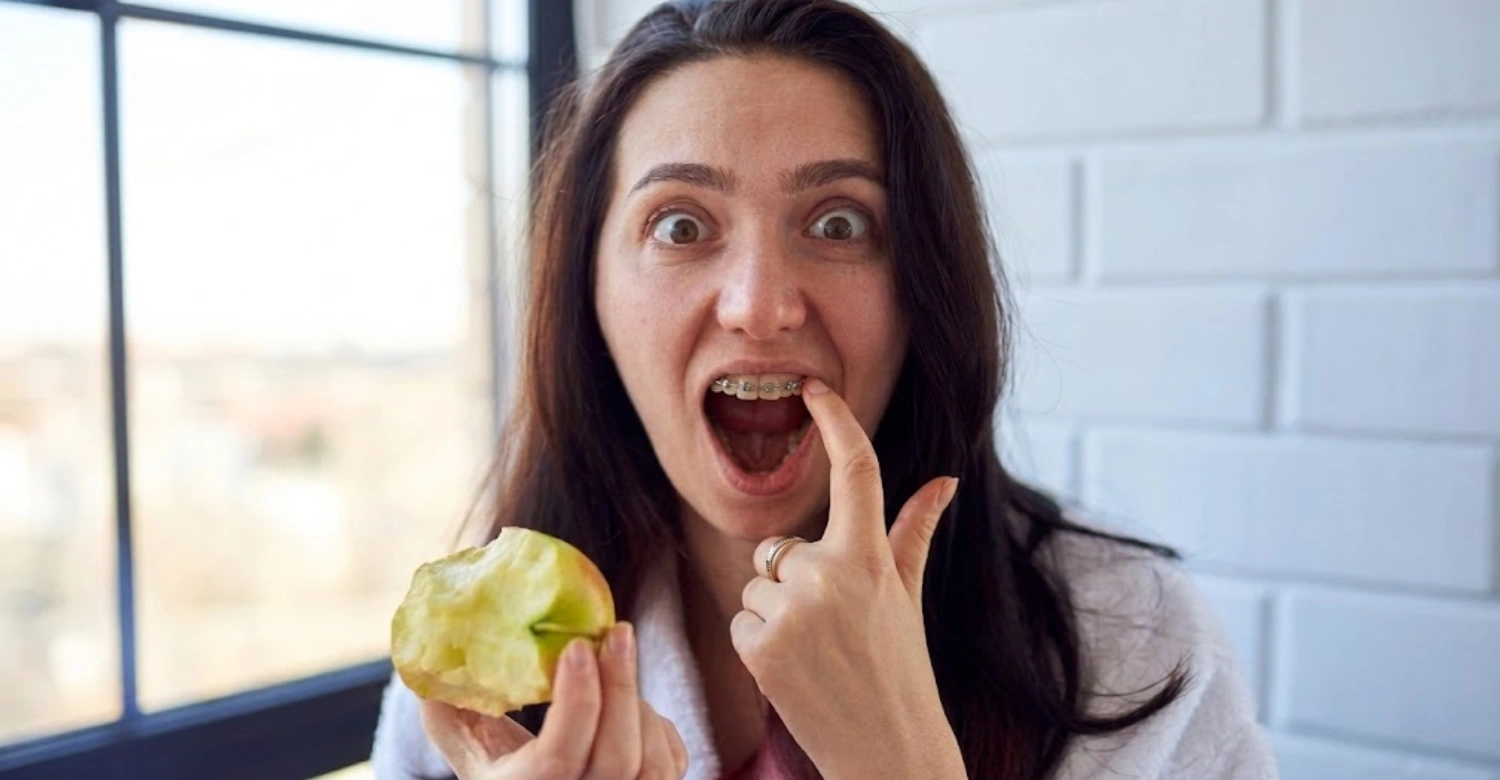
Whole fruits like apples or pears should be sliced before eating. Corn on the cob and raw vegetables should be cut into small pieces to avoid damage. Hard breads or crusty rolls can also break appliances if bitten directly. Even chewing ice is risky for braces. Following Braces Diet Restrictions guidelines ensures a safer and more effective orthodontic treatment. A safe diet is a foundational pillar of comprehensive braces and oral hygiene, protecting both your enamel and hardware.
Sticky and Chewy Foods
Sticky and chewy foods are some of the most harmful items to eat when you have braces, which is why Braces food to avoid lists these first. Foods like caramel, taffy, chewing gum, and gummy candies can stick to brackets and wires, causing them to loosen or break. Chewy breads, bagels, and tough meats can put extra pressure on braces, leading to discomfort or appliance damage. Even dried fruits like raisins can get stuck and increase plaque buildup around teeth. These foods are difficult to clean off, which raises the risk of cavities and gum problems.
Pulling or biting sticky foods can dislodge brackets, slowing down treatment. Regularly eating chewy items may require more emergency orthodontic visits. Cutting foods into small pieces or choosing softer alternatives is safer. Avoiding these items helps maintain proper oral hygiene. Following Braces Diet Restrictions guidelines ensures that your treatment stays on track and your smile develops safely.
Candies, caramels, taffy
Candies, caramels, and taffy are some of the most problematic treats for people with braces, making them top items on any Braces food to avoid list. These sticky sweets can easily get caught in brackets and wires, causing them to loosen or break. Chewing them can pull off braces and even damage the adhesive that holds brackets in place. They are also difficult to clean from teeth, increasing the risk of cavities and plaque buildup. Regular consumption of these sugary treats can lead to tooth decay around braces.
Taffy and caramel are especially stretchy, which makes them more likely to wrap around wires and create discomfort. Even small pieces can get stuck in hard-to-reach areas. Choosing soft or sugar-free alternatives helps protect your orthodontic appliances. Cutting down on candies also promotes healthier gums and teeth during treatment. Following Braces Diet Restrictions guidelines ensures a smoother, safer orthodontic journey and a healthier smile.
Chewing gum
Chewing gum is one of the main items on the Braces food to avoid list because it can cause serious problems for orthodontic treatment. Gum is sticky and can easily get caught in brackets and wires, pulling them off or loosening them. It can wrap around wires, making braces less effective and uncomfortable. Sticky gum also traps food particles and bacteria, increasing the risk of cavities and gum disease. Even sugar-free gum can stick to appliances and cause damage. Chewing gum regularly may lead to broken brackets or bent wires, which can prolong treatment time.
Removing gum from braces can be painful and difficult. Soft alternatives, like sugar-free mints, are safer for those with braces. Following Braces Diet Restrictions recommendations protects both your appliances and your oral health. Avoiding gum helps ensure your orthodontic treatment stays on schedule and your smile develops properly. Crunching on ice or hard candy is the leading cause of broken wires, so modifying your diet is key to avoiding sudden dental repairs.
Hard Foods
Hard foods are a major concern for anyone with braces, making them an important part of the Braces food to avoid list. Items like nuts, ice, hard candies, and raw carrots can easily break brackets or bend wires. Biting directly into hard bread, crusty rolls, or pretzel sticks can also damage braces. Even small hard pieces, like popcorn kernels, can get stuck under wires and cause discomfort. Chewing these foods puts extra pressure on brackets, increasing the risk of them loosening or detaching. Damaged braces may require emergency visits, which can delay treatment. Hard foods can also chip or crack teeth, especially if your teeth are already shifting. Cutting hard fruits and vegetables into smaller pieces is a safer alternative. Choosing soft snacks helps protect braces and reduces pain while eating. Following Braces Diet Restrictions guidelines ensures your orthodontic treatment progresses safely and efficiently.
Nuts, hard candies, ice cubes
Nuts, hard candies, and ice cubes are some of the most dangerous items for people with braces, making them top entries on the Braces food to avoid list. Biting into these hard foods can crack or break brackets and bend wires, delaying orthodontic treatment. Even small pieces of nuts or candy can get lodged under wires, causing discomfort and potential damage. Chewing ice cubes is especially risky because they can chip teeth and weaken the adhesive holding brackets. Damaged braces often require emergency visits to repair, which can prolong your treatment timeline.
Hard foods can also irritate gums or cause pain when chewing. Cutting fruits and vegetables into smaller pieces is a safer alternative. Soft snacks and foods reduce stress on braces while still providing necessary nutrition. Avoiding these items helps maintain oral hygiene and prevents cavities around brackets. Following Braces Diet Restrictions guidelines ensures a safer, smoother, and more effective orthodontic treatment.
Raw carrots or hard fruits (unless cut small)
Raw carrots and hard fruits like apples or pears can be risky for people with braces, which is why they are included in the Braces food to avoid list unless cut into small pieces. Biting directly into these hard foods can break brackets or bend wires, delaying orthodontic treatment. Chewing large pieces puts extra pressure on braces and may cause discomfort or damage. Even healthy foods can become harmful if not prepared properly for braces. Cutting fruits and vegetables into bite-sized pieces makes them safe to eat while protecting appliances.
Raw carrots can be softened by steaming or slicing thinly to reduce risk. Hard fruits should be eaten with a fork or cut into manageable pieces. Ignoring this advice can lead to broken brackets and emergency visits. Soft alternatives like cooked vegetables or peeled, sliced fruits are safer. Following Braces Diet Restrictions guidelines helps ensure effective, comfortable, and safe orthodontic treatment. While standard metal brackets are highly durable, they can still be sheared off by biting into whole apples or crusty bread.
Crunchy Snacks and Breads
Crunchy snacks and breads are common items on the Braces food to avoid list because they can easily damage braces. Foods like chips, pretzels, and hard rolls can break brackets or bend wires when bitten directly. Crunchy breads with thick crusts put extra pressure on appliances, increasing the risk of loosening them. Even small hard pieces in snacks can get stuck under wires and cause discomfort. Eating these foods without cutting or softening them may lead to emergency visits to fix broken braces. Chewing crunchy items can also irritate gums and make orthodontic treatment more painful. Choosing softer alternatives like sliced bread or baked snacks reduces risk. Cutting hard crusts into smaller pieces helps protect braces. Avoiding these foods ensures that wires and brackets remain intact. Following Braces Diet Restrictions guidelines helps your treatment progress safely and efficiently while keeping your smile healthy.
Chips, popcorn, hard rolls
Chips, popcorn, and hard rolls are some of the most common foods on the Braces food to avoid list. Biting directly into these items can break brackets or bend wires, delaying orthodontic treatment. Popcorn kernels can get stuck under wires, causing pain and possible damage. Crunchy chips can put extra pressure on braces, increasing the risk of loosening appliances. Hard rolls with thick crusts may chip teeth or damage the adhesive holding brackets. Chewing these foods can also irritate gums and make eating uncomfortable. Even small pieces can cause problems if not eaten carefully. Cutting hard breads into smaller pieces is a safer option. Choosing softer alternatives like cooked vegetables or soft snacks protects braces. Following Braces Diet Restrictions guidelines ensures your orthodontic treatment stays on track and your smile develops safely.
How they can dislodge brackets
Brackets can become dislodged if the wrong foods are eaten, which is why knowing Braces food to avoid is so important. Hard foods like nuts, ice, and hard candies can crack or loosen brackets when bitten directly. Sticky foods such as caramel, taffy, and chewing gum can pull brackets off teeth by sticking to the adhesive. Crunchy snacks like chips or popcorn can apply uneven pressure, causing brackets to pop off. Chewy foods like bagels or tough meats put strain on wires and brackets, increasing the risk of dislodgement.
Even biting into whole fruits or hard breads without cutting them can loosen brackets. Ice cubes are especially dangerous because they can chip teeth and weaken the adhesive. Frequent eating of sugary or sticky items can degrade the glue holding brackets in place. Once a bracket is dislodged, treatment may be delayed, requiring an orthodontic visit to fix it. Following Braces Diet Restrictions guidelines helps prevent brackets from coming off and keeps your orthodontic treatment on schedule.
Sugary and Acidic Foods
Sugary and acidic foods are important to limit during orthodontic treatment, which is why they appear on the Braces food to avoid list. Foods like candy, soda, fruit juices, and citrus fruits can increase the risk of cavities around brackets. Sugar feeds bacteria in the mouth, producing acids that erode tooth enamel. Acidic foods and drinks can weaken the adhesive holding brackets, making them more likely to loosen. Even small amounts of sugary snacks can get trapped around wires and brackets, promoting plaque buildup. Over time, this can cause tooth decay and gum problems. Acidic foods can also irritate sensitive teeth during orthodontic treatment. Brushing and rinsing may not fully remove sugar and acid from hard-to-reach areas around braces. Choosing low-sugar, non-acidic alternatives helps protect teeth and appliances. Following Braces Diet Restrictions guidelines ensures healthier teeth and a smoother, more effective orthodontic treatment.
Soda, sweetened drinks
Soda and sweetened drinks are among the most harmful items on the Braces food to avoid list. These beverages are high in sugar, which feeds bacteria in the mouth and increases the risk of cavities around brackets. The acids in soda can weaken tooth enamel, making teeth more prone to decay during orthodontic treatment. Sugary drinks can also erode the adhesive that holds brackets in place, causing them to loosen. Even sipping occasionally can leave sticky residues on wires and teeth that are difficult to clean. Carbonated drinks may also irritate sensitive gums while wearing braces. Frequent consumption can lead to plaque buildup, tooth discoloration, and gum inflammation. Choosing water or sugar-free beverages protects both braces and oral health. Using a straw can help minimize contact with teeth if drinks are consumed. Following Braces Diet Restrictions guidelines ensures a safer, healthier orthodontic treatment and a stronger, brighter smile.
Citrus fruits in excess
Citrus fruits in excess can be harmful during orthodontic treatment, which is why they are included in the Braces food to avoid list. Fruits like oranges, lemons, and grapefruits are highly acidic, and eating too much can weaken tooth enamel. Acid can also irritate sensitive gums, especially around brackets and wires. Excessive citrus consumption may soften the adhesive that holds braces in place, increasing the risk of brackets loosening. Even though citrus fruits are healthy, their acidity can contribute to tooth decay if not balanced with proper oral hygiene.
Brushing and rinsing after eating citrus helps, but acids can still linger in hard-to-reach areas around braces. Eating citrus in moderation and pairing it with water or other non-acidic foods is safer. Cutting fruits into small pieces can reduce direct contact with teeth. Avoiding overconsumption protects both teeth and braces. Following Braces Diet Restrictions guidelines ensures your orthodontic treatment stays effective and your smile remains healthy.
Clinical Note
Early cavities frequently cause no pain or visible change, so they are missed during self-checks at home. A dental examination with X-rays detects decay between teeth and under the enamel before it reaches the stage where a patient would feel it.
Foods to Eat Safely with Braces
Even with braces, there are plenty of safe and healthy options to eat, while still following Braces food to avoid guidelines. Soft foods like yogurt, mashed potatoes, and scrambled eggs are easy on brackets and wires. Cooked vegetables and steamed fruits are gentle on braces while providing essential nutrients. Soft cheeses and dairy products help strengthen teeth and support oral health. Pasta, rice, and soft breads are safe alternatives to hard or crunchy foods. Cut fruits like apples or pears into small pieces to enjoy them without risking damage.
Smoothies and milkshakes are nutritious and easy to consume. Lean, tender meats like fish or ground chicken are safe protein sources. Avoiding sticky, hard, or sugary foods protects braces and prevents complications. Following Braces Diet Restrictions tips ensures your orthodontic treatment stays on track while maintaining a balanced diet. If you have chosen Vitrin Clinic ceramic options, avoiding dark liquids like coffee and red wine is crucial to prevent staining.
Soft Fruits and Vegetables
Soft fruits and vegetables are ideal choices for people with braces, especially when keeping Braces food to avoid in mind. Foods like bananas, berries, cooked carrots, and steamed zucchini are gentle on brackets and wires. They provide essential vitamins and minerals that support healthy teeth and gums during orthodontic treatment. Soft fruits and vegetables are easy to chew, reducing the risk of breaking or loosening braces. Cutting slightly firmer fruits, like apples or pears, into small pieces makes them safe to eat. These foods help maintain a balanced diet without damaging orthodontic appliances. Unlike hard or crunchy alternatives, soft fruits and vegetables do not put excessive pressure on brackets. They also help prevent irritation to sensitive gums caused by braces. Including them regularly supports overall oral health. Following Braces Diet Restrictions guidelines while eating these soft options ensures a safer and healthier orthodontic treatment.
Bananas, steamed veggies
Bananas and steamed vegetables represent ideal braces-safe foods providing nutrition without risk of appliance damage or discomfort when chewing. Bananas require no preparation, are naturally soft and provide potassium fiber and vitamins supporting overall health during treatment. Steamed vegetables including broccoli cauliflower carrots and green beans maintain nutritional value while becoming tender enough for comfortable eating. These foods can be seasoned and prepared in a variety of ways preventing dietary monotony while ensuring orthodontic safety. Incorporating these items regularly helps patients maintain nutrition without consulting food to avoid braces lists before every meal.
Dairy and Protein Options
Dairy and protein options provide essential nutrients for bone health and tissue repair while being orthodontic-safe when properly selected. Soft dairy products like yogurt pudding, soft cheese and milk-based smoothies offer calcium and protein without mechanical risk. Protein sources including eggs, soft fish chicken (deboned and tender) tofu and well-cooked beans provide nutrition without damaging appliances. These foods support the biological processes underlying tooth movement including bone remodeling and periodontal ligament adaptation necessary for treatment. Understanding foods to avoid for braces helps patients identify safe protein and dairy choices supporting health throughout orthodontic care.
Yogurt, soft cheese, eggs
Yogurt soft cheese and eggs represent excellent protein and calcium sources that are completely safe for braces patients. Yogurt provides probiotics supporting digestive health calcium for bones and protein in smooth easy-to-eat form requiring no modification. Soft cheeses like cottage cheese, cream cheese and ricotta offer variety and can be incorporated into many braces-safe meals. Eggs prepared as scrambled soft-boiled or in omelets provide high-quality protein and are tender enough for comfortable consumption. These versatile foods should be dietary staples for orthodontic patients ensuring adequate nutrition without appliance damage risk.
Cooked Grains and Soft Snacks
Cooked grains and soft snacks provide energy and satiety while being gentle on orthodontic appliances and comfortable to chew. Options include pasta rice oatmeal soft cereal pancakes and soft bread that require minimal chewing force to consume. These foods can be prepared in countless ways preventing dietary boredom while maintaining orthodontic safety throughout treatment duration. Soft snacks like applesauce smoothies, soft cookies and ice cream (without nuts) satisfy cravings without compromising appliance integrity. Understanding what food to avoid with braces helps patients identify these safe alternatives for meals and snacks throughout the day.
Pasta, rice, soft bread
Pasta rice and soft bread represent staple foods that are completely safe for braces requiring minimal force to chew. These versatile carbohydrates can be prepared in infinite variations providing energy and satisfaction without orthodontic appliance damage risk. Pasta should be cooked until tender not al dente ensuring it's soft enough for comfortable consumption with braces. Rice whether white brown or specialty varieties becomes soft when properly cooked making it an ideal braces-safe starch option. Soft breads including sandwich bread, dinner rolls and tortillas provide convenient options avoiding hard crusty varieties of foods to avoid with braces list.
Braces food to avoid extends well beyond hardness and stickiness alone. Foods that discolor braces, high-fiber foods that catch in wires, and temperature extremes after adjustments matter too. They deserve the same attention as the classic hard-and-sticky list. The sections below cover these often-overlooked risk factors in detail.
Chromatic Preservation: Avoiding Foods That Easily Discolor Brackets
Braces food to avoid also includes items that stain rather than damage. Clear or white elastic ligatures absorb pigment from certain foods and drinks, turning yellow or grey within days. This does not harm the wire or bracket itself, but it affects how the smile looks throughout treatment. Choosing lighter-colored foods, or foods low in tannins and turmeric, keeps ligatures looking fresh between adjustment visits.
De-Tie Discoloration: The Risks of Curry, Berries, and Dark Pigmented Sauces
Curry, turmeric-based dishes, and dark sauces like soy or balsamic reduction are common culprits behind curry stained brace ligatures. Berries such as blueberries and blackberries carry strong natural pigments that cling to the elastic material around each bracket. Red wine, dark tea, and tomato-based sauces behave the same way. None of these foods damage the wire, but they can leave ligatures visibly discolored until the next tie-change appointment. Rinsing with water immediately after eating pigmented foods reduces staining, though it will not eliminate it completely.
Structural Disruption from Fiber-Rich and Stringy Foods
Braces food to avoid is not limited to hard or sugary items. Stringy foods caught in wires are a common complaint among orthodontic patients, even though they rarely cause lasting damage. Celery strings, in particular, can wrap around a bracket and pull at the wire with every bite. This mechanical trapping raises plaque risk in areas already harder to reach with braces in place.
The Mechanical Traps of Celery, Raw Lettuce, and High-Fiber Vegetables
Celery, raw lettuce, and other high-fiber vegetables are common fiber rich foods to avoid with braces. Their long strands catch on wires and ligatures easily. Chewing does not fully break down these fibers. Strands often remain lodged between teeth or under the archwire after a meal. Left in place, trapped fibers encourage bacterial growth and can irritate the gum line. Steaming or finely chopping these vegetables reduces the risk while keeping their nutritional value intact.
Adaptation Timelines: How Long Does It Take to Return to a Normal Diet?
Patients often ask how long to eat normally after braces are placed or adjusted. Most people return to a fairly normal diet within one to two weeks of the initial placement. This is once the mouth adapts to the appliances. Tenderness after each monthly adjustment is usually milder and settles within two to three days. Full comfort with harder textures typically returns gradually over the following months.
Transitional Nutrition: Choosing White Meat Instead of Tough Red Meat
During the adjustment period, choosing white meat instead of red meat braces guidance eases the transition. It is a simple, practical swap. Chicken, turkey, and fish require less forceful chewing than steak or other tough cuts. Shredding or slow-cooking red meat until tender is another practical option when it cannot be avoided. This substitution reduces strain on wires while still meeting daily protein needs.
Thermal Dynamics: Avoiding Foods That Are Too Hot or Too Cold Post-Adjustment
Orthodontic temperature sensitivity is common in the days following an adjustment, when the periodontal ligament is under active pressure. Very hot soups or very cold ice cream can trigger sharp discomfort in teeth that are already sensitive from movement. Lukewarm foods are easier to tolerate during this window and cause far less irritation. This sensitivity fades on its own and does not indicate a problem with the appliance.
Dietary Nuances for Removable Systems: Diet Restrictions for Invisalign vs. Braces
Invisalign dietary restrictions differ meaningfully from those of fixed braces because the aligner tray is removed before eating. Invisalign patients can eat virtually anything, since food never touches the plastic tray directly. The trade-off is discipline. Aligners must go back in immediately after eating, and teeth should be brushed first to avoid trapping food against the tray. Fixed braces, by contrast, restrict food choices at all times since brackets and wires stay on the teeth continuously.
Tips for Patients
Use a toothpaste with 1,450 ppm fluoride, and after brushing spit rather than rinse with water, so the fluoride stays on the teeth longer. If you snack on something sugary, have it with a meal instead of spreading sweets across the day, since it is the frequency of acid attacks, not the total amount, that drives a tooth cavity.
Expert Tips on What Foods to Avoid with Braces
Expert tips on what foods to avoid with braces emphasize understanding mechanical properties that make foods problematic for orthodontic appliances. Orthodontists recommend evaluating food texture hardness stickiness before eating considering whether it could damage brackets or wires. Patients should modify food preparation by cutting items into small pieces or cooking until tender, making otherwise problematic foods safe. Developing awareness of how foods interact with appliances empowers patients to make real-time decisions about unfamiliar foods encountered. Vitrin Clinic provides personalized dietary counseling ensuring patients understand principles behind restrictions and can adapt successfully to modifications.
Braces Diet Restrictions in Daily Life
Foods to avoid braces in daily life requires conscious attention to food choices during meals, snacks and social situations. Patients should mentally review braces food to avoid guidelines before eating especially when trying new foods or dining out. Reading food labels and asking about preparation methods helps identify potentially problematic ingredients or textures before consuming items. Carrying emergency orthodontic supplies and knowing how to manage minor issues provides confidence when eating away from home. Developing habits of careful eating including taking small bites chewing slowly with back teeth protects appliances during daily meals.
Tips from orthodontists
Orthodontists recommend cutting all foods into small bite-sized pieces eliminating the need for forceful biting with front teeth. Chewing slowly and carefully with back teeth distributes forces more evenly reducing stress on brackets and wires effectively. Patients should avoid biting directly into foods instead using utensils to cut items into manageable pieces before eating. Rinsing mouth with water after eating helps dislodge food particles reducing plaque accumulation around brackets until proper brushing. Understanding these professional tips helps patients navigate food to avoid braces restrictions while maintaining nutrition and enjoying meals.
How to maintain oral hygiene while eating
Maintaining oral hygiene while eating involves strategic food choices and timing of brushing to minimize plaque accumulation around brackets. Patients should brush teeth after every meal and snack, removing food particles before bacteria metabolize them into acid. Carrying travel toothbrushes and supplies enables proper cleaning even when eating away from home maintaining hygiene standards consistently. Avoiding foods to avoid with braces list items reduces particles that become trapped making cleaning easier and more effective. Rinsing thoroughly with water after eating when brushing isn't immediately possible helps minimize bacterial growth until proper cleaning.
Foods to Avoid with Metal Braces Specifically
Foods to avoid with metal braces specifically include those that could stain elastic ligatures, bend wires or damage metal brackets. Metal brackets are durable but the colored elastic ties holding wires can stain from certain foods requiring more frequent replacement. Hard sticky foods pose the same risks to metal braces as other types, making comprehensive food avoidance essential for all patients. Metal brackets have sharp edges that can irritate soft tissues making it important to avoid foods that could dislodge them. Understanding what foods to avoid with braces applies universally though metal braces may show staining that ceramic brackets don't.
How metal brackets require extra caution
Metal brackets require extra caution because while durable the bonding adhesive and elastic ligatures remain vulnerable to certain foods. Forces that debond metal brackets can be greater than those affecting ceramic brackets but metal won't fracture as ceramic might. The elastic ligatures holding wires to metal brackets can stain from curry turmeric berries and dark beverages affecting appearance. Patients with metal braces should be particularly careful with foods that could wedge between bracket and tooth creating leverage. Following foods to avoid braces guidelines protects metal appliances ensuring they function properly throughout treatment without damage.
Best alternatives for braces patients
Best alternatives for braces patients include soft nutritious foods that satisfy cravings while protecting orthodontic appliances from damage. Instead of hard candies patients can enjoy soft chocolates that melt in mouth or ice cream without nuts. Soft fruits like bananas, berries and melon pieces replace crunchy apples and raw vegetables maintaining vitamin intake safely. Tender meat fish and plant-based proteins provide nutrition without requiring forceful chewing that could damage brackets or wires. Understanding Braces Diet Restrictions enables creative substitution ensuring patients enjoy satisfying varied diets during orthodontic treatment successfully.
Braces Diet Restrictions: For Parents and Teens
Braces food to avoid information for parents and teens emphasizes communication education and practical strategies for dietary compliance during treatment. Parents must balance providing nutritious meals with respecting restrictions ensuring children maintain health without compromising orthodontic appliances. Teenagers need education empowerment and support to make independent food choices that protect their orthodontic investment at school. Open communication about challenges, temptations and strategies helps families navigate dietary modifications successfully throughout treatment duration. Vitrin Clinic provides family-centered education ensuring both parents and patients understand restrictions and have tools for successful compliance.
Managing a Child's Diet During Orthodontic Treatment
Managing a child's diet during orthodontic treatment requires planning communication and creativity to ensure compliance with food restrictions. Parents should stock the kitchen with braces-safe foods making it easy for children to choose appropriate snacks and meals. Involving children in meal planning and food preparation increases buy-in and helps them understand why certain restrictions matter. Communicating with schools cafeterias and other parents ensures children aren't offered problematic foods in environments parents don't control. Positive reinforcement for compliance and problem-solving when challenges arise helps children successfully navigate foods to avoid when you have braces.
Strategies to encourage healthy eating habits
Strategies to encourage healthy eating habits include making braces-safe foods appealing and involving children in meal planning decisions. Creating colorful smoothies with fruits, yogurt and vegetables makes nutrition fun while being completely orthodontic-safe for consumption. Allowing children to choose between multiple braces-safe options provides autonomy while ensuring compliance with dietary restrictions throughout treatment. Explaining how proper nutrition supports faster tooth movement and healthy outcomes motivates compliance with food to avoid braces guidelines. Modeling good eating habits and joining children in dietary modifications shows solidarity and makes restrictions easier to accept.
List of Foods to Avoid with Braces
A list of foods to avoid with braces serves as a quick reference for parents and patients when planning meals and snacks. Sticky foods include gum caramels, taffy gummy candies, dried fruit and sticky rice that should be completely eliminated during treatment. Hard foods encompass nuts, hard candies, ice , whole apples, raw carrots, hard pretzels and crusty bread requiring avoidance or modification. Crunchy items include chips, popcorn hard taco shells and similar foods that fracture unpredictably potentially damaging orthodontic appliances. This comprehensive what foods to avoid with braces reference helps families make informed food choices protecting orthodontic investment throughout treatment.
Quick reference checklist for busy parents
A quick reference checklist for busy parents categorizes foods to avoid with braces making meal planning and shopping easier. The checklist divides foods into "avoid completely" "modify preparation" and "completely safe" simplifying daily decision-making for families. Laminating and posting the list on the refrigerator provides a constant visible reminder helping the entire family remember dietary restrictions consistently. Including both food categories and specific examples helps parents and children quickly assess whether unfamiliar foods are appropriate. Vitrin Clinic provides customized checklists ensuring families have accessible practical tools supporting dietary compliance throughout orthodontic treatment successfully.
Vitrin Clinic Recommendations for Braces Patients
Vitrin Clinic recommendations for braces patients emphasize comprehensive education, personalized guidance and ongoing support for dietary compliance during treatment. The clinic provides detailed initial education about food to avoid braces with written materials and visual guides for reference. Follow-up appointments include dietary check-ins addressing challenges and reinforcing the importance of compliance for treatment success and oral health. Personalized advice considers individual dietary preferences, cultural food traditions and specific treatment needs ensuring recommendations are realistic and sustainable. Vitrin Clinic's patient-centered approach ensures each person has knowledge, support and resources needed for successful orthodontic treatment outcomes.
How Vitrin Clinic Helps with Diet Guidance
Vitrin Clinic helps with diet guidance through comprehensive initial education reinforcement at appointments and accessible resources for patients. During bonding appointments detailed discussion of braces foods to avoid includes rationale helping patients understand why restrictions matter. Written materials with lists of safe and unsafe foods provide reference patients can consult when planning meals throughout treatment. The clinic offers nutritional counseling addressing concerns about maintaining a balanced diet within orthodontic restrictions ensuring health isn't compromised. Emergency contact information and troubleshooting guidance empower patients to handle dietary-related issues confidently between scheduled appointments effectively.
Personalized advice on safe foods
Personalized advice on safe foods considers individual dietary preferences, allergies , cultural traditions and nutritional needs of each patient. Vitrin Clinic staff discuss typical diet with patients identifying potential challenges and collaborating on acceptable modifications for compliance. For patients with dietary restrictions like vegetarianism, diabetes or food allergies clinic provides tailored guidance ensuring orthodontic and health needs. The clinic acknowledges that the one-size-fits-all approach doesn't work providing flexible strategies that respect individual circumstances and lifestyles. This personalized what food to avoid with braces guidance increases compliance by making recommendations realistic, achievable and respectful of diversity.
Follow-up tips for maintaining braces
Follow-up tips for maintaining braces include regular reinforcement of dietary guidelines monitoring compliance and addressing challenges that arise. At adjustment appointments staff ask about dietary compliance identifying any problem foods patients struggle to avoid offering alternatives. Celebrating successful compliance and problem-solving challenges collaboratively builds patient confidence and commitment to protecting orthodontic investment throughout treatment. Providing updated information about foods to avoid with braces list as treatment progresses helps patients adapt to changing needs. Vitrin Clinic's comprehensive follow-up ensures patients have ongoing support needed for successful dietary management throughout the orthodontic treatment journey.
What We Notice Clinically
Dr. Rifat Alsaman, Head of the Medical Team at Vitrin Clinic and a cosmetic dentist, notes that ligature discoloration is one of the most frequent concerns raised at adjustment visits. He points out that it causes no clinical harm. Dr. Rifat Alsaman also observes that patients who follow the fiber-cutting and temperature guidance recover comfort faster after each adjustment. In his clinical experience, Dr. Rifat Alsaman finds that patients who understand these smaller dietary details tend to finish treatment with fewer emergency visits overall.
Summary: Protect Your Braces by Eating Smart
Protecting braces by eating smart requires understanding braces food to avoid making conscious food choices and developing sustainable habits. Main foods to avoid include sticky items like gum and caramel hard foods like nuts and ice and crunchy snacks. Benefits of adhering to dietary recommendations include preventing appliance damage, maintaining treatment timeline and protecting teeth from decay around brackets. Patients who follow foods to avoid braces guidelines experience fewer emergencies, reduced treatment time and better final outcomes. Vitrin Clinic encourages all patients to take dietary restrictions seriously, recognizing them as an essential component of successful orthodontic treatment.
About Vitrin Clinic
Vitrin Clinic is a cosmetic dental clinic in Istanbul, Turkey. It offers orthodontic and restorative treatment to patients from around the world. Its team, led by Dr. Rifat Alsaman as Head of the Medical Team, combines clinical expertise with attentive, personalized care throughout every stage of treatment. Patients considering braces or other orthodontic options can request a free consultation to discuss the right treatment path for their needs.
References
FAQs
Dr. Rifat Alsaman has more than 5 years of clinical experience in dentistry and currently serves as the Head of the Medical Team at Vitrin Clinic. He is dedicated to providing exceptional patient care, overseeing treatment planning, and ensuring the highest clinical standards across the team. His expertise, attention to detail, and commitment to continuous professional development have helped countless patients achieve healthier, more confident smiles.


.webp&w=3840&q=75)
