Orthodontics
April 8, 2026
Metal Braces: Benefits, Types, Cost, and Treatment Process
 Dr. Rifat Alsaman
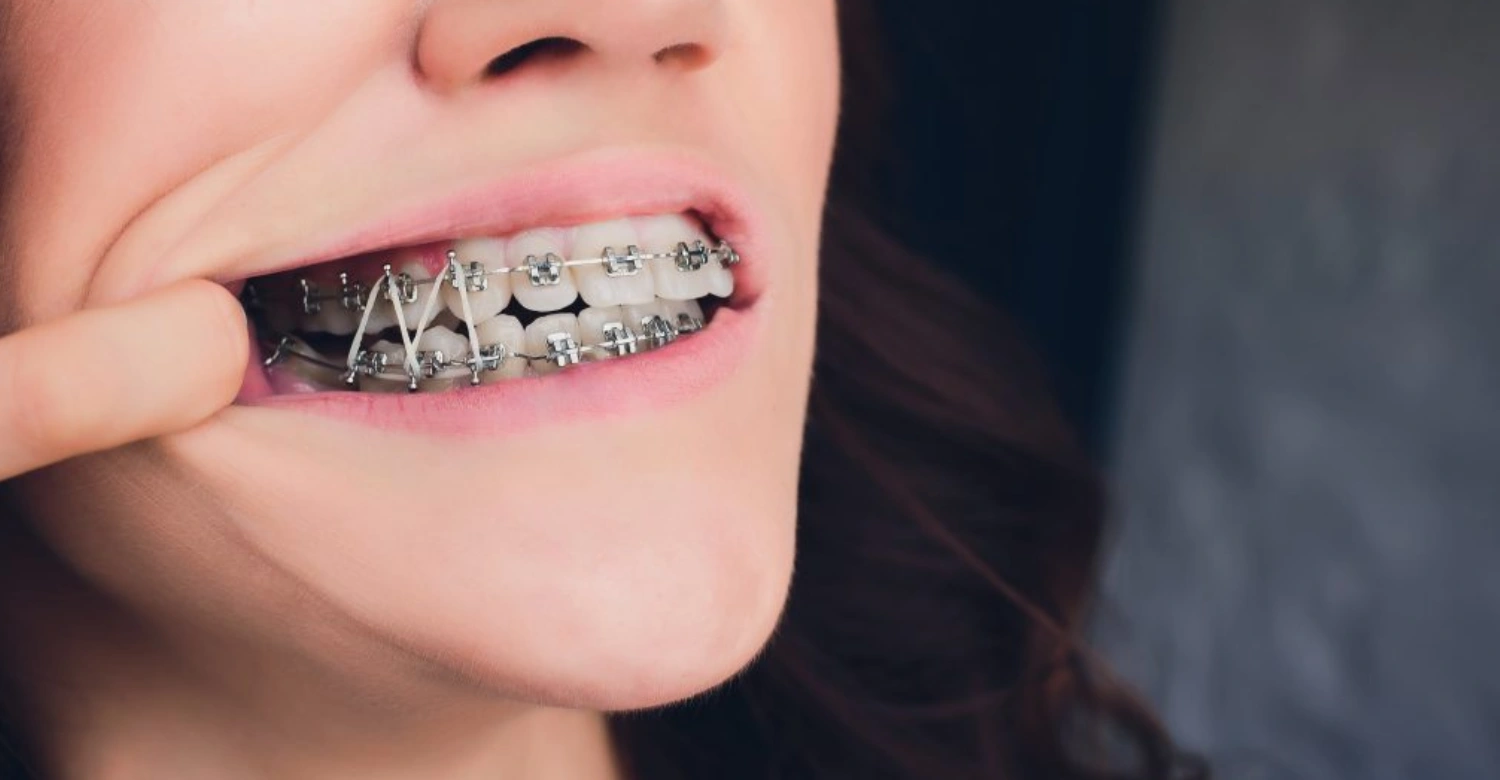
Metal braces are the most common and traditional type of orthodontic treatment. They straighten teeth and correct bite issues. Metal brackets are attached to each tooth and connected by an archwire. The archwire applies gentle, continuous pressure to move teeth into position over time. Small elastic bands may adjust the bite and improve alignment further.
Metal braces are highly effective for complex dental problems. This includes overcrowding, gaps, and severe bite misalignments. They suit children, teens, and adults who need reliable, predictable results. Regular orthodontist visits are required to tighten wires and monitor progress. Despite being more visible than other options, metal braces are durable and cost-effective. They often work faster than clear alternatives.
Good oral hygiene is essential to prevent plaque buildup and staining around the brackets. Most patients gradually adapt to wearing metal braces. Any initial discomfort usually subsides. In the end, metal braces provide a tried-and-true solution for a healthy, straight, and lasting smile.
Understanding Metal Braces
Metal braces are orthodontic appliances made of metal brackets bonded to teeth. Archwires connect the brackets and apply controlled forces. These forces gradually move teeth into proper alignment over time. The pressure stimulates bone remodeling, which allows permanent tooth repositioning when forces are applied and maintained correctly.
Traditional metal, ceramic, and clear options differ mainly in materials, visibility, durability, and cost. Traditional metal offers superior strength and affordability. Alternatives provide aesthetic advantages instead. Choosing traditional treatment brings proven effectiveness for all malocclusion types, lower cost, and exceptional durability. It also offers faster treatment times for complex cases. Even so, it is smart to compare all types of braces before making a final decision.
Technical Anatomy: What Are the Components of Metal Braces?
Metal braces are built from several small parts. Together, they move teeth safely and predictably. Understanding these components helps patients see how gentle, continuous pressure is created and maintained.
Brackets are bonded to the front of each tooth. They act as anchor points along the arch. The archwire threads through the bracket slots and supplies the main corrective force. Elastic or metal ligatures hold the wire inside each bracket. Metal bands wrap around the back molars for extra anchorage. Small buccal tubes attached to those bands guide the wire ends into place.
Learning this fixed appliance anatomy also explains why regular tightening appointments matter. Every part must stay secured for treatment to progress on schedule.
Types of Metal Braces
Traditional orthodontic appliances come in several varieties. Stainless steel is most common, though gold and other specialized options exist. Patients seeking different aesthetics or with metal sensitivities may prefer these alternatives. Understanding available types helps patients select options that align with their preferences, budget, and treatment needs. Each type offers the fundamental benefits of traditional treatment while providing unique characteristics for specific priorities. Traditional hardware is often the most economical choice. Check the Vitrin Clinic braces cost breakdown for detailed financial information.
Traditional Metal Braces
Traditional metal braces feature stainless steel brackets and wires. They are the most common, affordable, and effective orthodontic treatment worldwide. Small metal brackets are bonded to tooth fronts, and metal archwires thread through the bracket slots. Elastic ligatures, or self-ligating mechanisms, hold the wires in place.
Pros include the lowest cost among braces options, exceptional strength, and fastest treatment times for complex cases. Cons involve a visible appearance, initial discomfort during adjustments, and dietary restrictions. Oral hygiene is also more challenging compared to removable options.
Gold Metal Braces
Gold metal braces offer a premium aesthetic alternative to standard silver brackets. They provide identical functionality with a distinctive appearance. This premium option uses gold-plated or gold-colored brackets and wires. The result is a warmer, more visually appealing look that some patients prefer. Gold options typically add $500–$1,500 to treatment costs. The difference comes from an aesthetic coating or plating over a standard stainless steel base, which keeps durability intact.
Metal vs Ceramic and Clear Braces
Traditional brackets are highly visible. Ceramic brackets are tooth-colored and less noticeable. Clear aligners are virtually invisible when worn properly. Durability favors traditional options, which resist staining and breakage better than ceramic brackets. Ceramic brackets can chip or discolor over time.
Comfort varies by individual. Ceramic brackets may feel bulkier, while traditional brackets are smaller and lower-profile. Traditional treatment is often preferred for complex malocclusions requiring maximum control. It also suits active lifestyles with a high breakage risk, budget-conscious patients, and cases requiring rapid treatment. If you are torn between aesthetics and durability, comparing ceramic and metal options can clarify the best path forward.
Clinical Classifications: Self-Ligating vs. Traditional Metal Braces
Metal braces fall into two main clinical categories. The difference comes down to how the archwire is held inside the bracket.
Self-ligating metal braces use a built-in clip or sliding door on each bracket. No separate elastic ligature is needed. This design can reduce friction and shorten some chair-time appointments. It can also make hygiene slightly easier, since there are fewer parts trapping plaque.
Traditional metal braces rely on elastic or metal ties wrapped around each bracket. This gives the orthodontist more manual control over rotation and fine positioning in complex cases. Neither type is universally better. The right choice depends on the complexity of the bite, the patient's hygiene habits, and the orthodontist's clinical judgment.
Cost and Coverage
Understanding costs helps patients budget for treatment, explore payment options, and maximize insurance benefits. Costs vary based on geographic location, treatment complexity, orthodontist experience, and included services. Comparing costs between traditional and alternative systems helps patients balance aesthetic preferences with financial realities.
How Much Do Metal Braces Cost?
Metal braces typically cost $3,000–$7,000 for comprehensive treatment. Average costs run around $4,000–$5,000 nationally, though prices vary by region and practice. Cost factors include treatment complexity and duration, orthodontist expertise, and included services like diagnostics, retainers, and follow-up visits. Practice overhead and technology used also play a role. Insurance coverage, payment plan options, treatment modifications, and emergency visits for broken appliances can affect the final cost as well.
Comparing Costs: Metal vs Other Braces
Metal braces typically cost $1,000–$2,000 less than ceramic braces. Ceramic materials and aesthetic considerations increase production and treatment costs. Clear aligners often cost $3,500–$8,000, which can match or exceed traditional treatment depending on case complexity. Insurance coverage usually covers around 50%, with lifetime maximums of $1,000–$3,000. Some plans include age restrictions or a waiting period before benefits activate.
Patient Eligibility: Who Is and Is Not Allowed to Wear Metal Braces?
Metal braces suit most patients with healthy gums and enough bone support. Not everyone is automatically a candidate, though. Orthodontic contraindications are assessed during the first consultation, including X-rays, a periodontal check, and a review of medical history. Patients with healthy teeth and a stable bite are usually cleared without complication. Age is rarely a barrier on its own. Adults and children alike can benefit once their gum and bone health are confirmed suitable for fixed appliances.
Absolute and Relative Contraindications for Fixed Orthodontic Hardware
Absolute contraindications include untreated active gum disease. Uncontrolled diabetes affecting healing is another. Severe bone loss that cannot support tooth movement safely also qualifies.
Relative contraindications mean treatment can proceed once managed. These include certain metal allergies, poor oral hygiene at consultation, or bruxism requiring a night guard. In these cases, addressing the underlying issue first, then reassessing, allows many patients to move forward safely with fixed orthodontic hardware.
The Treatment Process
The treatment process runs from initial consultation through active treatment to retention. Each stage requires patient cooperation and orthodontist expertise. Understanding what to expect helps patients prepare mentally, financially, and practically for the journey ahead. Proper care throughout treatment ensures optimal results, prevents complications, and minimizes treatment duration while maintaining oral health.
Step-by-Step Guide to Getting Metal Braces
The initial consultation involves examining teeth and bite, taking diagnostic records like X-rays, photographs, and impressions, and discussing treatment goals. From there, the orthodontist develops a personalized treatment plan. During installation, teeth are cleaned, brackets are bonded with special adhesive, archwires are inserted, and elastic ligatures secure the wires to the brackets.
Adjustment visits typically happen every 4–8 weeks for wire changes, tightening, and progress monitoring. Treatment usually lasts 18–36 months, depending on case complexity, patient age, compliance, and individual biological response to forces.
Caring for Metal Braces
Brush after every meal with a soft-bristled brush and fluoride toothpaste. Floss daily using threaders or specialized tools, and use interdental brushes around the brackets. Rinse with fluoride or antimicrobial mouthwash for extra protection.
Avoid hard foods like nuts, hard candy, and ice. Sticky foods such as caramel, gum, and taffy should also be avoided, along with chewy items like bagels and tough meats. Skip foods that require biting with the front teeth, such as apples or corn on the cob.
Avoid habits like nail biting, pen chewing, ice chewing, and using teeth as tools to open packages. For comfort, orthodontic wax helps with irritated areas, and over-the-counter pain relievers ease adjustment discomfort. Cold foods soothe soreness, and warm saltwater rinses reduce inflammation.
Maintaining Results After Treatment
Retainers preserve treatment results by holding teeth in their new positions while surrounding bone solidifies. This prevents relapse to the original positions. Follow-up visits monitor the retention phase, ensuring teeth remain stable and checking retainer fit and condition.
To prevent teeth from shifting, wear retainers exactly as prescribed and maintain excellent oral hygiene. Avoid habits that pressure teeth, such as tongue thrusting or grinding, and attend all scheduled retention appointments. Initial adjustments can cause soreness, but managing discomfort effectively keeps your alignment journey comfortable.
Systemic Health Impacts: How Metal Braces Improve Oral Health Beyond Straight Teeth
Metal braces do more than straighten a smile. They support wider functional health too. Correcting the bite lowers the risk of tooth damage from uneven pressure and protects the jaw joint. Daily cleaning becomes noticeably easier once teeth are properly spaced and aligned.
Improving Masticatory Digestion and Speech Articulation
Improving speech and digestion is a lesser-known benefit of orthodontic correction. Misaligned teeth can interfere with chewing, so food reaches the stomach in larger, harder-to-digest pieces. Once bite alignment improves, chewing efficiency rises and digestion tends to become easier over time. Certain speech sounds also often become clearer. This is especially true for sounds requiring precise tongue-to-teeth contact, as spacing and bite issues resolve during treatment.
Mitigating the Risk of Periodontal Gum Disease and Alveolar Bone Loss
Preventing periodontal gum disease becomes easier once crowding is resolved. Flat, well-spaced teeth are simpler to brush and floss thoroughly, and plaque has fewer places to hide. This lowers inflammation around the gumline over time. Properly aligned teeth also distribute chewing forces evenly, which supports alveolar bone structure health. It reduces the localized bone loss that uneven pressure can otherwise cause around crowded or tilted teeth.
Choosing the Right Option for You
Selecting between traditional and alternative orthodontic options means weighing treatment goals, budget, aesthetic preferences, lifestyle, and case complexity. Professional consultation provides personalized recommendations based on individual clinical needs. Understanding each option's strengths and limitations enables informed decisions aligned with realistic expectations.
Metal vs Ceramic Braces: Which Is Best?
Functional differences between metal and ceramic braces are minimal, since both use similar mechanics to move teeth. Traditional options offer slightly better durability and lower friction. Cost differences favor traditional treatment, which typically costs $1,000–$2,000 less than ceramic options. Aesthetics clearly favor ceramic brackets, since tooth-colored materials are less visible. This appeals to image-conscious adolescents and adults. Maintenance requirements are similar, though ceramic demands extra care to avoid staining and resists breakage less effectively than traditional systems.
Clear Braces vs Metal Braces: What You Should Know
Clear aligners offer near-invisibility, removability for eating and cleaning, no dietary restrictions, and typically fewer emergency visits than fixed appliances. Their limitations include higher cost and the need for exceptional patient compliance. They are also less effective for complex cases and can be lost or damaged.
Traditional treatment offers lower cost and no compliance concerns, since it cannot be removed by the patient. It works effectively for all malocclusion types and treats severe cases faster. Ideal candidates for traditional treatment include budget-conscious patients, complex cases needing maximum control, younger adolescents who might struggle with aligner compliance, and active individuals needing durable appliances.
How Do Metal Braces Correct Crooked Teeth and Bite Problems?
Fixing deeper structural abnormalities requires a mechanical setup that can move both the crown and the root simultaneously. Metal braces excel at this dual-axis control, making them the preferred choice for severe crooked teeth correction and multi-layered functional bite alignment issues.
Braces for Crowded Teeth
When there is not enough space in the jaw, specialized braces for crowded teeth create a systematic plan to expand alignment lines or manage extractions. The continuous pressure coaxes overlapping structures apart. This resolves overlapping positions and creates a beautifully uniform, broad smile.
Braces for Bite Problems
Overbites, underbites, or crossbites require specialized braces for bite problems that use auxiliary elastics to realign the upper and lower arches. This dual-force mechanism fixes the chewing surfaces. It reduces long-term wear on enamel and protects the temporomandibular joint from chronic stress.
Teeth Straightening Process Explained
The teeth straightening journey relies on a biological process called bone remodeling. When the appliance applies pressure, bone tissue breaks down ahead of the moving tooth and builds back up behind it. This slow modification ensures the final look remains fully stable for life.
Common Orthodontic Issues Treated with Metal Braces
A wide array of structural defects are reliably fixed using orthodontic braces over a standard timeframe. From closing wide gaps to expanding narrow arches, this treatment approach systematically resolves severe malocclusions. Newer, plastic-based alignment options simply cannot handle these cases as effectively.
Clinical Note: Early cavities frequently cause no pain or visible change, so they are missed during self-checks at home. A dental examination with X-rays detects decay between teeth and under the enamel before it reaches the stage where a patient would feel it.
What Is the Step-by-Step Metal Braces Treatment Process?
Embarking on a journey toward structural harmony follows a highly predictable, carefully monitored series of clinical milestones. Your metal braces treatment is mapped out well in advance using advanced imaging. This guarantees maximum safety, efficiency, and comfort at every stage.
Initial Orthodontic Consultation
The alignment journey begins with a comprehensive orthodontic consultation. Digital X-rays, panoramic scans, and detailed structural impressions are collected during this visit. This diagnostic phase allows your provider to analyze your jaw relationships and build a clear roadmap for your upcoming tooth movements.
Placement of Dental Braces
The next step involves the precise installation of your custom dental braces components. The teeth are thoroughly cleaned, and a mild conditioning gel is applied. The brackets are then bonded using a specialized light-cured adhesive before the initial archwire is secured.
Adjustment Appointments
Every few weeks, routine clinical visits are scheduled to replace old wires and adjust elastic tensions. Your orthodontist also monitors your overall progress at these visits. These periodic tightening steps are vital for maintaining the continuous force needed to keep your alignment progressing smoothly.
Retention and Post-Treatment Care
Once your teeth reach their final positions, the brackets are safely removed. A custom retainer is immediately fabricated. Wearing your retainer regularly is crucial for preventing unwanted movement, completing the active phase of your transformation.
What Are the Main Benefits of Metal Braces?
Investing in a fixed corrective system provides numerous distinct advantages over removable cosmetic alternatives. The long-term benefits of metal braces extend far beyond simple visual updates. They deliver significant improvements in oral function, structural longevity, and ease of hygiene.
Reliable Teeth Alignment Results
Because the system is bonded permanently to your enamel, it delivers continuous, uninterrupted force around the clock. This fixed nature removes the risk of compliance issues. It guarantees predictable, beautiful results without relying on the patient remembering to wear a removable tray.
Effective Correction of Complex Cases
The main mechanical advantage of high-grade brackets is their unmatched ability to rotate roots, close spaces, and lift impacted teeth out of the bone. This heavy-duty capacity makes the system essential when managing severe, multi-layered structural jaw discrepancies.
Long-Term Oral Health Advantages
Realigning overlapping surfaces significantly reduces hidden plaque traps, making daily brushing and flossing far more effective. Resolving deep structural issues helps prevent uneven enamel wear and lowers the risk of periodontal infections. It also protects your teeth from premature fracture over your lifetime.
Why Orthodontists Continue to Recommend Metal Braces
Despite the influx of clear plastic aligners, top specialists worldwide consistently recommend classic fixed options for complex cases. The unmatched structural control, exceptional durability, and predictable mechanics ensure that difficult therapeutic goals are met safely and efficiently every time.
Metal Braces vs Clear Aligners: Which Option Should You Choose?
Deciding between a fixed metallic system and removable clear trays requires careful evaluation of your personal goals. Comparing metal braces vs clear aligners across key performance metrics helps you pick the best therapeutic path for your daily lifestyle.
Treatment Effectiveness Comparison
Fixed brackets provide far superior control over severe root deflections and major skeletal misalignments. Removable plastic trays work well for minor cosmetic touch-ups. Fixed systems remain the gold standard for major, comprehensive structural overhauls.
Appearance and Comfort Differences
Clear aligners provide a nearly invisible look and can be removed for social events. Fixed brackets, by contrast, are visibly prominent on the teeth. Modern low-profile brackets are designed with rounded corners to minimize soft tissue irritation inside the lips.
Maintenance Requirements
Removable aligners require meticulous cleaning after every meal to avoid trapping sugars against your enamel, which can lead to decay. Fixed appliances simply require careful brushing around the hardware with specialized brushes. This makes daily hygiene highly manageable with the right tools.
Cost Comparison Between Both Options
Fixed options represent a more accessible investment path compared to proprietary aligner laboratory systems. Patients seeking a budget-friendly route to structural health often find that fixed appliances offer a reliable financial pathway toward their dream smile.
How Much Do Metal Braces Cost?
The financial investment required to complete an alignment journey varies by the location where you choose to seek care. Reviewing standard market rates reveals why traveling to premier international dental hubs provides significant financial savings for global patients seeking orthodontic therapy.
Treatment Type | United States (USD) | United Kingdom (USD) | Turkey (USD) |
Traditional Metal Braces | $3,000 – $7,000 | $2,500 – $6,300 | $1,000 – $1,800 |
Ceramic Braces | $4,000 – $8,000 | $3,100 – $7,000 | $1,200 – $2,500 |
Lingual Braces | $8,000 – $11,000 | $6,300 – $10,000 | $2,500 – $4,000 |
Factors That Affect Metal Braces Cost
The overall price depends heavily on the complexity of your malocclusion, the total duration of your treatment, and the specific bracket materials chosen. Complicated cases requiring jaw surgery or temporary skeletal anchors will naturally increase the total investment needed.
Affordable Braces Options
For families working within strict budgets, structured payment plans or classic stainless steel systems provide an excellent pathway. Selecting these globally proven, affordable braces options ensures you receive elite orthodontic care without compromising on quality or safety.
Treatment Duration and Overall Value
Most fixed alignment plans last between twelve and twenty-four months, depending on how far the roots need to travel. The lifelong health benefits of correctly aligned teeth provide incredible long-term value. They also help prevent expensive restorative work later in life.
Are Metal Braces Worth the Investment?
Resolving painful alignment defects, preventing early tooth loss, and building confidence makes this treatment worth the investment. The permanent functional upgrades outlast temporary cosmetic fixes. This makes fixed hardware a sound, lifelong investment in your health.
Can Adults Benefit from Metal Braces?
Orthodontic correction is no longer just for teenagers. Modern clinical advancements have made jaw realignment highly successful for patients of all ages. Modern metal braces are optimized to safely remodel mature bone tissue, allowing adults to address long-standing structural issues.
Why More Adults Are Choosing Orthodontic Treatment
More mature professionals are actively seeking corrective care to boost their career confidence and preserve their natural teeth as they age. Having straight teeth is a major asset in the modern corporate world. This is driving growing demand for braces for adults globally.
Braces for Adults with Crowded Teeth
Worn-down, overlapping surfaces become increasingly difficult to keep clean over time. This often leads to localized bone loss or recurring gum inflammation. Target-driven braces for adults quickly expand tight configurations, giving you back a comfortable, functional, and fully maintainable bite.
Adult Treatment Expectations and Results
Mature bone tissue takes slightly longer to remodel compared to a growing teenager's jaw. Even so, the final visual results are just as pristine and stable. Modern low-profile brackets look sophisticated, allowing adult professionals to navigate their treatment journey with confidence.
What Should You Expect Before and After Metal Braces Treatment?
Transforming your smile changes your overall facial geometry and daily oral habits. Understanding what happens throughout your transformation journey helps you prepare mentally and physically for the visual upgrades that await once your treatment finishes.
Metal Braces Before and After Results
Reviewing a patient's documented before and after photographs reveals an incredible shift from chaotic crowding to a balanced smile line. The facial profile often looks more harmonious, and the teeth align to support your overall lip structure beautifully.
Typical Treatment Timeline
Your active journey starts with bracket placement, moves through periodic archwire upgrades, and finishes with a quick polishing session during your debonding appointment. Maintaining excellent hygiene throughout this multi-month process is crucial for keeping your enamel pristine.
Maintaining Your New Smile After Braces
Once your appliance is removed, your teeth will naturally want to drift back toward their old, misaligned positions. Wearing your custom retainer exactly as instructed by your provider is the single most important step for preserving your results for life.
How Should You Care for Your Teeth While Wearing Metal Braces?
Maintaining cleanliness around your orthodontic hardware is vital for avoiding enamel stains or unwanted decay. Caring for your fixed system requires upgrading your daily hygiene kit and adjusting your dietary habits to protect the brackets from damage.
Daily Oral Hygiene Tips
Brush thoroughly after every meal using an orthodontic toothbrush. Use interdental brushes to clean hidden areas underneath the main wire. A specialized orthodontic flosser used once a day keeps your gum tissue completely healthy.
Foods to Avoid During Treatment
To prevent brackets from breaking off your teeth, strictly avoid hard, sticky, or highly chewy foods like popcorn, hard candies, and sticky caramels. Slicing whole fruits into small, bite-sized pieces prevents dangerous leverage on your front hardware.
Preventing Common Braces Issues
If a wire shifts and begins irritating your cheek, applying a small pea-sized amount of protective orthodontic wax over the sharp point provides instant relief. Regular checkups allow your clinical team to spot and fix loose components before they slow down your progress.
What We Notice Clinically
Dr. Rifat Alsaman, Head of the Medical Team at Vitrin Clinic and a cosmetic dentist, shares his clinical observations here. He notes that patients often underestimate how much crowding affects daily hygiene. This becomes clear only once brackets are removed and cleaning gets noticeably simpler. Dr. Rifat Alsaman also notes that self-ligating metal braces tend to shorten certain adjustment visits, which helps patients who struggle to attend frequent appointments. In his clinical experience, Dr. Rifat Alsaman finds that addressing mild gum inflammation before bonding brackets prevents complications later. This is far easier than managing them after the hardware is already in place.
Why Vitrin Clinic Is the Ideal Choice for Metal Braces
Vitrin Clinic provides comprehensive orthodontic services featuring experienced specialists, advanced technology, and personalized treatment planning. Our commitment to excellence ensures optimal outcomes, patient satisfaction, and beautiful, healthy smiles lasting a lifetime. We offer transparent pricing, flexible payment options, and thorough education to help patients understand their treatment and make informed decisions.
Expert Team and Personalized Care
Orthodontist expertise at Vitrin Clinic includes advanced training from leading institutions and years of experience treating diverse cases. Our specialists pursue continuous education in emerging techniques and dedicate themselves to personalized patient care. Our range of options includes traditional treatment, ceramic alternatives, lingual options, clear aligners, and specialized appliances for specific orthodontic needs.
Success stories at our clinic show dramatic smile transformations, improved oral function, and enhanced patient confidence. Satisfaction rates run high among both adolescent and adult patients. Patients highlight a comfortable office environment, friendly staff, and clear communication throughout a manageable treatment process. To prevent broken brackets, strictly follow the list of braces food to avoid during your entire treatment period.
About Vitrin Clinic
Vitrin Clinic is an international dental clinic based in Istanbul, Turkey. It offers orthodontic and cosmetic dental care to patients traveling from around the world. The clinic combines experienced specialists, modern diagnostic technology, and multilingual patient support, which makes treatment straightforward for international visitors. From the first consultation through retention, Vitrin Clinic focuses on transparent pricing, clear communication, and personalized treatment planning. Patients can make informed decisions about their smile.
References
FAQs
Dr. Rifat Alsaman has more than 5 years of clinical experience in dentistry and currently serves as the Head of the Medical Team at Vitrin Clinic. He is dedicated to providing exceptional patient care, overseeing treatment planning, and ensuring the highest clinical standards across the team. His expertise, attention to detail, and commitment to continuous professional development have helped countless patients achieve healthier, more confident smiles.


.webp&w=3840&q=75)
