
When considering orthodontic treatment, braces that blend with your natural teeth have become increasingly popular. Unlike traditional metal braces, these options are discreet while still providing effective alignment. They use tooth-colored or clear brackets to gradually move teeth into place, ensuring a functional and visually appealing result. Adults and teens alike favor ceramic braces because they maintain confidence in social and professional settings. Regular check-ups, proper hygiene, and careful dietary choices are key to maintaining optimal results throughout the orthodontic journey. With consistent care, patients can achieve straighter teeth without sacrificing appearance.
What Are Ceramic Braces?
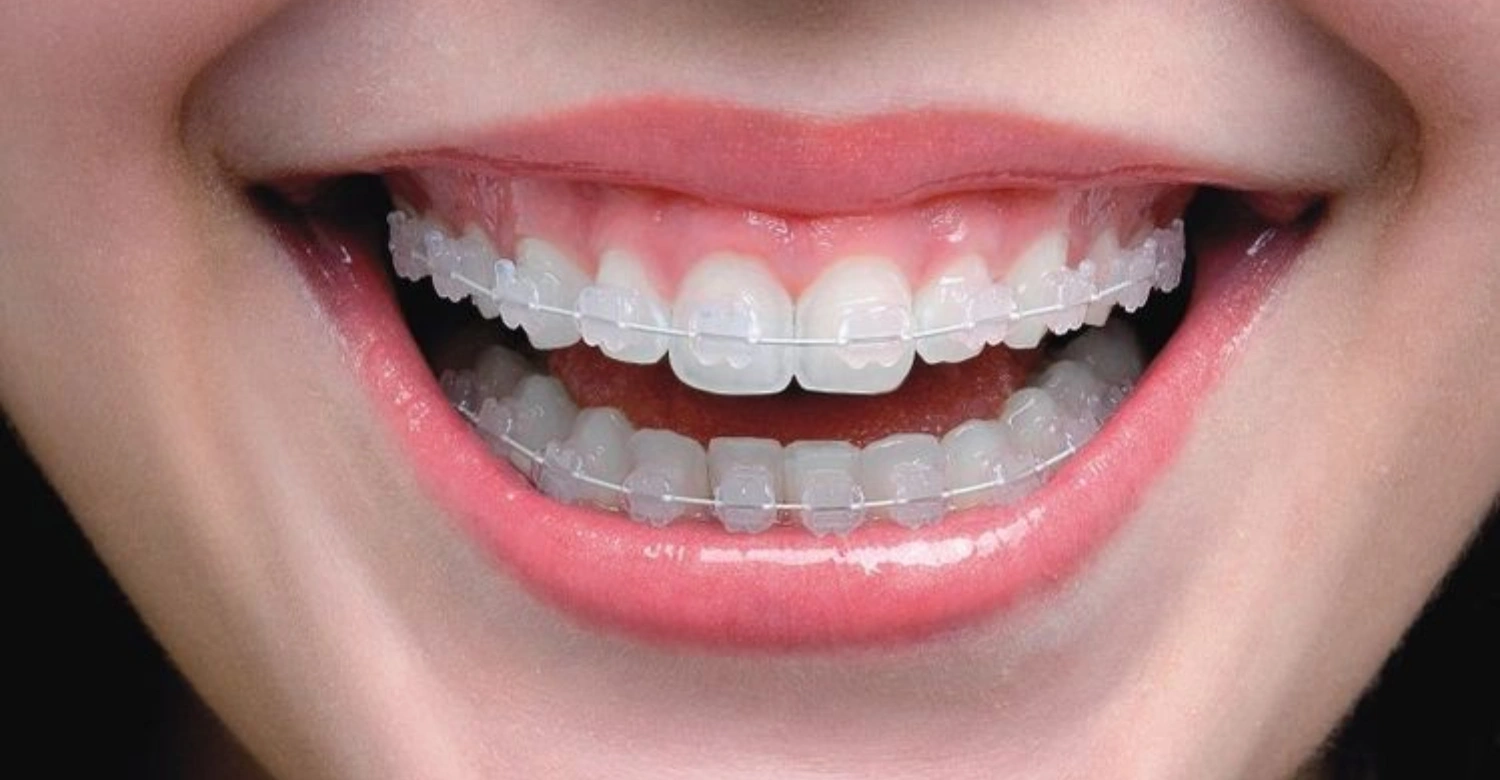
Tooth-colored brackets are orthodontic devices made from clear or tooth-colored ceramic materials that gently align teeth over time. Unlike metal braces, they are discreet, blending with natural tooth color, which appeals to both adults and teens. The system works through brackets attached to teeth and wires that apply consistent pressure to guide teeth into proper alignment. They correct misaligned teeth, bite issues, gaps, and overcrowding while providing a visually subtle alternative to traditional braces. Regular orthodontist visits and proper oral hygiene are essential to maintain effectiveness. Patients enjoy the dual benefits of functional alignment and an aesthetically pleasing smile throughout the treatment process. If tooth-colored brackets do not appeal to you, you can explore other orthodontic options available at our modern facility.
Definition and Overview of Ceramic Braces
These braces are made from translucent or tooth-colored materials designed to provide subtle correction. The brackets are bonded to teeth and connected with wires that guide movement over time. They offer the same level of precision as traditional metal braces but with a more natural look. Adults often prefer them because they remain largely unnoticed, while teens appreciate their cosmetic appeal. Treatment can address a range of issues, from crowding and gaps to misaligned bites. Proper maintenance ensures the brackets remain clean and effective. With careful monitoring, these braces can transform a smile while remaining unobtrusive.
How Ceramic Braces Work on Teeth
The brackets and wires apply gentle pressure, gradually shifting teeth into proper alignment. Adjustments occur periodically, ensuring consistent progress throughout treatment. The smooth surfaces of these braces reduce irritation compared to metal options, making them comfortable for daily wear. They are highly effective for a variety of orthodontic concerns, including crowding, spacing, and bite problems. Patients maintain oral hygiene by brushing, flossing, and attending regular check-ups. This ensures optimal movement of teeth and preserves the aesthetics of the treatment. Overall, braces of this type provide a discreet yet reliable method for correcting misalignment. Understanding the pros and cons in a ceramic vs metal braces comparison is crucial for making an informed aesthetic choice.
Ceramic Braces vs Metal Braces: Key Differences
Metal braces are highly visible and exceptionally durable, while ceramic options focus on aesthetics without sacrificing functionality. Ceramic brackets are less noticeable and blend with the natural tooth color, offering a subtle appearance during treatment. Metal braces are generally more cost-effective and faster in some cases. However, ceramic braces reduce irritation and provide a professional look for adults in social or work environments. Both types achieve similar results for bite correction, spacing, and alignment. Patients typically choose based on priorities: whether appearance, comfort, or cost is more important.
Advantages of Ceramic Braces for Adults and Teens
One major benefit is their discreet look, allowing patients to maintain confidence during social or professional interactions. They are smooth, which minimizes gum and cheek irritation. They function as effectively as metal braces, making them a reliable choice for alignment and bite correction. Both adults and teens enjoy cosmetic appeal alongside orthodontic results. Regular dental check-ups and consistent oral hygiene enhance treatment efficiency. By combining subtlety with precise tooth movement, these braces support a comfortable, effective, and visually pleasing orthodontic experience.
Possible Drawbacks and Staining Concerns
Ceramic braces are more prone to chipping than metal brackets and may require careful handling. Certain foods and beverages can stain the elastic ties used with the brackets, though the ceramic itself resists discoloration. Treatment might also take slightly longer in some cases due to the reduced friction of ceramic materials. Regular orthodontic visits and adherence to hygiene routines help minimize these concerns. Despite these minor limitations, the balance of aesthetic benefits and functional effectiveness makes them an attractive option for those seeking discreet orthodontic care.
Potential Risks and Complications
While tooth-colored brackets are generally safe, they are not without risks. Beyond staining and chipping, patients may experience enamel wear on opposing teeth due to the hardness of ceramic brackets. Additionally, the friction between the archwire and ceramic brackets can sometimes lead to increased discomfort and longer treatment times. In rare cases, allergic reactions to the materials used in clear braces have been reported. It is essential to discuss these potential complications with your orthodontist to make an informed decision.
Types of Ceramic Braces
There are several variations to suit different patient needs and preferences. Clear tooth-colored brackets use transparent brackets for a nearly invisible appearance. They are ideal for adults in professional settings. Ceramic braces with color bands allow teens to personalize their braces while keeping the brackets subtle. Additionally, colored braces options offer fun customization while maintaining a tooth-colored base. Each type provides effective alignment and bite correction while considering aesthetics. Choosing the right type depends on treatment goals, age, and lifestyle. Orthodontists provide guidance on the best option for optimal results. Proper care and maintenance ensure all types remain functional and visually discreet. Because clear ligatures can stain, keeping brackets clean is essential to maintain that invisible look throughout your treatment.
Clear Ceramic Braces
Clear options provide a nearly invisible treatment for patients concerned about appearance. They are made from fully transparent brackets. They function effectively for mild to moderate misalignment. Proper care ensures the braces remain clean and subtle throughout treatment. Adults often favor them in professional settings. Teens appreciate the discreet aesthetic. By using clear brackets, patients achieve precise alignment without the conspicuous look of traditional braces.
Ceramic Braces with Color Bands
These allow patients to personalize their orthodontic experience with colored elastics. They keep the brackets discreet. Teens often choose color combinations for school or holidays. The colored bands make braces fun while still maintaining overall subtlety. Regular cleaning and adjustment visits ensure the effectiveness of treatment. With this approach, orthodontic care becomes both functional and expressive. Aesthetic materials often carry a premium. So reviewing the overall cost of braces will help you plan your budget.
Coloured Ceramic Braces Options
Braces with colored elastic options combine subtlety with individual style. The ceramic brackets maintain a discreet base while allowing personal flair. These options are popular among teens who want a playful element during treatment. Proper hygiene ensures that both function and appearance remain optimal throughout the orthodontic process.
Ceramic Tooth Braces vs Traditional Metal Braces
Ceramic tooth braces are less visible than metal alternatives. They offer a smoother, more comfortable experience. Metal braces are stronger and may be slightly faster in severe cases. Both options effectively correct alignment and bite issues. Patients often choose ceramic for a professional or aesthetic advantage. They still get excellent treatment outcomes.
Choosing the Right Ceramic Braces for Your Smile
Selection depends on patient priorities, age, and lifestyle. Clear ceramic brackets are ideal for discretion. Colored options allow personalization. An orthodontist evaluates the patient’s dental condition and recommends the most suitable type. This ensures effective alignment and optimal comfort throughout treatment. Personalized planning maximizes both cosmetic appeal and functional results.
Ceramic Braces Cost and Pricing Guide
The cost varies based on complexity, duration, and clinic location. Factors affecting pricing include the severity of misalignment, number of adjustments required, and whether clear or colored brackets are chosen. On average, treatment ranges from $3,000 to $8,000. Adults often pay slightly more due to denser bone structures. Additional costs may include retainers, follow-up visits, and emergency adjustments. Financing options, insurance coverage, and installment plans are commonly available to make treatment manageable. Despite higher costs compared to metal braces, the aesthetic advantages often justify the investment. Patients can achieve precise teeth alignment while maintaining a professional and confident appearance.
Factors Affecting Ceramic Braces Cost
Cost depends on treatment complexity, duration, location, and orthodontist expertise. Additional factors such as clear or colored brackets, follow-up visits, and adjustments influence pricing. While more expensive than metal braces, the aesthetic benefits often justify the investment. Patients should consider the balance between cosmetic appeal and functionality when budgeting for treatment.
Ceramic Dental Braces Cost for Adults and Teens
Prices range from $3,000 to $8,000, depending on alignment issues and treatment length. Adults may pay slightly more due to denser bone structures and longer treatment times. Payment plans, insurance, and promotional offers make treatment more accessible. Teens benefit from options that combine aesthetics with orthodontic precision. For an even more discreet approach, consider Vitrin Clinic clear aligner therapy as a completely removable alternative to fixed brackets.
Ceramic Braces vs. Clear Aligners: Which Is Right for You?
When comparing tooth-colored brackets to clear aligners like Invisalign, several factors come into play. Clear braces are fixed appliances that cannot be removed, ensuring continuous tooth movement. Aligners require 20-22 hours of daily wear and patient compliance. For complex cases involving significant tooth rotation or vertical movements, aesthetic orthodontic appliances often provide more predictable results. However, clear aligners offer superior aesthetics and easier oral hygiene. They can be removed for brushing and flossing. A study in the Journal of Clinical Orthodontics found that treatment duration with ceramic braces was 20% shorter for moderate to severe cases compared to aligners. Ultimately, the choice depends on case severity, lifestyle, and patient preference.
How to Choose Based on Case Severity
The severity of your orthodontic issues plays a crucial role in determining the best treatment option. For mild to moderate crowding or spacing, clear aligners may be sufficient. However, for severe malocclusion, significant tooth rotation, or vertical discrepancies, tooth-colored brackets are often more effective. According to Dr. Rifaat Al-Samman, "Clear braces provide the precision and control needed for complex cases, while aligners are better suited for simpler corrections." Your orthodontist will evaluate your specific needs and recommend the most appropriate treatment.
Why Choose Our Clinic?
At Vitrin Clinic, we have over a decade of experience in providing orthodontic treatments, including ceramic braces. Our team, led by Dr. Rifaat Al-Samman, has successfully treated thousands of patients from around the world. With a focus on personalized care and advanced technology, we ensure optimal outcomes for every patient. Our clinic is committed to staying at the forefront of dental innovations, offering the highest standard of treatment.
What Dental Associations Say
The American Association of Orthodontists (AAO) recognizes tooth-colored brackets as a safe and effective treatment option for malocclusion. Peer-reviewed studies, such as those published in the Journal of Orthodontics, have demonstrated the reliability of ceramic brackets in achieving desired tooth movements. Additionally, the British Orthodontic Society (BOS) provides guidelines that support the use of clear braces in appropriate cases. These endorsements underscore the credibility of this treatment.
Accreditations and Professional Memberships
Vitrin Clinic is proud to be accredited by the Joint Commission International (JCI) and is a member of the Turkish Dental Association. Our team, including Dr. Rifaat Al-Samman, holds memberships in prestigious organizations such as the International Congress of Oral Implantologists (ICOI) and the American Academy of Cosmetic Dentistry (AACD). These affiliations reflect our commitment to maintaining the highest standards of care and staying updated with the latest advancements in dentistry.
Trusted Resources
For more information on ceramic braces, we recommend consulting the following authoritative sources:
American Association of Orthodontists (AAO): www.aaoinfo.org
British Orthodontic Society (BOS): www.bos.org.uk
National Institutes of Health (NIH): www.nih.gov
These organizations provide evidence-based information to help you make informed decisions about your orthodontic care.
Your Privacy Matters
At Vitrin Clinic, we are committed to protecting your personal data. Our privacy policy complies with the General Data Protection Regulation (GDPR) and ensures that your information is collected, stored, and processed securely. We only use your data to provide you with the best possible care and never share it with third parties without your consent. For full details, please review our privacy policy on our website.
Clear Ceramic Braces Cost Compared to Metal Braces
Clear ceramic braces typically cost 20–40% more than metal braces. This is due to materials and manufacturing. Metal braces remain more affordable but are more visible. Many patients consider the cosmetic benefits worth the extra cost. This is especially true for professional or social settings. Clinics often offer flexible financing to help manage expenses.
How Much Are Ceramic Braces at Vitrin Clinic?
Pricing at Vitrin Clinic varies based on case complexity and treatment duration. Transparent consultations ensure patients understand costs upfront. Financing plans make treatment manageable. Patients receive expert guidance and advanced technology for high-quality orthodontic care.
Tips to Make Ceramic Braces Affordable
Patients can explore insurance coverage, installment plans, and promotional packages to reduce costs. Maintaining good hygiene avoids extra adjustments, reducing expenses. Selecting an experienced orthodontist ensures efficient treatment and better long-term results.
Benefits of Ceramic Braces
These braces combine aesthetics with functional orthodontic treatment. They are less visible than traditional metal braces. This allows patients to maintain confidence in professional and social settings. The smooth ceramic material reduces irritation to gums and cheeks. It improves daily comfort. Functionally, they correct misalignment, bite issues, and gaps as effectively as metal braces. For adults, their discreet appearance is a major advantage. Teens may enjoy customizable colored bands. Additionally, they encourage good oral hygiene since patients want to maintain their appearance. Overall, the combination of comfort, cosmetic appeal, and reliable results makes them an ideal choice for effective teeth alignment.
Aesthetic and Cosmetic Advantages
The clear or tooth-colored brackets make braces virtually invisible. Patients can straighten teeth while maintaining a natural appearance. Confidence is preserved in social and professional settings. These braces are ideal for adults and teens who value discretion.
Comfort and Reduced Irritation
Smooth brackets reduce gum and cheek irritation. Daily activities such as eating and speaking are more comfortable compared to metal alternatives. Patients experience gentle tooth movement and minimal discomfort. This improves the overall orthodontic experience.
Effective Teeth Alignment Compared to Metal Braces
They achieve similar results to metal braces in correcting alignment, spacing, and bite issues. Ceramic brackets allow precise adjustments, ensuring predictable outcomes. Aesthetics are improved without compromising orthodontic efficiency.
Why Adults Prefer Ceramic Braces
Adults value discretion, professional appearance, and comfort. These braces are less noticeable in work or social settings. They provide effective alignment without drawing attention. This maintains confidence throughout treatment.
Ceramic Braces Pros and Cons
Pros: aesthetic appeal, comfort, effective alignment.
Cons: higher cost, potential staining, slightly longer treatment. With proper care, the benefits outweigh the drawbacks. They deliver functional and visually pleasing results.
Ceramic Braces Before and After: What to Expect
Treatment typically lasts between 12–36 months. It depends on the severity of alignment issues. During this period, teeth gradually move into proper positions. Periodic orthodontic adjustments guide the movement. Patients can track progress through before-and-after photos. These photos highlight correction of gaps, crowding, and bite issues. Post-treatment care involves wearing retainers to maintain alignment and prevent relapse. Good oral hygiene and avoiding hard or stain-causing foods help protect results. The gradual transformation ensures functional and aesthetic improvement. It provides a confident smile that reflects the combined effects of professional treatment and patient compliance. Patients often report increased satisfaction and self-esteem as their smiles improve.
Typical Treatment Timeline
Treatment usually ranges from 12–36 months, depending on severity. Regular adjustments guide teeth into proper alignment gradually. Adults may require slightly longer treatment due to bone density. Patience and consistent follow-ups are key for optimal results.
Visual Results: Before and After Photos
Before and after photos show how teeth straighten, gaps close, and bites improve. These images demonstrate the aesthetic and functional improvements achievable through careful treatment planning. Patients gain motivation and reassurance by tracking visible progress.
Maintaining Your Smile After Treatment
Retainers help keep teeth in place after braces removal. Daily oral hygiene prevents relapse and maintains aesthetics. Avoiding hard foods protects alignment. These steps ensure long-lasting results post-treatment.
Ceramic Braces Stain Prevention Tips
Avoid staining foods and beverages. Brush regularly with non-abrasive toothpaste. Use orthodontic-friendly floss and schedule professional cleanings. These habits maintain the subtle appearance and effectiveness of the braces.
Vitrin Clinic: Your Trusted Ceramic Braces Dentist
Vitrin Clinic is recognized for its expertise in delivering high-quality orthodontic care. They use advanced equipment and personalized treatment plans. Patients benefit from experienced orthodontists who assess each case individually. They provide recommendations on bracket type, wire selection, and oral hygiene strategies. The clinic prioritizes comfort, aesthetics, and effectiveness. It is suitable for adults and teens seeking discreet alignment solutions. State of the art digital imaging and precision placement tools ensure accurate treatment. A patient-centered approach supports predictable results. Testimonials highlight satisfaction with both functional correction and cosmetic outcomes. This establishes Vitrin Clinic as a reliable choice for professional orthodontic care.
Success Rates and Clinical Evidence
Clinical studies have consistently shown high success rates for tooth-colored brackets. One meta-analysis reported a 95% treatment success rate over a two-year period. Another study published in the American Journal of Orthodontics and Dentofacial Orthopedics found that ceramic brackets achieved comparable treatment outcomes to traditional metal braces. It reported a 92% success rate in correcting malocclusion. Long-term follow-ups indicate that ceramic braces maintain their effectiveness in diverse patient populations.
What Patients Say
"I was hesitant about getting braces as an adult, but tooth-colored brackets changed my smile and my confidence," says Sarah M., a 34-year-old marketing manager. "After 14 months of treatment, my teeth are perfectly aligned, and the ceramic brackets were barely noticeable. I even received compliments on how discreet they were." Another patient, James T., shares, "My orthodontist recommended clear braces for my complex bite issue. The results are amazing – my bite is corrected, and the treatment was worth every penny." These testimonials reflect the positive outcomes many patients experience with aesthetic orthodontic appliances.
Case Study: Correcting Severe Crowding with Ceramic Braces
A 28-year-old female presented with severe crowding and a deep bite. After a comprehensive evaluation, Dr. Rifaat Al-Samman recommended tooth-colored brackets to achieve optimal alignment. Over 18 months, the braces gradually moved the teeth into proper position. This improved both function and aesthetics. The patient reported minimal discomfort and was pleased with the discreet appearance of the ceramic brackets. Post-treatment X-rays confirmed healthy root positioning and stable occlusion. This case highlights the effectiveness of ceramic braces in treating complex orthodontic conditions.
Expert Insights
Dr. Rifaat Al-Samman, Director of the Medical Team at Vitrin Clinic, brings extensive experience in orthodontics and aesthetic dentistry. He explains, "Tooth-colored brackets are an excellent choice for patients seeking a discreet yet effective orthodontic solution. With proper care, they can achieve the same results as traditional metal braces." Dr. Al-Samman's expertise ensures that patients receive evidence-based, high-quality treatment tailored to their individual needs.
Being Transparent About Risks
We believe in full transparency regarding the risks and limitations of ceramic braces. While they offer aesthetic benefits, they may be more prone to staining and chipping than metal braces. Additionally, treatment time can be slightly longer due to the increased friction. It is important to follow your orthodontist's instructions for oral hygiene and dietary adjustments to minimize these risks. We will discuss all potential outcomes with you before starting treatment.
Key Takeaways
What are ceramic braces? Clear brackets that straighten teeth discreetly.
Success rates: High, with studies showing 92-95% success.
Comparison with aligners: Better for complex cases, but aligners are more aesthetic.
Risks: Staining, chipping, and potential enamel wear.
Choosing: Depends on case severity; consult an orthodontist.
Expertise: Dr. Rifaat Al-Samman and Vitrin Clinic offer experienced care.
Accreditations: JCI accredited, professional memberships.
Privacy: GDPR compliant.
Why Choose Vitrin Clinic for Ceramic Braces
Vitrin Clinic combines expert orthodontists, advanced technology, and patient-centered care. Personalized plans ensure precise and comfortable treatment. Adults and teens trust the clinic for effective results and aesthetic satisfaction.
Expert Ceramic Braces Dentists and Personalized Care
Orthodontists evaluate each patient thoroughly. They recommend bracket type, wire selection, and hygiene strategies. Customized care ensures optimal outcomes and patient comfort.
State of the Art Equipment for Ceramic Braces Treatment
Digital imaging, precise placement tools, and advanced wires enhance efficiency and accuracy. Technology ensures safe, effective, and discreet treatment.
Patient Testimonials and Success Stories
Patients highlight comfort, results, and aesthetics. Adults maintain professional confidence. Teens enjoy personalization. Testimonials showcase satisfaction and transformative results.
Vitrin Clinic Ceramic Braces Services
The clinic offers tailored services for adults and teens. Each patient receives treatment aligned with their needs. Adult services focus on discreet, professional alignment with minimal visible hardware. Teen services offer customizable options like colored bands. Clear bracket options provide nearly invisible treatment for those seeking subtle correction. Financing and cost management plans make treatment accessible. Consultation appointments allow thorough assessment and personalized planning. With expert guidance, patients receive efficient, comfortable orthodontic care. This care balances cosmetic appeal with functional effectiveness. Vitrin Clinic ensures each smile is treated with precision, comfort, and aesthetic attention.
Ceramic Braces for Adults
Adults receive discreet, comfortable treatment with effective alignment. Professional guidance ensures aesthetic and functional results.
Ceramic Braces for Teens
Teens enjoy cosmetic appeal, comfort, and optional colored bands. Regular adjustments maximize outcomes.
Clear Ceramic Braces Options
Fully transparent or lightly colored brackets provide subtle correction. Personalized options ensure effectiveness and appearance.
Cost and Financing Options at Vitrin Clinic
Transparent pricing, installment plans, and insurance coverage make treatment accessible. Patients benefit from value, comfort, and aesthetics.
Scheduling Your Consultation
Consultations include evaluation, treatment planning, and financing guidance. Patients gain clarity and confidence in their orthodontic journey.
Ceramic Braces vs. Clear Aligners
Choosing between ceramic braces and clear aligners is one of the most common decisions patients face when comparing discreet orthodontic options. Both systems are designed to minimize visibility during treatment, yet they work in fundamentally different ways and suit different types of patients. Weighing the practical differences in appearance, daily routine, and long-term commitment not just looks helps patients make a confident, informed choice in this ceramic braces vs clear aligners decision.
Aesthetic, Lifestyle, and Discipline Differences
Ceramic braces are fixed to the teeth for the full duration of treatment, so there is no daily decision-making involved the appliance works continuously without patient effort. Clear aligners, by contrast, are removable trays that must be worn 20–22 hours a day to stay on schedule, meaning results depend heavily on personal discipline. Patients who travel often, eat out frequently, or worry about forgetting to reinsert their trays tend to do better with a fixed ceramic system. Aligners, however, allow easier brushing and flossing since they come out completely, and they avoid the small elastic ties that can pick up staining over time. Lifestyle, not aesthetics alone, should guide this decision.
Cost and Duration Comparison Across Braces, Aligners, and Metal
Treatment | Average Cost | Typical Duration | Visibility |
Metal Braces | Most affordable of the three | Often the fastest option for severe cases | Highly visible |
Ceramic Braces | $3,000–$8,000 | 12–36 months | Subtle, tooth-colored |
Clear Aligners | Comparable to, or slightly above, ceramic | Similar to, sometimes longer than, ceramic for complex movements | Nearly invisible |
As noted earlier on this page, ceramic braces can be around 20% faster than aligners for moderate to severe cases, while metal remains the most budget-friendly and efficient option for the most severe misalignments. Ceramic braces sit in the middle: closer to metal's efficiency, closer to aligners' subtlety. This is exactly why the ceramic braces vs clear aligners question rarely has one universal answer it comes down to matching the system to the case.
Clinical Note
"Patients often ask whether aligners are simply a more modern version of braces," says Dr. Rifat Alsaman. "In reality, ceramic braces and clear aligners are matched to different biomechanical needs. Fixed ceramic brackets give us more predictable control over rotations and vertical movement, which is why complex cases are still frequently treated with brackets rather than trays." At Vitrin Clinic, this assessment is made during the initial consultation so patients understand exactly why one system is recommended over the other.
Who Is (and Isn't) an Ideal Candidate for Ceramic Braces?
Ceramic braces work well for a wide range of patients, but they aren't automatically the right fit for everyone, especially in complex orthodontic cases ceramic braces alone may not fully resolve. Candidacy depends on the complexity of the bite, the strength of the enamel, and how realistic it is for the patient to maintain the brackets without excessive staining or breakage. Good candidates typically have mild to moderate crowding, spacing, or bite misalignment, healthy gums, and enamel strong enough to support bonded brackets. Adults and teens motivated to keep up careful oral hygiene and limit heavily pigmented foods and drinks tend to see the best cosmetic results, since the brackets resist staining but the ligature ties around them can discolor with poor care.
Complex Orthodontic Cases Where Metal Braces or Surgery Are Preferred
Not every case is suited to ceramic brackets. In complex orthodontic cases involving severe skeletal discrepancies, significant jaw misalignment, or situations requiring surgical intervention, metal braces or a combined orthodontic-surgical approach are often preferred because they can withstand higher forces and more complex wire configurations. Patients with very deep bites, significant overcrowding requiring extraction, or those who play high-contact sports and are prone to breaking bonded brackets may also be steered toward a metal system. A thorough clinical and radiographic evaluation is essential before treatment begins, since ceramic brackets are more prone to chipping under heavy force than their metal counterparts.
What We Notice Clinically
"We see this question come up constantly in complex orthodontic cases ceramic braces are being considered for," notes Dr. Rifat Alsaman, Head of the Medical Team at Vitrin Clinic. "In our experience treating patients from a wide range of backgrounds, the cases that respond best to ceramic braces are the ones where patients are genuinely committed to hygiene." Dr. Rifat Alsaman, a cosmetic dentist by training, adds that "when a case involves a significant skeletal component, we're upfront with patients about why a metal system or in rare cases a surgical referral will give a more stable long-term outcome than ceramic alone."
Anatomical Components of Ceramic Braces
Ceramic braces are made up of several components that work together to move teeth gradually and predictably. Understanding each part helps patients know what to expect during treatment, and why certain elements like the ligature ties need more attention than others.
Ceramic Brackets, Tooth-Colored Archwires, and Ligature Ties Explained
The brackets themselves are made of translucent or tooth-colored ceramic material and are bonded directly to the front surface of each tooth. Tooth-colored archwires run through the brackets, applying the continuous, gentle pressure that guides teeth into their new positions; these wires are typically coated or tinted to blend in with the ceramic brackets so the whole appliance stays discreet. Small elastic or metal ligature ties hold the archwire in place inside each bracket slot, and these ties are changed at every adjustment visit.
Ligatures are also the component most likely to affect the discreet look of the system. Ceramic braces ligatures staining is a common concern, since the elastic ties can pick up color from coffee, tea, curry, red wine, and other strongly pigmented foods or drinks. The ceramic brackets and tooth-colored archwires resist staining far better than the ligatures do, which is why many patients choose clear or white ties and have them replaced regularly at follow-up appointments.
Tips for the Patients
Ceramic braces ligatures staining is easiest to prevent, not fix, so build a few small habits into your routine: rinse with water immediately after consuming dark-colored foods or drinks, and avoid tobacco products, which stain ligatures quickly. Carry a travel toothbrush for use after lunch if you eat out during the workday. At each adjustment visit, ask your orthodontist to replace ligature ties even if they don't look discolored yet, since staining often begins beneath the surface before it becomes visible.
The Step-by-Step Clinical Procedure of Getting Ceramic Braces
Getting ceramic braces fitted is a structured clinical process that typically spans one to two appointments before regular adjustment visits begin. Patients often want to know exactly what happens during the ceramic braces bonding procedure, since it's the step that determines how the brackets and tooth colored archwires will sit for the rest of treatment.
Teeth Preparation, Bonding Procedure, Wire Placement, and Adjustment Cycles
Teeth preparation The teeth are cleaned and polished, then a mild etching solution is applied to the enamel surface to help the bonding material adhere securely.
Ceramic braces bonding procedure A dental adhesive is applied to the back of each ceramic bracket, and the bracket is precisely positioned on the tooth surface before being cured with a special light that hardens the bond within seconds.
Wire placement Once all brackets are bonded, the tooth-colored archwire is threaded through each bracket slot and secured with ligature ties, establishing the initial force needed to begin tooth movement.
Adjustment cycles Patients return roughly every four to six weeks so the orthodontist can tighten or replace the archwire, swap out ligature ties, and monitor progress against the treatment plan, gradually increasing force as teeth respond.
The bonding appointment itself is generally painless, though mild soreness for a few days afterward is normal as teeth begin responding to the new pressure.
Clinical Note
"The bonding stage is the step patients ask the most questions about," says Dr. Rifat Alsaman. "We walk every patient through the bonding procedure so they know what each part of the appointment involves from etching to curing because understanding the process reduces anxiety and improves compliance with the hygiene routine afterward."
How Long Do You Need Retainers After Ceramic Braces?
Finishing active treatment isn't the end of the orthodontic journey. Teeth remain naturally mobile within the jawbone, and without a retention plan, they can gradually shift back toward their original positions a process known as relapse. Two questions come up in almost every final appointment: what the realistic clear braces retainer duration looks like, and what genuine orthodontic relapse prevention actually requires day to day.
Relapse Prevention and Retainer Wearing Schedule
Clear braces retainer duration typically follows a tapering schedule: full-time wear (removing retainers only to eat and brush) for the first three to six months after brackets come off, followed by nighttime-only wear for an extended period, often a year or longer. Many orthodontists recommend some form of nighttime retainer wear indefinitely, since the risk of relapse never fully disappears. Orthodontic relapse prevention depends on consistency, so missed nights especially in the first year are the most common reason teeth begin to shift again. Fixed (bonded) retainers behind the front teeth are sometimes used alongside removable retainers for patients at higher risk of relapse.
The Vitrin Clinic Approach to Ceramic Braces
At Vitrin Clinic, ceramic braces treatment is built around a structured, patient-first process rather than a one-size-fits-all approach. Every case begins with a full clinical evaluation, including digital imaging, so the treatment plan bracket type, archwire selection, and expected timeline is tailored to that patient's specific bite and lifestyle. Vitrin Clinic pairs this personalized planning with JCI accreditation standards and GDPR-compliant data handling, so patients can trust both the clinical process and how their information is managed throughout treatment. The goal at Vitrin Clinic is consistent from consultation to retention: deliver the discreet, comfortable results ceramic braces are known for, without compromising on precision or transparency at any stage of care.
What We Notice Clinically
"Retention is where a lot of otherwise successful treatments quietly fail," explains Dr. Rifat Alsaman, Head of the Medical Team at Vitrin Clinic. "The patients we see with the most stable long-term results are the ones who treat their retainer schedule with the same discipline they had during active treatment, not just for the first few months. Sticking to the full clear braces retainer duration we recommend, rather than stopping early, is the single biggest factor in orthodontic relapse prevention."
Tips for the Patients
Keep your retainer in its case whenever it's not in your mouth, to avoid losing or damaging it. Clean it daily with a soft brush and lukewarm water never hot water, which can warp the plastic. Bring your retainer to every follow-up visit so your orthodontist can check the fit and catch early signs of relapse before they become noticeable.
Reference:
Ceramic Braces offer a more discreet orthodontic option while effectively correcting teeth alignment. However, choosing them requires understanding their potential for bracket failure. A 12-month clinical study found higher failure rates with ceramic brackets than metal brackets, particularly in the lower arch and posterior region. Therefore, discussing the benefits and risks with your orthodontist can help determine whether Ceramic Braces are right for you.
https://pmc.ncbi.nlm.nih.gov/articles/PMC11551554/
https://pmc.ncbi.nlm.nih.gov/articles/PMC11121904/
https://pubmed.ncbi.nlm.nih.gov/35506474/
FAQs

Dr. Rifat Alsaman has more than 5 years of clinical experience in dentistry and currently serves as the Head of the Medical Team at Vitrin Clinic. He is dedicated to providing exceptional patient care, overseeing treatment planning, and ensuring the highest clinical standards across the team. His expertise, attention to detail, and commitment to continuous professional development have helped countless patients achieve healthier, more confident smiles.


.webp&w=3840&q=75)
