Oral Dentistry
September 11, 2025
What is Bruxism in Turkey 2026 and How Can It Affect Your Health?
 Dr. Rifat Alsaman
Bruxism in Turkey 2026 refers to the involuntary grinding or clenching of teeth, often during sleep or periods of stress. Left untreated, it can wear down tooth enamel, cause jaw pain, headaches, tooth sensitivity, and temporomandibular joint (TMJ) disorders. Severe bruxism may also disrupt sleep quality and affect overall well-being. Early diagnosis, custom night guards, stress management, and professional dental care help protect your oral and general health.
What is Bruxism?
Bruxism is the involuntary grinding, clenching, or gnashing of teeth, usually without a person being fully aware of it. It can occur during the day or at night and is often linked to stress, anxiety, or sleep disorders. While occasional teeth grinding may not cause harm, chronic grinding can lead to worn-down teeth, jaw pain, headaches, and other complications if left untreated.
What Are the Different Types of Bruxism?
Awake Bruxism
This type occurs during waking hours, typically when a person is stressed, anxious, or deeply focused. People may unconsciously clench their jaws or grind their teeth while working, studying, or dealing with emotional tension.
Sleep Bruxism
This form happens unconsciously during sleep and is harder to control. It is often associated with sleep disturbances such as snoring, obstructive sleep apnea, or restless leg syndrome. Because it happens during the night, many patients only realize it after noticing symptoms like jaw soreness or reports from a bed partner.
How Common is Bruxism in Adults and Children?
Teeth grinding is relatively widespread across all age groups. Studies suggest that 810% of adults suffer from sleep-related grinding, while 1540% of children experience it, often due to the natural development of their teeth and jaws. In many cases, the habit in children decreases with age, but in adults, it may persist and require management to prevent long-term damage.
What Causes Bruxism?
The exact cause of teeth grinding is often a combination of factors rather than a single trigger. The most common include:
Stress and Anxiety Emotional strain is one of the leading causes, especially for daytime grinding.
Abnormal Bite or Misaligned Teeth Dental issues such as crooked teeth or poor bite alignment increase grinding tendencies.
Sleep Disorders Conditions like obstructive sleep apnea raise the likelihood of grinding during sleep.
Medications Some drugs, particularly SSRIs (selective serotonin reuptake inhibitors) used for depression and anxiety, list this as a side effect.
Lifestyle Habits High caffeine intake, smoking, alcohol, and recreational drugs all raise the risk.
Genetics A family history of the condition can make individuals more predisposed to it.
Risk Factors: Who Is Most Vulnerable to Teeth Grinding?
Teeth grinding doesn't affect everyone equally. Certain groups face a higher chance of developing chronic grinding, whether during sleep or while awake. Understanding these bruxism risk factors helps patients recognize their own likelihood of the condition and act early.
Age and Life Stage Children grind more often due to developing teeth and jaws, though most outgrow it. Young and middle-aged adults under heavy stress show the highest rates of grinding during sleep.
Personality and Behavioral Traits Research points to certain personality types linked to bruxism, including people who are highly competitive, perfectionistic, or prone to suppressing anger. Anxious or type-A personalities tend to clench and grind more, day and night.
Underlying Health Conditions Patients with sleep apnea, acid reflux, ADHD, or certain neurological disorders face elevated risk. A family history of the condition also raises susceptibility.
Lifestyle and Habits Smokers, heavy caffeine or alcohol users, and recreational drug users show notably higher rates of teeth grinding than the general population.
What Are the Symptoms of Bruxism?
Teeth grinding often goes unnoticed, especially when it happens during sleep, but over time, the symptoms become more apparent. Recognizing the signs early can help prevent serious damage to your teeth, gums, and jaw.
How Can I Tell If I Grind My Teeth at Night?
Since grinding during sleep happens unconsciously, many people only realize it after noticing secondary symptoms or being told by a partner. Common indicators include:
Waking up with a sore or tight jaw.
Increased tooth sensitivity when eating hot, cold, or sweet foods.
Morning headaches, particularly around the temples.
Reports from a partner who hears grinding or clenching sounds during the night.
What Are the Signs of Jaw Pain or TMJ Disorders?
Persistent grinding puts significant strain on the temporomandibular joint (TMJ), which connects the jawbone to the skull. Warning signs of TMJ issues linked to teeth grinding include:
Jaw stiffness or soreness, especially in the morning.
Clicking, popping, or grinding noises when opening and closing the mouth.
Difficulty chewing or fully opening the mouth.
Pain that radiates to the neck or shoulders in severe cases.
Can Bruxism Cause Headaches or Earaches?
Yes. One of the most common complications of teeth grinding is the development of headaches and ear-related discomfort. The act of grinding or clenching places constant pressure on the jaw muscles, particularly the temporalis and masseter muscles, which extend up to the temples and around the ear. This continuous strain leads to tension headaches that often feel like a dull, tightening pain around the temples, forehead, or the back of the head.
In severe cases, the pain may radiate to the neck and shoulders, creating widespread muscle discomfort. These symptoms tend to be worse in the morning after nighttime grinding, but in people who grind during the day, headaches and earaches can persist throughout the day.
When to See a Dentist: Signs Your Teeth Grinding Requires Medical Attention
Occasional teeth grinding rarely needs treatment, but ignoring the wrong signs can lead to lasting damage. Knowing when to see a doctor for teeth grinding protects both your teeth and your jaw joint.
Consult a dentist if you notice:
Frequent morning headaches or jaw soreness
Visible flattening, chipping, or cracking of teeth
Tooth sensitivity that doesn't improve
Clicking, popping, or locking of the jaw
A partner reporting loud grinding sounds at night
Early evaluation lets a dentist fit a protective mouth guard before enamel damage becomes severe. Waiting too long often turns a simple fix into a costly restorative procedure.
How Does Bruxism Affect My Teeth and Gums?
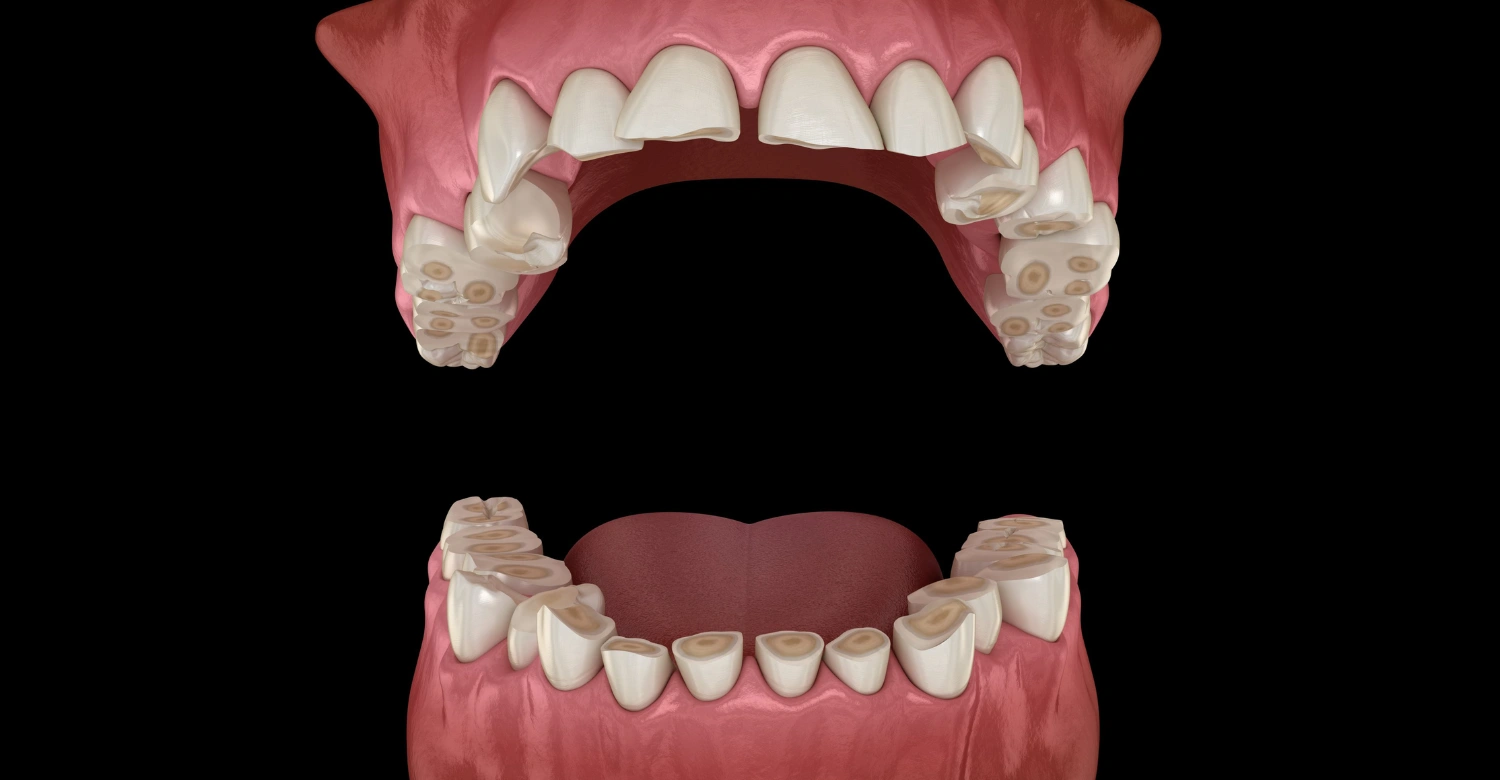
Unchecked teeth grinding can lead to serious dental damage, including:
Enamel Wear:
The enamel, which is the protective outer layer of the teeth, gradually thins due to repeated grinding. As enamel wears away, teeth become more sensitive to hot, cold, and sweet foods, and are more vulnerable to decay.
Chips and Fractures:
Continuous pressure can cause tiny cracks in the teeth, which may eventually lead to visible chips or even full fractures. This type of damage often requires restorative treatments such as fillings, crowns, or veneers.
Gum Recession:
Teeth grinding doesn't just harm the teeth; it also affects the gums. Excessive clenching places stress on the periodontal ligaments, which can cause the gums to pull back and expose the tooth roots. Exposed roots increase sensitivity and raise the risk of cavities near the germline.
Tooth Mobility:
In severe cases, the constant force of grinding loosens the teeth in their sockets. This can make chewing uncomfortable and, if not addressed, may eventually lead to tooth loss.
Flattened, fractured, chipped, or loose teeth:
Continuous grinding can wear teeth down or even cause them to loosen.
Worn tooth enamel:
As enamel thins, the inner dentin becomes exposed, leading to increased sensitivity.
Jaw stiffness or locked jaw:
Some people may find their jaw feels "stuck" or difficult to fully open and close.
Pain in the jaw, neck, or face:
Constant tension in the muscles can radiate discomfort beyond the mouth.
Enlarged jaw muscles:
Over time, clenching may cause the jawline to appear bulkier due to muscle overdevelopment.
Sleep disturbances:
Nighttime grinding often disrupts restful sleep, leaving patients tired despite a full night in bed.
Cheek tissue damage:
Raised or irritated tissue inside the cheeks can result from repeated biting or grinding.
What Are the Causes and Risk Factors of Bruxism?
Teeth grinding is a complex condition with multiple contributing factors. While stress is one of the most well-known triggers, other medical, genetic, and lifestyle elements also play a significant role. Understanding these causes helps in both prevention and treatment.
Can Stress and Anxiety Trigger Bruxism?
Yes. Stress and anxiety are among the strongest triggers of both daytime and nighttime grinding. When the body is under emotional tension, it often responds with physical habits like jaw clenching or teeth grinding. People under chronic stress may unconsciously grind their teeth during the day, while those with nighttime anxiety may experience episodes of grinding during sleep.
How Does Sleep Apnea Relate to Bruxism?
Grinding during sleep is closely linked to sleep disorders such as obstructive sleep apnea (OSA). In OSA, breathing repeatedly stops during sleep, leading to micro-arousals, short awakenings that disrupt sleep cycles. These episodes can trigger involuntary jaw clenching or grinding.
Studies suggest that up to 50% of adults with sleep apnea also suffer from this type of nighttime grinding, highlighting a strong connection between the two conditions.
Can Medications or Lifestyle Factors Cause Bruxism?
Yes. Certain medications list teeth grinding as a side effect, particularly:
SSRIs (Selective Serotonin Reuptake Inhibitors) commonly prescribed for depression and anxiety.
Antipsychotics and some ADHD medications which can alter neurotransmitter activity and muscle tension.
Lifestyle choices also increase risk:
Smoking stimulates the nervous system, heightening muscle activity.
Excessive caffeine (coffee, tea, energy drinks) can overstimulate muscles and disrupt sleep.
Alcohol use relaxes the muscles initially but disrupts sleep cycles, leading to increased grinding episodes at night.
Are There Genetic or Hereditary Factors in Bruxism?
Yes. Genetics plays a measurable role in susceptibility to teeth grinding. Research shows that 20% to 50% of people with the condition have family members affected as well, indicating hereditary influence. Shared genetic traits such as variations in sleep patterns, bite alignment, or stress response may explain this familial link.
How is Bruxism Diagnosed?
Diagnosing bruxism isn't always straightforward, especially because many patients are unaware of their grinding habits particularly at night. However, dentists and sleep specialists use a combination of clinical examinations, patient history, and diagnostic tests to confirm the condition and rule out other causes.
What Tests or Examinations Detect Bruxism?
Dental Examination:
Dentists look for signs such as worn or flattened teeth, chips or fractures, indentation marks on the tongue or cheeks, and tenderness or hypertrophy in the jaw muscles. They might also check for damage to dental restorations.
Patient History:
Dentists ask about symptoms like jaw pain, headaches, tooth sensitivity, and whether a bed partner has noticed teeth grinding sounds at night.
Imaging:
X-rays or 3D scans may be used to evaluate tooth and jawbone health and rule out other conditions.
Sleep Studies (Polysomnography):
This is the gold standard for diagnosing grinding during sleep. It records jaw muscle activity, brain waves, breathing patterns, and can identify related sleep disorders such as sleep apnea.
Electromyography (EMG):
Measures muscle activity and can be used either in sleep labs or with portable devices at home.
Can Dentists Identify Bruxism During Routine Check-ups?
Yes. Routine dental visits are often where teeth grinding is first detected. Dentists can spot early warning signs like unusual enamel wear, gum recession, tooth sensitivity, or jaw tension before patients notice symptoms themselves. Regular check-ups are therefore key to catching the condition early and preventing severe damage.
How Can Sleep Studies Help in Diagnosing Bruxism?
Polysomnography monitors muscle activity and grinding events during sleep, confirming the diagnosis of nighttime grinding and revealing any associated disorders like sleep apnea. This helps tailor an effective treatment plan.
In summary, a thorough clinical examination combined with patient history usually guides diagnosis, while sleep studies provide definitive confirmation for sleep-related cases. Teeth grinding is typically diagnosed through a combination of clinical examination, patient history, and specialized tests.
Dentists look for signs such as worn, flattened, chipped, or fractured teeth, indentations on the tongue or cheeks, and tenderness or hypertrophy in the jaw muscles during routine check-ups. They also inquire about symptoms like jaw pain, headaches, and whether a bed partner hears grinding sounds at night. In some cases, dentists may recommend imaging such as X-rays or 3D scans to assess tooth and jawbone condition.
What Treatments Are Available for Bruxism?
Bruxism treatment aims to protect teeth, reduce discomfort, and address underlying triggers. Options include:
Mouth guards & Splints
Custom-fitted devices keep teeth separated at night.
Prevent enamel wear, chips, and fractures.
Reduce strain on jaw muscles and joints.
Lifestyle Changes
Manage stress through relaxation, meditation, or yoga.
Limit caffeine, alcohol, and tobacco.
Improve sleep hygiene to reduce nighttime grinding.
Therapies & Stress Management
Cognitive Behavioral Therapy (CBT) to manage anxiety.
Biofeedback to train jaw relaxation.
Physical therapy to stretch and strengthen jaw muscles.
Medications (used selectively)
Muscle relaxants for short-term relief.
Botox injections to reduce jaw muscle activity.
Anti-anxiety medication if stress is a key factor.
Dental Corrections
Orthodontic treatment or bite adjustment if misalignment contributes to grinding.
Treatment of Underlying Conditions
Managing sleep apnea or other sleep disorders that worsen the condition.
Surgery (very rare)
Can Mouth guards or Splints Prevent Teeth Grindings
Yes, using a custom-fitted mouth guard or occlusal splint is a common and effective way to protect teeth from damage caused by grinding and clenching. These devices keep the upper and lower teeth separated during sleep, reducing wear and preventing fractures.
What Lifestyle Changes Reduce Bruxism?
Managing stress through relaxation techniques, reducing caffeine intake, improving sleep hygiene, and avoiding alcohol and tobacco can help decrease symptoms significantly.
Are Medications Effective for Bruxism?
Muscle relaxants may be prescribed for short-term relief of muscle tension. Botox injections can reduce jaw muscle strength and alleviate severe cases but do not stop the grinding itself. Anti-anxiety medications might help if stress or anxiety is a significant cause, though medication is generally not the primary treatment.
Can Therapy or Stress Management Help Bruxism?
Yes, cognitive behavioral therapy (CBT), biofeedback, meditation, and other stress reduction techniques can be beneficial in reducing teeth grinding related to emotional or psychological stress.
Are There Surgical Options for Severe Bruxism?
Surgery is rarely needed and only considered in extreme cases involving significant damage to the temporomandibular joint (TMJ) or jaw bones.
What We Notice Clinically
At Vitrin Clinic, our clinical team frequently observes patterns that don't always show up in textbooks. According to Dr. Rifat Alsaman, Head of the Medical Team at Vitrin Clinic and a cosmetic dentist, many patients arrive already showing enamel wear with no memory of grinding at night. Dr. Rifat Alsaman notes that flattened cusps and hairline cracks are often the first clue, appearing well before a patient reports jaw pain. Dr. Rifat Alsaman also points out that patients combining high stress with poor sleep habits tend to show more advanced wear at younger ages. Dr. Rifat Alsaman stresses that catching these signs early, during a routine check-up, changes the entire treatment path for the patient.
Tips for Patients
Simple daily habits reduce grinding intensity and protect your smile between dental visits.
Wear your custom mouth guard every night, without exception.
Practice jaw relaxation exercises before bed.
Reduce caffeine and alcohol in the evening.
Keep a consistent sleep schedule.
Note any new jaw pain or headaches and mention them at your next check-up.
Small, consistent changes often make a bigger difference than one-time fixes.
How Can Bruxism Be Prevented?
Grinding can often be prevented by improving daily habits and lifestyle choices. Keeping a consistent sleep schedule and creating a relaxing bedtime routine reduces nighttime grinding. Stress management through techniques like meditation, deep breathing, or yoga lowers jaw tension and clenching. Additionally, limiting caffeine and alcohol, along with avoiding hard or chewy foods, helps protect the teeth and jaw from unnecessary strain.
Can Proper Sleep Hygiene Reduce Bruxism?
Yes. Going to bed and waking up at consistent times, while following a calming bedtime routine, helps the body relax and lowers the chances of nighttime grinding. A quiet, comfortable sleep environment further improves rest and reduces jaw tension.
How Does Stress Management Prevent Teeth Grinding?
Stress is a major trigger for teeth grinding. Relaxation techniques such as meditation, yoga, or deep breathing ease muscle tension and significantly reduce the urge to clench or grind teeth.
Are There Exercises to Relax the Jaw and Facial Muscles?
Absolutely. Simple stretches, massage, and relaxation exercises improve jaw flexibility, release muscle tightness, and help prevent frequent grinding episodes.
How Can Dietary Habits Influence Bruxism?
Limiting caffeine and alcohol, especially in the evening, reduces muscle overstimulation. Avoiding hard or chewy foods also prevents excess strain on the jaw and lowers grinding severity.
What Are the Complications of Untreated Bruxism?
Untreated teeth grinding can cause enamel wear, tooth fractures, and even tooth loss over time. The constant strain also damages the temporomandibular joint (TMJ), leading to jaw pain, stiffness, and limited movement. Many people develop chronic headaches, earaches, or facial discomfort due to overworked muscles. Sleep disruption and ongoing pain may also affect mental health, increasing stress and lowering overall quality of life.
Can Bruxism Lead to Tooth Damage or Loss?
Yes. One of the most serious consequences of leaving it untreated is progressive damage to the teeth. Constant grinding wears away the protective enamel, leaving teeth sensitive and vulnerable to cavities. Over time, small chips can turn into cracks or fractures, requiring major dental repair. In severe cases, the constant pressure weakens tooth support structures, making teeth loose and eventually leading to tooth loss.
How Does Bruxism Affect the Jaw Joint Long-Term?
Chronic grinding puts significant strain on the temporomandibular joint (TMJ), which connects the jawbone to the skull. This ongoing stress can cause TMJ disorders, resulting in persistent pain, stiffness, and even difficulty moving the jaw. Patients may notice clicking or popping sounds when opening their mouth, or experience lockjaw, where the jaw becomes difficult to open or close fully. Over time, TMJ damage can seriously affect chewing, speaking, and overall comfort.
Can Bruxism Cause Chronic Headaches or Facial Pain?
Absolutely. The constant clenching and grinding overworks the jaw and facial muscles, leading to tension that radiates across the head and neck. Many people with this untreated habit suffer from frequent morning headaches, earaches, or pain around the temples. This discomfort often becomes chronic, reducing daily productivity and overall wellbeing.
Are There Psychological Impacts of Chronic Bruxism?
Yes. While teeth grinding is a physical condition, its effects extend into mental and emotional health. Sleep disruptions caused by nighttime grinding leave patients feeling tired and irritable during the day. Chronic pain from headaches and jaw stiffness can also contribute to stress, anxiety, or even depression. Over time, leaving it untreated can significantly lower quality of life by affecting sleep, mood, and confidence.
Prognosis and Outlook: Does Bruxism Eventually Go Away on Its Own?
Many patients ask whether sleep bruxism goes away without treatment. In children, the answer is often yes, grinding tends to fade once permanent teeth and jaw growth stabilize. In adults, the habit rarely resolves completely on its own, especially when stress, sleep disorders, or bite misalignment continue driving it.
Left unmanaged, bruxism complications long term can include permanent enamel loss, chronic TMJ dysfunction, and repeated need for restorative work. With proper management, most patients see significant improvement and lasting protection for their teeth.
Clinical Note
Grinding outcomes vary widely from patient to patient. Two people with identical patterns can have very different results depending on bite alignment, stress levels, and how early treatment begins. This is why an individualized evaluation, rather than a one-size-fits-all mouth guard, remains the most reliable approach.
About Vitrin Clinic
Vitrin Clinic is an Istanbul-based dental clinic serving international patients with a full range of cosmetic and general dentistry treatments, including teeth grinding management, veneers, implants, and smile makeovers. The clinical team, led by Dr. Rifat Alsaman, Head of the Medical Team at Vitrin Clinic and a cosmetic dentist, combines modern diagnostic tools with personalized treatment planning. Patients traveling from abroad receive multilingual support throughout their visit, from the first consultation to post-treatment follow-up. Vitrin Clinic's goal is to protect long-term oral health while delivering natural, confident smiles.
References:
FAQs
Dr. Rifat Alsaman has more than 5 years of clinical experience in dentistry and currently serves as the Head of the Medical Team at Vitrin Clinic. He is dedicated to providing exceptional patient care, overseeing treatment planning, and ensuring the highest clinical standards across the team. His expertise, attention to detail, and commitment to continuous professional development have helped countless patients achieve healthier, more confident smiles.


