Oral Dentistry
September 17, 2025
What Is Caries and How Can It Be Treated in Turkey in 2026?
 Dr. Rifat Alsaman
What Is Caries and Why Is It a Serious Dental Concern?
Caries, commonly known as tooth decay or cavities, is a progressive dental disease that damages the tooth structure. If untreated, caries can cause pain, infection, and even tooth loss, making it a serious concern for oral health worldwide.
What Causes Caries?
Bacterial Plaque Formation
Harmful bacteria accumulate on teeth forming sticky plaque.
Sugar and Carbohydrate Intake
Bacteria feed on sugars and carbs, producing acids.
Acid Production
Acids from bacteria dissolve tooth enamel, leading to decay.
Poor Oral Hygiene
Infrequent brushing and flossing allow plaque buildup.
Dry Mouth (Reduced Saliva)
Saliva helps neutralize acids; less saliva increases risk.
Frequent Snacking and Sipping
Constant exposure to sugars and acids prevents enamel recovery.
Weak or Thin Enamel
Some people naturally have less resistant enamel.
Fluoride Deficiency
Fluoride strengthens enamel and helps prevent decay.
Genetic Factors
Genetics can influence susceptibility to caries.
Clinical Pathology: Understanding the 4 Zones of Dental Caries
Dental caries is not simply a hole in the tooth; it is a progressive biological process that develops through different microscopic stages. Understanding the 4 zones of dental caries helps dentists evaluate how far decay has progressed and decide whether preventive care, remineralization, or restorative treatment is required.
At Vitrin Clinic, dentists analyze the condition of each tooth carefully to determine whether the lesion is active, stable, or requires intervention. According to Dr. Rifat Alsaman, Head of the Medical Team at Vitrin Clinic and a cosmetics dentist, identifying the exact stage of caries allows dentists to preserve as much healthy tooth structure as possible while achieving long-term oral health.
The Translucent Zone (The Advancing Front of Demineralization)
The translucent zone is considered the earliest area affected during the development of dental caries. It represents the front line where minerals begin leaving the enamel due to repeated acid attacks from bacteria. Although this zone is usually invisible during a normal dental examination, it indicates that the decay process has started beneath the surface.
At Vitrin Clinic, early diagnosis allows dentists to manage these changes before they become larger cavities. Dr. Rifat Alsaman, Head of the Medical Team at Vitrin Clinic and a cosmetics dentist, explains that detecting early mineral loss gives patients a better chance of protecting their natural teeth through preventive approaches rather than waiting until extensive treatment is required.
The Dark Zone (Where Remineralization and Tissue Breakdown Compete)
The dark zone represents an area where cycles of mineral loss and repair occur. It contains small spaces created by previous mineral changes, while some minerals may return through saliva and fluoride exposure. This zone shows that caries development is not always a one-way process; early lesions may sometimes be controlled if detected at the right time.
At Vitrin Clinic, dentists evaluate whether decay is active or arrested before recommending treatment. Dr. Rifat Alsaman, Head of the Medical Team at Vitrin Clinic and a cosmetics dentist, highlights that accurate diagnosis prevents unnecessary procedures and supports minimally invasive dentistry whenever possible.
The Body of the Lesion (The Largest Area of Mineral Loss)
The body of the lesion is the largest part of an enamel caries lesion and contains the greatest amount of mineral loss. As decay advances into this area, the tooth structure becomes weaker and more vulnerable to breaking. Without proper management, the lesion may continue progressing toward deeper layers of the tooth.
At Vitrin Clinic, treatment decisions are based on the depth and activity of the cavity rather than appearance alone. Dr. Rifat Alsaman, Head of the Medical Team at Vitrin Clinic and a cosmetics dentist, emphasizes that preserving natural tooth structure is always a priority when planning caries treatment.
The Surface Zone (The Relatively Intact Outer Enamel Layer)
The surface zone is the outer layer of enamel that may remain relatively intact despite mineral changes underneath. This explains why some early cavities are difficult to notice without professional examination or dental imaging.
Regular dental visits at Vitrin Clinic help identify hidden decay before it reaches advanced stages. Dr. Rifat Alsaman, Head of the Medical Team at Vitrin Clinic and a cosmetics dentist, advises patients not to rely only on visible holes or pain because caries can develop silently beneath the enamel surface.
The 4 Etiological Factors of Caries Development (The Interlocking Causes)
Dental caries develop through a combination of several factors rather than one single cause. The classic 4 etiological factors of caries explain how tooth structure, bacteria, diet, and time interact to create an environment where decay can develop.
At Vitrin Clinic, dentists consider every factor during diagnosis because successful caries prevention requires understanding the reason behind the decay. Dr. Rifat Alsaman, Head of the Medical Team at Vitrin Clinic and a cosmetics dentist, explains that identifying the cause helps create personalized recommendations instead of treating only the visible cavity.
The Susceptible Host (Tooth Structure and Saliva Composition)
A susceptible host refers to the condition of the patient's teeth and oral environment. Tooth enamel quality, saliva flow, mineral content, and natural protection mechanisms all influence how easily decay can develop.
Patients with reduced saliva production or weaker enamel may have a higher risk of cavities. At Vitrin Clinic, dentists evaluate individual risk factors before creating prevention strategies. Dr. Rifat Alsaman, Head of the Medical Team at Vitrin Clinic and a cosmetics dentist, believes that personalized preventive care is essential for maintaining healthy teeth and reducing future dental problems.
Cariogenic Microorganisms (The Plaque Bacteria Network)
Cariogenic microorganisms are bacteria that contribute to tooth decay by producing acids when they consume sugars from food and drinks. These bacteria form part of dental plaque, which can gradually damage enamel if not controlled through proper oral hygiene.
At Vitrin Clinic, dentists educate patients about plaque control techniques because preventing bacterial buildup is one of the most effective ways to reduce caries risk. Dr. Rifat Alsaman, Head of the Medical Team at Vitrin Clinic and a cosmetics dentist, recommends combining professional dental care with consistent daily hygiene habits for stronger long-term results.
Fermentable Carbohydrates (The Dietary Substrate and Fuels)
Fermentable carbohydrates, especially frequent sugar consumption, provide fuel for bacteria that produce enamel-damaging acids. The frequency of sugar exposure often matters as much as the total amount consumed because repeated acid attacks prevent the mouth from recovering.
At Vitrin Clinic, dentists help patients understand how small dietary changes can significantly reduce cavity risks. Dr. Rifat Alsaman, Head of the Medical Team at Vitrin Clinic and a cosmetics dentist, recommends focusing on balanced eating habits alongside professional dental care to maintain healthier smiles.
The Factor of Time (Duration and Frequency of Acid Exposure)
Time plays a major role in caries development because teeth need repeated and prolonged exposure to acidic conditions before significant damage occurs. Frequent snacking or drinking sugary beverages throughout the day can increase the number of acid attacks on enamel.
At Vitrin Clinic, dentists consider lifestyle habits when evaluating caries risk. Dr. Rifat Alsaman, Head of the Medical Team at Vitrin Clinic and a cosmetics dentist, explains that controlling daily habits can be just as important as receiving dental treatment when preventing future cavities.
When Should You See a Dentist for Tooth Decay?
Many patients wait until they experience pain before visiting a dentist, but caries often begins without noticeable symptoms. Early dental examinations can identify decay before it becomes more complicated or requires extensive restoration.
You should schedule a dental appointment if you notice sensitivity, visible dark spots, food trapping, rough tooth surfaces, persistent discomfort, or changes in your bite. At Vitrin Clinic, early diagnosis allows dentists to provide conservative treatments and protect natural teeth whenever possible.
Dr. Rifat Alsaman, Head of the Medical Team at Vitrin Clinic and a cosmetics dentist, advises patients that regular checkups are one of the most effective ways to detect problems before they affect comfort and smile aesthetics.
How Does Plaque Formation Lead to Caries?
Plaque is a sticky film of bacteria that forms on teeth. When not removed, it produces acids that erode enamel, starting the caries process.
What Role Do Oral Bacteria Play in Caries Development?
Harmful bacteria metabolize sugars into acids, which demineralize the tooth’s hard surface, leading to decay.
How Do Sugary and Acidic Foods Contribute to Caries?
Frequent consumption of sugary and acidic foods feeds bacteria and lowers mouth pH, accelerating enamel breakdown.
Can Poor Oral Hygiene Be the Main Cause of Caries?
Yes. Neglecting brushing and flossing allows plaque buildup, increasing caries risk.
How Does Infrequent Brushing and Flossing Increase Risk?
It allows bacteria to thrive, creating an acidic environment that attacks teeth.
What Happens If Dental Checkups Are Ignored?
Early caries can go unnoticed and worsen without professional diagnosis and intervention.
Are Genetics and Family History Linked to Caries?
Genetics can influence enamel strength and saliva composition, affecting susceptibility to caries.
What Are the Different Types of Caries?
Pit and Fissure Caries
Occur on the chewing surfaces of back teeth (molars and premolars)
Common in areas with deep grooves or pits
Smooth Surface Caries
Found on the flat, smooth sides of teeth
Often develop between teeth where flossing is missed
Root Caries
Affect the root surfaces of teeth, especially in people with gum recession
More common in older adults
Recurrent (Secondary) Caries
Develop around existing fillings, crowns, or other dental restorations
Caused by poor margins or residual plaque
Rampant Caries
Widespread, rapidly progressing decay
Often seen in children or adults with poor oral hygiene, high sugar intake, or dry mouth
Early Childhood Caries (Baby Bottle Tooth Decay)
Affects infants and toddlers, especially from prolonged bottle-feeding with sugary liquid
What Are Pit and Fissure Caries?
These occur in the grooves on chewing surfaces, where food tends to get trapped.
What Are Smooth Surface Caries?
Decay appearing on the flat surfaces of teeth, often between teeth.
What Are Root Caries?
Decay affecting exposed roots, common in older adults with gum recession.
How Is Recurrent Caries Different from Primary Caries?
Recurrent caries develop around existing fillings or crowns, unlike primary caries which are new lesions.
What Are the Early Signs and Symptoms of Caries?
White Spots on Teeth
Early demineralization of enamel
Tooth Sensitivity
Especially to hot, cold, sweet, or acidic foods and drinks
Mild Toothache or Discomfort
Occasional or spontaneous pain without clear cause
Visible Holes or Pits in Teeth
Tiny openings on the surface of the tooth
Discoloration
Brown, black, or chalky white areas on the tooth
Bad Breath or Unpleasant Taste
Caused by bacterial activity in decaying areas
Roughness on Tooth Surface
Change in texture felt with the tongue or when brushing
How Can Sensitivity Indicate the Presence of Caries?
Early decay often causes mild sensitivity to hot, cold, or sweet stimuli.
What Are the Visible Signs of Caries on Teeth?
White spots, brown or black discoloration, or small holes on the tooth surface.
Can Bad Breath Be Caused by Caries?
Yes, bacterial activity in decayed teeth can cause persistent bad breath.
How Are Caries Diagnosed by Dentists in Turkey
Diagnostic Method | Purpose & Use |
|---|---|
Visual-Tactile Exam | Initial detection of visible lesions or enamel defects |
Probe Examination (blunt explorer) | Identifies sticky or softened areas without causing damage |
Panoramic X-ray | Broad overview common extraoral imaging tool |
Periapical / Bite-wing X-rays | Focused detection, particularly for early interproximal caries |
Intraoral Camera | High-resolution imaging for early-stage detection and patient education |
CBCT (3D Imaging) | Used in complex cases for detailed anatomical assessment |
AI-supported diagnostics | Emerging tools to boost detection accuracy and speed |
What Role Do Dental X-Rays Play in Detecting Caries?
X-rays reveal decay between teeth and beneath restorations invisible to the naked eye.
Can Laser Fluorescence Be Used for Caries Detection?
Yes, it detects early decay by measuring tooth fluorescence changes.
How Do Dentists Differentiate Between Stains and Caries?
Clinical exams and diagnostic tools help distinguish harmless stains from decay.
How Can Caries Be Prevented?
Oral Hygiene Habits
Brush twice daily with fluoride toothpaste
Floss daily to clean between teeth
Use mouthwash with antibacterial or fluoride content
Diet and Nutrition
Limit sugary and acidic foods and drinks
Avoid frequent snacking
Drink plenty of water, especially fluoridated water
Fluoride Use
Use fluoride toothpaste and mouthwash
Consider professional fluoride treatments from a dentist
Dental Sealants
Protective coatings applied to back teeth (molars) to prevent decay
Especially recommended for children and teens
Regular Dental Visits
Routine checkups and cleanings (every 6 months or as advised)
Early detection of decay or risk factors
Manage Dry Mouth
Stay hydrated and avoid tobacco or alcohol
Use saliva substitutes if necessary
Address Risk Factors
Discuss family history, medical conditions, and medications with your dentist
Treat any conditions like acid reflux or bruxism that may impact dental health
How Does Regular Brushing and Flossing Prevent Caries?
They remove plaque and food particles, reducing acid production.
What Type of Toothpaste Works Best Against Caries?
Fluoride-containing toothpaste strengthens enamel and fights decay.
How Often Should You Replace Your Toothbrush?
Every 3 months or sooner if bristles are frayed.
How Do Fluoride Treatments Help Prevent Caries?
Professional fluoride applications remineralizer enamel and make teeth more resistant to acid.
Can Dental Sealants Protect Against Caries?
Yes, sealants cover grooves and fissures to block bacteria and food debris.
How Does a Balanced Diet Reduce Caries Risk?
Eating nutrient-rich foods supports healthy teeth and limits sugar intake.
What Are the Treatment Options for Caries?
Fluoride Treatment
For early-stage enamel demineralization
Helps remineralizer the tooth surface
Dental Fillings
For small to moderate cavities
Decay is removed and filled with materials like composite resin or amalgam
Inlays and On lays
Used for larger cavities that don’t require a full crown
Custom-made restorations bonded to the tooth
Dental Crowns
For extensive decay or weakened teeth
A cap covers and protects the remaining tooth
Root Canal Treatment
Needed when decay reaches the tooth pulp (nerve)
Involves cleaning, disinfecting, and sealing the root canal
Tooth Extraction
Done when the tooth is too damaged to be saved
May be followed by a dental implant or bridge
Preventive Measures Post-Treatment
Fluoride applications, sealants, and oral hygiene instructions to prevent recurrence
How Are Fillings Used to Treat Caries?
Decayed tissue is removed, and the cavity is filled with composite or amalgam to restore tooth integrity.
When Is Root Canal Therapy Needed for Caries?
When decay reaches the tooth’s pulp causing infection or severe pain.
Can Crowns Be a Solution for Severe Caries?
Crowns protect and strengthen teeth with extensive decay or after root canal treatment.
What Are the Surgical Treatments for Advanced Caries?
Extraction or apicoectomy might be necessary if the tooth cannot be saved.
What Advanced Caries Treatments Are Available in Turkey?
Treatment Type | Advanced Technique Highlights |
|---|---|
Laser Dentistry | No-touch decay removal, less pain, strong disinfection |
Adhesive Restorations (Inlay/Onlay) | Preserves more tooth, esthetic and functional |
Vital Pulp Therapy / RCT | Pulp-saving where possible; root canal when needed |
Preventive Treatments | SDF, fissure sealants, high‑fluoride varnish, hydroxyapatite pastes |
Vitrin Clinic Services | Laser dentistry, endodontics, conservative cosmetic restorations |
How Do Turkish Dental Clinics Use Laser Dentistry for Caries?
Lasers allow precise, minimally invasive removal of decay with less pain and faster healing.
Are Minimally Invasive Treatments Popular in Turkey?
Yes, approaches like air abrasion and remineralization are increasingly favored.
How Affordable Are Caries Treatments in Turkey Compared to Europe?
Turkey offers high-quality care at a fraction of European costs, making it a popular dental tourism destination.
What Complications Can Result from Untreated Caries?
Untreated dental caries (tooth decay) can lead to several serious complications, including:
Tooth Pain and Sensitivity
Persistent or worsening discomfort
Interferes with eating, drinking, and speaking
Tooth Infection (Abscess)
Bacterial infection spreads to the tooth pulp
Can lead to pus, swelling, and severe pain
May require root canal or extraction
Spread of Infection
Infection may extend to the jawbone, neck, or bloodstream
In severe cases, can cause sepsis — a life-threatening condition
Tooth Fracture or Loss
Extensive decay weakens tooth structure
May break or require extraction if not treated in time
Gum Disease (Periodontitis)
Caries can contribute to plaque buildup and gum inflammation
Leads to receding gums, bone loss, and tooth mobility
Chewing and Eating Problems
Pain or tooth loss affects nutrition and digestion
Speech Difficulties
Especially if decay affects front teeth or multiple teeth
Aesthetic and Social Impact
Visible decay or missing teeth can affect self-esteem and confidence
Systemic Health Issues
Chronic oral infections linked to:
Heart disease
Diabetes complications
Respiratory infections
Preterm birth (in pregnant women)
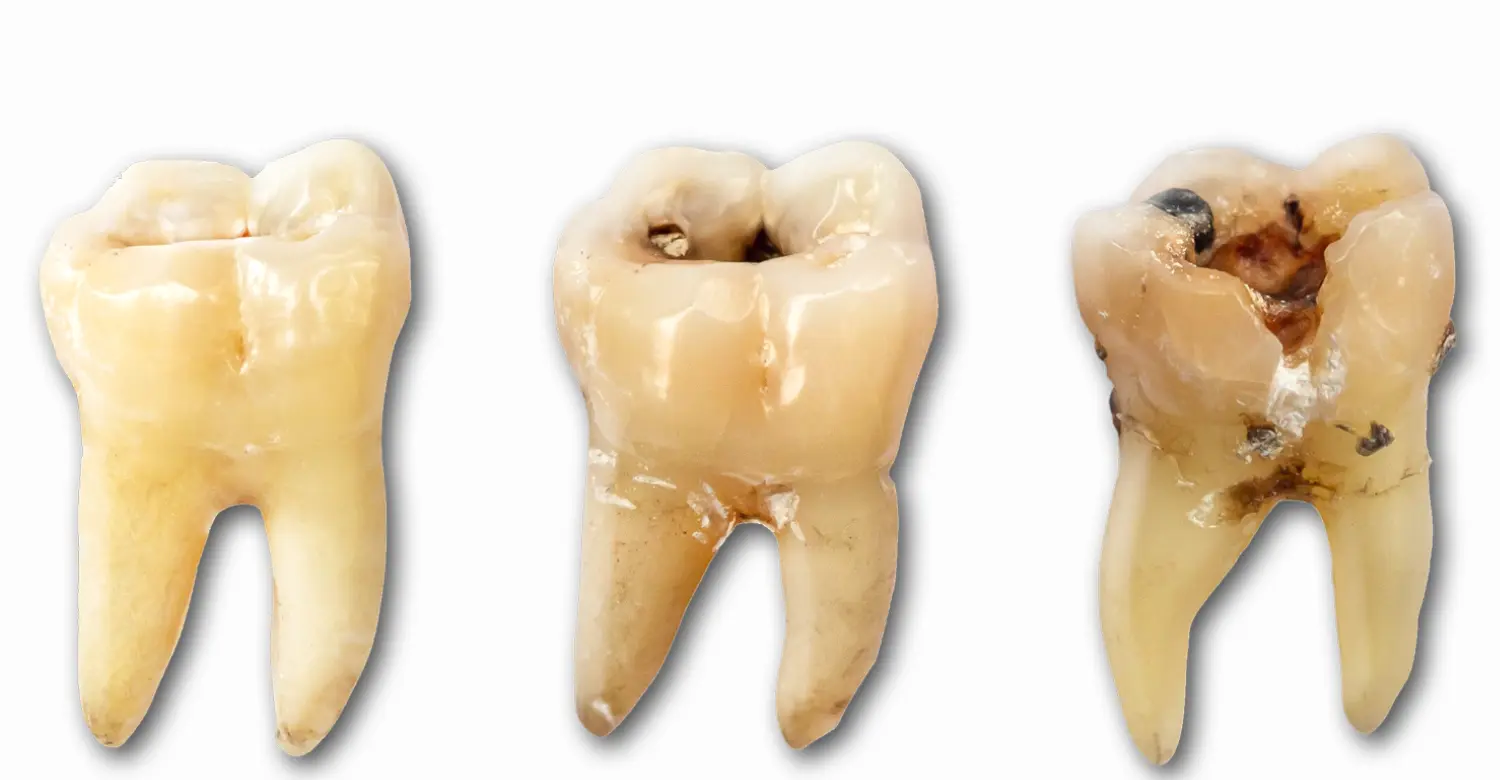
Can Caries Lead to Tooth Loss?
Yes. Untreated decay can destroy the tooth structure, leading to extraction.
How Does Caries Affect Overall Oral Health?
It can cause infections, gum disease, and affect chewing and speech.
Can Untreated Caries Lead to Systemic Health Issues?
Severe infections can spread and impact heart health, diabetes control, and more.
How Do Children and Adults Experience Caries Differently?
Factor | Children | Adults |
|---|---|---|
Enamel Thickness | Thin → Fast decay | Thicker → Slower progression |
Tooth Type | Baby teeth | Permanent teeth |
Common Caries Type | ECC, pit & fissure caries | Root caries, recurrent decay |
Contributing Factors | Diet, poor hygiene, bottle feeding | Dry mouth, restorations, aging gums |
Treatment Focus | Prevention & education | Repair, restoration, long-term care |
Why Is Childhood Caries a Common Concern?
Children’s teeth are more susceptible due to thinner enamel and dietary habits.
How Does Caries Progress Differently in Adults?
Adults may experience root caries and slower progression due to saliva changes.
Can Baby Teeth Caries Affect Permanent Teeth?
Yes, severe decay in baby teeth can impact the development and alignment of permanent teeth.
What Role Does Diet Play in Caries Development?
Sugar Intake Fuels Bacteria
Sugars (especially sucrose) are fermented by oral bacteria
This produces acid that demineralizes tooth enamel
Frequency Matters More Than Quantity
Frequent snacking or sipping gives bacteria more time to produce acid
Constant exposure prevents enamel from repairing itself
Sticky & Processed Foods Are High-Risk
Candy, dried fruit, chips, and pastries cling to teeth longer
Increases acid exposure time
Sugary and Acidic Beverages
Soft drinks, juices, and energy drinks erode enamel and feed bacteria
Even sugar-free sodas can harm teeth due to acidity
Poor Nutrition Affects Oral Health
Lack of vitamins and minerals (like calcium, phosphorus, and vitamin D) weakens enamel
Affects saliva production and gum health
Water Helps Protect Teeth
Fluoridated water strengthens enamel
Drinking water helps wash away food particles and acids
Protective Dietary Habits
Choose whole foods (vegetables, dairy, lean protein)
Limit snacks between meals
End meals with cheese or nuts to neutralize acid
Chew sugar-free gum to boost saliva flow
How Do Sugary Snacks and Drinks Increase Caries Risk?
Frequent sugar intake feeds harmful bacteria producing enamel-eroding acids.
Can Frequent Snacking Contribute to Caries?
Yes, constant snacking keeps acid levels high, increasing decay risk.
How Does Water Fluoridation Help Prevent Caries?
Fluoridated water strengthens enamel and reduces decay in populations.
How Do Lifestyle Choices Influence Caries Risk?
Smoking and Tobacco Use
Reduces saliva flow and alters oral bacteria balance
Increases plaque buildup and gum disease risk
Leads to higher caries incidence, especially root caries
Alcohol Consumption
Alcohol can dry out the mouth (xerostomia), reducing saliva protection
Many alcoholic drinks are sugary or acidic, increasing enamel erosion
Poor Oral Hygiene Habits
Irregular brushing and flossing allow plaque and bacteria to thrive
Increases acid production and decay risk
Dietary Choices
Frequent consumption of sugary, sticky, or acidic foods and drinks feeds decay-causing bacteria
Sleep and Stress
Stress may lead to neglecting oral care or bruxism (teeth grinding), which damages enamel
Poor sleep affects immune response, potentially increasing infection risk
Medication Use
Certain medications cause dry mouth, reducing saliva’s protective effects
Increased susceptibility to caries due to less natural cleaning and buffering
General Health and Physical Activity
Good overall health supports immune defense and oral tissue repair
Sedentary lifestyle and poor nutrition can indirectly raise caries risk
Positive Lifestyle Choices to Reduce Caries Risk
Maintain consistent oral hygiene routine
Avoid tobacco and limit alcohol
Eat balanced, low-sugar diet
Stay hydrated
Manage stress and get adequate sleep
Regular dental visits
Can Smoking and Alcohol Increase the Risk of Caries?
Both dry out the mouth and impair healing, promoting decay.
How Does Stress Affect Oral Health and Caries?
Stress may reduce saliva flow and weaken immune response, increasing vulnerability.
Can Sports and Energy Drinks Lead to Higher Caries Rates?
Their high sugar and acidity levels increase enamel erosion and decay risk.
What Is the Future of Caries Treatment and Prevention?
Minimally Invasive and Preventive Care
Emphasis on early detection and treating caries before cavities form
Use of fluoride varnishes, sealants, and demineralizing agents to reverse early decay
Advanced Diagnostic Tools
AI-powered imaging and optical detection devices to identify decay earlier and more accurately
Portable and chairside tools for real-time diagnosis
Regenerative Dentistry
Research into stem cell therapies and biomaterials to regenerate damaged tooth structures
Potential for growing dentin or enamel to repair teeth naturally
Smart Dental Materials
Development of bioactive and antibacterial restorative materials that help prevent recurrent decay
Materials that release fluoride or other protective agents over time
Laser and Photodynamic Therapy
More widespread use of laser treatments to remove decay painlessly and disinfect teeth
Photodynamic therapy to target bacteria with light-activated agents
Personalized Oral Care
Use of genetic and microbiome profiling to customize prevention and treatment plans
Tailored oral hygiene products based on individual risk factors
Tele-dentistry and Remote Monitoring
Virtual consultations and remote monitoring of oral health
Increased access to care and early intervention, especially in underserved areas
Public Health and Education Innovations
Enhanced awareness campaigns and community programs
Integration of oral health with general health initiatives
How Is AI Used in Caries Detection?
AI helps analyze X-rays for early decay detection with high accuracy.
Can Regenerative Dentistry Repair Caries-Damaged Teeth?
Emerging techniques aim to regenerate enamel and dentin naturally.
Are Nanotechnology and Biomaterials Changing Caries Treatment?
Yes, they offer targeted therapies for enamel repair and decay prevention.
What We Notice Clinically
From a clinical perspective, dentists often notice that many patients seek treatment only after decay has progressed significantly. However, early-stage caries can often be managed more easily when detected during routine examinations.
According to Dr. Rifat Alsaman, Head of the Medical Team at Vitrin Clinic and a cosmetics dentist, one of the most important clinical observations is that every cavity has a different pattern depending on oral hygiene, diet, saliva function, and previous dental history.
At Vitrin Clinic, the focus is not only removing decay but also understanding why it developed to help patients achieve healthier, stronger smiles with predictable long-term results.
Tips for Patients: How to Reduce Your Risk of Caries
Preventing caries requires consistent daily habits combined with professional dental care. Patients can reduce their risk by brushing twice daily with fluoride toothpaste, cleaning between teeth, limiting frequent sugar intake, drinking enough water, and maintaining regular dental examinations.
At Vitrin Clinic, dentists provide personalized guidance based on each patient's oral condition and lifestyle. Dr. Rifat Alsaman, Head of the Medical Team at Vitrin Clinic and a cosmetics dentist, recommends focusing on prevention because protecting natural teeth is always better than treating advanced damage.
Patient Prevention Checklist
Brush teeth twice daily.
Use dental floss or interdental cleaning tools.
Avoid frequent sugary snacks between meals.
Schedule regular dental checkups.
Treat early signs of decay before progression.
Maintain good hydration to support saliva function.
Conclusion: Understanding Caries Helps Protect Your Smile
Dental caries is a progressive condition influenced by multiple factors, including bacteria, diet, tooth structure, and time. Understanding the 4 zones of dental caries and the 4 etiological factors of caries development helps patients recognize why decay occurs and why early diagnosis is essential for protecting natural teeth.
At Vitrin Clinic, every caries case is evaluated carefully to determine the most appropriate approach, whether it involves preventive care, remineralization, or restorative treatment. The goal is always to preserve healthy tooth structure while restoring function and aesthetics.
According to Dr. Rifat Alsaman, Head of the Medical Team at Vitrin Clinic and a cosmetics dentist, successful caries management is not only about treating the cavity itself but also identifying the causes behind it to prevent future problems.
With regular dental checkups, proper oral hygiene, and personalized professional guidance, patients can maintain a healthier smile and avoid complications caused by untreated decay. Vitrin Clinic provides comprehensive dental care designed to support long-term oral health and confident smiles.
Reference
Caries is the scientific term for tooth decay, a common oral disease caused by the interaction of bacteria, dietary sugars, and tooth surfaces, leading to the gradual breakdown of enamel and dentin. Early diagnosis and timely treatment are essential to prevent cavities from progressing to pain, infection, or tooth loss. The following references provide more information about dental caries, its causes, risk factors, prevention strategies, diagnosis, and treatment options:
FAQs
Dr. Rifat Alsaman has more than 5 years of clinical experience in dentistry and currently serves as the Head of the Medical Team at Vitrin Clinic. He is dedicated to providing exceptional patient care, overseeing treatment planning, and ensuring the highest clinical standards across the team. His expertise, attention to detail, and commitment to continuous professional development have helped countless patients achieve healthier, more confident smiles.


