
This is one of the most common questions among patients facing multiple tooth loss. The number of dental implants in a single session depends on several clinical factors specific to each patient. At Vitrin Clinic, this evaluation combines bone analysis, general health status, and the type of rehabilitation desired. Understanding how many implants can be placed in a single session allows the patient to approach treatment with realistic expectations and a clear plan, tailored to their oral condition and aesthetic and functional goals.
Multiple Tooth Loss : A Common Problem
The loss of several teeth affects a large number of patients, whether due to age, periodontal disease, untreated cavities, or accidents. This situation impacts both chewing function and smile aesthetics. That's why the question of how many implants can be placed comes up so often during consultations. At Vitrin Clinic, every case of multiple tooth loss is analyzed individually to determine the best rehabilitation strategy, whether isolated implants or a more comprehensive solution.
What Does "Placement in One Session" Mean?
Placing multiple implants at the same time refers to the possibility of performing multiple implantation during a single surgical procedure, rather than spreading treatment across several appointments. This directly answers the question of how many implants can be placed in a single surgical session. This approach, offered at Vitrin Clinic, aims to reduce the number of visits while respecting the patient's biological and anatomical limits, for a safe and effective outcome.
Key Factors Determining How Many Implants Can Be Placed
There is no single, universal answer to how many implants can be placed, as several criteria come into play. At Vitrin Clinic, the evaluation takes into account bone anatomy, the patient's general health, and the surgical technique considered. These factors determining the number of implants help establish a personalized, safe treatment plan tailored to each patient's actual needs, whether an isolated replacement or a full rehabilitation.
Bone Volume and Bone Quality
Bone density and dental implants are closely linked: sufficiently dense, ample bone is essential to accommodate multiple implants simultaneously. When bone is insufficient, a bone graft before implants may be needed to reinforce the area. This step directly influences how many implants can be placed during the same procedure. At Vitrin Clinic, a precise bone assessment is systematically carried out before any surgical planning.
Patient's General Health
Smoking, diabetes, or certain periodontal infections can limit a patient's ability to withstand placing multiple implants at the same time. A complete medical evaluation is essential before answering the question of how many implants can be placed in a given case. At Vitrin Clinic, this step is a core part of the protocol, ensuring patient safety throughout the procedure.
Surgical Technique Used
Certain modern techniques directly increase how many implants can be placed in a single surgical session. Immediate loading implants allow a temporary prosthesis to be fitted right after surgery. 3D guided surgery improves precision, while bone grafting or sinus lift procedures prepare the area beforehand. Vitrin Clinic relies on these techniques to optimize each procedure according to the patient's profile.
From a Single Implant to Full Rehabilitation
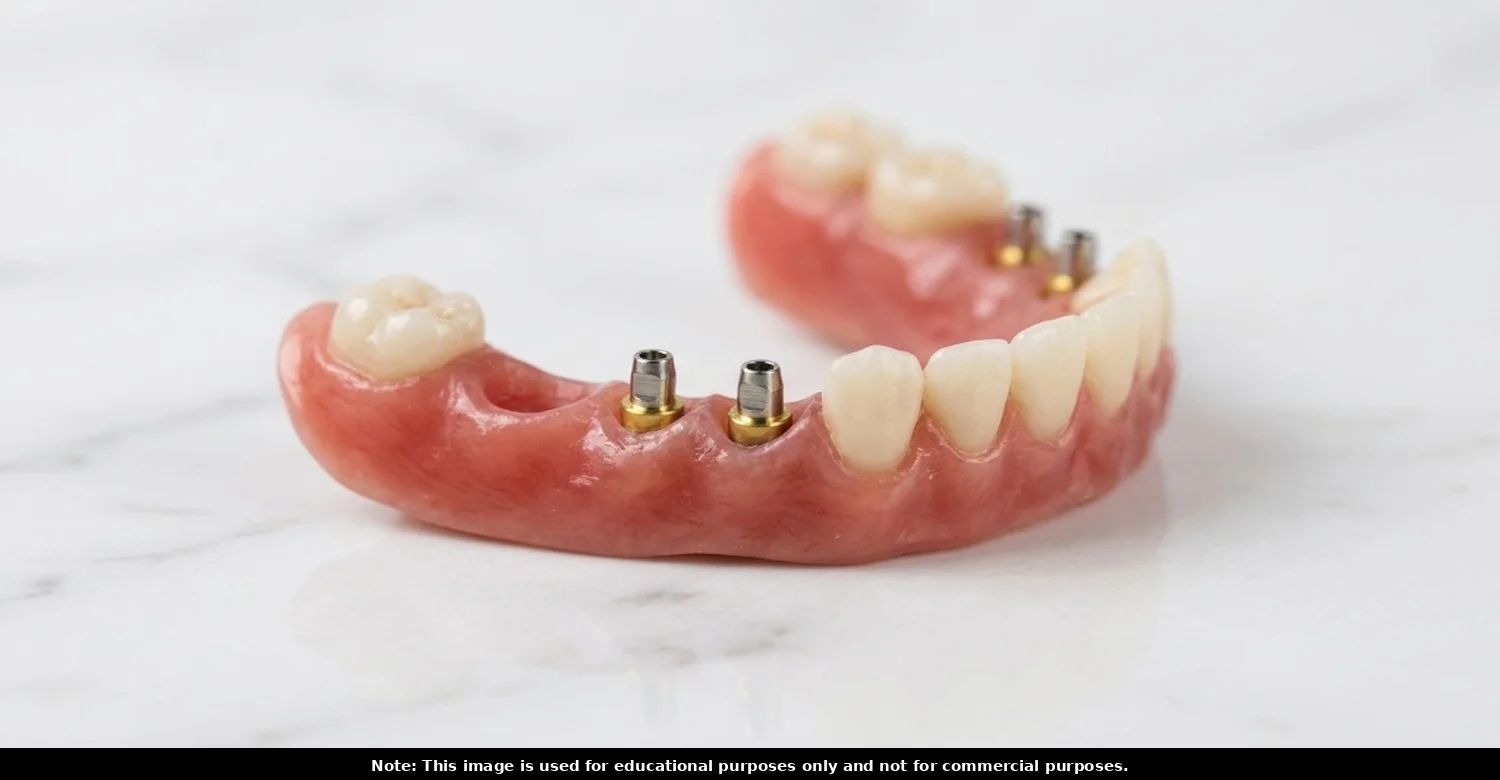
The number of implants also depends on the type of restoration planned. Answering how many implants can be placed involves distinguishing between several clinical situations: an isolated replacement, several adjacent teeth, or full jaw rehabilitation. At Vitrin Clinic, each scenario is approached with a tailored protocol, ranging from a single implant to more complex solutions such as full-mouth dental implants.
Replacing One Tooth: 1 Implant
In the simplest case, a single implant is enough to replace one missing tooth. This situation generally doesn't raise a complex question about how many implants can be placed, since it's a targeted procedure. At Vitrin Clinic, this type of treatment remains quick and predictable, with a high success rate when the surrounding bone is of good quality and the patient is in good general health.
Multiple Implants for 2–4 Adjacent Teeth
When several adjacent teeth are missing, it's common to place 2 to 4 multiple dental implants in one procedure. This configuration illustrates how many implants can be placed in a limited area that still requires several anchor points. At Vitrin Clinic, prosthetic bridges can connect these implants, optimizing stability and reducing the total number of components needed for rehabilitation.
Full Arch Rehabilitation : All-on-4 / All-on-6 Protocols
For full rehabilitation through implants, All-on-4 dental implants or All-on-6 dental implants protocols allow a fixed prosthesis to be supported with a reduced number of anchor points. This approach directly answers how many implants can be placed for an entire arch. At Vitrin Clinic, these protocols are offered to patients with extensive tooth loss or an atrophied jaw.
Advantages and Disadvantages of Multiple Simultaneous Placement
Placing multiple implants at the same time offers benefits but also certain limitations that should be understood before deciding how many implants can be placed in one's own case. At Vitrin Clinic, every patient receives a clear explanation of the advantages and constraints of this approach, allowing them to make an informed choice between a single procedure or treatment spread across several sessions.
Advantages
Reducing the number of surgical procedures is one of the main benefits of placing multiple implants at the same time. It also shortens the overall treatment timeline and, in some cases, allows for an immediate temporary prosthesis. At Vitrin Clinic, this efficiency is particularly valued by international patients wishing to limit their trips while still achieving lasting results.
Disadvantages
A longer session and increased surgical complexity are the main drawbacks of this approach. The higher the number of dental implants placed in a single session, the greater the patient fatigue and technical risk. At Vitrin Clinic, these factors are factored into planning to limit complications and ensure a smooth procedure.
Preparation Steps and Specific Protocols
Before determining how many implants can be placed, thorough preparation is essential. This step includes a full initial assessment, any associated treatments, and a decision regarding the type of loading. At Vitrin Clinic, this structured protocol ensures every procedure is based on precise data, reducing unforeseen issues and securing the process of placing multiple implants at the same time.
Initial Assessment
A 3D scan and detailed bone analysis allow precise evaluation of the duration of dental implant placement as well as the feasibility of a multiple procedure. This initial assessment is a key step in answering how many implants can be placed in a given case. At Vitrin Clinic, this exam is systematic before any surgical planning, to anticipate each patient's specific needs.
Associated Treatments
When bone volume is insufficient, a bone graft before implants or a sinus lift may be necessary. These preparatory treatments directly influence how many implants can be placed during the main procedure. At Vitrin Clinic, these steps are integrated into the overall treatment plan, with an appropriate healing period before proceeding with final implant placement.
Immediate vs. Delayed Loading
Immediate loading implants depend on the primary stability achieved during surgery. If the implants are stable enough, a prosthesis can be fitted without delay; otherwise, a waiting period is needed. This choice influences how many implants can be placed in a single surgical session. At Vitrin Clinic, this decision is made case by case based on intraoperative results.
Success Factors and Post-Operative Care
Long-term success depends on rigorous oral hygiene, regular follow-up, and good control of occlusal load. These elements remain essential regardless of the number of dental implants placed in a single session initially. At Vitrin Clinic, a post-operative follow-up program supports every patient to preserve results over the long term and prevent future complications.
Special Cases and Pitfalls to Avoid
Certain situations require a different approach when evaluating how many implants can be placed. Fragile patients or those with anesthesia-related constraints need adapted care. At Vitrin Clinic, these special cases are identified from the first consultation to avoid complications and offer a safe alternative, such as treatment spread across several sessions rather than a single procedure.
Fragile Patients
Severely atrophied bone or certain specific medical conditions can limit placing multiple implants at the same time. In these cases, spread-out sessions are often preferable to a single procedure. At Vitrin Clinic, this evaluation helps adapt how many implants can be placed to the patient's clinical reality, always prioritizing safety over treatment speed.
Anesthesia Limitations
Long procedures sometimes require general sedation, especially when multiple dental implants in one procedure are planned. Local anesthesia alone may be insufficient for sensitive or anxious patients. At Vitrin Clinic, the type of anesthesia is discussed beforehand to ensure patient comfort while respecting the limits tied to how many implants can be placed safely.
Practical Recommendations for Patients
Before making a decision, it's helpful to prepare well and ask the right questions to understand how many implants can be placed in one's own case. At Vitrin Clinic, patients are supported at every step, from the first consultation through post-operative follow-up, to approach placing multiple implants at the same time with confidence and realistic expectations.
Questions to Ask Your Implantologist
It's recommended to ask how many implants will be placed and why, what risks are involved, and what the duration of dental implant placement will be along with the estimated recovery time. At Vitrin Clinic, these discussions help patients fully understand their treatment plan before committing to a procedure involving multiple dental implants in one procedure.
Preparing for the Procedure
Patients should ensure they're in good general health, avoid smoking, and follow dietary instructions before surgery. This preparation directly influences how many implants can be placed safely. At Vitrin Clinic, personalized guidance helps each patient arrive in the best possible condition on the day of their procedure.
What We Notice Clinically
In practice, the question of how many implants can be placed is often answered through the combination of bone quality and the patient's motivation to limit the number of sessions. Dr. Rifat Alsaman, Head of the Medical Team and cosmetic dentist at Vitrin Clinic, observes that well-prepared patients with favorable bone assessments generally tolerate placing multiple implants at the same time well, with more predictable post-operative recovery and improved overall comfort. According to Dr. Rifat Alsaman, the precision of 3D guided surgery and rigorous case selection remain the most decisive factors in ensuring the long-term success of multiple implants.
Vitrin Clinic: Your Destination for a Complete Smile Transformation
Vitrin Clinic supports international patients through their dental rehabilitation journey, relying on advanced 3D planning technology and a thorough evaluation of each case. Whether the question is how many implants can be placed to replace a single tooth or for a full rehabilitation such as All-on-4 or All-on-6, Vitrin Clinic offers personalized guidance, multilingual support, and a safe environment to transform each patient's smile with natural, functional results tailored to their expectations.
References:
FAQs

Dr. Rifat Alsaman has more than 5 years of clinical experience in dentistry and currently serves as the Head of the Medical Team at Vitrin Clinic. He is dedicated to providing exceptional patient care, overseeing treatment planning, and ensuring the highest clinical standards across the team. His expertise, attention to detail, and commitment to continuous professional development have helped countless patients achieve healthier, more confident smiles.


