Endodontics
May 24, 2026
Is There a Holistic Alternative to Root Canal That Really Works?

If you've been told you need a root canal, you might wonder if there's another way. Many patients today search for a holistic alternative to root canal treatment that actually works. Modern holistic dentistry offers several promising approaches. These methods focus on preserving the natural tooth, supporting overall wellness, and avoiding unnecessary invasive procedures—all while addressing the underlying cause of dental pain effectively and safely.
Holistic Alternative to Root Canal
A holistic approach protects natural tooth structure and supports the body's ability to maintain oral health. Advanced integrative medicine combines modern dentistry with biological approaches. It aims to reduce inflammation, preserve the dental pulp, and improve the tooth's long-term condition.
Unlike traditional approaches that only treat symptoms, integrative dentistry evaluates the complete condition of the tooth, surrounding tissues, immune response, and lifestyle factors.
At Vitrin Clinic, the dental team evaluates every case individually. They determine whether the tooth can be preserved using conservative methods before considering root canal therapy. The goal is to maintain natural teeth whenever possible while ensuring safe results.
According to Dr. Rifat Alsaman, Head of the Medical Team at Vitrin Clinic and cosmetic dentist, preserving healthy tooth structure is a key principle in modern dentistry. He explains that early diagnosis and minimally invasive techniques can help patients avoid unnecessary removal of healthy tooth tissue.
Understanding the Root Canal Dilemma
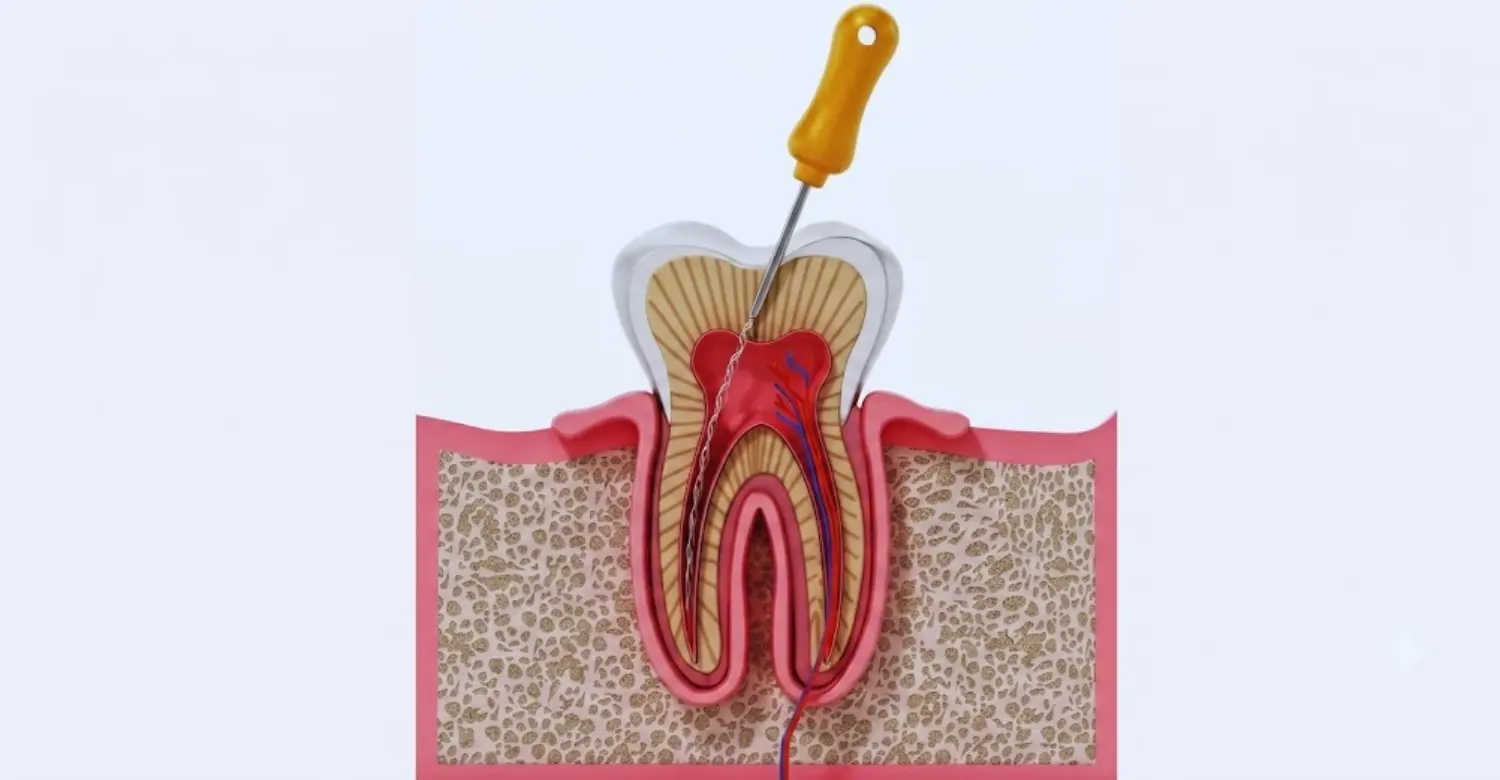
Traditional root canal therapy involves removing infected pulp, disinfecting the canal, and sealing the tooth. While effective, many patients worry about the chemicals used and the long-term impact on the body. This concern has driven interest in finding a holistic alternative to root canal treatment that integrates biocompatible materials, minimally invasive techniques, and a whole-body approach. Understanding this dilemma is the first step to exploring your real options. If you are concerned about next steps, reading about root canal or tooth extraction can help you prepare for a comfortable dental experience.
Why Patients Seek Alternatives to Root Canal Treatment
Patients increasingly ask: is there an alternative to root canal treatment that genuinely works? The reasons vary. Some worry about trapped bacteria, others about conventional materials, and many prefer natural, less invasive care. Questions like "what can you do instead of a root canal?" or "how to avoid root canal naturally?" reflect a shift toward holistic health values. Seeking a meaningful alternative is a legitimate and fast-growing trend in modern dentistry.
Common Dental Issues Leading to Root Canals
Root canals are typically recommended when the tooth pulp becomes infected or severely inflamed. Common causes include untreated cavities reaching the inner tooth, cracked teeth, trauma, or repeated procedures. Understanding why root canals happen is essential for anyone exploring holistic care. Early detection and preventive treatment can often reduce the likelihood of needing this procedure—the core ambition of holistic dentistry.
Tooth Decay and Deep Cavities
Deep cavities are a leading cause of pulp infection. When tooth decay is left untreated, bacteria penetrate deeper layers until the pulp is compromised. At this stage, patients often explore natural remedies for root canal prevention or wonder how to heal damage without invasive procedures. Catching cavities early and treating them with biocompatible materials is one of the most effective ways to avoid reaching the point where a root canal becomes the only option.
Infections and Pulp Inflammation
Pulp inflammation—known as pulpitis—can be reversible or irreversible. In reversible cases, there is potential to explore holistic alternatives such as ozone therapy or pulp capping with biocompatible materials. When the pulp is still partially vital, holistic dentists assess whether the tooth can be saved with non-invasive approaches. Early intervention is critical—the longer infection is left untreated, the fewer natural alternatives remain available.
Cracked or Fractured Teeth
Cracks or fractures can expose the inner pulp to bacteria, leading to infection and inflammation. In some cases, cracked teeth can be treated with laser therapy or biocompatible bonding agents as an alternative to root canal and crown procedures. Success depends heavily on the extent of the crack. Holistic dentists evaluate each situation carefully to determine whether a non-invasive approach is viable or whether conventional intervention is necessary.
Holistic Dental Procedures That Preserve Teeth
Holistic dentistry is built around preserving what is naturally yours. A range of treatments exists that function as a viable holistic alternative to root canal therapy. These include ozone therapy, laser dentistry, biocompatible pulp treatments, and advanced diagnostic tools that allow for earlier, less invasive intervention. Rather than removing the pulp and sealing the canal, holistic dentists focus on supporting the tooth's natural healing processes using biocompatible, non-toxic approaches, but only whenever doing so is clinically appropriate and supported by evidence.
Ozone Therapy for Infected Teeth
Ozone therapy is one of the most exciting developments in holistic root canal alternatives. Medical-grade ozone gas is applied directly to an infected or inflamed area. It neutralizes bacteria and supports natural tissue healing. For patients wondering "what to do instead of a root canal," ozone therapy offers a genuine, evidence-supported option in early-stage cases. It is non-toxic and minimally invasive. It aligns perfectly with the principles of a holistic dentist root canal alternative approach, treating infection at its source without harsh chemical agents.
Biocompatible Fillings and Pulp Treatments
Biocompatible materials play a central role in the holistic alternative to root canal philosophy. Pulp capping with mineral trioxide aggregate (MTA) or similar biocompatible materials can stimulate the tooth's natural healing response in select cases. Unlike conventional fillings, these options are chosen for their compatibility with the body's immune system and long-term safety profile. For patients seeking an alternative to RCT, direct or indirect pulp capping can preserve tooth vitality and effectively avoid the need for complete pulp removal.
Laser Treatments as a Substitute for Root Canal
Laser dentistry offers a painless root canal alternative that many patients find highly appealing. Lasers can target and eliminate bacteria deep within tooth structure with exceptional precision. This reduces the need for drilling or chemical disinfectants. As a substitute for root canal therapy in select cases, laser treatment promotes tissue healing, reduces inflammation, and minimizes overall discomfort. Holistic dental clinics are increasingly incorporating laser technology into their protocols. They offer patients a modern, minimally invasive path to saving compromised teeth naturally.
Ozone Therapy and Low-Level Laser Therapy (LLLT)
Modern biological dentistry has introduced technologies such as ozone therapy and low-level laser therapy (LLLT) as supportive treatments for improving the condition of compromised teeth.
Ozone Therapy in Tooth Preservation
Ozone therapy uses ozone gas to help reduce harmful bacteria and create an environment that supports healing. In certain early-stage infections or deep cavities, ozone may be used as part of a conservative treatment plan before considering more invasive procedures.
However, ozone therapy is not a replacement for root canal treatment in every situation. This is especially true when the dental pulp is severely infected or necrotic.
Low-Level Laser Therapy for Tooth Pulp Support
Low-level laser therapy tooth pulp applications involve using controlled light energy to stimulate cellular activity. It reduces inflammation and supports tissue recovery.
Research into biological dentistry continues to explore how laser technology may contribute to pulp preservation and regenerative dental approaches.
Partial Pulpotomy and Bioceramic Bioactive Materials (BBM)
One of the most important developments in conservative dentistry is the use of partial pulpotomy combined with bioceramic bioactive materials.
What Is Partial Pulpotomy?
Partial pulpotomy is a procedure where only the damaged portion of the dental pulp is removed. The healthy remaining pulp tissue is preserved.
Compared with traditional root canal treatment, partial pulpotomy aims to maintain more of the natural tooth structure. It also preserves the tooth’s biological function.
Bioceramic Bioactive Materials in Dentistry
Bioceramic bioactive materials dentistry refers to advanced materials designed to interact positively with natural tissues. These materials can support sealing, healing, and regeneration processes inside the tooth.
They are commonly used in procedures that aim to protect the pulp and improve long-term tooth survival.
Partial Pulpotomy vs Root Canal
Partial Pulpotomy | Root Canal Treatment |
Removes only damaged pulp tissue | Removes the entire infected pulp |
Preserves more natural tissue | Requires complete pulp removal |
Used mainly in selected cases | Used for irreversible infection |
Focuses on biological preservation | Focuses on eliminating infection |
Reverse or Heal Root Canal Naturally: Is It Possible?
The question of how to heal a root canal naturally, or reverse the need for one entirely, is one many patients raise. While a fully infected pulp cannot regenerate on its own, early-stage pulpitis may respond to natural remedies for root canal care. These include ozone therapy, herbal anti-inflammatories, and improved oral hygiene routines. A root canal natural cure is not always guaranteed. However, with the right holistic approach and timely professional care, certain cases can be resolved without conventional treatment.
Benefits of Choosing Holistic Alternatives
Choosing a holistic alternative to root canal offers meaningful benefits beyond simply avoiding the procedure itself. Patients often report reduced anxiety, faster recovery, less post-treatment sensitivity, and greater confidence in the biocompatibility of the materials used. The holistic approach understands the connection between oral health and systemic wellbeing, recognizing that the mouth does not exist in isolation from the rest of the body. This integrative, whole-body perspective is precisely what sets holistic dentistry apart from conventional dental practice today. Many patients find that exploring reversing previous treatments provides the necessary reassurance and clarity needed before making important decisions about their dental health.
Preserving Natural Tooth Structure
One core principle is preserving as much natural tooth structure as possible. Unlike conventional root canal therapy, which removes all pulp tissue, holistic treatments aim to maintain tooth vitality wherever feasible. Preserving living tissue supports long-term tooth strength, reduces the need for crowns or further restoration, and keeps the tooth functioning as nature intended. For many patients, this is a key motivation to explore all options instead of root canal treatment.
Reduced Pain and Recovery Time
Many patients who pursue painless root canal alternatives through holistic dentistry report a smoother experience. Laser therapy, ozone treatments, and minimally invasive pulp therapies involve less drilling, less trauma, and faster recovery. Swelling and sensitivity after treatment are often reduced. For anyone wondering "what can be done instead of a root canal?" with minimal discomfort, holistic dentistry offers a compelling answer. To ensure the best outcome, we recommend reviewing our guide on removing an old root canal so you know what to expect.
Minimizing Chemicals and Invasive Procedures
Conventional root canal treatments use sodium hypochlorite and other strong chemical irrigants. A key advantage of a holistic alternative to root canal care is the reduced reliance on these substances. Holistic dentists use ozone, herbal rinses, and biocompatible materials instead, minimizing chemical exposure and reducing the risk of adverse reactions. For patients asking "how to get rid of root canal" problems without harsh chemicals, this approach offers a safer, more natural path.
Realistic Expectations: Before and After
It's important to approach reversing root canal naturally with realistic expectations. Not every case can be resolved holistically—if infection is severe or the pulp is fully necrotic, conventional treatment or extraction may still be safest. However, in early and moderate cases, holistic interventions can deliver impressive outcomes. Before and after comparisons in holistic dental practices often show reduced inflammation, preserved tooth vitality, and strong long-term results.
Holistic Alternatives for Necrotic or Severely Infected Teeth
When a tooth becomes necrotic, meaning the pulp tissue has died, natural healing options become extremely limited.
A necrotic tooth may contain bacteria inside the root canal system even when the patient does not experience pain.
The Dangers of Leaving a Pain-Free Necrotic Tooth Untreated
Many patients believe that a tooth without pain does not require treatment. However, a pain-free necrotic tooth can still contribute to:
Chronic infection
Bone damage around the tooth root
Gum swelling
Dental abscess formation
Spread of infection to surrounding tissues
Practical Tips for Maintaining a Healthy Smile
Prevention is always better than treatment, especially for avoiding root canals entirely. Learning how to prevent a root canal naturally through consistent oral hygiene, a healthy diet, and regular dental checkups is a powerful investment. Small daily habits, combined with awareness of early warning signs, can eliminate the need for invasive procedures and support a lifetime of strong, healthy, pain-free teeth.
Daily Oral Hygiene Habits for Prevention
The foundation of how to avoid root canal naturally is a solid daily oral hygiene routine. Brushing twice a day with mineral-based or fluoride-free toothpaste, flossing daily, using an antimicrobial mouthwash, and staying hydrated all contribute to a healthy oral microbiome. Reducing sugar intake decreases the risk of cavities that could lead to pulp infection. These are simple yet effective natural remedies for root canal prevention available to every patient.
Recognizing Early Signs of Tooth Infection
Knowing the early warning signs of a developing tooth infection can make the difference between a simple filling and a full root canal procedure. Symptoms like prolonged sensitivity to hot or cold, spontaneous tooth pain, gum swelling near a tooth, or a persistent bad taste in the mouth should never be ignored. Catching these signs early gives you the best chance of successfully treating the condition with a holistic alternative to root canal approach before the pulp becomes irreversibly damaged and more invasive treatment becomes necessary. For a deeper understanding of your treatment options, check out our insights on potential long-term risks to make an informed choice for your smile.
Lifestyle Choices That Reduce the Need for Root Canals
Your lifestyle significantly impacts your dental health. Diets high in refined sugars and processed foods promote bacterial growth and tooth decay. In contrast, a whole-food diet rich in calcium, magnesium, and fat-soluble vitamins supports strong teeth and healthy gums. Stress management also matters; bruxism caused by unmanaged stress can lead to micro-fractures that invite infection over time. These lifestyle choices are central to understanding how to prevent a root canal naturally and embracing a genuinely comprehensive holistic root canal prevention strategy.
Minimizing Biological Risks: Holistic Approaches to Conventional Endodontics
Holistic dentistry does not always mean avoiding root canal treatment completely. Instead, it focuses on reducing unnecessary procedures while improving the biological safety of treatments when endodontics becomes necessary.
Modern approaches may include:
Using biocompatible filling materials
Minimizing unnecessary removal of tooth structure
Maintaining proper infection control
Using digital imaging for accurate diagnosis
Protecting surrounding tissues
A root canal performed correctly can still be an effective tooth-saving procedure. The goal of holistic dentistry is not to reject conventional treatment but to choose the least invasive option that provides predictable results.
Infra-Red Light Therapy Procedures for Deep Pulp Healing
Infra-red light therapy dental procedures are being studied as a possible supportive method for improving tissue response and reducing inflammation.
Infra-red wavelengths may influence cellular activity and blood circulation, creating potential benefits for tissue repair.
Although more clinical evidence is still needed, light-based therapies represent an emerging area within regenerative dentistry.
At Vitrin Clinic, advanced technologies are considered only when they provide real clinical benefits and are supported by professional evaluation.
Biological Atraumatic Tooth Extraction: The Last Resort
When a tooth cannot be saved through conservative methods, biological atraumatic tooth extraction may become the safest option.
This technique focuses on removing the tooth while protecting surrounding bone and soft tissues as much as possible.
The goal is to prepare the area for future restoration while maintaining the natural anatomy of the jaw.
Metal-Free Restorations After Tooth Loss
After tooth removal, patients can choose several restoration options designed for aesthetics, function, and biological compatibility.
Metal-free solutions are becoming increasingly popular because they provide natural appearance and reduce concerns related to metal components.
Options may include:
Zirconia bridges
Zirconia Maryland bridges
Biocompatible dental implants
Zirconia Maryland Bridges vs. Conventional Zirconia Bridges
Both options use zirconia materials but differ in design and application.
Zirconia Maryland Bridge
A zirconia Maryland bridge is a minimally invasive restoration that attaches to neighboring teeth using supporting wings.
Benefits include:
Less tooth preparation
Natural appearance
Conservative approach
The zirconia Maryland bridge lifespan can vary depending on bite forces, oral hygiene, and clinical conditions.
Conventional Zirconia Bridge
A conventional zirconia bridge requires more preparation of supporting teeth but may provide stronger support for larger spaces.
The choice depends on tooth location, bite pressure, and individual dental needs.
Biocompatible Dental Implants as a Root Canal Alternative
When a tooth cannot be preserved, dental implants provide a long-term replacement option.
Biocompatible dental implants are designed to integrate with the jawbone and restore chewing function while maintaining facial aesthetics.
At Vitrin Clinic, implant planning focuses on digital evaluation, bone condition, and achieving a natural-looking result.
Insights Into Dental Care at Vitrin Clinic
At Vitrin Clinic, dental care goes far beyond conventional treatment. The team understands that patients seeking a holistic alternative to root canal therapy deserve more than just a choice between procedures; they deserve a true partner in their oral health journey. Vitrin Clinic combines cutting-edge technology with a deep commitment to biocompatible, patient-centered care. Whether you're exploring early intervention, preventive strategies, or non-invasive alternatives, the clinic offers expert guidance grounded in the latest advances in holistic and integrative dentistry today.
Expertise in Holistic Dentistry and Painless Alternatives
The dental professionals at Vitrin Clinic are trained in advanced holistic techniques. These include ozone therapy, laser dentistry, and biocompatible restorative treatments. For patients asking "what do holistic dentists do instead of a root canal?", Vitrin Clinic provides clear, evidence-based answers. Each patient is assessed individually. This determines whether a a natural root canal alternative approach is appropriate for their specific condition. This expertise ensures that every treatment recommendation is made with both clinical integrity and the patient's overall systemic wellbeing kept firmly in mind.
Advanced Technology Supporting Non-Invasive Treatments
Vitrin Clinic invests in state-of-the-art diagnostic and treatment technology. This supports painless root canal alternatives and other minimally invasive procedures. Digital cone-beam CT imaging allows for precise diagnosis. Laser units enable targeted bacterial elimination. Ozone delivery systems ensure effective, chemical-free disinfection. This technology makes it possible to identify tooth problems at the earliest possible stage. It maximizes the chances of successful treatment with a holistic approach before more invasive intervention ever becomes clinically necessary. Your comfort is our priority. That is why learning about the success rates of traditional methods is a great way to alleviate any anxiety.
Patient-Centric Approach and Personalized Plans
No two patients are alike. Vitrin Clinic's approach reflects that reality. Every patient receives a thorough evaluation and a personalized treatment plan. This plan considers their dental history, overall health, and personal preferences. For those seeking such a holistic approach, the clinic takes time to explain every option clearly. This includes the realistic chances of success. Patients can then make fully informed decisions with confidence. This patient-centric philosophy is at the heart of everything Vitrin Clinic delivers every single day.
Take the Next Step Towards A Perfect Healthy Smile
Your journey to a healthier, pain-free smile starts with a single conversation. Vitrin Clinic offers a free consultation for patients exploring their dental care options. This includes those searching for a holistic alternative to root canal treatment. Whether you're dealing with early decay, a sensitive tooth, or simply want to understand your options before committing to any procedure, the team at Vitrin Clinic is ready to help. Book your free consultation today. Discover how holistic dentistry can protect and preserve your smile naturally and confidently.
Reference
A natural root canal alternative refers to approaches that some patients explore to support tooth health and potentially avoid root canal treatment when clinically appropriate. These approaches may include preventive dental care, improving oral hygiene, managing inflammation, and addressing early dental problems before they progress. However, alternatives depend on the condition of the tooth, and professional evaluation is necessary to determine whether the natural tooth can be preserved. The following references provide more information about holistic dental approaches, root canal alternatives, tooth preservation methods, and evidence-based endodontic care:
FAQs

Dr. Rifat Alsaman has more than 5 years of clinical experience in dentistry and currently serves as the Head of the Medical Team at Vitrin Clinic. He is dedicated to providing exceptional patient care, overseeing treatment planning, and ensuring the highest clinical standards across the team. His expertise, attention to detail, and commitment to continuous professional development have helped countless patients achieve healthier, more confident smiles.


