Endodontics
June 1, 2026
Root Canal or Tooth Extraction: Which Dental Treatment Is Better?
 Dr. Rifat Alsaman
When a tooth becomes severely infected, damaged, or decayed, dentists usually recommend two primary treatment paths: Root Canal or Tooth Extraction. One approach focuses on preserving the natural tooth by removing the infected pulp and restoring the structure, while the other removes the tooth entirely to eliminate infection. The best option depends on factors such as the severity of the damage, the strength of the remaining tooth structure, and the overall health of the surrounding bone and gums.
Preserving the natural tooth is often preferred because it maintains bite alignment and natural chewing ability. However, in cases of extensive fractures or deep decay, removal may be necessary. A dentist’s evaluation, including X-rays and clinical examination, helps determine which treatment will provide the most stable and long-lasting result. If you are concerned about the next steps, reading about the holistic alternative to root canal 2026 can help you prepare for a seamless and comfortable dental experience.
Understanding the Choice Between Root Canal or Tooth Extraction
When a tooth becomes severely infected or damaged, dentists usually present two primary options for treatment. The decision can affect oral health, comfort, and long-term dental stability. Many patients struggle with deciding between saving the natural tooth or removing it completely. Understanding the difference between these treatments helps patients make informed decisions about their oral health. In many situations, the dentist evaluates the severity of infection, structural damage, and the condition of surrounding teeth before recommending a solution. Choosing between Endodontic or surgical removal often depends on whether the tooth can still be preserved safely. While both procedures solve dental infections, their impact on long-term dental health can vary significantly depending on the individual case and treatment goals.
Why Dentists Recommend Root Canal or Extraction
Dentists recommend treatment based on the severity of infection, the integrity of the tooth structure, and the patient’s overall oral health condition. When decay or trauma reaches the pulp inside the tooth, bacteria can cause inflammation and severe pain. At this stage, professional intervention becomes necessary to prevent the infection from spreading to surrounding tissues or bone. In many cases, dentists first evaluate whether the tooth can be saved before considering removal. The goal is always to maintain natural teeth whenever possible because they help preserve bite alignment and jaw stability. However, in cases of extreme damage or fractures, removal might be the safer option. Choosing between these treatments requires careful diagnosis and professional imaging to determine the best path.
When Saving the Tooth Is Possible
Saving a natural tooth is usually the preferred choice in dentistry because it maintains the natural bite and prevents complications associated with missing teeth. If the tooth roots remain strong and the surrounding bone is healthy, restorative procedures can often restore the tooth’s function and appearance. Modern dental treatments have made it possible to repair teeth that were once considered hopeless. Through careful cleaning and sealing of the infected pulp chamber, dentists can eliminate bacteria and preserve the structure of the tooth. Patients who qualify for preservation procedures often benefit from better chewing ability and long-term oral stability. In cases where the damage is manageable, dentists may recommend preservation as the first option whenever possible. Many patients find that exploring the success rates of saving the tooth provides the necessary reassurance and clarity needed before making important decisions.
Difference Between Root Canal and Extraction
Understanding the difference between these two procedures is essential when evaluating dental treatment options. Each procedure addresses severe tooth damage or infection but in completely different ways. One method focuses on removing infection while preserving the tooth, while the other removes the entire tooth from the jaw. Both treatments have advantages and limitations depending on the severity of damage, the patient’s oral health, and long-term dental goals. Dentists carefully examine x-rays, infection levels, and structural damage before suggesting the best approach. When discussing treatment plans, dentists often explain the pros and limitations of each option so patients can understand the potential outcomes and choose the treatment that best suits their dental health needs.
What Is a Root Canal Treatment?
Root canal treatment saves a tooth with infected pulp. The dentist removes damaged tissue. They clean and disinfect the root canals. Then they fill them to prevent reinfection. A crown often restores the tooth. This keeps your natural tooth and stops pain. Modern technology makes it comfortable. When evaluating options like Root Canal or Tooth Extraction, many dentists recommend preservation. It supports better long-term oral health.
What Is Tooth Extraction?
Tooth extraction removes a damaged tooth from the jawbone. Dentists recommend it when the tooth is too damaged to repair. It can eliminate pain and infection quickly. But it leaves a gap that may affect chewing and alignment. Replacement options like implants or bridges are often needed. Understanding that extraction removes the whole tooth helps clarify why dentists prefer preservation when possible.
Difference Between Root Canal and Extraction
The main difference is whether the tooth is saved or removed. Root canal keeps the natural tooth. Extraction removes it completely. Preservation maintains chewing patterns and prevents teeth from shifting. Extraction may be needed for severely fractured or decayed teeth. Dentists consider infection severity and structural integrity. Understanding these differences helps patients evaluate short-term relief and long-term outcomes. For more details, review Vitrin Clinic's cost comparison to know what to expect.
What Happens During a Root Canal Procedure?
Understanding the steps eases anxiety. The dentist numbs the area. Then they make a small opening to access the pulp. Damaged tissue is removed. The canals are cleaned and disinfected. They are filled with a biocompatible material. A crown is placed to protect the tooth. This restores full chewing function for years.
What Happens During a Tooth Extraction?
First, the dentist examines and X-rays the tooth. After numbing, they loosen the tooth with special tools. Then they remove it from the socket. For impacted teeth, a small incision may be needed. Gauze controls bleeding. Stitches may be added. Clear aftercare instructions help healing and prevent dry socket.
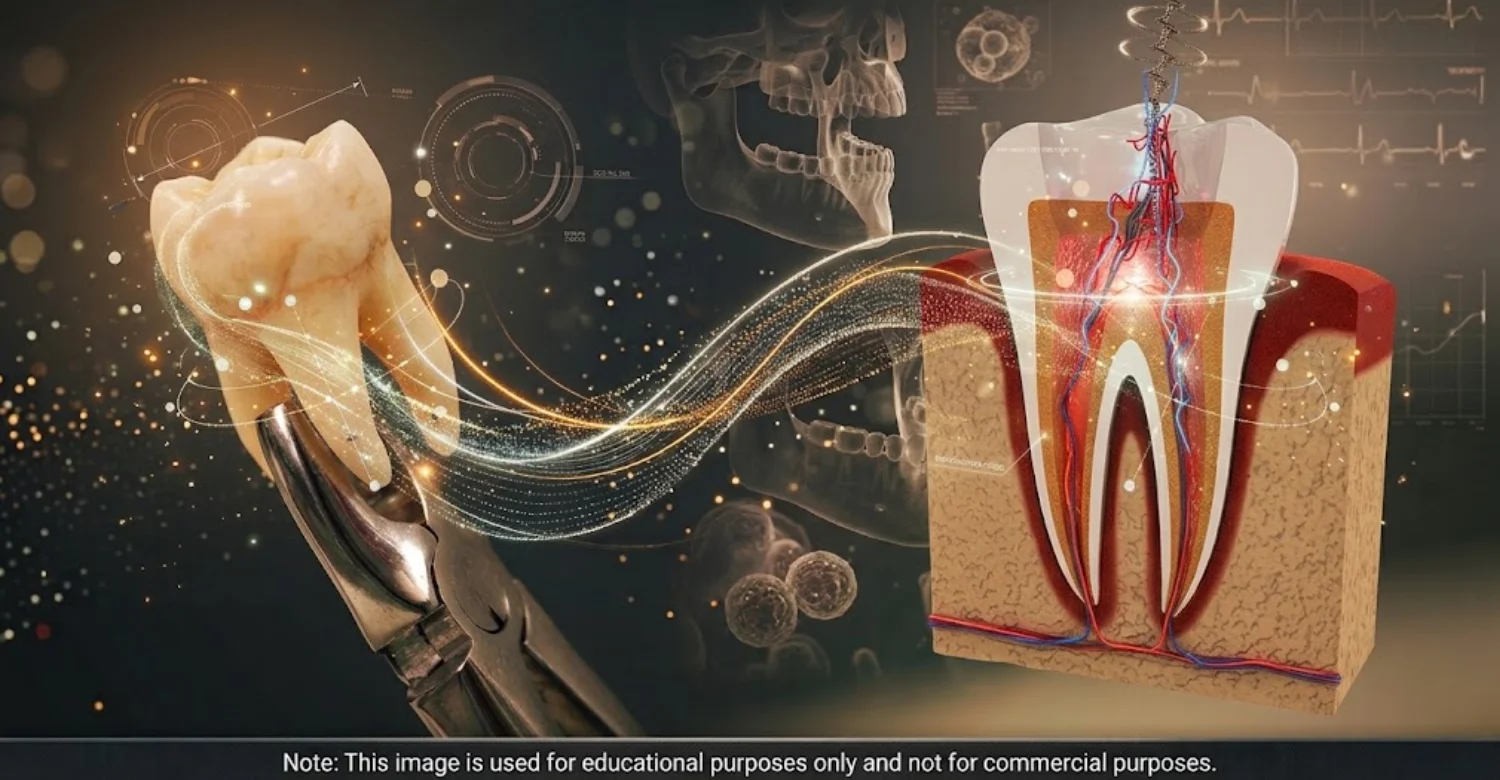
Root Canal vs Extraction : Which Procedure Is Better?
The better choice depends on your dental condition and long-term goals. Dentists prefer saving natural teeth when possible. Natural teeth support chewing and jaw alignment. But severe damage may make preservation impossible. Then removal and replacement with an implant or bridge is practical. Both procedures eliminate infection and pain. Discuss your tooth condition, bone health, and future plans with your dentist. They will help you choose the most suitable solution.
Is It Better to Get a Root Canal or Extraction?
Preserving a natural tooth offers significant advantages. A treated tooth functions normally and maintains jaw structure. It allows comfortable chewing and avoids complications from missing teeth. However, severe fractures or decay may make removal unavoidable. When discussing options with their dentist, the decision depends on whether the tooth can be restored safely. The goal is to choose the treatment that balances stability, comfort, and oral health.
Root Canal vs Extraction Pros and Cons
Every dental treatment has pros and cons. Preservation maintains natural teeth and avoids replacements. Extraction provides a faster solution for severely damaged teeth. The choice depends on infection severity, tooth structure, and patient preference. Dentists analyze these factors carefully. Patients should consider recovery time, cost, long-term health, and whether replacement is needed after extraction. Understanding these pros and cons helps patients choose the best plan.
Root Canal Advantages
Preserving a natural tooth offers long-term benefits. It maintains bite alignment and prevents teeth from shifting. Patients can chew and speak normally without replacements. Modern techniques make this treatment highly effective. Many treated teeth last for decades with proper care. Patients often experience significant pain relief after the infection is removed. When comparing options, many dentists emphasize that keeping the natural tooth leads to better functional and aesthetic outcomes.
Extraction Advantages
Removing a tooth can be the most practical solution for severe damage or infection. It eliminates the infected tooth entirely, preventing bacteria spread. For teeth cracked beyond repair, removal provides immediate relief and simplifies treatment. After extraction, patients can explore replacements like implants, bridges, or dentures. Some patients prefer removal because it resolves the issue quickly, especially if the tooth has a poor long-term prognosis. For a deeper understanding, check out our insights on treating severely cracked teeth to make an informed choice.
Root Canal vs Extraction Pain : What Hurts More?
Pain is a common concern, but modern dentistry makes both treatments comfortable. Local anesthesia minimizes discomfort during the procedure. After treatment, some soreness may occur as tissues heal. Recovery varies by case complexity and healing response. Preservation treatments usually cause temporary sensitivity when chewing. Removal may involve gum tenderness as the socket heals. Dentists provide aftercare instructions and medications to manage discomfort. Most patients recover quickly and return to normal activities.
Does Root Canal Hurt More Than Extraction?
Pain is a major concern when deciding between treatments. Modern dentistry has made both procedures comfortable. Local anesthesia ensures little to no discomfort during the procedure. Afterward, mild soreness may last a few days. Recovery varies by procedure complexity and oral health. Patients often find that both procedures involve manageable discomfort controlled with medication and aftercare.
What Hurts More Root Canal or Extraction?
Patients often ask which hurts more. The answer depends on several factors. The infection level, tooth location, and pain tolerance all play a role. Root canal removes infection while saving the tooth. It usually causes mild soreness for a short time. Extraction removes the whole tooth. This may lead to swelling or tenderness in the gum. Dentists give clear recovery instructions to reduce pain. When discussing Root Canal or Tooth Extraction, dentists note that pain is generally manageable. Proper aftercare greatly improves healing.
Root Canal vs Extraction Pain During Recovery
Recovery varies by procedure and individual healing. After a root canal, mild sensitivity when chewing may last a few days. Extraction recovery often takes longer. The gum and bone must close around the empty socket. Dentists recommend rest, soft foods, and medication. Good oral hygiene prevents infection and speeds healing. Understanding recovery helps patients prepare for proper aftercare. This ensures smooth healing without complications. Your comfort is our priority. Learning about the risks of waiting too long can ease anxiety.
Root Canal vs Tooth Extraction Cost Comparison
The cost depends on procedure complexity, tooth location, and needed restoration. Saving a tooth involves cleaning canals and placing a crown. This restores strength and function. Extraction is often cheaper upfront. But the gap may need implants, bridges, or dentures. These add significant cost over time. Patients should weigh short-term and long-term expenses. A dentist can provide a detailed estimate. This helps find the best balance between cost and oral health.
Root Canal vs Extraction Cost
Costs vary widely. Root canal may seem expensive initially. It involves cleaning canals and a crown. But saving the tooth often prevents future treatments. Extraction is cheaper at first. However, replacement options like implants or bridges raise total cost. When comparing these two options, consider both immediate and long-term costs. A missing tooth can lead to more expenses.
Is It Cheaper to Pull a Tooth or Root Canal?
Many think extraction is cheaper. But long-term costs tell a different story. Removing a tooth may cost less now. Yet the gap can cause problems if not replaced. Implants, bridges, or dentures add extra procedures. These may exceed the cost of saving the tooth. Root canal treatment, though sometimes more upfront, lets you keep your natural tooth. This avoids further restorative work. Dentists encourage thinking about long-term investment in oral health, not just the immediate cost.
Long-Term Cost After Extraction
Extraction costs often go beyond the procedure. Neighboring teeth may shift into the empty space. This affects bite alignment and chewing. To prevent this, dentists recommend implants or bridges. These restore appearance and function but add expense. Consider maintenance and longevity of replacement options. Preserving the natural tooth often eliminates the need for further restorative work. This makes it a wise long-term choice.
Will Pulling a Tooth Stop Nerve Pain?
Patients with intense dental nerve pain often ask if extraction will stop it. Removing a severely infected tooth does eliminate the source. The inflamed nerve tissue is taken out along with the tooth. However, if the pain comes from a nearby tooth, sinuses, or referred jaw pain, symptoms may continue. Dentists confirm the exact source with X-rays and testing before recommending extraction. This ensures the treatment addresses the true cause.
How Does Tooth Extraction Relieve Dental Pain?
Tooth extraction relieves pain by removing infected or damaged tissue. This stops inflammation and nerve irritation. Once the tooth and infected material are gone, pressure and bacterial activity subside within days as the socket heals. Pain relief is often faster than other treatments because the irritated nerve is physically removed. Dentists may prescribe antibiotics or pain medication to support healing.
When Do You Need to Remove Wisdom Teeth?
Wisdom teeth removal is needed for impaction, crowding, recurrent infection, or cysts. Many patients need extraction when wisdom teeth grow at an angle, pushing against neighboring molars. This causes pain or misalignment. Partially erupted wisdom teeth trap food and bacteria, leading to gum infection and bad breath. Dentists use X-rays to evaluate position and root development. They recommend removal when there is a clear risk to oral health.
Root Canal vs Extraction Back Molar : Special Considerations
Back molars handle most grinding force during eating. Their complex structure, with multiple roots and canals, can make treatment challenging. Preserving a molar helps maintain chewing efficiency and jaw stability. However, severe decay or deep fractures may make restoration difficult. Dentists evaluate the damage and surrounding bone before recommending treatment. Because molars contribute to bite strength, preserving them is usually preferred. When restoration is not feasible, removal may be necessary to prevent infection.
Root Canal or Extraction of Molar
Molars are crucial for chewing and grinding food. Preserving them is important whenever possible. Because molars have multiple roots and complex canals, treating infections may require specialized techniques. In some cases, severe fractures or deep decay make restoration difficult. Dentists evaluate the molar's structural integrity before recommending treatment. Preserving the molar helps maintain chewing strength and jaw stability. When deciding between Root Canal or Tooth Extraction, the condition of the molar and surrounding bone plays a key role.
Root Canal vs Extraction Back Molar
Back molars experience strong chewing pressure. They are important for maintaining proper bite function. When infected or damaged, dentists try to preserve them. Root canal procedures remove infection while allowing the tooth to function with a crown. However, severe structural damage may require extraction. Patients evaluating this choice for a back molar should consider chewing ability, long-term oral health, and replacement options.
Cracked Tooth Root Canal vs Extraction
A cracked tooth can cause severe pain when chewing or drinking hot or cold beverages. The treatment depends on the crack's extent and location. If the crack has not reached below the gum line and roots are stable, the dentist may save the tooth. Deep fractures extending into the root may require removal to prevent infection. Dentists evaluate the crack's severity with imaging and clinical exams to decide whether preserving the tooth is safe.
Root Canal vs. Extraction Second Molar: Is It Worth Saving?
Second molars sit at the back of the mouth. They absorb heavy chewing forces. This makes the decision between root canal or tooth extraction more complex. When the roots are intact and the surrounding bone is healthy, saving the tooth through root canal treatment can preserve chewing efficiency. It also prevents the opposite tooth from over-erupting into the gap. However, if decay has spread below the gum line or the tooth is severely fractured, extraction combined with a timely implant may offer a more predictable long-term result. A careful evaluation of root canal vs extraction second molar cases helps determine whether preservation is realistic or whether removal better protects long-term oral health.
What We Notice Clinically
Dr. Rifat Alsaman, Head of the Medical Team at Vitrin Clinic and a cosmetic dentist, notes that second molars with strong roots and minimal bone loss usually respond well to root canal treatment. This spares patients from a more invasive extraction-and-implant journey. Dr. Rifat Alsaman explains that when a molar's canal system is too calcified or the fracture extends beneath the gumline, he recommends extraction paired with a timely implant. This prevents bite collapse and shifting of neighboring teeth. Dr. Rifat Alsaman emphasizes that early evaluation gives patients the widest range of treatment options and the best chance of preserving the natural tooth.
Root Canal Drawbacks & Disadvantages
While root canal treatment preserves the natural tooth, it does carry some drawbacks. The treated tooth can become more brittle over time. It typically needs a crown for long-term protection, which adds to the overall cost. Molars with complex canal systems may require multiple visits. In rare cases, infection can persist if a canal is missed or the seal fails later. Despite these disadvantages, most patients still benefit from preserving their natural tooth structure when the procedure is performed by an experienced endodontist using modern imaging technology.
Extraction Drawbacks & Disadvantages
Tooth extraction resolves infection quickly, but several disadvantages should be weighed. Removing a tooth leaves a gap that can cause neighboring teeth to shift. The opposing tooth may over-erupt, gradually affecting bite alignment. Bone loss in the jaw often begins within months of extraction if the space is left unreplaced. Patients typically need a dental implant, bridge, or denture to restore function. This adds both time and cost to the overall treatment. These disadvantages are a key reason dentists prefer preserving the natural tooth whenever it remains structurally sound.
Should I Get a Root Canal or Extraction?
Deciding between dental treatments can feel overwhelming, especially when experiencing pain or infection. Dentists guide patients through this decision by examining the tooth’s condition. They determine whether it can be restored effectively. Preserving the natural tooth often provides the best long-term outcome. It maintains the natural bite and prevents shifting of nearby teeth. However, certain cases involving extensive decay, severe fractures, or advanced infection may require removal. The goal is always to eliminate infection while protecting overall oral health. By discussing symptoms, reviewing diagnostic images, and considering long-term dental stability, dentists help patients choose the most reliable and comfortable solution.
Should I Get a Root Canal or Pull the Tooth?
Patients facing severe tooth pain often wonder which treatment will provide the best long-term results. Dentists consider several factors before recommending a plan. These include the extent of infection, tooth structure, and surrounding bone health. Preserving the natural tooth is typically the preferred option. It helps maintain the natural bite and prevents complications from missing teeth. However, in cases where the tooth cannot be restored effectively, removal may be necessary to eliminate infection. When discussing Root Canal or Tooth Extraction, dentists guide patients through the advantages and potential outcomes of each option. This ensures the decision supports long-term oral health and comfort.
Root Canal or Pull Tooth Out : Key Decision Factors
Several key factors influence the decision between preserving a tooth or removing it. Dentists evaluate the severity of infection. They also assess the amount of remaining tooth structure. They consider whether restorative treatments can provide long-term stability. Patient lifestyle, oral hygiene habits, and overall dental health also play a role. Preserving the natural tooth is usually the goal. But removal may be necessary when structural damage is too extensive. Understanding these considerations helps patients make confident treatment decisions. When weighing this choice, a comprehensive dental evaluation ensures the chosen treatment supports both immediate relief and long-term oral health.
RCT or Extraction : Dentist’s Recommendation
Dentists rely on clinical examinations, X-rays, and patient history. They determine the most appropriate treatment for damaged teeth. Their goal is to eliminate infection while preserving natural tooth structure. Root canal procedures are often recommended when tooth roots remain strong. Extraction may be advised when the tooth is fractured below the gum line. When patients discuss Root Canal or Tooth Extraction, dentists provide professional guidance based on long-term oral health outcomes.
Benefits of Choosing the Right Treatment
Selecting the correct dental treatment impacts both immediate comfort and long-term oral health. Effective treatment eliminates infection and reduces pain. It prevents complications that could affect surrounding teeth or jawbone structure. Preserving natural teeth helps maintain normal chewing function. It also prevents neighboring teeth from shifting. In situations where removal is necessary, modern dental replacements restore appearance and functionality. The key is choosing a treatment plan based on accurate diagnosis. Patients who work closely with their dentist are more likely to achieve lasting oral health.
Is a Root Canal Better Than Extraction?
Selecting the most appropriate dental treatment can have a lasting impact on oral health. Preserving a natural tooth often provides advantages. It maintains the original chewing structure and prevents neighboring teeth from shifting. Root canal therapy removes infection while keeping the tooth functional. This helps preserve jawbone strength and natural bite alignment. However, removal may be necessary if the tooth is severely damaged. When patients evaluate this decision, they should consider long-term oral stability and overall dental health.
Root Canal vs Pulling Tooth : Impact on Your Smile
A healthy smile depends on aesthetics and the stability of teeth. Preserving a tooth helps maintain the natural structure of the smile. It prevents shifting of surrounding teeth. Missing teeth can affect bite balance and facial appearance. Dental restorations like implants or bridges may be needed after removal. Patients should consider how each treatment option affects their smile and chewing ability.
How Root Canals May Help Protect Your Heart Health
Emerging research points to a connection between root canal and heart health. Untreated dental infections can allow bacteria to enter the bloodstream. This contributes to systemic inflammation. By removing infected pulp tissue, root canal treatment helps stop bacteria from spreading. This may reduce strain on cardiovascular health over time. While a root canal is not a substitute for cardiac care, treating dental infections promptly is important for overall health.
Why Choose Vitrin Clinic for Root Canal Treatment?
Choosing a qualified dental clinic is important for complex procedures. Experienced professionals use modern diagnostic tools and advanced techniques. They ensure accurate results and comfortable care. Clinics with digital imaging can diagnose infections precisely. Skilled endodontists focus on preserving natural teeth. They minimize discomfort and recovery time. Patients benefit from personalized treatment plans. A clinic that prioritizes comfort and technology improves outcomes.
Expert Endodontists and Modern Technology
Choosing an experienced dental clinic makes a difference in comfort and success. Modern clinics use advanced diagnostic tools and digital imaging. Skilled endodontists focus on preserving natural teeth. They use precise techniques that protect surrounding tissues. Patients also benefit from advanced sterilization protocols. When deciding between root canal or extraction, receiving care from experienced professionals ensures accurate diagnosis and high standards of care.
Personalized Care for Root Canal or Tooth Extraction
Every patient has unique dental needs. Personalized treatment planning is essential for successful outcomes. A thorough dental examination helps dentists understand the severity of infection, structural damage, and overall oral health. Based on this evaluation, a customized treatment plan is created. It aims to restore comfort and protect long-term dental health. Patients are guided through each stage of the procedure. They understand their treatment options and recovery process. At specialized dental centers, professionals carefully evaluate whether root canal therapy or extraction will provide the best outcome. This ensures safe, effective, and personalized dental care.
Root Canal or Tooth Extraction at Vitrin Clinic
At Vitrin Clinic, patients receive comprehensive dental care. It addresses both immediate concerns and long-term oral health goals. The clinic combines modern technology with experienced specialists. They provide accurate diagnosis and effective treatment solutions. Patients benefit from a wide range of services. These include infection treatment, restorative dentistry, and tooth replacement options when necessary. Each treatment plan is customized according to the patient’s dental condition. This ensures the most appropriate approach for comfort and long-term stability. Through careful evaluation and patient-centered care, the clinic helps individuals understand their options. They make informed decisions that support functional oral health and a confident smile.
Comprehensive Dental Solutions
A professional dental clinic should offer comprehensive treatment options. These address both immediate dental problems and long-term oral health goals. From advanced diagnostic imaging to restorative procedures, a full-service clinic ensures complete care in one location. Treatments may include infection control, tooth preservation, restorative crowns, and replacement solutions when necessary. Patients benefit from a team of experienced dental specialists. They work together to create effective treatment plans. When evaluating this decision, receiving care from a clinic that provides comprehensive dental services ensures every aspect of oral health is considered before recommending the most appropriate treatment.
Free Consultation for the Best Treatment Option
Consultation appointments help patients understand their dental condition and available treatment choices. During a consultation, dentists evaluate symptoms, examine dental imaging, and discuss potential options based on the patient’s needs. This conversation allows patients to ask questions about recovery, cost, and long-term results. A free consultation also gives patients the opportunity to explore different approaches before committing to a procedure. For individuals deciding between root canal therapy and extraction, professional guidance during the consultation stage helps ensure that the final treatment plan supports both immediate comfort and long-term oral health stability.
References:
FAQs
Dr. Rifat Alsaman has more than 5 years of clinical experience in dentistry and currently serves as the Head of the Medical Team at Vitrin Clinic. He is dedicated to providing exceptional patient care, overseeing treatment planning, and ensuring the highest clinical standards across the team. His expertise, attention to detail, and commitment to continuous professional development have helped countless patients achieve healthier, more confident smiles.


