Dental Implant
December 22, 2025
Dental Prosthetics: Complete Guide to Types, Services & Benefits
 Dr. Rifat Alsaman
Missing or damaged teeth can affect more than your smile—they impact chewing, speech, and overall Dental Prosthetics. Modern dentistry offers a range of solutions, collectively known as these oral appliances, to restore both function and appearance. This guide explains the types, materials, procedures, costs, and care involved. It also highlights how Vitrin Clinic in Istanbul, Turkey, provides expert care and advanced technology for beautiful, functional smiles.
Understanding Dental Prosthetics Options
Tooth replacement solutions are essential restorative dentistry options that replace missing or damaged teeth and surrounding structures. This section explains what these devices are, how they work, what "prosthetics in dental" means, and whether dental implants qualify. Understanding these fundamentals helps patients recognize available options for restoring oral function, aesthetics, and confidence through modern prosthodontic treatments.
What Is a Dental Prosthetics?
A dental prosthetic is an artificial device designed to replace missing teeth, restore damaged tooth structure, or reconstruct oral tissues. These devices include crowns, bridges, dentures, partial dentures, and implant-supported restorations. They are custom-fabricated to match natural teeth. Such restorations restore chewing ability, improve speech, prevent remaining teeth from shifting, and enhance smile appearance. This significantly improves patients' quality of life and oral health.
How Do These Restorations Work?
These custom-designed replacements restore form and function by replacing tooth crowns, roots, or entire dental arches. They use biocompatible materials shaped to mimic natural anatomy. Fixed options like crowns and bridges cement permanently to teeth or implants. Removable options like dentures attach to gums or remaining teeth. All of them distribute chewing forces, maintain bite relationships, and restore aesthetics effectively.
What Does "Prosthetics in Dental" Mean?
Prosthetics in dental refers to the specialized field of dentistry focused on designing, fabricating, and placing artificial devices that replace missing teeth and oral structures. This field encompasses both the discipline (prosthodontics) and the actual devices (prostheses) used for restoration. It combines art and science to create functional, aesthetic solutions, including crowns, bridges, dentures, and implants. Prosthodontists specialize in complex cases requiring advanced training and expertise.
Are Dental Implants Considered Prosthetics?
Yes, dental implants are considered prosthetics. They are artificial devices that replace missing tooth roots and crowns. The titanium implant fixture serves as an artificial root. The crown, bridge, or denture attached to it forms the visible prosthetic restoration. Implants represent the most advanced option available, providing permanent tooth replacement that preserves jawbone, functions naturally, and delivers superior aesthetics and longevity.
Types of Dental Prosthetics Solutions
Various types of Dental Prosthetics options exist for specific needs and clinical situations. This section examines fixed options, including crowns, bridges, and implants, as well as removable options like dentures and partial dentures. It also addresses questions about silver-looking prosthetics. Understanding the different types helps patients and dentists select optimal solutions based on function, aesthetics, comfort, and budget for successful outcomes.
Dental Crowns: Benefits vs. Drawbacks
Benefits: Preserve the natural tooth root, restore full chewing function on a single tooth, can correct shape and color in one procedure, and offer a high long-term survival rate when bonded to a healthy tooth structure.
Drawbacks: Require removal of healthy enamel during preparation, do not address missing teeth on their own, and may eventually need replacement as the underlying tooth or cement seal ages.
Dental Bridges: Benefits vs. Drawbacks
Benefits: Fixed in place with no daily removal, restore one or more missing teeth without surgery, and typically complete treatment faster than implant-based options.
Drawbacks: Require reshaping the adjacent healthy teeth used as anchors, do not stimulate or preserve the underlying jawbone, and place added biting stress on the abutment teeth over time.
Dentures: Benefits vs. Drawbacks
Benefits: The most affordable option for extensive or full tooth loss, require no surgery, and can be adjusted as the mouth changes over time.
Drawbacks: Provide significantly lower chewing efficiency than natural teeth or implants, require an adaptation period for speech and eating, and do not prevent the gradual bone loss that follows tooth loss.
Dental Implants: Benefits vs. Drawbacks
Benefits: Preserve jawbone by stimulating it the way a natural root does, function and feel closest to natural teeth, and offer the longest documented survival rates of any prosthetic option.
Drawbacks: Require a surgical procedure and a healing period of several months for osseointegration, involve a higher upfront cost than crowns, bridges, or dentures, and are not suitable for every patient without adequate bone volume or with certain uncontrolled health conditions.
Dental Prosthetics Comparison Table: Crowns vs. Bridges vs. Dentures vs. Implants
Factor | Crowns | Bridges | Dentures | Implants |
Best for | A single damaged tooth | One or a few missing teeth | Most or all missing teeth | Single or multiple missing teeth |
Surgery required | No | No | No | Yes |
Affects adjacent teeth | No | Yes, reshaping required | Sometimes, with clasps | No |
Prevents bone loss | No | No | No | Yes |
Typical lifespan | 10–15+ years | 10.1 yrs avg; 5–15 yr range | 5–10 yrs before relining/replacement | 20+ years; often lifetime |
Documented success rate | High with proper bonding | 79%–94% at 10 years | Varies by fit and bone changes | 90%–98% at 10 years |
Relative cost | $ | $$ | $ | $$$ |
Recovery time | Days | Days | 2–4 weeks adaptation | 3–6 months osseointegration |
Fixed Dental Prosthetics: Crowns, Bridges, and Implants
Fixed restorations are cemented or attached permanently. Patients cannot remove them on their own. This group includes crowns, bridges, and implant-supported teeth. They offer stability and function like natural teeth. They also need no special cleaning routine. Long-term results are excellent for restoring oral function and looks.
What is a dental crown and how does it work?
A dental crown is a tooth-shaped cap. It covers a damaged, weakened, or decayed tooth. The crown restores shape, size, strength, and appearance. It encases the visible part above the gum line. Preparation removes damaged structure first. Crowns then distribute chewing forces evenly. This protects the tooth underneath. They are cemented with dental adhesives. The natural root stays intact below.
How long do crowns and bridges last?
Crowns and bridges typically last 10–15 years. With excellent care, many last 15–20 years or more. Material quality matters. Gold and zirconia often outlast porcelain. Location also affects durability. Back teeth endure higher forces. Habits like grinding or chewing ice shorten lifespan. Good daily care and regular visits maximize longevity.
Can crowns or bridges change my appearance?
Yes, they can dramatically improve your smile. They correct shape, size, color, and alignment. They also replace missing teeth seamlessly. Well-designed restorations match natural teeth in color and translucency. Crowns restore damaged teeth to ideal proportions. Bridges fill gaps and eliminate unsightly spaces. Modern materials like all-ceramic and zirconia look natural. Poorly designed ones may look artificial. That is why skilled prosthodontists and quality labs matter.
Removable Prosthetics: Dentures and Partial Dentures
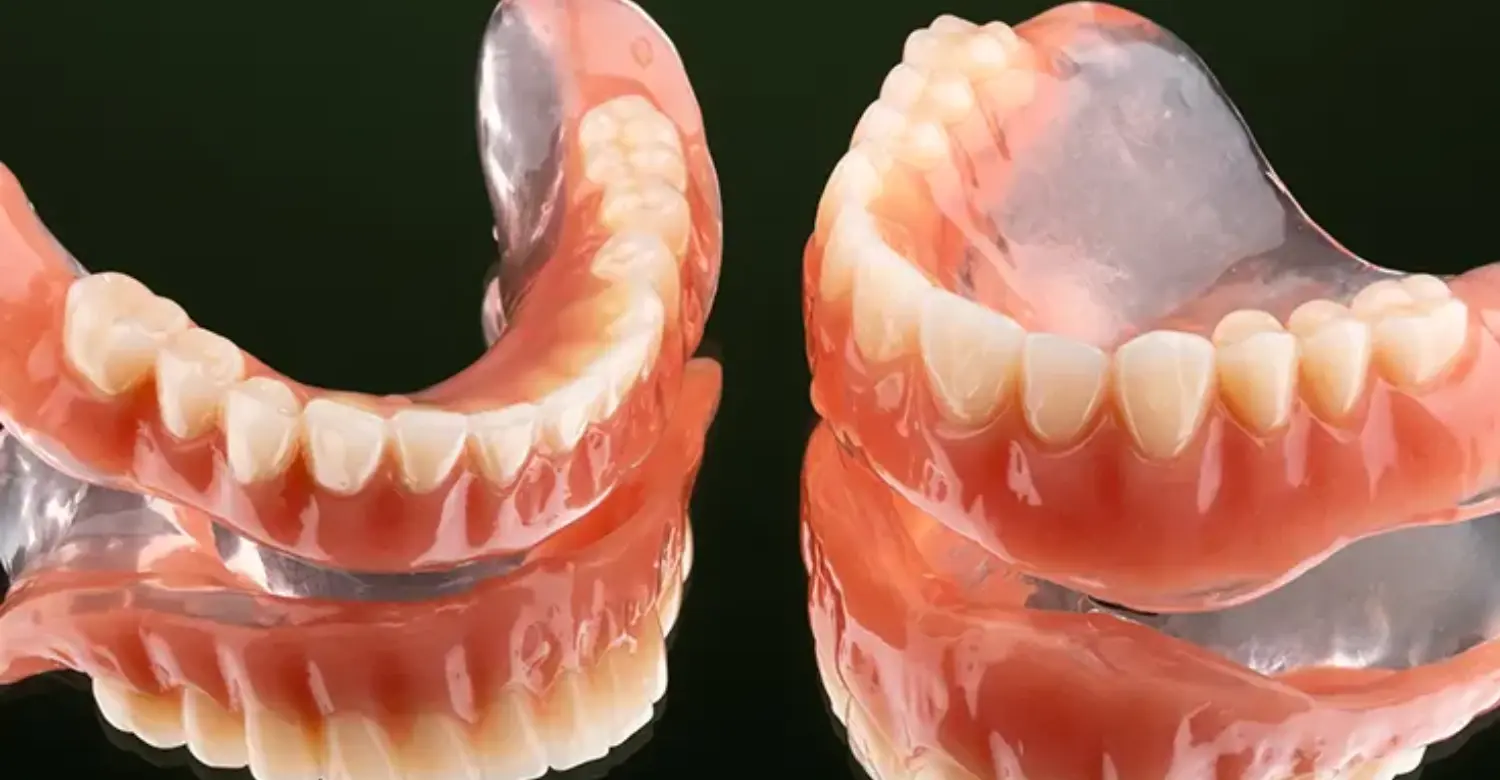
Removable restorations can be taken out for cleaning and sleep. Complete dentures replace all teeth in an arch. Partial dentures replace some teeth while keeping others. These options are affordable for extensive tooth loss. They do not require surgery. They can be adjusted or relined as gums change. They restore function and looks, but need adaptation and care.
What is the difference between full and partial dentures?
Full dentures replace all teeth in an entire arch. They rest on gums and stay in place with suction or adhesives. Partial dentures replace some missing teeth. They clasp onto remaining natural teeth for support. Full dentures are needed when no natural teeth remain. Partial dentures preserve existing teeth. Partial dentures have metal or acrylic frameworks. Full dentures consist of acrylic bases with prosthetic teeth.
Can dentures improve chewing and speech?
Yes, well-fitted dentures improve both. They restore bite relationships. This lets patients eat a varied diet. Some adjustment period is normal. They also restore tooth contacts for clear speech. This eliminates whistling or slurring from gaps. However, dentures provide only 25–30% of natural chewing efficiency. Implant-supported dentures offer better stability and function.
How do I know if dentures are the right choice for me?
Dentures suit people who have lost most or all teeth. They are affordable and do not require surgery. Ideal candidates have adequate bone and healthy gums. They are also good for those who cannot have implants. Medical conditions, bone loss, or budget may rule out surgery. However, implant-supported options preserve bone better. A prosthodontist can evaluate your situation. They will recommend the best treatment for your needs.
Exploring Alternatives: Veneers and Inlays/Onlays
Full crowns and implants are common. Yet less invasive options exist for certain cases. Porcelain veneers are ultra-thin shells. They bond to the front of teeth. They correct color, shape, or minor misalignment. They are ideal for cosmetic upgrades with minimal tooth reduction. Inlays and onlays are partial crowns. They fit when decay is too large for a filling. But the tooth is not damaged enough for a full crown. Inlays fit within the cusps. Onlays cover one or more cusps. Both are made of durable ceramic or composite resin. They preserve more natural tooth structure. Dr. Rifaat Al-Samman often recommends these conservative choices. Preserving healthy tooth tissue is a priority in modern dentistry.
Choosing Your Dental Destination
When considering treatment abroad, patients compare clinics in Türkiye, Hungary, Mexico, and Thailand. Türkiye has become a leading destination. It offers advanced technology, experienced specialists, and cost-effectiveness. Clinics like Vitrin Clinic in Istanbul provide comprehensive care. Dr. Rifaat Al-Samman leads the team there. He has extensive experience with international patients. Compared to Western clinics, Turkish centers often save 50–70%. Quality remains high. Still, research accreditation and patient reviews. Hungary and Mexico also have reputable clinics. Türkiye's central location and medical tourism infrastructure make it convenient.
Silver-Looking Dental Prosthetics
Silver-looking such prosthetic devices typically contain metal alloys used for strength, durability, and cost-effectiveness in tooth restorations. Understanding their composition helps patients know what materials are in their mouths, address potential allergy concerns, and make informed decisions about metal-free alternatives. This section explains how to identify these materials and explores metal-free options for those who prefer non-metallic restorations.
How to identify the composition of silver-looking prosthetics?
To identify the composition, review your dental records. The treating dentist should document the materials used. If records are unavailable, your dentist may identify materials through visual examination, X-rays, or referral to a dental laboratory. Common silver-looking materials include amalgam, chrome-cobalt alloys, nickel-chromium alloys, palladium alloys, and stainless steel.
Are there metal-free alternatives?
Yes, metal-free options are widely available. All-ceramic materials like porcelain, zirconia, or composite resins offer natural translucency and eliminate concerns about metal show-through or allergies. Zirconia provides excellent strength for both front and back teeth. Flexible acrylic or nylon partial dentures avoid metal clasps. These alternatives benefit patients with metal sensitivities or those prioritizing a natural look.
Dental Prosthetic Services at Vitrin Clinic
Vitrin Clinic in Istanbul, Turkey, offers comprehensive prosthetic dental services. Our expert prosthodontists combine advanced technology with affordable pricing. This section explains the range of services, insurance coding, and why choosing Vitrin Clinic ensures exceptional results. We are a premier destination for international dental tourism, providing world-class treatment at accessible prices.
What types of prosthetic services are offered?
Vitrin Clinic provides a full spectrum of care. Services include crowns for damaged teeth, bridges for missing teeth, complete and partial dentures, dental implants, implant-supported restorations, veneers, inlays, onlays, and full-mouth reconstructions. Our prosthodontists handle everything from simple single-tooth restorations to complex rehabilitation cases. We offer both fixed and removable options using premium materials and advanced techniques.
Are dental implants and dentures included?
Yes, implants and dentures are core services. We provide surgical implant placement, implant-supported crowns and bridges, All-on-4/All-on-6 fixed dentures, conventional removable dentures, partial dentures with various frameworks, and implant-retained removable dentures. Our approach covers all tooth replacement needs, from single teeth to complete arch rehabilitation.
Prosthetic Dental Codes and Insurance
Understanding prosthetic dental codes and insurance coverage helps patients navigate costs and maximize benefits. This section explains how coding systems work for billing and reimbursement, plus typical coverage details. Knowing these administrative elements enables informed financial planning and helps you avoid unexpected expenses.
How do dental prosthetic codes work?
Dental prosthetic codes use the standardized CDT (Current Dental Terminology) system. Crown codes range from D2710 to D2799, depending on material and tooth type. Bridge codes include D6205–D6794 for pontics and retainers. Denture codes span D5110–D5899. Implant codes include D6010–D6199. Insurance companies use these codes to determine coverage, often classifying prosthetics as major services with specific reimbursement percentages and annual maximums.
Recognized Excellence
Vitrin Clinic and its medical team have earned recognition from various dental associations. Dr. Rifaat Al-Samman is an active member of several professional organizations and has been invited to speak at international conferences. The clinic has also received awards for excellence in medical tourism. These honors reflect our dedication to quality and patient care.
Why Choose Vitrin Clinic for Dental Prosthetics
Vitrin Clinic stands out for artificial teeth replacements through our combination of expertise, technology, quality, affordability, and comprehensive patient care. Our prosthodontists bring years of specialized training in complex restorative and cosmetic dentistry. We utilize state-of-the-art digital technology for diagnosis, planning, and fabrication. Premium materials ensure durability and aesthetics. Vitrin Clinic offers costs 60-70% lower than Western countries without compromising quality, making exceptional prosthetic services accessible through international dental tourism with coordinated travel arrangements.
How does Vitrin Clinic personalize treatment plans?
Vitrin Clinic personalizes treatment plans through comprehensive evaluation including detailed clinical examination, digital X-rays, 3D CBCT imaging, intraoral scanning, bite analysis, and thorough discussion of your goals, concerns, priorities, and budget. Our prosthodontists assess oral health, bone structure, gum condition, aesthetic requirements, functional needs, and lifestyle factors carefully. We present all suitable options with honest recommendations tailored specifically to you. Digital smile design allows visualization of expected results before treatment, ensuring informed decisions, satisfaction, and optimal personalized outcomes.
What advanced technology is used for prosthetic fabrication?
Vitrin Clinic employs advanced technology for prosthetic fabrication including digital intraoral scanners eliminating uncomfortable traditional impressions, 3D CBCT imaging for precise diagnosis and implant planning, CAD/CAM systems for computer-aided design and milling of crowns and bridges, digital smile design software for aesthetic planning, computer-guided implant surgery for accuracy, and high-strength ceramic milling machines creating durable zirconia restorations. These technologies enhance precision, comfort, efficiency, aesthetics, and predictable outcomes significantly compared to traditional analog methods.
Who Needs Dental Prosthetics?
Understanding who needs dental replacements involves recognizing common indications, benefits, and suitability factors. This section explores the most frequent reasons for needing them, how they improve aesthetics and confidence, their role in restoring function, and age considerations. Knowing who benefits most helps patients recognize when restorative treatment is appropriate for their oral health, quality of life, and overall well-being requiring professional prosthodontic intervention.
What are the most common reasons for needing prosthetics?
The most common reasons include tooth loss from decay, gum disease, trauma, or congenital absence requiring replacement; severely damaged teeth from large cavities, fractures, or failed root canals needing crowns; extensive wear from grinding requiring rehabilitation; discolored or misshapen teeth affecting aesthetics; multiple missing teeth causing functional problems; and complete tooth loss necessitating dentures. These restorations restore function, prevent complications from missing teeth, and improve appearance significantly enhancing quality of life.
Can dental prosthetics improve aesthetics and confidence?
Yes, they dramatically improve aesthetics and confidence by restoring complete, beautiful smiles with natural-looking artificial teeth. Custom-designed prosthetics match surrounding teeth in color, shape, and size creating seamless appearances. They eliminate embarrassing gaps, cover damaged teeth, correct misshapen teeth, and restore facial structure preventing sunken appearance from tooth loss. Patients report significantly increased confidence in social and professional situations, smiling freely without self-consciousness. Improved aesthetics positively impact self-esteem, relationships, career opportunities, and overall quality.
Can prosthetics help with functional issues like chewing and speech?
Yes, they effectively address functional issues by restoring proper chewing ability and clear speech impaired by missing or damaged teeth. Well-designed prosthetics distribute chewing forces evenly allowing patients to eat diverse foods comfortably and maintain proper nutrition. They restore tooth contacts necessary for clear speech, eliminating whistling, slurring, or pronunciation difficulties caused by gaps or damaged teeth. Functional restoration improves digestion, communication effectiveness, and overall quality of life significantly through comprehensive prosthodontic treatment.
Are dental prosthetics suitable for all ages?
They are suitable for most ages though specific considerations apply for different groups appropriately. Adults and seniors commonly receive them for tooth loss or damage from decay, gum disease, or trauma. Teenagers may receive crowns or bridges after permanent tooth eruption for congenitally missing teeth or injuries. Young children typically wait until growth completes except for space maintainers. Elderly patients benefit from dentures or implants when natural teeth fail. Age itself doesn’t disqualify candidates overall health and individual circumstances determine suitability.
Who Is a Good Candidate for Dental Prosthetics?
Good candidates generally have healthy gums, adequate remaining bone structure, and no uncontrolled conditions that would interfere with healing. Strong candidates typically include patients with one or more missing or severely damaged teeth, stable overall health, good oral hygiene habits, and realistic expectations about treatment timelines. For implant-based prosthetics specifically, sufficient jawbone density or a willingness to undergo bone grafting strengthens candidacy considerably.
Expert Insight
"Prosthetic dental work are not just about replacing missing teeth; they are about restoring function and self-esteem," says Dr. Rifaat Al-Samman, Director of the Medical Team at Vitrin Clinic. "Our approach combines meticulous planning with the latest digital technologies to ensure predictable, long-lasting results." Dr. Al-Samman, a general and aesthetic dentist with specialized training in prosthodontics, has dedicated his career to helping patients achieve optimal oral health. His philosophy, as he states, is that "every successful smile begins with an accurate diagnosis and a team committed to clinical excellence." This patient-centered mindset is reflected in the clinic's high satisfaction rates.
Specialized Training and Certifications
The prosthodontists at Vitrin Clinic are highly qualified, having completed advanced education in restorative and prosthetic dentistry. Dr. Rifaat Al-Samman, for instance, earned his Doctor of Dental Surgery degree from Izmir Katip Celebi University, where he received intensive training across all dental specialties, including fixed and removable prosthodontics. He has also pursued continuing education in digital smile design and implant prosthetics. Many team members hold certifications from international bodies and regularly attend workshops to stay abreast of the latest techniques. This commitment to professional development ensures that patients receive care that meets the highest international standards.
Who Should Avoid or Delay Dental Prosthetic Treatment?
Certain patients should delay or modify their treatment plan until underlying issues are addressed. This includes those with active, untreated gum disease, uncontrolled diabetes, or other systemic conditions affecting healing. These issues significantly increase the risk of complications. Heavy smokers face a higher risk of implant failure and should consider quitting before surgery. Patients with insufficient jawbone volume may need bone grafting first. Pregnant patients are typically advised to postpone elective surgical procedures like implant placement until after delivery. In all these cases, Vitrin Clinic recommends a thorough pre-treatment evaluation to determine the best course.
Materials Used in Dental Prosthetics
Material selection significantly impacts aesthetics, strength, durability, biocompatibility, and cost. This section examines common materials for crowns, bridges, and dentures. It helps patients choose between metal, ceramic, and composite options. It also discusses hypoallergenic alternatives. Understanding material properties enables informed decisions based on location, functional demands, aesthetic requirements, allergies, and budget. This leads to optimal long-term satisfaction and success with restorations.
What materials are commonly used for crowns, bridges, and dentures?
Common materials include porcelain (ceramic) for excellent aesthetics, zirconia for superior strength with good appearance, and porcelain-fused-to-metal (PFM) combining strength with aesthetics. Gold alloys offer exceptional durability. Acrylic resin is used for denture bases and temporary restorations. Composite resins serve for tooth-colored fillings and some prosthetics. Titanium is used for implant fixtures. Material selection depends on restoration type, location, functional demands, aesthetic priorities, biocompatibility, and budget.
How to choose between metal, ceramic, and composite prosthetics?
Choosing between metal, ceramic, and composite options depends on several factors. For visible front teeth, choose all-ceramic or composite for superior aesthetics without metal show-through. For back teeth requiring maximum strength, select zirconia ceramics or metal prosthetics that withstand heavy chewing forces. Consider biocompatibility if metal allergies exist—choose ceramic or composite alternatives. Evaluate budget since all-ceramic and zirconia cost more than PFM or composite. Consult an experienced prosthodontist for personalized recommendations.
Are there hypoallergenic or metal-free options available?
Yes, hypoallergenic and metal-free options are widely available for patients with metal sensitivities or preferences. All-ceramic crowns and bridges use porcelain or zirconia exclusively, eliminating metal completely. Flexible nylon or acrylic partial dentures eliminate metal clasps. Composite resin restorations avoid metal content. Zirconia implant abutments replace metal posts. These metal-free prosthetics eliminate allergy concerns, galvanic reactions, metallic taste, and metal show-through at gum lines. They provide excellent biocompatibility, natural aesthetics, and adequate strength for most applications.
Procedure and Recovery
Understanding dental prosthetic procedures and recovery helps patients prepare mentally and physically. This section explains the step-by-step processes, treatment timelines, pain considerations, recovery expectations, and potential complications. Knowing what to expect reduces anxiety and enables patients to follow post-treatment instructions properly. This ensures optimal healing, comfort, and long-term success with various restorations, from simple crowns to complex implant-supported rehabilitations.
What is the step-by-step process for getting dental prosthetics?
The process begins with a comprehensive examination, including X-rays, impressions, and treatment planning. First appointments involve tooth preparation (if needed), impressions using digital scanners or traditional materials, shade selection, and temporary prosthetic placement. Laboratory fabrication takes 1-3 weeks to create the custom permanent prosthetic. Final appointments involve removing temporaries, trying on the permanent prosthetic, checking fit and aesthetics, making adjustments, and permanently cementing or placing the restoration. Bite verification ensures comfort and function.
How long does the procedure take?
Dental prosthetic procedures typically require 2-4 appointments over 2-6 weeks, depending on complexity. Single crowns need two visits over 2-3 weeks. Bridges require similar timelines. Complete dentures take 4-6 weeks with multiple fittings. Dental implants require 3-6 months for osseointegration between surgery and final prosthetic placement. Complex full-mouth reconstructions may take several months. Some clinics offer same-day crowns using CAD/CAM technology, completing treatment in one visit. However, traditional methods ensure optimal fit and aesthetics.
Is the procedure painful?
Dental prosthetic procedures involve minimal pain since local anesthesia numbs the treatment area completely during tooth preparation, impressions, and placement. Most patients experience no discomfort during procedures, only pressure sensations. Mild soreness may occur after anesthesia wears off but typically resolves within days using over-the-counter pain relievers. Temporary sensitivity to temperature or pressure is normal initially but subsides quickly. Implant surgery causes more post-operative discomfort than crowns, but it remains manageable with prescribed medications and proper care.
Understanding Potential Risks
As with any medical procedure, these dental aids carry some risks. Nerve damage can occur during implant placement, especially in the lower jaw, leading to temporary or permanent numbness in the lip, chin, or tongue. However, with advanced imaging and careful planning, the risk is minimized. Implant failure—where the implant does not fuse with the bone—happens in about 5-10% of cases, often due to poor bone quality, smoking, or systemic conditions like diabetes. Early detection and proper aftercare are crucial. Dr. Rifaat Al-Samman emphasizes that thorough pre-operative assessments and adherence to post-operative instructions significantly reduce these risks. Patients should be fully informed of all potential complications before consenting to treatment.
What is recovery like after implants, crowns, or dentures?
Recovery after these oral appliances varies by type. Crowns and bridges cause minimal disruption, with mild sensitivity for a few days. Denture adaptation takes 2–4 weeks. You may need time to learn to eat and speak comfortably. Initial soreness resolves as your gums adapt.
Dental implant recovery involves several days of swelling and discomfort after surgery. Then, 3–6 months are needed for bone integration before the final prosthetic placement. Follow your care instructions, including eating soft foods initially and maintaining proper oral hygiene. Attend follow-up appointments to ensure optimal healing and function.
Are there risks or complications to be aware of?
Risks and complications are relatively uncommon. They include tooth sensitivity, decay on prepared teeth if hygiene is inadequate, and gum disease around restorations. Cement failure can cause loosening. Porcelain may fracture or chip. Allergic reactions to materials are rare. Nerve damage during preparation is extremely rare. Implant failure occurs in 2–5% of cases. Denture sores can develop from poor fit.
Most complications are preventable through proper design, placement, and material selection. Diligent oral hygiene and regular professional care help identify problems early.
Clinical Success Rates of Dental Prosthetics
Clinical success rates vary across prosthetic types. Reviewing published data helps set realistic expectations before treatment.
• Dental implants show survival rates of approximately 95%–98% at five years. Long-term data from the International Team for Implantology (ITI) reports cumulative survival rates of 95.4% at 5 years and 92.8% at 10 years for implants supporting fixed partial dentures.
• Implant-supported full-arch bridges (such as All-on-4 / All-on-6) show success rates exceeding 98% for the implants themselves at the 10-year mark. The prosthetic bridgework itself shows 90%–95% success over the same period.
• Traditional tooth-supported bridges show 10-year survival rates ranging from 79% to 94%, depending on material and abutment tooth health. The American Dental Association cites an average lifespan of approximately 10.1 years.
• Porcelain laminate veneers, often used alongside prosthetic treatment plans, show a 10-year cumulative survival rate of 95.5% in large systematic reviews.
• Removable partial dentures show 5-year survival rates around 88%–94%, depending on design. Longevity is strongly influenced by the number and condition of remaining abutment teeth.
These figures represent averages from international clinical literature. Individual outcomes depend on oral hygiene, bone quality, smoking status, and how closely patients follow post-treatment care instructions. Vitrin Clinic discusses prosthetic-specific success expectations during the consultation, based on each patient's clinical presentation.
Costs and Maintenance
Understanding costs and maintenance helps patients budget appropriately and care for restorations properly. This section examines pricing, insurance coverage, daily care routines, adjustment schedules, and longevity expectations. Knowledge of financial and maintenance aspects enables informed decision-making. Proper care ensures long-lasting, functional, beautiful results from prosthetic treatments at Vitrin Clinic, with affordable international dental tourism options.
How much do such restorations cost?
Costs vary significantly by type, materials, complexity, and location. In the United States, crowns cost $1,000-$3,500, bridges $2,000-$5,000 per tooth, complete dentures $1,500-$4,000, partial dentures $1,000-$3,000, and dental implants with crowns $3,000-$6,000 per tooth. At Vitrin Clinic in Istanbul, Turkey, costs are lower: crowns $200-$600, bridges $400-$1,200, dentures $400-$1,000, and implants $800-$1,500, while maintaining exceptional quality standards and expert prosthodontic care.
Does insurance cover tooth prostheses?
Most dental insurance plans provide partial coverage for these restorations, typically covering 50-80% of costs after deductibles for major restorative procedures, within annual maximum limits. Crown and bridge coverage usually ranges 50-60%. Denture coverage often reaches 50-80%. Many plans exclude or provide limited implant coverage. Waiting periods of 6-12 months may apply for major services. Pre-authorization is typically required. Coverage varies significantly by plan type. Review your specific policy details with your insurance provider before treatment to understand benefits and out-of-pocket expenses.
How do I care for my these oral appliances daily?
Care for your restorations daily by brushing twice with a soft-bristled toothbrush and fluoride toothpaste, cleaning all surfaces meticulously. For fixed prosthetics, floss carefully using threaders or water flossers to clean around crowns and under bridges. For removable dentures, remove and brush them daily, soak them overnight in denture solutions, and clean your gums and remaining teeth. Avoid abrasive cleaners on prosthetics. Use antibacterial mouthwash to reduce bacteria. Avoid hard foods that can damage restorations. Proper daily care prevents decay, gum disease, and prosthetic failure, ensuring longevity.
Financing Your Dental Treatment
Understanding the cost is important, but so is knowing how to manage it. Many dental clinics, including Vitrin Clinic, offer flexible financing options and payment plans to make treatment more accessible. Patients can often pay in installments over several months, either through the clinic's internal plans or third-party medical credit providers. Additionally, some international patients use medical tourism packages that bundle treatment with travel and accommodation. It's advisable to discuss financial arrangements during your initial consultation. The team works with patients to create transparent cost estimates and explore all available payment methods, ensuring that financial constraints do not hinder access to quality dental care.
How often should I visit Vitrin Clinic for adjustments?
Visit Vitrin Clinic for regular checkups every six months to ensure your restorations remain functional and healthy. Initial post-placement appointments occur within 1-2 weeks to check fit and comfort. New denture wearers need more frequent visits during adaptation periods for adjustments and relines. Annual examinations assess prosthetic condition, underlying tooth health, and gum tissues. Professional cleanings remove calculus buildup. Immediate appointments are necessary if loosening, pain, or damage occurs. Regular maintenance visits identify problems early, preventing major complications and maximizing longevity.
Can such prosthetic devices last a lifetime?
These restorations typically don’t last a lifetime but provide many years of service with proper care and maintenance. Crowns and bridges last 10-15 years on average, often 15-20+ years with excellent care. Dentures require replacement or relining every 5-10 years as gums and bones change. Dental implants can last 20+ years or a lifetime, though the crowns attached to them need replacement every 10-15 years. No prosthetic truly lasts forever; materials wear, oral structures change, and eventual replacement becomes necessary. Quality prosthetics with excellent maintenance provide decades of reliable function.
Choosing the Right Dental Prosthetic at Vitrin Clinic
Selecting the optimal prosthetic requires expert evaluation, comprehensive treatment planning, and patient education. This section explains how Vitrin Clinic determines the best option for each patient, discusses switching between types, and describes strategies for ensuring long-term comfort and durability. Our personalized approach combines clinical expertise with patient priorities, advanced technology, and quality materials, ensuring each person receives ideal restorations for their unique needs, circumstances, and goals.
How to Choose the Right Dental Prosthetic Based on Your Condition
The right choice depends primarily on how many teeth are missing or damaged, the condition of surrounding teeth and bone, and your personal priorities around cost, timeline, and longevity.
• A single damaged but salvageable tooth typically calls for a dental crown.
• One or a few missing teeth with healthy adjacent teeth can often be restored with a dental bridge or a single dental implant, depending on bone availability and budget.
• Several missing teeth in a row are frequently best addressed with an implant-supported bridge, which avoids relying on natural teeth for support.
• Most or all teeth missing in an arch typically calls for a choice between conventional dentures, implant-supported dentures, or full-arch solutions like All-on-4 or All-on-6, depending on bone volume and budget.
• Patients prioritizing bone preservation and longevity should weigh implant-based options more heavily, even at a higher upfront cost.
• Patients with limited bone, certain health conditions, or budget constraints are often better suited to bridges or dentures as a first step, with the option to transition toward implants later if circumstances change.
At Vitrin Clinic, this decision is finalized only after digital X-rays, 3D CBCT imaging, and a full clinical evaluation, ensuring the recommended prosthetic matches each patient's specific oral condition rather than a generic recommendation.
How does Vitrin Clinic determine the best prosthetic for each patient?
Vitrin Clinic determines the best option through a comprehensive evaluation, including detailed clinical examination, digital X-rays, 3D CBCT imaging when appropriate, intraoral scanning, bite analysis, aesthetic assessment, and thorough discussion of your goals, concerns, priorities, lifestyle, and budget. Our prosthodontists evaluate tooth condition, bone structure, gum health, occlusion, jaw relationships, aesthetic requirements, and functional needs. We present all suitable options with honest recommendations tailored specifically to you, using digital smile design for visualization, ensuring informed decisions and optimal personalized outcomes.
Can I switch types of prosthetics later if needed?
Yes, patients can switch between prosthetic types later when circumstances change or preferences evolve. Crowns can be replaced with implants if the tooth deteriorates. Traditional dentures can be converted to implant-supported versions for added stability. Removable partial dentures can be replaced with fixed bridges or implants. However, some transitions require additional procedures; switching from bridges to implants needs implant surgery and healing time. Vitrin Clinic evaluates existing prosthetics and oral conditions, recommending optimal solutions when switching becomes appropriate for improved function, comfort, or aesthetics.
How do I ensure long-term comfort and durability?
Ensure long-term comfort and durability through excellent oral hygiene, including thorough daily brushing, flossing with specialized tools for fixed prosthetics, and proper denture cleaning. Attend regular six-month professional checkups and cleanings. Avoid habits that damage prosthetics, like chewing ice, nail-biting, or using teeth as tools. Wear nightguards if you grind your teeth. Address any discomfort, looseness, or damage immediately rather than waiting. Choose quality materials and experienced prosthodontists like Vitrin Clinic to ensure proper initial design, fabrication, and placement for optimal long-term success.
Lifestyle and Function with Artificial teeth replacements
Living with these restorations involves some adjustments and considerations for optimal function and longevity. This section addresses common lifestyle questions about eating, speech, taste, confidence, and activity restrictions. Understanding these practical aspects helps patients adapt quickly to their restorations and maintain them properly for years of comfortable, confident use. Well-designed prosthetics should enhance rather than limit your lifestyle when properly fabricated, placed, and maintained throughout their service life.
Can I eat normally with dentures or implants?
You can eat most foods with these restorations after adjustment periods, though specific considerations apply. Implant-supported prosthetics function most like natural teeth, allowing normal diets with few restrictions. Fixed bridges enable eating most foods comfortably, avoiding extremely hard items. Conventional removable dentures require more adaptation, starting with soft foods, cutting items into smaller pieces, and avoiding very hard or sticky foods. Implant-supported dentures offer significantly better chewing function than conventional dentures. Overall, dental replacements restore substantial chewing ability, improving nutrition and dining enjoyment.
Will prosthetics affect speech or taste?
These restorations typically don’t significantly affect speech or taste after brief adjustment periods of several days to weeks. Initial awareness may cause temporary speech changes as your tongue adapts to their presence and learns new positioning. Practice speaking, reading aloud, and repeating difficult words accelerates adaptation. Fixed prosthetics like crowns and bridges rarely affect speech. Dentures, especially upper dentures covering the palate, may initially affect taste sensitivity, though most patients adapt quickly. Properly designed prosthetics minimize bulk, ensuring comfort and natural function with minimal long-term impact.
Can prosthetics improve confidence and social life?
Yes, these dental replacements dramatically improve confidence and social life by restoring complete, beautiful smiles, enabling people to interact freely without self-consciousness. Patients report feeling more confident in professional settings, social gatherings, dating situations, and intimate relationships after tooth replacement. They eliminate embarrassment about missing or damaged teeth, allowing people to smile, laugh, eat, and speak confidently. Restored appearance and function positively impact self-esteem, relationships, career opportunities, and overall quality of life, significantly enhancing social interactions and personal satisfaction.
Are there restrictions on foods or activities after treatment?
After treatment, eat soft foods for 24-48 hours while cements harden and tissues heal. Permanent precautions include avoiding extremely hard foods like ice, hard candies, or nutshells that could damage the restorations. Minimize sticky foods that could dislodge them. If you play contact sports, wear custom mouthguards to protect both natural teeth and prosthetics from trauma. New denture wearers need several weeks to adapt to eating and speaking comfortably. Otherwise, no significant activity restrictions exist, allowing full participation in work, exercise, hobbies, and recreational activities.
Questions to Ask Your Dentist Before Dental Prosthetic Treatment
Coming prepared with the right questions helps ensure a treatment plan that matches your needs and expectations. Patients considering prosthetic dental work at Vitrin Clinic are encouraged to ask:
• Which type of dental prosthetic is most appropriate for my specific case, and why?
• What is the expected success rate for this particular prosthetic in my situation?
• How many appointments will treatment require, and what is the realistic total timeline?
• What materials will be used, and are metal-free alternatives available?
• What are the most common risks or complications for this specific procedure?
• How long is the prosthetic expected to last, and what factors could shorten or extend that lifespan?
• What is the full cost, and does it include follow-up visits, adjustments, or potential complications?
• What happens if the prosthetic needs to be replaced, adjusted, or if a complication occurs after I return home?
Real Patient Results: Before & After These dental aids at Vitrin Clinic
Seeing real treatment outcomes helps set accurate expectations for what these restorations can achieve. Vitrin Clinic's Before & After gallery (vitrinclinic.com/before-after) documents actual patient cases across crowns, bridges, dentures, and implant-supported restorations, showing the functional and aesthetic transformation achieved through personalized treatment planning. Patients considering treatment are encouraged to review relevant case examples and ask about outcomes for cases similar to their own during their free consultation.
Real Patient Experiences
A 54-year-old patient from Germany presented with severe tooth wear and multiple missing teeth. After a comprehensive evaluation, Dr. Rifaat Al-Samman and his team planned a full-mouth rehabilitation using implant-supported bridges and zirconia crowns. The treatment was completed over several visits, and the patient reported a dramatic improvement in chewing function and confidence. "I never thought I could smile again without embarrassment," the patient shared. "The team made me feel comfortable throughout, and the results are beyond my expectations."
Another patient, Sarah from the UK, came for a smile makeover. She shared, "I came to Vitrin Clinic for a Hollywood Smile makeover. Dr. Al-Samman listened to my concerns and designed a natural-looking smile that fits my face. The veneers look flawless, and the whole experience was smooth and professional. I highly recommend their expertise."
Our Commitment: Guarantees and Warranties
We stand behind the quality of our such restorations. Vitrin Clinic offers a warranty on all prosthetic work, covering materials and laboratory fabrication for a specified period. Dental implants come with a manufacturer's warranty as well. If any issues arise related to the craftsmanship of your prosthetics, we will repair or replace them at no additional cost within the warranty period. This guarantee reflects our confidence in our work and our dedication to your long-term satisfaction. Be sure to ask our team for detailed warranty terms during your consultation.
Clinical Insights: What Patients Often Overlook
Beyond the standard treatment information, a few practical insights consistently shape how successfully patients adapt to and benefit from these restorations long-term:
• Material choice matters more for back teeth than front teeth. Zirconia and metal-based options handle chewing forces better in molars, while ceramics matter most aesthetically for visible front teeth.
• The biggest predictor of implant success isn't the implant brand, but bone quality and gum health at the time of placement. Patients with well-managed periodontal health consistently see stronger long-term outcomes.
• Removable prosthetics often fail not from the device itself, but from inconsistent daily cleaning routines. Patients who skip the recommended soaking and brushing schedule see far more denture-related complications.
• Smokers face a measurably higher implant failure risk than non-smokers, particularly in the upper jaw, making smoking cessation one of the highest-impact steps a patient can take before surgery.
• Patients who switch prosthetic types later in life (for example, moving from a traditional bridge to an implant) typically do so not because the original prosthetic failed, but because they want the bone-preserving benefits implants offer over time.
• A second opinion before committing to a treatment plan is increasingly common among international patients, and Vitrin Clinic's digital smile design previews allow patients to visualize outcomes before finalizing a decision, reducing this uncertainty upfront.
These insights are drawn from patterns observed across international clinical literature and everyday patient consultations, and are intended to help readers ask more informed questions and set realistic expectations before committing to treatment.
A Patient's Journey: From Consultation to New Smile
John, a 45-year-old from Canada, had been struggling with missing molars for years. He decided to seek treatment abroad after researching options. "I was nervous about traveling for dental work, but the virtual consultation with Dr. Al-Samman put me at ease," he recalls. "They explained every step and provided a detailed plan."
Upon arrival in Istanbul, John underwent implant placement and received temporary crowns the same day. Over the next week, he enjoyed the city while his permanent zirconia crowns were being fabricated. "The final result was amazing. I can eat anything, and my smile looks completely natural. The follow-up care was excellent, even after I returned home."
Stories like John's highlight the transformative impact of tooth prostheses and the importance of choosing a skilled, communicative team.
A Track Record of Excellence
Vitrin Clinic has been serving international patients for over a decade, with a team that has successfully completed thousands of dental procedures. Under the leadership of Dr. Rifaat Al-Samman, who has personally overseen thousands of complex rehabilitation cases, the clinic has become a trusted name in dental tourism.
From single implants to full-mouth reconstructions, the clinic's experience spans a wide range of treatments. This depth of experience ensures that patients receive care that is both evidence-based and refined through years of practice. When you choose Vitrin Clinic, you benefit from a team that has seen and solved a multitude of dental challenges, giving you confidence in your treatment outcome.
Your Privacy Matters
At Vitrin Clinic, we understand the importance of protecting your personal and medical information. We adhere to strict data protection regulations, including GDPR, and employ secure systems to safeguard your data. All patient records are confidential and only accessible to authorized medical personnel.
We never share your information with third parties without your explicit consent. For more details, please review our privacy policy or contact our patient coordinators. Your trust is paramount, and we are committed to maintaining the highest standards of data security.
Conclusion
These oral appliances offer proven, comprehensive solutions for replacing missing or damaged teeth, restoring oral health, function, and aesthetics effectively. This complete guide has covered everything from prosthetic types and materials to procedures, costs, and maintenance requirements. Whether you choose crowns, bridges, dentures, or implants, proper care ensures years of reliable service. Vitrin Clinic combines expertise, advanced technology, and affordability making exceptional dental prosthetic services accessible to everyone through international dental tourism.
Recap benefits of such prosthetic devices for aesthetics, function, and health.
These oral appliances provide numerous benefits including restoring chewing ability for proper nutrition, improving speech clarity, preventing remaining teeth from shifting, maintaining facial structure, enhancing smile aesthetics for greater confidence, distributing bite forces properly, and offering various options from conservative to comprehensive solutions. Fixed and removable such prosthetic devices address diverse tooth replacement needs with proven success. Quality prosthetics combined with proper maintenance deliver years of reliable function, health benefits, and aesthetic improvements that positively impact quality of life, self-esteem, and overall well-being significantly.
Encourage readers to schedule a consultation at Vitrin Clinic for personalized advice.
Schedule a consultation at Vitrin Clinic to explore personalized dental prosthetic options tailored to your unique needs, goals, and budget. Our expert prosthodontic team in Istanbul, Turkey provides comprehensive evaluation, honest recommendations, and exceptional care at prices 60-70% lower than Western countries without compromising quality. Contact Vitrin Clinic today to discuss crowns, bridges, dentures, implants, or complex rehabilitations and begin your journey toward a complete, beautiful, healthy, functional smile with confidence, comfort, and outstanding results.
Insights:
This article draws on internationally recognized clinical and academic sources, including:
• International Team for Implantology (ITI), Consensus Statement on Implant Survival and Complications — academy.iti.org
• American Academy of Implant Dentistry (AAID) — aaid-implant.org
• European Association for Osseointegration (EAO) — eao.org
• Morimoto S et al., Long-Term Survival and Complication Rates of Porcelain Laminate Veneers — PMC, 2021
• Frisch E et al., Long-term results of implants and implant-supported prostheses under systematic supportive implant therapy: A retrospective 25-year study — Clinical Implant Dentistry and Related Research, 2020
• National survey, Ten-year survival of bridges placed in the General Dental Services in England and Wales — Journal of Dentistry / ScienceDirect
Reference
These oral appliances refers to custom-made dental restorations used to replace missing or damaged teeth, restoring both function and appearance. Understanding Artificial teeth replacements includes learning about options such as dentures, dental crowns, bridges, implants, and implant-supported restorations, helping patients regain a healthy, natural-looking smile and improved oral function.
ITI Consensus Statement — Implant Survival and Complications
Morimoto et al., Long-Term Survival of Porcelain Laminate Veneers — PMC
Frisch et al., 25-Year Retrospective Study — Clinical Implant Dentistry and Related Research
Ten-year survival of bridges in England and Wales — ScienceDirect
Dental Bridge vs Implant Longevity (10-year bridge survival range)
Implant Supported Bridge Success Rates & Longevity (All-on-4/6 data)
FAQs
Dr. Rifat Alsaman has more than 5 years of clinical experience in dentistry and currently serves as the Head of the Medical Team at Vitrin Clinic. He is dedicated to providing exceptional patient care, overseeing treatment planning, and ensuring the highest clinical standards across the team. His expertise, attention to detail, and commitment to continuous professional development have helped countless patients achieve healthier, more confident smiles.


