Dental Implant
January 20, 2026
Denture Procedures: Complete Guide to Restoring Your Smile

Denture procedures represent transformative dental treatments that replace missing teeth with custom-designed prosthetic devices. These comprehensive treatments restore essential oral functions including chewing, speaking, and smiling confidently. Modern solutions utilize advanced technology and materials to create natural-looking, comfortable results. Whether requiring partial or complete tooth replacement, denture procedures offer personalized approaches tailored to individual needs and lifestyle preferences.
What Are Denture Procedures?
Denture procedures encompass all clinical steps involved in designing, creating, and fitting removable or fixed prosthetic teeth. These treatments address tooth loss through systematic assessment, precise measurement, custom fabrication, and careful adjustment. The process combines dental expertise with laboratory craftsmanship to produce functional, aesthetic results. Professional denture surgery may accompany these procedures when tooth extractions or implant placements are necessary for optimal outcomes.
Definition of Denture Procedures
Denture procedures follow a step-by-step process of creating and fitting custom dentures to replace missing teeth. These treatments can provide partial or full-mouth solutions depending on patient needs. Professional care improves chewing ability, speech clarity, and smile aesthetics significantly. The systematic approach ensures each patient receives properly fitted, comfortable dentures that restore confidence and oral functionality effectively.
How Missing Teeth Affect Denture Procedures
Missing teeth cause significant changes in jawbone density and gum structure over time. These alterations directly impact denture procedures, requiring customized fitting approaches to ensure stability and comfort. Treatment must account for bone resorption patterns and tissue changes. Patients experiencing bone or gum concerns have multiple options available, including bone grafting or implant-supported solutions, ensuring successful outcomes regardless of oral conditions.
Types of Dentures and Related Surgeries
Various denture procedures exist to accommodate different levels of tooth loss and patient preferences. Understanding available options helps patients select appropriate denture surgery and fitting approaches. Each type offers distinct advantages regarding stability, maintenance, and comfort. From traditional removable dentures to advanced implant-supported solutions, modern treatments provide comprehensive choices for restoring smiles effectively and naturally.
Traditional Removable Dentures
Traditional treatments create full or partial dentures that patients can easily remove and clean daily. These conventional options require proper fitting to prevent slipping during eating or speaking. Regular adjustments ensure continued comfort and functionality. Traditional removable dentures remain popular due to their affordability and non-invasive nature, making them accessible options for many patients seeking tooth replacement solutions.
Implant-Supported Dentures
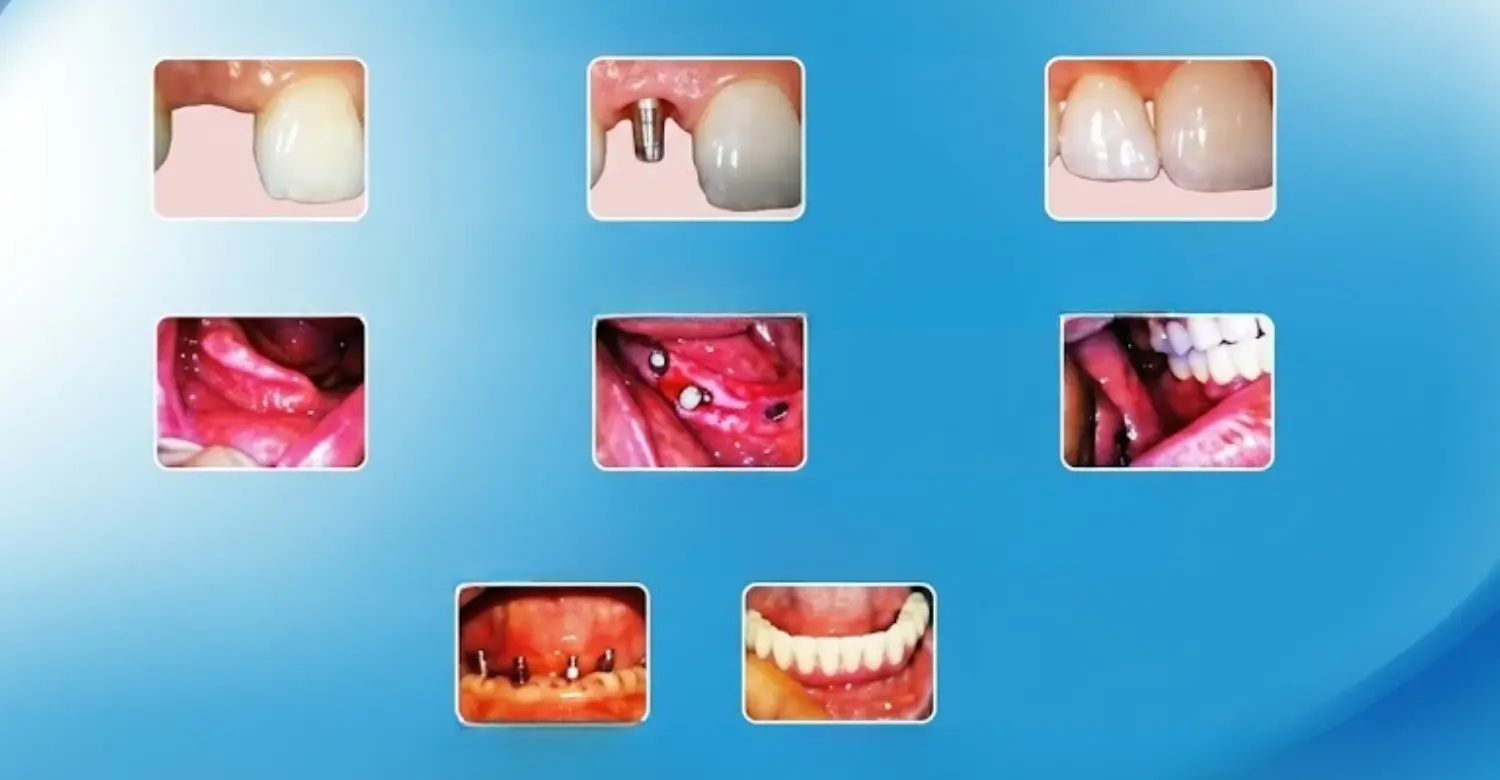
Implant-supported denture procedures combine dental implants with prosthetic teeth for superior stability. These advanced treatments create dentures that snap onto surgically placed implants securely. Implant-supported options can be fixed permanently or designed removable for cleaning convenience. Denture surgery for implant placement provides long-lasting foundations, making these treatments ideal for patients seeking permanent, stable tooth replacement solutions.
Immediate Dentures
Immediate denture procedures involve placing temporary dentures immediately after tooth extraction during the same appointment. These treatments provide instant tooth replacement while gums heal completely. Immediate dentures serve as temporary solutions during the healing period following denture surgery. Custom adjustments are required as tissues change shape, ensuring proper long-term fit. These options prevent patients from experiencing extended periods without teeth.
Overdentures
Overdenture treatments create prosthetic devices that fit over existing natural teeth or dental implants strategically. These specialized options preserve valuable jawbone structure and maintain oral foundation. Overdentures offer increased comfort and improved chewing efficiency compared to traditional alternatives. By retaining some natural tooth roots or implants, these solutions provide enhanced stability while preventing extensive bone loss over time. Advanced procedures include fitting dentures without gums for superior comfort
The Wax Try-In Stage: Previewing Your Smile Before Custom Fabrication
The wax try-in stage is one of the most important steps in denture procedures because it allows both the patient and the dental team to evaluate the appearance and function of the dentures before they are permanently fabricated. During this appointment, a temporary wax model with artificial teeth is placed in the mouth to check the smile, bite, comfort, and facial support. This gives patients the opportunity to see how their new smile will look and request changes before the final denture is processed.
Why the Wax Try-In Is an Essential Step
The wax try in the dentures stage is one of the most important parts of modern denture procedures. Before the final dentures are processed, patients wear a wax version that allows both the dentist and the patient to evaluate tooth shape, smile line, bite, facial support, and overall appearance. This stage minimizes surprises and provides an opportunity to make adjustments before the dentures become permanent.
At Vitrin Clinic, every wax try-in appointment is carefully evaluated to ensure the final prosthesis complements the patient's facial features while providing comfortable function and a natural-looking smile.
What Is Checked During the Wax Try-In?
During the appointment, the dental team evaluates:
Tooth color and shape
Smile symmetry
Lip support
Bite alignment
Midline position
Speech pronunciation
Overall facial aesthetics
The denture bite registration wax model is also verified to ensure proper jaw alignment before laboratory processing.
Dr. Rifat Alsaman's Clinical Opinion
According to Dr. Rifat Alsaman, Head of the Medical Team at Vitrin Clinic, the wax try-in stage is where small adjustments make the biggest difference. He explains that correcting bite balance, smile proportions, and facial support before final fabrication significantly improves patient satisfaction while reducing the need for later modifications.
What We Notice Clinically
At Vitrin Clinic, patients who actively participate during the wax try-in appointment usually adapt more quickly to their final dentures. Discussing concerns about tooth position, smile appearance, or speech at this stage often prevents unnecessary remakes and creates a more personalized result.
Tips for Patients
Bring a family member or trusted friend to your wax try-in appointment. A second opinion about your smile can be valuable before the dentures are finalized. Don't hesitate to ask for adjustments if something feels uncomfortable or looks unnatural.
Clinical Note
Although the wax denture looks nearly complete, it is only a temporary model for evaluation. Final acrylic processing can slightly alter fit, making post-delivery adjustment appointments a normal part of successful denture treatment.
Step-by-Step Denture Procedure at Vitrin Clinic
Vitrin Clinic’s denture procedures follow systematic protocols ensuring optimal results for every patient. Our comprehensive approach to denture surgery and fitting combines advanced technology with personalized care. Each treatment stage receives careful attention, from initial assessment through final adjustments. Patients benefit from experienced specialists who prioritize comfort, functionality, and natural aesthetics throughout all treatments performed at our Istanbul facility.
Initial Consultation and Oral Assessment
Initial consultations begin with thorough evaluation of gum health and underlying bone condition. Dental specialists discuss available denture types and appropriate treatment options during assessment. Each patient receives a personalized plan at Vitrin Clinic tailored to individual needs. Comprehensive evaluation ensures denture procedures address specific oral conditions, medical history, and aesthetic goals effectively before treatment begins.
Preparing the Mouth
Preparatory denture surgery includes necessary tooth extractions to create optimal foundations for prosthetics. Following extractions, adequate healing periods allow tissues to stabilize before final fitting. This preparation phase ensures treatments achieve maximum comfort and stability. Proper mouth preparation prevents future complications and ensures dentures fit securely. Patients receive detailed post-extraction care instructions supporting successful healing.
Impressions and Denture Design
Precision work requires creating custom molds of gums and jaw structures using advanced impression materials. Dental technicians design dentures selecting appropriate colors and shapes for natural appearance matching facial features. These detailed steps ensure prosthetics blend seamlessly with patients’ smiles. Digital technology enhances accuracy during design phases, producing superior-fitting dentures that look authentic and feel comfortable throughout daily use.
Fitting and Adjustments
Professional fitting sessions ensure proper comfort, bite alignment, and denture stability. Initial placements allow specialists to assess functionality and make necessary modifications immediately. Follow-up appointments provide opportunities for fine-tuning as patients adapt to new dentures. These adjustment phases remain crucial components of successful denture procedures, guaranteeing long-term satisfaction and optimal oral function.
Long-Term Maintenance
Ongoing care includes daily cleaning routines and proper protocols maintaining prosthetic longevity. Regular dental check-ups prevent excessive wear or damage requiring premature replacement. Professional maintenance extends denture lifespan significantly while preserving oral health. Patients learn correct cleaning techniques and storage methods. Routine assessments during follow-up visits ensure treatments continue delivering excellent results years after initial placement.
Benefits of Denture Procedures
Professional denture procedures deliver numerous advantages beyond simple tooth replacement functionality. These comprehensive treatments restore confidence while improving overall quality of life significantly. Modern solutions address both functional and aesthetic concerns simultaneously. Patients experience renewed ability to enjoy favorite foods, speak clearly, and smile without self-consciousness. Understanding benefits helps individuals make informed decisions about pursuing tooth replacement options.
Restores Functionality
Effective treatments enable proper chewing of diverse foods and clear speech articulation. Well-fitted dentures prevent uneven wear on any remaining natural teeth. Professional care restores bite force distribution, reducing jaw strain and discomfort. Patients regain the ability to eat nutritious foods requiring adequate chewing. Functional restoration significantly improves nutritional intake and digestive health outcomes.
Improves Aesthetics
Quality denture procedures provide natural-looking teeth that restore confident smiles and youthful facial appearance. Custom-designed dentures support facial structure, reducing sagging associated with tooth loss. These aesthetic improvements enhance self-esteem and social interactions dramatically. Patients appear younger and more vibrant following successful denture surgery. Professional dentures blend seamlessly with natural features, creating authentic, beautiful smiles.
Preserves Oral Health
Strategic treatments maintain healthy gum tissue and prevent additional jawbone deterioration. Properly fitted dentures prevent shifting of remaining natural teeth into gaps. Care protects oral structures from further damage and degradation. Regular maintenance combined with professional dentures supports long-term oral health. Preventive benefits extend beyond tooth replacement, safeguarding overall dental wellness effectively.
Flexible Options
Modern denture procedures offer removable, fixed, or implant-supported options accommodating diverse patient preferences. Treatment plans are tailored to individual lifestyles, budgets, and oral health conditions. Solutions provide customizable approaches rather than one-size-fits-all methods. Patients choose options aligning with comfort priorities and maintenance preferences. This flexibility ensures treatments meet unique needs while delivering excellent functional and aesthetic results. We also specialize in fixed partial dentures for patients with healthy adjacent teeth
Why Traditional Dentures Cannot Prevent Progressive Jawbone Loss
Traditional dentures successfully replace missing teeth and restore chewing ability and appearance, but they cannot replace the function of natural tooth roots. After teeth are lost, the jawbone no longer receives the stimulation created by chewing through the roots, causing the bone to gradually shrink in a process known as bone resorption. This is why traditional dentures' bone loss progressive remains a common concern for long-term denture wearers.
As the jawbone changes over time, dentures may begin to feel loose, reduce chewing efficiency, and alter facial appearance by decreasing support for the lips and cheeks. Many patients eventually require denture relining, rebasing, or replacement to maintain a comfortable fit.
Understanding Bone Resorption After Tooth Loss
Traditional dentures successfully restore appearance and chewing ability, but they cannot replace the function of natural tooth roots. Without roots or implants to stimulate the jawbone, the bone gradually shrinks over time through a process called bone resorption.
This explains why many long-term denture wearers eventually notice changes in facial appearance, loose dentures, and reduced stability.
Why Does Jawbone Loss Continue?
Bone naturally responds to pressure generated by chewing through the roots of natural teeth. Once teeth are removed, this stimulation disappears, causing the body to slowly resorb unused bone.
As the jawbone changes, dentures often require:
Relining
Rebasing
Replacement
Frequent adjustments
Patients with significant bone loss may eventually become candidates for implant-supported dentures.
Modern Alternatives That Help Preserve Bone
Unlike traditional removable dentures, dental implants transfer chewing forces into the jawbone, helping reduce bone loss.
At Vitrin Clinic, patients receive comprehensive evaluations to determine whether conventional dentures or implant-supported options provide the best long-term solution based on bone quality, oral health, and lifestyle.
Dr. Rifat Alsaman's Clinical Opinion
Dr. Rifat Alsaman, Head of the Medical Team at Vitrin Clinic, explains that preserving jawbone volume should always be considered when planning tooth replacement. While conventional dentures remain an excellent option for many patients, implant-supported restorations often provide greater long-term stability and improved bone preservation.
What We Notice Clinically
Many patients believe loose dentures are caused by worn acrylic alone. In reality, ongoing jawbone remodeling is often the primary reason dentures gradually lose their fit, even when they are well maintained.
Tips for Patients
Schedule routine denture evaluations every year. Early relining or adjustments can improve comfort before significant looseness develops and may reduce irritation to the gums.
Clinical Note
Jawbone loss progresses most rapidly during the first year after tooth extraction but continues gradually throughout life. Regular dental examinations help monitor these changes and determine when denture adjustments or alternative treatments may be beneficial.
Limitations and Considerations
While denture procedures offer excellent tooth replacement solutions, certain limitations require careful consideration. Understanding potential challenges helps patients develop realistic expectations about denture surgery outcomes. Not all treatments suit every patient’s unique oral conditions or medical circumstances. Awareness of limitations allows informed decision-making and proper preparation. Discussing concerns with dental professionals ensures care proceeds with appropriate planning and realistic goals.
Not All Dentures Fit Every Patient
Existing bone or gum issues may complicate standard treatments, requiring modified approaches. Certain medical conditions affect healing processes following denture surgery or extractions. Patients with severe anatomical challenges need specialized care or alternative treatments. Comprehensive evaluation identifies potential obstacles before beginning work. Customized solutions ensure even complex cases achieve successful outcomes through adapted approaches.
Adjustment Period
Initial discomfort represents normal aspects as patients adapt to prosthetic teeth. New dentures may feel awkward initially, requiring patience during adjustment phases. Most treatments necessitate several follow-up visits achieving perfect fit and comfort. Speaking and eating patterns require practice following denture placement. Understanding that adjustment periods are standard helps patients persevere through temporary discomfort toward long-term satisfaction.
Cost Considerations
Implant-supported options typically cost more initially than traditional removable alternatives. However, long-term benefits often outweigh higher upfront investment in advanced denture surgery. Durable, stable dentures require fewer replacements and adjustments over time. Vitrin Clinic offers cost-effective denture procedures in Turkey, providing significant savings compared to Western countries. Quality shouldn’t be compromised despite budget constraints when choosing treatments.
See the heart and soul of the defense in Budda Baker’s Arizona Cardinals smile story
Who Is a Good Candidate for Dentures?
Successful denture procedures require appropriate candidate selection ensuring optimal treatment outcomes. Understanding ideal patient profiles helps determine whether denture surgery represents the best tooth replacement solution. Good candidates demonstrate commitment to oral hygiene and follow-up care essential for denture longevity. Evaluation of overall health, bone structure, and lifestyle factors influences recommendations. Consulting experienced specialists clarifies individual suitability for various options.
Ideal Candidates
Patients missing one or more teeth represent primary candidates for treatment. Individuals with healthy gums or manageable oral conditions achieve excellent denture outcomes. Commitment to daily oral hygiene and regular dental visits ensures success. Realistic expectations about adjustment periods and maintenance requirements characterize ideal candidates. Motivation to improve appearance and functionality drives satisfaction with results.
When Dentures May Not Be Recommended
Severe bone loss without adequate implant support may preclude certain treatments. Untreated gum disease or active oral infections require resolution before denture surgery proceeds. Certain systemic health issues complicate healing and success rates. Uncontrolled diabetes, bleeding disorders, or immune conditions may contraindicate immediate care. Addressing underlying problems first optimizes outcomes when patients eventually undergo treatment. Our most popular service is the All-on-4 implant dentures procedure
Learning to Eat and Speak Again: Practical Tips for Your Adjustment Period
Adjusting to new dentures is a gradual process that requires patience and consistent practice. During the first few weeks, your tongue, cheeks, lips, and jaw muscles must learn to work with the new appliance. Most patients adapt successfully by following simple techniques for how to eat with new dentures while practicing speech every day.
When eating, begin with soft foods such as eggs, yogurt, cooked vegetables, or pasta. Cut food into small pieces, chew slowly, and use both sides of your mouth at the same time to improve denture stability. As confidence increases, harder foods can gradually be reintroduced into the diet.
Speech may also feel different initially because the tongue needs time to adapt to the new shape of the dentures. Reading aloud, repeating difficult words, and practicing conversations are effective learning to speak with dentures tips that help restore clear pronunciation more quickly.
How Long Does It Take to Adapt?
Most patients require several weeks to adjust to new dentures. Learning how to eat with new dentures and regaining confidence while speaking are normal parts of the adaptation process.
Initially, the muscles of the cheeks, lips, and tongue need time to coordinate with the new appliance.
Tips for Eating With New Dentures
Patients usually adapt more comfortably by:
Starting with soft foods
Cutting food into small pieces
Chewing slowly
Using both sides of the mouth evenly
Avoiding sticky or very hard foods during the first weeks
These habits help improve stability while reducing pressure points.
Learning to Speak Naturally Again
Practicing speech aloud can accelerate adaptation.
Helpful exercises include:
Reading newspapers aloud
Repeating difficult words
Speaking slowly
Practicing in front of a mirror
These learning to speak with dentures tips help the tongue adjust to the new contours of the dentures.
Dr. Rifat Alsaman's Clinical Opinion
According to Dr. Rifat Alsaman, Head of the Medical Team at Vitrin Clinic, patience is one of the most important factors during the adjustment period. He emphasizes that small pressure areas, minor pronunciation changes, and increased saliva production are common early experiences and are usually resolved through follow-up adjustments rather than by stopping denture use.
What We Notice Clinically
Patients who wear their dentures consistently, follow dietary recommendations, and attend scheduled adjustment appointments generally adapt more quickly than those who remove their dentures frequently because of temporary discomfort.
Tips for Patients
Practice speaking for 10 to 15 minutes each day by reading aloud, and begin meals with soft, easy-to-chew foods. If sore spots persist for more than a few days, avoid attempting to adjust the dentures yourself and schedule a professional evaluation.
Clinical Note
Increased saliva production, mild soreness, and occasional difficulty pronouncing certain words are expected during the first few weeks of wearing new dentures. These symptoms usually improve as the oral tissues and muscles adapt, especially after any necessary adjustments by the dental team.
Denture Surgery at Vitrin Clinic
Vitrin Clinic specializes in comprehensive denture procedures combining technical excellence with compassionate patient care. Our Istanbul facility offers state-of-the-art denture surgery utilizing the latest technologies and materials. Experienced dental specialists perform treatments focusing on comfort, natural aesthetics, and long-term oral health. Patients receive personalized attention throughout all stages. Choosing Vitrin Clinic ensures access to international-quality care at affordable prices.
Why Choose Vitrin Clinic for Denture Procedures
Vitrin Clinic’s experienced team specializes in all types of denture surgery and prosthetic solutions. State-of-the-art technology ensures precision fitting and superior aesthetic results for every treatment. Our comprehensive approach focuses on patient comfort, beautiful aesthetics, and lasting oral health. Care at Vitrin Clinic combines European quality standards with Turkish affordability. Personalized attention distinguishes our denture surgery services from standard treatments.
Personalized Denture Design and Care
Every treatment at Vitrin Clinic produces custom-made prosthetics designed for natural aesthetics matching individual features. Ongoing support includes follow-up appointments ensuring continued comfort and functionality. Our personalized approach considers unique facial structures, preferences, and lifestyle needs. Patients receive comprehensive care instructions and unlimited consultations. This dedication to individualized service ensures denture surgery results exceed expectations consistently.
Discover the elite route-running in CeeDee Lamb’s Dallas Cowboys smile
Risks for Denture Procedures
Denture procedures are considered safe and have a high success rate when performed by experienced dental professionals. However, like any dental treatment, they may involve temporary side effects and long-term considerations. During the initial adjustment period, patients commonly experience mild soreness, increased saliva production, slight difficulty speaking, and changes in chewing efficiency. These effects usually improve within a few weeks as the mouth adapts to the new dentures.
Over time, poorly fitting dentures may cause gum irritation, pressure sores, reduced chewing ability, and changes in facial appearance due to progressive jawbone resorption. Inadequate cleaning can also increase the risk of bad breath, plaque buildup, and oral fungal infections. Regular dental visits and proper denture maintenance significantly reduce these risks and help ensure long-lasting comfort.
At Vitrin Clinic, every patient undergoes a comprehensive evaluation, precise denture fabrication, and ongoing follow-up care to minimize complications and optimize long-term outcomes. According to Dr. Rifat Alsaman, Head of the Medical Team at Vitrin Clinic and a cosmetic dentist, the key to successful denture treatment is combining accurate diagnosis, individualized care, and regular maintenance throughout the life of the dentures.
What We Notice Clinically
At Vitrin Clinic, patients who attend routine follow-up appointments and maintain good denture hygiene are less likely to experience persistent sore spots, infections, or premature denture instability. Consistent professional care plays a major role in long-term success.
Tips for Patients
Keep all scheduled review appointments, clean your dentures every day, remove them at night, and report any pain, looseness, or damage promptly. Early intervention helps prevent small issues from becoming more complex problems.
Clinical Note
Most denture-related complications are not caused by the dentures themselves but by normal changes in the oral tissues and jawbone over time. Regular evaluations and timely adjustments are essential for maintaining comfort, function, and oral health.
Denture Procedures in Turkey
Turkey has emerged as a premier destination for affordable, high-quality denture procedures attracting international patients. Advanced dental techniques and superior materials characterize Turkish denture surgery facilities. Experienced specialists perform treatments at costs 60-70% lower than Western Europe or North America. Combining care with travel creates opportunities for dental tourism experiences. Turkey’s reputation for excellent results continues growing among informed global patients.
Why Turkey Is a Leading Destination for Denture Surgery
Turkish dental clinics utilize advanced techniques and high-quality materials for all treatments. Experienced specialists trained internationally perform denture surgery achieving exceptional results. Cost-effective solutions make Turkey attractive for patients seeking affordable care without compromising quality. Modern facilities equipped with the latest technology ensure comfortable, efficient treatment experiences. Turkey’s combination of expertise and affordability positions it as the top choice.
Vitrin Clinic and International Patient Care
Vitrin Clinic provides comprehensive travel and accommodation support for international patients seeking denture procedures. Our dedicated team coordinates logistics, ensuring stress-free treatment experiences in Istanbul. High success rates with personalized treatment plans distinguish our denture surgery services. English-speaking coordinators assist throughout care, from initial consultation through follow-up. International patients receive premium service making Turkey an ideal destination for dental treatments.
When To Call the Doctor
While mild discomfort and increased saliva are common during the first few days after receiving dentures, some symptoms require prompt professional attention. Contact your dentist if you experience persistent pain, severe sore spots, dentures that become increasingly loose, difficulty chewing after the adjustment period, or problems speaking that do not improve over time. You should also seek care if your dentures crack, break, or no longer fit properly, as wearing damaged dentures may injure your gums and accelerate jawbone changes.
Signs of infection, including swelling, bleeding, pus, persistent bad breath, fever, or white patches inside the mouth, should never be ignored. Early treatment can prevent more serious complications and restore comfort quickly.
At Vitrin Clinic, patients are encouraged to schedule follow-up appointments whenever they notice changes in comfort or fit. Dr. Rifat Alsaman emphasizes that addressing small problems early often prevents more extensive adjustments or denture replacement later.
What We Notice Clinically
At Vitrin Clinic, many denture-related problems can be resolved with simple adjustments when patients seek help early. Waiting too long often leads to larger sore areas, reduced chewing efficiency, and unnecessary discomfort.
Tips for Patients
Do not use over-the-counter glues or attempt to repair broken dentures yourself. If your dentures suddenly become uncomfortable or damaged, contact your dental provider as soon as possible.
Clinical Note
A denture that once fit well but suddenly becomes loose may indicate natural jawbone remodeling rather than damage to the denture itself. Regular professional evaluations help identify the underlying cause.
Is It OK to Sleep with Dentures In?
Most dentists recommend removing your dentures before going to sleep unless you have been specifically instructed otherwise. Taking dentures out at night gives your gums and underlying tissues time to rest, improves blood circulation, and reduces the buildup of bacteria and fungi that can lead to infections such as denture stomatitis. Sleeping without dentures also makes it easier to clean both the dentures and your mouth thoroughly, helping maintain better oral health.
There are some exceptions. For example, your dentist may advise you to wear new dentures continuously for the first 24 hours after placement so any sore spots can be identified during your follow-up appointment. After this initial period, removing them overnight is generally the healthiest long-term practice.
At Vitrin Clinic, patients receive personalized aftercare instructions based on their oral health, denture type, and treatment plan. According to Dr. Rifat Alsaman, Head of the Medical Team at Vitrin Clinic and a cosmetic dentist, allowing the oral tissues to rest each night helps reduce irritation, supports healthier gums, and contributes to the long-term success of denture treatment.
What We Notice Clinically
At Vitrin Clinic, patients who regularly remove and clean their dentures before bedtime generally experience fewer cases of gum inflammation, fungal infections, and persistent bad breath compared with those who sleep with dentures every night.
Tips for Patients
Remove your dentures before sleeping, clean them thoroughly, and store them in clean water or a denture-soaking solution overnight. Remember to gently brush your gums and tongue before going to bed.
Clinical Note
Continuous denture wear, especially overnight, has been associated with a higher risk of denture stomatitis and oral fungal infections. Removing dentures for at least six to eight hours each day allows the oral tissues to recover.
About Denture Procedures
Research shows that complete tooth loss remains a significant global health concern, particularly among older adults. According to the World Health Organization (WHO), severe tooth loss affects millions of people worldwide and can negatively impact nutrition, speech, self-confidence, and overall quality of life. Modern denture procedures continue to be one of the most effective and accessible solutions for restoring oral function and facial aesthetics.
Clinical studies also indicate that approximately 85–90% of patients report improved chewing ability and overall satisfaction after receiving well-fitted dentures and attending regular adjustment appointments. However, long-term success depends not only on the quality of the dentures but also on proper oral hygiene, routine dental check-ups, and periodic relining or replacement as the jawbone naturally changes over time.
At Vitrin Clinic, digital treatment planning, precise bite analysis, and individualized follow-up care help maximize comfort, stability, and long-term patient satisfaction. According to Dr. Rifat Alsaman, Head of the Medical Team at Vitrin Clinic and a cosmetic dentist, successful denture treatment is measured not only by how natural the dentures look but also by how confidently patients can eat, speak, and smile in their daily lives.
Key for Denture Procedures
Choosing dentures is more than simply replacing missing teeth it is a long-term investment in oral health, facial support, and quality of life. Patients who understand each stage of the denture process, from impressions and the wax try-in stage to follow-up adjustments, are generally more satisfied with their final results and adapt more quickly to wearing their new prosthesis.
Another important insight is that dentures require ongoing professional maintenance. As the jawbone naturally remodels over time, even high-quality dentures may need relining, rebasing, or replacement to maintain an ideal fit. Regular dental reviews help identify these changes before they affect comfort or chewing efficiency.
At Vitrin Clinic, every treatment plan is personalized according to the patient's oral health, jawbone condition, and aesthetic goals. Dr. Rifat Alsaman emphasizes that combining accurate diagnosis, careful denture fabrication, and consistent aftercare provides the best opportunity for long-lasting, comfortable, and natural-looking results.
Tips for Patients
Getting the best results from your dentures depends on consistent care and realistic expectations. Keep these practical tips in mind throughout your treatment journey:
Appointment and Compliance
1. Follow every scheduled appointment, including impressions, the wax try-in, denture delivery, and follow-up adjustments.
2. Wear your dentures as instructed to help your mouth, tongue, and facial muscles adapt more quickly.
Eating and Speech Practice
3. Start with soft foods and gradually introduce firmer foods as your confidence and comfort improve.
4. Chew evenly on both sides of your mouth to keep the dentures stable and reduce uneven pressure.
5. Practice speaking aloud for 10–15 minutes each day by reading books or newspapers to improve pronunciation.
Daily Cleaning and Night Care
6. Clean your dentures daily using a denture brush and a non-abrasive denture cleanser. Avoid regular toothpaste, as it can scratch the acrylic surface.
7. Remove your dentures at night unless your dentist advises otherwise, allowing your gums to rest and reducing the risk of irritation.
8. Keep your dentures moist by storing them in water or a denture-soaking solution when they are not being worn to prevent warping.
9. Maintain good oral hygiene, including cleaning your gums, tongue, and any remaining natural teeth every day.
Long-Term Maintenance
10. Never attempt to adjust or repair dentures yourself. DIY repairs can damage the appliance and affect its fit.
11. Schedule regular dental check-ups, even if your dentures feel comfortable, because jawbone changes over time may require relining or adjustments.
12. Report persistent sore spots, looseness, or difficulty chewing as soon as possible so they can be corrected before they become bigger problems.
At Vitrin Clinic, patients receive detailed aftercare guidance and ongoing support to ensure their dentures remain comfortable, functional, and natural-looking. According to Dr. Rifat Alsaman, Head of the Medical Team at Vitrin Clinic and a cosmetic dentist, patients who follow professional aftercare instructions and attend routine follow-up visits typically enjoy better comfort, improved chewing ability, and longer-lasting denture performance.
Conclusion
Denture procedures have evolved significantly, offering patients comfortable, functional, and highly aesthetic solutions for replacing missing teeth. Understanding each stage of treatment from diagnosis and impressions to the wax try-in, final placement, and ongoing maintenance helps patients set realistic expectations and achieve better long-term outcomes.
While traditional dentures effectively restore smiles and chewing ability, regular follow-up care remains essential because the mouth continues to change over time. Choosing an experienced dental team ensures that your dentures remain comfortable, stable, and natural-looking for years to come.
At Vitrin Clinic, patients benefit from advanced technology, personalized treatment planning, and continuous aftercare designed to support lasting oral health. Dr. Rifat Alsaman, Head of the Medical Team at Vitrin Clinic and a cosmetic dentist, believes that successful denture treatment is not simply about replacing missing teeth, it is about restoring confidence, improving quality of life, and helping every patient smile comfortably again.
Key Takeaways About Denture Procedures
Multiple denture options exist to restore both oral function and aesthetic appearance effectively. Both removable and implant-supported solutions accommodate diverse patient needs and preferences. Proper planning and professional expertise ensure treatments achieve comfortable, long-term success. Understanding available options and selecting experienced providers optimizes outcomes. Investing in quality care improves quality of life significantly through restored confidence and functionality.
Schedule Your Denture Consultation at Vitrin Clinic
Begin your denture procedure journey with personalized evaluation at Vitrin Clinic’s Istanbul facility. Our experienced specialists will assess your oral health and discuss optimal denture options. Find the best treatment for your unique smile and lifestyle needs. Contact Vitrin Clinic today to schedule your consultation and discover affordable, high-quality denture surgery. Transform your smile and regain confidence through our comprehensive care.
Witness the defensive terror in Micah Parsons’s Dallas Cowboys smile transformation
Reference
Below are the primary international colleges and professional governing bodies specializing in prosthodontics. They provide clinical protocols, continuing education, and academic accreditation:
American College of Prosthodontists (ACP)
Overview: The official national and international specialty organization for prosthodontics recognized by the American Dental Association (ADA). The ACP establishes clinical diagnostic classifications, guidelines for denture fabrication, and evidence-based maintenance standards.
Official Website: prosthodontics.org
International College of Prosthodontists (ICP)
Overview: A global organization promoting research, educational grants, fellowship programs, and international consensus in prosthodontic procedures across more than 60 countries.
Official Website: icp-org.com
European Prosthodontic Association (EPA)
Overview: The leading European academic body unifying prosthodontic education, research standards, and clinical guidelines for removable and fixed prostheses.
Official Website: epadental.org
Academic References & Key Literature
The following key peer-reviewed studies establish standards for complete and partial denture procedures, edentulism classification, and post-insertion hygiene maintenance (Awawdeh et al., 2024; McGarry et al., 2004; Schmutzler et al., 2021).
Awawdeh, M., Alotaibi, M. B., Alharbi, A. H., Alnafisah, S. A., Alasiri, T. S., & Alrashidi, N. I. (2024). A Systematic Review of Patient Satisfaction With Removable Partial Dentures (RPDs). Cureus. https://doi.org/10.7759/cureus.51793
McGarry, T. J., Nimmo, A., Skiba, J. F., Ahlstrom, R. H., Smith, C. R., Koumjian, J. H., et al. (2004). Classification System for the Completely Dentate Patient. Journal of Prosthodontics, 13, 73–82. https://doi.org/10.1111/j.1532-849x.2004.04019.x
Schmutzler, A., Rauch, A., Nitschke, I., Lethaus, B., & Hahnel, S. (2021). CLEANING OF REMOVABLE DENTAL PROSTHESES – A SYSTEMATIC REVIEW. Journal of Evidence Based Dental Practice, 21, 101644. https://doi.org/10.1016/j.jebdp.2021.101644
FAQs

Dr. Rifat Alsaman has more than 5 years of clinical experience in dentistry and currently serves as the Head of the Medical Team at Vitrin Clinic. He is dedicated to providing exceptional patient care, overseeing treatment planning, and ensuring the highest clinical standards across the team. His expertise, attention to detail, and commitment to continuous professional development have helped countless patients achieve healthier, more confident smiles.


.webp&w=3840&q=75)

.webp&w=3840&q=75)