
Patients often ask one question first: how long do subperiosteal implants last? With proper care, most patients can expect 10 to 15 years of function. Results vary based on oral hygiene, bone quality, and follow-up visits. This guide covers the subperiosteal implant lifespan, the success rate, and the key factors that shape long-term results. At Vitrin Clinic, every patient learns what affects subperiosteal implant longevity and how to protect their investment for years to come.
How Long Do Subperiosteal Implants Last?
This is the first question most patients ask. The honest answer: results vary widely from case to case. Patients who follow a consistent care routine tend to land toward the higher end of the average range.
Average Lifespan of Subperiosteal Implants
The numbers below come from decades of dental research and follow-up care.
How Long Do Subperiosteal Implants Last, Really?
Most patient-education sources cite an average of 10–15 years with proper care. Some describe this as "10–15 years or more." Other estimates place the range closer to 5–15 years. Oral hygiene, overall health, and post-operative care all shape the outcome for each patient.
What Is the Average Lifespan of Subperiosteal Implants?
The average lifespan generally falls within a 10–15 year window. A wider range of roughly 5–15 years is also common. This spread exists because longevity depends on the patient's habits, gum health, and how consistently they attend maintenance visits.
Are Subperiosteal Implants Permanent?
Subperiosteal implants are not guaranteed to be permanent. That's exactly why this question matters so much before treatment. Many patients enjoy over a decade of stable use. Still, long-term studies show survival rates decline gradually over time. Endosteal implants, which anchor into the bone, often last 15–30 years or even a lifetime. Subperiosteal implants typically have a shorter functional lifespan and higher long-term complication rates.
Tips for Patients
Ask your dental team how your specific bone and gum condition affects the outcome.
Keep a written record of cleanings and check-ups.
Report any looseness, swelling, or discomfort right away.
How Long Do Subperiosteal Implants Last Overall?
The lifespan of a subperiosteal implant isn't a fixed number. It reflects bone health, framework design, and daily habits. Patients often underestimate how much daily maintenance affects long-term stability. That's why personalized guidance matters from the first consultation.
What Makes Subperiosteal Implants Last Longer
Longevity is shaped by biology, design, and daily habits, not a single fixed number. That's why the answer differs from patient to patient. Some sources give a broader range of roughly 5–15 years. Oral hygiene, overall health, and post-operative care all influence the outcome.
What Determines Subperiosteal Implant Longevity?
Longevity depends on how well the custom framework fits the jawbone. The health of the surrounding soft tissue matters too. So does how well the patient maintains oral hygiene. Systemic health conditions, smoking status, and bite force also play a meaningful role.
How Does Bone Quality Affect Implant Lifespan?
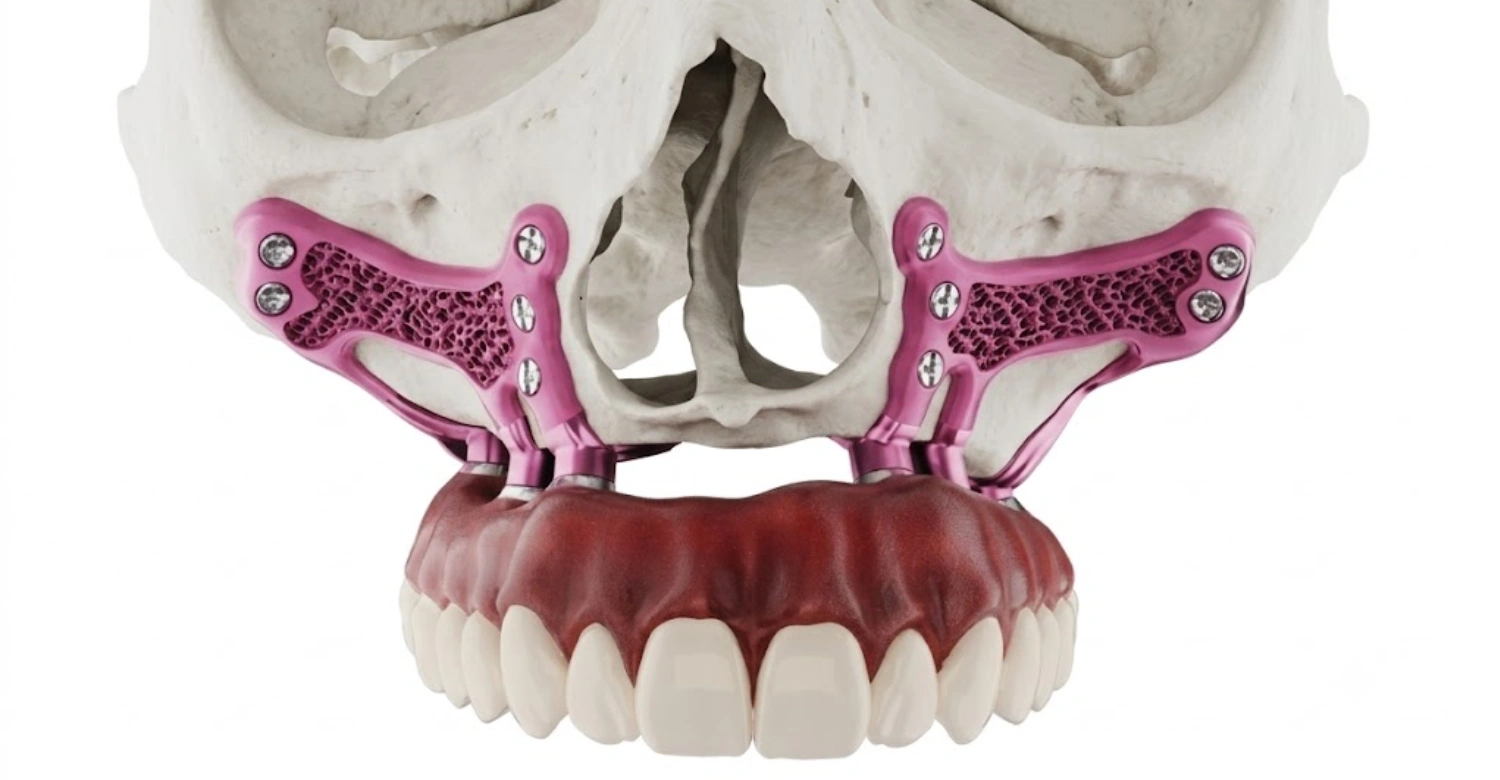
Subperiosteal implants rest on top of the bone rather than inside it. So the quality and shape of the remaining jawbone affects how evenly the framework sits. It also affects how well soft tissue seals around it. Irregular or thin bone raises the risk of exposure or infection. This shortens the implant's functional life for that specific patient.
Can Subperiosteal Implants Last for Decades?
Some patients do reach 15 years or more. But data becomes less predictable at that stage. A 21-year prospective study of 81 mandibular subperiosteal implants found survival dropped from about 92% at 5 years to 79% at 10 years. By 15 years, survival fell to 60%. Failure rates rose rather than leveling off.
What Is the Success Rate and Survival Rate of Subperiosteal Implants?
Success and survival rates help predict how long do subperiosteal implants last for most patients. Both figures decline gradually the longer an implant is followed. These percentages should guide expectations rather than cause alarm. Individual outcomes depend heavily on personal care and follow-up.
Understanding the Subperiosteal Implant Success Rate
Success rates are often used alongside survival data to show real clinical results. Both figures tend to decline the further out a study follows patients.
What Is the Subperiosteal Implant Success Rate?
Pooled data from older case series shows a cumulative survival rate around 92% at 5 years. At 10 years, it's roughly 82%, ranging from 67% to 96%. Evaluation methods varied between studies. This variability is one reason success rates should always be discussed individually with your dental provider.
What Is the Subperiosteal Implant Survival Rate?
Survival follows a similar downward pattern over time. The 21-year prospective study noted earlier recorded survival falling from roughly 92% at 5 years to 79% at 10 years. By the 15-year mark, it dropped to 60%. Failure risk increases steadily rather than stabilizing.
How Do Modern Techniques Improve Long-Term Results?
Modern CAD/CAM and 3D-printed designs show strong short-term outcomes. No valid 20-year data exists yet, though. A 6-year follow-up of one 3D-printed design found only 9 of 36 cases remained successful. Most failures linked to soft-tissue exposure or recurrent infection, not the implant framework itself.
Tips for Patients
Ask what survival data applies to your specific implant design.
Understand that success rates decline over time, so ongoing monitoring matters.
Discuss both short-term and long-term expectations at your consultation.
What Affects How Long Subperiosteal Implants Last?
Many of the factors that shape implant lifespan are within a patient's control. Hygiene, smoking status, and bite habits matter just as much as surgical technique.
Factors That Affect How Long Subperiosteal Implants Last
Several controllable and uncontrollable factors combine to shape the outcome for each patient, rather than for a general study population.
How Does Oral Hygiene Affect Implant Durability?
Consistent brushing, flossing, and professional cleanings reduce bacteria buildup around the implant framework. This lowers the risk of gum inflammation and soft-tissue breakdown. Poor oral hygiene is one of the most common preventable causes of early implant failure. It directly shortens durability.
Does Smoking Reduce Implant Longevity?
Smoking restricts blood flow to the gums and slows healing. This raises the risk of infection and soft-tissue exposure around the implant. Patients who smoke tend to see faster decline in durability compared with non-smokers. Quitting is one of the most effective longevity strategies available.
How Do Medical Conditions Influence Implant Lifespan?
Conditions such as uncontrolled diabetes, osteoporosis, or autoimmune disorders can affect healing and bone response. Patients with chronic health conditions should work closely with their dental and medical providers. Managing risk factors before and after placement matters.
Does Bite Force Affect Subperiosteal Implant Durability?
Excessive or uneven bite force, including from teeth grinding, places repeated stress on the framework and surrounding tissue. Over time this can loosen the fit or accelerate wear. A night guard is often recommended for patients who clench or grind their teeth.
How Durable Are Subperiosteal Implants?
Durability is about more than raw material strength. It depends on how well the implant integrates with soft tissue over years of use. Well-designed frameworks balance strength with a natural, comfortable fit.
Subperiosteal Implant Durability and Strength
Durability depends on both the materials used in the framework and how well the implant integrates with surrounding soft tissue over time.
Are Subperiosteal Implants Durable Enough for Everyday Chewing?
Yes. Subperiosteal implants are designed to withstand normal chewing forces once properly placed and healed. Durability under heavy or uneven bite pressure is lower than with bone-anchored endosteal implants, though. Patients with bruxism or high bite forces need closer monitoring.
What Materials Improve Subperiosteal Implant Durability?
Modern frameworks are typically made from biocompatible titanium alloys. These resist corrosion and support better tissue tolerance than older materials. Improved material science has led to better short-term outcomes. It hasn't yet produced the long-term data needed to confirm results with these newer materials.
How Do Modern Designs Increase Implant Longevity?
CAD/CAM and 3D-printed designs allow for a more precise fit against the jawbone than older cast frameworks. This reduces pressure points and improves soft-tissue coverage. Long-term data is still limited. Even so, these design improvements are expected to gradually improve outcomes compared with legacy techniques.
How Can Patients Help Subperiosteal Implants Last Longer?
Patients have more influence over implant longevity than many realize. Treating maintenance as an ongoing partnership matters, not a one-time appointment. Consistent care is the biggest factor within a patient's control.
Subperiosteal Implant Maintenance and Care
Maintenance and care is the single biggest factor patients can control after placement.
What Daily Care Is Recommended?
Daily care should include gentle brushing around the implant site. Flossing or using interdental brushes helps too. An antimicrobial rinse may be recommended by your dentist. This routine helps prevent the soft-tissue problems that most often shorten implant life.
How Often Should Patients Visit the Dentist?
Most patients should schedule professional check-ups and cleanings every three to six months. Your dental team may recommend more frequent visits in the first year. Regular monitoring allows early detection of gum recession, exposure, or loosening before these issues progress into implant failure.
Which Habits Help Subperiosteal Implants Last Longer?
Avoiding smoking, limiting alcohol, and wearing a night guard if you grind your teeth all support long-term stability. So does following a soft-tissue-friendly hygiene routine. These habits, combined with professional monitoring, are consistently linked to better outcomes across patient-education sources.
Tips for Patients
Brush and floss consistently.
Attend regular follow-up appointments.
Avoid smoking and excessive alcohol.
Wear a night guard if you grind your teeth.
Follow your dentist's recommendations.
Long-Term Results: How Long Do Subperiosteal Implants Last?
Long-term results depend on both published research and how closely a patient follows their care plan. Newer CAD/CAM techniques look promising. Patients should stay realistic until longer follow-up data becomes available, though.
What Do Long-Term Studies Show?
Long-term studies give the clearest picture of outcomes once initial healing is complete and years of function have passed.
What Are the Long-Term Results of Subperiosteal Implants?
Results show a steady decline in survival the further studies track patients. The 21-year prospective study found survival at roughly 92% at 5 years, 79% at 10 years, and 60% at 15 years. Failure rates increased rather than leveling off over time.
How Has Technology Improved Implant Longevity?
Digital scanning, CAD/CAM design, and 3D printing have improved the precision of the framework fit compared with older cast techniques. This may support better outcomes going forward. Still, no valid 20-year data exists yet for these newer designs. Long-term claims remain cautious.
Are Modern Implants More Predictable Than Older Systems?
Modern implants show strong outcomes in the short term. Predictability at the 10- to 20-year mark is still being studied, though. A 6-year follow-up of one 3D-printed design found only 9 of 36 cases remained successful. Most failures traced back to soft-tissue exposure or infection rather than structural failure.
Why Choose Vitrin Clinic for Subperiosteal Implants?
Vitrin Clinic combines advanced imaging with a personalized maintenance plan for every patient. This hands-on approach is central to long-term implant success.
Advanced Technology and Personalized Treatment
At Vitrin Clinic, every treatment plan starts with a clear conversation about what to expect for your individual case. This is based on your bone structure, health history, and lifestyle.
How Does Vitrin Clinic Plan Subperiosteal Implant Treatments?
Vitrin Clinic uses detailed imaging and a thorough health review to design a custom framework suited to each patient's jaw anatomy. This individualized planning process helps patients understand realistic expectations from the start.
Which Imaging Technologies Are Used?
Vitrin Clinic relies on modern 3D imaging and digital scanning to map the jawbone precisely before designing the implant framework. This approach supports a more accurate fit than older cast-based methods, which can help improve durability and long-term outcomes.
How Does Vitrin Clinic Support Long-Term Implant Success?
Vitrin Clinic pairs precise treatment planning with a structured maintenance schedule. Patients receive ongoing monitoring rather than a one-time procedure. This long-term partnership approach is designed to support strong survival rates after placement.
What We Notice Clinically
In clinical practice, Dr. Rifat Alsaman, Head of the Medical Team at Vitrin Clinic and a cosmetic dentist, observes a clear pattern. Patients who commit early to a structured hygiene and check-up routine tend to show fewer soft-tissue complications over time. This lines up with the broader research on the factors that shape implant lifespan. Maintenance is just as important as the initial procedure itself.
Tips for Patients
Choose a clinic that explains what to expect for your specific case before treatment begins.
Ask about the imaging and planning technology used.
Request a written maintenance schedule after placement.
Resource:
In conclusion, how long do subperiosteal implants last depends on bone quality, oral hygiene, and regular dental follow-up. Modern implants can remain functional for many years with proper care. Recent findings in the referenced report highlight how advances in implant design and digital planning continue to improve long-term stability. This makes subperiosteal implants a reliable option for patients with severe bone loss.
https://pmc.ncbi.nlm.nih.gov/articles/PMC11122366/
FAQs

Dr. Rifat Alsaman has more than 5 years of clinical experience in dentistry and currently serves as the Head of the Medical Team at Vitrin Clinic. He is dedicated to providing exceptional patient care, overseeing treatment planning, and ensuring the highest clinical standards across the team. His expertise, attention to detail, and commitment to continuous professional development have helped countless patients achieve healthier, more confident smiles.


