Dental Implant
August 16, 2026
All-on-6 Recovery: What Should You Expect After Dental Implant Surgery?
 Dr. Rifat Alsaman
All on 6 Recovery is the healing process that follows full-arch implant placement. Understanding it in advance can make the experience far less stressful. This All-on-6 Recovery guide breaks healing into clear, manageable stages. Most patients want to know how long recovery takes and what All-on-6 Recovery feels like day to day. They also want to know when normal life can resume. This guide walks through the recovery timeline from surgery day through osseointegration, covering pain management, diet changes, and aftercare. Clinical data shows pooled implant survival was 100% for All-on-6 at the one-year mark. This reflects how predictable early healing tends to be. With the right post-op care, most patients move through each stage smoothly and reach a comfortable, functional bite.
What Is All-on-6 Recovery?
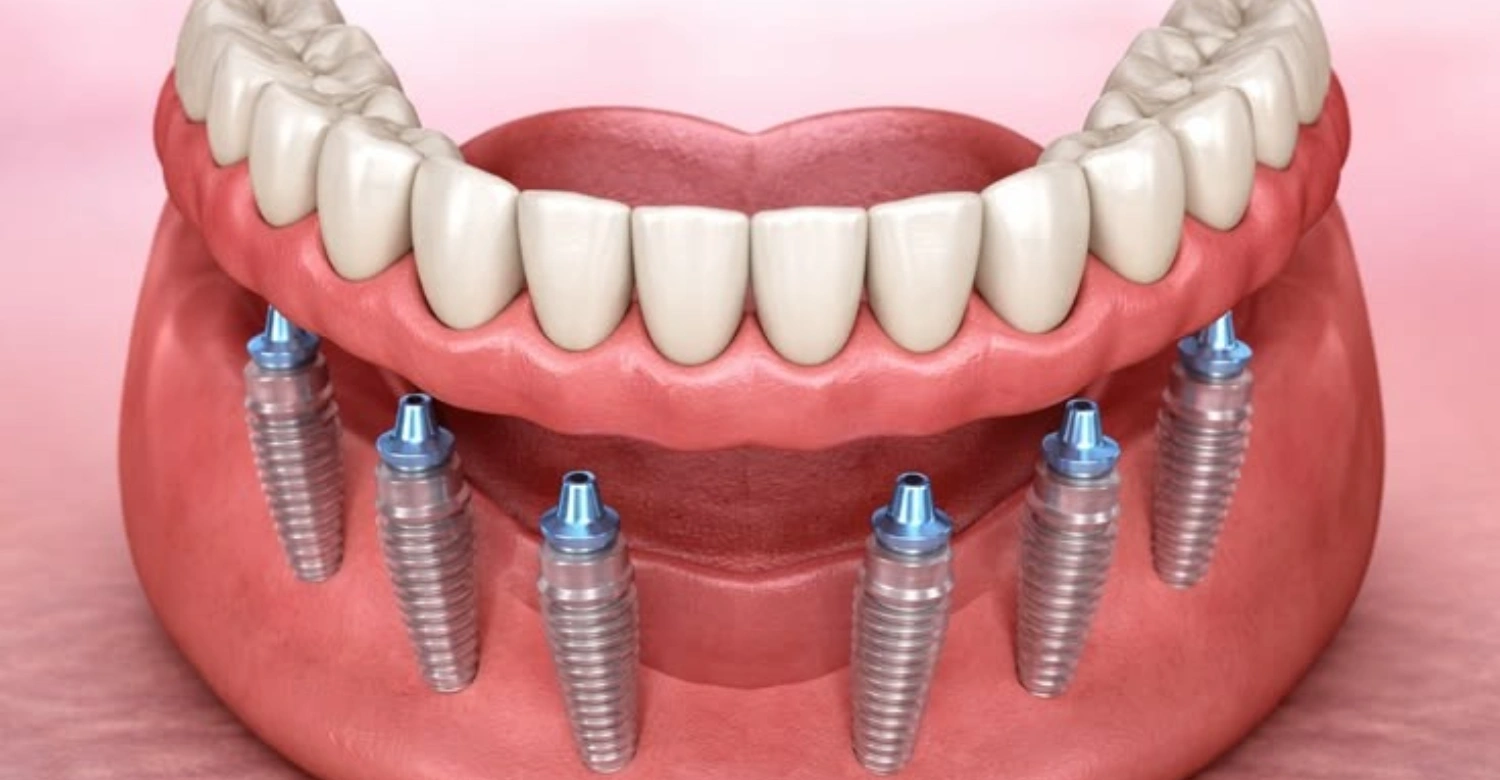
All on 6 Recovery refers to the healing period after six implants are placed in the jaw to support a full-arch prosthesis. It includes soft tissue healing, bone integration around each implant, and adaptation to a new bite. Recovery unfolds in stages, starting with acute post-surgical healing and progressing toward long-term osseointegration over several months.
What Happens Immediately After All-on-6 Recovery Begins?
Immediately after surgery, patients are monitored briefly before being discharged with a temporary prosthesis already in place. Local anesthesia wears off within a few hours, and mild grogginess from sedation is common. This early phase of All-on-6 Recovery focuses on rest, keeping the head elevated, and following initial bite and hygiene instructions closely.
What to Expect During All-on-6 Recovery
During the first days of All-on-6 Recovery, patients can expect a predictable pattern of swelling, tenderness, and temporary dietary adjustments. Every patient heals differently, but general trends in bruising, bleeding, and bite sensation are well documented. These patterns typically ease steadily across the first two weeks of healing.
Pain, Swelling, and Bruising During All-on-6 Recovery
Pain, swelling, and bruising usually peak between 48 and 72 hours after surgery, then gradually subside. Ice packs, prescribed anti-inflammatories, and head elevation help manage discomfort. Facial bruising along the jaw or neck is normal and typically fades within one to two weeks as healing progresses.
Bleeding and Gum Sensitivity in All on 6 Recovery
Light bleeding or oozing is common for the first 24 hours. It should taper off with gentle pressure using clean gauze. Gum sensitivity around the implant sites can persist for several days. Avoiding vigorous rinsing or spitting protects the healing tissue during this early stage.
Temporary Teeth and Bite Changes
A temporary prosthesis is fitted the same day as surgery. This lets patients function with a full arch while implants heal. The bite may feel unfamiliar at first, and minor adjustments are sometimes needed. Chewing carefully with temporary teeth protects the implants during early integration.
How Long Does All on 6 Recovery Take?
How long does All-on-6 Recovery take is one of the most common questions before surgery. Initial soft tissue healing generally takes one to two weeks. Full bone integration and readiness for the final prosthesis typically take three to six months. The exact timing depends on individual bone quality and healing response.
What Is the All on 6 Recovery Healing Time for Implants?
All-on-6 Recovery healing time refers specifically to osseointegration, the biological process where bone fuses to the implant surface. This generally takes several months. Pooled data shows implant survival remained high through this window, at 98.55% between one and five years. This supports a stable healing pattern.
What Is the All on 6 Recovery Timeline?
The All-on-6 Recovery Timeline moves through distinct phases. These include acute healing in the first week, soft tissue maturation over the following weeks, and bone integration across several months. Each phase has its own expectations for pain, diet, and activity, which is why following a structured timeline matters.
First 24 Hours
The first 24 hours focus on rest, ice application, and a liquid or soft diet. Some bleeding, swelling, and grogginess from anesthesia are expected. Patients should avoid touching the surgical sites and follow prescribed medication schedules closely during this earliest stage of healing.
Days 2–3
Swelling often peaks around day two or three before beginning to improve. Bruising may become more visible on the face or neck. Continuing prescribed medications, soft foods, and cold compresses supports comfort during this stage without disturbing the healing implant sites.
End of the First Week
By the end of the first week, swelling and bruising typically decrease noticeably. Many patients feel more comfortable speaking and eating soft foods. Gum tissue continues to close around the temporary prosthesis, marking meaningful progress in this early healing process.
Weeks 2–4
Between weeks two and four, soft tissue healing advances further and daily discomfort usually fades substantially. Patients often resume light routines and a broader range of soft-to-moderate foods. Gum tissue firms up around the temporary teeth as bone integration continues beneath the surface.
Months 1–3
During months one through three, osseointegration progresses steadily as bone bonds to the implant surface. Buccal bone height reductions were most pronounced in year one, at 0.74 mm, before slowing significantly. This period is critical for the long-term stability supporting the final prosthesis.
What Is the All-on-6 Recovery Week by Week?
Looking at All-on-6 Recovery week by week helps patients track progress in manageable stages. These stages run from early swelling management through gum healing to eventual return to full activity. Each week brings measurable improvement, though the underlying bone healing continues quietly well beyond visible recovery milestones.
Managing Swelling and Discomfort
Week one centers on controlling swelling and discomfort with ice, medication, and rest. Soft foods and gentle oral care are essential. Most patients notice swelling begin to plateau by the end of this week. This is when the acute phase of healing starts to ease.
Early Gum Healing
Gum tissue begins closing more fully around the temporary prosthesis during week two. Sensitivity decreases, and eating becomes more comfortable. Careful hygiene around the implant sites remains important to prevent irritation while the tissue continues to strengthen.
Returning to Normal Activities
By weeks three and four, many patients return to work and light daily routines. Strenuous exercise is still generally discouraged. Diet can expand cautiously to include more moderate textures as gum healing matures and confidence in the new bite grows.
Osseointegration
Months two and three mark continued osseointegration. Bone remodeling slows to 0.37 mm by year two and 0.15 mm by year four, according to longitudinal data. This steady, gradual bone stabilization is what ultimately allows the final fixed prosthesis to be placed securely.
What Is the All on 6 Recovery Time for Eating Normally?
All-on-6 Recovery time for eating normally varies. Most patients progress from liquids to soft foods within days, then to a broader diet within several weeks. Full return to firmer foods generally aligns with completed gum healing and confidence in the temporary prosthesis.
What Foods Can You Eat During All-on-6 Recovery?
Soft, non-chewy foods such as soups, mashed vegetables, yogurt, scrambled eggs, and smoothies are recommended during early healing. These options provide nutrition without stressing the implant sites. Gradually reintroducing texture as comfort improves supports a smoother, more comfortable healing process.
What Foods Should You Avoid During All-on-6 Recovery?
Hard, crunchy, sticky, or chewy foods should be avoided, including nuts, raw vegetables, tough meats, and chewy bread. These foods can place excess pressure on healing implant sites or dislodge the temporary prosthesis. Patience with dietary choices matters early on.
When Can You Eat Solid Foods During All-on-6 Recovery?
Most patients can reintroduce firmer solid foods gradually over several weeks, guided by comfort and healing progress. A dental team typically confirms readiness at follow-up visits. Rushing back to tough or chewy foods too soon can strain implants still undergoing integration.
Can You Drink Coffee During All-on-6 Recovery?
Warm, not hot, coffee is usually acceptable after the first day or two. Very hot beverages should still be avoided near the surgical sites early on. Patients should sip carefully and avoid using a straw, since suction can disturb healing tissue during early recovery.
What Is Included in All-on-6 Recovery Aftercare?
All-on-6 Recovery aftercare typically includes gentle cleaning instructions, medication guidance, dietary recommendations, and a schedule of follow-up visits. Consistent aftercare supports both comfort and long-term implant stability. Personalized instructions help patients understand exactly what their individual healing plan requires.
How Should You Clean Your Mouth During All-on-6 Recovery?
Gentle rinsing with a prescribed or saline solution helps prevent infection without disturbing healing tissue. Careful cleaning around the prosthesis is also important. Specific cleaning tools are often recommended to reach beneath the fixed temporary teeth safely during this sensitive stage.
Can You Brush Your Teeth During All-on-6 Recovery?
Brushing is usually introduced carefully within the first days, using a soft brush and gentle technique around the surgical area. Avoiding direct pressure on healing gum tissue while still maintaining cleanliness is an important balance during this early stage.
How Do You Protect Your Implants During All-on-6 Recovery?
Protecting implants during healing means avoiding hard foods, not smoking, wearing any recommended night guard, and attending follow-up visits. These habits reduce mechanical stress and support the biological healing process. They also lower the risk of the complications outlined in the clinical data.
Is Mouthwash Safe During All-on-6 Recovery?
Mouthwash is often introduced once initial healing allows, typically using an alcohol-free or prescribed antimicrobial rinse. Alcohol-based mouthwash can irritate healing tissue. It should generally be avoided until a dental provider confirms it is appropriate to resume.
How Important Are Follow-Up Appointments During All-on-6 Recovery?
Follow-up appointments allow the dental team to monitor healing, check the bite, and catch potential issues early. Regular monitoring is closely tied to the strong survival outcomes reported in long-term studies. Consistent attendance is an essential part of All-on-6 Recovery aftercare.
Tips for the Patients
Follow the post-operative instructions carefully.
Keep the surgical area clean without irritating the gums.
Choose soft foods during the early healing period.
Avoid smoking and activities that can interfere with healing.
Attend every recommended follow-up appointment.
Clinical Note: Recovery depends on factors such as the patient's general condition, bone quality, surgical complexity, oral hygiene, and adherence to post-operative instructions. Swelling and discomfort are commonly more noticeable during the first few days and generally improve as healing progresses.
What Are the Most Important All-on-6 Recovery Post-Op Care Instructions?
All-on-6 Recovery post-op care instructions cover sleep positioning, swelling control, activity limits, and habits like smoking or alcohol use. Following these guidelines closely in the early weeks reduces complications. It also supports steady progress through each stage of the recovery timeline.
How Should You Sleep During All-on-6 Recovery?
Sleeping with the head slightly elevated for the first few nights helps minimize swelling and discomfort. Resting on the back rather than the side reduces pressure on the surgical sites, supporting more comfortable early-stage healing.
How Can You Reduce Swelling During All-on-6 Recovery?
Applying ice packs during the first 24 to 48 hours helps reduce swelling. Staying hydrated and keeping the head elevated also help. Following prescribed anti-inflammatory medication as directed supports a smoother, more comfortable early healing phase.
When Can You Exercise During All-on-6 Recovery?
Strenuous exercise should be avoided during the initial healing period, generally for at least a couple of weeks. Elevated heart rate and blood pressure can increase bleeding or swelling. Light walking is usually fine once a patient feels comfortable doing so.
Can You Smoke During All-on-6 Recovery?
Smoking should be avoided during healing. It is a well-documented risk factor for marginal bone loss and biological complications around implants. Data linking smoking to increased complication rates underscores why avoiding tobacco matters throughout the entire healing period.
Can You Drink Alcohol During All-on-6 Recovery?
Alcohol is generally discouraged in the early healing period, particularly while taking prescribed medications. It can interfere with healing and interact with pain or antibiotic prescriptions. Following the dental team's specific guidance on timing is the safest approach.
Tips for the Patients
Sleep with your head slightly elevated during the first few nights.
Avoid strenuous exercise during the initial recovery period.
Do not smoke while the implants and tissues are healing.
Follow your dental team's recommendations regarding alcohol and medications.
Contact your dental provider if symptoms become severe or unusual.
Clinical Note: Patients should not compare their recovery too closely with someone else's experience. Healing can vary depending on individual circumstances and the complexity of the procedure.
When Can You Return to Normal Activities During All-on-6 Recovery?
Returning to normal activities during All-on-6 Recovery happens gradually. Light routines resume sooner than strenuous exercise or a fully unrestricted diet. Following a step-by-step approach, rather than rushing based on how good pain relief feels, supports safer long-term healing.
When Can You Go Back to Work During All-on-6 Recovery?
Many patients return to desk-based or low-activity work within a few days to a week. Timing depends on swelling and comfort levels. Physically demanding jobs may require a longer break to avoid straining the surgical sites during early healing.
When Can You Exercise Normally Again?
Light activity can often resume within one to two weeks, while more vigorous exercise is typically postponed for several weeks. Easing back in gradually, rather than returning to full intensity immediately, helps protect healing tissue and reduce swelling risk.
When Can You Travel During All-on-6 Recovery?
Short trips may be manageable within a week or two if healing is progressing well. Longer travel is often better scheduled after the initial healing phase. Access to follow-up care and medication should be considered before planning travel.
When Can You Sleep Normally Again?
Most patients can return to their usual sleeping position once significant swelling has resolved, often within one to two weeks. Head elevation is generally recommended only during the earliest, most sensitive days of healing.
When Can You Return to Your Regular Diet?
A full return to a regular diet typically happens gradually, over several weeks to a few months. Timing aligns with gum healing and comfort. Reintroducing firmer foods slowly protects both the temporary prosthesis and the implants beneath it.
Tips for the Patients: Gradually return to normal activities according to your dental team's instructions. Avoid rushing back to strenuous activities simply because pain or swelling has decreased.
What Are the Best All-on-6 Recovery Tips?
All-on-6 Recovery tips that consistently support smoother healing include diligent hygiene, medication compliance, and soft nutritious meals. Other habits, like avoiding tobacco, protecting temporary teeth, and keeping every follow-up visit, matter just as much. Small daily habits during recovery often make the biggest difference in long-term implant stability.
Keep Your Mouth Clean
Gentle, consistent oral hygiene around the implant sites and temporary prosthesis helps prevent infection and supports healthy tissue closure. This matters throughout every stage of healing, from the first days after surgery through full bone integration.
Follow Your Prescribed Medication Instructions
Taking antibiotics, pain relievers, and anti-inflammatory medications exactly as prescribed helps control discomfort and reduces infection risk. Skipping doses or stopping early can slow healing and increase the chance of complications during recovery.
Eat Soft and Nutritious Foods
Nutrient-dense soft foods support the body's natural healing processes while protecting implant sites from unnecessary pressure. Balanced nutrition, including adequate protein and hydration, plays a meaningful role in tissue repair and overall recovery comfort.
Avoid Smoking
Avoiding smoking is one of the most impactful habits for protecting implant success. Tobacco use is directly associated with higher rates of marginal bone loss and biological complications documented in long-term implant research.
Protect Your Temporary Teeth
The temporary prosthesis plays a functional and protective role during healing. Avoiding hard or sticky foods, and any habit that could dislodge it, helps keep the underlying implants undisturbed while they integrate with the bone.
Attend Follow-Up Visits
Regular follow-up visits allow early identification of any healing concerns and confirmation that recovery is progressing as expected. Consistent monitoring is closely linked to the high long-term survival rates seen in full-arch implant outcomes.
Tips for the Patients: A successful recovery depends on consistency. Good oral hygiene, appropriate nutrition, careful eating habits, and regular follow-up appointments can help support the healing process.
Clinical Note: All-on-6 Recovery is a gradual process. Feeling better does not necessarily mean that the implants have completed biological healing, so patients should continue following their aftercare instructions even when symptoms have improved.
When Should You Contact Your Dentist During All-on-6 Recovery?
Knowing when to contact your dental provider during All-on-6 Recovery is important for catching complications early. Most healing progresses smoothly, but mechanical complications occurred in roughly 6.64% of pooled cases. This is why unusual symptoms deserve prompt attention rather than a wait-and-see approach.
Is Severe Pain Normal During All-on-6 Recovery?
Mild to moderate discomfort is expected. Severe or worsening pain that isn't controlled by prescribed medication is not typical and should be reported. Persistent pain beyond the first several days may indicate a complication requiring evaluation.
Is Excessive Swelling Normal?
Some swelling is expected and usually peaks around day two or three before improving. Swelling that continues to worsen after several days may signal infection. The same is true if it's accompanied by fever, and the dental team should be contacted.
What If an Implant or Temporary Tooth Feels Loose?
Any noticeable movement in an implant or the temporary prosthesis should be reported promptly. Mechanical complications like this were documented in pooled data on full-arch implant outcomes. Early evaluation helps prevent more significant issues from developing.
What If You Develop a Fever?
A fever following surgery can be a sign of infection and should not be ignored. Fever should be reported along with any other symptoms, such as increasing swelling or pus. This allows the dental team to evaluate and address the issue quickly.
What If Bleeding Does Not Stop?
Light bleeding in the first 24 hours is normal. Bleeding that persists despite gentle pressure with gauze, or that resumes heavily after stopping, should be reported to the dental provider without delay.
Clinical Note: Persistent or worsening pain, significant swelling, uncontrolled bleeding, fever, pus, or unusual movement should be reported to your dental provider promptly.
How Does Vitrin Clinic Support All-on-6 Recovery?
Vitrin Clinic focuses on supporting patients throughout the All-on-6 treatment journey. This spans treatment planning and implant placement through temporary teeth, follow-up care, and recovery guidance. Patients receive personalized instructions designed to help them understand their All-on-6 Recovery timeline and care for their new teeth during healing.
What We Notice Clinically
At Vitrin Clinic, the medical team emphasizes individualized treatment planning and close post-operative monitoring. This helps patients understand what to expect during each stage of All-on-6 Recovery. This attentive, personalized approach reflects the outcomes seen in clinical case series, including a 100% implant and prosthesis survival rate.
Clinical Note: The exact recovery experience varies between patients. Vitrin Clinic provides recovery guidance based on the patient's treatment plan and healing progress.
Reference:
All-on-6 Recovery is a gradual process that requires proper aftercare, patience, and regular follow-up to support successful healing and implant stability. A 2024 clinical report highlights that careful diagnosis and precise implant planning are essential for successful All-on-6 rehabilitation. The approach offers improved support and stress distribution. Following your dentist's instructions throughout recovery can help protect your implants and support long-term function, comfort, and a natural-looking smile.
https://pmc.ncbi.nlm.nih.gov/articles/PMC10852098/
FAQs
Dr. Rifat Alsaman has more than 5 years of clinical experience in dentistry and currently serves as the Head of the Medical Team at Vitrin Clinic. He is dedicated to providing exceptional patient care, overseeing treatment planning, and ensuring the highest clinical standards across the team. His expertise, attention to detail, and commitment to continuous professional development have helped countless patients achieve healthier, more confident smiles.


