Dental Implant
August 16, 2026
Ulcerative Colitis and Dental Implants: Are Dental Implants Safe for People with UC?
 Dr. Rifat Alsaman
Many patients living with inflammatory bowel disease ask the same question before treatment: is it possible to combine ulcerative colitis and dental implants safely? The honest answer is that dedicated research is limited. In one systematic review, 786 studies were screened, but only 6 met inclusion criteria. All six reported on Crohn's disease rather than ulcerative colitis specifically. Oral problems are also common during active disease, including gum issues in roughly 31% of UC patients. This guide walks through what current evidence, clinical reasoning, and individualized planning suggest, so patients can have an informed conversation with their dental and medical teams.
What Are Dental Implants?
Dental implants are small titanium posts placed into the jawbone to replace missing tooth roots. A crown, bridge, or denture is added later. They restore chewing function and appearance while helping preserve jawbone volume. Understanding this basic process matters before discussing implant treatment for UC patients, since healing quality depends on the same bone and gum tissue that the disease can sometimes affect. Weighing implants against a removable option instead? Compare in subperiosteal implants vs. dentures.
How Do Dental Implants Work?
An implant fuses with the jawbone through a process called osseointegration. This creates a stable foundation for a replacement tooth. Over several months, bone cells grow around the titanium surface and lock it in place. This biological integration is why overall health, not just surgical technique, plays such a central role in long-term implant success for any patient.
What Happens During Dental Implant Surgery?
During surgery, the dentist numbs the area, prepares the jawbone, and places the implant post beneath the gum. Stitches close the site, and a temporary cover may be used while healing begins. The procedure is generally well tolerated. Patients with systemic conditions such as ulcerative colitis may still need extra pre-surgical evaluation to reduce complication risk.
How Long Does Dental Implant Healing Take?
Full healing and osseointegration typically take three to six months. The exact timeline depends on bone quality, implant location, and the patient's general health. Some patients heal faster. Others, including certain UC patients during disease flares, may need a longer, more closely monitored recovery period before the final crown is attached. See daily maintenance tips for this recovery period in subperiosteal implant care.
Factors That Can Affect Implant Healing
Overall health
Oral hygiene
Bone quality
Smoking
Nutrition
Medications
Active inflammation or infection
Tips for the Patients
Keep pre-surgical appointments. Disclose your full medical history. Follow hygiene instructions closely. Preparing early, both nutritionally and medically, supports smoother healing regardless of diagnosis, and is especially relevant for UC patients weighing implant treatment with their care team.
Can You Get Dental Implants with Ulcerative Colitis?
This is a common concern, and generally the answer is yes for many patients. UC itself is not an automatic barrier to treatment. What matters more is disease activity, medication use, nutritional status, and healing capacity at the time of surgery.
Is Ulcerative Colitis a Contraindication to Dental Implants?
UC is not considered an absolute contraindication to implant placement. However, active flares, certain immunosuppressive or biologic therapies, and nutritional deficiencies linked to the disease can influence healing. These factors should be reviewed carefully before proceeding with implant surgery.
Dental Implants for Patients with Ulcerative Colitis
Treatment for these patients is usually planned individually rather than following a fixed protocol. The dentist considers current symptoms, medication history, nutritional intake, oral hygiene, and bone condition. UC does not automatically prevent implant treatment, but each factor above should be assessed before moving forward.
Clinical Note
Individualized treatment planning matters most. Close communication between the patient's gastroenterologist and dental team helps clarify disease stability, medication timing, and any precautions needed. This ensures the approach to ulcerative colitis and dental implants stays safe rather than one-size-fits-all.
Are Dental Implants Safe with Ulcerative Colitis?
This is often the first question patients ask. Broader autoimmune-disease research, which includes UC alongside conditions like Sjögren's syndrome and lupus, shows implant survival generally comparable to the general population. Rates run roughly 95–100%, except during active flares or immunosuppressive therapy at the time of placement.
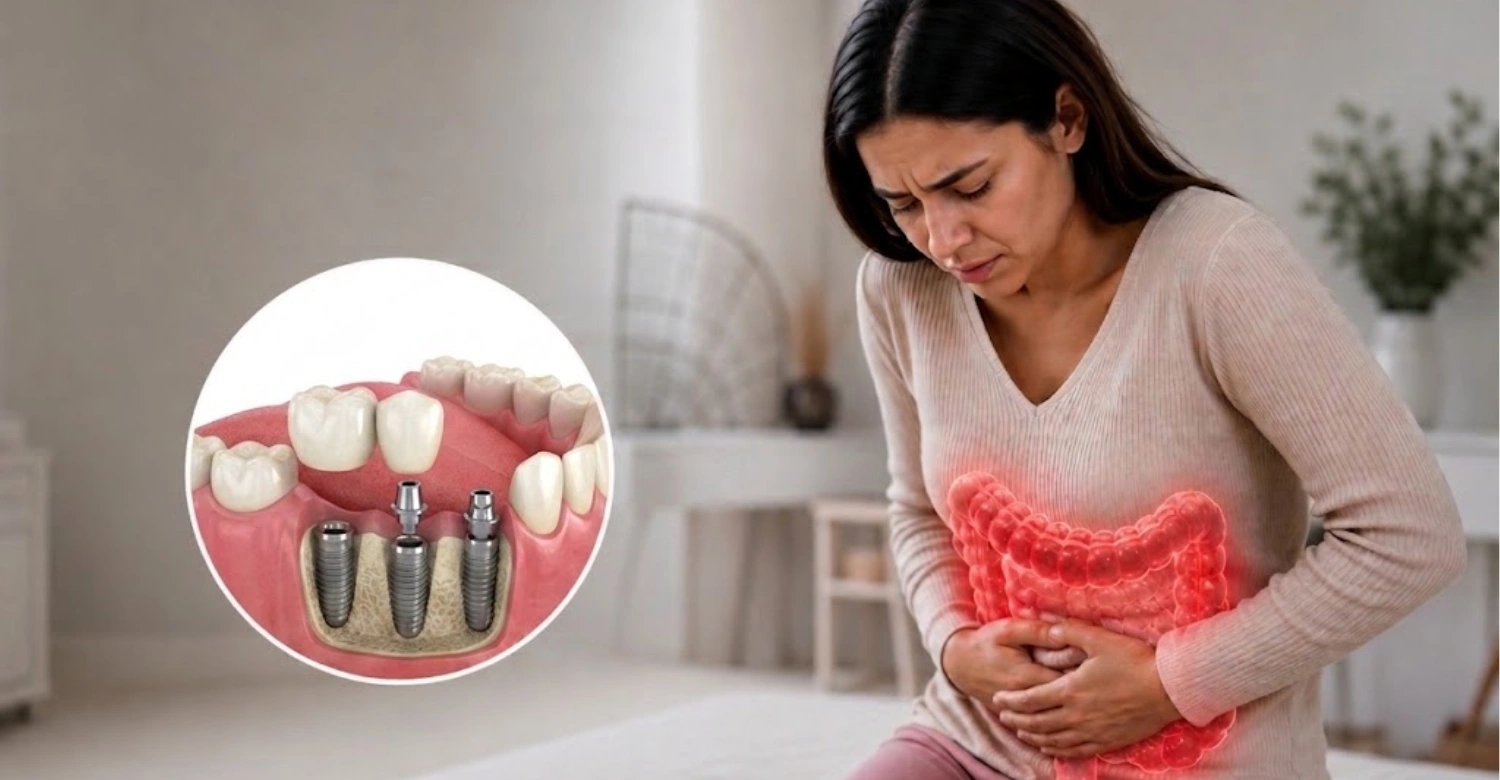
Ulcerative Colitis and Dental Implant Surgery
Surgical planning should account for current disease activity, infection risk, medication schedules, and general physical readiness. Patients in remission with stable nutrition and good oral hygiene are typically better surgical candidates than those experiencing active flares.
Clinical Note
Safety depends far more on the individual patient's current status than on the UC diagnosis alone. Two patients with the same condition can have very different risk profiles. That's why case-by-case evaluation remains central to this discussion.
How Does Ulcerative Colitis Affect Dental Implant Healing?
Healing after implant surgery can be influenced by several overlapping factors, including systemic inflammation, nutrient absorption issues, and medications used to control UC. None of these make healing impossible. They may, however, require closer monitoring and a more conservative timeline. Curious how healing timelines compare across implant types? Read subperiosteal implant recovery.
Ulcerative Colitis and Dental Implant Healing
Nutritional deficiencies, ongoing inflammation, and immune-modulating medications can all slow tissue repair. In related autoimmune conditions such as Sjögren's syndrome, peri-implant mucositis was notably more common than in healthy controls, at 94% versus 62%. This suggests soft-tissue healing deserves particular attention in these cases.
Can Nutritional Deficiencies Affect Implant Healing?
Yes. UC can impair absorption of key nutrients like vitamin D, iron, and protein, all of which support bone and soft-tissue repair. Correcting deficiencies before surgery, where possible, may support steadier healing after implant placement. See how deficiencies affect the body more broadly in how eating disorders damage teeth.
Can Active Ulcerative Colitis Affect Dental Implant Recovery?
Active flares involve heightened systemic inflammation. This can theoretically affect tissue repair and increase complication risk. Many clinicians prefer to time elective procedures like implant placement during periods of remission rather than during active symptoms.
Clinical Note
Regular follow-up appointments, disciplined oral hygiene, adequate nutrition, and close monitoring of the surgical site all support healing. Patients pursuing implant treatment benefit from a recovery plan tailored to their current disease status, not a generic timeline.
Can Ulcerative Colitis Increase the Risk of Dental Implant Complications?
Complications are not guaranteed, but certain factors associated with UC can raise the risk profile. In one documented case, a UC patient on adalimumab who also had hypothyroidism lost all five placed implants. Peri-implantitis was present at every site, illustrating how compounded risk factors matter. Get the full picture on this exact risk in subperiosteal implant complications.
Ulcerative Colitis and Dental Implant Complications
Complication risk tends to rise with active disease, immunosuppressive therapy, poor nutrition, and pre-existing oral inflammation. It's rarely a UC diagnosis in isolation. In the case above, peri-implantitis was diagnosed in 100% of the implants placed, well above typical autoimmune-cohort averages near 96% implant-level success.
Delayed Healing
Delayed healing can occur when systemic inflammation or nutritional gaps interfere with normal tissue repair. This can extend the standard recovery window before the final restoration is placed, and it's one of the more common concerns patients raise.
Gum Inflammation
Gum inflammation may be more likely if periodontal health was already compromised before surgery. It's worth addressing proactively, given how common gum problems are among UC patients generally.
Implant Failure
Implant failure risk appears higher when active disease, certain biologic medications, and poor healing conditions occur together. Outcomes still vary widely between individuals and cannot be predicted from diagnosis alone. See what factors most commonly lead to this outcome in subperiosteal implant failure.
Peri-Implant Problems
Peri-implant issues such as mucositis or peri-implantitis involve inflammation around the implant site. These may require closer monitoring in patients with autoimmune or inflammatory conditions like UC. Get the full clinical breakdown of this exact condition in peri-implantitis.
Clinical Note
Complications are not inevitable simply because a patient has UC. Most reported problems relate to active disease, specific medications, or unmanaged risk factors. This reinforces why individualized assessment remains essential.
Can Ulcerative Colitis Increase the Risk of Dental Implant Infection?
Infection risk is generally tied less to UC itself and more to related factors, such as immunosuppressive treatment, active inflammation, or poor oral hygiene. Comparable IBD data on Crohn's disease found a significantly higher odds ratio for early implant failure. This underscores why infection prevention deserves attention. Don't wait if you notice symptoms — see the full warning signs in do dental implants get infected.
Ulcerative Colitis and Dental Implant Infection
The distinction matters: UC as a diagnosis does not directly cause infection. Its associated treatments and disease activity, however, can influence the body's healing and immune response. Maintaining stable disease control and strict hygiene protocols helps reduce infection risk around new implants.
Why Is Oral Hygiene Important After Implant Surgery?
Bacteria around a healing implant site can trigger inflammation or infection if hygiene lapses. Gentle, consistent brushing and any prescribed rinses help protect the surgical site while tissue integrates with the implant. Get the full daily care routine in implant aftercare.
What Are the Warning Signs of an Implant Infection?
Warning signs include persistent swelling, worsening pain, pus or discharge, unusual bleeding, or a bad taste near the implant site. Any of these symptoms should prompt a call to the dental team right away. Early attention keeps recovery on a safer track. Already noticing movement or instability? See how to fix a loose dental implant.
Clinical Note
Persistent swelling, increasing pain, pus, bleeding, or unusual discharge are all reasons to contact your dental team promptly. Early reporting allows faster intervention and better outcomes for patients managing UC alongside implant care.
Tips for the Patients
Follow post-operative instructions
Keep the implant area clean as directed
Attend scheduled follow-ups
Avoid smoking
Report unusual symptoms promptly
What Should You Tell Your Dentist Before Getting Dental Implants with Ulcerative Colitis?
Open communication is essential before treatment begins. Your dental team needs a complete picture of your condition, current medications, and disease activity. This helps them plan treatment safely and set realistic healing expectations.
Medications for Ulcerative Colitis
Provide a complete, current list of all UC medications, including biologics, immunosuppressants, or corticosteroids. These medications can influence healing, bleeding risk, and infection susceptibility. Accurate disclosure helps the dental team plan appropriately.
Your Ulcerative Colitis Disease Activity
Let your dentist know whether your UC is currently in remission or experiencing active symptoms. Disease activity directly affects surgical timing decisions, as many clinicians prefer to schedule elective implant procedures during stable, symptom-controlled periods.
Previous Oral Health Problems
Mention any history of gum disease, recurrent infections, tooth loss, or prior dental procedures. This history helps the dental team anticipate healing challenges. It also helps them tailor the treatment plan around your specific oral and systemic health picture.
Clinical Note
Never stop or adjust prescribed UC medication on your own simply because implant surgery is planned. Medication changes should always be coordinated between your gastroenterologist and dental provider to keep both your gut and oral health properly managed.
How Are Dental Implants Planned for Patients with Ulcerative Colitis?
Careful planning underpins successful outcomes for these patients. This includes medical history review, imaging, and close coordination between healthcare providers to reduce avoidable risks before, during, and after surgery.
Dental and Medical Evaluation
A thorough evaluation reviews UC disease history, current medications, recent flare activity, and overall systemic health. This step ensures the treatment plan reflects the patient's real-time condition rather than assumptions based on diagnosis alone.
Checking Bone and Gum Health
Assessing bone density and gum condition helps determine implant feasibility and placement approach. Since oral inflammation is common in UC, a careful periodontal check before surgery helps avoid complications during healing and supports a safer path forward. Learn what this evaluation actually involves in subperiosteal implant candidacy.
CBCT and Digital Implant Planning
Advanced imaging, such as CBCT scans, allows precise mapping of bone volume and anatomical structures. Digital planning tools help position implants accurately, reducing surgical guesswork and supporting more predictable outcomes. See exactly how this technology maps out your treatment in CBCT and CAD subperiosteal implant design.
Choosing the Right Implant Treatment Approach
The chosen approach may involve staged healing, additional bone grafting, or a more conservative timeline depending on the patient's UC status. Flexibility in treatment design helps match the plan to each patient's actual healing capacity. Not enough bone for a traditional implant? Explore this proven alternative in subperiosteal vs. bone graft implant.
Clinical Note
Accurate diagnosis and thoughtful treatment planning reduce avoidable complications. Reviewing systemic health alongside oral findings allows the dental team to build a realistic, patient-specific roadmap.
Ulcerative Colitis and Dental Implants: What Can You Do to Improve Healing?
Patients managing UC alongside implant treatment can take active steps to support recovery. Consistent habits before and after surgery meaningfully influence how smoothly healing progresses.
Maintain Excellent Oral Hygiene
Gentle brushing, recommended rinses, and consistent care around the implant site reduce bacterial buildup. This supports healthy tissue integration during recovery.
Follow Your Post-Operative Instructions
Adhering closely to prescribed care instructions, including diet modifications and medication timing, helps minimize complications. It also keeps the healing process on track.
Focus on Adequate Nutrition
Balanced nutrition, with attention to any UC-related deficiencies, supports the body's ability to repair tissue and integrate the implant successfully. Get a full post-surgery diet guide in what to eat after a subperiosteal implant.
Avoid Smoking
Smoking restricts blood flow to healing tissue. It is one of the most significant modifiable risk factors for implant failure, regardless of underlying diagnosis. See the full clinical picture on this specific risk in subperiosteal implant smoking.
Attend Dental Follow-Ups
Regular follow-up visits allow the dental team to catch early signs of inflammation or infection. This keeps the healing process on the right track.
Tips for the Patients
Prioritize hygiene daily
Eat nutrient-rich meals
Keep every follow-up visit
Avoid tobacco products
Contact your dentist about new symptoms right away
When Should You Delay Dental Implant Surgery with Ulcerative Colitis?
Timing matters for these patients. In certain situations, postponing treatment until health stabilizes can meaningfully improve surgical outcomes and reduce complication risk.
During Significant Health Problems
Active UC flares, uncontrolled inflammation, or other unstable systemic conditions are strong reasons to delay elective implant surgery until symptoms are better managed. Curious how candidacy is assessed for complex cases like this? Read subperiosteal implant candidacy.
When There Is an Active Oral Infection
Any active oral infection should be resolved before implant placement. Untreated infection near the surgical site significantly raises the risk of implant failure, a key consideration when timing this kind of surgery.
When Nutritional or General Health Issues Need Attention
Significant nutritional deficiencies or unresolved general health issues may need correction first, since they can directly impair the body's ability to heal after surgery.
When Your Dental Team Needs More Medical Information
If disease activity, medication details, or recent lab results are unclear, the dental team may reasonably request more information from your physician before proceeding.
Clinical Note
Postponing treatment is sometimes the safer choice. Stabilizing current health needs first, rather than rushing into surgery, often leads to better long-term outcomes.
Dental Implants for Patients with Ulcerative Colitis at Vitrin Clinic
At Vitrin Clinic, this treatment is approached with individualized assessment rather than a standardized protocol. Each patient's disease status and oral health differ.
Personalized Implant Treatment Planning
Treatment planning at Vitrin Clinic accounts for each patient's UC history, current medications, and healing capacity. The goal is a plan suited to real, individual circumstances rather than general assumptions. Curious how long a well-planned implant actually lasts? Explore how long subperiosteal implants last.
Digital Diagnostics and Treatment Planning
Vitrin Clinic uses digital diagnostic tools, including detailed imaging, to evaluate bone and gum condition before planning treatment. This supports more precise and predictable treatment decisions. See how this technology compares across implant materials in 3D-printed vs. milled titanium implants.
Patient-Centered Implant Care
Care at Vitrin Clinic is centered on open communication. Patients are encouraged to share their full UC history so the treatment approach reflects their actual health status at every stage. Not sure this option is comfortable? Read is a subperiosteal implant painful.
What We Notice Clinically
Evaluating each patient's individual health status, oral condition, and treatment requirements remains a consistent clinical priority. Disease activity and healing capacity vary significantly between patients.
Clinical Note
Vitrin Clinic emphasizes that a thoughtful, individualized approach, not a fixed formula, gives patients the best chance at a smooth, well-monitored treatment experience.
Resource:
In conclusion, ulcerative colitis and dental implants can be successfully managed with careful planning and close attention to oral health. Recent research found that people with ulcerative colitis have a higher likelihood of periodontitis. This highlights the importance of treating gum disease before implant surgery and maintaining excellent oral hygiene afterward. This approach can help support healthier tissues and improve the long-term success of dental implants.
https://pubmed.ncbi.nlm.nih.gov/40826333/
https://pubmed.ncbi.nlm.nih.gov/35334519/
FAQs
Dr. Rifat Alsaman has more than 5 years of clinical experience in dentistry and currently serves as the Head of the Medical Team at Vitrin Clinic. He is dedicated to providing exceptional patient care, overseeing treatment planning, and ensuring the highest clinical standards across the team. His expertise, attention to detail, and commitment to continuous professional development have helped countless patients achieve healthier, more confident smiles.


