General Dentistry
August 30, 2026
Does Alcohol Affect Your Teeth and Gums?

Does alcohol affect your teeth and gums? Yes, alcohol and oral health are closely linked. Alcohol can affect oral health through several pathways, including dry mouth, acidity, sugar content, staining, and changes in oral hygiene habits after drinking. Occasional alcohol consumption rarely causes lasting harm, but frequent drinking is different. This article offers professional dental guidance rather than suggesting every alcoholic drink causes identical damage. Dr. Rifat Alsaman, Head of the Medical Team at Vitrin Clinic and a cosmetic dentist, offers professional insight throughout. We also preview practical ways patients can reduce oral health risks while still enjoying alcohol responsibly and safely.
Does Alcohol Affect Your Teeth and Gums?
Does Drinking Alcohol Affect Your Teeth and Gums directly? Yes, in several ways. Alcohol can contribute to dry mouth, plaque accumulation, tooth decay, gum irritation, enamel erosion, tooth staining, and bad breath. The effects of alcohol on teeth and gums depend heavily on frequency, quantity, drink type, and personal oral hygiene habits. Alcohol itself is not the only factor. Mixers, added sugar, acidity, and dehydration all play a role too. Someone who drinks occasionally and maintains good hygiene faces far less risk than someone drinking frequently without adjusting their routine. Understanding these pathways helps patients protect their smile long term.
How Alcohol Affects Your Teeth
Does Drinking Alcohol Affect Your Teeth and Gums through saliva changes? Yes. Saliva protects enamel by neutralizing acids and washing away debris. Alcohol reduces saliva production, leaving teeth more vulnerable to acids and bacteria. Acidic alcoholic drinks, like wine and certain cocktails, can contribute further to enamel erosion over time. So does alcohol damage your teeth? It can, particularly with frequent exposure to acidic or sugary drinks combined with reduced saliva flow. The damage is usually gradual rather than immediate, which is why many patients don't notice changes until a routine dental check-up reveals early enamel wear.
Alcohol and Tooth Decay
Does alcohol affect your teeth and gums when it comes to decay specifically? Frequent alcohol consumption can create conditions that favour decay. Sugary mixers and cocktails feed plaque bacteria, which produce acids that attack enamel. Alcohol and tooth decay become linked when dietary sugars combine with dry mouth and reduced saliva flow. Bacteria thrive in this environment, especially with prolonged sipping. Choosing lower-sugar drinks and drinking water alongside alcohol can meaningfully reduce this risk. Regular brushing and flossing remain essential for anyone who drinks socially or regularly, since decay develops slowly and silently over months.
Does Drinking Alcohol Cause Cavities?
Does drinking alcohol cause cavities on its own? Not automatically. Alcohol may increase cavity risk indirectly, through sugary drinks, dry mouth, poor oral hygiene, and frequent sipping over long periods. A glass of wine with dinner is very different from hours of sugary cocktails sipped slowly. The longer sugar and acid sit on teeth, the greater the risk. Rinsing with water and avoiding prolonged sipping sessions both help protect enamel from cavity-forming bacteria and acid exposure. Does Drinking Alcohol Affect Your Teeth and Gums enough to cause a cavity in one night? Rarely, but repeated exposure adds up.
How Alcohol Affects Your Gums
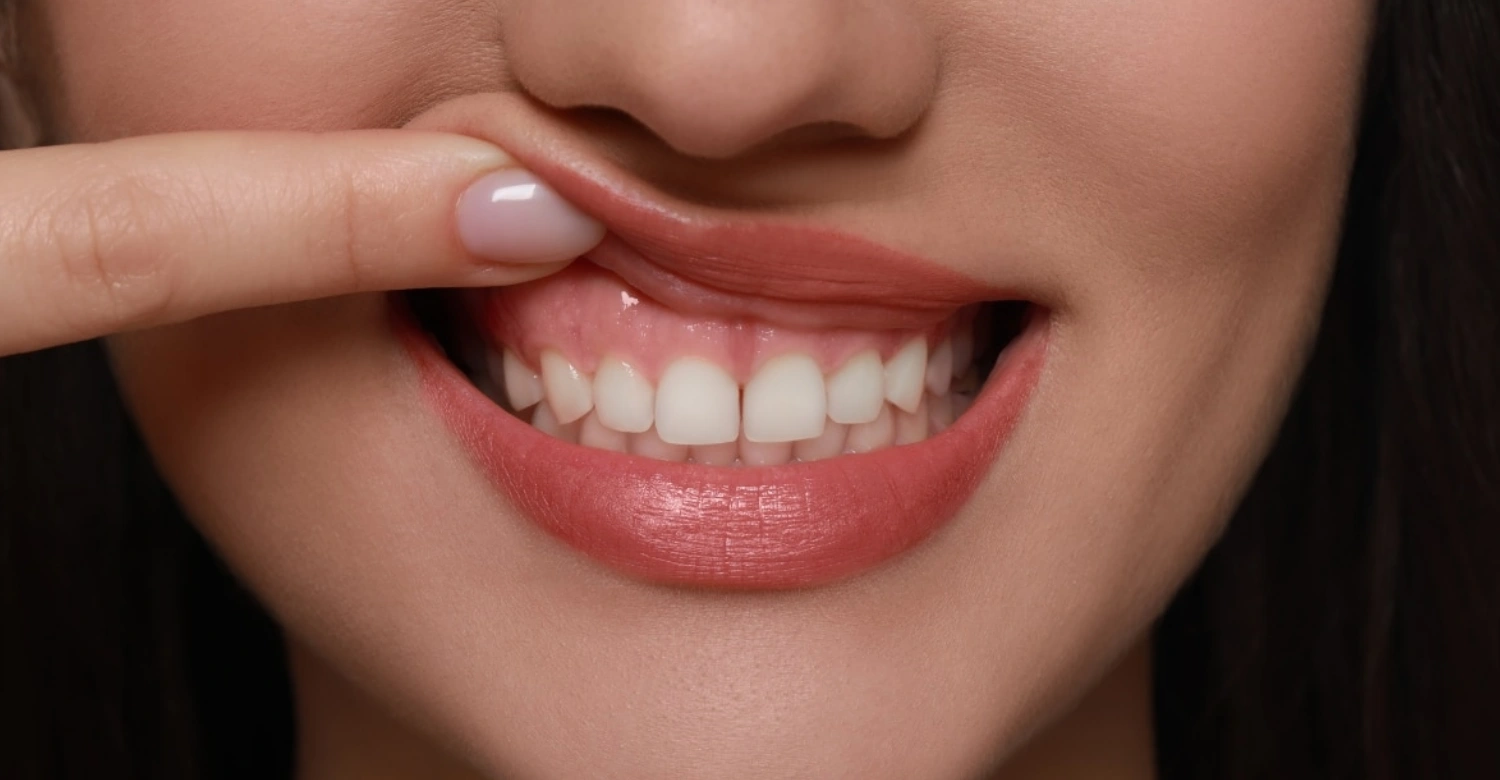
Does Drinking Alcohol Affect Your Teeth and Gums differently? Yes, and how alcohol affects your gums involves more than direct contact. Alcohol consumption is linked to dry mouth and changes in the oral environment that gums need to stay healthy. Reduced saliva and inadequate oral hygiene allow plaque to build up, which can contribute to gingival inflammation. Frequent or heavy alcohol consumption raises these concerns further. Gums that stay inflamed for long periods can become more sensitive and prone to bleeding, which is why plaque control matters just as much as moderating intake and drinking habits overall.
Alcohol and Gum Disease
Gingivitis is early, reversible gum inflammation. Periodontitis is more advanced and can affect the structures supporting teeth. Alcohol and gum disease become connected mainly through plaque control, which is particularly important for frequent drinkers. Lifestyle factors associated with frequent drinking, like irregular brushing or late-night sugary snacks, may complicate oral hygiene routines. Left unmanaged, gum disease can progress quietly. Recognizing early symptoms and maintaining consistent hygiene habits are the most effective ways to keep gum disease from advancing further. This is another reason Does Drinking Alcohol Affect Your Teeth and Gums deserves a proper answer.
Signs Your Gums May Need Attention
Bleeding when brushing or flossing
Red or swollen gums
Persistent bad breath
Gum tenderness
Gum recession
Increased tooth sensitivity
Loose teeth in advanced periodontal disease
These signs shouldn't be ignored. They often develop gradually, so patients may adjust without realizing their gums have changed. Noticing even one of these symptoms consistently is a reasonable reason to book a dental check-up rather than waiting for the problem to worsen further over time. It's another practical way to answer Does Drinking Alcohol Affect Your Teeth and Gums for your own mouth specifically.
Tips for Patients
Brush twice daily with fluoride toothpaste.
Clean between teeth regularly.
Keep dental appointments.
Monitor changes in gums and teeth.
Alternate alcoholic drinks with water.
Reduce sugary mixers.
Avoid prolonged sipping.
Be mindful of acidic drinks.
Persistent bleeding gums
Toothache
New sensitivity
Persistent dry mouth
Visible cavities
Changes in tooth colour
Persistent bad breath
Gum recession or swelling
Alcohol and Dry Mouth
Alcohol and dry mouth are closely connected because alcohol reduces saliva production. Saliva neutralizes acids, washes away food debris, supports enamel, and maintains healthy oral tissues throughout the day. When saliva flow drops, teeth lose a natural layer of protection. Persistent dry mouth can increase the risk of cavities and general discomfort, particularly for people who drink frequently or don't compensate with extra water. Recognizing dry mouth early helps patients adjust habits before decay or irritation develops further. Dry mouth is one of the clearest ways does alcohol affect your teeth and gums shows up day to day, since it's noticeable almost immediately after drinking.
Symptoms of Alcohol-Related Dry Mouth
Sticky or dry feeling in the mouth
Increased thirst
Difficulty swallowing
Bad breath
Increased sensitivity
Greater risk of tooth decay
These symptoms can appear during or after drinking and sometimes linger into the next day. Drinking water throughout the evening and after alcohol consumption can help ease dryness, though it won't fully reverse the reduced saliva flow alcohol causes in the moment. Patients who notice several of these symptoms often are experiencing a clear, direct answer to does alcohol affect your teeth and gums.
Can Alcohol Cause Tooth Staining?
Certain alcoholic drinks can contribute to tooth discolouration over time, another way Does Drinking Alcohol Affect Your Teeth and Gums plays out visibly. Dark-coloured drinks contain pigments that cling to enamel, especially with frequent exposure. There's a difference between surface stains, which sit on enamel and can often be polished away, and deeper tooth discolouration, which affects the tooth structure itself. Alcohol stains on teeth are usually surface-level at first but can deepen with repeated exposure and inconsistent oral hygiene, making early attention to staining worthwhile.
Which Alcoholic Drinks Are More Likely to Stain Teeth?
Red wine
Dark spirits
Dark mixers
Coloured cocktails
Staining potential varies depending on the drink itself and each person's oral hygiene habits. Someone who brushes consistently and attends regular cleanings will usually notice less staining than someone with the same drinking habits but inconsistent hygiene, since surface pigments are easier to manage before they set into enamel. This is a good example of how does alcohol affect your teeth and gums depends on habits, not just the drink itself.
Dental Problems Associated With Frequent Alcohol Consumption
Frequent alcohol consumption is associated with several dental concerns rather than one single issue, and this section answers does alcohol affect your teeth and gums in more clinical detail. These include tooth decay, enamel erosion, gum problems, bad breath, and tooth staining. Each develops through a different pathway, but dry mouth and reduced hygiene consistency often connect them. Understanding these separately helps patients see which habits most affect their own oral health, since not everyone experiences every issue to the same degree.
Tooth Decay
Plaque and dietary sugars work together to create decay-causing acids on tooth surfaces. Frequent alcohol exposure, especially with sugary mixers, increases how often teeth face this acid attack. Consistent brushing and reduced sipping time both help lower this risk considerably. Patients who ask Does Drinking Alcohol Affect Your Teeth and Gums with decay in mind should focus first on what they're mixing their drinks with.
Enamel Erosion
Acidic drinks gradually wear away enamel, the protective outer layer of teeth. This can lead to sensitivity and visible changes in tooth appearance, including a more yellowed or translucent look near the edges. Enamel doesn't regenerate, so prevention matters more than treatment here. Once erosion sets in, only careful monitoring and preventive dental visits can stop it from progressing further over time.
Gum Problems
Inflammation and periodontal concerns often stem from plaque buildup that isn't adequately controlled. Frequent drinking combined with irregular hygiene routines can make this worse. Plaque control through regular brushing and flossing remains the most effective preventive step for gum health. Swollen or bleeding gums are usually the first visible sign that habits need adjusting.
Bad Breath
Dry mouth reduces saliva's natural cleansing effect, allowing odour-causing bacteria to multiply more easily. This connection between dry mouth, bacteria, and breath odour is one of the more noticeable short-term effects of frequent drinking. Drinking water and chewing sugar-free gum afterward can help offset this temporarily.
Tooth Staining
Surface staining from dark drinks is primarily a cosmetic concern rather than a health risk. It can still affect confidence, though, which is why many patients ask about professional cleaning or whitening options during routine visits. Addressing staining early usually gives simpler, more affordable results than waiting until it deepens.
How to Protect Your Teeth When Drinking Alcohol
Wondering how to protect your teeth when drinking alcohol, now that we've covered Does Drinking Alcohol Affect Your Teeth and Gums in detail? Realistic habits matter more than avoiding alcohol entirely. Drink water alongside alcoholic beverages, and avoid continuously sipping acidic or sugary drinks for long periods. Limit sugary mixers where possible, and maintain regular brushing and interdental cleaning. Don't brush immediately after acidic drinks; give saliva time to neutralize acids first. Consider fluoride toothpaste as part of your routine, attend regular dental check-ups, and avoid alcohol-containing products excessively if they worsen dry-mouth symptoms you're already experiencing.
Why Water Matters
Water helps with hydration and can wash away some food and drink residues left behind after alcohol consumption. It doesn't completely eliminate the effects of alcohol or acidic beverages, but it meaningfully reduces how long sugars and acids sit on tooth surfaces, supporting saliva's natural protective role throughout the evening. Keeping a glass of water alongside every drink is one of the simplest habits patients can build.
When Should You Brush Your Teeth?
Timing matters after acidic drinks. Brushing too soon can spread softened enamel rather than protect it. Waiting around thirty minutes after significant acid exposure allows saliva to neutralize acids naturally. Brush gently afterward with fluoride toothpaste, avoiding aggressive scrubbing that could worsen sensitive or softened enamel. This small adjustment protects enamel far more than brushing harder or more frequently would.
What Dental Treatments May Be Needed?
Treatment depends on the underlying dental condition identified during examination, rather than on alcohol consumption alone. A dentist assesses staining, decay, gum health, and sensitivity individually before recommending any specific treatment plan tailored to that patient's actual clinical needs and goals. Answering does alcohol affect your teeth and gums clinically always starts with this kind of individual assessment.
Professional Dental Cleaning
Professional cleaning removes plaque and calculus that brushing alone can't reach. It benefits patients with gingivitis or noticeable staining. Results typically include smoother, cleaner-feeling teeth and reduced surface discolouration, though outcomes vary depending on how much buildup existed beforehand. Most patients notice a difference immediately and are encouraged to keep up daily habits between visits.
Fluoride Treatment
Professional fluoride applications may be recommended for patients showing early enamel wear or increased caries risk. Fluoride helps strengthen enamel and can reduce the likelihood of new cavities forming, particularly for patients experiencing dry mouth or reduced saliva flow regularly. It's a quick, low-intervention step that pairs well with routine cleanings.
Treatment for Tooth Decay
Fillings address early or moderate cavities effectively. More extensive treatment, such as root canal therapy or crowns, may become necessary if decay reaches deeper into the tooth. Catching decay early generally keeps treatment simpler and more conservative, which is another reason regular check-ups matter for anyone who drinks socially.
Gum Disease Treatment
Professional periodontal cleaning and ongoing periodontal management address gum inflammation at its source. Advanced gum disease may require more comprehensive treatment, including deeper cleaning procedures. Early intervention usually leads to a smoother, less invasive treatment path overall, and consistent home care afterward helps maintain results between appointments.
Cosmetic Treatment for Alcohol Stains
Professional whitening can address surface staining when appropriate for the patient. It's important to distinguish surface staining from intrinsic discolouration first, since whitening affects them differently. A dental examination should always come before any cosmetic treatment is planned, so results stay realistic and safe for the individual tooth structure involved.
What Can You Expect Before and After Treatment?
Results depend on the underlying condition and treatment selected, and expectations here connect back to how Does Drinking Alcohol Affect Your Teeth and Gums for that individual patient. Before treatment, patients may notice staining, plaque accumulation, inflammation, sensitivity, decay, or other diagnosed concerns affecting comfort or appearance. After treatment, many notice cleaner teeth, healthier-looking gums, reduced surface staining, or restored damaged teeth, depending on the approach used. Cosmetic treatment cannot replace good oral hygiene, however. Maintaining results long-term depends on consistent preventive care, including brushing, interdental cleaning, and regular check-ups at Vitrin Clinic to catch any new concerns early.
What We Notice Clinically
This section reflects a practical clinical perspective on Does Drinking Alcohol Affect Your Teeth and Gums, not a claim that alcohol is the sole cause of dental problems. Dr. Rifat Alsaman, Head of the Medical Team at Vitrin Clinic and a cosmetic dentist, notes recurring oral-health patterns among patients who frequently consume acidic or sugary drinks. Common findings include dry mouth, plaque accumulation, gingival inflammation, extrinsic staining, enamel wear, and increased caries risk. Every patient requires individual assessment, and these observations shouldn't be read as universal outcomes for everyone who drinks alcohol regularly.
Dr. Rifat Alsaman's Professional Perspective
Assessing a patient's overall oral-health habits matters more than looking at alcohol consumption in isolation. Dr. Rifat Alsaman emphasizes identifying the underlying cause of staining, sensitivity, decay, or gum problems before recommending any treatment. Prevention and early intervention remain the most effective approach for long-term oral health.
Clinical Note
Does Drinking Alcohol Affect Your Teeth and Gums the same way for everyone? No. Alcohol-related oral-health problems often have multiple contributing factors, not just one drink or habit. Patients shouldn't self-diagnose based on a single symptom. Persistent symptoms deserve a professional dental examination, since treatment depends entirely on the condition identified. Discussing lifestyle habits honestly with a dental professional helps guide accurate diagnosis. Frequent alcohol consumption combined with smoking or poor oral hygiene may warrant particularly careful dental monitoring going forward.
When Should You See a Dentist About Alcohol-Related Oral Problems?
If you're still unsure how does alcohol affect your teeth and gums applies to you, persistent symptoms are the clearest signal to book an appointment.
Persistent gum bleeding
Tooth sensitivity
Tooth pain
Persistent dry mouth
Recurrent cavities
Gum swelling
Visible enamel changes
Persistent bad breath
Unexplained tooth discolouration
Any of these symptoms appearing consistently, rather than occasionally, warrants prompt professional assessment. Waiting often allows minor issues to progress into more involved treatment, so earlier evaluation generally means simpler, more conservative care overall.
Why Choose Vitrin Clinic for Your Dental Care?
Does alcohol affect your teeth and gums enough to need professional care? A personalized dental assessment is the only way to know for certain. Experienced dental professionals at Vitrin Clinic help diagnose the true cause of tooth staining, decay, enamel concerns, gum problems, and dry-mouth-related dental issues. Vitrin Clinic focuses on modern dental technology and individualized treatment planning where relevant to each case. Dr. Rifat Alsaman, Head of the Medical Team at Vitrin Clinic and a cosmetic dentist, is closely involved in professional assessment and cosmetic dental care. Treatment recommendations are always based on a patient's clinical condition, goals, and oral-health needs, not a one-size-fits-all approach.
Book Your Dental Consultation
If you're experiencing persistent dental or gum concerns, arranging a professional assessment is a sensible next step. A consultation focuses on accurate diagnosis, personalized advice, and appropriate treatment, rather than promising specific outcomes in advance. It's the most reliable way to get a personal answer to Does Drinking Alcohol Affect Your Teeth and Gums, based on your own habits and clinical history. Contact Vitrin Clinic today to learn more or schedule your consultation with our team.
References:
FAQs

Dr. Rifat Alsaman has more than 5 years of clinical experience in dentistry and currently serves as the Head of the Medical Team at Vitrin Clinic. He is dedicated to providing exceptional patient care, overseeing treatment planning, and ensuring the highest clinical standards across the team. His expertise, attention to detail, and commitment to continuous professional development have helped countless patients achieve healthier, more confident smiles.


