General Dentistry
August 30, 2026
Sticky and Hard Foods: Risks for Natural Teeth and Dental Work

Sticky and Hard Foods are two of the most common everyday causes of dental damage. They affect natural teeth, fillings, crowns, and other restorations in very different ways. Sticky foods cling to enamel and feed cavity-causing bacteria for hours after eating. Hard foods place sudden, concentrated pressure on teeth and can crack them instantly, without warning.
Dental clinics report that food-related emergencies rise sharply around holidays, movie seasons, and hot summer months. Popcorn, ice, candy, and dried fruit are repeat offenders across nearly every age group. Understanding both risks helps patients protect their smile and avoid painful, costly emergencies down the road.
At Vitrin Clinic, patients frequently ask which everyday foods are actually safe to eat regularly. This guide breaks down the science, the biggest offenders, and practical steps for daily prevention. It also explains how sticky and hard foods interact differently with enamel, dentin, fillings, and crowns. By the end, most patients can identify their own highest-risk habits immediately.
What Are Sticky and Hard Foods?
Sticky and Hard Foods are grouped together because both create mechanical stress on teeth, just through very different mechanisms. Sticky foods adhere to enamel and remain in contact with the tooth surface long after eating. Hard foods require significant bite force, which can exceed what tooth structure can safely withstand.
Both categories overlap heavily with everyday snacks, candy, and even some genuinely healthy whole foods. Recognizing which foods fall into each category is the first practical step toward prevention. Many patients are surprised to learn how many common pantry items belong in one of these two risk groups.
A food can even belong to both categories at once, such as sticky toffee wrapped around a hard nut center. Dentists use this simple grouping to explain risk quickly during routine visits. It also helps patients remember which everyday habits deserve closer attention.
Sticky and Hard Foods: What Makes a Food Sticky or Chewy?
Stickiness comes from a food's texture, moisture content, and overall sugar concentration. Caramel, taffy, and gummy candy stretch and cling because of their sugar and gelatin structure. Dried fruit becomes noticeably stickier once most of its water is removed during processing. These foods resist saliva's natural rinsing action far longer than firmer, less textured foods.
That extended contact time is exactly what makes them genuinely risky for teeth over time. Dentists often describe sticky foods as leaving behind a slow-release sugar reservoir on the tooth surface. Temperature also plays a role, since warm sticky foods often cling even more aggressively to grooves. Gelatin-based candies and caramel-based sauces are frequent, repeat offenders in this category.
Reading ingredient lists can reveal hidden sticky components in packaged snacks. Manufacturers sometimes add extra sugar syrup specifically to boost this clinging texture in candy. This is why softer, less processed sweets are usually the safer everyday choice.
Sticky and Hard Foods: What Makes Hard Foods Risky for Teeth?
Hardness is generally measured by how much force is needed to break a food apart. Ice, unpopped popcorn kernels, and hard candy all require intense, concentrated bite force. That force is often applied unevenly, landing suddenly on a single cusp or edge. Teeth already weakened by fillings, cracks, or grinding are especially vulnerable to this kind of pressure.
A single hard bite can be enough to fracture an already compromised tooth instantly. Emergency dental visits frequently trace back to exactly this scenario of sudden, unexpected force. Molars typically absorb the greatest force, making them the most common fracture site overall. Sudden force is far more dangerous than steady, gradual pressure applied over time.
This is why biting is riskier than slow, deliberate chewing. Dentists often recommend a simple rule: if it hurts to bite, do not force it. Vitrin Clinic reviews this list with every new patient during an initial consultation.
Are Sticky and Hard Foods Always Bad for Your Teeth?
Not every sticky or hard food is dangerous in every situation or for every patient. Whole fruit, nuts, and raw vegetables offer real nutrition despite some inherent hardness or stickiness. Risk depends heavily on frequency, chewing technique, and the current condition of a person's teeth. A healthy, intact tooth can usually manage foods that would crack a weakened one easily.
At Vitrin Clinic, risk assessment is always personalized rather than based on a single generic food list. Context matters as much as the food itself when evaluating true dental risk. Two patients eating the identical snack can face very different outcomes depending on tooth history.
A dentist can assess individual risk factors during a standard checkup visit. That assessment often changes specific recommendations for each patient significantly. Bringing a full diet history to an appointment helps the dentist tailor advice precisely.
Sticky and Hard Foods: How Sticky Foods Cause Cavities and Tooth Decay
Sticky foods are a leading contributor to cavities because of how long they linger on tooth surfaces. Sugar trapped in plaque feeds bacteria that continuously produce enamel-dissolving acid throughout the day. The longer sugar stays in contact with a tooth, the more acid gets produced over time. Dental surveys consistently rank sticky snacks among the top dietary predictors of new cavities each year.
This section explains the specific pathways connecting sticky and hard foods to tooth decay and long-term enamel damage. It also outlines why timing and location inside the mouth change the overall level of risk. Public health data consistently link sticky snack frequency to higher regional cavity rates.
This connection holds true across nearly every age group studied. These pathways explain why two patients with similar diets can see very different results. Vitrin Clinic addresses each pathway individually when building a personalized prevention plan.
Sticky and Hard Foods: Why Foods That Stick to Your Teeth Increase Cavity Risk
Sticky foods extend the amount of time sugar remains available to oral bacteria significantly. A quick snack can create hours of acid exposure if residue stays trapped in grooves. Saliva struggles to wash away thick, gummy residue the way it clears simple liquids easily. This prolonged exposure disrupts the natural daily balance between mineral loss and mineral repair.
Frequent sticky snacking is consistently one of the strongest predictors of new cavities in clinical studies. Even brief daily exposure, repeated over many months, can meaningfully shift that balance toward decay. Bacteria populations also tend to grow denser in areas with regular sticky residue buildup.
Bacteria populations can double within plaque left undisturbed for several hours. That rapid growth accelerates acid production considerably during the exposure window. This explains why timing snacks around meals matters just as much as choosing them wisely.
Sticky and Hard Foods: How Sticky Foods Affect Tooth Enamel
Enamel weakens gradually as acid attacks accumulate from repeated sticky food exposure over time. Early damage often appears as chalky white spots before any visible cavity ever forms. Left unaddressed, that mineral loss can progress into a full cavity within just a few months. Studies consistently link frequent candy and dried fruit consumption to higher cavity rates across all ages.
Reducing sticky snack frequency remains one of the simplest, most effective preventive steps available today. Vitrin Clinic often identifies this exact pattern during routine enamel assessments and cleanings. Patients rarely notice the earliest stages, which is why regular screening matters so much.
Once white spot lesions appear, remineralization becomes considerably more difficult without professional support. Fluoride treatments can help reverse very early stages of this damage. Catching this stage early through regular exams often avoids the need for a filling later.
Sticky and Hard Foods: Sticky Foods That Get Trapped Between Teeth
Interdental spaces are especially vulnerable because floss and brushes cannot always reach trapped residue right away. Caramel, gummy candy, and dried fruit frequently wedge between molars during normal, everyday chewing. That trapped material can sit undisturbed for hours if flossing is delayed after eating.
Bacteria in these tight spaces produce acid directly against enamel and exposed root surfaces. This is why interdental cavities remain common even in patients who brush regularly at home. Flossing timing, not just frequency, meaningfully affects how much damage ultimately occurs in these spaces.
Many patients only discover these hidden cavities during a routine X-ray, well after they form. Floss threaders and water flossers can help reach these tight, hard-to-clean spaces. Vitrin Clinic often recommends these tools for patients prone to interdental decay. Molars with deep grooves are especially prone to trapping this kind of sticky residue.
Sticky and Hard Foods: Clinical Note
At Vitrin Clinic, dentists frequently see cavities forming specifically between back molars in adult patients. Patients are often genuinely surprised these lesions exist despite regular brushing habits at home. The explanation is almost always sticky food residue trapped where a toothbrush cannot reach.
Daily flossing shortly after sticky snacks meaningfully reduces this specific, well-documented clinical risk. Vitrin Clinic recommends flossing within an hour of eating any sticky or chewy food. This single habit change often prevents recurring interdental decay entirely within a few months.
Patients who adopt this routine typically see measurable improvement by their next scheduled cleaning. Patients are encouraged to mention sticky snack habits openly during every dental visit. This information directly shapes preventive recommendations offered by the care team. Vitrin Clinic uses these findings to tailor cleaning frequency for higher-risk patients specifically. This targeted guidance has helped many patients reduce recurring decay meaningfully over time.
Sticky and Hard Foods: Worst Sticky Foods for Dental Health
Some sticky foods pose considerably higher risk than others because of sugar content and texture. This section ranks the most problematic sticky foods commonly found in everyday household diets. Understanding which sticky and hard foods carry the greatest risk helps guide smarter daily choices. Insights from clinical practice consistently point toward a small, repeatable handful of common offenders.
Ranking these foods helps patients prioritize which habits to change first. Small, targeted swaps often produce the fastest noticeable improvement in cavity rates. Regional dental surveys show candy-related visits spike noticeably each holiday season.
Clinics use this seasonal data to plan outreach and preventive reminders. The list below is drawn directly from patterns observed across thousands of patient visits. Patients often recognize several of these foods immediately from their own regular diet. Reviewing this list together with a dentist often reveals surprising everyday blind spots.
Sticky and Hard Foods: Sticky Candy and Tooth Decay
Caramel, taffy, and gummy bears combine high sugar content with extremely sticky, clinging texture. This combination creates prolonged acid exposure far beyond what a quick snack would suggest at first. Dental research consistently ranks sticky candy among the top contributors to childhood and adult cavities alike.
One clinical review found sticky candies remain in contact with molars nearly twice as long as hard candy. That extended exposure explains why sticky candy is considered especially cariogenic among practicing dentists. Vitrin Clinic sees a clear, repeated pattern of decay linked directly to regular sticky candy habits.
Holiday seasons in particular bring a noticeable spike in candy-related cavity diagnoses. Sour coatings on some sticky candies add acidity on top of existing sugar risk. This combination makes certain candies especially damaging compared to plain versions. Vitrin Clinic often uses this specific example when explaining risk to new patients.
Sticky and Hard Foods: Dried Fruits and Other Naturally Sticky Foods
Raisins, dried apricots, and dried mango concentrate natural sugars once most of their water is removed. Their sticky texture allows them to cling to grooves and interdental spaces very easily. Despite being marketed as healthy snacks, dried fruits can be nearly as cariogenic as candy. Nutrition labels rarely warn consumers about this specific, well-documented dental risk hidden inside.
Rinsing with water after eating dried fruit meaningfully reduces residual sugar exposure across the day. Whole fresh fruit remains a considerably safer alternative for regular, everyday snacking choices. Parents packing school lunches are often unaware of just how sticky these snacks really are.
Portion size matters considerably, since a small handful can still deliver concentrated sugar exposure. Pairing dried fruit with cheese can help offset some of this risk. Reading the ingredient panel can reveal whether extra sugar has been added during processing.
Sticky and Hard Foods: Chewy and Sticky Foods That Harm Teeth
Chewy granola bars, toffee, and some protein bars share the same risky stickiness profile as candy. Many contain added sugars combined with a texture that resists saliva clearance effectively for hours. These foods can also pull at fillings and crowns during vigorous, repeated chewing motions.
Reading ingredient labels helps identify hidden sugar content in seemingly healthy chewy snacks marketed today. Choosing softer, less sticky alternatives protects both enamel and existing dental restorations at once. Vitrin Clinic recommends checking labels carefully before adding these snacks to a regular daily routine.
Some bars marketed as fitness snacks contain more sugar than an equivalent candy bar. Marketing language like natural or wholesome does not guarantee a low-risk dental profile. Comparing sugar grams per serving remains the most reliable way to judge risk. Vitrin Clinic recommends checking sugar content before assuming any bar is a safe choice.
Sticky and Hard Foods: Sticky Foods That Increase Cavity Risk
Frequency matters just as much as the specific food chosen throughout an average day. Grazing on sticky snacks between meals multiplies daily acid exposure significantly across many hours. A single sticky treat eaten with a meal is generally less risky than repeated snacking. Saliva flow increases naturally during meals, helping neutralize acid more effectively during that window.
Vitrin Clinic recommends confining sticky treats to mealtimes whenever it is realistically possible for patients. This one change alone can meaningfully lower a patient's overall long-term cavity risk. Simple timing shifts often produce results without requiring any real dietary sacrifice.
Keeping sticky snacks out of reach between meals reduces impulsive, frequent grazing significantly. Structured snack times support both better nutrition and stronger dental outcomes. Meal-based timing remains one of the easiest, most sustainable changes patients can make. Vitrin Clinic can help design a realistic snack schedule around this exact principle.
Sticky and Hard Foods: Hard Foods That Can Crack or Break Teeth
Hard foods create a very different kind of risk compared to sticky foods overall. Instead of gradual acid damage, hard foods cause sudden, unpredictable mechanical fractures without warning. This section explains how hard foods generate enough force to crack even otherwise healthy teeth. Clinical data consistently identifies a small, familiar set of foods behind most of these injuries.
Fracture patterns vary depending on which tooth absorbs the initial impact. Back molars generally bear the greatest load during accidental hard bites. Emergency dental clinics report ice and popcorn as the two most common fracture triggers.
This pattern holds consistently across most age groups studied. Understanding these patterns helps patients avoid the single most common preventable dental emergency. Many of these injuries happen during relaxed moments, like watching a movie or snacking casually. Awareness alone prevents a meaningful share of these otherwise sudden, painful injuries.
Sticky and Hard Foods: How Hard Foods Cause Tooth Fractures
Biting down on something unexpectedly hard concentrates enormous force on a very small area. Ice, unpopped popcorn kernels, and hard candy are common triggers for these sudden fractures. A tooth may crack without any warning pain at the exact moment of impact. Cracks often worsen slowly, causing intermittent pain when chewing or with temperature changes later.
Cracked teeth cannot heal on their own and require prompt, professional dental evaluation. Delayed care frequently allows a minor crack to progress into a serious, more painful fracture. Dentists describe these injuries as deceptively quiet, since discomfort can take days to appear.
Fracture lines can sometimes extend below the gumline without any visible surface sign. This hidden progression makes professional imaging especially valuable after suspected trauma. Vitrin Clinic recommends prompt imaging whenever a hard, unexpected bite causes any lingering discomfort. This is why any unusual sensation after biting something firm deserves quick attention.
Sticky and Hard Foods: Hard Foods to Avoid for Strong Teeth
Ice remains one of the most frequently cited causes of sudden tooth fractures nationwide. Popcorn kernels are notorious for hiding inside soft, fluffy popcorn until bitten directly by accident. Hard candy and jawbreakers place intense pressure on teeth if bitten rather than dissolved slowly. Whole nuts in the shell and hard bread crusts also carry meaningful, well-documented fracture risk.
Even a single bite on these foods can be enough to damage a vulnerable tooth. Vitrin Clinic treats this exact injury pattern on a regular, recurring basis throughout the year. Bagels and stale baguettes surprise many patients by ranking among the riskier bread products.
Reheating stale bread until soft can meaningfully lower its fracture risk before eating. Small preparation habits like this add up over months of regular consumption. Awareness of this specific list prevents a large share of otherwise avoidable dental emergencies.
Sticky and Hard Foods: Can Hard and Crunchy Foods Be Healthy but Still Damage Teeth?
Nutritional value and dental safety are not always the same thing in everyday practice. Almonds, for example, are nutritious but notoriously hard on tooth enamel and existing fillings. Raw carrots and apples are generally safer because they yield gradually under steady bite pressure. The distinction lies in whether force builds gradually or concentrates suddenly on one single spot.
Slicing hard foods before eating meaningfully reduces the force placed on any single tooth. This simple preparation step preserves nutrition while lowering fracture risk considerably for most patients. Even a few extra seconds of slicing can meaningfully change the outcome.
Nut butters offer a safer way to enjoy the same nutritional benefits without the risk. This simple swap preserves protein intake while removing the fracture concern entirely. Vitrin Clinic can suggest specific preparation tips tailored to a patient's existing dental work. Vitrin Clinic can recommend nutritionally similar substitutes that carry considerably less dental risk.
Sticky and Hard Foods: Clinical Note
Vitrin Clinic sees a consistent, recurring pattern among patients presenting with sudden tooth pain. Ice chewing and popcorn kernels are the two most frequently reported triggers by far. Many patients did not feel immediate pain, only noticing sensitivity days or even weeks later. Delayed diagnosis often allows a small crack to worsen substantially over those subsequent weeks.
Vitrin Clinic advises seeking evaluation immediately after any hard, unexpected bite impact of any kind. Early imaging can catch fractures long before they become painful or fully symptomatic. Catching a hairline crack early often means the difference between a filling and a crown.
Vitrin Clinic tracks these recurring patterns to improve patient education materials continuously. Sharing real case patterns often resonates more than generic warnings alone. These specific injuries account for a meaningful share of same-week emergency visits annually. Vitrin Clinic uses these cases to remind patients that pain is not always immediate.
Sticky and Hard Foods: How Hard and Sticky Foods Affect Different Parts of Your Teeth
Sticky and Hard Foods do not damage every part of a tooth equally or identically. Enamel, dentin, and existing dental work each respond differently to these two categories of risk. Understanding these differences helps explain why symptoms can vary so widely between individual patients seen clinically. Recognizing which tissue is affected helps guide both diagnosis and eventual treatment planning.
Symptoms often point clearly toward enamel, dentin, or restoration involvement specifically. Dentists often categorize damage this way to explain treatment options more clearly to patients. It also helps patients understand why symptoms differ so widely.
This distinction guides both the urgency and the type of treatment eventually recommended. Vitrin Clinic explains these differences clearly so patients know exactly what to expect next. Patients often benefit from seeing their own symptoms mapped to one of these categories.
Sticky and Hard Foods: Effects on Tooth Enamel
Enamel is the hardest tissue in the human body but is still vulnerable to both risks. Sticky foods gradually demineralize enamel through repeated acid exposure over weeks and months of use. Hard foods can chip or crack enamel instantly through sudden mechanical force applied all at once. Once enamel is lost, it cannot regenerate on its own under any circumstances whatsoever.
Both risk pathways ultimately point toward the same irreversible outcome without timely professional intervention. Vitrin Clinic emphasizes prevention precisely because enamel loss is permanent once it actually occurs. Fluoride can slow early damage, but it cannot reverse enamel that has already fractured away.
Enamel thickness naturally varies across different tooth surfaces and locations in the mouth. Thinner areas near the gumline are often the first to show visible damage. Vitrin Clinic screens for these early changes during every routine hygiene appointment.
Sticky and Hard Foods: Effects on Dentin and Sensitive Teeth
Dentin lies beneath enamel and contains microscopic channels connected directly to sensitive nerve tissue. When enamel is worn away or cracked, dentin becomes exposed to temperature and pressure. This exposure often produces the sharp, sudden sensitivity many patients describe after a hard bite. Sticky food acid can also gradually thin enamel enough to expose dentin over time.
Sensitivity involving both hot and cold often signals dentin exposure requiring professional dental evaluation. Vitrin Clinic uses this specific symptom pattern to guide further diagnostic testing efficiently. Air sensitivity, triggered simply by breathing, is another common early sign patients report.
Desensitizing toothpaste can offer some relief but does not address the underlying structural cause. A dental evaluation remains necessary to rule out deeper fracture involvement. Vitrin Clinic uses targeted testing to pinpoint exactly which tissue layer has been affected. Vitrin Clinic can often identify the exact cause within a single diagnostic visit.
Sticky and Hard Foods: Effects on Fillings and Dental Restorations
Existing fillings are particularly vulnerable to both sticky and hard food damage over time. Sticky candy can literally pull a filling loose during ordinary, everyday chewing motions. Hard foods can crack a filling or the remaining natural tooth structure around it entirely. Patients with multiple restorations should be especially cautious with both food categories discussed throughout this guide.
Restoration failure statistics show food-related stress as a leading cause of early replacement nationwide. Vitrin Clinic recommends more frequent checkups for patients with extensive existing dental work already in place. A lost filling left unrepaired can allow decay to spread rapidly underneath.
Older fillings made from certain materials may be more brittle than modern alternatives. Vitrin Clinic can evaluate whether aging restorations need proactive replacement. Regular checkups allow small restoration issues to be caught well before they become painful. Vitrin Clinic tracks restoration age closely to anticipate and prevent this kind of failure.
Can Sticky and Hard Foods Damage Dental Crowns?
Dental crowns are durable, but they are not indestructible against sticky and hard foods encountered daily. This section explains the specific risks crowns face and practical, realistic ways to protect them. Crown material also influences overall durability against these two everyday risk categories.
Porcelain, zirconia, and metal crowns each respond somewhat differently under stress. Crown failure remains one of the more preventable dental emergencies seen in practice. Most cases trace directly back to a specific identifiable food or habit.
Understanding these risks helps crowned patients protect a meaningful, often costly dental investment. Patients considering a crown should discuss these everyday risks before treatment even begins. Vitrin Clinic walks new crown patients through these risks before treatment is completed.
Sticky and Hard Foods: Foods That Can Damage Dental Crowns
Sticky candy can dislodge a crown by pulling steadily at its margin during repeated chewing. Hard foods like ice or nuts can crack porcelain crowns under sudden, concentrated pressure. Popcorn kernels are a particularly common cause of crown-related emergency dental visits each season. Even a well-placed crown can fail if repeatedly exposed to these extreme bite forces.
Damage can occur gradually through repeated stress rather than a single dramatic, memorable event. Vitrin Clinic replaces a meaningful share of crowns each year due to this exact pattern. Front crowns face additional risk from habits like biting fingernails or opening packages.
Grinding habits combined with sticky or hard foods compound risk considerably for crowned teeth. Patients who grind their teeth should discuss additional protection with their dentist. Vitrin Clinic reviews crown-specific risks during every regular maintenance visit scheduled with patients. Vitrin Clinic reviews individual habits closely when planning long-term crown maintenance schedules.
Sticky and Hard Foods: Why Dental Crowns May Need Extra Care
Crowns are bonded to a smaller foundation of remaining natural tooth structure underneath them. That reduced structure sometimes cannot distribute bite force as effectively as a full, intact tooth. Cement bonds beneath crowns can weaken gradually with repeated sticky food exposure over many months.
Patients often assume a crown makes a tooth indestructible, which is a common and understandable misconception. Vitrin Clinic recommends treating a crowned tooth with the same caution as a natural one. That simple mindset shift alone prevents many avoidable crown failures seen in practice.
Crown longevity depends heavily on everyday habits, not just on the quality of the material. Routine checkups allow a dentist to catch early cement breakdown before real symptoms appear. This proactive monitoring often prevents a full, more costly crown replacement later. This extra caution typically extends the functional lifespan of a crown considerably over time.
Sticky and Hard Foods: What Should You Do If a Crown Feels Loose After Eating?
A loose or shifting crown after eating sticky or hard food needs prompt, focused attention. Avoid chewing on that side of the mouth until it is properly evaluated first. Do not attempt to remove or reposition the crown at home by yourself. Contact Vitrin Clinic as soon as possible to schedule an urgent, same-week assessment.
Prompt care significantly increases the chance the same crown can still be reused. Waiting too long often means the crown cannot be safely recemented afterward at all. In some cases, the underlying tooth can also become compromised during the delay.
Saving the crown if it fully detaches can help speed up the repair process. Bringing it to the appointment allows the dentist to assess reattachment options quickly. Acting within the first day or two meaningfully improves the odds of a simple fix. Vitrin Clinic keeps dedicated appointment slots open specifically for these urgent crown concerns.
Sticky and Hard Foods: Clinical Note
Crown-related emergencies at Vitrin Clinic frequently trace back to popcorn kernels or ice chewing. Many patients wait several days before seeking help, assuming the looseness will simply resolve. That delay can allow bacteria to enter beneath the crown and damage the tooth underneath. What starts as a simple recementing can become a full crown replacement instead.
Vitrin Clinic strongly advises same-week evaluation for any crown that feels different after eating. Insurance coverage can also be affected by how quickly a patient seeks treatment. Same-week scheduling exists specifically to prevent these delays from becoming larger problems.
Patients are encouraged to call rather than wait and monitor symptoms. These specific cases highlight why quick reporting matters more than patients often initially assume. Vitrin Clinic considers same-week evaluation the single most effective way to save a crown.
Sticky and Hard Foods: What Foods Should You Avoid to Protect Your Teeth?
Combining awareness of both sticky and hard food categories helps patients build a genuinely safer daily diet. This section summarizes the specific foods most worth limiting or avoiding entirely going forward. This combined list serves as a practical, everyday reference for most patients. Printing or saving it can help reinforce these habits at home.
Many patients find this consolidated list more useful than scattered individual warnings. It condenses dozens of specific risks into one practical reference. Reviewing it periodically helps reinforce habits that can otherwise fade over busy weeks.
Vitrin Clinic updates this guidance periodically as new dental research becomes available. Vitrin Clinic recommends revisiting this guidance whenever new snacks enter a household routine.
Sticky and Hard Foods: Top Sticky Foods to Limit
Caramel, taffy, gummy candy, and dried fruit top the list of common sticky risks overall. Chewy granola bars and toffee-coated snacks also deserve caution due to hidden sugar content. Limiting frequency, rather than complete avoidance, is usually the most realistic long-term strategy for patients.
Pairing sticky treats with a meal reduces overall acid exposure throughout the entire day. Rinsing with water immediately afterward provides additional, genuinely easy protection at essentially no cost. Vitrin Clinic suggests these small adjustments as a first, practical step for most patients.
None of these changes require giving up favorite foods entirely, only adjusting timing. Substituting sugar-free versions of favorite treats can also meaningfully reduce overall cavity risk. Vitrin Clinic can suggest specific alternatives during a nutrition-focused consultation visit. Vitrin Clinic can help identify which specific items matter most for an individual patient. Vitrin Clinic finds this specific list resonates most strongly with patients managing recent cavities.
Sticky and Hard Foods: Top Hard Foods to Be Careful With
Ice, unpopped popcorn kernels, and hard candy are the most frequently cited culprits nationwide today. Whole nuts, hard pretzels, and stale bread crusts also carry meaningful, well-documented fracture risk. Slicing or softening these foods before eating reduces the force placed on any single tooth.
Chewing slowly and deliberately, rather than quickly, also lowers overall risk considerably for most patients. Patients with existing dental work should be especially cautious with this entire food category. Vitrin Clinic reviews these specific risks during every comprehensive dental exam performed at the clinic.
Bringing a full list of habits to the appointment helps guide a more accurate assessment. Warning children and teens about these specific foods early helps build lasting protective habits. Family-wide awareness tends to produce the most consistent long-term results. Patients with a history of cracked teeth should treat this list with particular caution.
Sticky and Hard Foods: Foods That Weaken Tooth Enamel
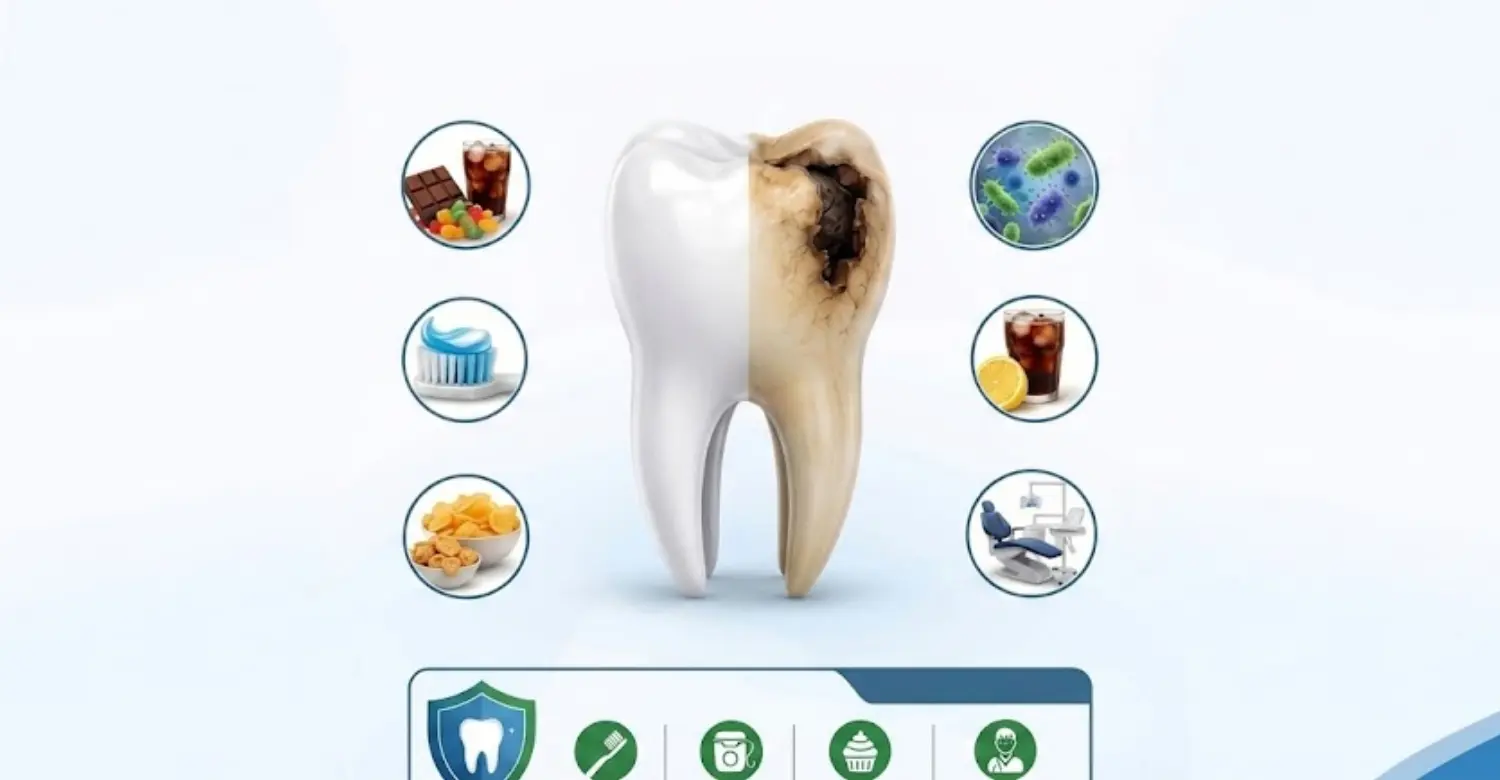
Beyond sticky and hard textures, acidic foods and drinks can independently weaken enamel even further. Combining acidity with stickiness, as in some sour candies, compounds the overall risk considerably. Sports drinks and citrus snacks fall into this overlapping, higher-risk category as well.
Weakened enamel becomes considerably more vulnerable to fractures from hard foods encountered afterward in the same day. This overlap is exactly why a comprehensive dietary approach matters more than avoiding single foods alone. Vitrin Clinic evaluates diet holistically rather than focusing narrowly on any one specific ingredient.
A single high-risk habit rarely explains recurring damage on its own. Drinking acidic beverages through a straw can reduce direct contact with front teeth. Waiting before brushing after acidic exposure also helps protect softened enamel. Vitrin Clinic reviews beverage habits closely for patients reporting frequent sensitivity or discomfort. Vitrin Clinic considers acidity an underappreciated factor compared to sugar content alone.
What Foods Are Better Alternatives to Sticky and Hard Foods?
Choosing smarter alternatives allows patients to satisfy cravings without the same level of dental risk. This section highlights tooth-friendly options that still feel genuinely satisfying and flavorful day to day. These substitutions are designed to feel satisfying rather than restrictive for most patients. Gradual replacement tends to work better than sudden, complete elimination. These options were selected specifically for being both nutritious and genuinely low risk. Most require no special preparation or shopping effort at all. Trying a few new options each week makes the overall transition feel far more manageable. Vitrin Clinic pairs this list with practical shopping tips during nutrition consultations. Vitrin Clinic finds most patients adapt to these swaps within just a few weeks.
Tooth-Friendly Snack Options
Cheese, plain yogurt, and fresh fruit offer flavor without excessive stickiness or hardness involved. Sliced apples and pears provide sweetness with a gentler, more gradual bite force overall. Sugar-free gum can stimulate saliva flow, offering a genuinely protective snack option in between meals. These alternatives satisfy cravings while meaningfully reducing overall dental risk across a typical day. Vitrin Clinic often recommends these specific swaps to patients managing recurrent cavities successfully. Simple substitutions like these rarely feel like a real sacrifice once fully adopted. Many patients report preferring the alternatives after just a few consistent weeks. Keeping these alternatives visible and accessible at home encourages consistent, repeated use. Small kitchen changes like this often outperform willpower alone over time. Vitrin Clinic keeps a printed list of these options available for patients during visits. Vitrin Clinic often sends patients home with a short list tailored to their preferences.
Choosing Foods That Are Easier on Your Teeth
Softer preparation methods can make otherwise risky foods considerably safer to eat overall. Slicing nuts, cooking vegetables lightly, and choosing fresh fruit over dried versions all genuinely help. Portion control also reduces total exposure time for sticky snacks throughout the entire day. Small, mindful changes accumulate steadily into meaningful long-term protection for enamel and restorations. This approach avoids the need for complete dietary restriction in most everyday patients seen. Vitrin Clinic frames these choices as sustainable habits rather than strict, unrealistic rules. Patients tend to stick with gradual changes far longer than sudden, dramatic ones. Meal planning around these principles removes the need for constant, moment-to-moment decision making. A little upfront planning meaningfully reduces daily temptation toward riskier snacks. Preparing snacks in advance removes the temptation to reach for riskier convenience options. Vitrin Clinic finds these small shifts add up to meaningful protection within months.
Are Crunchy Foods Good for Your Teeth?
Crunchy foods are not automatically risky the way sticky and hard foods often are. Raw carrots, celery, and apples require chewing that stimulates genuinely healthy saliva flow overall. Their firm but yielding texture spreads bite force more evenly than truly hard foods do. Crunchy vegetables also help mechanically loosen some surface plaque during ordinary, everyday chewing. Choosing crunchy whole foods over sticky or brittle snacks generally supports better long-term dental health. Vitrin Clinic regularly encourages this specific substitution during nutrition-focused consultations with patients. These foods often double as effective, low-effort snacks for busy weekdays. Pairing crunchy vegetables with a protein source also supports better overall satiety between meals. This combination often reduces the urge to reach for sticky snacks later. Vitrin Clinic frequently highlights this distinction since many patients assume all crunch is risky. Vitrin Clinic encourages patients to reach for these options during typical afternoon cravings.
Sticky and Hard Foods and Children's Dental Health
Children face distinct risks from sticky and hard foods due to developing teeth and habits. This additional section addresses prevention strategies specific to younger patients and their families directly. Establishing good habits early significantly reduces cavity rates throughout adolescence and adulthood. Parents play the single largest role in shaping these lifelong patterns. Pediatric dentists increasingly emphasize this topic during early childhood checkup visits. Early guidance tends to shape habits that last well into adulthood. Vitrin Clinic tailors this guidance specifically to each child's age and current dental stage. Vitrin Clinic welcomes questions from parents at any stage of a child's dental development. Vitrin Clinic finds early conversations with parents lead to noticeably better long-term outcomes.
Why Children's Teeth Are More Vulnerable
Primary teeth have noticeably thinner enamel than permanent adult teeth do overall. That thinner layer wears down faster under repeated sticky food acid exposure throughout childhood. Children also tend to snack more frequently throughout the day than most adults typically do. Limited flossing skills increase the chance sticky residue lingers between developing teeth for longer. Pediatric cavity rates remain strongly linked to sticky candy and juice consumption patterns nationwide. Vitrin Clinic sees this connection clearly during routine pediatric dental checkups performed regularly. Baby teeth cavities can also affect the alignment of permanent teeth arriving later. Sealants can offer additional protection for the deep grooves found on molars. Vitrin Clinic frequently recommends sealants alongside broader dietary guidance for younger patients. Vitrin Clinic monitors this vulnerability closely during every scheduled pediatric checkup and cleaning. Vitrin Clinic recommends starting these conversations well before permanent teeth begin arriving.
Common Sticky and Hard Foods Kids Eat
Gummy candy, fruit snacks, and lollipops are everyday staples in many children's diets today. Ice chewing and hard candy biting are also common habits among school-age kids specifically. Dental guidance specifically flags sticky candy as a leading contributor to pediatric cavities overall. Popcorn at movies or parties introduces meaningful fracture risk for young, developing teeth as well. Parents often underestimate how frequently these exposures actually occur across a typical school week. Vitrin Clinic helps families identify these hidden patterns during routine pediatric consultations. School lunchboxes are frequently the single biggest source of hidden daily sugar exposure. Birthday parties and school events often introduce concentrated bursts of high-risk snacks. Planning ahead for these occasions helps limit unnecessary additional exposure. Vitrin Clinic encourages families to review lunchbox contents together during routine visits. Vitrin Clinic suggests reviewing school snack policies alongside these everyday household choices.
Tips for Parents and Caregivers
Encourage children to drink water after eating sticky or sugary snacks whenever possible. Replace sticky candy with fresh fruit or cheese whenever practical to do at home. Teach children to avoid biting ice or hard candy directly with their front teeth. Schedule regular checkups so early enamel changes can be caught quickly by professionals. Vitrin Clinic offers pediatric-focused visits designed around these specific everyday risks and habits. Building these habits early creates lasting protection that carries through adolescence and beyond. Consistency at home matters more than any single dental visit alone. Modeling healthy snack choices at home reinforces the same lessons taught during dental visits. Children often mirror parental habits more closely than direct instruction alone. Vitrin Clinic offers printed guides parents can keep at home for quick, easy reference. Vitrin Clinic remains available to answer specific questions between scheduled appointments as needed.
How to Protect Your Teeth From Hard and Sticky Foods
Prevention combines smart food choices with consistent daily habits and regular professional monitoring over time. This section offers practical steps patients can start applying immediately at home today. These combined strategies work best when applied consistently rather than occasionally. Small daily habits compound into meaningful long-term dental protection over time. These recommendations reflect patterns seen repeatedly across thousands of patient visits. They are intentionally simple enough to apply without major lifestyle disruption. Vitrin Clinic reviews these steps with every patient during routine preventive appointments. Vitrin Clinic tailors this guidance to each patient's specific dental history and current risk. Vitrin Clinic finds that patients who follow even a few of these steps see real improvement.
Tips for Patients
Limit sticky snacks to mealtimes rather than constant grazing throughout the entire day. Avoid biting directly into ice, hard candy, or unpopped popcorn kernels of any kind. Slice hard foods like nuts and apples before eating them whenever it is possible. Floss promptly after any sticky snack to clear trapped residue quickly and effectively. Schedule regular visits to the Vitrin Clinic so small issues are caught early consistently. Consistency matters more than perfection when building these protective daily habits over time. Small, repeatable routines tend to outperform occasional bursts of intense effort. Keeping a mental note of recent risky snacks can help during dental checkups. This small habit gives the dentist valuable context for targeted advice. Vitrin Clinic can help patients build a personalized checklist based on their specific habits. Vitrin Clinic reviews these habits together with patients at every routine cleaning visit.
What to Do If Food Causes Tooth Pain or a Crack
Stop chewing on the affected side immediately after noticing any pain or discomfort. Rinse gently with warm water to clear any remaining food debris present. Avoid extreme hot or cold foods until the tooth has been properly evaluated. Contact Vitrin Clinic promptly, since cracked teeth genuinely do not heal on their own. Early treatment significantly improves the chances of saving the natural tooth structure intact. Waiting even a few extra days can meaningfully change the entire treatment plan. Photographing the area beforehand can also help the dentist assess changes over time. Over-the-counter pain relief can help manage discomfort while waiting for an appointment. It should never be treated as a substitute for professional evaluation. Vitrin Clinic keeps same-week openings available specifically for these urgent situations. Vitrin Clinic treats this exact scenario as a standard, well-practiced part of daily care.
What We Notice Clinically
Vitrin Clinic sees a clear, repeatable seasonal pattern in food-related dental emergencies each year. Ice chewing injuries rise noticeably during hot summer months across the entire practice. Popcorn and hard candy injuries increase around holidays and movie-heavy seasons specifically. Many patients delay treatment, assuming minor discomfort will simply resolve entirely on its own. Early evaluation consistently leads to simpler, less invasive treatment outcomes across nearly every case. This pattern reinforces the real value of prompt reporting after any suspicious symptom. Staff at Vitrin Clinic now flag these seasonal trends proactively with returning patients. Reviewing these seasonal trends helps the clinic prepare staffing for busier emergency periods. Patients benefit from this preparation through shorter wait times overall. Vitrin Clinic shares these observations with patients to help set realistic expectations year-round. Vitrin Clinic uses these observations to remind patients ahead of especially high-risk seasons.
When Should You See a Dentist After Eating Hard or Sticky Foods?
Some symptoms after eating sticky or hard foods require prompt professional evaluation rather than simply waiting. This section outlines the specific warning signs that should never be ignored by patients. Knowing these specific signs in advance helps patients respond quickly when something feels wrong. Quick recognition consistently leads to faster, simpler treatment outcomes. Recognizing these signs quickly often determines whether a tooth can ultimately be saved. Waiting even a short time can change the entire treatment outlook. Vitrin Clinic encourages patients to call rather than wait when any of these signs appear. Vitrin Clinic would rather see a patient too early than too late in these situations. Vitrin Clinic finds that patients who call promptly almost always face simpler treatment.
Warning Signs You Should Not Ignore
Sharp pain while biting down is one of the clearest signs of an underlying crack. Sensitivity to temperature that lingers after the trigger is removed also warrants real, immediate concern. A visibly loose filling or crown should never be left unaddressed for very long. Swelling near a tooth can indicate infection requiring genuinely urgent professional attention right away. Any of these signs justifies contacting Vitrin Clinic without any unnecessary delay whatsoever. Ignoring these signals rarely makes the underlying problem resolve entirely on its own. A change in bite alignment can also signal a shifting or fractured tooth. Keeping a written note of when symptoms began helps guide the eventual diagnosis. This detail often speeds up the overall evaluation process considerably. Vitrin Clinic treats any combination of these signs as reason enough for prompt evaluation. Vitrin Clinic treats phone calls about these symptoms as same-day priorities whenever possible.
Why Early Assessment Matters
Cracked teeth tend to worsen gradually if they are left untreated for too long. Small fractures can eventually reach the nerve, requiring root canal treatment much later. Loose restorations left in place can allow bacteria to reach vulnerable inner tooth structure quickly. Dental research consistently shows earlier intervention reduces treatment complexity and overall cost significantly for patients. Vitrin Clinic emphasizes prompt evaluation as the single best predictor of a favorable outcome. Patients who act quickly typically face simpler, considerably less expensive treatment paths overall. Delayed cases often require multiple visits instead of just one straightforward appointment. Insurance considerations can also favor earlier treatment over delayed, more extensive procedures. Discussing timing openly with the clinic can help clarify these considerations. Vitrin Clinic consistently finds that early cases require simpler, shorter treatment overall. Vitrin Clinic consistently sees better long-term outcomes among patients who do not delay care.
Clinical Note
Vitrin Clinic frequently treats patients who waited weeks before seeking care after a hard bite. In many of these cases, a simple crack had progressed into a much deeper fracture. What could have been a straightforward filling often became a considerably more complex procedure instead. This pattern reinforces why prompt evaluation matters so much after any suspected food-related injury. Vitrin Clinic keeps flexible scheduling available specifically to accommodate these urgent, time-sensitive situations. Same-day appointments are often available for patients reporting sudden, sharp tooth pain. This flexible scheduling approach has measurably reduced complication rates among reporting patients. Vitrin Clinic considers rapid response a core part of quality care. Vitrin Clinic considers this responsiveness a defining part of its overall patient care model. Vitrin Clinic shares these patterns openly to help patients understand why urgency matters.
How Vitrin Clinic Helps Protect and Restore Damaged Teeth
Vitrin Clinic combines preventive guidance with restorative expertise for food-related dental damage of every kind. This section explains how that comprehensive approach works in everyday clinical practice. This approach reflects a broader philosophy that prevention and restoration work best together. Patients consistently report feeling more informed after this kind of visit. This process reflects years of experience treating exactly these kinds of everyday injuries. Every step is designed around accuracy first and efficiency second. This structured process gives patients confidence that nothing has been missed or overlooked. Patients are given clear next steps regardless of how minor or serious the finding. Patients consistently describe this process as thorough without feeling unnecessarily drawn out.
Comprehensive Assessment for Food-Related Dental Damage
Every evaluation at Vitrin Clinic begins with a detailed review of dietary habits and reported symptoms. Digital imaging helps identify cracks or decay not visible during a routine visual exam alone. Existing restorations are checked carefully for early signs of stress or gradual loosening. This thorough approach ensures nothing related to sticky and hard foods is ever overlooked. Patients leave every visit with a clear picture of both the cause and the solution. Vitrin Clinic treats accurate diagnosis as the essential foundation of effective, lasting treatment. This process typically takes less time than most patients initially expect. Follow-up questions about daily habits often reveal patterns patients had not previously noticed. This conversation alone frequently changes future snacking behavior meaningfully. Vitrin Clinic documents findings clearly so patients fully understand each recommended next step. Vitrin Clinic believes this level of detail meaningfully improves long-term treatment success.
Personalized Treatment Based on the Cause
Treatment plans differ significantly depending on whether damage stems from sticky or hard foods specifically. Cavities from sticky food exposure may respond well to conservative, minimally invasive care approaches. Cracks from hard foods often require restorative treatment tailored to the fracture's specific depth and location. Vitrin Clinic always matches the treatment approach to the exact underlying cause that was identified. This personalized method supports meaningfully better long-term outcomes for every individual patient treated. No two treatment plans at Vitrin Clinic look exactly the same as a result. Follow-up visits are scheduled based on each patient's specific risk profile. Patients are walked through each option clearly before any treatment decision is finalized. This transparency helps build trust and long-term treatment adherence. Vitrin Clinic reviews outcomes regularly to refine this personalized approach over time. Vitrin Clinic revisits each plan at follow-up visits to confirm it remains the right fit.
Why Choose Vitrin Clinic for Your Dental Care?
Vitrin Clinic prioritizes prevention alongside genuinely high-quality restorative and cosmetic dental care overall. This final overview section summarizes what sets that overall approach clearly apart. Long-term patient relationships allow the clinic to track changes in risk over time. That continuity often catches emerging problems earlier than a first-time visit would. Patients frequently mention this personalized attention when asked why they continue returning. That consistency builds trust that extends well beyond a single visit. Vitrin Clinic measures success by long-term outcomes, not just individual appointment satisfaction. Many patients first arrive after a food-related emergency and choose to stay long term. Vitrin Clinic continues refining its approach based directly on real patient outcomes and feedback.
Personalized Treatment Planning
No two patients face identical risks from sticky and hard foods in daily life. Vitrin Clinic evaluates individual habits, tooth structure, and existing dental work before recommending any treatment. This tailored approach avoids unnecessary procedures while addressing genuine, specific risk factors directly and efficiently. Patients receive concrete, practical guidance rather than generic dietary advice handed out broadly. That precision is central to how Vitrin Clinic approaches every single case it sees. Every plan is revisited and adjusted as a patient's habits or needs evolve. Patients are encouraged to ask questions freely throughout every stage of planning. Open communication consistently leads to better adherence and outcomes over time. Vitrin Clinic welcomes second opinions and encourages patients to ask about every available option. Vitrin Clinic believes informed patients ultimately make better long-term decisions about their own care.
From Prevention to Smile Restoration
Vitrin Clinic supports patients across the full spectrum of dental care needs available today. Preventive guidance helps avoid damage from sticky and hard foods in the first place. Restorative treatment addresses cracks, lost fillings, and damaged crowns whenever they do eventually occur. Cosmetic options become available once underlying health concerns have been fully resolved first. This full-circle approach reflects Vitrin Clinic's broader, long-term commitment to lasting dental health overall. Patients often stay with the same care team for years as a result. This continuity of care reduces the need to repeat history at every new visit. Patients benefit from a team that already understands their specific risk profile. Vitrin Clinic designs every stage of care to build naturally on the one before it. Vitrin Clinic views this continuity as central to achieving lasting, dependable dental health.
Reference
FAQs

Dr. Rifat Alsaman has more than 5 years of clinical experience in dentistry and currently serves as the Head of the Medical Team at Vitrin Clinic. He is dedicated to providing exceptional patient care, overseeing treatment planning, and ensuring the highest clinical standards across the team. His expertise, attention to detail, and commitment to continuous professional development have helped countless patients achieve healthier, more confident smiles.


