General Dentistry
August 30, 2026
How Sugar Damages Tooth Enamel ?

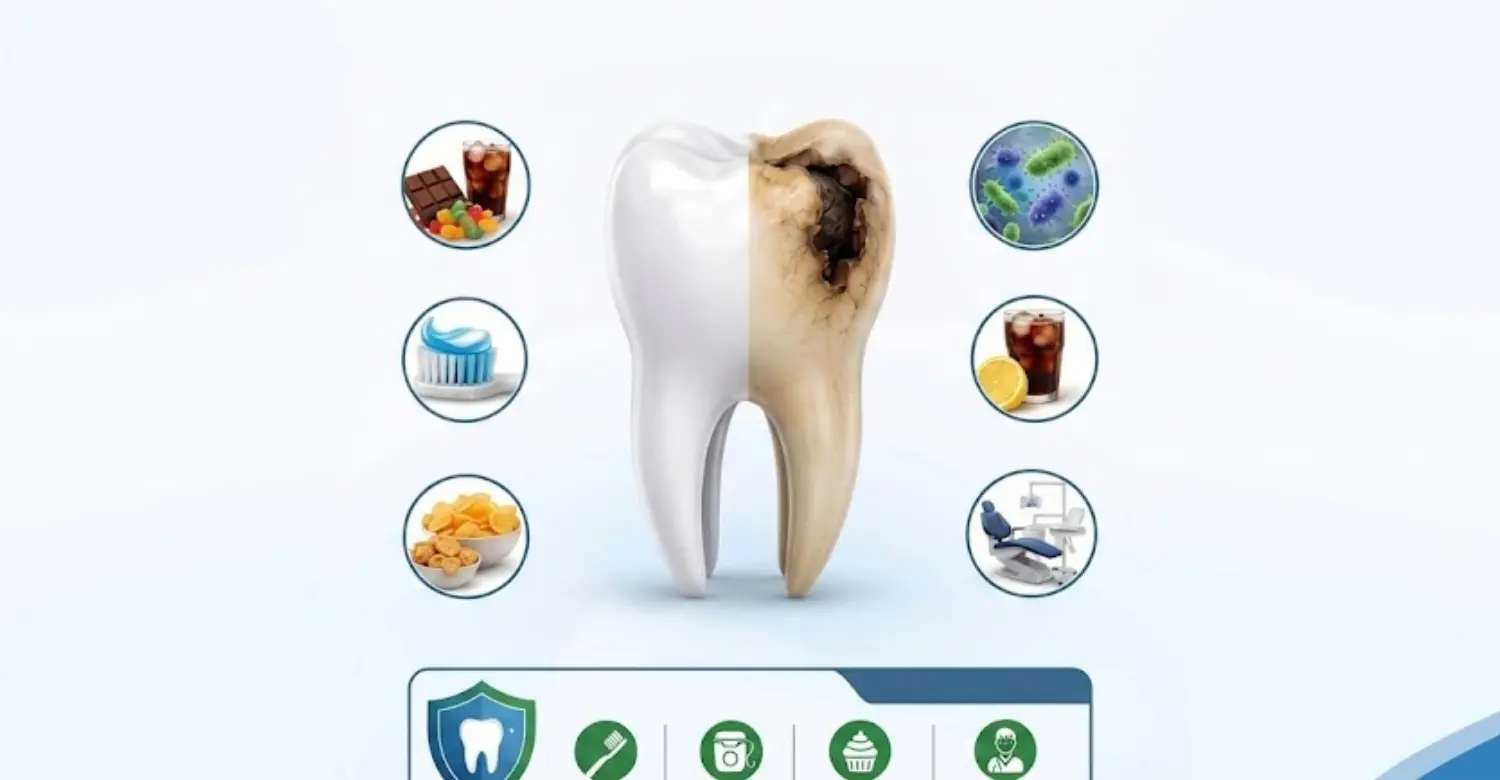
How Sugar Damages Tooth Enamel is one of the most common questions people ask when they are trying to prevent cavities, sensitivity, and long-term enamel loss. It is also one of the most misunderstood topics in everyday dental care. Oral bacteria use fermentable sugars as fuel and, in the process, produce acids as a byproduct. Those acids are the real agents of damage. The World Health Organization identifies free sugar consumption as a major risk factor for dental caries worldwide. WHO recommends keeping free sugars below 10 percent of daily energy intake, and notes that a further reduction below 5 percent may provide additional dental benefits.
How Sugar Damages Tooth Enamel?
Sugar is one of the most common dietary factors associated with dental caries and enamel mineral loss. This harmful process begins with interactions between dietary sugars, plaque bacteria, acids, saliva, and tooth minerals. Sugar itself does not simply dissolve enamel instantly. Instead, oral bacteria metabolize fermentable carbohydrates and produce acids. These acids temporarily lower the pH around tooth surfaces. Repeated episodes can remove minerals from enamel faster than saliva replaces them. Over time, this imbalance can contribute to white spots, cavities, sensitivity, and structural damage. The risk depends on sugar frequency, food consistency, oral hygiene, fluoride exposure, and saliva flow. Understanding these mechanisms helps patients make practical dietary and preventive choices. Vitrin Clinic emphasizes early prevention and individualized dental assessments for patients experiencing enamel changes.
How Does Sugar Damage Tooth Enamel?
The underlying mechanism involves a biological process rather than direct sugar contact alone. When you consume sugar, plaque bacteria can use it as an energy source. Their metabolism produces organic acids that lower the pH around teeth. If the pH falls sufficiently, minerals begin leaving the enamel surface. Saliva gradually neutralizes acids and supplies minerals for natural remineralization. Problems arise when acid attacks happen frequently throughout the day. Repeated exposure can give enamel less time to recover between attacks. Fluoride can strengthen enamel and improve resistance against future acid challenges. Research consistently identifies dietary sugar as an important modifiable caries risk factor. Reducing exposure frequency can therefore support better long-term enamel protection. Individual risk varies according to oral hygiene, saliva, fluoride exposure, and existing dental conditions.
What Happens When Sugar Enters the Mouth?
Sugar begins interacting with the oral environment almost immediately after consumption. Saliva mixes with food and distributes dissolved sugars across different tooth surfaces. Plaque bacteria can then metabolize fermentable carbohydrates present around teeth. This bacterial activity produces acids that temporarily decrease local plaque pH. Enamel begins losing minerals when the surrounding environment becomes sufficiently acidic. Saliva subsequently works to restore a healthier pH and mineral balance. Fluoride can further support enamel during this recovery period. The important issue is repeated exposure rather than one isolated sweet food. Frequent sugary snacks can create multiple acid challenges throughout one day. Progression therefore depends strongly on what happens after sugar enters the mouth. Good plaque control can reduce bacterial activity and support healthier enamel conditions.
How Oral Bacteria Turn Sugar Into Acid
Oral bacteria use certain carbohydrates as substrates for energy production. During metabolism, bacteria generate acids as metabolic byproducts. These acids accumulate within dental plaque surrounding tooth surfaces. The resulting pH decrease creates conditions favoring enamel mineral dissolution. Streptococcus mutans and other cariogenic bacteria can contribute significantly to this process. However, dental caries involve complex microbial communities rather than one bacterium alone. Saliva normally helps dilute acids and restore oral pH after eating. Frequent sugar intake can repeatedly stimulate bacterial acid production. This reduces the time available for natural mineral recovery. Microbial breakdown becomes clearer when bacterial metabolism is considered. Controlling plaque and reducing sugar frequency can therefore lower repeated acid challenges. Fluoride provides another important defense against mineral loss.
How Acid Attacks Tooth Enamel
Enamel consists primarily of mineral crystals containing calcium and phosphate. Acidic conditions can dissolve minerals from these crystals. This process is called demineralization. Repeated demineralization can weaken enamel when remineralization cannot compensate for mineral loss. Early changes may appear as opaque or chalky white areas. Continued mineral loss can eventually create a cavity or structural defect. Saliva helps reverse some early mineral loss after acid exposure ends. Fluoride strengthens enamel and supports remineralization during these recovery periods. Acid exposure can come from bacterial metabolism or directly acidic foods and drinks. Understanding enamel destruction therefore includes both bacterial acid production and dietary patterns. Preventive care aims to maintain a favorable balance between demineralization and remineralization.
The Role of Plaque Bacteria
Dental plaque provides a sticky environment where bacteria remain close to tooth surfaces. This proximity allows bacterial acids to affect enamel more efficiently. Plaque also retains carbohydrates after eating and drinking. Poor plaque removal can therefore increase the duration of bacterial acid activity. Some bacterial communities are particularly efficient at producing acid from fermentable carbohydrates. Their activity can lower plaque pH repeatedly after sugar consumption. Saliva can neutralize acids, but its effectiveness varies among individuals. Reduced salivary flow can increase susceptibility to caries and enamel mineral loss. Tooth wear is closely connected with plaque bacteria and repeated carbohydrate exposure. Daily brushing and interdental cleaning help disrupt plaque accumulation. Professional dental cleaning can assist patients with persistent plaque-related problems.
Why Frequent Sugar Exposure Matters
The frequency of sugar consumption can influence the number of daily acid attacks. Each exposure can trigger bacterial metabolism and a temporary decline in plaque pH. Repeated snacking creates repeated opportunities for this process to occur. Continuous sipping of sweetened beverages can be particularly problematic. It may repeatedly expose tooth surfaces to fermentable carbohydrates throughout extended periods. Saliva needs sufficient time to neutralize acids and restore mineral balance. Structured meals can provide longer recovery periods between exposures. Enamel degradation is therefore influenced by consumption patterns, not merely total sugar quantity. Reducing unnecessary snacking can lower the number of daily acid challenges. Water between meals provides a tooth-friendly alternative to sweetened drinks.
Sugar and Tooth Enamel Damage: The Basic Process
The process begins when fermentable sugar becomes available to plaque bacteria. Bacteria metabolize these carbohydrates and produce organic acids. The acids lower the pH around susceptible tooth surfaces. Mineral ions can then leave enamel during the acidic phase. Saliva gradually neutralizes the environment and provides calcium and phosphate. Fluoride can enhance the resistance of enamel against further acid dissolution. Healthy enamel experiences repeated cycles of demineralization and remineralization every day. Problems develop when mineral loss repeatedly exceeds mineral replacement. This phenomenon reflects an imbalance between destructive and protective processes. Frequent sugar intake can shift the balance toward repeated mineral loss. Effective prevention aims to reduce acid challenges while strengthening natural protective mechanisms.
Clinical Note: Why Sugar Frequency Can Matter More Than Quantity
Two people may consume similar amounts of sugar but have different dental risks. Their eating patterns, saliva flow, plaque levels, and fluoride exposure can differ substantially. Someone consuming small sugary portions repeatedly may experience frequent acid challenges. Another person may consume the same amount during one meal. The second pattern generally allows longer periods for saliva-mediated recovery. Dietary risk therefore cannot be assessed from sugar quantity alone. Dental professionals consider dietary frequency alongside hygiene and individual caries risk. The World Health Organization recommends limiting free sugars to reduce dental caries risk. Keeping sugary foods within meals can support better exposure patterns. Water between meals can further reduce unnecessary carbohydrate exposure. Personalized dietary guidance remains useful for patients with recurrent cavities.
How Sugar Erodes Tooth Enamel
Enamel erosion technically refers to tooth wear caused by acids that are not produced by bacteria. These acids can originate from acidic drinks, foods, stomach acid, or environmental exposures. Sugar can contribute indirectly when sugary products are also highly acidic. Soft drinks and fruit-flavored beverages are common examples. Their acidity can affect enamel independently from bacterial sugar metabolism. Frequent consumption increases the number of acidic episodes affecting tooth surfaces. Enamel breakdown can therefore involve both caries-related bacterial acids and dietary acidity. These mechanisms should be distinguished because prevention may differ between them. Reducing acidic drinks can help limit erosive challenges. Fluoride and saliva provide important protective mechanisms against acid-related mineral loss.
What Is Enamel Erosion?
Enamel erosion is the progressive loss of tooth structure caused by chemical dissolution. Unlike dental caries, erosion does not primarily require bacterial metabolism. Acid directly interacts with mineralized tooth tissues. Common sources include acidic beverages, citrus products, gastric acid, and certain medications. Repeated exposure can soften enamel and increase susceptibility to mechanical wear. Early erosion may produce a smoother, thinner, or more translucent appearance. Advanced erosion can alter tooth shape and increase sensitivity. Sugar consumption differs from pure erosion because bacterial metabolism plays a major role. However, many sugary beverages also contain significant amounts of dietary acid. Patients should therefore consider both sugar content and acidity when choosing drinks. Professional examination can distinguish erosion from other forms of tooth wear.
How Sugar Contributes to Enamel Erosion
Sugar does not automatically cause chemical erosion by itself. However, many sugary products also contain acids that directly challenge enamel. Soft drinks, energy drinks, flavored waters, and fruit beverages are common examples. Their acidity can soften enamel independently of bacterial activity. Sugar simultaneously provides fermentable carbohydrates for plaque bacteria. This creates potentially overlapping pathways for dental damage. Frequent consumption can increase the total number of oral challenges. Acidic damage therefore requires consideration of both carbohydrate metabolism and beverage acidity. Choosing water instead of acidic sugary drinks can reduce both exposures. Patients should avoid prolonged sipping because exposure time can increase. Dental professionals can evaluate whether enamel changes reflect erosion, caries, abrasion, or combinations.
Sugar Acid Attack on Tooth Enamel
A sugar-related acid attack begins when plaque bacteria metabolize fermentable carbohydrates. The resulting acids reduce the pH within dental plaque. Mineral dissolution can occur when enamel encounters sufficiently acidic conditions. Saliva then begins restoring the oral environment after sugar exposure ends. Fluoride can improve enamel resistance during subsequent acid challenges. Frequent consumption can repeatedly restart this cycle before complete recovery occurs. Acid damage becomes significant when destructive episodes consistently exceed protective recovery. The visible result may initially be subtle and difficult for patients to recognize. White spots can represent early mineral changes associated with caries activity. Professional evaluation helps determine whether mineral loss remains reversible.
How Repeated Acid Attacks Weaken Enamel
Repeated acid attacks can gradually remove minerals from susceptible enamel surfaces. Each episode may produce a temporary period of demineralization. Saliva and fluoride can restore some mineral content during recovery. However, repeated attacks can overwhelm these protective processes. The enamel may become increasingly porous and less resistant to future acid exposure. Early mineral changes may remain invisible without professional examination. Mineral loss becomes more concerning when recovery periods become shorter. Frequent snacks and sweetened beverages can contribute to this pattern. Reducing exposure frequency gives saliva and fluoride more opportunities to protect enamel. Consistent plaque control further reduces bacterial acid production.
When Enamel Cannot Fully Remineralize
Early enamel mineral loss may be partially reversed through remineralization. However, remineralization has biological limits. Once a cavity forms, the lost tooth structure cannot naturally regenerate. Large areas of structural loss require restorative dental treatment. Prevention is especially important during the early stages. Preventive intervention has greater potential before permanent structural damage develops. Fluoride can help stabilize early noncavitated lesions in appropriate circumstances. Dietary modification can reduce the frequency of future acid attacks. Professional monitoring determines whether lesions remain stable or continue progressing. Patients should seek evaluation when they notice persistent sensitivity or visible changes.
Early Signs of Enamel Damage
Early enamel changes can be subtle and may not cause pain. White or chalky areas can indicate mineral loss near the tooth surface. Some patients notice increased sensitivity to cold, sweet, or acidic foods. Teeth may also appear more translucent around their edges. Surface texture can change as mineral loss progresses. Dietary decay may initially produce changes that patients overlook. Early evaluation can identify potentially reversible mineral loss before cavitation develops. Not every white spot indicates sugar-related damage. Fluorosis, developmental defects, and other conditions can create similar appearances. A dentist can determine the likely cause through clinical examination and appropriate diagnostic methods.
What We Notice Clinically
Clinically, enamel changes require careful assessment rather than assumptions based solely on diet. Dentists evaluate color, surface texture, lesion location, sensitivity, and plaque accumulation. Dietary history can reveal frequent sugar exposure or acidic beverage consumption. Existing restorations and previous cavities may indicate elevated caries risk. Enamel loss can present differently depending on individual oral conditions. Early lesions may be managed conservatively through fluoride and behavioral changes. Cavitated lesions generally require restorative treatment. At Vitrin Clinic, evaluation can combine preventive assessment with individualized treatment planning. Preserving healthy tooth structure remains an important clinical priority.
Dr. Rifat Alsaman’s Clinical Opinion
Dr. Rifat Alsaman emphasizes that early enamel changes should not be ignored. Small changes can provide an opportunity for prevention before significant tooth structure is lost. He considers dietary habits, plaque control, fluoride exposure, and individual risk together. Dietary tooth decay should therefore be evaluated as a multifactorial process. A single sugary meal does not determine a patient's long-term dental outcome. Repeated patterns are more important for preventive planning. Patients experiencing sensitivity or visible enamel changes should receive professional assessment. Early guidance can help reduce avoidable progression and preserve natural tooth structure. Vitrin Clinic focuses on conservative care whenever clinically appropriate.
Why How Often You Eat Sugar Matters
Enamel health depends partly on how frequently teeth encounter fermentable carbohydrates. Frequency determines how often bacteria receive fresh sugar to metabolize into acid. More frequent exposure can create more acid episodes throughout a single day. The American Dental Association highlights frequency as an important factor in caries risk management. Constant grazing is generally less favorable than consuming similar foods during structured meals. Reducing daily sugar exposures can become a practical goal for many patients. The exact effect varies because saliva and oral hygiene differ between individuals. Structured meals provide longer recovery periods between acid challenges. Choosing water between meals can further reduce unnecessary sugar exposure. This approach can protect enamel while allowing occasional sweet foods.
Is Sugar-Free Always Better for Teeth?
Sugar-free products can reduce exposure to fermentable sugars compared with their standard alternatives. However, sugar-free does not necessarily mean that a product is harmless to enamel. Acidic products can still contribute to erosive tooth wear through direct chemical processes. Sugar-free gum containing xylitol can stimulate saliva production when chewed. Increased saliva can support acid neutralization and natural enamel remineralization. However, gum cannot replace brushing or interdental cleaning. Patients should evaluate the complete ingredient profile before choosing a product. Tooth decay risk also depends on acidity, exposure frequency, and plaque levels. A sugar-free acidic beverage may therefore still challenge enamel. Water remains a simpler everyday beverage choice for dental health.
How to Protect Teeth From Sugar Damage
Protecting enamel requires dietary control, fluoride exposure, plaque removal, and professional monitoring. No single habit can completely prevent sugar-related dental problems. Fluoride supports remineralization and increases enamel resistance against future acid attacks. Water helps clear food and beverage residues between meals. The CDC recommends brushing twice daily with fluoride toothpaste. These combined habits form the foundation of effective preventive dental care. Enamel loss becomes easier to prevent when frequent sugar exposure is reduced. Patients should also maintain consistent interdental cleaning. Regular dental examinations can identify early changes before significant structure is lost. Prevention works best when multiple protective habits are practiced consistently.
Reduce the Frequency of Sugary Foods and Drinks
Reducing consumption frequency can decrease repeated acid attacks during the day. Instead of grazing continuously, patients can consolidate sweet foods into structured meals. Replacing frequent sweet drinks with plain water can make a meaningful difference. This strategy reduces exposure without necessarily requiring complete sugar elimination. How Sugar Damages Tooth Enamel is strongly connected with repeated bacterial acid production. Fewer exposures provide more recovery opportunities between acid challenges. Dietary changes should remain realistic and sustainable over time. Small reductions can gradually create better conditions for enamel preservation. Patients with recurrent cavities may benefit from individualized dietary guidance. Professional assessment can identify additional risk factors requiring attention.
Brush With Fluoride Toothpaste Twice Daily
Fluoride toothpaste is an evidence-based strategy for preventing dental caries. Fluoride supports remineralization and improves enamel resistance against acid attacks. Brushing also removes plaque containing bacteria capable of producing acids. Consistent technique and timing are more important than aggressive brushing pressure. Excessive pressure can contribute to other forms of tooth wear. How Sugar Damages Tooth Enamel is influenced by both acid production and enamel protection. Fluoride helps strengthen enamel against repeated acidic challenges. Patients should brush twice daily using an appropriate fluoride toothpaste. Interdental cleaning should complement regular brushing. People with elevated caries risk may require additional fluoride strategies.
Use Fluoride to Strengthen Enamel
Fluoride remains one of the most effective tools for preventing dental caries. It helps replace minerals lost during acid attacks and supports remineralization. The CDC recognizes fluoride as beneficial for children and adults. Fluoride toothpaste provides regular topical exposure during everyday brushing. The appropriate fluoride concentration depends on age and individual caries risk. How Sugar Damages Tooth Enamel can be reduced when fluoride exposure remains consistent. Higher-concentration fluoride products may benefit selected high-risk patients. These products should be recommended according to professional assessment. Fluoride should complement dietary control and effective plaque removal. It should not be considered a substitute for healthy daily habits.
Maintain Regular Dental Checkups
Dental examinations can identify emerging problems before they become advanced. Dentists can monitor white spots, enamel changes, cavities, and existing restorations. Visit frequency should reflect individual risk rather than one universal schedule. Patients with recurrent cavities may require more frequent professional monitoring. The CDC recommends routine dental care as part of long-term oral health. How Sugar Damages Tooth Enamel can be assessed through clinical examination and dietary evaluation. Early detection can allow preventive management before significant enamel structure disappears. Professional monitoring also helps evaluate whether preventive strategies are working. Patients should report sensitivity, discoloration, or visible enamel changes. Timely evaluation can reduce the need for more extensive treatment.
Tips for Patients
Patients should focus on simple habits that can realistically continue long term. Choose water between meals whenever practical. Avoid continuously sipping sweetened beverages throughout the day. Brush twice daily using fluoride toothpaste. Clean between teeth regularly to remove plaque from difficult areas. How Sugar Damages Tooth Enamel is easier to prevent through consistent daily habits. Patients should also monitor persistent sensitivity or visible enamel changes. Do not dismiss recurring symptoms as normal. Professional assessment can identify problems before they become advanced. At Vitrin Clinic, preventive recommendations can be tailored to individual dental needs. A personalized approach can support both enamel preservation and long-term oral health.
Simple Daily Habits to Reduce Sugar-Related Enamel Damage
Start each day with fluoride toothpaste and thorough plaque removal. Choose water instead of sweetened beverages between meals. Avoid grazing on sweets throughout the afternoon or evening. Clean between teeth daily to reduce plaque accumulation. How Sugar Damages Tooth Enamel can be minimized by reducing repeated acid-producing exposures. Use fluoride consistently rather than relying on occasional treatments. Keep sugary foods mainly within structured meals when possible. Schedule dental examinations according to individual caries risk. These habits work together to create a more protective oral environment. Consistency is more valuable than occasional intensive preventive efforts.
Best Foods to Prevent Enamel Damage
No single food can completely protect enamel from excessive sugar exposure. However, certain foods can support healthier dietary patterns and saliva production. Crunchy vegetables require chewing and may stimulate saliva flow. Nuts and seeds provide nutrient-dense alternatives to sugary snacks. Cheese provides calcium and phosphate that support mineral balance. Water remains the simplest beverage for everyday hydration. How Sugar Damages Tooth Enamel can be reduced by replacing frequent sugary snacks with tooth-friendly choices. These foods complement fluoride and oral hygiene rather than replacing them. Patients should focus on their overall eating pattern instead of one specific food. A balanced diet can support both oral and general health.
Cheese and Other Dairy Foods
Cheese can be a useful tooth-friendly food within a balanced diet. It provides calcium and phosphate that support mineral balance. Chewing cheese can also stimulate saliva production. Some dairy foods may help buffer oral acidity to some degree. However, flavored dairy products can contain substantial added sugar. Patients should check labels when choosing sweetened yogurt or dairy products. How Sugar Damages Tooth Enamel can be influenced by hidden sugars in apparently healthy foods. Plain cheese and unsweetened dairy options generally avoid this additional sugar exposure. Dairy should not be considered a dental treatment. People avoiding dairy can discuss alternative calcium sources with appropriate professionals.
Nuts and Seeds
Nuts and seeds are generally low in free sugars compared with many popular snacks. They provide protein, healthy fats, and important minerals. Unsweetened varieties are preferable from a dental perspective. Sugar-coated nuts can contain additional fermentable carbohydrates. Sticky coatings can also increase retention around tooth surfaces. How Sugar Damages Tooth Enamel becomes less concerning when sugary snacks are replaced with lower-sugar alternatives. Nuts and seeds can provide satisfying options between meals. However, they cannot treat existing cavities or structural enamel loss. Patients should still maintain fluoride use and effective plaque control. Portion sizes should also fit individual nutritional requirements.
Water as a Tooth-Friendly Choice
Water contains no fermentable sugar, making it a tooth-friendly beverage. It can rinse away food particles and support normal hydration. Fluoridated water can provide additional fluoride exposure where available. The CDC recognizes fluoride as an important preventive tool for oral health. How Sugar Damages Tooth Enamel can be reduced when water replaces sugary beverages. Water is particularly useful between meals. It does not provide bacteria with fermentable sugar for acid production. Drinking water cannot repair an established cavity. However, it can support a healthier oral environment throughout the day. For many patients, replacing sweet drinks with water is a practical first step.
Can Tooth Enamel Repair Itself After Sugar Damage?
Early mineral loss can sometimes improve through natural remineralization. Saliva supplies calcium and phosphate to partially demineralized enamel. Fluoride can strengthen this natural repair process. However, enamel cannot regenerate large areas that have physically disappeared. Once a cavity forms, professional treatment may be required. How Sugar Damages Tooth Enamel is therefore important to understand before structural damage progresses. Early diagnosis provides better opportunities for conservative management. Patients should not wait until severe pain develops before seeking evaluation. Preventive treatment can sometimes stabilize early lesions. Advanced structural damage requires treatment based on severity.
Understanding Enamel Remineralization
Remineralization returns minerals to partially demineralized enamel. Saliva naturally supplies calcium and phosphate throughout the day. Fluoride can strengthen newly mineralized enamel and increase resistance to acids. Early noncavitated lesions may benefit from this process. However, remineralization cannot replace enamel that has already disappeared. Reducing sugar frequency creates more opportunities for recovery. Good plaque control also improves fluoride access to tooth surfaces. How Sugar Damages Tooth Enamel becomes less progressive when mineral loss is controlled early. Professional monitoring can determine whether an early lesion remains stable. Individual results depend on diet, saliva, fluoride, and oral hygiene.
How Fluoride Supports Remineralization
Fluoride supports the repair of early mineral loss through established biochemical mechanisms. It can increase enamel resistance to future acid dissolution. Fluoride also contributes to a protective mineral environment around teeth. Regular low-level exposure is important for ongoing protection. Higher-concentration products may be recommended for patients with elevated caries risk. How Sugar Damages Tooth Enamel can be limited when fluoride protects enamel during repeated acid challenges. However, fluoride cannot rebuild enamel that has already been lost. Patients should use fluoride products according to professional recommendations. Consistent use is more beneficial than occasional exposure. Dietary control and plaque removal remain equally important preventive measures.
When Professional Dental Treatment Is Needed
Professional treatment becomes important once structural damage exceeds what home care can manage. Cavities cannot be repaired through brushing or dietary changes alone. Deep decay may require more extensive treatment than a simple filling. Persistent pain can indicate that decay has progressed toward the dental pulp. How Sugar Damages Tooth Enamel becomes clinically important when repeated mineral loss develops into permanent structural damage. Early dental assessment can prevent small lesions from becoming larger problems. Vitrin Clinic can evaluate enamel condition, tooth structure, and existing dental concerns. The dental team can then develop an individualized treatment strategy. Treatment recommendations depend on the severity and location of existing damage. Early intervention can help preserve more natural tooth structure.
Dr. Rifat Alsaman's Clinical Opinion on Early Enamel Damage
Dr. Rifat Alsaman considers early enamel changes an important opportunity for prevention. How Sugar Damages Tooth Enamel should be evaluated through several interconnected factors. These include dietary frequency, fluoride exposure, plaque control, saliva, and existing dental conditions. Addressing these factors together can reduce the likelihood of continued mineral loss. Early intervention may help prevent noncavitated lesions from progressing further. Patients should understand that enamel preservation is generally more conservative than restorative treatment. Once significant enamel structure disappears, natural regeneration cannot restore it completely. Consistent prevention can therefore provide important long-term benefits. At Vitrin Clinic, individualized assessment helps determine appropriate preventive recommendations. Clinical decisions should always reflect the patient's specific dental findings and risk factors.
How Much Sugar Is Safe for Your Teeth?
There is no single sugar amount guaranteeing zero dental risk for every person. Individual susceptibility varies according to saliva, bacteria, fluoride exposure, hygiene, and dietary habits. WHO recommends keeping free sugars below 10% of total daily energy intake. For a 2,000-calorie diet, this equals approximately 50 grams daily. WHO also suggests that lower intake can provide additional health benefits. How Sugar Damages Tooth Enamel depends on both sugar consumption and exposure frequency. Therefore, the 50-gram figure should not be considered a guaranteed dental safety threshold. Patients experiencing recurrent cavities may require more individualized dietary guidance. Dental recommendations should also consider overall nutritional needs. Reducing frequent sugar exposures can provide an important preventive benefit. A balanced diet remains essential alongside appropriate oral hygiene.
Recommended Limits for Free Sugar Intake
WHO recommends keeping free sugar intake below 10% of total energy intake. Lowering intake below 5% may provide additional benefits for reducing dental caries risk. Free sugars include added sugars, honey, syrups, and sugars naturally present in fruit juices. How Sugar Damages Tooth Enamel is particularly relevant when free sugar consumption occurs frequently. Nutrition labels can help patients identify added sugars in packaged foods. However, total sugar quantity does not represent the entire dental risk. Consumption frequency and food consistency can influence bacterial acid exposure. Dietary changes should remain nutritionally balanced and realistically sustainable. Completely eliminating all sweet foods is not necessary for most people. Reducing frequent exposure can be a more practical long-term strategy.
Better Alternatives to Frequent Sugary Snacks
Unsweetened yogurt, cheese, vegetables, nuts, and whole fruit can replace many sugary snack choices. Water is generally preferable to sweetened beverages between meals. Whole foods can provide nutrients while limiting exposure to concentrated free sugars. How Sugar Damages Tooth Enamel can be reduced by changing both snack choices and eating frequency. Patients should also consider hidden sugars in sauces, flavored yogurts, cereals, and packaged snacks. Sticky coatings can increase how long carbohydrates remain around tooth surfaces. Individuals with dietary restrictions may need personalized nutritional recommendations. The goal is not necessarily eliminating every sweet food from the diet. Instead, patients can reduce unnecessary exposures and choose tooth-friendly alternatives. These changes should complement fluoride use and effective plaque removal.
Sugar-Free Alternatives: Are They Better for Tooth Enamel?
Sugar-free products can reduce exposure to fermentable sugars compared with conventional sweetened products. However, sugar-free does not automatically mean enamel-safe. Some sugar-free beverages remain highly acidic and can contribute to erosive tooth wear. Non-sugar sweeteners generally provide less usable substrate for cariogenic bacteria. How Sugar Damages Tooth Enamel can therefore differ depending on the ingredients and acidity of each product. Sugar-free gum can provide additional benefits by stimulating saliva production. Water remains one of the simplest choices for protecting teeth between meals. Patients should consider acidity, ingredients, and consumption frequency when selecting beverages. Sugar-free products should complement, rather than replace, fluoride and oral hygiene. Individual recommendations can vary according to dental risk and existing enamel conditions.
Sugar-Free Gum and Saliva Production
Chewing sugar-free gum stimulates salivary flow after eating. Increased saliva can help neutralize acids and provide minerals needed for enamel remineralization. The American Dental Association recognizes sugar-free gum as a useful adjunctive strategy. How Sugar Damages Tooth Enamel can be reduced when saliva helps shorten acidic periods after meals. Gum does not replace brushing or interdental cleaning. It can instead provide additional support when brushing is temporarily unavailable. Patients may find gum particularly convenient after meals consumed outside the home. Products containing certain non-sugar sweeteners may provide additional dental advantages. Patients should select products appropriate for their individual circumstances. Sugar-free gum remains an adjunct, not a substitute for comprehensive preventive care.
Are Sugar-Free Drinks Always Safe for Enamel?
No, sugar-free drinks are not automatically safe for enamel. Some contain acids that can directly contribute to erosive tooth wear. This process can occur even without fermentable sugar or bacterial acid production. Frequent exposure can increase cumulative enamel challenges throughout the day. How Sugar Damages Tooth Enamel therefore involves more than sugar concentration alone. Beverage acidity, exposure duration, and drinking frequency can also matter. Water generally provides a safer everyday alternative to acidic soft drinks. Drinking water afterward can help clear residual acids from the mouth. Patients should avoid prolonged sipping of acidic beverages whenever possible. Immediate aggressive brushing after acidic exposure should also be avoided. Professional evaluation can identify whether enamel changes involve erosion, caries, or both.
When Should You See a Dentist for Sugar-Related Enamel Damage?
Dental assessment is appropriate when symptoms persist or visible tooth changes develop. Early caries may cause no pain, making routine examinations particularly valuable. White spots, sensitivity, discoloration, and visible cavities deserve professional evaluation. Frequent new cavities can indicate elevated caries risk requiring closer assessment. How Sugar Damages Tooth Enamel can progress silently before noticeable symptoms appear. The CDC notes that untreated cavities can progress to pain, infection, and tooth loss. Early treatment can preserve more natural tooth structure. Patients should not wait for severe pain before seeking dental care. A dentist can determine whether symptoms reflect decay, erosion, sensitivity, or another condition. Individual preventive recommendations can then be developed according to clinical findings.
Persistent Tooth Sensitivity
Persistent sensitivity should not automatically be attributed to sugar consumption. Enamel wear, gum recession, cavities, cracks, and other conditions can produce similar symptoms. A professional examination can help identify the underlying cause. How Sugar Damages Tooth Enamel may contribute to sensitivity when mineral loss exposes more vulnerable tooth structures. However, sensitivity alone cannot establish the cause. Fluoride treatments may help selected patients depending on the diagnosis. Persistent or worsening pain requires professional assessment rather than continued self-treatment. Sudden severe pain may require prompt evaluation. Patients should report triggers, duration, and frequency during their dental consultation. Identifying the cause early can support more conservative treatment.
Frequent Cavities
Frequent cavities may indicate that several underlying risk factors remain active. High sugar frequency can contribute significantly to recurrent caries. Other factors include plaque accumulation, inadequate fluoride exposure, dry mouth, and dietary patterns. How Sugar Damages Tooth Enamel becomes especially relevant when repeated acid challenges continue over time. A comprehensive caries-risk assessment can identify modifiable contributors. Dietary changes alone may not resolve recurrent decay when other factors remain uncontrolled. Fluoride use and plaque removal should therefore remain central preventive strategies. Patients may benefit from personalized dietary and preventive recommendations. Regular monitoring can help determine whether the prevention plan is effective. Early intervention can reduce the likelihood of progressively larger restorations.
Signs That Enamel Damage May Have Progressed
Progressive enamel damage can produce persistent sensitivity, visible cavities, discoloration, or noticeable surface changes. Darkened pits and rough areas may require professional assessment. How Sugar Damages Tooth Enamel can eventually involve deeper tooth structures when mineral loss continues untreated. Swelling or fever alongside dental symptoms may indicate an infection. Advanced decay can eventually reach the dental pulp and cause significant pain. Patients should seek prompt professional care when severe symptoms develop. Waiting for symptoms to disappear can allow disease progression to continue. Dentists can determine whether damage involves caries, erosion, abrasion, or another process. Treatment depends on the severity and location of the affected tooth.
How Vitrin Clinic Can Help Protect Damaged Tooth Enamel
Vitrin Clinic approaches enamel concerns through comprehensive and individualized dental assessment. How Sugar Damages Tooth Enamel can involve dietary habits, bacterial activity, acidic beverages, fluoride exposure, and existing structural problems. Assessment can consider enamel condition, cavities, restorations, bite relationships, and cosmetic concerns. Preventive recommendations can then target the specific factors contributing to each patient's risk. Restorative treatment may become appropriate when permanent structural damage already exists. Patients can receive guidance regarding fluoride, oral hygiene, dietary habits, and follow-up care. Cosmetic goals can also be considered without overlooking long-term dental health. The overall objective is to protect natural tooth structure whenever clinically possible. Personalized planning helps ensure treatment reflects each patient's specific dental condition.
Comprehensive Evaluation of Enamel and Tooth Structure
A comprehensive examination can identify visible and clinically significant changes affecting enamel and tooth structure. Dentists can assess enamel condition, dentin exposure, restorations, gums, and bite relationships. How Sugar Damages Tooth Enamel should be distinguished from other causes of tooth wear. Caries and erosion can appear similar but involve different biological mechanisms. Identifying the underlying process supports more appropriate treatment planning. Dietary habits can also be discussed during the assessment. Existing cavities may require restorative treatment despite improvements in diet and hygiene. Vitrin Clinic can use individualized evaluation to establish appropriate treatment priorities. Early assessment may help identify problems before they require more extensive intervention. Preserving healthy tooth structure remains an important clinical objective.
Personalized Preventive and Restorative Treatment Planning
Treatment planning should reflect each patient's individual caries and enamel-risk profile. How Sugar Damages Tooth Enamel can vary considerably depending on dietary frequency, plaque levels, saliva, and fluoride exposure. Some patients may primarily need preventive management and behavioral guidance. Others may require restorative treatment because structural damage has already occurred. Fluoride recommendations can also differ according to individual caries risk. Dietary counseling may focus on reducing frequent sugar exposure rather than complete sugar elimination. Cosmetic treatment should generally follow appropriate management of active dental disease. Vitrin Clinic can coordinate preventive and restorative considerations within an individualized plan. This approach supports conservative treatment and long-term oral health.
Why Choose Vitrin Clinic for Enamel and Cosmetic Dental Care?
Vitrin Clinic combines preventive dental care with comprehensive cosmetic treatment planning. How Sugar Damages Tooth Enamel remains important when evaluating patients seeking aesthetic dental procedures. Enamel condition should be assessed before cosmetic treatment decisions are finalized. Existing decay or structural weakness may require attention before aesthetic procedures. Preserving natural tooth structure remains a central consideration during treatment planning. Modern diagnostic approaches can help identify problems that may otherwise remain unnoticed. Personalized recommendations can balance oral health requirements with individual smile goals. Long-term maintenance is also important after treatment has been completed. Vitrin Clinic focuses on creating treatment plans that consider both function and aesthetics. The priority remains maintaining healthy natural structures whenever clinically appropriate.
Personalized Treatment Based on Your Tooth Structure
Every tooth has unique anatomy, thickness, previous treatment, and structural characteristics. These differences can influence appropriate preventive and restorative decisions. How Sugar Damages Tooth Enamel may affect different teeth differently depending on their individual conditions. A personalized examination can identify areas requiring additional protection or monitoring. Treatment should therefore avoid applying identical solutions to every patient. Conservative decision-making can help preserve healthy tooth structure. Existing restorations may also influence the most appropriate treatment approach. Vitrin Clinic considers individual findings when developing dental treatment strategies. This personalized approach can support more predictable long-term maintenance. Professional monitoring remains important after preventive or restorative treatment.
Focus on Preserving Natural Teeth
Natural enamel is valuable because significant structural loss cannot be naturally regenerated. Conservative dental care therefore aims to preserve healthy tissue whenever possible. How Sugar Damages Tooth Enamel highlights why prevention can be preferable to extensive restoration. Early mineral changes may sometimes respond to fluoride and improved dietary habits. Established cavities, however, require treatment according to their severity. Reducing sugar frequency can help lower future acid challenges. Effective plaque control also supports long-term enamel preservation. Vitrin Clinic prioritizes maintaining natural tooth structure when clinically appropriate. Patients benefit from addressing risk factors before damage becomes extensive. Regular professional monitoring can support this preventive philosophy over time.
Conclusion : How Sugar Damages Tooth Enamel ?
How Sugar Damages Tooth Enamel involves repeated interactions between sugar, plaque bacteria, acids, saliva, and tooth minerals. Sugar does not simply dissolve enamel instantly. Instead, bacteria metabolize fermentable sugars and produce acids that promote mineral loss.
Frequent sugar exposure can reduce the time available for natural remineralization. Sticky sweets and sugary drinks can increase exposure around vulnerable tooth surfaces. Reducing sugar frequency can therefore support better enamel protection.
Fluoride toothpaste, regular brushing, interdental cleaning, and water remain important preventive habits. Regular dental examinations can also identify early enamel changes before significant structural damage develops.
At Vitrin Clinic, individualized evaluation can help identify enamel concerns and underlying risk factors. Early professional guidance may help preserve natural tooth structure and reduce future dental complications.
Protecting enamel starts with consistent daily habits, informed food choices, and timely professional care.
Reference
FAQs

Dr. Rifat Alsaman has more than 5 years of clinical experience in dentistry and currently serves as the Head of the Medical Team at Vitrin Clinic. He is dedicated to providing exceptional patient care, overseeing treatment planning, and ensuring the highest clinical standards across the team. His expertise, attention to detail, and commitment to continuous professional development have helped countless patients achieve healthier, more confident smiles.


