
Deciding on endodontic surgery can be a pivotal moment for your dental health. Many fear the prospect of surgery. Yet it is often the last line of defense in saving a natural tooth. This tooth has failed to respond to traditional treatments. At Vitrin Clinic, we focus on precision and patient comfort. We ensure your journey toward a pain-free smile is seamless. Understanding whether this procedure is right for you involves evaluating your dental history. It also involves the health of your tooth's root structure.
Introduction to Endodontic Surgery
When a standard root canal isn't enough to clear an infection, root canal surgery becomes the primary recommendation. This specialized field focuses on treating the complex internal structures of the tooth. These structures are inaccessible through the crown. By approaching the problem from the root end, specialists can resolve deep-seated issues. These issues might otherwise lead to tooth loss. At Vitrin Clinic, we prioritize these advanced techniques. We help our patients maintain their natural bite. We also help them avoid complications from dental extractions.
Defining Endodontic Surgery in Simple Terms
In simple terms, endodontic surgery is a microsurgical procedure. It treats the area around the tip of a tooth’s root. A traditional root canal works from the top down. Surgery often works from the gum side to reach the infection directly. It is a highly precise method. It saves teeth with hidden problems. These include tiny fractures or complex canal branches. They cannot be cleaned using standard instruments or non-surgical methods. Modern advancements have shifted many traditional approaches. They now favor highly precise endodontic microsurgery.
What Is Surgical Endodontics and How It Works
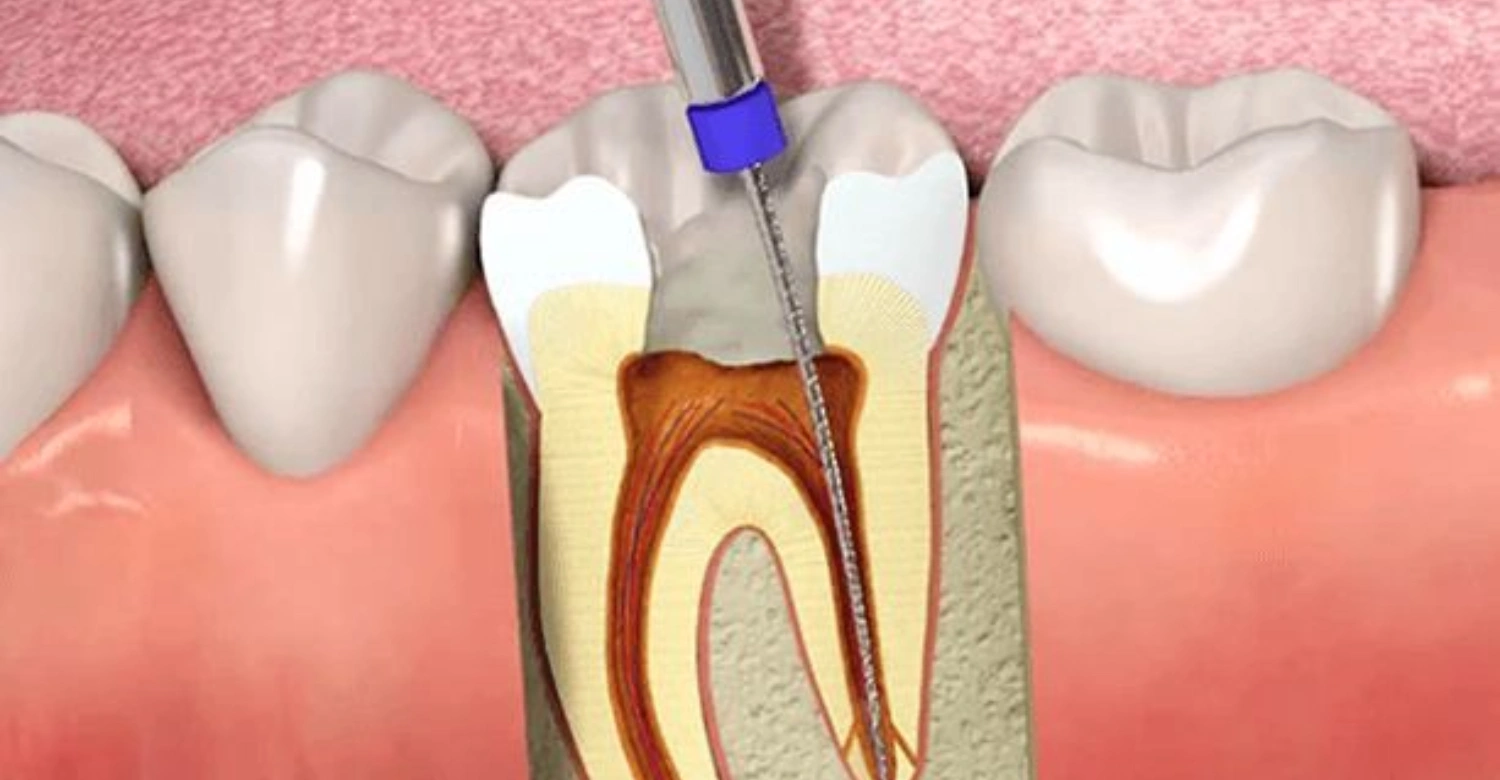
If you are wondering what surgical endodontics is, it is the application of surgical techniques. These techniques diagnose and treat problems within the tooth's root and surrounding bone. The process typically involves a small incision in the gum tissue. This exposes the underlying bone and the end of the root. Using advanced microscopes, the specialist at Vitrin Clinic can identify the exact source of inflammation. They remove the infected tissue. They seal the root end to prevent bacteria from re-entering.
What to Expect During Endodontic Surgery
The main difference lies in the point of entry and the scope of treatment. Conventional root canal therapy involves drilling through the biting surface. It cleans the canals from the top. Conversely, endodontic surgery involves an external approach through the gums. Surgery is typically reserved for cases where the conventional method has failed. It is also used when calcification prevents a standard file from reaching the root tip. Both aim to save the tooth. Surgery offers a more direct solution for persistent apical infections.
Common Dental Problems That Lead to Surgery
Not every toothache requires a surgical intervention. Certain persistent issues make root canal surgery a necessity. When the internal anatomy of a tooth is compromised by trauma or stubborn bacteria, standard fillings or root canals may fall short. Identifying these problems early is key to a successful outcome. At Vitrin Clinic, we use diagnostic imaging. We determine if your symptoms warrant a surgical approach. Symptoms range from swelling to sharp pain. Surgery can prevent the spread of infection to the jawbone.
Persistent Infections Despite Root Canal Therapy
Sometimes, a tooth does not heal as expected after a standard root canal. Bacteria can remain trapped in microscopic branches of the canal system. This leads to a recurring infection. In these instances, endodontic surgery is the most effective way to cut off the infection at its source. By removing the very tip of the root where the bacteria reside, we can ensure the surrounding tissue finally heals properly. This reduces the risk of the infection returning.
Tooth Trauma and Cracks Affecting the Nerve
Physical trauma can cause hidden fractures in the root. These do not show up on standard X-rays. These cracks can allow bacteria to seep into the nerve chamber. This causes intense pain. Root canal surgery allows the specialist to examine the root surface under high magnification. They can locate these fractures. If the crack is manageable, the surgery can often repair the area or seal the damaged portion. This provides a lifeline for a tooth that would otherwise need to be pulled. The use of lasers in endodontics has significantly improved surgical outcomes and reduced healing times.
Chronic Pain or Abscess Formation
A persistent dental abscess or chronic "dull ache" signals a deep infection. If antibiotics and standard treatments haven't resolved the swelling, endodontic surgery is often required. This intervention drains the infection and removes inflamed periapical tissue. At Vitrin Clinic, it provides immediate relief from pressure. It also stops bone loss associated with chronic abscesses. Your oral health is restored and your jaw's integrity is protected long-term.
Detailed Endodontic Surgery Procedures
The technical precision involved in root canal surgery is what makes it so successful in saving teeth. At Vitrin Clinic, we utilize state-of-the-art microsurgical tools to perform these delicate operations. Understanding the steps involved from the initial incision to the final sealing of the root can help demystify the process for patients. These procedures are designed to be minimally invasive. They focus only on the problematic area while preserving as much healthy tooth and bone structure as possible for a fast recovery.
Apicoectomy: Removing the Root Tip Explained
The most common form of endodontic surgery is the apicoectomy, also known as a root-end resection. During this procedure, the specialist removes the tip of the tooth's root (the apex) along with any surrounding infected tissue. This is necessary because the apex often contains a "delta" of tiny canals that can harbor bacteria. By removing this small portion, we eliminate the sanctuary for germs. The bone can then regenerate naturally around the remaining healthy root structure.
Retrograde Filling: How It Complements Surgery
After the root tip is removed during root canal surgery, a retrograde filling is placed to seal the end of the root canal. This "root-end filling" acts as a permanent barrier. It prevents bacteria from traveling between the tooth and the surrounding bone. At Vitrin Clinic, we use biocompatible materials that encourage the bone to heal against the filling. This step is crucial for the long-term success of the surgery. It provides a hermetic seal that conventional treatments cannot achieve.
Tooth Preservation Strategies vs. Extraction
While tooth extraction might seem like a quick fix, preserving your natural tooth through endodontic surgery is almost always the better long-term strategy. Keeping your natural tooth prevents adjacent teeth from shifting. It maintains your natural jawbone density. It also avoids the need for more expensive and invasive implants or bridges. Our philosophy at Vitrin Clinic is centered on tooth preservation. We believe that nothing functions or feels quite as good as your own natural tooth when it is healthy.
Benefits of Undergoing Root canal surgery
The primary benefit of endodontic surgery is the preservation of your natural smile. Beyond aesthetics, keeping your original tooth maintains the natural alignment of your bite and the health of your jawbone. This procedure offers a high success rate for teeth that were previously considered "hopeless." By choosing surgery over extraction, you are investing in a permanent solution. It restores function and eliminates the source of chronic pain. You can eat, speak, and smile with total confidence once again. Surgery is just one of the many endodontist procedures designed to save your natural teeth.
Saving Your Natural Tooth
There is no replacement, no matter how advanced, that is quite as good as a natural tooth. Root canal surgery is the ultimate tool for tooth salvage. It allows you to keep your biological tooth structure, which is vital for sensory feedback while chewing. At Vitrin Clinic, we specialize in these complex procedures because we know that saving a tooth today prevents a cascade of dental issues in the future. These issues include bone resorption or the need for extensive prosthetic work.
Reducing Risk of Future Infections
By directly accessing the root and sealing it with biocompatible materials, endodontic surgery significantly reduces the risk of future bacterial colonization. Unlike systemic treatments that may not reach the site of a localized abscess, surgery physically removes the infected tissue. This proactive approach ensures that the environment around the tooth remains sterile and healthy. At Vitrin Clinic, our surgical methods are designed to provide a "clean slate" for your tooth. This ensures that the infection does not return.
Improving Comfort and Oral Function
Chronic tooth issues can make simple tasks like drinking cold water or chewing food a painful ordeal. The goal of root canal surgery is to eliminate that discomfort permanently. Once the source of inflammation is removed and the area heals, patients experience a total restoration of oral function. You can return to a varied diet without fear of sudden sharp pains. At Vitrin Clinic, we focus on ensuring that your post-surgical outcome is a mouth that feels natural, healthy, and completely pain-free.
Understanding the Risks and Complications
As with any surgical procedure, endodontic surgery carries certain risks and potential complications. These may include infection, swelling, bleeding, nerve damage, sinus issues, tooth fracture, or failure of the procedure. It is essential to discuss these risks with your dentist to make an informed decision. Dr. Rifaat Al-Samman emphasizes that a thorough evaluation and proper surgical technique significantly reduce these risks.
Exploring Alternatives to Endodontic Surgery
Before recommending root canal surgery, your dentist will consider less invasive alternatives. These may include retreatment, apicoectomy, antibiotic therapy, or extraction. Dr. Rifaat Al-Samman advises that the best alternative depends on the specific condition of your tooth and overall oral health. A thorough examination and imaging are essential to determine the most appropriate treatment.
Real-Life Outcomes
To illustrate the effectiveness of root canal surgery, here are specific patient cases from Vitrin Clinic. A 52-year-old man had a persistent infection in a lower molar that had previously undergone root canal treatment. An apicoectomy was performed, and the infection resolved. At the 6-month follow-up, the tooth was functional and asymptomatic. A 29-year-old woman had a cracked tooth with a failed root canal. She underwent apicoectomy to remove the fractured root tip. The procedure saved the tooth, and she reported no pain or sensitivity after recovery. A 60-year-old patient with a sinus tract from an infected upper premolar underwent surgery. The sinus tract healed completely, and the tooth remained healthy for over a year. These cases demonstrate that endodontic surgery can be a successful option for saving teeth that might otherwise be lost.
Understanding the Procedure
Root canal surgery, also known as apicoectomy, involves the following steps. Local anesthesia is administered to numb the area. A small incision is made in the gum tissue to access the root tip. The infected tissue and the tip of the root are removed. A small filling is placed to seal the root canal. The incision is closed with sutures. The procedure is typically performed under a microscope to ensure precision. It is a minimally invasive technique that preserves as much healthy tissue as possible. The entire procedure usually takes 30 to 90 minutes, depending on the complexity. Dr. Rifaat Al-Samman emphasizes that the use of modern equipment and techniques minimizes discomfort and speeds up recovery.
Practical Tips for Oral Care and Prevention
Success following endodontic surgery depends largely on how well you care for your mouth during the recovery phase and beyond. While the surgery addresses the internal issue, your daily habits protect the external structure. At Vitrin Clinic, we provide every patient with a tailored aftercare plan. Proper hygiene, mindful eating, and regular professional monitoring are the three pillars of ensuring that your treated tooth remains a functional part of your smile for many decades to come.
Maintaining Hygiene to Protect Treated Teeth
After root canal surgery, it is vital to keep the surgical site clean without causing irritation. We recommend gentle brushing with a soft-bristled brush and avoiding the immediate area of the sutures for the first few days. However, maintaining excellent hygiene in the rest of your mouth is essential to prevent bacteria from migrating toward the healing tissue. At Vitrin Clinic, we often suggest antimicrobial mouthwashes to help keep the microbial load low while your gums heal and reattach. Your primary care dentist will provide an endo referral if a surgical intervention is deemed necessary.
Dietary and Lifestyle Advice Post-Surgery
What you eat significantly impacts your healing speed after endodontic surgery. For the first 48 hours, stick to soft foods like yogurt, smoothies, and mashed potatoes. Avoid crunchy, spicy, or very hot foods that could irritate the incision site. Additionally, we strongly advise against smoking, as it restricts blood flow to the gums and can significantly delay the healing process. At Vitrin Clinic, we want your recovery to be as swift as possible, so following these dietary guidelines is essential.
Regular Check-Ups to Ensure Long-Term Success
The journey doesn't end when the sutures come out. Periodic follow-up appointments at Vitrin Clinic are necessary to monitor the bone healing around the root via X-rays. These check-ups allow our specialists to verify that the root canal surgery was a success and that the bone is regenerating as expected. Regular cleanings and exams will also help protect the crown of the tooth from new decay, ensuring the long-term stability of the work we have performed.
Why Choose Vitrin Clinic for Endodontic Surgery
When it comes to specialized dental work, the environment and expertise matter immensely. Vitrin Clinic stands out as a leader in endodontic surgery because we combine clinical excellence with a compassionate, patient-first approach. We understand that the idea of "surgery" can be daunting, which is why we have cultivated a space that prioritizes your comfort, safety, and clear communication. From our advanced diagnostic imaging to our skilled surgical team, we provide a level of care that ensures the best possible results.
Expertise of Experienced Endodontists
Our team at Vitrin Clinic consists of highly trained specialists who have dedicated their careers to the art of saving teeth. Performing endodontic surgery requires a steady hand and a deep understanding of complex dental anatomy. Our endodontists have performed thousands of successful procedures, giving them the experience necessary to handle even the most challenging cases. When you choose Vitrin Clinic, you are placing your health in the hands of experts who are passionate about precision and long-term dental success.
Advanced Surgical Tools and Technology
To provide the highest standard of root canal surgery, we invest in the latest dental technology. This includes high-powered surgical microscopes that allow us to see the root system in incredible detail, as well as digital imaging that provides a 3D view of your tooth. These tools allow for smaller incisions, less trauma to the surrounding tissue, and a much higher success rate. At Vitrin Clinic, technology is the backbone of our ability to perform minimally invasive and highly effective surgeries.
Patient-Focused Care and Safety Standards
At Vitrin Clinic, we believe that the patient experience is just as important as the clinical outcome. We adhere to the strictest safety and sterilization standards to ensure a risk-free environment for your endodontic surgery. Beyond safety, we focus on making you feel at ease, offering clear explanations and gentle sedation options if needed. Our goal is to change the way you think about dental surgery by providing a supportive, transparent, and pain-free experience from start to finish.
FREE Consultation At Vitrin Clinic
Are you unsure if you need a surgical intervention for your tooth pain? We invite you to take advantage of a FREE consultation at Vitrin Clinic. During this session, our specialists will evaluate your symptoms, review your dental history, and discuss whether root canal surgery is the right path for you. We believe in empowering our patients with information before they commit to treatment. This is your opportunity to ask questions and get an expert opinion on saving your natural smile.
FAQs

Dr. Rifat Alsaman has more than 5 years of clinical experience in dentistry and currently serves as the Head of the Medical Team at Vitrin Clinic. He is dedicated to providing exceptional patient care, overseeing treatment planning, and ensuring the highest clinical standards across the team. His expertise, attention to detail, and commitment to continuous professional development have helped countless patients achieve healthier, more confident smiles.


