
Pulp cap dental treatment is one of the most reliable conservative options in modern endodontics. It protects the tooth's nerve tissue without resorting to a root canal. Tooth decay or trauma can threaten the innermost layer of your tooth. When this happens, your dentist may recommend a pulp cap procedure to protect and preserve the natural pulp. This minimally invasive treatment acts as a protective barrier, preventing infection from spreading deeper into the tooth. Understanding what pulp cap care involves can help you make informed decisions. It may also help you avoid more complex procedures like root canal therapy. This guide explains everything you need to know about capping in dentistry from diagnosis to recovery.
What is Pulp Cap Dental
Pulp cap dental is a conservative treatment used to protect the tooth's pulp. It is used when the pulp is exposed, or very close to being exposed, due to deep decay or injury. Instead of removing the pulp through root canal treatment, the dentist places a special protective material over or near it. This material seals the pulp from bacteria and encourages natural healing. The goal of a pulp cap is to preserve the tooth's vitality and maintain its natural function. It also aims to prevent the need for more invasive treatment whenever possible.
What Is a Pulp Cap and How Does It Work?
A pulp cap dental procedure involves placing a protective material directly over or very close to the dental pulp. The pulp is the soft tissue at the center of your tooth, containing nerves and blood vessels. This material seals off the pulp from bacteria and external stimuli. Over time, it stimulates the tooth to produce a protective dentin bridge. The result is a tooth that retains its living tissue, stays fully functional, and avoids more invasive treatment. Capping in dentistry remains one of the most effective conservative strategies for managing deep decay. It preserves tooth vitality without requiring endodontic intervention. Understanding the difference in pulp capping vs root canal treatments helps patients make informed decisions.
Direct vs. Indirect Pulp Cap: Key Differences Explained
Understanding indirect pulp cap vs direct pulp cap is essential when discussing your treatment options. An indirect pulp cap is applied when the pulp is close to being exposed. A thin layer of dentin still remains, so it has not yet broken through. A direct pulp cap is used when the pulp is visibly exposed due to decay removal or injury. Both procedures use protective pulp capping materials in dentistry. The indirect pulp cap is generally less complex and carries a higher success rate. This is because the pulp tissue remains protected beneath the remaining dentin layer throughout treatment.
Why Dentists Recommend Pulp Capping
Dentists recommend pulp cap dental treatment as a first-line response to deep decay or trauma. It is used when the pulp remains healthy and free of irreversible inflammation. Preserving pulp vitality supports the long-term health of the tooth and maintains its natural sensation. It also helps the tooth continue forming protective secondary dentin. Pulp capping dentistry avoids the higher cost and complexity of root canal therapy. It produces excellent clinical outcomes when performed correctly and promptly. At Vitrin Clinic, this procedure is recommended only after a thorough clinical evaluation. The evaluation confirms the pulp is still viable, responsive, and suitable for conservative capping treatment.
Clinical Decision Criteria: How Dentists Decide Between Pulp Capping and a Root Canal
How dentists decide between pulp capping and root canal treatment depends on several clinical factors. These factors are evaluated together, rather than in isolation. Pulp vitality testing, the depth of decay, patient symptoms, and X-ray findings all guide the decision. If the pulp shows reversible inflammation and responds normally to vitality testing, pulp cap dental treatment is typically the first choice. When inflammation is irreversible, or infection has already reached the root canal system, root canal therapy becomes necessary. It is the only way to eliminate the source of infection. Dentists at Vitrin Clinic combine CBCT imaging with clinical symptom review to make this call accurately, reducing the risk of retreatment.
Contraindications: When Is Pulp Capping Not an Appropriate Option?
Pulp capping is not appropriate when the pulp shows signs of irreversible inflammation. Contraindications include spontaneous pain, prolonged sensitivity lasting more than a few seconds, and radiographic evidence of periapical infection. A large carious exposure with visible pus or necrotic tissue also rules out capping. Patients with weakened immune systems or poor healing potential may see reduced success rates. When any of these signs are present, root canal therapy becomes the safer, more predictable option. Vitrin Clinic dentists screen for these factors first. Knowing when is pulp capping contraindicated helps set realistic expectations from the first visit.
Common Dental Problems Leading to Pulp Capping
Several dental conditions can bring a patient to the point where a pulp cap dental procedure becomes necessary. Most commonly, advanced tooth decay, persistent sensitivity, or accidental trauma can compromise the tooth structure enough to threaten the pulp. Early diagnosis is critical. Catching these issues before irreversible pulp damage occurs greatly increases the success of capping in dentistry. Understanding the most common triggers helps patients recognize warning signs early and seek timely care. This often helps them avoid the more extensive, uncomfortable, and costly treatments that arise when pulp damage is left unaddressed for too long.
Deep Cavities and Tooth Decay
One of the primary reasons for recommending a pulp cap dental procedure is advanced tooth decay. When a cavity progresses unchecked, it erodes through enamel and dentin until it approaches the pulp. At this stage, complete cavity removal risks directly exposing or disturbing the sensitive pulp tissue. An indirect pulp cap allows the dentist to leave a thin protective layer of softened dentin in place. A pulp capping material is then applied over it to encourage remineralization. This conservative approach manages the decay while shielding the pulp from bacterial contamination. It also protects against further structural compromise throughout the healing process. Dentists utilize specific direct pulp capping materials to protect the exposed nerve and promote healing.
Tooth Sensitivity and Inflammation
Persistent tooth sensitivity, especially to hot, cold, or sweet stimuli, can indicate that the pulp is under stress. This may signal an approaching state of inflammation. When sensitivity is reversible, a pulp cap dental solution may relieve symptoms and allow the tooth to heal naturally. Pulp capping dentistry targets these early warning signs before they escalate into irreversible pulpitis, which would require root canal treatment. Identifying and treating inflammation at this stage through capping in dentistry spares patients from significant discomfort and more invasive future procedures. Early action is always the most effective approach in preserving pulp health.
Trauma and Accidental Tooth Damage
Accidents and sports injuries can fracture or chip a tooth, sometimes exposing the dental pulp directly. In these cases, a pulp cap dental procedure must be performed promptly to prevent bacterial contamination of the exposed tissue. Quick intervention dramatically improves the chances of maintaining pulp vitality. A direct pulp cap is typically applied in traumatic exposures where the pulp is healthy and the injury is fresh. Pulp capping dentistry in trauma cases is time-sensitive. The sooner the tooth is treated after injury, the better the long-term outcome. Prompt treatment also gives the tooth a greater chance of being saved.
Structural Integrity: Why You Need a Pulp Cap for Successful Dental Restorations
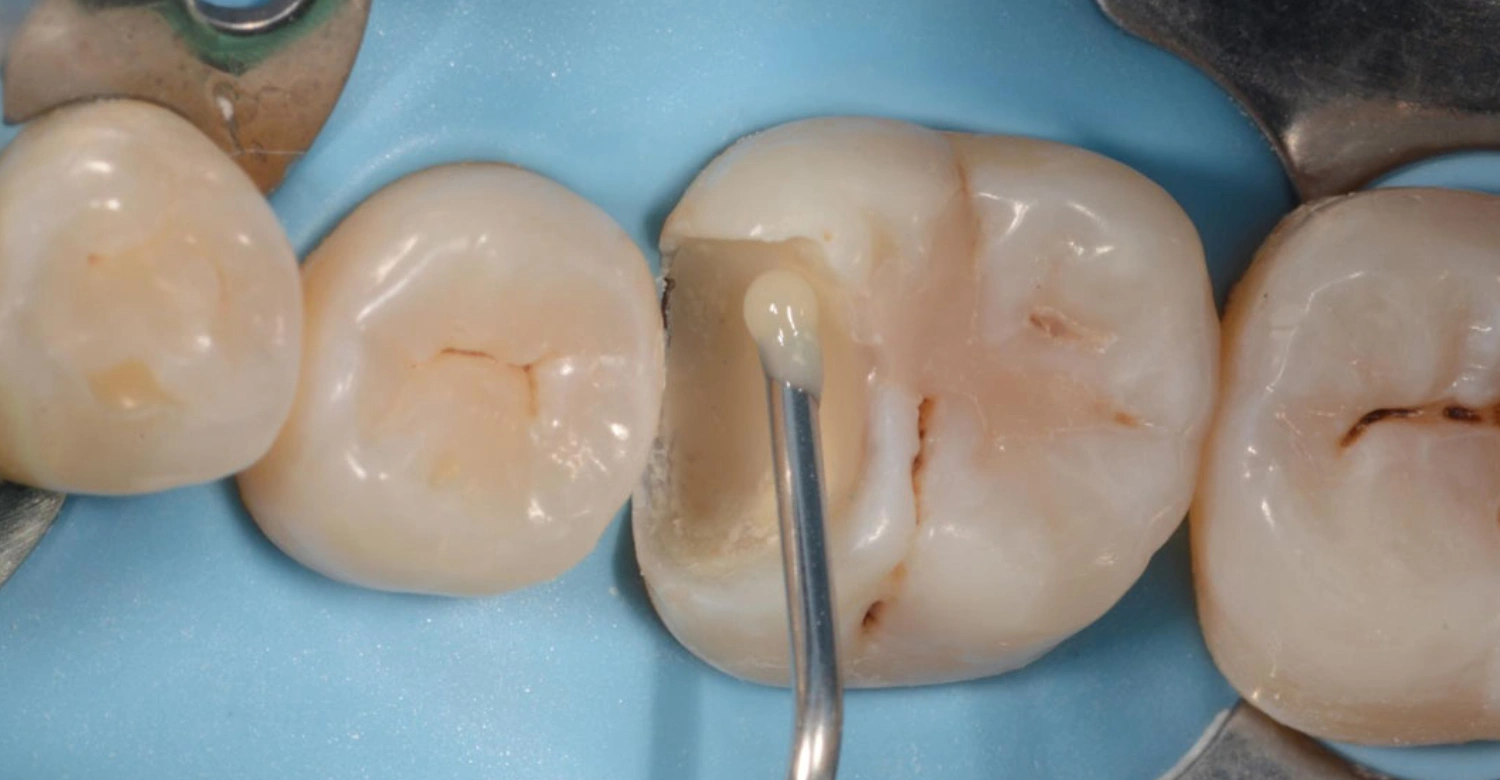
Structural integrity is one of the most overlooked reasons a pulp cap dental procedure matters, especially before crown or bridge placement. Pulp capping for dental crown restoration protects the remaining tooth structure from further weakening during and after the restorative process. Without this protective step, restorations placed over a compromised or irritated pulp are more likely to fail. This can lead to pain, reinfection, or the need for retreatment. Vitrin Clinic dentists routinely assess pulp health before finalizing crown work. This ensures the restoration sits on a stable, biologically sound foundation, rather than a tooth at risk of future breakdown.
The Post-Capping Restorative Protocol: How Long to Wait Before Placing a Crown
Dentists typically wait between four and eight weeks after pulp capping before placing a permanent crown. This waiting period allows the dentin bridge to form and confirms the pulp has stabilized. Follow-up X-rays and sensitivity testing during this window help verify healing progress. Patients often ask how long after a pulp cap can you get a crown. The honest answer depends on individual healing response. Rushing restoration before the pulp settles increases the risk of failure. Vitrin Clinic schedules a reassessment visit before crown preparation begins, ensuring the foundation is fully stable.
Pulp Capping Materials in Dentistry
The success of any pulp cap dental procedure depends heavily on the materials used to protect and seal the pulp. Pulp capping materials in dentistry have evolved significantly over the decades. Early formulations had limited biocompatibility, while modern bioactive compounds actively encourage biological healing. Choosing the right material is a critical clinical decision that influences the long-term vitality of the tooth. Understanding the differences between traditional and modern options helps both patients and clinicians make better choices for lasting outcomes. The right material in the right case can make the entire difference between treatment success and failure.
Traditional vs. Modern Materials
Historically, calcium hydroxide was the gold standard among pulp capping materials in dentistry. It was valued for its antibacterial properties and its ability to stimulate protective dentin bridge formation. Today, Mineral Trioxide Aggregate (MTA) and bioceramics have largely replaced it in many clinical situations. They offer superior sealing ability and biocompatibility. These modern pulp cap dental materials bond well with tooth structure, resist microleakage, and create a more reliable long-term seal. The transition from traditional to advanced materials reflects ongoing improvements in capping in dentistry. These improvements prioritize both biological compatibility and long-term structural durability for better patient outcomes. Many patients often wonder how long does pulp capping last before needing further intervention.
Advantages of Calcium Hydroxide and MTA
Both calcium hydroxide and MTA offer distinct clinical advantages in pulp cap dental treatment. Calcium hydroxide creates a highly alkaline environment that destroys bacteria and promotes calcific bridge formation. This makes it effective for indirect pulp cap cases with minimal exposure risk. MTA offers superior moisture tolerance, excellent biocompatibility, and more predictable long-term sealing, making it ideal for direct pulp cap applications. Together, these pulp capping materials in dentistry represent both the established foundation and the evolving future of conservative pulp therapy. They give clinicians reliable, evidence-backed options tailored to each patient's needs.
How Material Choice Affects Long-Term Success
Selecting the appropriate material for a pulp cap dental procedure directly impacts how well the tooth heals. It also affects how long the treatment remains effective. Poor material selection can lead to microleakage, bacterial reinfection, or pulp necrosis, ultimately resulting in treatment failure requiring root canal therapy. Modern pulp capping materials in dentistry are chosen based on exposure type and degree of pulp health. Patient-specific factors, including age and tooth location, are also considered. At Vitrin Clinic, specialists evaluate every case comprehensively to ensure the most compatible material is selected. This significantly improves long-term success rates and minimizes the risk of future complications from inadequate material choices.
Clinical Note
Material selection alone does not guarantee success. Even with MTA or bioceramic materials, a pulp cap dental procedure can fail. This happens if the pulp was already irreversibly inflamed at the time of treatment. Accurate diagnosis before material placement remains the single most important factor in long-term outcomes.
The Role of Sedative Fillings in Pulp Capping and Nerve Recovery
A sedative filling is often placed as a temporary step during pulp capping treatment. It contains soothing compounds, such as zinc oxide eugenol, that calm an irritated nerve before permanent restoration. This sedative filling pulp capping approach allows the dentist to monitor how the pulp responds over several weeks. If sensitivity resolves and vitality testing stays normal, a permanent restoration follows. If pain persists, it signals that root canal therapy may be needed instead. This intermediate step protects the tooth while giving the nerve time to heal or reveal its true condition.
Step-by-Step: What to Expect During Pulp Capping
For many patients, knowing what to expect during a pulp cap dental procedure relieves anxiety and builds confidence in the process. Pulp capping dentistry is straightforward when performed by experienced professionals using modern techniques and advanced equipment. From the initial consultation to post-treatment recovery, each step is designed to maximize comfort and protect the tooth. Every stage also aims to provide optimal healing conditions for the pulp. Whether you're undergoing an indirect pulp cap or a direct procedure, the process is well-structured. It is typically completed in a single visit at Vitrin Clinic, with minimal disruption to your daily life.
Initial Examination and Diagnosis
Before any pulp cap dental procedure begins, a thorough clinical examination and diagnostic imaging are essential. Digital X-rays or CBCT scans help assess cavity depth, pulp proximity, and overall tooth condition. The dentist evaluates pulp vitality through sensitivity testing and visual inspection. This confirms whether the pulp is still healthy enough to be preserved. This diagnostic phase is critical. It determines whether capping in dentistry is the right treatment, or whether root canal therapy is more appropriate. Accurate diagnosis is the foundation of every successful pulp capping dentistry outcome. It should never be skipped or rushed, regardless of how straightforward the case appears. The primary goal is to preserve the healthy tooth pulp and avoid more invasive procedures.
Procedure for Indirect Pulp Cap
During an indirect pulp cap procedure, the dentist removes most of the decayed tissue. A thin layer of softened dentin is intentionally preserved over the pulp to prevent direct exposure. The remaining dentin and pulp area are covered with a biocompatible pulp capping material, typically calcium hydroxide or MTA. A permanent or temporary restoration is placed over it. This pulp cap dental approach encourages the preserved dentin to remineralize and the pulp to form a natural protective barrier. The indirect pulp cap process is minimally invasive and performed under local anesthesia, ensuring patient comfort throughout the entire clinical procedure.
Procedure for Direct Pulp Cap
A direct pulp cap is indicated when the pulp tissue has been visibly exposed. This can happen through complete decay removal or traumatic injury. The exposed site is carefully cleaned and disinfected. A biocompatible material, such as MTA or a bioceramic, is then placed directly onto the pulp surface. A restoration is then applied over it to fully seal the tooth. This pulp cap dental technique demands precision and speed to minimize contamination risk. When performed under appropriate clinical conditions by trained specialists, the direct approach can maintain pulp vitality. Tooth function is preserved successfully over the long term.
Post-Treatment Care and Recovery
Following a pulp cap dental procedure, patients may experience mild sensitivity or discomfort for a few days as the tooth heals. Over-the-counter pain relievers are typically sufficient for managing any post-procedure tenderness. Avoid hard, sticky, or temperature-extreme foods during the initial recovery period to protect the treated area. Your specialist at Vitrin Clinic will schedule follow-up appointments to monitor healing. These visits confirm whether the pulp has responded positively to treatment. Regular monitoring after pulp capping dentistry is essential for catching complications early. It also ensures the treated tooth continues functioning optimally without needing additional intervention later.
What We Notice Clinically
Dr. Rifat Alsaman, Head of the Medical Team at Vitrin Clinic and a cosmetic dentist, notes that patients often delay treatment until sensitivity becomes constant. This delay narrows the window for a successful pulp cap dental procedure. According to Dr. Rifat Alsaman, early intervention consistently produces better dentin bridge formation and fewer complications. Dr. Rifat Alsaman also observes that pulp capping success and failure rates improve significantly when patients return for scheduled follow-ups. Waiting until symptoms resurface produces worse outcomes. This clinical pattern has been seen repeatedly by Dr. Rifat Alsaman and the team at Vitrin Clinic. It reinforces why post-treatment monitoring is never optional.
Benefits of Pulp Capping for Patients
One of the most compelling reasons patients choose a pulp cap dental treatment is the range of benefits it delivers. Beyond addressing the immediate dental issue, pulp capping dentistry provides long-term advantages. These advantages meaningfully support oral health and quality of life. Preserving a natural tooth is always preferable to extraction or prosthetic replacement. Capping in dentistry makes this possible, even when the pulp is at risk. Patients who undergo this treatment enjoy improved tooth function and reduced treatment burden. They also gain genuine peace of mind, knowing their natural smile has been preserved with minimal invasive intervention.
Preserving Natural Teeth and Vitality
The most significant benefit of a pulp cap dental procedure is that it keeps your natural tooth alive and functional. A vital tooth continues to receive nutrients through its blood supply, maintains proper sensory function, and supports surrounding bone structure. Without pulp capping dentistry, a tooth with deep decay might require a root canal eliminating its vitality or even extraction. Indirect pulp cap and direct pulp cap techniques give the tooth a genuine opportunity to heal and continue functioning as intended. At Vitrin Clinic, preserving natural tooth vitality is always the first treatment priority whenever it remains clinically achievable.
Reducing the Need for Root Canal Therapy
A successful pulp cap dental procedure can eliminate the need for root canal therapy entirely. Root canals, while effective, are more invasive, time-consuming, and costly than pulp capping. By intervening at an earlier stage through capping in dentistry, the pulp is protected before irreversible changes can occur. Pulp capping dentistry functions as a meaningful preventive measure against the more complex procedures that arise from untreated pulp disease. Patients who undergo timely indirect or direct pulp cap treatment regularly avoid additional expense and discomfort. They also save the recovery time associated with full endodontic therapy and post-treatment restoration.
Before-and-After Expectations
Before a pulp cap dental procedure, patients often experience sensitivity, mild pain, or visible signs of active decay. After successful treatment, these symptoms resolve as the tooth heals and the protective material stabilizes the pulp environment. Follow-up radiographs frequently reveal dentin bridge formation, a clear clinical indicator that the pulp cap treatment has succeeded. Patients can expect a fully restored, functional tooth that integrates naturally with the rest of their smile and bite. At Vitrin Clinic, before-and-after assessments are a structured part of every pulp capping dentistry treatment plan. This ensures accountability and transparency throughout the healing process.
Managing Treatment Failure: What Happens If a Pulp Cap Fails?
What happens if a pulp cap fails is a common concern, and recognizing it early prevents further complications. Failed pulp cap symptoms typically include lingering or worsening sensitivity to hot and cold, spontaneous pain, swelling, or tenderness when biting. If these signs appear, the pulp has likely progressed to irreversible inflammation or infection. Root canal therapy then becomes the appropriate next step. Pulp capping success and failure rates vary depending on exposure size, material used, and how promptly treatment was performed. At Vitrin Clinic, patients showing failed pulp cap symptoms are reevaluated quickly to prevent infection from spreading beyond the tooth.
Preventive Tips for Maintaining Healthy Teeth After Pulp Capping
After a successful pulp cap dental procedure, maintaining the health of your treated tooth becomes a top priority. The same care applies to all your teeth. Capping in dentistry offers a powerful clinical solution. But long-term success still depends on consistent oral hygiene, smart dietary choices, and regular professional monitoring. Neglecting post-treatment maintenance can compromise results and potentially require further intervention. Pulp capping dentistry is most effective when supported by the patient's active commitment to preventive care. The following practical tips will help protect your treatment investment. They also keep your smile healthy, strong, and naturally beautiful for years to come. This technique is crucial when there is minor tooth pulp exposure during cavity removal.
Oral Hygiene Best Practices
Maintaining excellent oral hygiene is essential after any pulp cap dental procedure. Brush at least twice daily using fluoride toothpaste and a soft-bristled toothbrush. This removes plaque without irritating sensitive areas around the treated tooth. Floss once daily to clean between teeth where bacteria accumulate most heavily. Using an antibacterial mouthwash adds an additional layer of protection against decay and infection. For patients who have undergone an indirect or direct pulp cap, careful cleaning around the restored area is particularly important. This prevents recurrent decay from undermining the treatment and threatening the pulp again.
Diet and Lifestyle Recommendations
Diet plays a major role in sustaining the long-term success of a pulp cap dental procedure. Limit sugary and acidic foods and beverages that promote decay and weaken enamel. Choose calcium-rich foods like dairy products, leafy greens, and nuts to support overall tooth strength. Avoid chewing on hard objects such as ice or pens. These can crack dental restorations and compromise your pulp cap treatment. Reducing smoking and limiting alcohol consumption supports healing and oral health broadly. Maintaining a tooth-friendly lifestyle significantly extends the longevity of pulp capping dentistry outcomes. It also reduces the likelihood of future complications requiring further intervention.
Regular Dental Check-Ups
Scheduling consistent dental check-ups is one of the most important commitments you can make. This matters especially after a pulp cap dental procedure. Follow-up visits allow your dentist to monitor pulp vitality and assess restoration integrity. They also help detect early signs of complications before they become serious. At Vitrin Clinic, patients who have undergone capping in dentistry are placed on a structured follow-up schedule. This ensures optimal healing progression. Professional cleaning removes tartar buildup that home hygiene cannot address alone. Check-ups every six months, or as specifically recommended, give your pulp cap dental treatment a strong foundation. This supports lasting, complication-free success.
Pulp Capping Cost Analysis: Comparing Turkey with Western Countries
Pulp capping cost in Turkey is significantly lower than in the United States, United Kingdom, or Western Europe. Savings often reach 60 to 70 percent. This difference reflects lower operating costs rather than lower quality of care. Vitrin Clinic uses the same MTA and bioceramic materials found in leading Western clinics. Patients traveling for treatment also benefit from multilingual support and coordinated scheduling. The savings on pulp capping cost in Turkey make combining treatment with dental tourism a practical choice for many international patients. A personalized quote is always provided after clinical evaluation, since pricing depends on case complexity.
Is pulp capping the same as a filling?
No. A filling restores a cavity after decay is removed. Pulp capping specifically protects the pulp tissue when it is exposed or nearly exposed. A pulp cap is often placed beneath a filling or as part of a larger restoration procedure. The two serve different clinical purposes.
Tips for Patients
Report any new sensitivity or pain promptly rather than waiting for it to resolve on its own. Avoid chewing directly on a recently treated tooth for the first few days after the procedure. Keep all scheduled follow-up visits, even if the tooth feels completely normal. Ask your dentist which pulp capping material was used and why, so you understand your specific treatment. Watch for failed pulp cap symptoms such as throbbing pain or swelling, and contact your clinic immediately if they occur.
Advanced Dental Expertise at Vitrin Clinic
At Vitrin Clinic, patients receive world-class pulp cap dental care from a highly experienced team. The team uses the latest dental technologies available. Whether you need an indirect pulp cap, a direct pulp cap, or a full evaluation, Vitrin Clinic takes a multidisciplinary approach. Every treatment decision is grounded in clinical evidence and tailored to your individual needs. From first consultation through full recovery, the team at Vitrin Clinic is dedicated to preserving your natural teeth and minimizing discomfort. Every outcome is designed to support your long-term oral health, comfort, and confidence in your smile.
Experienced Endodontists and Cosmetic Specialists
Vitrin Clinic brings together highly skilled endodontists and cosmetic dental specialists. They are deeply experienced in pulp cap dental procedures across all levels of complexity. This dedicated team handles all forms of capping in dentistry. Cases range from straightforward indirect pulp caps to more demanding direct pulp caps involving trauma or severe decay. Every specialist at Vitrin Clinic is trained in the latest evidence-based techniques. They use only clinically validated pulp capping materials in dentistry. Their combined expertise ensures your treatment is performed to the highest standard of care and precision. Both your functional and aesthetic goals receive equal attention.
Cutting-Edge Technology for Accurate Diagnosis
Accurate diagnosis is the cornerstone of successful pulp cap dental treatment. Vitrin Clinic invests in advanced diagnostic technology to ensure every case is fully understood before treatment begins. Digital X-rays, CBCT 3D imaging, and electronic pulp vitality testing together provide a comprehensive picture of internal tooth condition. This technology enables Vitrin Clinic's specialists to accurately distinguish between reversible and irreversible pulpitis. This is a critical distinction when determining whether capping in dentistry or root canal therapy is the more appropriate course of action. Patients benefit from faster, more precise diagnoses that result in better-targeted, more predictable, and more effective long-term treatment outcomes.
Personalized Treatment Plans for Every Patient
No two patients are identical. That is why Vitrin Clinic develops fully personalized treatment plans for everyone seeking pulp cap dental care. Age, tooth condition, pulp health status, medical history, and aesthetic goals are all carefully considered when designing each plan. Whether you need an indirect pulp cap for early-stage decay or a more complex direct pulp cap after injury, your care is structured around your needs. Vitrin Clinic's deeply personalized approach to pulp capping dentistry ensures every patient receives the most appropriate and comfortable treatment possible. It is never a one-size-fits-all protocol.
About Vitrin Clinic
Vitrin Clinic is a dental clinic based in Istanbul, Turkey, treating international patients seeking advanced restorative and cosmetic dental care. The clinic combines modern diagnostic technology with a multilingual patient support team. This makes treatments like pulp cap dental procedures accessible to patients traveling from abroad. Every treatment plan at Vitrin Clinic, including pulp capping dentistry, is reviewed under the clinical oversight of Dr. Rifat Alsaman, Head of the Medical Team at Vitrin Clinic and a cosmetic dentist. This ensures consistent standards of care from first consultation through full recovery.
Schedule Your FREE Consultation Today
If you've been experiencing tooth sensitivity, intermittent pain, or have been told you have deep decay, don't let the problem progress further. A pulp cap dental consultation at Vitrin Clinic could be the key to saving your natural tooth. It may help you avoid far more invasive future treatments. The sooner you seek a professional evaluation, the more conservative your treatment options remain. This includes the gentle, proven techniques of pulp capping dentistry. Contact Vitrin Clinic today to schedule your free consultation. Take the first confident step toward restoring and protecting your natural smile with expert, compassionate dental care.
FAQs

Dr. Rifat Alsaman has more than 5 years of clinical experience in dentistry and currently serves as the Head of the Medical Team at Vitrin Clinic. He is dedicated to providing exceptional patient care, overseeing treatment planning, and ensuring the highest clinical standards across the team. His expertise, attention to detail, and commitment to continuous professional development have helped countless patients achieve healthier, more confident smiles.


