Endodontics
June 8, 2026
Pulp Capping vs Root Canal: Which Is the Right Choice for Your Tooth?
 Dr. Rifat Alsaman
.webp&w=3840&q=75)
Pulp Capping vs Root Canal is one of the most important comparisons to understand when a tooth becomes damaged or infected. Your dentist may recommend either pulp capping or root canal therapy depending on the condition of the dental pulp. Pulp capping is a minimally invasive treatment designed to preserve healthy, living pulp tissue, while root canal therapy removes infected or irreversibly damaged pulp to save the tooth. Each procedure serves a different clinical purpose based on the severity of pulp involvement. This comprehensive guide explains the differences, benefits, and indications of both treatments so you can make an informed decision about your dental health.
Pulp Capping vs Root Canal: What's the Difference?
Pulp capping and root canal therapy treat damaged teeth differently. Pulp capping protects an exposed or nearly exposed healthy pulp with a special material. This allows the pulp to heal while preserving the tooth's vitality. A root canal removes infected or irreversibly damaged pulp, cleans the canals, and seals the tooth to prevent reinfection. Pulp capping is less invasive and suitable for early damage, whereas root canal treatment is necessary for advanced infection.
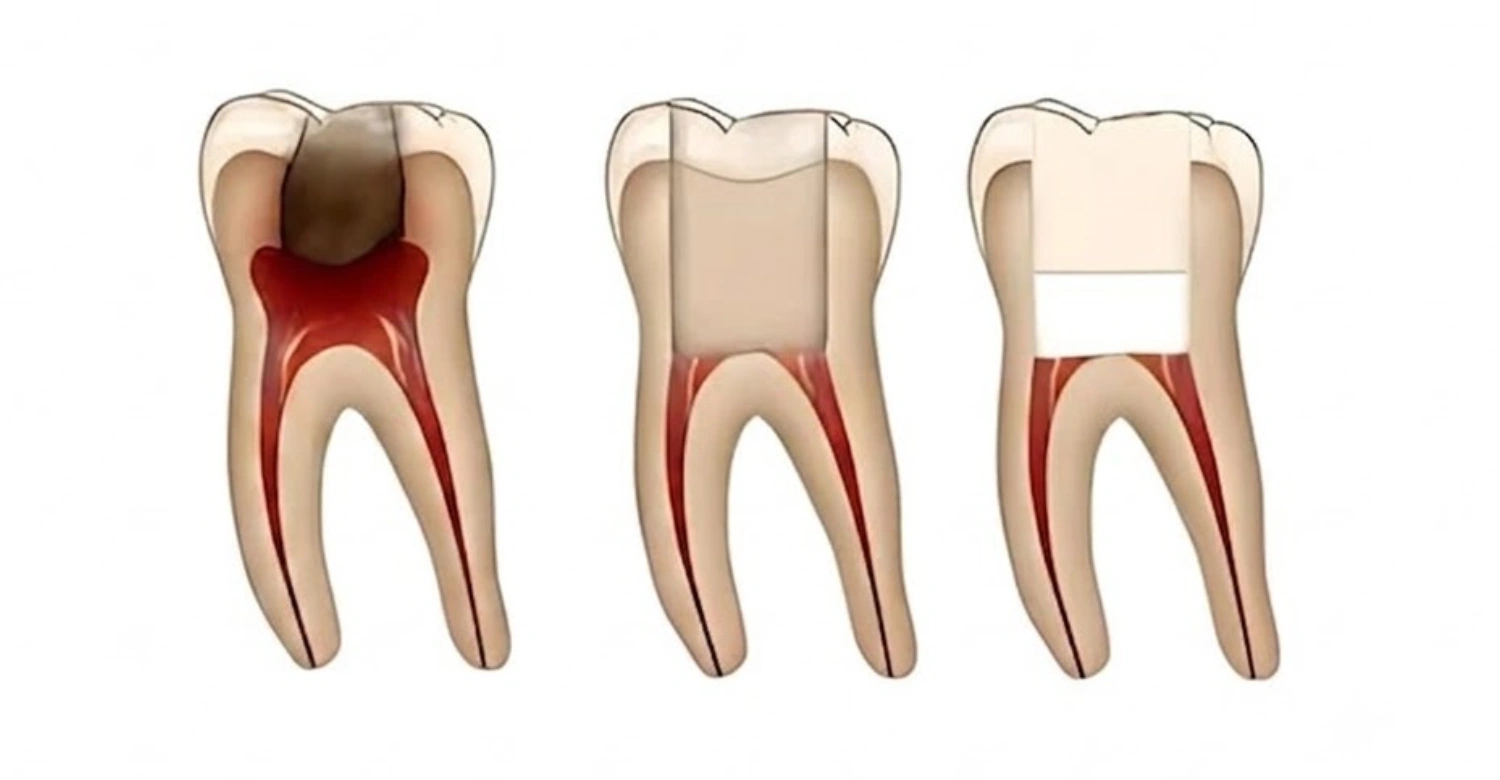
Understanding the Basics: What Happens Inside Your Tooth
Before comparing pulp capping vs root canal treatment, it is essential to understand what lies beneath your tooth's surface. The pulp is the living core of your tooth, housing nerves, blood vessels, and connective tissue. When the pulp is exposed, inflamed, or infected, pain and sensitivity follow. Understanding the internal structure of your tooth and the ways pulp damage occurs lays the foundation for evaluating treatment options. This knowledge allows you to engage meaningfully with your dental team. It also helps you make empowered choices about your oral health and long-term tooth preservation.
Anatomy of a Tooth and the Dental Pulp
A tooth is composed of multiple layers: the hard outer enamel, the underlying dentin, and the innermost pulp chamber. The pulp extends from the crown of the tooth down through narrow root canals to the tip of the root. It supplies nutrients, hydration, and sensory feedback to the surrounding tooth structure, keeping the tooth biologically alive. When enamel or dentin is compromised through decay, fractures, or trauma, the pulp becomes exposed and vulnerable to bacterial invasion. This distinction matters clinically, since it directly affects which treatment path suits a given patient. A successful dental pulp cap can save the vitality of your tooth without removing the nerve.
How Pulp Damage Occurs: From Decay to Trauma
Pulp damage most commonly begins with deep tooth decay that erodes through the enamel and dentin layers. Eventually, this decay reaches the pulp chamber. Physical trauma can also expose the pulp to harmful bacteria. This includes a cracked or fractured tooth from biting hard objects or from an accident. Repeated dental procedures on the same tooth, bruxism (teeth grinding), severe gum disease, and untreated cavities are additional contributing factors. Once the pulp is exposed or chronically inflamed, bacterial infection may develop quickly. The severity of the damage determines whether pulp capping or root canal therapy is the most appropriate clinical response.
Symptoms That Signal Pulp Problems
Recognizing the early warning signs of pulp damage is critical for timely treatment. Common symptoms include prolonged sensitivity to hot and cold temperatures, spontaneous toothache without an obvious trigger, and visible darkening of the tooth. Other signs are persistent dull or throbbing aches, swelling near the gum line, and pain when applying pressure during chewing. A key warning sign is when sensitivity lingers long after the stimulus is removed, which may indicate irreversible pulpitis. Noticing these symptoms early and visiting your dentist promptly opens the door to conservative treatment options. Acting early makes it more likely that a conservative option remains possible before the condition worsens.
Pulp Capping Explained: Saving Your Tooth Without a Root Canal
Pulp capping is a conservative dental procedure designed to protect and preserve the dental pulp. It is used when the pulp has been minimally exposed or is at immediate risk of exposure. Rather than removing the pulp entirely, pulp capping applies a biocompatible therapeutic material directly to or near the pulp. This stimulates healing and natural dentin formation. Pulp capping is often the preferred choice for younger patients, cases with healthy surrounding tissue, or situations involving minimal pulp exposure. It is less invasive, more affordable, and typically associated with a faster and more comfortable recovery period. If the pulp cannot be saved, knowing the stages of RCT will prepare you for the procedure.
What Is Direct and Indirect Pulp Capping?
There are two primary types of pulp capping procedures, each suited to a specific clinical scenario. Direct pulp capping involves placing a therapeutic material directly onto an exposed pulp surface. This technique is used when the pulp is accidentally exposed during cavity preparation or following dental trauma. Indirect pulp capping, however, is performed when the pulp has not been directly exposed. Instead, it lies beneath a very thin and compromised layer of remaining dentin. A protective material is placed over this dentin layer to prevent further breakdown and encourage remineralization. This shields the pulp from bacteria without requiring direct contact with the pulp tissue itself.
Step-by-Step Procedure: What to Expect During Treatment
The pulp capping procedure begins with a thorough clinical examination and dental X-rays to evaluate the pulp's health and condition. Local anaesthesia is administered to ensure the patient's comfort throughout the process. Any decayed or damaged tooth structure is carefully removed, and the area is cleaned and disinfected to eliminate bacteria. A biocompatible capping material is then placed directly on or near the pulp to initiate healing. A protective base and filling or temporary restoration are placed over the capping material to seal the tooth. The entire procedure is typically completed in a single appointment, making it a convenient and efficient treatment option.
Materials Used in Pulp Capping and Their Effectiveness
The long-term success of pulp capping depends significantly on the material used to protect the pulp. Calcium hydroxide has historically been the most commonly used capping material. Its antibacterial properties and ability to stimulate dentin bridge formation made it a standard choice. Mineral trioxide aggregate (MTA) has since emerged as the gold standard, offering superior biocompatibility, sealing ability, and clinical success rates. Biodentine is another increasingly popular option valued for its mechanical strength and biological activity. Clinical studies consistently demonstrate that modern capping materials have significantly elevated the overall success and predictability of pulp capping procedures. This is reflected in outcomes data across the literature. Both treatments aim to address infections affecting the inner tooth pulp efficiently.
Recovery Time and Aftercare Tips
Recovery following pulp capping is generally smooth and uncomplicated. Most patients experience mild tooth sensitivity for a few days after the procedure, which subsides gradually as the tooth heals. Over-the-counter pain relief medication is typically sufficient to manage any discomfort during this period. It is advisable to avoid chewing on the treated side until the permanent restoration has been placed and fully set. Maintaining diligent oral hygiene by brushing gently with fluoride toothpaste and flossing daily supports the healing process. Attending all follow-up appointments allows your dental team to monitor pulp recovery. This ensures the tooth is responding positively to treatment.
Root Canal Therapy: When Is It Necessary?
Root canal therapy becomes necessary when the dental pulp has progressed beyond the point of natural healing. At this stage, it has become irreversibly inflamed or infected. Root canal therapy is the definitive choice when conservative measures cannot adequately address the level of pulp disease present. The procedure removes the infected pulp tissue and thoroughly cleans and shapes the root canals. It then seals the tooth to prevent bacterial reinfection. Despite its intimidating reputation, modern root canal therapy is a well-established, routine procedure performed comfortably under local anaesthesia. It offers patients a reliable and effective way to save a severely compromised tooth.
Indications for Root Canal Treatment
Root canal treatment is clinically indicated when the pulp has been diagnosed with irreversible pulpitis, pulp necrosis, or a periapical abscess. Specific signs suggesting the need for root canal therapy include severe and spontaneous tooth pain, a prolonged or exaggerated response to heat or cold, and visible swelling and pus drainage. Other indicators are tooth mobility and radiographic evidence of bone loss or dark shadows around the root tip. Unlike pulp capping, which is appropriate for early pulp involvement, root canal therapy is designed for advanced-stage pulp disease. At this stage, the tissue can no longer heal on its own. It must be removed to eliminate infection and preserve the tooth.
The Procedure: Removing Infected Pulp and Preserving the Tooth
Root canal therapy begins with the administration of local anaesthesia for patient comfort. The dentist creates an access opening through the crown of the tooth to reach the pulp chamber. Specialized files are used to remove the infected or necrotic pulp tissue and meticulously shape and clean the root canals. An antibacterial irrigation solution is flushed through the canals to eliminate remaining bacteria. The canals are then filled with gutta-percha, a rubber-like biocompatible material, and sealed with dental cement. A dental crown is typically placed afterward to restore the tooth's strength and function. The procedure may require one or two appointments depending on the severity and complexity of the infection. When the nerve damage is permanent, it is diagnosed as irreversible pulpitis, requiring full therapy.
Pain Management and Recovery Insights
Modern root canal therapy is considerably more comfortable than its longstanding reputation suggests. Effective local anaesthesia ensures patients experience minimal to no discomfort during the procedure itself. Post-treatment soreness and mild inflammation are expected for a few days following treatment. These symptoms are well managed with prescribed or over-the-counter analgesics. Patients are advised to eat soft foods, avoid biting on the treated tooth, and maintain gentle oral hygiene during recovery. Swelling or pain that persists beyond one week warrants a follow-up with your dental team. Root canal patients typically require a slightly longer healing period before full comfort is restored, compared to pulp capping.
Clinical Note
Every pulp capping vs root canal case is assessed on its own clinical merits, not as a one-size-fits-all decision. A tooth with a pinpoint exposure and no lingering pain is a very different case from one with prolonged sensitivity or radiographic changes. This holds true even if both patients describe similar initial symptoms. Diagnostic testing, not the patient's pain description alone, ultimately guides which treatment path offers the tooth the best long-term outcome.
Comparing Pulp Capping and Root Canal: Pros, Cons, and Outcomes
A thorough comparison of pulp capping vs root canal therapy reveals clear differences in invasiveness, clinical indication, cost, and patient experience. Pulp capping is the less invasive choice. It preserves the biological vitality of the tooth and is best suited for cases with early or minimal pulp involvement. Root canal therapy is the more comprehensive solution, addressing irreversible pulp damage that pulp capping alone cannot resolve. Both procedures serve the overarching goal of preserving the natural tooth. Understanding the advantages and limitations of each is essential. Along with your individual clinical circumstances, this knowledge helps you select the treatment approach that delivers the most favorable long-term outcome.
Longevity of Results: How Long Can You Expect the Tooth to Last?
The long-term success of pulp capping depends on several variables. These include patient age, the initial health of the pulp at treatment time, the material selected, and the quality of the final restoration placed over the capped tooth. Clinical research demonstrates success rates of between 70% and 95% for direct pulp capping using MTA. This is measured over a five-year follow-up period. Root canal-treated teeth, when properly restored with a well-fitted crown, can function reliably for a lifetime. Root canal treatment generally offers more clinically predictable long-term outcomes, particularly in adult patients with mature, fully developed teeth.
Cost Considerations: Understanding Pulp Capping Cost vs Root Canal Cost
Pulp capping cost is generally more affordable than root canal therapy. This makes it a financially attractive option for patients with early-stage pulp involvement. Pulp capping cost is influenced by the type of procedure performed, direct or indirect. It also depends on the material chosen and the location of the dental practice. Root canal treatment involves more procedural steps, specialized instruments, and often multiple appointments. It also typically requires a crown restoration, all of which contribute to a higher overall expense. For budget-conscious patients, pulp capping offers significant cost savings when it is clinically suitable. Consulting your dentist ensures you receive accurate pulp capping cost estimates based on your specific clinical needs. Patients often ask what does needing a root canal feel like before deciding on their treatment plan.
Patient Experience: Comfort, Recovery, and Satisfaction
Patient experience differs meaningfully between pulp capping and root canal therapy. Pulp capping is a quicker, less invasive procedure. Most patients describe it as comparable in comfort to having a routine dental filling. Recovery is faster, and post-procedural sensitivity is typically mild and short-lived. Root canal therapy is not painful during treatment, thanks to effective anaesthesia. It is, however, associated with more post-operative soreness and a slightly longer recovery window. In published patient surveys and clinical feedback, pulp capping consistently earns high satisfaction scores when the procedure is clinically appropriate. When both options are viable, patients almost universally prefer the pulp capping experience.
Clinical Decision Criteria: How Dentists Decide Between Pulp Capping and a Root Canal
Pulp capping vs root canal is rarely a coin toss. Dentists weigh several clinical factors before choosing a path. These include the size of the pulp exposure, the patient's age, the presence of active infection, and how the tooth responds to vitality testing. A small, clean exposure in a young patient with healthy surrounding tissue often favors pulp capping. Persistent pain, radiographic bone loss, or a necrotic pulp point firmly toward root canal therapy instead. Diagnostic imaging and pulp sensitivity tests remove much of the guesswork. This allows the dental team to match the treatment to the actual condition of the tooth rather than assumptions.
Key Factors That Tip the Decision
Depth and size of pulp exposure: pinpoint exposures respond better to capping than larger ones.
Patient age: younger teeth with wider root canals heal more predictably after capping.
Pain pattern: brief, provoked discomfort suggests reversible pulpitis; spontaneous, lingering pain suggests irreversible damage.
Radiographic findings: visible bone loss or a dark shadow at the root tip usually rules out capping.
Managing Treatment Failure: What Happens If a Pulp Cap Fails?
A pulp cap does not always succeed, and knowing the warning signs helps protect the tooth. Failure typically shows up as returning sensitivity to hot or cold, spontaneous throbbing pain, or tenderness when biting. Swelling near the gum line weeks or months after treatment is another sign. Once these symptoms appear, the pulp has likely become irreversibly inflamed or infected. Root canal therapy becomes the next step. Delaying treatment after a failed pulp cap raises the risk of abscess formation and bone loss around the root. Prompt follow-up with your dentist keeps a failed pulp cap from turning into a more complex problem.
Failed Pulp Cap Symptoms to Watch For
Persistent or worsening pain, prolonged sensitivity that lingers after the stimulus is removed, and gum swelling are among the most common failed pulp cap symptoms. A bad taste near the treated tooth and tooth discoloration are other warning signs. Any of these signs warrants an urgent dental evaluation, rather than waiting for the discomfort to pass on its own.
Structural Integrity: Why You Need a Pulp Cap for Successful Dental Restorations
Preserving the pulp does more than relieve pain, it protects the internal moisture and strength of the tooth. A tooth that keeps its living pulp remains more resilient under normal biting forces. It is also less prone to the brittleness that can follow nerve removal. This matters directly for pulp capping when a dental crown restoration is planned. A vital tooth generally bonds and supports a crown or filling more predictably than one that has lost its blood supply. Protecting structural integrity early is one of the strongest arguments for choosing conservative treatment, whenever the clinical picture allows it.
What We Notice Clinically
Dr. Rifat Alsaman, Head of the Medical Team at Vitrin Clinic and a cosmetic dentist, shares what the team observes across real cases: "In practice, pulp capping vs root canal success and failure rates come down to how early the patient walks through the door. A tooth we catch with a small, clean exposure almost always responds well to capping. A tooth that arrives with weeks of unresolved pain has usually moved past the point where capping alone can help." Dr. Rifat Alsaman adds that regular follow-up imaging in the months after a pulp cap helps the team catch a struggling tooth early. This is often before it progresses to a full infection.
Preventive Tips to Protect Your Dental Pulp
The most effective approach to dental pulp health is prevention. Whether you want to avoid needing either treatment entirely, adopting consistent preventive habits is your most powerful tool. Strong daily oral hygiene, a tooth-friendly diet, and routine professional dental visits all help. Together, they dramatically reduce the risk of deep decay or trauma reaching the pulp. The earlier a developing problem is detected and treated, the more conservative and affordable the intervention. Empowering yourself with knowledge about the risk factors for pulp damage puts you in a strong position. This helps you protect your teeth and maintain a healthy, pain-free smile.
Oral Hygiene Habits That Reduce Pulp Damage
Consistent oral hygiene is the cornerstone of pulp health protection. Brush your teeth at least twice daily using a soft-bristled toothbrush and fluoride toothpaste. Pay careful attention to the gum line and back teeth. Floss once daily to remove plaque and food debris from between teeth where a toothbrush cannot effectively reach. Use an antibacterial mouthwash to further reduce oral bacteria counts. Replace your toothbrush every three months. Avoid aggressive brushing, which can wear down enamel and expose sensitive dentin to bacterial attack. These simple yet powerful daily habits significantly lower your risk. Over time, they help you avoid the kind of deep decay that requires pulp treatment.
Diet and Lifestyle Factors Affecting Tooth Health
Your dietary choices and lifestyle habits have a profound impact on dental pulp health. Frequent consumption of sugary foods and acidic beverages accelerates enamel erosion and promotes cavity formation. Limit sweets, sodas, and citrus juices, and rinse your mouth with water after consuming them. Include calcium-rich foods such as dairy products, leafy green vegetables, and almonds to strengthen tooth enamel and dentin. Avoid using your teeth to open packaging, chew ice, or bite nails. These behaviors increase the risk of fractures and pulp exposure. A balanced and tooth-conscious lifestyle helps you avoid ever facing a pulp capping vs root canal decision.
Regular Check-Ups and Early Intervention
Scheduling professional dental check-ups every six months is one of the most effective preventive strategies you can adopt. During these visits, your dental team performs professional cleanings that remove hardened tartar not addressed by home care. They also take X-rays to detect cavities, cracks, and early signs of pulp involvement before they cause symptoms. Early-stage cavities can be treated with simple fillings before they progress to the pulp level. This timely intervention prevents minor problems from escalating into conditions requiring pulp capping or root canal therapy. The investment in regular check-ups pays significant dividends in avoided discomfort, reduced treatment costs, and long-term tooth preservation.
How Vitrin Clinic Enhances Your Treatment Experience
At Vitrin Clinic, every patient receives dental care that combines advanced clinical technology and a highly experienced team. There is also a genuine commitment to individualized, patient-focused treatment. Whatever treatment you are evaluating, Vitrin Clinic provides the precise diagnostic assessment and personalized clinical guidance needed. This helps determine the most appropriate path for your unique situation. From the moment you step in for your consultation to your final follow-up appointment, the process is designed with you in mind. It aims to make you feel informed, comfortable, and confident. Vitrin Clinic's philosophy is to preserve as much healthy, natural tooth structure as possible. This is achieved using the most current, evidence-based treatment approaches available.
Advanced Technology for Accurate Diagnosis and Minimally Invasive Care
Vitrin Clinic employs state-of-the-art diagnostic technology to evaluate pulp health with exceptional precision. Digital X-rays, CBCT three-dimensional imaging, and pulp vitality testing provide a comprehensive view of the internal tooth structure. This enables the dental team to assess the true extent of pulp involvement before recommending the right treatment. This high level of diagnostic accuracy eliminates guesswork and reduces the risk of unnecessary treatment. It ensures patients receive the most conservative, clinically appropriate option available. Magnification tools and minimally invasive instrumentation are used during procedures to protect surrounding healthy tissue. This helps deliver superior, predictable treatment outcomes.
Expertise of Our Dental Team in Pulp and Endodontic Treatments
The dental team at Vitrin Clinic includes specialists and clinicians with deep expertise in endodontics and conservative pulp therapy. Each team member undergoes ongoing professional development to stay current with the latest advancements in pulp treatment. This includes the clinical application of next-generation capping materials such as MTA and Biodentine. For any individual patient, the team follows rigorous, evidence-based clinical protocols. This ensures the most appropriate and effective treatment is selected. This dedication to clinical excellence means every patient benefits from the highest standard of care. Precision, safety, and skill are maintained throughout their treatment.
Patient-Focused Approach: Comfort, Safety, and Predictable Results
At Vitrin Clinic, patient comfort and safety are not afterthoughts, they are built into every aspect of the treatment experience. From the initial consultation through to post-treatment follow-up, every step is thoughtfully designed with the patient in mind. The goal is to minimize anxiety, manage discomfort, and maximize clinical confidence. Before any treatment begins, patients are fully informed about their options, including the clinical implications and expected outcomes of each treatment path. This enables truly empowered decision-making. Advanced pain management protocols ensure a comfortable procedural experience. Transparent communication, compassionate care, and meticulous clinical attention combine to deliver predictable results and lasting patient satisfaction at Vitrin Clinic.
Tips for Patients
Do not ignore lingering sensitivity to hot or cold; report it promptly rather than waiting.
Ask your dentist directly which option, pulp capping or root canal, fits your specific exposure and symptoms.
Keep every follow-up appointment after a pulp cap so early failure signs are caught quickly.
Avoid chewing on the treated tooth until the permanent restoration is fully set.
Request diagnostic imaging if you are unsure which treatment path is right for your tooth.
A FREE Consultation is Waiting For You!
Are you still weighing the decision between pulp capping vs root canal, unsure which option is right for your tooth? Vitrin Clinic is ready to help you find the clarity you need. We are offering a FREE consultation where our experienced dental team will evaluate your specific condition and review your diagnostic imaging. They will then provide personalized, honest recommendations based on clinical evidence, not guesswork. Whether your situation calls for conservative pulp capping or more comprehensive root canal therapy, expert guidance is available to you. There is no initial cost. Contact Vitrin Clinic today and take the first confident step toward a healthier, pain-free, and fully restored smile.
References:
FAQs
Dr. Rifat Alsaman has more than 5 years of clinical experience in dentistry and currently serves as the Head of the Medical Team at Vitrin Clinic. He is dedicated to providing exceptional patient care, overseeing treatment planning, and ensuring the highest clinical standards across the team. His expertise, attention to detail, and commitment to continuous professional development have helped countless patients achieve healthier, more confident smiles.


