Oral Dentistry
September 11, 2025
Endodontics in Turkey: Complete Guide to Treatment in 2026
 Dr. Rifat Alsaman
Endodontics in Turkey is the branch of dentistry that treats problems inside the tooth, mainly the pulp and root canal system, to save teeth that would otherwise need extraction. In 2026, it benefits patients through affordable pricing ($100–$300 per root canal vs. $700–$1,500 in the USA), modern technology like CBCT imaging and laser-assisted disinfection, and experienced specialists making it possible to save a natural tooth, relieve pain quickly, and avoid the cost and complexity of extraction and replacement.
Why Endodontics in Turkey?
Endodontics in Turkey is a specialized branch of dentistry that focuses on diagnosing and treating issues within the dental pulp and surrounding tissues. It primarily involves saving teeth that are decayed, infected, or injured, aiming to preserve your natural smile for as long as possible.
What Are the Main Goals of Endodontics?
The main goals of endodontics in Turkey are to:
Eliminate infection from the root canal system
Relieve pain caused by inflammation or infection
Preserve natural teeth instead of extracting them
Promote long-term oral health
How Does Endodontics Differ from General Dentistry?
General dentists handle overall oral care, including cleanings and fillings, while endodontists specialize in treatments related to the inside of the tooth, particularly the pulp and root canals. This distinction is central to endodontics in Turkey, where endodontists receive additional training and use advanced technology for precise treatments.
What Conditions Require Endodontic Treatment?
Endodontics in Turkey is needed when:
Tooth decay reaches the pulp
Cracks or trauma damage the tooth structure
Repeated dental procedures affect the pulp
An abscess or infection develops at the tooth root
How Does Root Canal Treatment Work?
Root canal treatment, the core of endodontics in Turkey, is the most common endodontic procedure. It removes infected or damaged pulp tissue, disinfects the root canals, and seals the tooth to prevent future issues.
What Is a Root Canal Procedure Step by Step?
Local anesthesia is applied
An opening is made in the crown
Infected pulp is removed
Canals are cleaned and shaped
The canals are filled with gutta-percha
A filling or crown is placed for protection
How Long Does a Root Canal Take?
A root canal typically takes 60–90 minutes, and may require one or two visits depending on the complexity and infection level.
Does Root Canal Treatment Hurt?
With modern anesthesia and techniques, root canals are relatively painless. Most patients report feeling relief after the procedure.
What Are the Success Rates of Root Canal Therapy?
Root canal therapy has a very high success rate, with studies showing success in 85% to 97% of cases when performed by skilled dentists or endodontists. The treatment is designed to remove infection, preserve the natural tooth, and prevent further complications. Success depends on factors such as the tooth's condition, severity of infection, patient's oral hygiene, and timely treatment. With proper care and follow-up, a root canal-treated tooth can last a lifetime. Modern techniques, advanced imaging, and improved materials have significantly increased long-term success, making root canal therapy a reliable solution for saving natural teeth.
Who Is an Endodontist?
An endodontist performing endodontics in Turkey is a dental specialist with advanced training in diagnosing and treating dental pulp issues. They perform procedures like root canals and surgeries with precision.
What Education and Training Does an Endodontist Have?
After dental school, endodontists complete 2–3 years of specialized postgraduate training focused on root canal treatment and related procedures.
How to Find a Qualified Endodontist in Turkey?
Look for:
Certification by recognized dental boards
Positive reviews and testimonials
Use of advanced technology
Clear communication about procedures and costs
What Questions Should You Ask Your Endodontist?
What's the best treatment option for my case?
What are the risks and benefits?
How experienced are you with this procedure?
What post-treatment care is needed?
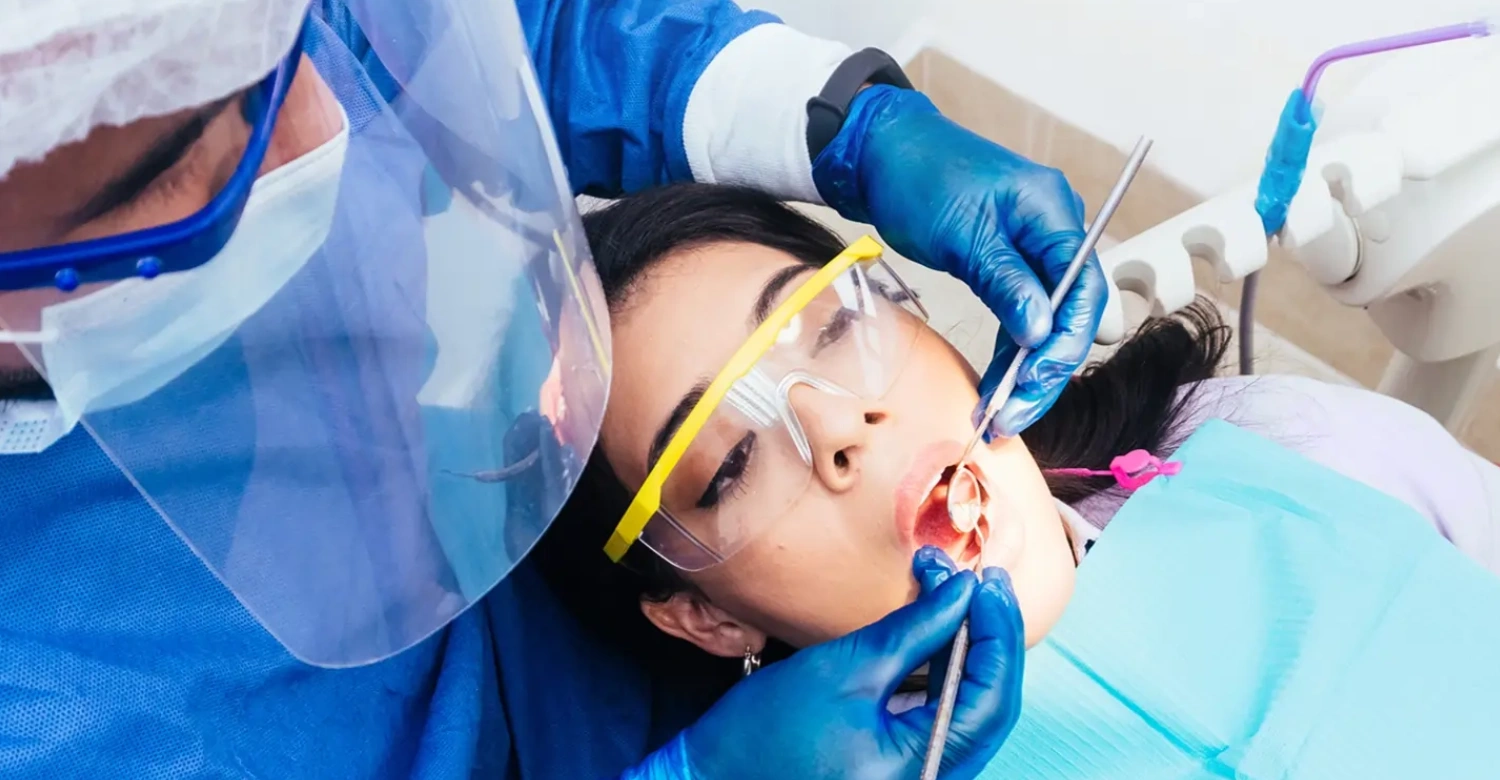
What Are Common Endodontic Procedures?
Common procedures within endodontics in Turkey focus on treating problems inside the tooth, mainly involving the pulp and root canals. The most common is root canal therapy, used to save teeth affected by deep decay or infection. Endodontic retreatment may be done if a tooth fails to heal after the first root canal.
For persistent infection, an apicoectomy (surgical root tip removal) can be performed. Other procedures include pulpotomy and pulpectomy, often used in children's dentistry. These treatments relieve pain, stop infection from spreading, and preserve natural teeth, making endodontics a vital branch of restorative and emergency dental care.
What Is Retreatment in Endodontics?
Retreatment involves redoing a previous root canal that failed due to persistent infection or incomplete sealing. Retreatment in endodontics is a dental procedure performed when a tooth that has previously undergone root canal therapy fails to heal properly or develops new problems.
Over time, issues like persistent infection, new decay, or cracks in the tooth can compromise the earlier treatment. During retreatment, the dentist reopens the tooth, removes the old filling material, cleans the root canals again, and seals them to restore health. This procedure helps save the natural tooth, prevent extraction, and reduce pain or infection risks. Retreatment is an important part of endodontics in Turkey when initial treatment doesn't fully resolve infection. It is often a second chance to preserve teeth that might otherwise be lost.
How Does Endodontic Surgery Work?
Endodontic surgery, such as apicoectomy, is performed when non-surgical treatments are ineffective. It involves accessing the root tip to remove infected tissue.
What Is Apicoectomy and When Is It Needed?
Apicoectomy is a minor surgical procedure that removes the tip of the root and seals it. It's recommended when standard root canal treatment doesn't resolve the issue.
What Are Pulp Capping and Pulpotomy?
Pulp capping: Covers exposed pulp to prevent infection
Pulpotomy: Partial removal of infected pulp to save the tooth, common in children
How to Prepare for Endodontic Treatment?
Proper preparation for endodontics in Turkey ensures a smooth treatment experience and successful outcome. Preparing for endodontic treatment (root canal therapy) involves a few simple but important steps to ensure comfort and success.
First, eat a light meal before your appointment unless instructed otherwise, as your mouth may feel numb afterward. Take any prescribed medications, such as antibiotics or pain relievers, as directed by your dentist. Avoid alcohol or smoking before treatment, as they can slow healing.
Arrange transportation if you expect sedation. Lastly, discuss any medical conditions, allergies, or concerns with your dentist in advance. Proper preparation helps reduce anxiety, ensures safety, and promotes a smoother recovery after the procedure.
What Pre-Treatment Steps Should You Take?
Eat before your appointment
Follow medication instructions (e.g., antibiotics)
Avoid smoking or alcohol
Communicate allergies or health conditions
Are There Risks Before or After Endodontic Procedures?
Risks are minimal but may include:
Temporary pain or swelling
Risk of re-infection
Allergic reactions to materials or medications
How Should You Manage Pain or Sensitivity After Treatment?
Use over-the-counter pain relievers
Avoid chewing on the treated tooth
Follow aftercare instructions carefully
Contact your dentist if pain persists
What Are the Costs of Endodontic Treatment in Turkey?
Turkey is known for affordable, high-quality dental care, making it a popular destination for endodontics. The cost of endodontic treatment in Turkey is generally more affordable compared to many European countries and the US, while maintaining high-quality care.
Prices typically range between $100 to $300 per root canal, depending on the tooth, complexity of the case, and the clinic's location. Major cities like Istanbul and Antalya may have slightly higher rates due to demand and modern facilities.
Despite the lower costs, patients benefit from advanced technology, skilled specialists, and international-standard clinics. This combination of affordability and quality makes Turkey a popular destination for endodontic treatment among both locals and dental tourists. Overall, endodontics in Turkey remains one of the most cost-effective options for international patients.
How Do Prices Vary Between Cities in Turkey?
Pricing for endodontics in Turkey varies by city:
Istanbul: €150–€300 per root canal
Antalya & Izmir: Often slightly cheaper
Smaller cities: Can offer lower rates, but ensure quality care
Does Insurance Cover Endodontic Procedures in Turkey?
Insurance coverage for endodontics in Turkey depends on the type of insurance plan you hold. Coverage rules for endodontics in Turkey vary widely by provider. Most local Turkish health insurance policies do not cover advanced dental treatments like root canals, as dentistry is often considered private care.
However, some private or international insurance plans may partially cover endodontic treatments, especially if they are deemed medically necessary to prevent infection or tooth loss. Patients are advised to check directly with their insurance provider and the dental clinic before treatment. Many Turkish clinics, including those serving international patients, also offer affordable packages and flexible payment options.
Are There Affordable Options for Tourists Seeking Endodontic Care?
Yes, many clinics offer dental tourism packages including:
Airport pickup
Accommodation
Multilingual support
Treatment discounts
These packages make endodontics in Turkey accessible to international patients.
What Are the Latest Advances in Endodontics?
Recent advances have transformed endodontics in Turkey into a faster, more precise, and less painful practice.
Modern rotary instruments and adaptive file systems improve efficiency and reduce treatment time. Digital imaging, like cone-beam CT scans, provides highly detailed views for accurate diagnosis and planning.
Laser-assisted endodontics enhances disinfection, while ultrasonic activation of irrigants ensures thorough cleaning of root canals. Biocompatible materials such as bioceramic sealers improve long-term sealing and healing outcomes.
Additionally, regenerative endodontics now offers possibilities to preserve pulp vitality and encourage natural tissue repair, providing patients with better comfort and more predictable results.
How Are Laser and 3D Imaging Used in Endodontics?
Laser dentistry: Improves sterilization and precision
3D imaging (CBCT): Provides accurate diagnosis and planning
Both tools are now standard in advanced endodontics in Turkey.
What Are the Benefits of Modern Endodontic Techniques?
Less pain and recovery time
Higher treatment success
More conservative tooth preservation
Better patient comfort
How Is Pain Management Improving in Endodontics?
Advancements include:
Painless injections
Better anesthesia techniques
Digital sedation systems
What Are the Risks and Complications of Endodontics?
Like all medical treatments, endodontics in Turkey comes with some risks, though serious complications are rare. Endodontics, commonly known as root canal treatment, is generally safe, but like any dental procedure, it carries potential risks and complications. Some patients may experience post-treatment pain, swelling, or temporary sensitivity. In rare cases, incomplete cleaning of the canals can lead to infection or the need for retreatment.
There is also a small risk of instrument breakage inside the canal or accidental damage to surrounding tissues. Over time, the treated tooth may become brittle, requiring a crown for protection. Choosing an experienced endodontist and following aftercare instructions significantly reduces these risks and ensures long-term success.
What Are the Most Common Complications?
Persistent infection
Tooth fracture
Incomplete sealing
Instrument breakage inside the canal
How Can Patients Reduce the Risk of Failure?
Choose a qualified endodontist
Follow all aftercare instructions
Return for follow-up visits
Maintain good oral hygiene
What Should You Do If Symptoms Persist After Treatment?
Contact your endodontist immediately
An X-ray may be required
Retreatment or surgery may be needed
Endodontics in Turkey: Which Teeth Can This Treatment Be Applied To?
Endodontics in Turkey can be applied to almost any tooth with a pulp chamber and root canal system, including front incisors, canines, premolars, and molars. Molars have more canals, sometimes three or four, which makes treatment slightly more complex. Front teeth usually have a single canal, so treatment is often faster. The main requirement is enough healthy root structure to support the tooth after cleaning. Teeth with severe fractures below the gum line or extensive bone loss may not be suitable. A dental X-ray or CBCT scan confirms whether a tooth qualifies before treatment begins.
Treatment Philosophy: Differences Between Endodontics and Tooth Extraction
Endodontics in Turkey follows a tooth-saving philosophy, while extraction removes the tooth entirely. Root canal treatment preserves the natural tooth, bite alignment, and jawbone density. Extraction is faster but often leads to additional procedures, such as implants or bridges, to replace the missing tooth. Dentists generally recommend saving a natural tooth whenever possible, since no replacement fully matches original function. Root canal vs tooth extraction decisions depend on the amount of remaining healthy structure, infection severity, and the patient's long-term oral health goals.
The Vital Element of Timing: Why Acting Early Matters
Delaying treatment allows infection to spread beyond the tooth root, sometimes causing a dental abscess or bone damage. Acting early keeps treatment simpler, shorter, and less costly. Early intervention also improves the long-term success rate of the procedure. Patients who wait often need additional steps, such as retreatment or surgery. Prompt care matters even more in cases involving traumatic dental injuries, where the pulp can be affected within hours. Seeing a dentist as soon as symptoms appear gives the tooth the best chance of survival.
The Path to Recovery: Post-Operative Recovery Timeline After Root Canal Treatment
Most patients resume normal activity within a day or two after treatment. Mild soreness around the gum is common for 2–3 days and responds well to over-the-counter pain relievers. Full healing of surrounding tissue typically takes one to two weeks. A permanent crown or filling is usually placed within 1–3 weeks, once any swelling has settled. The recovery timeline after root canal treatment is shorter than many patients expect, especially with modern anesthesia and techniques. Following aftercare instructions closely supports faster, smoother healing.
Clinical Considerations: Structural Protection and Aesthetics After Treatment
A treated tooth needs both structural protection and attention to appearance. The following points address the most common patient questions.
Is a Crown Necessary After a Root Canal to Prevent a Tooth Break?
A root canal-treated tooth loses some structural strength once the pulp is removed, which can make it more brittle over time. A crown distributes chewing force evenly and protects against fracture, especially for molars that handle heavy bite pressure. Front teeth with minimal decay sometimes only need a filling. Your dentist will assess remaining tooth structure to decide if a crown is necessary.
Esthetic Modifications: Does a Root Canal-Treated Tooth Change Color?
A root canal-treated tooth can gradually darken over months or years if remaining tissue changes color internally. This discoloration is usually mild and can be managed with internal bleaching or a crown. Choosing a crown at the time of treatment prevents visible color change altogether. Patients concerned about a visible front tooth often choose this option for a lasting, natural-looking result.
Post-Treatment Dietary Window: When Can You Eat After a Root Canal?
Most patients can eat once the numbness from anesthesia fully wears off, usually within 2–4 hours. Soft foods are recommended for the first day to avoid pressure on the treated tooth. Chewing on the opposite side is advised until a permanent crown or filling is placed. Avoiding hard, sticky, or very hot foods for about a week helps protect the temporary filling and supports healing.
International Benchmarks: Cost Comparison (Turkey vs UK, Germany & USA)
Endodontics in Turkey costs significantly less than in the UK, Germany, or the USA, without compromising quality. A root canal in Turkey typically ranges from $100–$300, compared to £300–£700 in the UK, €250–€600 in Germany, and $700–$1,500 in the USA. This price difference stems from lower operating costs and competitive clinic pricing, not lower clinical standards. Many Turkish clinics use the same imaging technology, sealing materials, and rotary systems found in Western Europe and North America. For international patients, root canal cost in Turkey vs UK or USA comparisons often show savings of 60–75% on treatment alone.
What We Notice Clinically
Dr. Rifat Alsaman, Head of the Medical Team and cosmetic dentist at Vitrin Clinic, notes that patients who delay treatment for endodontics in Turkey often present with more advanced infection than they realize. Dr. Rifat Alsaman explains that early imaging with CBCT frequently reveals a smaller, more treatable problem than the pain alone suggests. According to Dr. Rifat Alsaman, placing a crown promptly after root canal therapy is one of the most effective ways to prevent later fracture, particularly on molars. Dr. Rifat Alsaman, as Head of the Medical Team at Vitrin Clinic, also emphasizes that patient-reported pain relief after treatment is consistently one of the most immediate and appreciated outcomes he observes in clinical practice.
People Also Ask
Which Country Is Best for Root Canal Treatment?
There is no single best country for every patient, but Turkey is consistently ranked among the top choices for root canal treatment due to its combination of affordable pricing, modern technology, and specialist endodontists. The UK, Germany, and USA offer excellent care too, though at considerably higher cost. Patients often choose based on budget, travel convenience, and clinic reputation rather than country alone.
Should I Get a Root Canal in Turkey?
Getting a root canal in Turkey is a reasonable option if you're seeking quality treatment at a lower cost, especially when combined with a reputable clinic and a qualified endodontist. Many international patients successfully combine treatment with travel, supported by multilingual clinic staff and tourism packages. As with any dental tourism decision, checking clinic credentials, doctor experience, and aftercare support is essential before booking.
Tips for Patients
Don't ignore early sensitivity to hot or cold — it's easier to treat sooner.
Ask your dentist whether a crown is included in your treatment plan.
Keep copies of X-rays and treatment records if you're traveling for care.
Stick to soft foods for the first 24 hours after treatment.
Schedule a follow-up visit even if pain has fully resolved.
Endodontic Treatments Offered in Turkey: Root Canals, Retreatment, and Vitrin Clinic as a Research Option
Common Endodontic Treatments in Turkey
Turkish dental clinics commonly list root canal therapy, emergency pulp treatment, and endodontic retreatment. These focus on infected or damaged tooth pulp and root canal systems.
Advanced and Surgical Endodontic Options
Advanced options may include apicoectomy, endodontic surgery, and treatment of complex canal anatomy. Availability varies by clinic, case, and specialist assessment in Turkey.
Researching Endodontic Care in Turkey With Vitrin Clinic
Vitrin Clinic can be included as one research option when comparing endodontic treatments in Turkey. Verify its listed services, specialist credentials, and consultation process directly.
About Vitrin Clinic
Vitrin Clinic is a cosmetic dental clinic in Istanbul, Turkey, serving international patients seeking both restorative and aesthetic treatments, including endodontics in Turkey. The clinic is led by Dr. Rifat Alsaman, Head of the Medical Team and a cosmetic dentist with a strong focus on precise, patient-centered care. Vitrin Clinic combines modern imaging, experienced specialists, and multilingual support to guide international patients through every step of treatment. From consultation to aftercare, the clinic's approach prioritizes both the health and the natural appearance of each patient's smile.
References:
FAQs
Dr. Rifat Alsaman has more than 5 years of clinical experience in dentistry and currently serves as the Head of the Medical Team at Vitrin Clinic. He is dedicated to providing exceptional patient care, overseeing treatment planning, and ensuring the highest clinical standards across the team. His expertise, attention to detail, and commitment to continuous professional development have helped countless patients achieve healthier, more confident smiles.


