Dental Implant
October 13, 2025
Healing Abutments in Turkey 2026: Why They’re Crucial for Success?
 Dr. Rifat Alsaman
Healing abutments are a small but essential component of dental implant treatment. They are placed after implant surgery to protect the implant connection and guide healthy gum formation. A properly selected healing abutment helps create the ideal foundation for the final crown or restoration.
In Turkey, advanced implant clinics focus on personalized healing protocols. Every patient has different bone conditions, gum thickness, and aesthetic requirements. At Vitrin Clinic, healing abutments are carefully selected according to implant position, tissue condition, and final smile goals.
What Are Healing Abutments and How Do They Work in Dental Implants?
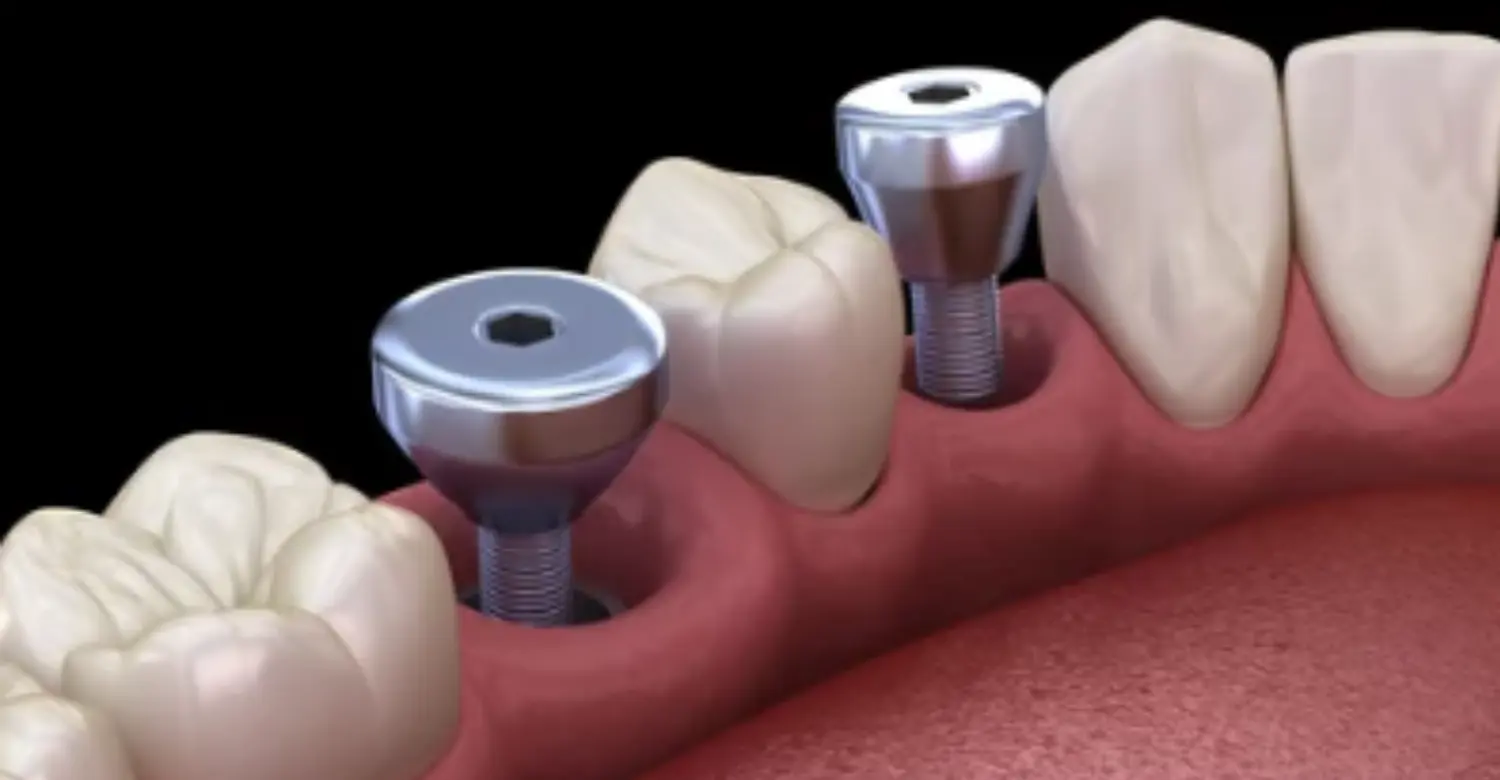
Healing abutments, also called tissue formers or healing caps, are temporary cylindrical components placed on dental implants. They shape and maintain gum tissue during osseointegration. These essential devices protrude through the gingiva after surgery, preventing tissue collapse while bone integration occurs over three to six months.</p>
<p>Turkish dental clinics use these components as standard protocol in implant treatments. They recognize their critical role in preparing optimal soft tissue architecture for final restorations. Understanding how tissue formers function helps patients appreciate this important transitional phase between implant placement and crown delivery. This comprehensive guide explores their purposes, types, placement procedures, recovery expectations, potential complications, and costs in Turkey’s world-class dental facilities.
Why Are Healing Abutments Used in Dental Implant Procedures?
Healing abutments maintain the gingival opening, shape soft tissue contours, and prepare ideal emergence profiles for final restorations. Without them, gum tissue would seal over the implant during healing. This would require an extra surgery to re-expose it later. Turkish dentists place tissue formers to guide tissue maturation into natural, healthy contours that support aesthetic crown placement. These temporary devices allow gingiva to adapt gradually around a transmucosal component. This forms a biological seal similar to attachments around natural teeth.
These components also enable dentists to monitor healing progress and implant stability through visual inspection during follow-ups. They prevent food impaction into the implant site while tissues mature. By conditioning soft tissue architecture during osseointegration, healing abutments eliminate the need for extensive tissue manipulation at restoration delivery. This streamlines treatment and improves the predictability of aesthetic outcomes.
How Do Healing Abutments Help the Gum Tissue Heal?
Healing caps help gum tissue heal by providing a stable framework for soft tissues. Soft tissues organize and mature around this framework during osseointegration. The smooth, polished surface of a healing cap minimizes bacterial buildup while tissues adapt to the transmucosal component. Turkish dentists select abutment dimensions that gently support tissue. This avoids excessive compression that causes recession, while ensuring adequate contact to prevent inflammation.
The cylindrical or slightly contoured shape guides gingival fibers to orient properly around the emergence site. This creates organized tissue architecture rather than random scar tissue. As tissues heal, they form a biological seal around the healing cap. This seal protects underlying bone and the implant-abutment interface from bacterial invasion. The component maintains consistent tissue dimensions throughout healing. It prevents gradual tissue collapse, ensuring adequate keratinized tissue remains to support the final restoration.
What Role Do Healing Abutments Play in Shaping the Gum Line?
Healing abutments play a fundamental role in shaping the gum line. They establish the emergence profile and tissue contours that surround the final crown. The abutment’s diameter and contour directly influence how gingiva drapes around the site. Proper sizing creates convex tissue forms that look natural and facilitate easy cleaning. Turkish prosthodontists select widths matching the planned restoration's emergence profile, gradually conditioning tissues into ideal positions.
In aesthetic cases, custom-contoured components develop specific tissue architecture. This includes interproximal papillae height and facial gingival scalloping that matches adjacent teeth. The healing cap acts as a tissue mold, training gingiva to assume desired contours over months of adaptation. Without this gradual shaping, tissues would heal flat. They would require extensive recontouring later with unpredictable results and recession risks. Well-managed protocols create gum lines that appear naturally scalloped and symmetric.
How Do Healing Abutments Maintain Soft Tissue Health?
Healing abutments maintain soft tissue health by preventing bacterial contamination while promoting organized tissue maturation. Highly polished surfaces resist plaque accumulation far better than rough textures, reducing inflammation risks during healing. Turkish dental technicians ensure all components have smooth finishes where they contact soft tissue to minimize bacterial colonization.
Proper abutment height prevents excessive tissue compression that could compromise blood supply and cause necrosis. At the same time, adequate tissue contact prevents loose gaps that allow bacterial infiltration. The biological seal forming around the component creates a protective barrier for underlying bone.
Healing caps also help preserve keratinized tissue around implants. This band of attached gingiva resists inflammation and recession over time. By establishing healthy, well-organized peri-implant tissue during early healing, these components build the foundation for long-term soft tissue stability. Turkish clinics emphasize careful tissue management because early soft tissue health directly impacts long-term implant success.
Why Are Healing Abutments Important Before Placing a Final Crown?
Healing abutments are important before final crown placement because they create optimal soft tissue conditions. This enables aesthetic, functional restorations with predictable long-term stability. Without proper tissue preparation, crowns may emerge from flat, unhealthy gingiva. This creates unnatural appearances, black triangles between teeth, and difficult hygiene conditions.
Turkish prosthodontists recognize that final restoration success depends heavily on early tissue architecture. Tissue formers allow gradual, controlled adaptation. This is safer than forcing tissues to accommodate crown contours rapidly at delivery, which increases recession risks.
They also enable dentists to verify adequate keratinized tissue before proceeding. If tissue is insufficient, soft tissue grafting can be performed before final restoration delivery. Healing caps also help confirm implant stability before expensive crown fabrication begins. The tissue conditioning they provide ensures permanent abutments and crowns sit on healthy, stable foundations.
How Do Healing Abutments Prepare the Site for a Prosthesis?
Healing abutments prepare implant sites for prostheses by establishing dimensional stability, tissue health, and emergence profile contours. During the months these components remain in place, soft tissues mature from post-surgical inflammation into stable, healthy architecture.
Turkish dentists use this period to assess tissue response. They identify potential issues like inadequate keratinized tissue or unfavorable biotypes early. The healing cap maintains the gingival opening at precise dimensions matching planned prosthetic components. This eliminates the need for tissue removal during final crown delivery.
<p>It conditions tissues to tolerate transmucosal components, reducing inflammation risks when permanent abutments are placed. For complex cases, Turkish prosthodontists may exchange standard components for progressively wider versions. This gradually expands tissue architecture toward ideal emergence profiles. Proper site preparation ensures that when final prostheses are delivered, tissues are healthy, properly contoured, and dimensionally stable.
What Happens If Healing Abutments Are Not Used?
If healing abutments are not used, several complications commonly arise that impair final treatment outcomes. Gum tissue grows over and seals the implant during initial integration. This requires a second surgery to re-expose the fixture, adding procedure complexity, patient discomfort, and extra cost.
Turkish dentists avoid this additional surgical step by using tissue formers as a standard rule. Without soft tissue conditioning, gingiva heals flat without natural emergence profiles. This demands extensive recontouring at restoration time, increasing tissue recession risks. Tissues that are not gradually adapted to transmucosal components may remain chronically inflamed when permanent abutments are introduced.
A lack of tissue shaping creates dimensional instability. Soft tissues continue changing for months after crown delivery rather than remaining stable. Aesthetic outcomes suffer because proper papillae and gingival scalloping cannot develop without guided maturation. Omitting healing caps may save minor upfront costs, but it increases overall treatment complexity, extends timelines, and compromises final aesthetic results.
What Are the Different Types of Healing Abutments Available in Dentistry?
Several types of healing abutments exist in modern dentistry. They vary by material (titanium versus zirconia), fabrication method (stock versus custom), height, diameter, and contour complexity. Stock healing caps are pre-manufactured in standardized dimensions. They are immediately available and economical for straightforward cases. Custom healing abutments are individually designed for complex aesthetic situations requiring specific tissue shaping.
Turkish dental practices maintain comprehensive stock inventories while offering custom fabrication for demanding cases. Titanium remains the most common material due to its strength, biocompatibility, and cost-effectiveness. Zirconia healing abutments provide aesthetic advantages in thin-tissue anterior cases where gray metal might show through translucent gingiva.
Components range from simple cylindrical designs for basic tissue maintenance to anatomically contoured versions that actively shape gingival architecture. Understanding available options helps dentists select appropriate components for individual anatomical characteristics, aesthetic requirements, and patient budgets.
How Do Titanium Healing Abutments Differ from Zirconia Ones?
Titanium healing abutments differ from zirconia versions primarily in material properties affecting strength, biocompatibility, aesthetics, and cost. Titanium offers superior mechanical strength and fracture resistance. It is virtually unbreakable under normal conditions, which is important for patients with bruxism or heavy bite forces. Turkish clinics favor titanium for most cases due to its proven track record, decades of clinical research, and affordability ($50–$100 versus $150–$250 for zirconia).
However, titanium’s gray metallic color can show through thin anterior gingiva during recovery. This creates temporary aesthetic concerns for some patients. Zirconia healing abutments provide a white, tooth-colored appearance. They eliminate visible dark metal during the healing period, which is valuable for patients with thin tissue biotypes and high smile lines.
Zirconia offers excellent tissue biocompatibility comparable to titanium. However, ceramic material carries a slightly higher fracture risk if subjected to unexpected impact forces. Turkish dentists recommend zirconia selectively for front-teeth cases where temporary appearance is paramount despite higher costs.
Why Is Titanium Commonly Preferred in Turkey?
Titanium is commonly preferred in Turkish dental practices for healing abutments because it offers an optimal mix of reliability, strength, and cost-effectiveness. The material’s proven track record spanning decades provides high confidence in tissue response and mechanical performance.
Turkish dentists have extensive experience with titanium components across diverse patient populations. Titanium is virtually indestructible under normal oral conditions. It ensures tissue formers remain intact throughout the three to six month integration period regardless of patient eating habits. High availability keeps costs low for clinics, which pass these savings directly to patients. This contributes significantly to Turkey’s competitive treatment pricing.
Titanium’s biocompatibility promotes a healthy tissue response during critical healing phases. For the vast majority of implant cases, titanium components provide everything needed for successful soft tissue preparation. Turkish dental teams reserve premium zirconia alternatives for specific aesthetic situations where titanium’s visual limitations justify additional expense.
Are Zirconia Healing Abutments Better for Aesthetic Areas?
Yes, zirconia healing abutments are better for aesthetic areas when patients have thin gingival biotypes, high smile lines, or significant cosmetic concerns. The material’s tooth-colored appearance prevents dark metallic shadowing through translucent gums. This is especially important for upper incisors where temporary aesthetic compromises can cause social anxiety.
Turkish prosthodontists recommend zirconia components for front teeth in thin-tissue patients, particularly those in public-facing professions. Zirconia’s optical properties offer great psychological benefits because the components blend naturally into the smile line. However, dentists carefully evaluate whether visual advantages justify zirconia’s higher costs ($150–$250 versus $50–$100 for titanium) and minor fracture risks.
<p>For patients with thick gum tissue that completely masks underlying metal, standard titanium works perfectly fine even in the front, offering substantial cost savings. The decision balances tissue biotype, aesthetic sensitivity, and budget. Turkish clinics customize their recommendations for every individual case.
How Are Custom Healing Abutments Different from Stock Healing Abutments?
Custom healing abutments are individually designed components tailored to specific patient anatomies. Stock healing abutments are pre-manufactured in standardized dimensions selected from inventory.
Custom versions are created using intraoral scanning, CAD design software, and precision milling. They match unique tissue contours, emergence profile requirements, and aesthetic goals. Turkish dental laboratories fabricate custom components with anatomically correct contours. These actively shape tissue into specific architectures, encouraging interproximal papillae development and natural gingival scalloping.
Custom options are valuable in complex cosmetic cases where standard cylinders cannot achieve ideal tissue form. In contrast, stock healing abutments feature simple cylindrical or tapered designs. They work well for most straightforward posterior placements. Turkish clinics maintain large stock inventories for immediate placement at lower costs ($50–$100 versus $200–$300 for custom versions). Stock options are ideal for back teeth, while custom designs are reserved for demanding aesthetic cases.
When Should Dentists Choose Custom Healing Abutments?
Dentists choose custom healing abutments for complex aesthetic cases requiring precise tissue architecture that standard components cannot achieve. Turkish prosthodontists recommend custom options when treating high-smile-line patients whose visible gingival margins demand perfect contours.
Cases with compromised interproximal bone levels benefit from custom components designed to maximize remaining tissue support. They encourage papillae growth to fill open spaces between teeth. Patients with thin gingival biotypes require gentle, precisely contoured support to prevent tissue trauma and recession. Custom designs provide the exact dimensions needed.
When adjacent tooth anatomy creates unique spatial relationships, custom fabrications compensate for these challenges. Turkish teams also recommend customization for full-arch cases where multiple implants require coordinated tissue development. Investing in custom components ($200–$300 in Turkey) pays off when standard options would compromise aesthetic results or demand extra surgeries later.
Custom vs. Stock Abutments: Selecting the Right Transition for Complex Aesthetic Zones
Not every implant requires the same healing approach.
Complex cosmetic cases often benefit from customized components.
Customized healing improves gum architecture before restoration.
Vitrin Clinic personalizes implant treatment for every smile.
When Stock Healing Abutments Are Appropriate
Stock healing abutments perform well in straightforward cases.
They simplify many routine implant procedures.
Treatment remains predictable for most posterior teeth.
They also reduce treatment costs.
When Custom Healing Abutments Are Better
Custom healing abutments create personalized emergence profiles.
They preserve delicate gum contours effectively.
Anterior implants often benefit from customized shaping.
Natural aesthetics become easier to achieve.
Titanium or Zirconia Healing Abutments
Titanium provides excellent durability and biocompatibility.
Zirconia offers superior aesthetics beneath thin gums.
Material selection depends on clinical requirements.
Every patient requires individualized treatment planning.
Dr. Rifat Alsaman's Opinion
Dr. Rifat Alsaman recommends customized healing for demanding aesthetic cases.
Dr. Rifat Alsaman explains tissue shaping begins before the final crown placement.
Dr. Rifat Alsaman believes detailed planning produces naturally beautiful smiles.
What We Notice Clinically
Customized emergence profiles often improve final crown aesthetics.
Patients usually require fewer soft tissue adjustments afterward.
Natural gum contours create seamless implant restorations.
Digital planning improves treatment accuracy significantly.
Clinical Note
Custom healing abutments support predictable tissue maturation.
Healthy tissue reduces restorative complications later.
Careful planning improves long-term cosmetic stability.
Tips for Patients
Do not compare your implant treatment with others.
Each smile requires unique implant planning.
Ask questions during every consultation.
Attend regular reviews at Vitrin Clinic.
How Do Stock Healing Abutments Reduce Costs?
Stock healing abutments reduce costs through mass manufacturing efficiencies, elimination of custom fabrication expenses, and immediate availability preventing treatment delays. Pre-manufactured in bulk by implant companies, stock healing abutments benefit from economies of scale dramatically lowering per-unit costs compared to individually fabricated alternatives.
Turkish clinics purchase stock inventories at wholesale prices, passing savings to patients, stock options typically cost $50-100 versus $200-300 for custom versions. No laboratory fabrication time or fees are required since dentists simply select appropriate dimensions from existing inventory during implant exposure procedures. This eliminates five to seven day waiting periods custom fabrication requires, potentially reducing patient travel time in Turkey and enabling faster treatment progression.
The simplified workflow reduces chair time and administrative complexity, lowering overhead costs. For straightforward cases where stock dimensions adequately prepare tissues, choosing these options provides substantial savings without compromising outcomes. Turkish dental practices optimize cost-effectiveness by using stock healing abutments appropriately for suitable cases while reserving expensive customization for situations where individualized solutions are genuinely necessary for achieving treatment objectives.
How Is a Healing Abutment Placed During a Dental Implant Surgery?
Healing abutment placement is a straightforward procedure occurring either during initial implant surgery (one-stage protocol) or at a second surgical appointment after initial healing (two-stage protocol). Turkish dentists select placement timing based on implant stability, bone quality, and patient factors.
The procedure involves exposing the implant top, removing any covering screw or tissue, cleaning the implant interior, and threading the healing abutment into the implant fixture using hand pressure until fully seated. The abutment protrudes through gum tissue at a height matching tissue thickness, typically two to four millimeters above bone level. No torque wrench is needed healing abutments are finger-tightened only since they’re not load-bearing components.
The procedure takes just minutes per implant once exposure is achieved. Turkish clinics use local anesthesia ensuring patient comfort, though the brief procedure causes minimal discomfort. Proper healing abutment placement is critical for establishing optimal tissue conditions, so Turkish dental professionals follow systematic protocols ensuring correct component selection, complete seating, and appropriate tissue positioning around these important temporary devices.
What Steps Do Dentists Follow to Attach a Healing Abutment?
Dentists follow systematic steps to attach healing abutments ensuring proper placement and tissue positioning. First, local anesthesia is administered for patient comfort during tissue manipulation. For two-stage protocols, Turkish surgeons make a small incision over the implant or use a tissue punch removing the circular tissue section covering it.
The cover screw protecting the implant during healing is removed using appropriate drivers. The implant interior is inspected and cleaned with sterile saline to remove any tissue debris or blood. The selected healing abutment chosen based on tissue thickness and diameter requirements is removed from sterile packaging and threaded into the implant by hand, turning clockwise until fully seated against the implant platform.
Turkish dentists verify complete seating visually and tactilely, ensuring the abutment isn’t cross-threaded. Surrounding tissue is positioned around the abutment, trimming excess if necessary to achieve proper contours. The site is cleaned and checked for bleeding control. Post-operative instructions are provided emphasizing gentle hygiene around the healing abutment during initial recovery days.
How Long Does the Procedure Take?
The healing abutment placement procedure takes approximately 15-30 minutes per implant depending on whether tissue exposure is required and how many implants receive abutments simultaneously. For one-stage protocols where healing abutments are placed during initial implant surgery, the addition adds only five to ten minutes per implant since tissues are already accessed.
Turkish clinics performing two-stage procedures where implants healed submerged require additional time for tissue exposure small incisions or punches take five minutes each, though multiple implants can be exposed efficiently during the same appointment. The actual healing abutment attachment takes just one to two minutes once the implant is accessed simply unscrewing the cover screw and hand-threading the healing abutment. Turkish dental teams work efficiently, often placing healing abutments on multiple implants during 30-45 minute appointments.
Patients with single implants typically spend 20-30 minutes total in the treatment chair including anesthesia administration and post-operative instructions. The brief procedure time makes healing abutment placement a minor intervention compared to original implant surgery, though proper technique remains essential for optimal tissue development outcomes.
Bone and Soft Tissue Remodeling: How Abutment Design Limits Crestal Bone Loss
Healing abutment design directly influences soft tissue healing.
It also affects crestal bone stability around implants.
Proper emergence profiles improve biological width formation.
Vitrin Clinic carefully selects healing components for every patient.
Why Crestal Bone Preservation Matters
Healthy crestal bone supports implant longevity.
Bone loss increases future restorative complications.
Stable bone creates stronger aesthetic outcomes.
Healthy surrounding tissues improve implant success rates.
How Healing Abutment Shape Influences Tissue
Rounded profiles reduce unnecessary tissue compression.
Proper contours guide healthy gum adaptation.
Balanced pressure minimizes inflammation during healing.
Customized shaping improves long-term aesthetics.
Dr. Rifat Alsaman's Opinion
Dr. Rifat Alsaman carefully evaluates tissue thickness before selecting healing abutments.
Dr. Rifat Alsaman believes soft tissue management determines cosmetic implant success.
Dr. Rifat Alsaman emphasizes preserving bone throughout every treatment stage.
What We Notice Clinically
Patients with ideal emergence profiles usually require fewer soft tissue corrections.
Stable tissue often supports beautiful implant crowns.
Healthy bone levels improve long-term implant function.
Proper planning reduces future complications significantly.
Clinical Note
Bone remodeling naturally occurs after implant placement.
Controlled remodeling differs from progressive bone loss.
Routine imaging confirms healthy healing progression.
Tips for Patients
Avoid chewing directly on healing abutments.
Brush gently around healing tissues daily.
Follow all postoperative instructions carefully.
Contact the Vitrin Clinic if healing changes suddenly.
Is Placing a Healing Abutment Painful?
Placing a healing abutment is generally not painful due to local anesthesia Turkish dentists administer before the procedure. Patients experience numbness similar to routine dental fillings, eliminating discomfort during tissue manipulation and abutment attachment. The procedure itself involves minimal tissue trauma, small incisions or punches if needed, followed by simple abutment threading into the implant.
Turkish dental professionals use gentle techniques minimizing unnecessary tissue disturbance. During the procedure, patients may feel pressure sensations but not pain. Post-procedurally, mild discomfort or soreness may develop as anesthesia wears off, typically described as tenderness rather than sharp pain.
This discomfort is generally less significant than original implant surgery since no bone drilling occurs. Turkish clinics provide post-operative pain management instructions, most patients find over-the-counter analgesics like ibuprofen adequate for managing any discomfort, which typically resolves within two to three days. Some patients experience no post-operative pain at all. The healing abutment placement is considered one of the least uncomfortable phases in implant treatment, significantly milder than both implant placement and final crown procedures.
When Is a Healing Abutment Placed Immediately or After Osseointegration?
Healing abutment placement timing depends on the chosen surgical protocol one-stage (immediate placement) or two-stage (delayed placement after osseointegration). Turkish dentists select protocols based on implant primary stability, bone quality, patient health factors, and aesthetic considerations. One-stage protocols place healing abutments immediately during implant surgery when implants achieve excellent primary stability (typically torque values exceeding 35 NC) in dense bone.
This approach reduces total treatment appointments and allows immediate tissue conditioning. Turkish clinics frequently use one-stage protocols for favorable cases, particularly posterior implants in quality bone. Two-stage protocols place implants submerged under tissue with cover screws, allowing undisturbed osseointegration for three to six months before second surgery exposes implants and places healing abutments.
This conservative approach is preferred for soft bone, compromised primary stability, or when bone grafting accompanies implant placement. Turkish prosthodontists evaluate each case individually, recommending immediate healing abutment placement when conditions support it for treatment efficiency, while choosing delayed approaches when biological considerations favor protected healing.
What Are the Benefits of Immediate Placement?
Immediate healing abutment placement offers several significant benefits that Turkish dental practices leverage when clinical conditions permit. It eliminates the need for second-stage surgery to expose implants later, reducing overall treatment complexity, patient appointments, and cumulative costs. Patients avoid additional surgical procedures with associated discomfort and healing periods.
Immediate placement begins tissue conditioning from day one, potentially reducing total treatment time before final restorations can be delivered. The healing abutment maintains the gingival opening continuously, preventing tissue closure that would require surgical reopening. Turkish patients, particularly international dental tourists, appreciate reduced visit requirements, immediate protocols may enable treatment completion in fewer trips.
Immediate placement also allows continuous monitoring of healing progress and implant stability through visual inspection at follow-up appointments. Research suggests that when properly selected for appropriate cases, immediate protocols achieve equivalent success rates to staged approaches while offering these convenience and efficiency advantages. Turkish clinics successfully employ immediate placement for many cases, carefully assessing which patients are suitable candidates for this streamlined approach.
Why Do Some Dentists Delay Healing Abutment Placement?
Some dentists delay healing abutment placement, choosing two-stage protocols because certain clinical situations benefit from undisturbed, protected osseointegration before exposing implants to the oral environment. Turkish dental professionals select delayed approaches when implants achieve suboptimal primary stability (low insertion torque) in soft bone allowing complete integration before exposing the implant-abutment interface to potential bacterial contamination and micro-movements from healing abutment presence.
When extensive bone grafting accompanies implant placement, delayed protocols protect grafts during critical consolidation phases. Patients with compromised healing, smokers, diabetics, or those with immune conditions may benefit from protected integration periods. Aesthetic zone cases sometimes warrant delayed placement when immediate tissue manipulation risks recession compromising final appearance.
Turkish prosthodontists also delay when severe inflammation exists at surgery, allowing tissue health restoration before exposing implants. The two-stage approach represents conservative, proven methodology with decades of research validation. While requiring an additional minor surgical procedure, delayed protocols reduce early loading risks and may achieve higher success rates in compromised situations. Turkish clinics expertly assess which protocol suits individual patient circumstances, prioritizing long-term success over convenience.
What Is the Recovery Process After Placing a Healing Abutment?
The recovery process after healing abutment placement is generally straightforward with minimal discomfort and quick return to normal activities. Initial healing of the surgical site occurs within one to two weeks as soft tissues adapt to the transmucosal component’s presence. Turkish dental clinics provide comprehensive post-operative instructions emphasizing gentle oral hygiene, soft diet modifications, and activity restrictions during early recovery.
Most patients experience mild soreness, slight swelling, and minor bleeding for two to three days post-procedure significantly less dramatic than original implant surgery recovery. Pain management typically requires only over-the-counter analgesics. The healing abutment remains visible and palpable throughout the three to six month osseointegration period, during which patients attend periodic checkups where Turkish dentists monitor tissue adaptation, verify healing abutment stability, and ensure proper hygiene maintenance.
Gradual tissue maturation continues throughout this extended period, with gingiva slowly organizing around the healing abutment into stable, healthy architecture. Understanding recovery expectations helps patients recognize normal progression versus potential complications requiring professional attention.
How Long Does It Take for the Gums to Heal Around the Abutment?
Initial gum healing around the healing abutment takes approximately two to four weeks as soft tissues close surgical incisions, reduce inflammation, and begin adapting to the transmucosal component. During this period, Turkish patients notice decreasing tenderness, swelling resolution, and tissue firming around the healing abutment.
However, complete tissue maturation requiring months continues throughout the osseointegration period. Full soft tissue organization and stabilization typically requires eight to twelve weeks as collagen remodels and biological seals form around the healing abutment similar to epithelial attachments around natural teeth. Turkish dentists consider tissues adequately healed for final restoration procedures three to six months after healing abutment placement, ensuring both bone osseointegration and soft tissue maturation are complete.
Factors affecting healing duration include patient health status, smoking habits, oral hygiene compliance, and tissue biotype. Younger, healthier patients with excellent hygiene typically heal faster than older patients with systemic conditions. Turkish clinics monitor healing progression during follow-up appointments, assessing when tissues have achieved sufficient stability for proceeding to final prosthetic phases.
What Are the Typical Healing Stages for Gum Tissue?
Gum tissue healing around healing abutments progresses through predictable stages Turkish dental professionals monitor. The immediate post-operative phase (days 0-3) involves hemostasis and initial inflammatory response tissues appear red, swollen, and tender as the body responds to surgical trauma. Early healing (days 4-14) features proliferation epithelial cells migrate to seal the wound while granulation tissue forms. Patients notice decreasing swelling, color normalization, and reduced discomfort during this phase.
Intermediate healing (weeks 2-8) involves tissue maturation/collagen remodels, blood vessels reorganize, and tissues firm around the healing abutment. The epithelial seal develops, creating a biological barrier around the transmucosal component. Late maturation (months 2-6) features continued remodeling with tissue density increasing and contours stabilizing into final forms.
Turkish clinics observe tissues transitioning from pink, slightly puffy early appearance to pale pink, firm, well-contoured mature architecture. Understanding these stages helps patients recognize normal progression and identify potential problems like persistent inflammation suggesting complications requiring intervention.
How Do Patients Know Healing Is Progressing Normally?
Patients know healing is progressing normally when they observe predictable symptom improvement patterns and tissue appearance changes Turkish dentists describe during post-operative consultations. Normal healing features progressive swelling reduction over the first week until tissues appear normal size. Discomfort steadily decreases, typically resolving within three to seven days rather than persisting or worsening.
Gingiva around the healing abutment transitions from inflamed red immediately post-procedure to healthy pale pink within two weeks. Minor bleeding when brushing is common initially but should progressively decrease, stopping completely within ten to fourteen days. The healing abutment should remain stable without looseness or movement. Tissues should appear increasingly firm and well-adapted around the abutment rather than remaining puffy or boggy.
Absence of increasing pain, persistent swelling beyond one week, purulent discharge, or foul odors indicates normal healing. Turkish dental clinics schedule follow-up appointments at one to two weeks post-placement where dentists professionally assess healing progression, identify any concerns, and reassure patients their recovery is proceeding appropriately toward successful tissue maturation.
What Care Instructions Should Patients Follow After Placement?
Patients should follow comprehensive care instructions Turkish dental clinics provide to ensure optimal healing around healing abutments. During the first 24-48 hours, avoid disturbing the surgical siteno touching, tongue probing, or vigorous rinsing that might dislodge blood clots or traumatize healing tissues. Apply ice packs externally for 15 minutes hourly during the first day to minimize swelling.
After 24 hours, begin gentle rinsing with warm salt water (one teaspoon salt per cup water) after meals and before bed to maintain cleanliness. Starting 48 hours post-procedure, resume gentle brushing including carefully around the healing abutment using soft-bristled brushes, cleanliness is essential for preventing inflammation.
Avoid flossing immediately around the healing abutment for the first week, then resume gently. Take prescribed or recommended pain medications as directed. Avoid smoking completely as it dramatically impairs healing. Attend all scheduled follow-up appointments where Turkish dentists monitor healing and provide additional guidance. Continue careful hygiene throughout the entire healing period until final restoration placement.
What Foods Should Be Avoided After a Healing Abutment Procedure?
Several food types should be avoided after healing abutment placement to prevent site trauma and promote optimal healing. Turkish dental clinics recommend avoiding hard foods like nuts, hard candies, ice, crusty breads, and raw vegetables that could impact the healing abutment causing discomfort or loosening. Sticky, chewy foods like caramel, taffy, and chewy candies should be avoided as they might adhere to or pull on the healing abutment.
Extremely hot foods and beverages can cause discomfort and potentially damage healing tissues allow foods to cool to warm temperatures. Spicy foods may irritate sensitive healing tissues causing unnecessary discomfort. Crunchy snacks like chips and popcorn can become lodged around healing abutments, harboring bacteria and irritating tissues.
Small seeds or grains (sesame, poppy, quinoa) may become trapped around healing abutments, creating hygiene challenges. Turkish dentists recommend soft diet modifications during the first week including yogurt, soups, mashed potatoes, scrambled eggs, smoothies, and other easily chewed foods. Gradually reintroduce normal foods as healing progresses and comfort improves, typically after two weeks most patients resume regular diets while remaining cautious around healing abutments.
How Important Is Oral Hygiene in the Healing Phase?
Oral hygiene during the healing phase is critically important for preventing complications and ensuring successful tissue maturation around healing abutments. Turkish dental professionals emphasize that meticulous cleanliness prevents bacterial colonization that could cause inflammation, infection, or compromise osseointegration. Poor hygiene allows plaque accumulation around healing abutments, triggering inflammatory responses that may lead to peri-implant mucositis or even implant failure in severe cases.
Proper cleaning maintains a healthy tissue environment supporting organized healing rather than chronic inflammation. However, hygiene must be balanced with gentleness during early recovery, overly aggressive brushing can traumatize healing tissues causing recession or delayed healing.
Turkish clinics provide specific instructions: gentle brushing with soft-bristled brushes starting 48 hours post-procedure, warm salt water rinses after meals, and potentially prescribed antimicrobial rinses for the first week. Patients should clean around healing abutments carefully but thoroughly, removing food debris and plaque without harsh scrubbing. Excellent hygiene compliance significantly reduces complication risks and promotes ideal tissue conditions for successful final restoration placement.
What Complications Can Occur with Healing Abutments?
While healing abutments have high success rates, complications can occasionally occur including pain, infection, loosening, tissue recession, and excessive tissue overgrowth. Turkish dental clinics minimize these risks through proper component selection, precise placement technique, comprehensive patient education, and regular monitoring.
Most complications are manageable when detected early through patient vigilance and scheduled follow-up appointments. Pain beyond normal post-operative discomfort may indicate infection, excessive tissue compression, or loosening. Infections around healing abutments present with persistent swelling, redness, discharge, or foul taste. Abutment loosening occurs from inadequate initial seating, thread damage, or excessive forces during early healing.
Tissue recession may result from thin biotype, inadequate keratinized tissue, or oversized healing abutment compression. Conversely, excessive tissue proliferation can overgrow healing abutments, requiring removal and recontouring. Understanding potential complications helps patients recognize warning signs and seek timely treatment at their Turkish dental clinic, preventing minor issues from becoming serious problems affecting final implant success.
Why Do Some Patients Experience Pain Around Healing Abutments?
Some patients experience pain around healing abutments for various reasons Turkish dentists evaluate systematically. Normal post-operative discomfort lasting two to three days is expected as tissues adjust to the transmucosal component. Pain persisting beyond one week or increasing rather than improving suggests complications. Infection represents a common causebacterial colonization triggers inflammation causing throbbing pain, usually accompanied by swelling, redness, or discharge. Oversized healing abutments compressing tissue excessively can cause ischemic pain from inadequate blood supply.
Conversely, undersized abutments allowing excessive tissue mobility may cause discomfort. Healing abutment loosening creates movement during chewing or oral function, causing pain and potential tissue trauma. Poor oral hygiene allowing plaque accumulation triggers inflammatory pain. Rarely, patients experience referred pain from adjacent teeth or sinuses misattributed to healing abutments.
Turkish dental professionals thoroughly examine symptomatic patients, identifying pain sources through visual inspection, radiographs, and clinical testing. Treatment depends on cause infections require antimicrobial therapy, oversized abutments need replacement with appropriate dimensions, and loose abutments require re-tightening or evaluation for underlying problems affecting integration.
How Can Infections Develop Around Healing Abutments?
Infections develop around healing abutments when bacteria colonize the peri-implant tissues, overwhelming normal immune responses and establishing pathogenic populations. Several factors contribute to infection risk. Inadequate oral hygiene allows plaque accumulation providing bacterial reservoirs near healing abutments. Contamination during placement from non-sterile technique or handling can introduce pathogenic bacteria. Trauma to healing tissues from hard foods, aggressive brushing, or accidental impacts creates tissue damage allowing bacterial invasion.
Smoking severely impairs tissue perfusion and immune function, dramatically increasing infection susceptibility. Systemic conditions like diabetes compromise immune responses allowing infections to establish more easily. Poor healing abutment fit allowing gaps where bacteria accumulate increases infection risk. Pre-existing periodontal disease provides bacterial reservoirs potentially contaminating implant sites.
Turkish dental clinics minimize infection risks through strict sterile protocols, appropriate healing abutment selection, comprehensive patient education about hygiene and smoking cessation, and careful patient selection avoiding severely compromised hosts. When infections occur despite precautions, early detection through patient awareness and regular monitoring enables prompt treatment preventing serious complications.
What Are the Early Signs of Infection?
Early infection signs around healing abutments include several observable and symptomatic indicators Turkish dental clinics educate patients to recognize. Persistent or increasing pain beyond the first week particularly throbbing or pulsating pain worsening over time suggests developing infection.
Swelling that doesn’t resolve or worsens after the first few days indicates potential infection, especially if localized around the healing abutment. Redness and warmth in tissues surrounding the healing abutment exceeding normal post-operative inflammation duration suggest infection. Purulent discharge thick, yellow or white fluid from around the healing abutment is a clear infection indicator.
Bad taste or foul odor from the implant site indicates bacterial overgrowth. Bleeding that persists beyond two weeks or recurs after initially stopping may accompany infection. Systemic symptoms like fever, malaise, or swollen lymph nodes in the neck suggest more serious infection spread. Turkish patients experiencing these symptoms should contact their dental clinic immediately for evaluation. Early infection detection enables simple antimicrobial treatment, while delayed recognition
What Are the Early Signs of Infection?
Early infection signs around healing abutments include several observable and symptomatic indicators Turkish dental clinics educate patients to recognize. Persistent or increasing pain beyond the first week particularly throbbing or pulsating pain worsening over time suggests developing infection. Swelling that doesn’t resolve or worsens after the first few days indicates potential infection, especially if localized around the healing abutment.
Redness and warmth in tissues surrounding the healing abutment exceeding normal post-operative inflammation duration suggest infection. Purulent discharge thick, yellow or white fluid from around the healing abutment is a clear infection indicator. Bad taste or foul odor from the implant site indicates bacterial overgrowth. Bleeding that persists beyond two weeks or recurs after initially stopping may accompany infection.
Systemic symptoms like fever, malaise, or swollen lymph nodes in the neck suggest more serious infection spread. Turkish patients experiencing these symptoms should contact their dental clinic immediately for evaluation. Early infection detection enables simple antimicrobial treatment, while delayed recognition may require more aggressive interventions potentially compromising implant success.
How Are Infections Treated Quickly?
Infections around healing abutments are treated quickly through systematic protocols Turkish dental clinics implement to eliminate bacteria and restore tissue health. Treatment begins with thorough clinical examination assessing infection severity and extent. The healing abutment is removed temporarily, allowing access for debridement/mechanical cleaning removing bacterial biofilm and infected tissue from the implant surface and surrounding area.
Turkish dentists use specialized instruments and antimicrobial irritants like chlorhexidine or diluted hydrogen peroxide flushing the site thoroughly. Systemic antibiotics are prescribed when infection is significant typically amoxicillin or clindamycin for penicillin-allergic patients, taken for seven to ten days.
The healing abutment may be cleaned and replaced, or a new sterile component installed if the original was contaminated. Patients receive enhanced hygiene instructions including prescription antimicrobial rinses like chlorhexidine used twice daily for two weeks. Follow-up appointments within 48-72 hours ensure infection is resolving. Turkish clinics emphasize aggressive early treatment because prompt intervention typically resolves infections completely, while delayed treatment may compromise osseointegration requiring implant removal in severe cases.
Can Healing Abutments Loosen or Fall Out?
Yes, healing abutments can occasionally loosen or fall out, though this complication is relatively uncommon with proper placement and patient care. Loosening occurs for several reasons Turkish dental professionals investigate when patients report mobile healing abutments. Inadequate initial seating during placement of the healing abutment wasn’t fully threaded into the implant allows gradual loosening from oral function forces.
Cross-threading during installation damages internal threads, preventing secure retention. Excessive forces from hard foods, tongue habits, or accidental trauma can loosen properly seated healing abutments. Early osseointegration failure causing implant mobility affects healing abutment stability.
Manufacturing defects or damaged threads on either the healing abutment or implant fixture prevent secure connection. Patient manipulation repeatedly touching or wiggling healing abutments with tongue or fingers can gradually loosen them. Complete healing abutment loss occasionally occurs if loosening progresses unnoticed until the component falls out during eating or hygiene activities. Turkish clinics instruct patients to contact them immediately if healing abutments feel mobile, enabling prompt intervention before complete loss occurs and tissue closes over the implant site.
What Should Patients Do If Their Healing Abutment Becomes Loose?
Patients whose healing abutments become loose should contact their Turkish dental clinic immediately for evaluation and management. In the interim, they should avoid touching or manipulating the loose healing abutment with tongue or fingers, as this accelerates loosening and increases loss risk. Maintain gentle oral hygiene around the area without applying pressure to the mobile component.
Avoid hard, sticky, or chewy foods that might dislodge the healing abutment stick to soft foods until professional intervention. If the healing abutment falls out completely, patients should save it and bring it to their appointment, though a new sterile component will typically be used. Do not attempt to reinsert a lost healing abutment as this risks contaminating the implant interior. Contact the Turkish clinic within 24 hours if possible, as tissue can begin closing over the exposed implant quickly, complicating replacement.
During the appointment, Turkish dentists remove the loose healing abutment, examine the implant and threads for damage, clean the area thoroughly, and install a new healing abutment ensuring proper seating. The cause of loosening is investigated and addressed to prevent recurrence.
How Do Dentists Re-secure a Healing Abutment Safely?
Dentists re-secure healing abutments safely through systematic protocols ensuring proper installation without damaging implant threads. Turkish dental professionals begin by administering local anesthesia if tissue manipulation will cause discomfort. The loose healing abutment is carefully removed, preserving surrounding tissues. The implant interior is thoroughly inspected visually and with a periodontal probe to assess thread condition and detect any damage or contamination.
The site is irrigated copiously with sterile saline removing debris, blood, or bacterial biofilm. If tissue overgrowth occurred during the healing abutment’s absence, it’s carefully excised to expose the implant platform adequately. A new, sterile healing abutment typically from fresh packaging rather than reusing the original is selected in appropriate dimensions. The component is carefully threaded into the implant by hand, ensuring it engages threads properly without cross-threading, and seated fully until firm contact is achieved.
Turkish dentists verify complete seating and stability. The cause of original loosening is identified and addressed whether inadequate initial placement, damaged threads, or excessive forces. Patients receive reinforced care instructions preventing recurrence, and follow-up appointments monitor healing abutment stability closely.
How Do Healing Abutments Affect the Final Aesthetic Outcome of Dental Implants?
Healing abutments profoundly affect final aesthetic outcomes by establishing the soft tissue architecture that frames and supports visible crown portions. Properly managed healing abutments create natural gum contours, maintain interproximal papillae filling spaces between teeth, and establish emergence profiles allowing crowns to transition naturally from tissue.
Turkish prosthodontists recognize that even perfectly fabricated crowns appear artificial when placed into poorly prepared tissue architecture. Healing abutments condition gingiva during the months-long integration period, gradually shaping tissues into stable, healthy forms that remain consistent after final restoration placement. They prevent tissue collapse that would create flat, unnatural gum contours around implant crowns.
In aesthetic zone cases, healing abutment selection and management can mean the difference between restorations indistinguishable from natural teeth versus obviously artificial appearances. Turkish dental teams invest significant attention in healing abutment protocols because aesthetic success depends heavily on the tissue foundation these temporary components establish during critical healing phases preceding final prosthetic delivery.
Why Is Gum Shaping Important for Natural-Looking Results?
Gum shaping is critically important for natural-looking results because soft tissue architecture around teeth creates the “pink aesthetic”, the gingival framework that’s equally important as crown color and form for overall appearance. Natural teeth exhibit characteristic gingival contours including scalloped tissue heights varying between teeth, triangular interdental papillae filling spaces, and convex tissue profiles emerging smoothly from tooth surfaces.,
Turkish prosthodontists recognize that replicating these natural tissue forms around implant restorations is essential for aesthetic success, particularly in the smile zone where gum contours are visible. Flat, monotonous tissue lines immediately identify restorations as artificial. Black triangles from absent papillae create aesthetic failures despite perfect crowns.
Improperly shaped emergence profiles cause bulky, unnatural crown contours or create recession exposing metal components. Healing abutments enable controlled gum shaping during tissue maturation, establishing architecture that supports natural-looking final restorations. Turkish dental teams carefully manage healing phases because correcting poor tissue architecture after it’s healed is difficult, unpredictable, and may require grafting procedures that could have been avoided with proper initial tissue conditioning.
How Do Healing Abutments Influence Crown Stability?
Healing abutments influence crown stability by establishing healthy, well-organized peri-implant tissues that support and maintain final restorations long-term. Properly conditioned tissues form tight biological seals around permanent abutments and crown margins, preventing bacterial infiltration that could cause inflammation, bone loss, and eventual restoration failure.
The tissue architecture healing abutments create affects how final crowns can be designed, well-shaped emergence profiles allow ideal crown contours that distribute forces properly and facilitate patient hygiene maintenance. Inadequately prepared tissues may necessitate compromised crown designs with poor contours creating food traps or hygiene difficulties that compromise longevity.
Healing abutments that maintain adequate keratinized tissue with the band of firm, attached gingiva provide resilient tissue resisting inflammation and recession, creating stable foundations for crowns. Turkish dental professionals recognize that tissue health and architecture established during healing phases with properly selected healing abutments directly impact how well final crowns integrate, how easily patients maintain them, and ultimately how long restorations survive functionally and aesthetically.
What Happens If Gum Contours Are Not Properly Formed?
If gum contours are not properly formed during healing, numerous problems compromise final restoration aesthetics and function. Flat tissue architecture without natural scalloping creates obviously artificial appearances crowns appear to emerge from straight gum lines rather than naturally varying contours.
Absent or deficient interproximal papillae leave black triangles between teeth, creating unaesthetic spaces and food traps. Poor emergence profiles necessitate compromised crown designs, overly bulky contours attempting to compensate for tissue deficiencies create unnatural appearances and cleaning difficulties. Insufficient keratinized tissue results in mobile, inflamed gingiva prone to recession exposing crown margins or abutment components. Tissue instability causes continued changes after crown placement, creating fit problems and aesthetic deterioration over time.
Turkish prosthodontists may need to perform corrective soft tissue grafting procedures adding time, cost, and complexity to treatment. Poorly formed contours may permanently limit aesthetic potential even excellent crowns cannot achieve natural appearances when tissue architecture is fundamentally compromised. Prevention through proper healing abutment management during tissue development phases is far superior to attempting corrections after unfavorable healing has occurred.
How Do Healing Abutments Support Long-Term Implant Success?
Healing abutments support long-term implant success by establishing healthy peri-implant tissue environments that resist inflammation, maintain stable bone levels, and enable effective hygiene maintenance throughout the restoration’s functional life. Properly conditioned tissues form organized biological seals around transmucosal components similar to natural tooth attachments, creating barriers against bacterial invasion threatening implant stability.
The tissue architecture healing abutments develop influences whether patients can clean effectively around final restorations well-contoured emergence profiles facilitate hygiene while poor contours create inaccessible areas harboring bacteria. Adequate keratinized tissue width developed around properly sized healing abutments provides resilient tissue resisting mechanical trauma from brushing and inflammation from bacterial challenge.
Turkish dental teams recognize that tissue health established during healing phases persists long-term when properly developed, but tissue compromised during healing often continues deteriorating progressively. Healing abutments that maintain crestal bone levels by preventing excessive tissue pressure or inadequate support contribute to stable osseous architecture supporting implants decades later. The months invested in proper tissue conditioning with appropriately selected and managed healing abutments pay dividends in restoration longevity and patient satisfaction throughout the implant’s functional lifespan.
What Is the Cost of Healing Abutments in Turkey?
Healing abutment costs in Turkey are significantly more affordable than Western countries while maintaining quality standards. Standard titanium healing abutments typically cost $50-100 per unit in Turkish dental clinics, compared to $200-400 in Europe or North America. Premium zirconia healing abutments for aesthetic cases cost $150-250 in Turkey versus $400-600 in Western markets..
Custom-designed healing abutments with specific contouring requirements cost $200-300 in Turkey compared to $500-800 abroad. Most Turkish dental clinics include healing abutments in comprehensive implant treatment packages, which typically range from $500-800 covering implant surgery, fixture, healing abutment, final abutment, and crown.
This bundled pricing simplifies cost comparison and eliminates surprise expenses. Turkey’s competitive pricing stems from lower operational costs, favorable exchange rates, and high treatment volumes enabling economies of scale. International patients achieve 60-70% overall savings on complete implant treatments in Turkey, with healing abutment costs contributing to these substantial reductions while receiving care from experienced specialists using quality materials and modern facilities.
How Much Do Healing Abutments Typically Cost in Turkish Clinics?
Healing abutments typically cost $50-100 for standard titanium versions in Turkish dental clinics, representing the most economical option suitable for the majority of cases. These pre-manufactured components come in various heights and diameters, providing flexibility for different tissue thicknesses and implant platforms. Premium aesthetic zirconia healing abutments cost $150-250 in Turkey, recommended for thin-tissue anterior cases where tooth-colored components prevent visible metal during healing.
Custom-contoured healing abutments designed specifically for complex aesthetic situations cost $200-300, justified when tissue architecture requirements exceed standard component capabilities. Turkish clinics transparently communicate these costs during treatment planning consultations, helping patients understand value propositions for different options.
Many facilities include healing abutments in all-inclusive implant packages at no additional charge, with comprehensive treatments costing $500-800 total. Even when charged separately, Turkish healing abutment prices remain 60-75% lower than Western equivalents while utilizing identical or equivalent quality materials from reputable manufacturers, contributing to Turkey’s reputation as an affordable dental tourism destination without quality compromises.
Why Are Healing Abutments More Affordable in Turkey?
Healing abutments are more affordable in Turkey due to multiple economic factors creating significant cost advantages without compromising quality. Turkish dental professionals’ salaries, while reflecting appropriate compensation for their extensive training and expertise, are substantially lower than Western counterparts due to different economic conditions and cost of living.
Facility operational costs including rent, utilities, and staff wages are considerably less expensive in Turkey than Europe or North America. The Turkish lira’s favorable exchange rate for international currencies/dollars, euros, and pounds further enhances affordability for foreign patients. Turkish dental supply chains benefit from domestic manufacturing of quality components and bulk purchasing power, reducing material costs.
High patient volumes in Turkey’s thriving dental tourism industry enable economies of scale clinics purchasing hundreds of healing abutments annually negotiate better pricing than low-volume practices. Government support for medical tourism infrastructure reduces regulatory burden and encourages competitive pricing. Despite lower costs, Turkish clinics maintain quality through international accreditations, premium material sourcing, and advanced technology investments, creating optimal value propositions attracting patients worldwide.
How Does the Cost Compare to Europe and the US?
Healing abutment costs in Turkey are dramatically lower than Europe and the United States, typically offering 60-75% savings on equivalent components and services. A standard titanium healing abutment costing $50-100 in Turkey would cost $200-400 in the UK, Germany, France, or United States. Premium zirconia healing abutments priced at $150-250 in Turkey range from $400-600 in Western European countries and $500-700 in America.
Custom-designed healing abutments costing $200-300 in Turkey command $500-800 in Europe and $600-1000 in the US. When healing abutments are included in comprehensive implant packages common in Turkey at $500-800 total, comparable treatments in Western countries exceed $2500-4000 in Europe and $3000-5000 in America.
These substantial price differences persist across all quality levels and brands. International patients traveling to Turkey for dental implants commonly save $2000-3000 per implant even after accounting for travel expenses. The savings enable patients to afford necessary treatments that might be financially prohibitive in home countries, or to select premium options like zirconia components that would exceed budgets domestically.
Are Healing Abutments Covered by Insurance or Payment Plans in Turkey?
Healing abutments and dental implant treatments generally are not covered by Turkish national health insurance (SGK) as they’re considered elective, cosmetic procedures rather than medically necessary treatments. However, Turkish dental clinics serving international patients have developed flexible payment solutions making treatments accessible.
Many clinics offer interest-free payment plans allowing costs to be divided into installments over several months, easing immediate financial burden. Some facilities partner with medical financing companies providing longer-term payment options with competitive interest rates. Credit card payments are universally accepted, and many international patients use cards offering rewards or promotional interest rates on large purchases. Turkish clinics often provide package pricing with modest deposits securing appointments and remaining balances due before or at treatment completion.
Some international health insurance policies or dental tourism insurance products may provide partial reimbursement for treatments performed abroad, patients should verify coverage with providers before travel. While healing abutments themselves aren’t separately insured, the overall affordability of Turkish dental care often makes treatments accessible without insurance coverage that might be necessary in more expensive Western markets.
How Do Healing Abutments Compare to Other Types of Abutments?
Healing abutments serve distinctly different purposes than final abutments, though both are essential implant treatment components. Healing abutments are temporary tissue-shaping devices used during osseointegration, featuring simple designs focused on maintaining gingival openings and conditioning soft tissue architecture. Final abutments are permanent components designed to support crowns long-term, featuring precise emergence profiles, specific material selections, and designs optimized for restoration retention and force distribution.
Turkish dental treatments utilize both types sequentially healing abutments during the three to six month integration period, then final abutments when placing definitive crowns. Temporary abutments represent a related category, sometimes the terms are used interchangeably with healing abutments, though temporary abutments may specifically refer to components supporting provisional crowns.
Understanding distinctions helps patients appreciate why multiple abutment types are necessary throughout implant treatment timelines and why each serves irreplaceable functions in achieving successful final outcomes Turkish dental professionals deliver.
What Is the Difference Between Healing Abutments and Final Abutments?
Healing abutments and final abutments differ fundamentally in purpose, design complexity, material selection, and intended duration. Healing abutments are temporary components serving tissue-shaping functions during the three to six month osseointegration period. They feature simple cylindrical or slightly tapered designs, basic surface finishes, and are selected primarily for height and diameter matching tissue thickness.
Turkish clinics use economical materials, typically titanium or occasionally zirconia for aesthetic cases since healing abutments are discarded once tissues mature. Final abutments are permanent components designed to support crowns throughout the restoration’s functional life potentially decades. They feature precisely engineered emergence profiles matching individual tooth anatomy, carefully selected materials (titanium for strength or zirconia for aesthetics), and designs optimized for crown retention and force distribution.
Turkish laboratories invest significant attention in final abutment design because these components directly impact restoration aesthetics, function, and longevity. Final abutments undergo rigorous quality control and precise fitting procedures. While healing abutments focus on tissue conditioning, final abutments prioritize restoration support, representing distinct components serving sequential, complementary roles in successful implant treatments.
Why Can’t a Final Abutment Replace a Healing Abutment Directly?
Final abutments cannot replace healing abutments directly for several practical and biological reasons Turkish dental professionals explain to patients. Final abutments are expensive, precisely fabricated components customized for specific prosthetic requirements, using them during the unpredictable healing phase risks damage, contamination, or discovering they’re inappropriate once tissues fully mature.
Tissue dimensions change during healing, swelling resolves, contours remodel, and positions shift. Final abutments fabricated before complete tissue stabilization may not fit properly once maturation completes. Healing abutments’ simpler, less expensive designs make them appropriate temporary components accepting that tissues will evolve around them. Final abutments often require custom laboratory fabrication based on tissue contours, which cannot be determined accurately until healing completes around healing abutments.
The economic waste of potentially needing to remake expensive final abutments if placed prematurely is avoided by using inexpensive healing abutments during tissue development phases. Additionally, Turkish clinics protect costly final abutment investments by placing them only after confirming complete osseointegration and tissue stability, using healing abutments to safely navigate the unpredictable early healing period.
How Do Healing Abutments Act as a Foundation for Final Abutments?
Healing abutments act as foundations for final abutments by establishing stable, healthy tissue architecture that final components can integrate into predictably. During the months healing abutments remain in place, soft tissues mature from post-surgical inflammation to organized, stable contours.
The biological seal forming around healing abutments demonstrates tissues’ ability to tolerate transmucosal components, predicting similar successful adaptation to final abutments. Healing abutments maintain gingival dimensions enabling accurate impressions for final abutment design; tissue positions are stable rather than continuing to evolve. The keratinized tissue width preserved around properly sized healing abutments provides resilient tissue supporting final restorations long-term.
Turkish prosthodontists evaluate tissue architecture developed around healing abutments when designing final components, using information about contours, thickness, and health to optimize final abutment specifications. Healing abutments also confirm adequate osseointegration occurred stable healing abutments indicate successful bone integration supporting progression to final restoration phases. Essentially, healing abutments create the biological and anatomical conditions final abutments require, serving as preparatory foundations enabling final components to function optimally from installation through decades of service.
How Do Temporary Abutments Differ from Healing Abutments?
Temporary abutments and healing abutments are closely related components with overlapping terminology that Turkish dental professionals clarify during patient consultations. In many contexts, the terms are used interchangeably both referring to provisional components placed during osseointegration to maintain tissue openings and condition gingival architecture.
However, distinctions sometimes exist. Healing abutments specifically refer to simple tissue formers that protrude through gingiva without supporting restorations, their sole function is tissue conditioning. Temporary abutments may refer to components designed to support provisional crowns during healing, providing both tissue shaping and immediate aesthetic function.
Turkish clinics use temporary abutments with provisional crowns in aesthetic zone immediate loading protocols, giving patients temporary teeth while integration completes. These components must withstand light functional loads unlike basic healing abutments. Some practitioners distinguish temporary abutments as components intended for shorter durations (weeks) versus healing abutments for longer periods (months). Regardless of terminology, both represent provisional components ultimately replaced by final abutments Turkish dental teams clearly communicate which components are being used and their specific purposes in each patient’s treatment plan.
How Long Should Healing Abutments Stay in Place?
Healing abutments should remain in place for three to six months typically, though exact duration depends on multiple factors Turkish dental professionals evaluate individually. This timeframe allows adequate osseointegration integration around implant fixtures to complete before loading implants with final restorations. Lower jaw implants in dense mandibular bone often require only three to four months since integration occurs more rapidly in cortical bone. Upper jaw implants in softer maxillary bones typically need four to six months for adequate integration.
When bone grafting accompanied implant placement, healing abutments may stay six to nine months allowing complete graft consolidation. Patient-specific factors including age, health status, medications, and lifestyle habits affect healing rates, influencing how long healing abutments should remain.
Turkish dentists monitor healing progress through clinical examinations and sometimes radiographs, confirming adequate stability before proceeding to final restoration phases. Premature healing abutment removal risks loading incompletely integrated implants, potentially causing failures. Conversely, leaving healing abutments unnecessarily long delays treatment completion without providing benefits. Turkish clinics optimize timing, balancing biological requirements against patient desires for treatment completion.
The Biological Risks of Reusing Healing Abutments: Sterilization Efficacy and Biofilm Formation
Reusing healing abutments remains controversial despite improved sterilization methods.
Biofilm can survive microscopic surface defects after repeated clinical use.
Residual contamination may increase inflammation around dental implants.
Vitrin Clinic always evaluates patient safety before considering component reuse.
Why Biofilm Is Difficult to Remove
Biofilm attaches tightly to titanium surfaces after oral exposure.
Standard sterilization may not completely eliminate bacterial residues.
Surface scratches also increase bacterial attachment during future use.
Proper infection control protects long-term implant health.
Can Sterilization Make Healing Abutments Completely Safe?
Autoclaving reduces bacteria but cannot restore damaged implant surfaces.
Repeated use may change the surface texture permanently.
Manufacturers often recommend single-patient use for maximum safety.
Clinical judgment remains essential before reusing implant components.
Dr. Rifat Alsaman's Opinion
Dr. Rifat Alsaman, Head of the Medical Team at Vitrin Clinic, recommends prioritizing patient safety over unnecessary cost savings.
Dr. Rifat Alsaman explains that new sterile components reduce biological risks during implant healing.
Dr. Rifat Alsaman believes predictable healing always delivers better long-term implant success.
What We Notice Clinically
At Vitrin Clinic, reused healing abutments occasionally show microscopic surface damage after sterilization.
Inflamed tissue often develops around contaminated implant components.
Patients usually heal faster with new sterile healing abutments.
Healthy soft tissue creates stronger foundations for final restorations.
Clinical Note
Early inflammation around implants often causes no discomfort.
Patients may overlook subtle swelling without professional examinations.
Regular follow-up appointments detect complications before serious bone loss develops.
Tips for Patients
Never reuse a healing abutment without professional advice.
Maintain excellent oral hygiene during implant healing.
Attend every scheduled review appointment at Vitrin Clinic.
Report swelling, bleeding, or discomfort immediately.
What Factors Determine Healing Time for Abutments?
Multiple factors determine how long healing abutments should remain in place before final restoration procedures begin. Implant location significantly affects timeline mandibular posterior implants in dense bone integrate fastest (three to four months), while maxillary anterior implants in soft bone require longer (four to six months). Initial implant stability at placement influences healing duration/high stability (>35 NC torque) suggests shorter healing periods are adequate, while low stability necessitates extended unloaded healing.
Bone quality and quantity affect integration rates abundant, dense bone integrates rapidly while compromised or grafted bone requires extended healing. Patient age matters younger patients with robust healing capacity integrate faster than elderly individuals with slower metabolic processes.
Systemic health conditions like diabetes, osteoporosis, or autoimmune diseases extend healing requirements. Smoking dramatically impairs healing, often doubling necessary healing time. Medications including bisphosphonates, immunosuppressants, or steroids affect bone metabolism and healing rates. Turkish dental professionals assess these factors during treatment planning, establishing individualized healing timelines ensuring adequate integration before loading implants with final restorations, balancing biological needs against patient preferences for treatment completion.
How Does Bone Quality Affect Healing Time?
Bone quality profoundly affects healing time determining how long healing abutments should remain in place before final restorations. The Leghold and Zorb classification system categorizes bone into four types based on density from Type I (dense cortical) to Type IV (minimal cortical, low-density trabecular). Turkish surgeons assess bone quality preoperatively through CT scans and during surgery through tactile feedback.
Type I and II bone (dense cortical) found commonly in anterior mandible provides excellent initial implant stability and rapid osseointegration healing abutments may need only three months before final restoration. Type III bone (moderate trabecular) common in posterior mandible and anterior maxilla requires standard four to five month healing periods.
Type IV bone (soft trabecular) found in posterior maxilla provides poor initial stability and slow integration healing abutments may need six months or longer before adequate osseointegration supports loading. Compromised bone from previous extractions, infections, or systemic conditions further extends requirements. Turkish dental teams individualize healing timelines based on bone quality assessments, ensuring adequate integration before progressing to final restoration phases that apply functional loads to implants.
How Does Patient Health Influence Healing Duration?
Patient health status significantly influences healing duration determining how long healing abutments should remain before final restoration placement. Healthy individuals with normal immune function, good vascular perfusion, and balanced metabolism achieve predictable osseointegration within standard three to six month timelines Turkish clinics plan. However, numerous health conditions extend healing requirements.
Diabetes, particularly uncontrolled cases with elevated HbA1c levels, impairs healing through compromised immune function, poor vascular perfusion, and altered bone metabolism extending healing to six to nine months. Osteoporosis and medications like bisphosphonates affect bone remodeling rates, requiring extended healing periods and careful monitoring. Autoimmune conditions treated with immunosuppressive medications slow healing processes. Smoking is perhaps the most significant modifiable factor tobacco use dramatically impairs tissue perfusion and healing, often doubling required healing time and substantially increasing failure risks.
Turkish dental professionals carefully evaluate patient health during consultations, identifying factors requiring healing timeline modifications. They may recommend medical optimization, improving diabetes control, temporary medication adjustments, or smoking cessation before implant surgery to enhance success probability and potentially reduce necessary healing durations.
When Is It Safe to Replace a Healing Abutment with a Permanent Crown?
It is safe to replace a healing abutment with a permanent crown when osseointegration is complete, tissues are stable and healthy, and the implant demonstrates adequate stability to withstand functional loads. Turkish dentists assess readiness through multiple criteria. Clinical examination evaluates tissue health pink, firm gingiva without inflammation indicates maturity. Tissues should be stable, not continuing to remodel or change position.
The healing abutment should be completely stable without any mobility when tested. Adequate keratinized tissue width (minimum 2mm) should surround the implant providing resilient attached gingiva. Radiographic evaluation may be performed verifying adequate bone levels around the implant without pathological bone loss suggesting inflammation or infection. Percussion testing tapping the healing abutment should produce a clear, sharp sound indicating solid integration rather than dull sounds suggesting persistent mobility.
Time elapsed since implant placement should meet minimum requirements for bone quality, typically three to six months. When all criteria are met, Turkish prosthodontists confidently proceed with final abutment and crown placement, knowing biological conditions support successful long-term restoration function and aesthetics throughout the implant’s projected decades of service.
Healing Abutments by the Numbers
Healing abutments play a measurable role in long-term dental implant success.
Recent clinical studies show that proper healing protocols improve tissue stability and implant longevity.
These findings help dentists make evidence-based decisions for every implant patient.
At Vitrin Clinic, every healing stage follows modern research and internationally accepted implant protocols.
Implant Success Rates After Proper Healing
Long-term studies report dental implant survival rates between 95% and 98% after ten years.
Successful healing around the implant remains one of the strongest predictors of these outcomes.
Healthy soft tissue creates a protective seal against bacteria and inflammation.
Vitrin Clinic carefully monitors healing to maximize long-term implant stability.
Bone Preservation Around Healing Abutments
Research shows marginal bone loss during the first year usually remains below 1.5 mm in healthy implant cases.
After the first year, annual bone loss averages less than 0.2 mm under normal conditions.
Proper healing abutment selection contributes to maintaining healthy crestal bone levels.
Preserving bone improves both implant strength and final smile aesthetics.
Soft Tissue Health and Biological Seal
Studies demonstrate that stable soft tissue significantly reduces peri-implant disease risk.
A healthy biological seal limits bacterial penetration around the implant neck.
Proper emergence profiles also improve plaque control during daily brushing.
These biological advantages support long-term implant success and patient comfort.
Clinical Insights from Vitrin Clinic
At Vitrin Clinic, patients with healthy healing tissues usually experience fewer restorative complications.
Customized healing abutments often produce more natural gum contours around visible teeth.
Digital treatment planning improves tissue shaping before the final crown placement.
Regular follow-up appointments allow early detection of healing abnormalities.
Dr. Rifat Alsaman's Clinical Perspective
Dr. Rifat Alsaman, Head of the Medical Team at Vitrin Clinic, believes healing determines the foundation of implant success.
Dr. Rifat Alsaman explains that protecting soft tissue reduces future biological and cosmetic complications.
Dr. Rifat Alsaman recommends personalized healing protocols instead of standardized treatment for every patient.
According to Dr. Rifat Alsaman, careful tissue management creates stronger, healthier, and more natural-looking implant restorations.
Why These Statistics Matter
Clinical evidence confirms that successful implant treatment depends on more than implant placement alone.
Healing abutments influence soft tissue architecture, bone preservation, and long-term aesthetics.
Patients who follow professional aftercare instructions consistently achieve more predictable healing outcomes.
At Vitrin Clinic, evidence-based implant care helps patients achieve stable, functional, and long-lasting smiles.
Key for Healing Abutments
Systematic reviews report implant survival rates above 95% after proper healing protocols.
Research shows abutment design influences early crestal bone remodeling around dental implants.
A meta-analysis evaluated seven randomized clinical trials involving 283 dental implants.
Emergence angles above 30 degrees increased early marginal bone loss significantly.
Another systematic review analyzed sixteen clinical studies on implant bone remodeling.
Most studies found no significant difference between crestal and subcrestal implant placement regarding long-term bone preservation.
Evidence supports careful tissue management rather than relying only on implant position.
Vitrin Clinic follows evidence-based implant protocols supported by current scientific literature.
What These Findings Mean for Patients
Healing abutments influence more than temporary gum healing.
They shape the future emergence profile of the final crown.
Proper soft tissue healing improves long-term implant aesthetics.
Healthy tissue also makes oral hygiene easier after treatment.
Dr. Rifat Alsaman explains tissue management determines the final cosmetic outcome.
Dr. Rifat Alsaman carefully plans every healing phase at Vitrin Clinic.
Patients benefit from individualized implant planning instead of standardized treatment.
What We Notice Clinically
Patients with stable soft tissue usually require fewer corrective procedures later.
Customized healing profiles improve gum symmetry around visible teeth.
Poor oral hygiene increases inflammation during healing.
Regular reviews allow early intervention before complications develop.
Dr. Rifat Alsaman monitors tissue maturation throughout implant healing.
Vitrin Clinic documents healing progress during every follow-up appointment.
Conclusion
Healing abutments play a critical role in successful dental implant treatment.
They protect implants while guiding healthy soft tissue development.
Scientific evidence shows careful abutment selection supports predictable clinical outcomes.
Proper healing also contributes to stable bone levels and natural-looking restorations.
Dr. Rifat Alsaman believes successful implant dentistry begins before the final crown is placed.
Dr. Rifat Alsaman emphasizes that every healing stage influences long-term function and aesthetics.
At Vitrin Clinic, every implant treatment follows personalized planning and evidence-based protocols.
Our team focuses on preserving bone, protecting soft tissues, and creating beautiful, long-lasting smiles.
Reference
Leading international universities actively researching dental implant design, soft-tissue integration, and healing abutment protocols include:
Faculty of Dentistry, University of Hong Kong (Hong Kong)
Focus: Clinical research in oral rehabilitation, soft tissue optimization around single-tooth implants, and prosthetic protocols.
Department of Prosthodontics, Goethe University Frankfurt (Frankfurt, Germany)
Focus: Digital implantology workflows, CAD/CAM customized healing caps, and long-term peri-implant soft/hard tissue conditions.
Academic Centre for Dentistry Amsterdam - ACTA (Amsterdam, Netherlands)
Focus: Systematic reviews on peri-implantitis, emergence profile geometry, and preventive implant protocols.
Pow, E. H. N., & McMillan, A. S. (2004). A Modified Implant Healing Abutment to Optimize Soft Tissue Contours: A Case Report. Implant Dentistry, 13(4), 297–300. https://doi.org/10.1097/01.id.0000144510.66524.87
Ruhstorfer, M., Güth, J.-F., Stimmelmayr, M., Waltenberger, L., Schubert, O., & Graf, T. (2024). Systematic review of peri-implant conditions and aesthetic outcomes of customized versus conventional healing abutments. International Journal of Implant Dentistry, 10(1). https://doi.org/10.1186/s40729-024-00581-8
Soulami, S., Slot, D. E., & van der Weijden, F. (2022). Implant‐abutment emergence angle and profile in relation to peri‐implantitis: A systematic review. Clinical and Experimental Dental Research, 8(4), 795–806. https://doi.org/10.1002/cre2.594
FAQs
Dr. Rifat Alsaman has more than 5 years of clinical experience in dentistry and currently serves as the Head of the Medical Team at Vitrin Clinic. He is dedicated to providing exceptional patient care, overseeing treatment planning, and ensuring the highest clinical standards across the team. His expertise, attention to detail, and commitment to continuous professional development have helped countless patients achieve healthier, more confident smiles.


