
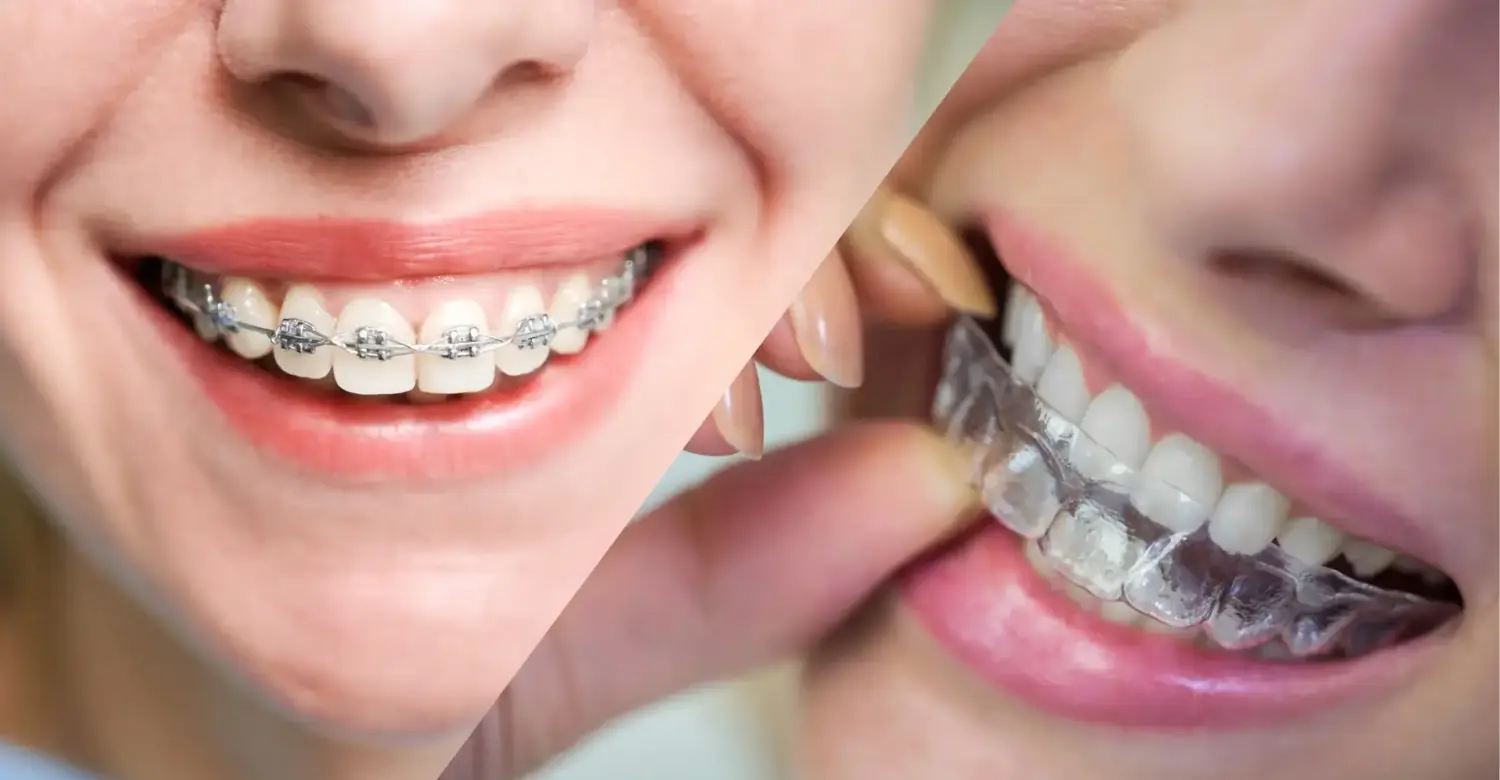
Learning how to know if Invisalign is right for orthodontic needs is an essential first step when exploring modern alternatives to traditional metal braces. Clear aligners have revolutionized cosmetic dentistry by fixing common issues like crowding, gaps, overbites, and underbites with removable, nearly invisible plastic trays. However, suitability depends heavily on the complexity of your specific alignment problems and your lifestyle habits. While mild to moderate cosmetic shifts respond beautifully to aligners, severe skeletal jaw discrepancies or complex tooth rotations still typically require the foundational tracking force of standard bracket-and-wire systems.
Choosing the right orthodontic treatment depends on several factors, including the type of dental problem, the severity of misalignment, lifestyle preferences, and long-term smile goals. Invisalign has become a popular alternative to traditional braces because it uses clear, removable aligners designed to gradually move teeth into better positions. However, Invisalign is not suitable for every orthodontic case, and a professional evaluation is necessary to determine whether it can achieve the desired results.
Understanding whether Invisalign is right for orthodontic needs starts with identifying the dental issues that need correction. Invisalign is commonly used for mild to moderate orthodontic problems such as crowded teeth, gaps between teeth, mild overbite, underbite, crossbite, and general teeth alignment concerns. More complex cases may require additional orthodontic approaches or a combination of treatments. Since the mechanics of bone remodeling require brackets to be anchored securely for long periods, our guide to orthodontic treatments explains the engineering behind these durable adhesive bonds.
What Factors Determine If Invisalign Is Suitable?
The first step in deciding whether Invisalign is the right choice is evaluating the complexity of the orthodontic condition. Invisalign works through a series of custom-made clear aligners that apply controlled pressure to specific teeth. Each aligner is designed according to a digital treatment plan that predicts tooth movement throughout the process.
Patients who usually benefit from Invisalign include those with:
Mild to moderate crowding of teeth
Small spaces or gaps between teeth
Relatively simple bite problems
Teeth that require cosmetic alignment improvements
A preference for a removable and discreet orthodontic option
However, some severe orthodontic cases involving significant jaw discrepancies, major tooth rotations, or complex bite issues may require traditional braces, orthodontic appliances, or surgical orthodontic treatment. For patients who prefer a completely removable option that avoids brackets and residual cement entirely, our breakdown of Invisalign clear aligners explores modern transparent trays.
According to Dr. Rifat Alsaman, Head of the Medical Team at Vitrin Clinic and a cosmetics dentist, selecting Invisalign should always be based on a complete clinical assessment rather than appearance preferences alone. Dr. Rifat Alsaman explains that successful orthodontic treatment depends on understanding tooth movement, bite function, gum health, and facial balance before recommending any orthodontic solution.
How Does an Invisalign Consultation Help Determine Suitability?
An Invisalign consultation is an important stage because it allows the orthodontist to examine the teeth, jaw relationship, and overall oral health. During the evaluation, the dental professional may perform:
Digital scans of the teeth
Dental photographs
X-rays when necessary
Bite analysis
Assessment of gum and bone health
These records help create a personalized treatment plan and determine whether Invisalign can deliver predictable results. If you are noticing minor tooth overlapping or small gaps right after your brackets are removed, check out our guide on porcelain veneers as a rapid cosmetic alternative.
At Vitrin Clinic, Invisalign assessments focus on both functional and aesthetic outcomes. The goal is not only to straighten teeth but also to create a balanced smile that works naturally with the patient's facial features and bite.
Dr. Rifat Alsaman, Head of the Medical Team at Vitrin Clinic and a cosmetics dentist, emphasizes that modern orthodontics should combine technology with clinical experience. He notes that digital planning helps patients understand their expected results before beginning treatment while allowing the dental team to monitor progress accurately.
What Orthodontic Problems Can Invisalign Correct?
Invisalign has developed significantly and can treat a wide range of orthodontic concerns. Some common conditions include:
Crowded Teeth
Crowding occurs when there is not enough space in the mouth for teeth to align properly. Invisalign can gradually create better alignment by applying controlled pressure and improving tooth positioning. To learn more about the clinical leadership establishing our protective, multi-step debonding protocols, you can read the professional profile of Dr. Rifat Alsaman.
Teeth Gaps
Spaces between teeth can develop due to tooth size differences, missing teeth, or natural spacing. Invisalign aligners can help close many mild to moderate gaps.
Overbite
An overbite occurs when the upper teeth overlap the lower teeth excessively. Depending on the severity, Invisalign may help improve this condition through planned tooth movements.
Crossbite
A crossbite happens when some upper teeth sit behind or inside the lower teeth. Invisalign may correct certain crossbite cases, especially when the issue is related mainly to tooth position.
Mild Underbite
Some mild underbite cases caused by tooth alignment may improve with Invisalign. However, severe jaw-related underbites may require other treatments.
Who May Not Be the Best Candidate for Invisalign?
Although Invisalign is effective for many patients, it may not be the ideal solution in every situation. Patients who may require alternative treatments include those with:
Severe jaw alignment problems
Significant bite abnormalities
Large tooth rotations
Advanced periodontal disease
Poor commitment to wearing aligners regularly
Invisalign requires discipline because aligners usually need to be worn around 20–22 hours per day for effective results. Patients who frequently remove their aligners or fail to follow instructions may experience longer treatment times or less predictable outcomes.
Dr. Rifat Alsaman, Head of the Medical Team at Vitrin Clinic and a cosmetics dentist, highlights that patient cooperation is one of the most important factors in Invisalign success. According to Dr. Rifat Alsaman, even the most advanced orthodontic technology depends on consistent patient participation and proper oral care.
How Much Does Invisalign Cost in Turkey?
The cost of Invisalign in Turkey varies depending on the complexity of the case, the number of aligners required, treatment duration, and the experience of the dental team. On average, Invisalign treatment in Turkey typically ranges from approximately €2,000 to €5,000. Leftover adhesive textures can easily become breeding grounds for plaque buildup, which we address in our comprehensive look at preventing gum disease.
Simple Invisalign cases with fewer aligners may cost less, while comprehensive treatments involving more complex movements may approach the higher end of the range.
Turkey has become a popular destination for orthodontic treatments because patients can often access advanced dental technology, experienced specialists, and comprehensive treatment packages at more affordable prices compared with many European countries or the United States.
At Vitrin Clinic, Invisalign treatment planning focuses on personalized care, digital smile analysis, and creating results that support both dental function and smile aesthetics.
Dr. Rifat Alsaman, Head of the Medical Team at Vitrin Clinic and a cosmetics dentist, explains that cost should not be the only factor when choosing Invisalign treatment. He recommends evaluating the quality of diagnosis, treatment planning, technology used, and long-term support provided throughout the orthodontic journey.
What Are the Benefits of Choosing Invisalign?
Many patients choose Invisalign because it offers several advantages compared with traditional braces:
Nearly Invisible Appearance
The clear aligners are designed to be discreet, making them attractive for adults and teenagers who prefer a less noticeable orthodontic option.
Removable Design
Unlike fixed braces, Invisalign aligners can be removed during eating, brushing, and special occasions. This makes maintaining oral hygiene easier.
Comfortable Experience
Invisalign aligners are made from smooth plastic material, reducing irritation commonly associated with metal brackets and wires.
Better Lifestyle Flexibility
Patients can continue enjoying most foods because there are fewer dietary restrictions compared with traditional braces.
Digital Treatment Planning
Advanced digital technology allows dentists and patients to visualize the expected tooth movement and treatment progress.
What We Notice Clinically
From a clinical perspective, determining whether Invisalign is suitable requires more than simply looking at tooth appearance. A complete assessment must consider tooth position, bite relationship, periodontal condition, jaw development, and aesthetic goals.
Dr. Rifat Alsaman, Head of the Medical Team at Vitrin Clinic and a cosmetics dentist, explains that every Invisalign case should begin with a detailed diagnosis. Dr. Rifat Alsaman points out that clear aligners can provide excellent results when used for the correct indications and when the treatment plan is carefully designed.
Dr. Rifat Alsaman also emphasizes that successful Invisalign outcomes depend on combining modern digital planning with clinical expertise. The purpose of orthodontic treatment is not only straighter teeth but also improved function, comfortable biting, and a natural-looking smile.
At Vitrin Clinic, clinical evaluations focus on creating personalized treatment strategies that match each patient's orthodontic needs while maintaining long-term oral health.
How Can You Know If Invisalign Is Right for You?
The best way to know if Invisalign is right for your orthodontic needs is through a professional consultation. A dentist or orthodontic specialist can evaluate your condition and determine whether clear aligners can achieve your expected results.
Invisalign may be an excellent choice if you want a discreet, comfortable, and removable solution for mild to moderate alignment problems. However, every patient has unique dental needs, so treatment decisions should always be based on a personalized assessment.
With proper planning, advanced technology, and expert guidance from professionals such as Dr. Rifat Alsaman, Head of the Medical Team at Vitrin Clinic and a cosmetics dentist, Invisalign can help many patients achieve a healthier and more confident smile.
Conclusion
Knowing whether Invisalign is right for your orthodontic needs depends on a detailed evaluation of your teeth, bite alignment, oral health, and smile goals. Invisalign can be an effective solution for many patients with mild to moderate orthodontic concerns, offering a discreet, comfortable, and removable alternative to traditional braces. However, the success of treatment depends on choosing the right cases, following the recommended wearing schedule, and having a personalized treatment plan.
At Vitrin Clinic, Invisalign treatment is planned using advanced digital technology and a patient-focused approach to achieve both functional and aesthetic improvements. Dr. Rifat Alsaman, Head of the Medical Team at Vitrin Clinic and a cosmetics dentist, emphasizes that every patient requires an individual assessment before starting treatment. Dr. Rifat Alsaman explains that the best orthodontic results come from combining accurate diagnosis, modern techniques, and expert clinical guidance.
If you are considering Invisalign, a professional consultation can help determine whether clear aligners are the right choice for creating a healthier, straighter, and more confident smile.
Reference
How to Know If Invisalign Is Right for Orthodontic Needs depends on several factors, including the type of dental alignment issues, treatment goals, oral health condition, lifestyle preferences, and the complexity of the case. Invisalign can be an effective option for many patients seeking a discreet alternative to traditional braces, but a professional orthodontic evaluation is essential to determine suitability. The following references provide more information about Invisalign treatment, eligibility, benefits, limitations, and clinical considerations:
FAQs

Dr. Rifat Alsaman has more than 5 years of clinical experience in dentistry and currently serves as the Head of the Medical Team at Vitrin Clinic. He is dedicated to providing exceptional patient care, overseeing treatment planning, and ensuring the highest clinical standards across the team. His expertise, attention to detail, and commitment to continuous professional development have helped countless patients achieve healthier, more confident smiles.


