
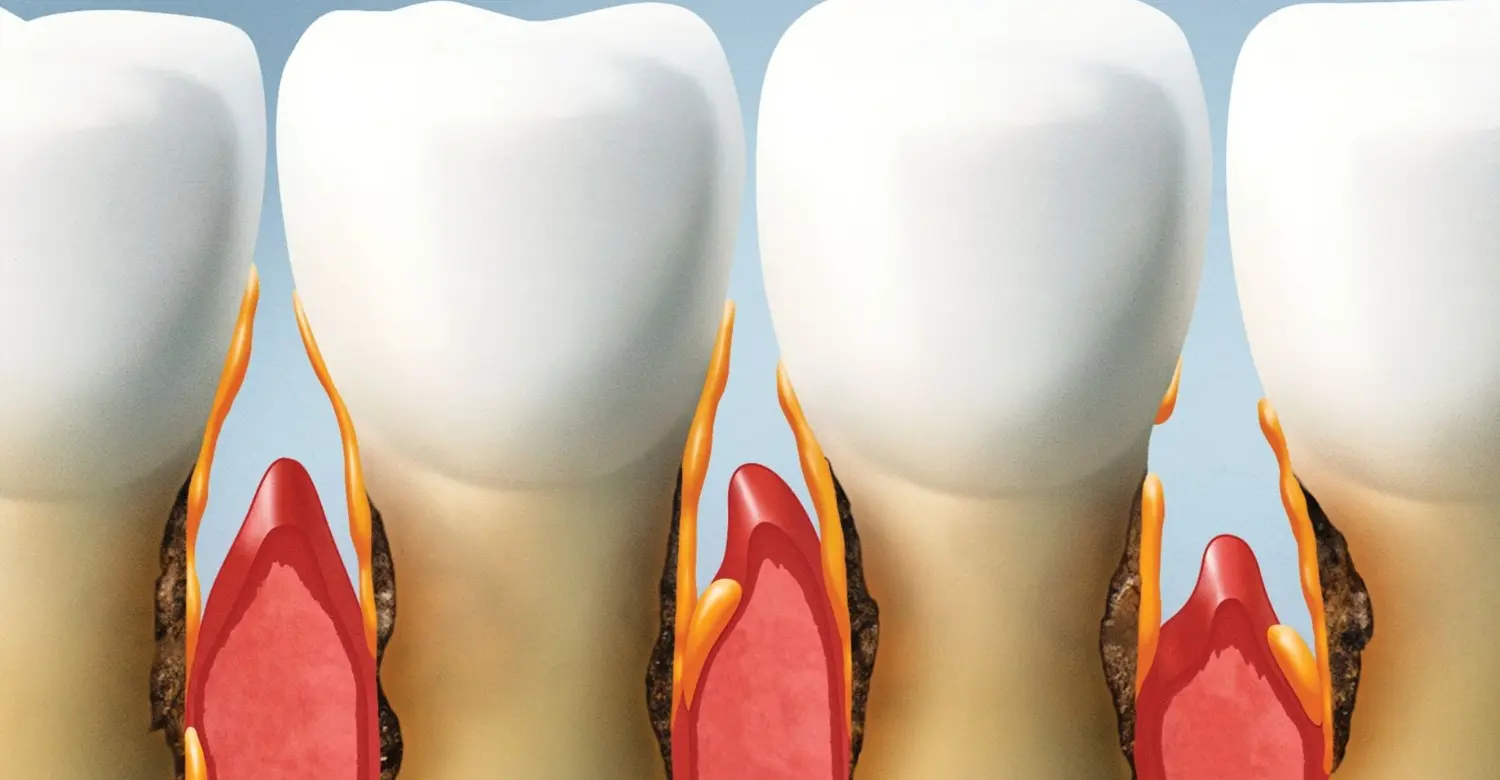
Periodontal pockets are spaces that develop between the gums and teeth when gum disease causes the supporting tissues around the. Teeth to become inflamed and damaged. These pockets allow bacteria and plaque to accumulate deeper below the gumline, making them harder to clean with regular brushing. And flossing. Learning how to shrink periodontal pockets depends on the severity of the condition, the amount of bone support remaining. And the type of periodontal treatment needed.
In many cases, periodontal pockets can become smaller after professional treatment and improved oral hygiene habits. The goal is not only to reduce pocket depth but also to control infection, stop further damage. And maintain healthy gums long-term.
At Vitrin Clinic, periodontal pocket treatment focuses on personalized diagnosis, advanced gum care techniques. And long-term maintenance plans designed to protect natural teeth and improve gum health.
Can Periodontal Pockets Shrink?
Yes, periodontal pockets can shrink when the inflammation and bacterial infection causing them are properly controlled. When plaque and tartar are removed from beneath the gumline, the gums can heal and reattach more closely to the. Tooth surface, reducing the depth of the pocket.
However, the ability of a periodontal pocket to shrink depends on its depth and the condition of the surrounding bone. And gum tissues. Mild pockets often respond well to professional cleaning and improved oral care. While deeper pockets may require advanced treatments such as scaling and root planing, laser therapy, antibiotics, or surgical procedures.
The earlier periodontal pockets are treated, the better the chance of preventing permanent damage.
Gum Pocket Depth Chart (Featured Snippet Opportunity)
Gum Pocket Depth | Condition | Typical Treatment Approach |
1–3 mm | Healthy gums | Regular brushing, flossing, and dental checkups |
4 mm | Early periodontal concerns | Professional cleaning and improved gum care |
4–5 mm | Mild to moderate gum disease | |
5–6 mm | Moderate periodontal disease | Deep cleaning, possible laser therapy or antibiotics |
6 mm+ | Advanced periodontal disease | Surgical treatment, regeneration procedures, or pocket reduction |
Healthy gum pockets usually measure around 1–3 mm. When pockets become deeper, bacteria can hide below the gumline and increase the risk of gum recession, bone loss. And tooth mobility. For a broader look at how pocket depth relates to disease progression overall, see our guide to the stages of. Periodontal disease .
Can Periodontal Pockets Shrink on Their Own?
Periodontal pockets usually cannot shrink on their own if they are caused by true periodontal disease and loss of gum. Attachment around the teeth. These pockets develop when bacteria, plaque, and tartar accumulate below the gumline, causing inflammation and damage to the tissues supporting. The teeth. Once the gum tissue has separated from the tooth and a deeper pocket has formed, professional periodontal treatment is often. Required to reduce the pocket depth and control the infection.
However, in very early stages, when the increased space around the teeth is mainly caused by temporary gum inflammation rather. Than permanent tissue damage, improving oral hygiene habits may help the gums become healthier and appear tighter around the teeth.
At Vitrin Clinic, periodontal evaluation focuses on identifying whether a patient’s gum pockets are caused by reversible inflammation or by. More advanced periodontal damage that requires professional intervention. This early, reversible stage is the same gingivitis phase covered in our guide on whether periodontal disease can be reversed .
When Gum Pockets Can Improve Naturally
Very early gum inflammation, known as gingivitis, may improve with better oral hygiene habits. Regular brushing, daily flossing, using an antibacterial mouth rinse. And maintaining professional dental cleanings can reduce gum inflammation and prevent pockets from becoming deeper.
If the increased pocket depth is mainly caused by temporary swelling rather than tissue destruction, the gums may return closer. To their normal position after inflammation decreases.
However, true periodontal pockets caused by loss of attachment between the gum and tooth usually cannot completely disappear without professional. Treatment.
Why Deep Periodontal Pockets Need Professional Treatment
Deep periodontal pockets create an environment where harmful bacteria can continue multiplying. A toothbrush cannot effectively reach these areas, allowing infection to continue beneath the gumline.
Professional periodontal treatment removes hardened tartar and bacteria that cannot be eliminated at home. Without treatment, deeper pockets may lead to:
Progressive bone loss
Gum recession
Tooth loosening
Tooth loss
Persistent bad breath
The goal of treatment is to reduce pocket depth, eliminate infection. And create an environment where maintaining healthy gums becomes easier. Left untreated, patients often ask how bad periodontal disease can get once pockets reach this stage.
The Pocket Depth Treatment Ladder: How Dentists Shrink Gum Pockets
The treatment approach depends on the measurement of the periodontal pocket and the level of tissue damage.
4–5 mm Gum Pockets Treatment
Pockets measuring 4–5 mm often indicate mild to moderate periodontal disease. The first treatment step is usually scaling and root planing (SRP), also known as deep cleaning.
During SRP, dental professionals remove plaque and tartar from below the gumline. They also smooth the tooth roots to help the gums heal and reattach.
After treatment, many patients experience reduced inflammation, less bleeding, and improved gum pocket measurements. This first-line treatment is explained in full detail in our dedicated guide to scaling and root planing.
5–6 mm Gum Pockets Treatment
Pockets between 5–6 mm usually require more advanced periodontal care. In addition to deep cleaning, dentists may recommend:
Locally delivered antibiotics
Laser periodontal therapy
More frequent periodontal maintenance visits
These treatments target bacteria inside deeper pockets and support gum healing.
The response depends on factors such as smoking habits, oral hygiene, immune health, and the amount of existing bone loss. For pockets at this depth, laser periodontal treatment is often added alongside deep cleaning.
6 mm+ Gum Pockets Treatment
Periodontal pockets deeper than 6 mm often indicate advanced gum disease. These pockets are more difficult to clean and may require surgical approaches.
Possible treatments include:
Pocket reduction surgery
Guided tissue regeneration (GTR)
Bone grafting procedures
Advanced periodontal therapy
The purpose of these treatments is to reduce infection and restore support around affected teeth whenever possible. Surgical cases at this stage are covered in detail in our guide to periodontal surgery cost.
Guided Tissue Regeneration (GTR) for Advanced Periodontal Pockets
Guided Tissue Regeneration (GTR) is an advanced periodontal procedure designed to help restore damaged supporting structures around teeth, including bone. And periodontal tissues that have been affected by advanced gum disease. When periodontal pockets become deep, especially pockets measuring 6 mm or more, bacteria can cause significant damage to the tissues. That support the teeth, leading to bone loss and tooth instability.
The main goal of GTR for advanced periodontal pockets is to create the ideal environment for the body’s natural healing. Process by encouraging the regeneration of lost periodontal tissues. This procedure does not simply reduce pocket depth; it aims to rebuild support around affected teeth when the clinical conditions. Allow regeneration.
At Vitrin Clinic, GTR is considered after a detailed periodontal assessment, including evaluation of pocket depth, bone defects, gum condition. And overall oral health. The treatment recommendation depends on each patient’s specific periodontal needs and the possibility of achieving predictable regeneration.
How GTR Helps Restore Lost Bone and Gum Support
Guided Tissue Regeneration is an advanced periodontal procedure designed to encourage the body’s natural ability to rebuild damaged supporting structures. Around teeth.
During GTR, a special membrane is placed to protect the healing area and allow bone and periodontal tissues to regenerate. More effectively.
This treatment may be recommended when periodontal disease has caused specific areas of bone loss and when regeneration is clinically. Possible.
Locally Delivered Antibiotics for Periodontal Pockets
Locally delivered antibiotics for periodontal pockets are a targeted periodontal treatment designed to reduce harmful bacteria directly inside infected gum. Pockets. Unlike traditional antibiotics that travel throughout the body, locally delivered antibiotics are placed directly into the affected periodontal area, allowing. The medication to work where bacterial activity is concentrated.
Periodontal pockets develop when gum disease causes the gums to separate from the teeth, creating spaces where plaque and bacteria. Accumulate below the gumline. These areas are difficult to clean with regular brushing and flossing, which can allow inflammation and infection to continue.
At Vitrin Clinic, locally delivered antibiotics may be recommended as part of a comprehensive periodontal treatment plan after evaluating pocket. Depth, gum inflammation, bacterial activity, and the overall condition of the supporting tissues around the teeth.
How Antibacterial Gel Works Inside Gum Pockets
Locally delivered antibiotics involve placing medication directly into a periodontal pocket. This allows the antibacterial agent to work in the infected area where harmful bacteria are concentrated.
This approach is usually combined with professional cleaning rather than used as a replacement for removing plaque and tartar.
It can help reduce bacterial levels and support healing in selected cases.
Risk Factors That Worsen Periodontal Pockets
Certain habits and health conditions can significantly increase your risk of developing deep periodontal pockets and make treatment less effective. Smoking and tobacco use are among the most impactful—they impair blood flow to the gums, slow healing. And reduce the success of both non-surgical and surgical therapies.
Diabetes, especially when poorly controlled, elevates blood sugar levels that feed harmful bacteria and hampers the body's ability to fight. Infection. Other contributing factors include poor oral hygiene, genetic predisposition, hormonal changes (such as during pregnancy), certain medications that cause dry. Mouth or gum overgrowth, and chronic stress.
Recognizing these risk factors is the first step in tailoring a treatment plan that addresses not just the pockets themselves. But the underlying causes that can lead to recurrence.
Which Treatment Works Best? A Comparison
When it comes to shrinking periodontal pockets, the effectiveness of treatment depends on the severity of the condition. Non-surgical options like scaling and root planing (deep cleaning) are often the first line of defense and can reduce pocket. Depths by 1–2 mm in mild to moderate cases.
Adjunctive therapies, such as local antibiotics or laser therapy, can enhance results by targeting bacteria more effectively. For advanced pockets (5 mm or deeper), surgical interventions like flap surgery or pocket reduction surgery may be necessary. These procedures can achieve reductions of 3–4 mm or more.
However, success also hinges on patient factors—smoking cessation, oral hygiene, and regular maintenance. In our experience, a combination of thorough scaling and root planing, followed by laser therapy and strict patient compliance, yields. The most predictable long-term outcomes for moderate pockets, while surgical approaches are reserved for severe cases.
At a Glance: How to Shrink Periodontal Pockets
What are periodontal pockets? Spaces between the gums and teeth that deepen due to infection.
Main causes: Poor oral hygiene, smoking, diabetes, and genetic factors.
Non-surgical treatments: Scaling and root planing, laser therapy, and local antibiotics.
Surgical options: Flap surgery and pocket reduction surgery for advanced cases.
Prevention: Brush, floss, regular dental visits, and avoid tobacco.
Success factors: Early intervention, patient compliance, and addressing underlying health conditions.
For a personalized assessment, consult a dental professional who can recommend the best approach for your unique situation.
Laser Pocket Reduction: How It Works
Laser pocket reduction uses focused light energy. It targets bacteria and infected gum tissue inside periodontal pockets. The goal is to reduce pocket depth and improve gum health. This creates a cleaner environment that is easier to maintain.
Periodontal pockets form when gum disease separates gum tissue from teeth. Harmful bacteria then collect in these spaces. Deep pockets are hard to clean with brushing and flossing alone. Laser therapy can support healing and improve stability.
At Vitrin Clinic, we evaluate gum condition, pocket depth, inflammation, and bone health. The right treatment depends on each patient’s needs.
Benefits of Laser Gum Pocket Treatment
Laser therapy targets infected tissue and bacteria inside pockets.
Potential benefits include:
Reduced bacterial activity
Less discomfort than some traditional procedures
Improved gum healing
Better access to infected areas
Suitability depends on your periodontal condition and clinical evaluation.
Home Remedies That Help Support Gum Health
Healthy gums need professional care and daily oral hygiene. Home remedies can reduce mild irritation and improve comfort. They cannot replace professional treatment for deep pockets, tartar, or bone loss.
Home care is vital after periodontal treatment. It helps maintain results. Combine it with regular checkups, proper brushing, and maintenance. This supports healthier gums and long-term stability.
At Vitrin Clinic, we give personalized hygiene advice. It is based on your gum condition, treatment history, and risk factors. For a full breakdown of which home remedies can genuinely help and which cannot replace treatment, see our dedicated guide. On mouthwash and periodontal disease .
Saltwater Rinse, Hydrogen Peroxide, Green Tea, and Turmeric
Some home practices may support gum health. Saltwater rinses can soothe irritated gums. Green tea and turmeric have anti-inflammatory properties.
These methods are supportive care. They are not a replacement for periodontal treatment.
What Home Remedies Cannot Treat
Home remedies cannot remove hardened tartar below the gums. They cannot reverse advanced bone loss. They cannot shrink deep pockets caused by tissue destruction.
Professional diagnosis is essential. It determines the correct treatment approach. Patients concerned about existing bone loss can also review our guide on whether periodontitis is reversible at this stage.
What We Notice Clinically at Vitrin Clinic
At Vitrin Clinic, we start with a detailed evaluation. We check gum condition, pocket measurements, inflammation, and bone health.
Dr. Rifat Alsaman is Head of the Medical Team and a cosmetic dentist. He says successful treatment addresses the cause, not just symptoms.
He explains that patients with pockets do better with combined treatment. This includes maintenance, hygiene education, and regular monitoring.
Dr. Alsaman also stresses early diagnosis. Smaller pockets are easier to control than advanced pockets with bone loss.
How Long Does It Take to Shrink Periodontal Pockets?
The time to shrink periodontal pockets varies. It depends on disease severity, pocket depth, inflammation, and treatment type. Mild to moderate pockets may improve in weeks to months. Deeper pockets with bone loss need longer healing and advanced procedures.
Treatment goals go beyond pocket depth. We also aim to eliminate bacteria, control inflammation, and improve attachment. Protecting supporting structures is key.
At Vitrin Clinic, we plan treatment based on your gum condition. A detailed exam helps decide if you need non-surgical therapy, laser, regenerative procedures, or surgery.
Real Patient Journeys: From Diagnosis to Healing
Every case is unique. Hearing others’ experiences can offer reassurance. One 52-year-old male patient had moderate periodontitis and a smoking history. His pockets measured 6–7 mm. After scaling, root planing, laser therapy, and smoking cessation, his pockets reduced to 3–4 mm in six months. His inflammation subsided significantly.
Another patient, a 45-year-old woman with type 2 diabetes, had recurrent gum infections. With periodontal treatment and better glycemic control, her pockets improved from 5–6 mm to stable 3 mm over a year. These stories show that professional care, patient compliance, and lifestyle changes can lead to significant improvement.
How to Prevent Periodontal Pockets from Forming
Prevention is better than treatment. Brush twice daily with fluoride toothpaste. Floss at least once a day. Consider an interdental brush or water flosser. Regular dental check-ups and cleanings every six months are essential. They allow early detection of gum disease.
Avoid tobacco products. Manage systemic conditions like diabetes. Eat a balanced diet rich in vitamins C and D. If you notice bleeding, redness, or swelling, seek prompt dental care. Early treatment prevents pockets from deepening.
What the Numbers Say: Clinical Outcomes
Clinical studies show periodontal treatments work. A study in the Journal of Periodontology found scaling and root planing reduced pocket depths by an average of 1.5. Mm. Combining it with laser therapy improved results further.
In our clinic, we track outcomes. Among patients who completed non-surgical therapy and followed up for one year, 85% had a pocket depth reduction of at least 2 mm. 70% achieved pocket depths of 4 mm or less. For surgical cases, 90% experienced significant pocket reduction. These figures show that proper diagnosis and treatment can effectively manage periodontal pockets.
A Dentist's Perspective: What I've Seen in Practice
Over the years, I've treated hundreds of patients with periodontal pockets. No two cases are alike. Some respond well to non-surgical therapy alone. Others need a more aggressive approach.
Patient motivation has a profound impact. Those who follow home care and attend maintenance visits achieve better results. The key is a personalized plan that addresses pockets and underlying causes like smoking or diabetes. Periodontal treatment is a partnership. My team provides expertise and technology. Your commitment to daily care is equally crucial.
Expert Insights from Dr. Rifaat Al-Samman
Dr. Rifaat Al-Samman is Director of the Medical Team at Vitrin Clinic in Istanbul. He says, "The cornerstone of effective periodontal therapy is a thorough diagnosis and a tailored treatment plan. In our clinic, we combine evidence-based techniques with advanced technology to achieve predictable results."
Dr. Al-Samman is a general and aesthetic dentist with extensive experience in multidisciplinary treatment. He emphasizes that "patient education and compliance are just as important as the clinical procedure itself." His approach integrates digital. Diagnostics and minimally invasive methods to ensure comfort and long-term success.
Important Disclaimer: Individual Results May Vary
The information in this article is for educational purposes only. It is not a substitute for professional medical advice. Every patient's condition is unique. Treatment outcomes can vary based on disease severity, overall health, and adherence to post-treatment care. Always consult a qualified dentist or periodontist to determine the most appropriate treatment plan for your situation. The results described are not guarantees and should not be interpreted as such.
Frequently Asked Questions
How long does it take to shrink periodontal pockets? With proper treatment, you may see improvement in as little as 4–6 weeks. Full healing can take several months. Maintenance is key to keeping pockets shallow.
Can periodontal pockets heal on their own? No, professional intervention is necessary. Without treatment, pockets will likely worsen and lead to tooth loss.
Is laser treatment better than traditional scaling? Laser therapy can be more comfortable and may reduce bacteria more effectively. It is not suitable for all cases. Your dentist will recommend the best option based on your condition.
How often should I get maintenance cleanings? Typically every 3–4 months, depending on the severity of your periodontal disease and your risk factors.
Healing Timeline After SRP, Laser Therapy, and Surgery
The healing time depends on the severity of periodontal disease and the treatment performed.
After scaling and root planing: improvement may begin within several weeks.
After laser therapy: gum healing may continue over several weeks.
After periodontal surgery or regeneration procedures: complete healing may take several months.
Regular follow-up appointments help measure whether pocket depth is improving.
Maintenance Schedule After Periodontal Pocket Treatment
After completing periodontal pocket treatment, maintaining healthy gums is essential to prevent infection from returning and to protect the improvements. Achieved during treatment. Even after periodontal pockets become smaller, harmful bacteria can accumulate again if proper care is not continued. A structured maintenance schedule helps monitor gum health, control inflammation, and detect any early signs of periodontal disease recurrence.
At Vitrin Clinic, periodontal maintenance is considered an important part of long-term gum care. The goal is not only to reduce periodontal pocket depth but also to create a stable oral environment where gums. And supporting tissues remain healthy.
Periodontal Supportive Therapy Every 3–4 Months
After periodontal treatment, maintenance is essential to prevent pockets from becoming deeper again.
Many patients benefit from periodontal supportive therapy every 3–4 months. These visits allow dental professionals to:
Monitor gum health
Remove new plaque buildup
Check pocket measurements
Detect early signs of recurrence
This maintenance rhythm is the same protocol detailed in our guide to periodontal cleaning and ongoing periodontal maintenance.
Scientific Evidence Behind Periodontal Therapy
The effectiveness of periodontal treatments is well-documented in scientific literature. A landmark study by Cobb (2002) in the Journal of Periodontology demonstrated that scaling and root planing reduces pocket depth. By an average of 1.5 mm and improves clinical attachment levels. More recent research, such as a 2020 systematic review in the Cochrane Database of Systematic Reviews , confirmed that adjunctive. Use of systemic antibiotics can provide additional benefits in certain cases. Laser therapy, particularly with diode or Er:YAG lasers, has shown promise in reducing bacteria and promoting healing, though results vary. For surgical interventions, a study by Heitz-Mayfield et al. (2005) found that flap surgery results in greater pocket reduction than non-surgical therapy in sites with deep pockets (≥5 mm). These evidence-based findings guide our treatment decisions and ensure that patients receive the most effective care.
Potential Risks and Complications
While periodontal treatments are generally safe and effective, they are not without potential risks. Non-surgical procedures like scaling and root planing may cause temporary sensitivity, gum soreness, or minor bleeding. In some cases, patients may experience gum recession or increased tooth mobility, especially if the disease was advanced. Surgical interventions carry additional risks, including infection, swelling, and rare complications such as nerve damage or excessive bleeding. Laser therapy is minimally invasive but can still cause thermal injury if not used properly. It's essential to discuss these risks with your dentist and follow all pre- and post-operative instructions to minimize complications. Your dentist will also monitor your healing to address any issues promptly.
Cost of Periodontal Pocket Treatment in Turkey
The cost of periodontal pocket treatment in Turkey depends on several factors, including the depth of the gum pockets, the. Level of bone loss, the number of teeth affected, and the type of treatment required. Early-stage periodontal pockets usually require non-surgical treatments, while advanced cases may need regenerative or surgical procedures.
Turkey is considered a popular destination for periodontal care because it offers advanced dental technologies and experienced dental teams with. More affordable treatment costs compared with many Western countries. At Vitrin Clinic, the final treatment plan is determined after a complete periodontal examination to identify the most suitable approach. For reducing pocket depth and protecting gum health.
Average Periodontal Pocket Treatment Costs in Turkey
The average prices for periodontal pocket treatments in Turkey are approximately:
Treatment | Average Cost in Turkey |
Periodontal consultation and examination | $50–$150 |
Professional gum cleaning (scaling) | $60–$150 |
Scaling and root planing (deep cleaning) | $150–$500 |
Laser periodontal therapy | $500–$1,500 |
Locally delivered antibiotics | $100–$300 |
Periodontal pocket reduction surgery | $1,000–$3,000 |
Guided Tissue Regeneration (GTR) | $1,500–$3,500 |
Bone grafting for periodontal defects | $500–$2,000 per area |
Periodontal maintenance visits | $50–$150 per session |
These prices are estimated averages and may vary depending on the complexity of the case, the materials used, the number. Of treated areas, and whether additional procedures are needed.
Factors That Affect the Cost of Shrinking Periodontal Pockets
Several factors influence the overall investment required for periodontal pocket treatment:
1. Pocket Depth and Disease Severity The deeper the periodontal pockets, the more complex the treatment may become. A patient with 4–5 mm pockets may only need scaling and root planing. While pockets deeper than 6 mm may require surgical intervention or regenerative procedures.
2. Number of Teeth and Gum Areas Treated
Treatment costs increase when multiple areas of the mouth are affected. Full-mouth periodontal treatment usually requires more time and multiple appointments compared with treating a limited number of sites.
3. Type of Treatment Required Non-surgical treatments such as deep cleaning are generally more affordable than advanced procedures like laser therapy. Pocket reduction surgery, or Guided Tissue Regeneration.
4. Diagnostic Requirements A complete periodontal evaluation may include gum measurements, digital X-rays. And advanced imaging to assess bone support and determine the most effective treatment plan.
Periodontal Pocket Treatment Cost at Vitrin Clinic
At Vitrin Clinic, periodontal pocket treatment is customized according to each patient's gum condition. The cost is not based only on the pocket depth but also on factors such as inflammation level, bone condition. And the expected healing response.
Patients may require different combinations of treatments, including:
Scaling and root planing for bacterial removal
Laser gum therapy for targeted infection control
Antibiotic therapy for deep infected pockets
Surgical pocket reduction for advanced cases
Regenerative procedures when bone support can potentially be restored
The goal at Vitrin Clinic is to provide effective periodontal treatment while creating a long-term maintenance strategy to prevent the. Return of deep gum pockets.
Why Is Periodontal Treatment More Affordable in Turkey?
The cost of periodontal pocket treatment in Turkey is often lower than in the United States or the United Kingdom. Many clinics use modern dental technologies and internationally recognized protocols. For example, scaling and root planing, laser therapy, and periodontal surgery can have very different costs depending on the country.
However, choosing periodontal treatment should not be based only on price. The experience of the dental team, diagnostic accuracy, treatment quality. And follow-up care are important factors in achieving stable gum health.
Reference
The following references provide more information about periodontal pocket causes, treatment options, and methods for improving gum health:
FAQs

Dr. Rifat Alsaman has more than 5 years of clinical experience in dentistry and currently serves as the Head of the Medical Team at Vitrin Clinic. He is dedicated to providing exceptional patient care, overseeing treatment planning, and ensuring the highest clinical standards across the team. His expertise, attention to detail, and commitment to continuous professional development have helped countless patients achieve healthier, more confident smiles.


