Endodontics
June 2, 2026
How Can You Tell if an Infected Root After Root Canal Is Putting Your Teeth at Risk?
 Dr. Rifat Alsaman
An infected root after root canal treatment is a serious post-procedure complication. Unfortunately, many patients misunderstand it. Most people assume a root canal permanently protects the tooth. In reality, bacteria can re-enter and re-establish under certain conditions. Recognizing early signs, understanding causes, and seeking prompt care are critical. These steps protect your tooth, oral cavity, and systemic health.
Recognizing Signs of an Infected Root After Root Canal
Recognizing early warning signs offers the best protection against spreading bacteria. Many patients dismiss post-treatment discomfort as normal healing. They delay clinical evaluation until complications worsen.
Your body uses symptoms to communicate that something needs immediate care. Learning to distinguish routine soreness from genuine infection is vital. It determines whether your tooth resolves cleanly or requires complex intervention.
Common Symptoms of an Infected Root After Root Canal
Early detection improves clinical treatment outcomes significantly. Persistent throbbing pain that resists painkillers is a primary signal. Swelling in the face or jaw is another frequent warning.
Patients may notice visible pus near the gum line. Unexplained foul or bitter tastes can also develop. Additionally, the tooth may feel elevated in its socket. These symptoms confirm that active bacteria require immediate evaluation.
How to Tell if Your Root Canal Is Infected
Identifying infection early prevents a local problem from becoming a systemic emergency. Swelling that worsens after 72 hours is a key indicator. Intensifying pain when biting or pressing down is equally concerning.
X-rays often show a darkened area at the root tip. This periapical lesion indicates bone loss from bacterial activity. These cases rarely resolve without professional intervention.
Swollen Gums and Gum Infection Indicators
Swollen gums near a treated tooth signal an immune response to bacteria. Symptoms include redness, puffiness, and tenderness. A small raised bump called a sinus tract or fistula may also form.
This fistula may drain periodically to relieve pressure. However, drainage does not mean the tissue is healing. It indicates that active bacteria are releasing byproducts continuously. Immediate clinical assessment is required.
Post-Procedure Discomfort vs. Active Infection
Distinguishing routine healing from secondary infection is crucial. Normal discomfort involves mild tenderness lasting three to five days. It improves steadily with each passing day.
An active infection presents as worsening pain after 48 hours. Spreading swelling, fever, and tender lymph nodes are key red flags. Understanding this difference ensures you seek urgent care when necessary.
Why an Infected Root After Root Canal Develops
Understanding why root canal infections happen helps prevent them. Root canals remove infected pulp and seal the inner tooth. However, complete biological control is difficult.
Microscopic canal branches, gaps, or restoration failures create opportunities for bacteria. Infection does not mean poor personal hygiene alone. It reflects a complex interaction between anatomy, procedure technique, and materials over time.
Primary Causes of Post-Treatment Complications
Incomplete removal of original pulp tissue leaves hidden bacterial reservoirs. This issue occurs frequently in curved or complex canal systems. Over time, remaining bacteria multiply rapidly.
Coronal leakage is another major cause. Bacteria penetrate through poorly fitting crowns or cracked fillings. Furthermore, delaying the final restoration leaves the tooth exposed. Precision and timely sealing are essential.
Can a Tooth With a Root Canal Get Re-Infected?
Yes, previously treated teeth can become re-infected. Nerve removal does not make a tooth immune to future bacterial attack. Surrounding tissues, root surfaces, and ligaments remain living tissue.
Recurrent pain or swelling years later proves reinfection can happen anytime. Regular dental checkups and proper restorations keep treated teeth healthy long-term.
Systemic Side Effects You Should Not Ignore
Side effects extend beyond localized tooth pain. Chronic bacteria elevate inflammatory markers throughout your body, straining immunity.
Patients often report fatigue and difficulty concentrating. Feeling systemically ill after treatment requires serious evaluation. Left untreated, complications can cause bone loss or spread to facial spaces.
How Root Canal Filling Failures Occur
Filling failures occur when sealing materials lose integrity over time. Material shrinkage or micro-gaps allow bacteria to re-enter. Tooth fractures also breach the protective seal easily.
Bacteria travel down into the periapical region at the root tip. This explains why an infected root after root canal can surface years later.
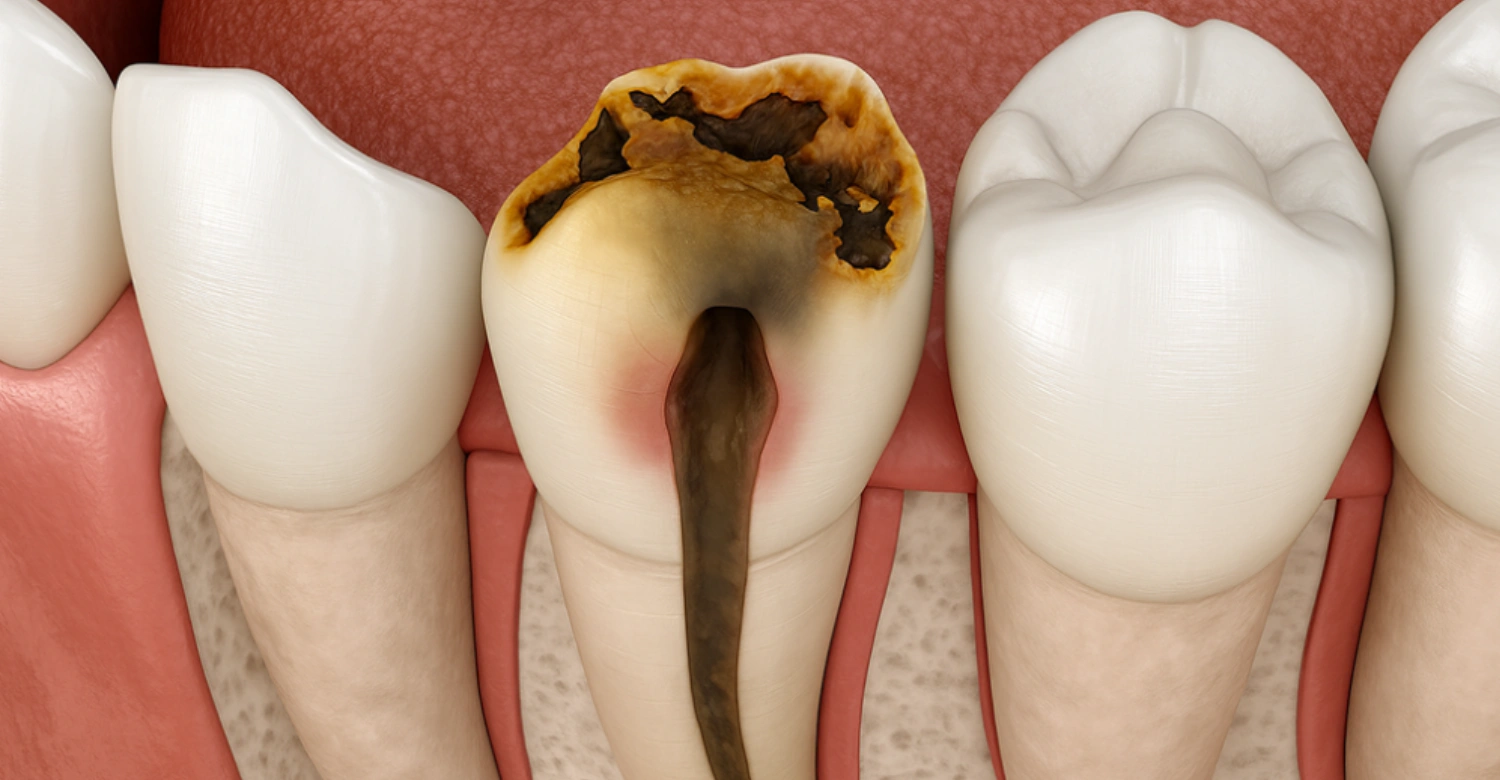
Complications of an Infected Root After Root Canal
Untreated infections become increasingly severe over time. Leaving an infection unmanaged for months causes active destruction of surrounding structures.
Bone resorption damages the foundation supporting nearby teeth. Bacteria can also travel along anatomical pathways into the jaw or sinuses. Early treatment prevents manageable issues from becoming emergencies.
Can Bacterial Infections Spread Beyond the Tooth?
Yes, bacterial infections can spread rapidly. Pathogens do not stay confined to one location. They move along jaw tissues into the neck and face.
Upper teeth infections may breach sinus floors, causing secondary sinusitis. In rare instances, bacteria enter the bloodstream. Widespread infection requires urgent emergency medical care.
Symptoms of Jaw Infections and Dental Abscesses
Jaw infection signs include visible swelling along the cheek or jawline. Restricted mouth movement and swallowing difficulty are critical warnings. Fevers exceeding 38°C often accompany severe cases.
An abscess appears as a tender, fluid-filled pocket near the root tip. These symptoms demand immediate antibiotic therapy, drainage, or surgical intervention.
Long-Term Systemic Health Implications
Research links ongoing dental infections to systemic health issues. Chronic oral inflammation increases cardiovascular risks over time.
Diabetic patients face challenges controlling blood glucose during active infections. Resolving root issues protects both oral health and overall wellness.
Treatment Options for an Infected Root After Root Canal
Complications do not mean tooth extraction is mandatory. Effective treatments preserve natural teeth and restore full functionality.
Treatment plans depend on infection severity and remaining tooth structure. Options range from non-surgical endodontic retreatment to advanced microsurgery.
Non-Surgical Retreatment Approaches
Antibiotics help control bacterial spread in early stages. However, medications alone cannot eliminate bacteria sealed inside root canals. They must be combined with clinical procedures.
Non-surgical retreatment involves reopening the tooth to remove old filling materials. Dentists clean, reshape, and reseal the canal system thoroughly. This resolves most cases effectively.
When Endodontic Retreatment Is Necessary
Formal retreatment is necessary when bacteria reach periapical bone structures. X-ray evidence of new dark spots indicates active bone loss.
Persistent pain under pressure testing signals ongoing infection. Early intervention ensures high retreatment success rates.
Surgical Solutions for Persistent Root Infections
Surgical care is necessary when posts, calcified canals, or stubborn lesions block standard retreatment. An apicoectomy is the most common surgical option.
The endodontist removes the root tip and infected tissue through a small gum incision. A retro-filling seals the root apex from below, resolving the issue at its origin.
Preventing Future Symptoms and Relapses
Placing a high-quality crown immediately after retreatment provides essential coronal sealing. Routine radiographic monitoring detects early changes before symptoms start.
Maintain daily brushing and flossing habits rigorously. Contact your dentist promptly if you notice new sensitivity.
Recovery Expectations After Treating an Infected Root
Recovery is predictable when intervention happens early. Patients seeking immediate treatment recover faster and keep natural teeth longer. Early action dictates optimal clinical outcomes.
How Quick Action Improves Clinical Outcomes
Prompt treatment keeps procedures simple and manageable. Infections caught before severe bone loss occurs respond rapidly to retreatment.
Delays allow bacteria to destroy supporting structures, often making extraction unavoidable. Acting within days or weeks protects your smile.
What Patients Can Expect Before and After Care
Before treatment, patients suffer from persistent pain, swelling, and biting pressure. After successful intervention, discomfort subsides over one to two weeks.
Bone regenerates around the root tip within three to six months. Patients regain normal chewing ability, restful sleep, and comfort.
How Treating Infection Enhances Overall Oral Health
Clearing active bacteria reduces total systemic inflammation. It preserves adjacent teeth by keeping supporting bone architecture healthy. Resolving root problems stabilizes your whole dentition.
Preventive Dental Care Tips to Protect Your Teeth
Prevention is better than retreatment. Infections develop through clear, detectable stages. Daily oral hygiene and regular checkups stop bacterial progression effectively.
Daily Oral Hygiene Strategies After Treatment
Brush twice daily with fluoride toothpaste and a soft brush. Clean thoroughly around gum margins near treated teeth.
Floss daily to clear plaque from interdental spaces. Use antibacterial mouthwash to reduce bacterial counts consistently.
Early Infection Signs to Monitor Regularly
Monitor treated teeth for biting sensitivity or localized soreness. Look for gum discoloration, swelling, or lingering bad taste. Identifying subtle changes allows simple conservative treatments.
Lifestyle Habits That Support Tooth Longevity
Avoid chewing hard ice or hard foods that fracture crowns. Quitting smoking improves gum circulation and tissue healing. Wearing night guards protects restorations from grinding damage.
Vitrin Clinic Expertise in Managing Root Infections
Vitrin Clinic combines advanced technology with patient-centered endodontic care. The medical team offers accurate evaluations and evidence-based treatments for an infected root after root canal. They aim to save natural teeth whenever possible.
Advanced Technology for Root Canal Treatments
3D CBCT imaging provides clear views of canal structures and bone loss boundaries. Surgical operating microscopes allow deep cleaning in intricate root systems. Ultrasonic irrigation ensures high disinfection rates.
Experienced Endodontists Ensuring Patient Comfort
Endodontic specialists at Vitrin Clinic manage complex cases confidently. They administer precise anesthesia and sedation options for anxious patients. Patients receive care in a safe, stress-free environment.
Patient-Centered Follow-Up and Long-Term Care
Follow-up plans include scheduled X-rays at 3, 6, and 12 months. This tracks bone regeneration and prevents reinfection. Vitrin Clinic provides continuous support after treatment.
How Long After Root Canal Treatment Can Infection Occur?
There is no fixed timeframe for when complications arise. Early issues appear within months due to hidden canals or incomplete sealing. Late problems surface years later from cracked fillings, new decay, or crown leaks.
How long after root canal can infection occur if you finished antibiotics? Antibiotics control temporary symptoms but do not eliminate the root cause. Severe tooth pain recurrence can return if the source remains untreated.
Tooth Discolouration as a Sign of Root Failures
Tooth discolouration root failure develops gradually and painlessly. A tooth turning grey or dark yellow indicates internal tissue breakdown.
Extreme tooth sensitivity after RCT often accompanies color changes. Discoloration serves as an early structural warning before severe pain or swelling develops.
Chronic Bad Breath and Halitosis From Dead Root Canals
Chronic bad breath root canal issues resist ordinary hygiene products. Halitosis bacterial breakdown occurs when anaerobic bacteria produce foul sulfur compounds inside the tooth.
A pimple on gums dental fistula near the tooth indicates active drainage. This combination confirms bacterial activity inside the root structure that mouthwash cannot resolve.
Can an Infected Root After Root Canal Heal on Its Own?
Can root canal infection heal on its own? Clinical evidence proves it cannot. Treated teeth lack blood flow and pulp to transport immune cells.
When excessive swelling and tenderness subside temporarily, the infection has merely found a drainage pathway. Professional treatment remains necessary to remove bacteria completely.
Can Infection Spread to Other Teeth or Adjacent Structures?
Infection spread to other teeth is a real clinical threat. Expanding bone loss weakens nearby teeth foundations and periodontal ligaments. Upper tooth infections can also affect sinus floors.
Never monitor infections passively. Prompt imaging prevents single-tooth issues from becoming complex multi-tooth problems.
Vitrin Clinic: Managing an Infected Root After Root Canal
At Vitrin Clinic, every case starts with precise diagnostic evaluations. Dentists review 3D imaging, symptom histories, and restoration integrity before recommending treatment plans.
What We Notice Clinically
"Patients often wait for severe pain before seeking help," says Dr. Rifat Alsaman, Head of the Medical Team at Vitrin Clinic. "However, pain is usually the last symptom to appear. Subtle signs like mild tooth discoloration, bad breath, or gum bumps appear much earlier."
Clinical Note
An infected root after root canal often stems from leaking crowns or missed canals. Vitrin Clinic uses 3D imaging to guide retreatment decisions accurately. Routine follow-up scans confirm healing even when no pain exists.
Tips for Patients
Book an evaluation at the first sign of mild discomfort; early care is simpler.
Watch for changes in tooth color, which can happen before sensitivity occurs.
Take localized bad breath or recurring gum bumps seriously.
Maintain crowns and fillings to keep protective seals intact.
Attend recommended follow-up imaging appointments regularly.
If symptoms temporarily disappear, consult Vitrin Clinic to confirm resolution.
References:
An infected root after a root canal requires prompt diagnosis and proper retreatment to save the natural tooth. As shown in clinical research, complete elimination of bacteria is critical for long-term healing and preventing reinfection.
https://pmc.ncbi.nlm.nih.gov/articles/PMC6064033/
https://pmc.ncbi.nlm.nih.gov/articles/PMC11903559/
https://pmc.ncbi.nlm.nih.gov/articles/PMC10566007/
FAQs
Dr. Rifat Alsaman has more than 5 years of clinical experience in dentistry and currently serves as the Head of the Medical Team at Vitrin Clinic. He is dedicated to providing exceptional patient care, overseeing treatment planning, and ensuring the highest clinical standards across the team. His expertise, attention to detail, and commitment to continuous professional development have helped countless patients achieve healthier, more confident smiles.


