When Can I Brush My Teeth and Resume My Normal Oral Hygiene Routine?
Brushing teeth after dental treatment is usually safe the same day, as long as you are gentle and avoid any surgical area at first. When you can return to your full routine depends on your treatment, from right away after veneers to about a week after extractions or implants. This guide explains what to do after each treatment at Vitrin Clinic and what a good daily routine looks like.

Brushing teeth after dental treatment is usually safe the same day, as long as you are gentle and avoid any surgical area at first. When you can return to your full routine depends on your treatment, from right away after veneers to about a week after extractions or implants. This guide explains what to do after each treatment at Vitrin Clinic and what a good daily routine looks like.
At Vitrin Clinic, the online consultation is free and no-obligation, with a written plan and fixed price before you travel.
Key Takeaways
These are the main points to know about brushing teeth after dental treatment.
Most patients can brush the same night, using a soft toothbrush.
Avoid brushing directly on a surgical site for the first 24 hours.
Start gentle salt water rinses about 24 hours after surgery, unless told otherwise.
Wait before using strong or alcohol-based mouthwash after surgery.
After veneers and crowns, you can usually brush and floss normally right away.
Most patients return to their full routine within about 1 to 2 weeks.
Prices from $150 per crown
Six E.max front crowns from
$1,080
Timescale
5 to 7 days
Hotel + transfers available
Airport-Hotel-Clinic
coordination included
Ready to transform your smile?
Talk to our team and get your Free Treatment plan.
What Should You Know About Brushing Teeth After Dental Treatment?
Keeping your mouth clean helps prevent infection and speeds up healing, so you should not stop brushing. The key is to be gentle near treated areas and follow your aftercare instructions. At Vitrin Clinic, you receive written oral care instructions for your exact treatment before you fly home.
How Long Should You Wait to Brush Your Teeth Again?
After fillings, crowns, veneers or whitening, you can usually brush the same day. After extractions, implants or other surgery, brush the rest of your mouth the same night but avoid the surgical site for about 24 hours. After that, clean the area gently as your dentist advises.
Why Does Gentle Cleaning Matter in the First Days?
In the first days, gums and blood clots are still fragile. Hard brushing can cause bleeding, disturb a clot or irritate stitches. Gentle brushing removes plaque without harming healing tissue, which lowers the risk of infection and dry socket. This is why a soft touch matters most when brushing teeth after dental treatment.
How Should You Brush After Each Treatment at Vitrin Clinic?
Each treatment at Vitrin Clinic comes with its own oral care steps, so brushing teeth after dental treatment looks different depending on what you had done. Surgical treatments need more care in the first days, while cosmetic treatments usually let you return to normal brushing quickly.
When Can You Brush After Dental Implants?
You can brush your other teeth the same night. Avoid the implant area for the first 24 hours, then clean it very gently with a soft brush. Most patients can brush the area normally after about 1 to 2 weeks, once the gums have healed and the dentist confirms it.
When Can You Brush After a Tooth Extraction?
Brush your other teeth the same night, but keep away from the socket for the first 24 hours to protect the clot. After that, brush gently near the area and avoid scrubbing the socket itself. Normal brushing usually returns within about a week.
When Can I Brush My Teeth After Wisdom Teeth Removal?
You can brush your front teeth the same night, keeping well away from the back of the mouth. From the next day, brush the teeth near the extraction site gently and begin salt water rinses. Most patients brush normally again after about 1 week, though surgical cases may take a little longer.
How Do You Care for Veneers in the First Week?
You can brush and floss veneers the same day. Use a soft brush and a non-abrasive toothpaste, and be gentle at the gumline, as gums may be tender for a few days. Avoid very hard foods and do not use your teeth to open things.
How Do You Clean Dental Crowns and Bridges?
Brush crowns and bridges twice a day like natural teeth, paying close attention to the gumline. To clean under bridges daily, use:
A floss threader
Special floss
Small interdental brushes
This stops plaque from building up where the bridge meets the gums.
What Changes After Gum Treatment or Gum Contouring?
After gum treatment, gums may be sore and bleed a little, but gentle brushing should continue. After surgical gum contouring, avoid brushing the treated gums for the first day or two, then clean them gently with a very soft brush. Most patients return to normal brushing within 1 to 2 weeks.
Can You Brush Right After Teeth Whitening?
Yes, but be gentle and use a toothpaste for sensitive teeth if your teeth feel tender. Avoid whitening toothpastes that are very abrasive in the first days. For about 48 hours, also avoid coffee, tea, red wine and other foods that stain.
Can You Brush Your Teeth While Wearing Temporary Veneers or Crowns?
How you care for temporary veneers or crowns depends on your treatment and your case, so your dentist is the one who decides. Before you leave Vitrin Clinic, they'll tell you how to brush, floss and eat until your final restorations are fitted. Follow their instructions, and if you're unsure about anything, ask them.
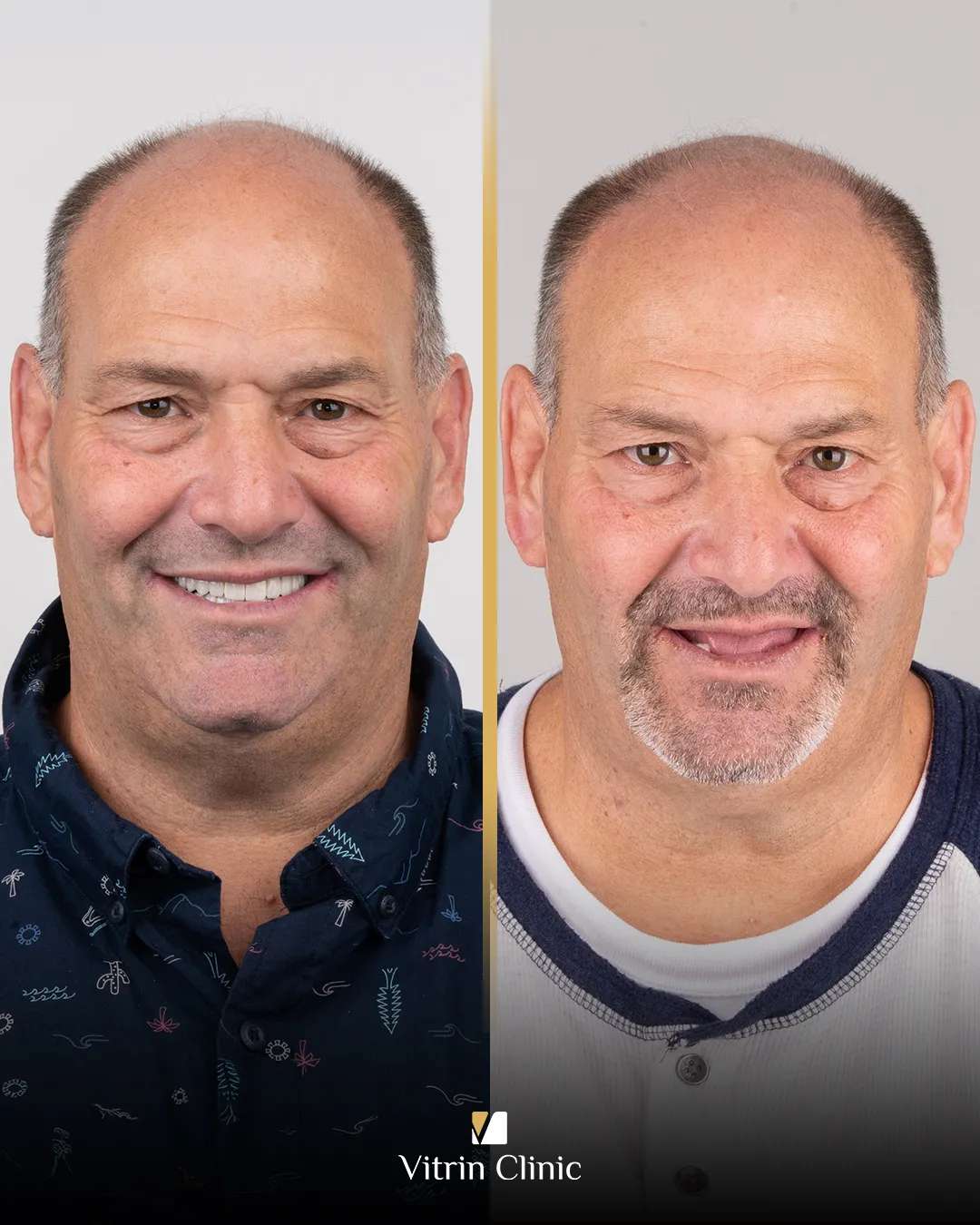
Ready to see our latest Vitrin Clinic before & after success story?
.jpg)
.jpg)
When Can You Use Mouthwash After Dental Surgery?
Avoid all rinsing for the first 24 hours after surgery, so the blood clot can form. After that, gentle salt water rinses are usually best for the first days. Most patients can return to regular mouthwash after about a week, unless the dentist prescribes a special rinse.
Are Salt Water Rinses Better in the First Days?
Yes. Warm salt water is gentle, keeps the area clean and does not irritate healing tissue. Rinse softly a few times a day, especially after meals, and let the water fall out of your mouth instead of spitting hard.
Should You Avoid Alcohol-Based Mouthwash?
Yes, in the first week after surgery. Alcohol-based mouthwash can sting and dry out healing gums. Choose an alcohol-free rinse or the one your dentist recommends, and follow the instructions if you are given a medicated mouthwash.
When Can You Floss and Use a Water Flosser Again?
When you can floss depends on your treatment:
After veneers, crowns, fillings or whitening, you can floss the same day.
After surgery, floss your other teeth as usual, but avoid the treated area for about a week.
Wait until the gums or socket have closed, usually 1 to 2 weeks, before using a water flosser near the site, and start on a low setting.
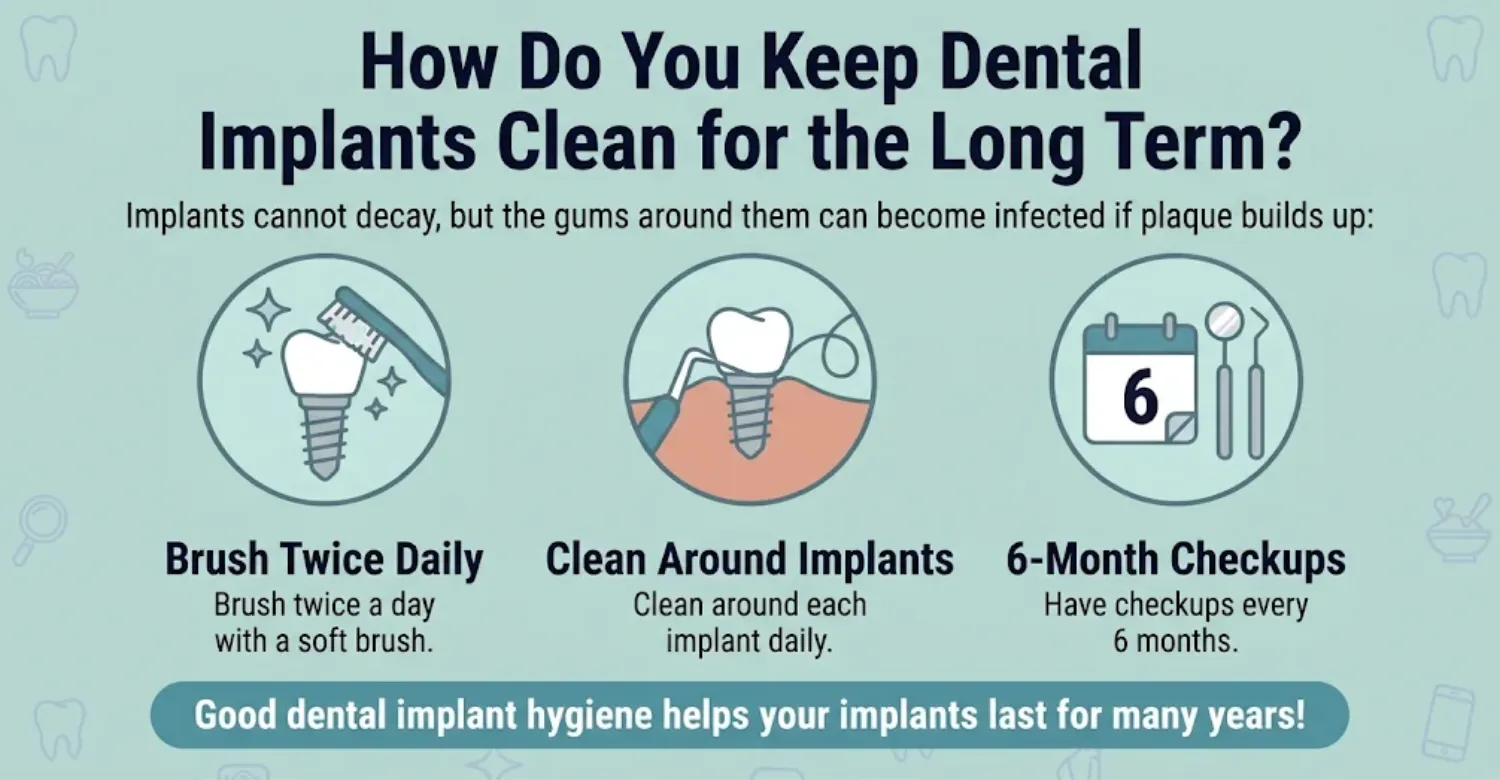
How Do You Keep Dental Implants Clean for the Long Term?
Caring for your dental implants is just as important as caring for natural teeth. With a gentle daily cleaning routine and scheduled checkups, you can protect your gums and help your new smile last a lifetime:
Which Tools Help Clean Under Implant Bridges?
These tools help clean under implant bridges and full arch teeth:
Interdental brushes
A water flosser
Special floss with a stiff end
Your Vitrin Clinic dentist can show you which tools fit your restoration before you fly home.
What a Proper Oral Hygiene Routine Actually Looks Like
A good daily routine includes a few simple habits:
Brush twice a day for 2 minutes with a fluoride toothpaste.
Clean between your teeth once a day.
Spit out the toothpaste after brushing instead of rinsing, so the fluoride keeps working.
Cut down on sugary snacks and drinks.
See your dentist regularly.
What Is the Recommended Frequency for Brushing Teeth to Maintain Good Oral Health?
Dental experts recommend brushing twice a day, usually in the morning and before bed, for about 2 minutes each time. Clean between your teeth once a day with floss or interdental brushes. Most people should also have a dental check-up and cleaning about every 6 months.
What Is the 3-3-3 Rule for Teeth?
It is a popular rule of thumb that usually means brushing 3 times a day, for about 3 minutes, often after meals. It is not an official guideline. Most dental organizations recommend brushing twice a day for 2 minutes, which is enough for most people when done well.
How Bad Is 2 Days Without Brushing Teeth?
Two days without brushing lets plaque build up, which can cause bad breath, a fuzzy feeling and gum irritation. Plaque can also start to harden into tartar, which only a dentist can remove. Getting back to brushing quickly usually reverses these early changes.
How Long Will It Take for My Teeth to Show That I Am Actually Brushing My Teeth Again?
Your mouth feels fresher within days. Bleeding gums from early gum inflammation often improve within about 1 to 2 weeks of good brushing and flossing. Tartar and deep stains do not go away with brushing, so a professional cleaning helps you see the full difference.
Can I Reverse Years of Bad Dental Hygiene?
Partly. Early gum disease, called gingivitis, can be reversed with good daily care and a professional cleaning. Very early enamel weakening can also improve with fluoride. Cavities, broken teeth and bone loss from advanced gum disease cannot reverse on their own, but a dentist can treat and restore them.
Which Teeth Usually Rot First?
The back teeth, especially the molars, usually decay first. Their chewing surfaces have deep grooves that trap food and are harder to clean. Areas between teeth and along the gumline are also common spots for decay.
What Causes Yellow Teeth and Can Brushing Help?
Teeth can turn yellow for several reasons:
Surface stains
Aging
Thinning enamel
Genetics
Brushing helps remove surface stains, but it cannot change the natural color of your teeth. For a brighter shade, professional whitening at Vitrin Clinic or other cosmetic options can help.
Does Yellow Teeth Mean Poor Hygiene?
Not always. Some people naturally have darker or more yellow teeth, and enamel gets thinner with age, showing the yellow layer underneath. Coffee, tea, smoking and some medicines can also stain teeth, even in people who brush well.
Can Yellow Teeth Become White Again by Brushing?
Brushing can remove surface stains and make teeth look brighter, but it cannot whiten the natural color of the tooth. To change the shade, you need a whitening treatment. If teeth are deeply stained or damaged, veneers or crowns may be an option.
What Stains Teeth the Most?
These are among the biggest causes of tooth stains:
Coffee and tea
Red wine and cola
Tobacco
Dark berries
Curry, soy sauce and other strongly coloured foods
Rinsing with water after eating or drinking them helps reduce staining.
What Kills Yellow Teeth?
Professional teeth whitening is the most effective way to lighten yellow teeth, as it uses dentist-approved whitening gels. A professional cleaning removes surface stains and tartar. For stains that whitening cannot fix, veneers can give a lasting white smile.
What's the Best Natural Teeth Whitener?
No natural method can truly whiten the natural colour of your teeth. These habits keep your teeth as bright as possible:
Good brushing
Daily flossing
Rinsing with water after staining drinks
Regular professional cleanings
Avoid acidic or harsh home remedies, such as lemon juice or rough scrubbing powders, which can damage enamel.
What Signs Mean You Should Call Your Dentist?
Contact your dentist if you notice any of these:
Heavy bleeding when you brush
Pain or swelling that gets worse after day 3
Pus, a bad taste or fever
A loose stitch with bleeding
A crown or veneer that feels loose
Gums that stay very sore
Vitrin Clinic patients can contact the team at any time, even after returning home.
Which Treatments Does Vitrin Clinic Provide?
Vitrin Clinic offers a full range of cosmetic and restorative dental treatments in Istanbul. Each one comes with its own oral care plan.
Veneers: E.max, porcelain, zirconia and composite
Hollywood Smile, smile makeovers and digital smile design
Crowns: zirconia and E.max, including same-day crowns
Dental bridges, including Maryland bridges
Dental implants: single and multiple implants, implant bridges, immediate implants, All-on-4, All-on-6, All-on-8 and zygomatic implants
Bone grafts and sinus lifts
Invisalign clear aligners
Teeth whitening
Gum treatment, gum contouring and crown lengthening
Root canal treatment
Fillings
Tooth extractions
To see how each treatment works and how to care for it, explore all of our dental treatments in Istanbul.
What Do Patients Often Ask About Oral Care After Treatment?
Patients often have a few practical questions about their toothbrush, toothpaste and daily routine after treatment.
Can You Use an Electric Toothbrush After Treatment?
Yes. An electric toothbrush is a good choice for brushing teeth after dental treatment and for daily care, including around veneers, crowns and implants. After surgery, keep it away from the treated area for the first days, or use a gentle mode, until your dentist says it is fine.
Should You Use a Special Toothpaste After Veneers or Crowns?
A regular fluoride toothpaste that is not too abrasive is usually best. Avoid strong whitening toothpastes, as they can dull the polish of veneers and crowns over time. If your teeth feel sensitive, a toothpaste for sensitive teeth can help.
What If You Accidentally Brush the Surgical Site?
Do not panic. A little bleeding is common, so bite gently on clean gauze for 20 to 30 minutes. Avoid rinsing hard or touching the area. If bleeding is heavy, the clot seems lost or pain increases over the next days, contact your dentist.
How Does Vitrin Clinic Support Your Oral Care After Treatment?
At Vitrin Clinic, the online consultation is free and no-obligation. You send photos, your dental history and any X-rays, and our dentists review your case. A personalized treatment plan is sent in less than 24 hours.
Your written plan includes the treatments, the timeline and a fixed, all-inclusive price before you travel. Our team books your hotel and arranges your transfers, and aftercare continues once you're home. Vitrin Clinic has been treating patients in Istanbul since 2007.
What Is Your Patient Journey With Vitrin Clinic?
Your journey with Vitrin Clinic is planned from your first message to your follow-up at home, including clear oral care guidance.
Step 1: How Does the Free Online Review Work?
You send photos of your teeth, any recent X-rays and a short dental history. Our dentists review your case and check which treatments you may need.
Step 2: What Is Included in Your Written Plan?
Within 24 hours, you receive a written plan with your treatments, the timeline, the expected number of days in Istanbul and a fixed, all-inclusive price.
Step 3: How Are Your Hotel and Transfers Arranged?
Once you choose your dates, our team books your hotel and arranges your transfers between the airport, hotel and clinic.
Step 4: What Happens on Your Treatment Days?
After your exam and scans, the dentist confirms your plan and carries out your treatment, explaining each step along the way.
Step 5: What Oral Care Instructions Do You Receive Before Flying Home?
Before you leave, you receive written instructions on brushing, flossing, rinsing and the tools that suit your treatment. The dentist answers any questions you have.
Step 6: How Does Follow-Up From Home Work?
After you return home, our team stays in touch. You can send photos or questions at any time, and the dentist can guide you if anything does not feel right.
How Can You Get Back to Brushing Teeth After Dental Treatment Safely?
When brushing teeth after dental treatment, start the same night, stay gentle around treated areas and use salt water rinses after surgery. Return to flossing, mouthwash and your full routine step by step over the first 1 to 2 weeks. At Vitrin Clinic, you leave with clear oral care instructions and a team that stays in touch once you are home.






References

Medically reviewed by
Dr. Rifat AlsamanDr. Rifat Alsaman has more than 5 years of clinical experience in dentistry and currently serves as the Head of the Medical Team at Vitrin Clinic. He is dedicated to providing exceptional patient care, overseeing treatment planning, and ensuring the highest clinical standards across the team. His expertise, attention to detail, and commitment to continuous professional development have helped countless patients achieve healthier, more confident smiles.
More in After Care
View all 30 min readHow Long Does It Take to Recover From Different Dental Treatments in Turkey?Dental Treatment Recovery Time differs depending on the dental procedure, oral health, and individual healing response. A filling may cause minimal disruption, while implant surgery requires several months of healing.
 18 min readWhen Can I Fly After Dental Treatment in Turkey?Flying after dental treatment is something every international patient should think about before booking a ticket. Your return date shapes the whole trip, from hotel nights to follow-up visits.
 35 min readWhat Can I Eat After Dental Treatment in Turkey?Knowing what to eat after dental treatment can make recovery more comfortable. Suitable foods can also protect healing tissues and reduce unnecessary chewing pressure.
Still have a question?
Our patient coordinators answer every day of the week: before, during and long after your treatment.