How Do Dental Clinics Use Patient Photos, and Do They Need Your Permission?
Dental patient photo consent is your permission for a dental clinic to take, store, and use photographs of your teeth, smile, or face. Clinics use these images to support diagnosis, plan treatment, track progress, and record final results.

Dental patient photo consent is your permission for a dental clinic to take, store, and use photographs of your teeth, smile, or face. Clinics use these images to support diagnosis, plan treatment, track progress, and record final results. Taking photos for your clinical record is a normal part of modern dental care. Using them on a website, on social media, or in advertising is a different matter. For that, the clinic should ask for your separate and clear permission.
This guide explains dental patient photo consent in plain words. It covers your patient image rights, how dental photography privacy should work, and what to check before you agree to anything.
Key Takeaways
Dental patient photo consent works best when you understand exactly what you are agreeing to. Keep these points in mind:
Dental photographs support clinical documentation, treatment planning, and progress monitoring.
Clinical photography consent and marketing consent serve different purposes and should be clearly separated.
You should know how your photographs are stored, who can access them, and where they may be shared.
Reading the consent form and knowing how to withdraw permission helps you make an informed decision.
Saying no to marketing use should never affect the quality of your dental care.
What Is Dental Patient Photo Consent, and Why Is It Important?
Dental patient photo consent is a documented agreement that explains why your photos are taken and how they may be used. It matters because dental images are health information. A smile photo can reveal your identity, your dental condition, and the treatment you received. In many countries, data protection laws treat health information as sensitive data. Consent therefore protects your privacy and your control over your own image. It also separates permission to take photos from permission to publish them.
Why Do Dentists Take Patient Photos?
Dentists take photos because images capture details that are easy to miss during a quick look. A photo freezes the exact condition of your teeth and gums on a given day. This creates a reliable record for later comparison. The main clinical reasons include:
Documenting the condition of the teeth and gums
Supporting diagnosis and treatment planning
Monitoring treatment progress
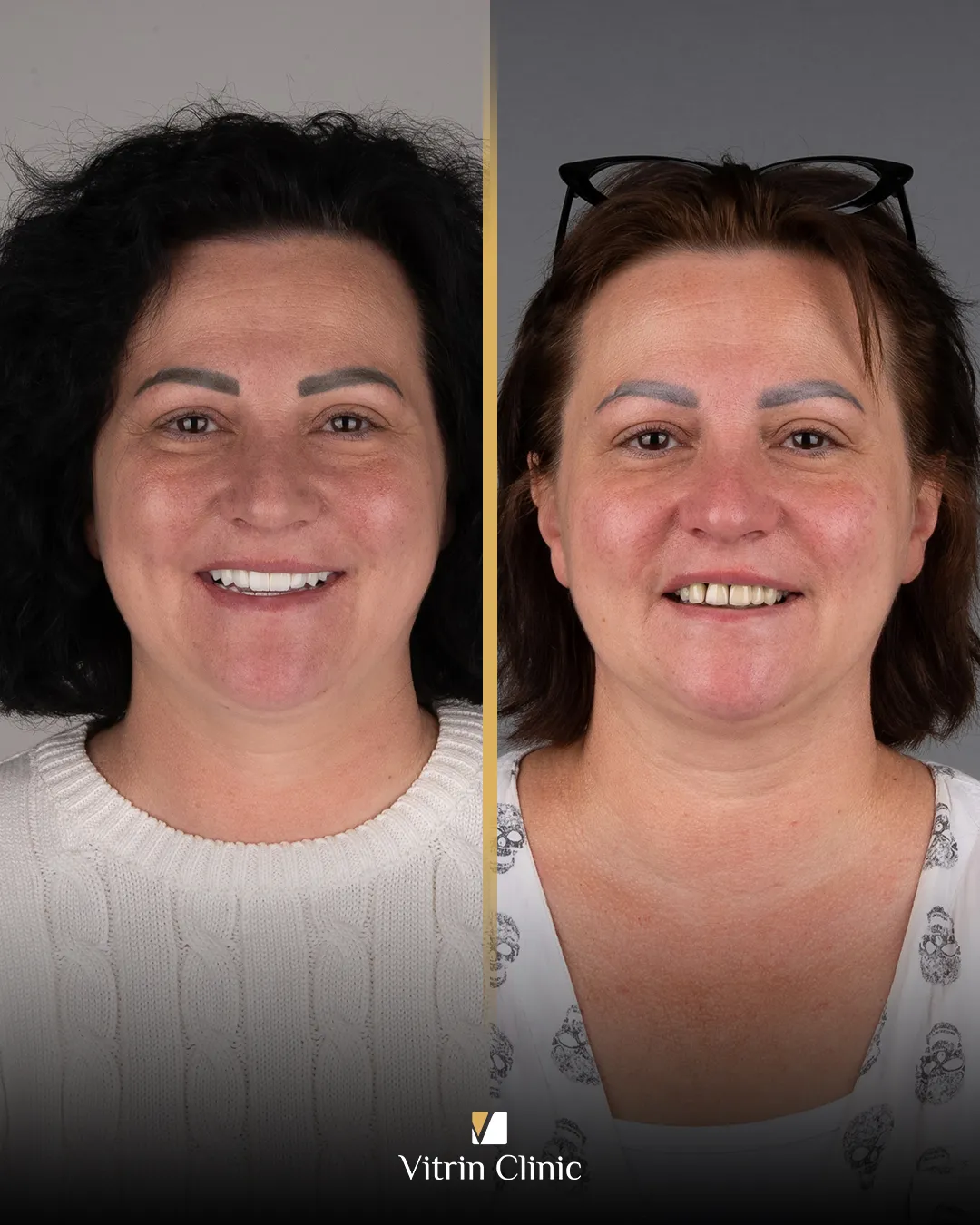
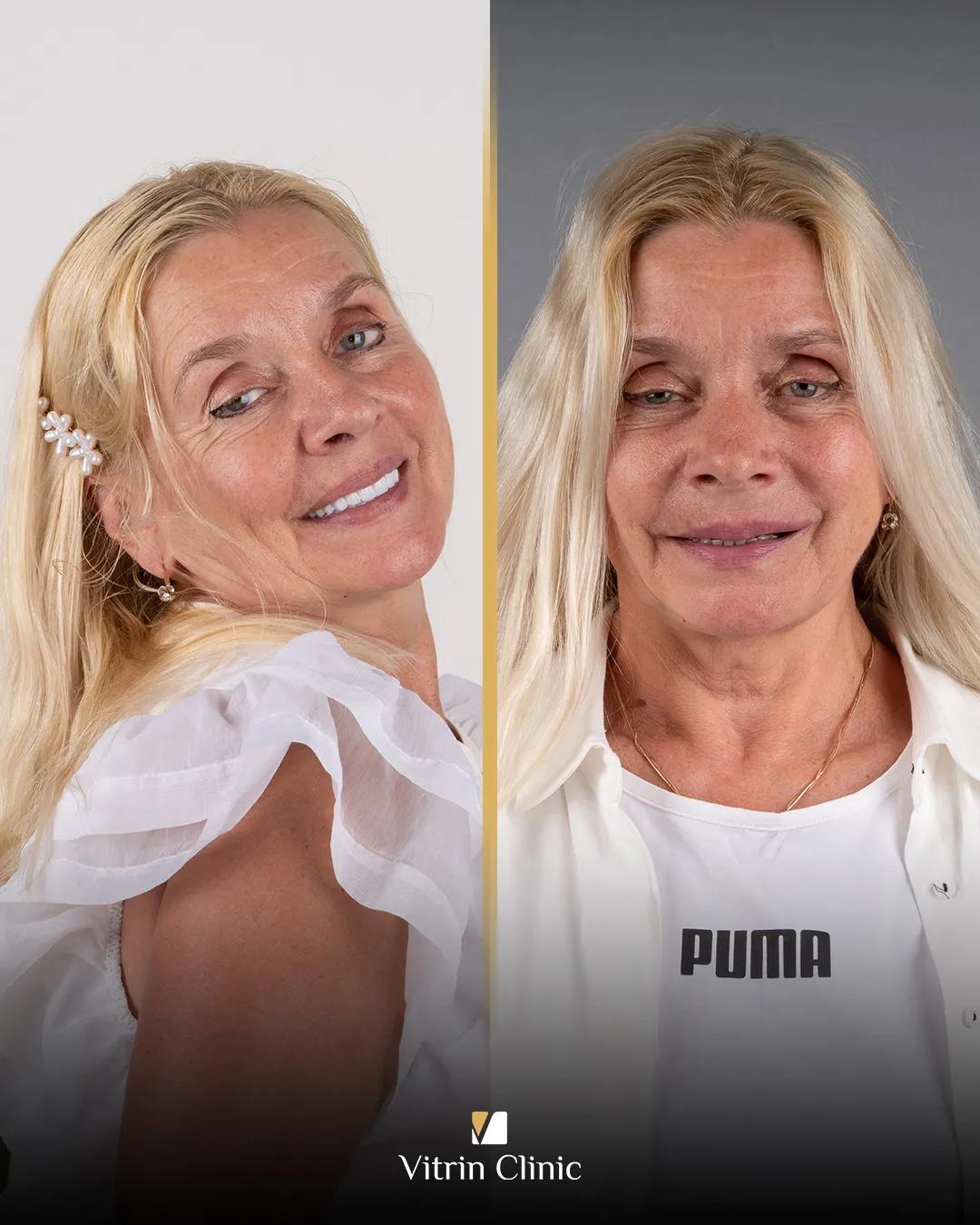
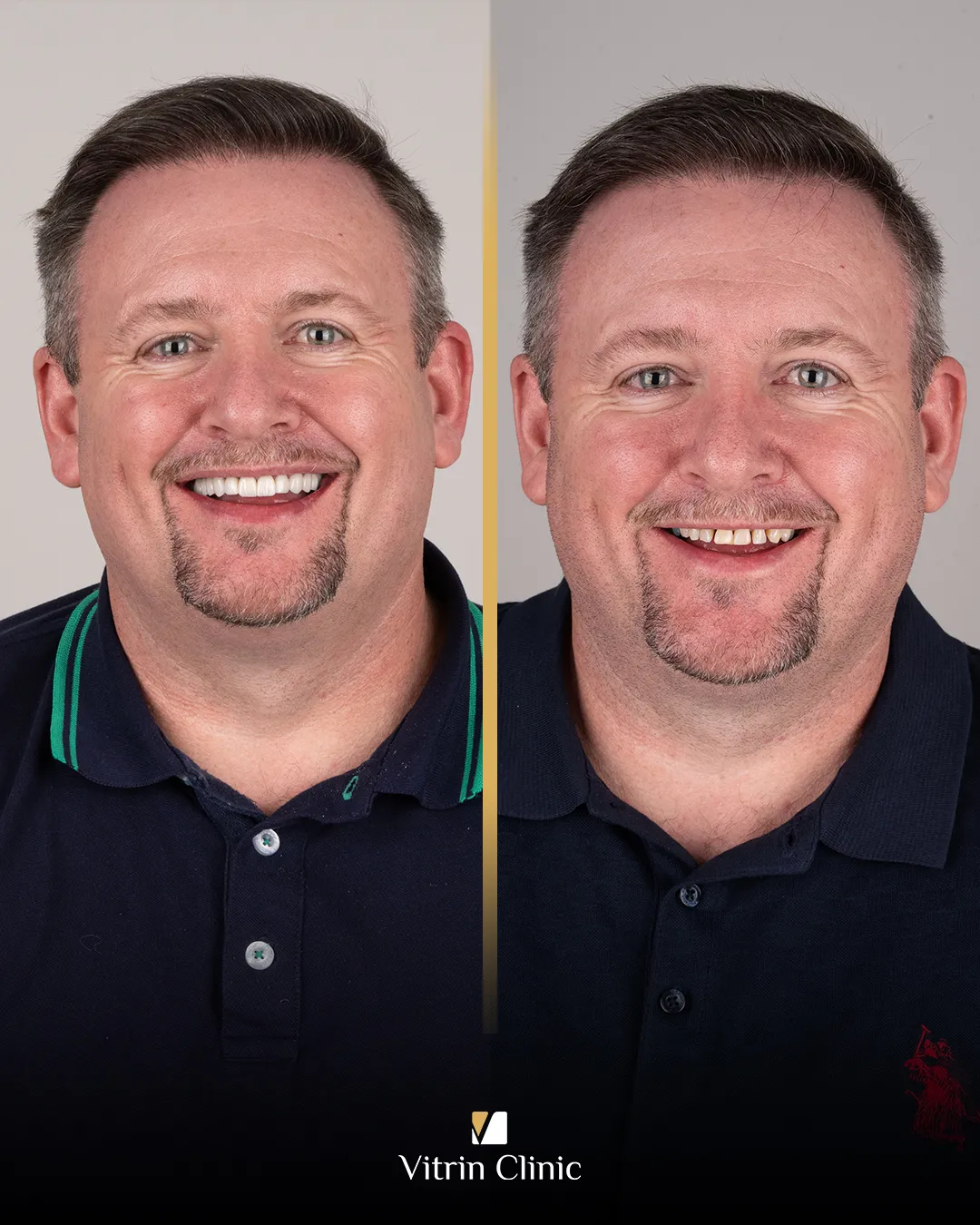
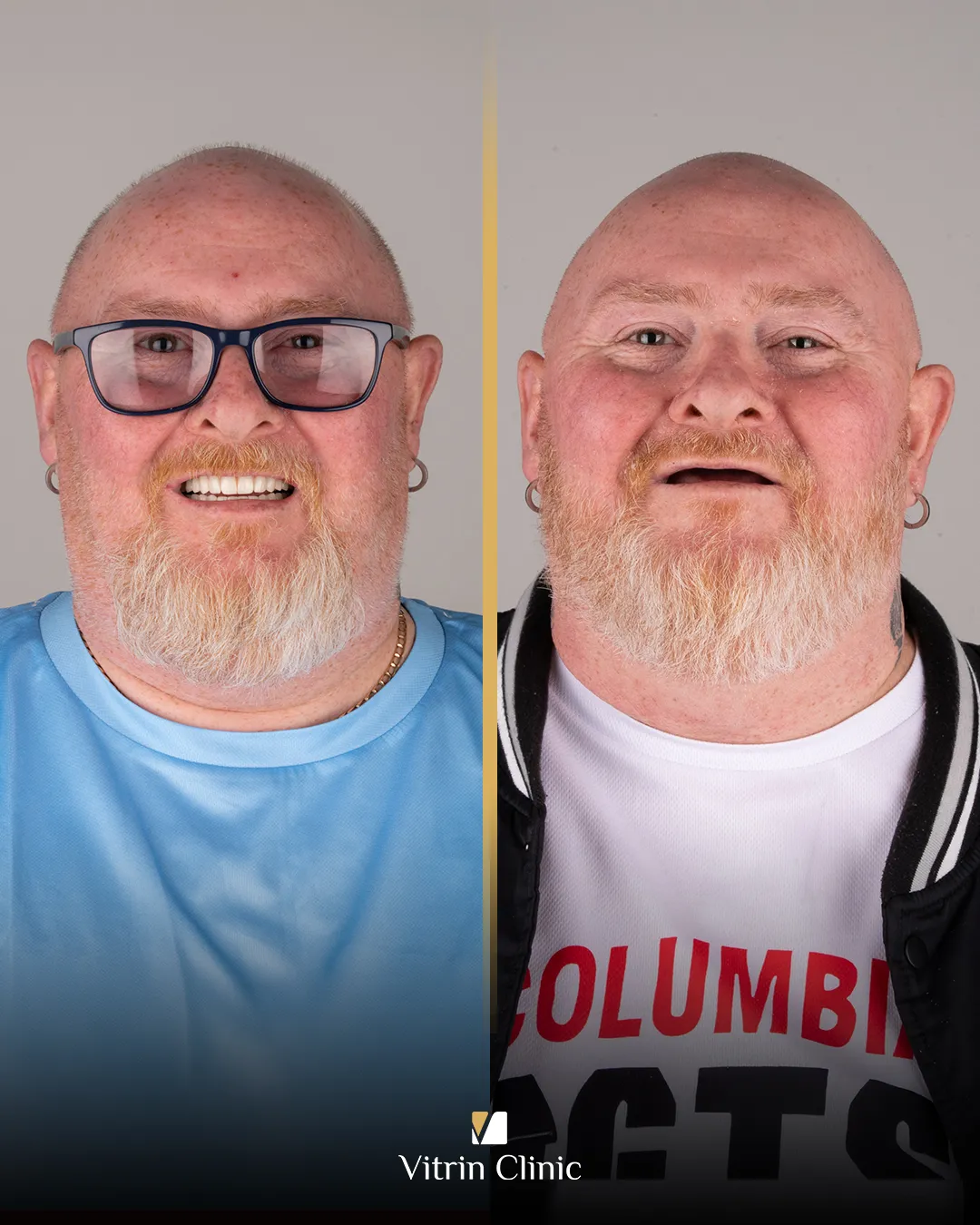
Comparing clinical results before and after treatment
Explaining treatment needs and helping you understand your own mouth
What Types of Photos May a Dentist Take?
A dentist may take several types of images, depending on your treatment. Each type shows something different:
Intraoral photos: Close views inside the mouth, often taken with cheek retractors and small mirrors.
Extraoral photos: Full-face, profile, and smile photos that show how your teeth relate to your lips and face.
Close-up photos: Detailed images of a single tooth or a small area.
Before-and-after photos: Matched images that record change over time.
.jpg)
Ready to transform your smile?
Talk to our team and get a FREE treatment plan.
What Are Your Rights When a Dental Clinic Takes Your Photos?
You have the right to know why your photos are taken, how they are stored, who can see them, and where they might appear. These are your patient image rights. You also have the right to make an informed choice without pressure. Dental patient photo consent is how these rights are put into practice. Rules vary by country. For example, the EU's GDPR and Türkiye's personal data protection law (KVKK) both treat health data as a special category.
Can I Refuse to Have My Dental Photos Taken?
Yes, you can refuse optional photography, especially photos meant for marketing. Refusing promotional use should never affect your treatment. Clinical photos are a little different. Sometimes they are important for safe planning, such as when designing veneers, crowns, or aligner treatment. If you feel uncomfortable, tell your dentist. Ask why each photo is needed and whether another method could work. Dental patient photo consent should always feel like a real choice, never a formality.
Can My Dentist Share My Photos Without Permission?
No. Your dentist or dental clinic must obtain your explicit permission before sharing or using your identifiable photos for any purpose outside your direct clinical care. This includes posting images on a website, social media, advertisements, marketing campaigns, or professional publications. Without your consent, your photos must not be shared or used for these purposes. While images may be shared with people directly involved in your treatment, such as a dental laboratory or specialist, when necessary for your care, promotional use is entirely different and always requires your permission. Before signing, make sure you understand the clinic's dental photo consent policy, including where your images may appear and how they will be protected.
Can I Withdraw My Dental Photography Consent?
Yes. You can usually withdraw dental photography consent for future marketing or educational use at any time. It is best to send your request in writing, so the clinic can record it clearly. However, withdrawal does not undo use that was lawful before your request. Printed brochures or past reposts may still exist. Clinical photos may also stay in your record, because clinics must keep medical records. Ask how the clinic handles removal requests.
What Happens If My Face Is Not Visible?
A photo can still identify you even when your face is hidden. A distinctive smile, a gap, a gold crown, a tattoo, jewellery, or a birthmark may be recognized by people who know you. Removing your name alone does not make an image anonymous. Good practice includes careful cropping and removing identifying details and hidden file information. That is why dental patient photo consent still matters for cropped images. Ask to see the final version before publication.
What Should a Dental Photography Consent Form Include?
A good dental patient photo consent form tells you, in plain language, what you are agreeing to. It should state the purpose of each photo, the types of images, where they may be used, and who can access them. It should also explain how long permission lasts and how to withdraw. Written documentation protects both you and the clinic. The signed form should be kept in your clinical record, and you should receive a copy.
Patient and Dental Practice Information?
The first part of the form identifies who is involved. It usually includes:
Your name and a link to your clinical record
The dental practice name and contact details
The date the consent was given
Your signature and a practice representative's signature
These details make your dental patient photo consent traceable. They show exactly when permission was given and by whom. They also make it easier to update your choices later.
Purpose and Description of Photography?
This section explains why photos are taken. It should list each purpose separately, so you can agree to some and decline others:
Clinical documentation and treatment monitoring
Marketing and promotional use
Educational presentations and publications
It should also describe the types of images involved, such as intraoral, extraoral, full-face, and before-and-after photos. Separate tick boxes are a good sign. They show that dental marketing consent is optional and independent from your care.
Where Can My Dental Photos Be Used?
A clear form lists every place your images may appear. Common examples include:
The dental clinic website
Instagram, Facebook, TikTok, and other social media platforms
Printed marketing materials
Educational presentations and lectures
Patient information materials and treatment case studies
Dental patient photo consent can be partial. You might allow a lecture for dentists but refuse public social media. Each place should be your decision.
Who Can Access and Use My Photographs?
Access should be limited to people who genuinely need it. Typically, this includes:
Your treating dentist and authorized clinical staff
Administrative staff, only when access is necessary
Marketing staff, only when you have given marketing permission
External service providers, such as laboratories or software providers, under suitable data protection agreements
A good consent form should name these groups clearly. Limited access is one of the simplest ways to protect dental photography privacy.
Duration and Scope of Permission?
Dental patient photo consent should have clear limits. The form should explain:
Whether consent covers one campaign or ongoing use
How long photos may stay publicly visible
Whether images can be reused in future campaigns
How you can withdraw permission
Open-ended permission with no time limit deserves a closer look. You can ask for narrower terms, such as a set period or a specific use only. Clear limits make your decision easier.
Can I Choose Which Photos the Clinic Uses?
Often, yes. Many clinics let you approve specific images before publication. You can also discuss:
Whether your full face appears or only your teeth
Whether your name or testimonial is shown with the image
How images are cropped or presented
What editing, if any, will be applied
If these choices matter to you, write them into your dental patient photo consent. A short note such as "teeth only, no name" removes doubt later.
Does the Consent Form Need to Be Signed?
For promotional use, a signed and dated form is strongly recommended. Verbal agreement alone is hard to prove and easy to misunderstand. Signatures from you and a practice representative confirm that you understood and agreed. The form should then be kept in your patient record. Many clinics now use secure digital signatures. Either way, signed dental patient photo consent gives everyone a clear reference. Always ask for a copy for your own files.
.jpg)
Ready to transform your smile?
Talk to our team and get a FREE treatment plan.
What Should You Know?
Dental before and after photo permission is your agreement for a clinic to show how your smile changed. These photos are common in cosmetic and restorative dentistry. They document results after veneers, crowns, dental implants, Invisalign, and other aligner treatments. For clinical records, they show progress. For marketing, they show possible outcomes to new patients. These are two different uses, so they need two separate decisions from you.
How Are Before-and-After Dental Photos Used?
Before-and-after photos serve several purposes. Some stay inside the clinic, while others reach the public:
Treatment progress documentation: Recording each stage of care
Clinical case presentations: Sharing cases with other dental professionals
Patient education: Helping new patients understand a treatment
Website galleries and social media marketing: Showing results publicly
Only the first purpose is part of routine care. The others need dental patient photo consent, especially when your face is visible.
Can Dental Clinics Edit Before-and-After Photos?
Small technical adjustments are acceptable. These include cropping, straightening, and correcting brightness or colour balance so the image looks true to life. Changes that alter the result are not acceptable. Whitening teeth digitally, reshaping gums, or hiding flaws would mislead future patients. Honest photos also use the same angle, lighting, distance, and camera settings for both images. Inconsistent conditions can make a result look better or worse than it really is.
Do Before-and-After Photos Guarantee Similar Results?
No. A photo shows one person's result, not a promise for yours. Outcomes depend on many factors:
Gum health
Tooth structure and remaining enamel
Bite and jaw relationship
Habits such as grinding or smoking
Treatment complexity
A good dentist uses photos to explain possibilities, not to promise results. Your own examination decides what is realistic for you.
How Should Clinics Protect Your Images?
Dental photography privacy means your images are stored securely, accessed only by authorized people, and never shared carelessly. Dental patient photo consent does not remove a clinic's duty to protect your data. The main risks are unauthorized sharing, photos left on staff phones, and weak data protection. A responsible clinic treats your photos like any other part of your medical record, with the same care and limits.
How Should Dental Clinics Store Patient Photographs?
Patient photos should live in secure systems, not on personal devices. Good storage practice includes:
Secure digital patient records and dedicated image management systems
Restricted access for authorized personnel only
Controlled storage and transfer systems
Clear data retention and deletion policies
No personal camera rolls or informal messaging apps for identifiable patient photographs
If a staff member photographs you with a personal phone, it is fair to ask where the image will be stored.
How Should Dental Clinics Share Patient Photographs?
When images must be shared, clinics should use secure, practice-controlled systems. Sharing with a dental laboratory or another specialist is often necessary for your treatment. Even so, dental patient photo consent for clinical use does not authorize insecure channels. Encrypted platforms are safer than casual chat apps. External service providers should also be bound by suitable data protection agreements. Ask how your photos travel when your case involves a lab.
What Should a Dental Clinic Photo Policy Explain?
A dental clinic photo policy is the clinic's written rulebook for patient images. It should cover:
Photography purposes and consent procedures
Storage and security measures
Image-sharing permissions
Staff access and responsibilities
Data retention and deletion
Withdrawal procedures and patient complaint processes
You can ask to read this policy before treatment. It shows how seriously the clinic handles dental patient photo consent.
What Are Common Dental Photography Consent Mistakes?
Even well-meaning clinics can make errors. The most common ones are:
Relying only on verbal permission without written records
Using clinical photos for marketing without separate permission
Sharing identifiable photos through personal devices or unsecured messaging
Failing to record a patient's marketing preferences
Continuing promotional use after a valid withdrawal request
Each mistake weakens patient trust. If you notice one, raise it calmly with the clinic. Most problems are fixed quickly once pointed out.
Can My Dental Experience Be Shared?
Yes, but only with your patient testimonial permission. A testimonial is your personal statement about your experience, in writing or on video. It is often shown alongside photos. However, dental patient photo consent for clinical images does not cover your words or your story. Ask exactly where the testimonial will appear, whether it may be shortened, and whether your photos will sit next to it.
Do I Need Separate Consent for a Video Testimonial?
Yes. Video captures your face, voice, and personal story, so it needs its own consent. Agreeing to clinical photos does not cover video recording. Your permission should address recording, editing, and publication. It should also state where the video may appear, such as social media, the clinic website, or paid advertising. You may agree to one platform and decline another. Ask to watch the final edit before it goes live.
Can My Name and Dental Treatment Details Be Published?
Only if you agree. Your name combined with treatment details is personal health information. Publishing it has real privacy effects, because friends, employers, or strangers may find it online. You can usually choose between:
Your full name
Your first name only
An anonymous testimonial
Check which details will appear, such as your age, country, or treatment type. Small details together can identify you, so include them in your dental patient photo consent.
Can I Ask for My Testimonial to Be Removed?
Yes. You can send a written removal request to the clinic. The clinic should then stop future promotional use where your earlier permission allowed it. It should also remove the content from channels it controls, such as its website and social accounts. Content already shared by others is harder to remove. Reposts on third-party platforms may need separate reporting tools. Keep a copy of your request and the clinic's reply.
How to Protect Your Privacy Before Agreeing to Dental Photography
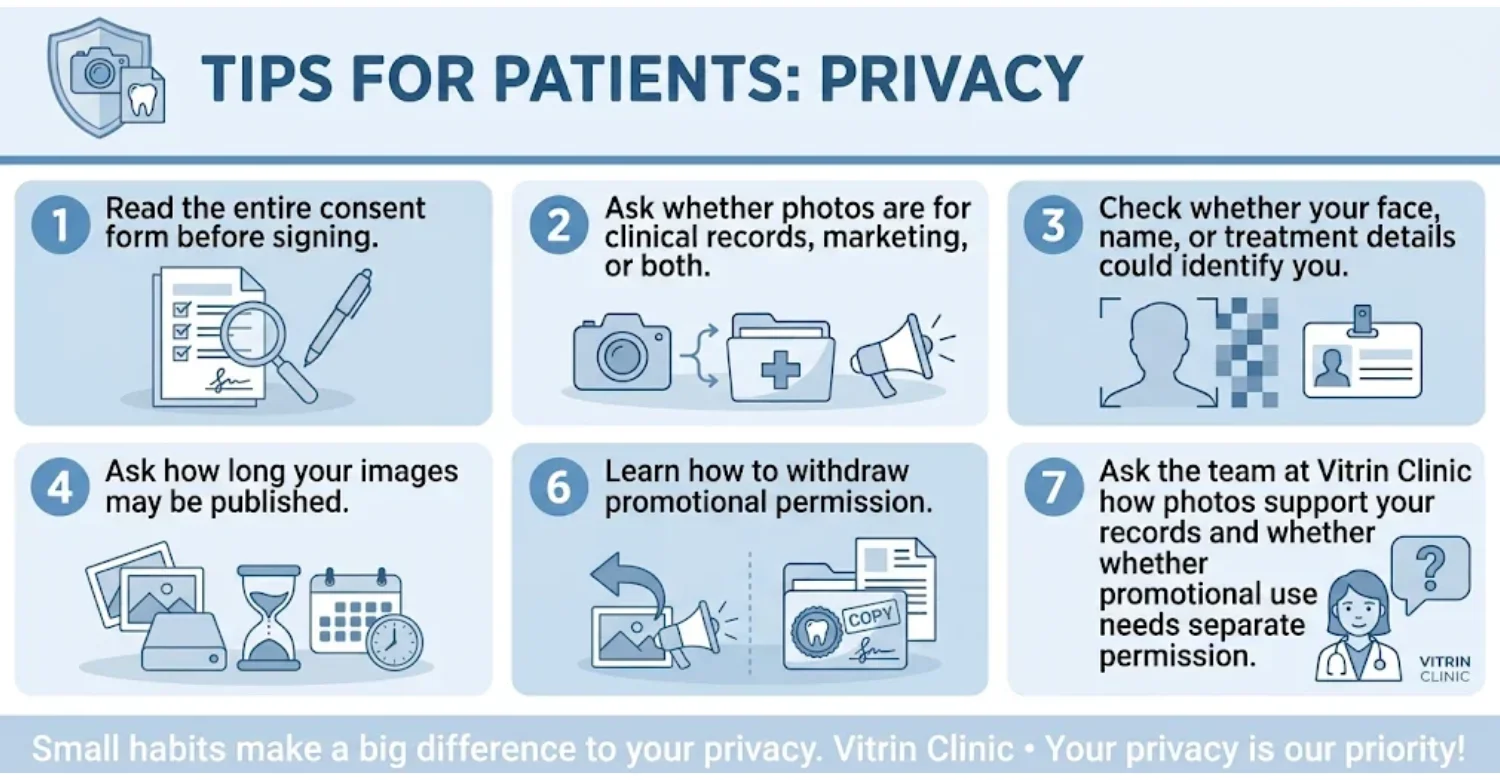
Protecting your privacy starts before the camera comes out. Read the form slowly and ask questions until you feel comfortable. Clear answers prevent misunderstandings and help you decide with confidence. You do not need to sign anything on the spot, especially for marketing use. Good dental patient photo consent is never rushed. The steps below give you a simple checklist for any dental visit.
Questions to Ask Before Signing
Bring these questions to your appointment. A clear answer to each one shows that the clinic respects your choices:
What is the purpose of taking my photographs?
Will my images be used for marketing?
Will my face or name be visible?
Where will the photographs be published?
Who will have access to them?
How long will they be stored?
Can I withdraw my permission later?
How to Review a Dental Photography Consent Form
Use this short checklist when reviewing any dental patient photo consent form:
Check that clinical and marketing permissions are clearly separated
Read the image-sharing and publication terms carefully
Look for details on storage, access, and retention
Confirm whether testimonials and videos need separate permission
Review the withdrawal procedure
Ask for clarification before signing anything unclear
Request a copy of the signed form
A well-written form should be readable in a few minutes.
How Should Patients Manage Their Image Permissions After Signing?
Your choices can change after you sign. To stay in control:
Keep a copy of your consent documents
Check which platforms may show your photos
Contact the clinic if your preferences change
Send withdrawal or removal requests through the official channel
Keep written records of important messages
Act quickly if your photos appear somewhere you did not approve, or if a removal request is ignored. Contact the clinic in writing first. If needed, contact your local data protection authority.
Ready to transform your smile?
Talk to our team and get a FREE treatment plan.
Approximate Dental Treatment Prices at Vitrin Clinic
Initial consultations at Vitrin Clinic are free and include a written treatment plan with clear, fixed pricing and no hidden fees. Final costs depend on clinical diagnostics and chosen materials. You can review the plan or decline before paying for any treatment.
Estimated Price Breakdown by Procedure
Treatment
Hollywood Smile
Dental Implants
Subperiosteal Implants
Invisalign
Veneers
Dental Crowns
Dental Bridge
Periodontics
Gingival Esthetics
Endodontics (Root Canal Treatment)
Same Visit Dentistry
Teeth Whitening
Approximate Price at Vitrin Clinic
$3,500–$5,500 per full smile makeover
$500–$865 per implant, depending on the system
Price upon request
$800–$3,500
$200–$250 per tooth
From $150 per tooth
$500–$1,200 for a traditional 3-unit bridge
Depends on gum treatment required
Price upon request
Approximately $150–$200 per tooth
Depends on the procedures included in treatment plan
Approximately $150–$350 per session
Note: Vitrin Clinic offers dental treatments at approximately 60–70% less than the average costs in the USA and UK, while maintaining high standards of dental care.
Note on Dental Sedation Costs
Conscious sedation or general anesthesia can be arranged for severe dental anxiety. These options and costs are discussed openly and itemized separately, so you know the fee before giving consent. A medical history review confirms that sedation is safe for you.
.jpg)
.jpg)
.jpg)
.jpg)
Your Smile Journey at Vitrin Clinic
Achieving your ideal smile starts with a clear clinical understanding of your needs and a treatment plan built around your personal goals. At Vitrin Clinic, every phase of your care is meticulously coordinated combining precision dentistry, dedicated international patient support, and seamless hospitality to ensure your experience in Istanbul is comfortable, transparent, and stress-free.
1. Comprehensive Initial Smile Assessment
Every lasting transformation begins with an accurate diagnosis. Simply share your smile photographs, existing dental records, and relevant medical history with our team. Our specialists thoroughly evaluate your teeth, gum health, and bite alignment to identify the safest, most effective treatment pathways tailored to your unique anatomy.
2. Bespoke Treatment Planning & Transparent Pricing
Your dental health deserves individualized care, never a one-size-fits-all package. Following your clinical evaluation, we deliver a detailed, personalized proposal outlining recommended procedures, step-by-step treatment stages, estimated timelines, and clear, upfront costs. You gain complete clarity and confidence to make an informed decision before booking your trip to Istanbul.
3. Seamless Travel & Concierge Coordination
From the moment you land to your final check-up, our international patient coordinators handle the logistics of your stay. Depending on your treatment arrangement, we organize luxury hotel accommodations alongside private VIP transfers between the airport, your hotel, and the clinic. With dedicated scheduling and multilingual support, you can focus entirely on your comfort and recovery.
4. Precision Transformation & Lifelong Aftercare
Your clinical care is executed to the highest international standards, balancing natural aesthetics with long-term functional health at every stage. Before you fly home, we equip you with tailored aftercare protocols and maintenance guidance to protect your investment backed by ongoing remote follow-up support whenever you have questions.
What We Notice Clinically
At Vitrin Clinic, we notice that photos are most useful when they support a full examination, not replace it. Images help us assess tooth structure, gum condition, smile proportions, and treatment progress. Consistent photos at each stage make comparisons reliable. Dr. Rifat Alsaman, Head of the Medical Team and cosmetic dentist at Vitrin Clinic, highlights that:
Clinical photos need a clear diagnostic or documentation purpose
Before-and-after photos should show genuine results without misleading editing
Dental patient photo consent for marketing should stay separate from treatment decisions
Clinical Note
Clinical perspective from Dr. Rifat Alsaman, Head of the Medical Team and cosmetic dentist at Vitrin Clinic:
Dental photography is a useful documentation tool, but it complements examination and diagnostic imaging rather than replacing them.
The clinical team should explain why each photo is needed and how it supports planning.
Patients deserve clear information about storage, access, and possible publication.
Dental patient photo consent should be specific, understandable, and properly documented.
Patient health, privacy, and informed participation always come first.
Why Choose Vitrin Clinic for Your Dental Care?
Vitrin Clinic is a cosmetic and restorative dental clinic in Istanbul, Türkiye, providing a wide range of dental treatments for local and international patients. Our services include dental implants, veneers, crowns, bridges, orthodontics, gum treatments, teeth whitening, and other restorative and cosmetic procedures. Our team uses clinical photography to plan treatment, communicate clearly, and document outcomes. Under the guidance of Dr. Rifat Alsaman, Head of the Medical Team and cosmetic dentist, we explain why each photo is taken. Clinical records and marketing materials are kept separate. We use images for promotional purposes only with your written permission, and we welcome your questions before you make any decision.






Book your FREE treatment plan with Vitrin Clinic and get a personalized treatment plan from our dental team.
Ready to transform your smile?
Talk to our team and get a FREE treatment plan.
References:

Medically reviewed by
Dr. Rifat AlsamanDr. Rifat Alsaman has more than 5 years of clinical experience in dentistry and currently serves as the Head of the Medical Team at Vitrin Clinic. He is dedicated to providing exceptional patient care, overseeing treatment planning, and ensuring the highest clinical standards across the team. His expertise, attention to detail, and commitment to continuous professional development have helped countless patients achieve healthier, more confident smiles.
More in Discovery & Decision
View all 19 min readHow Much Time Should You Take Before Agreeing to Dental Treatment?There is no single waiting period that suits every patient. The right time to decide on dental treatment can be a few hours, a few days, or several weeks. It depends on how urgent your condition is, how complex the procedure is, and how ready you feel.
 34 min readAre Dental Clinics Abroad Accessible for Patients with Disabilities or Mobility Issues?Finding an Accessible Dental Clinic Abroad involves more than checking treatment prices.
 32 min readIs Dental Treatment Abroad a Suitable Option for Older Adults?Dental treatment abroad for seniors can provide access to restorative care and coordinated treatment.
 19 min readCan You Get Dental Treatment Abroad If You Have Dental Anxiety?Dental treatment abroad with anxiety is possible with careful preparation, clear communication, and individualised clinical planning.
Still have a question?
Our patient coordinators answer every day of the week: before, during and long after your treatment.