Is Dental Treatment Abroad a Suitable Option for Older Adults?
Dental treatment abroad for seniors can provide access to restorative care and coordinated treatment.

Dental treatment abroad for seniors can provide access to restorative care and coordinated treatment. However, age alone does not determine whether international dental care is suitable. Medical history, oral health, mobility, medication, and recovery needs matter more. Some older adults may qualify for extensive dental rehabilitation. Others may require additional medical coordination or more conservative treatment. Travelling also introduces practical considerations, including flights, accommodation, and follow-up care. At Vitrin Clinic, we review each patient's dental requirements individually. Our recommendations depend on clinical findings and personal circumstances. This guide explains what seniors should consider before travelling to Turkey for dental treatment.
Key Takeaways
Age alone does not determine whether seniors can receive dental treatment abroad; medical stability and oral health matter more.
Conditions such as diabetes, heart disease, osteoporosis, and frailty may require additional clinical precautions.
Medication history is essential, particularly for patients taking blood thinners or osteoporosis medication.
Older adults may qualify for implants, All-on-4, crowns, bridges, dentures, or other restorative treatments when clinically suitable.
A thorough clinical examination, relevant imaging, and medical coordination help establish an appropriate treatment plan.
Travel preparation should include medical records, accessible accommodation, suitable transportation, and recovery support.
Treatment duration, return-flight timing, and recovery depend on the procedure and individual health needs.
Patients should receive an itemised quotation, clear aftercare instructions, and arrangements for follow-up care after returning home.
Ready to transform your smile?
Talk to our team and get a personal FREE treatment plan.
Can Seniors of All Ages Receive Dental Treatment Abroad?
Yes, older adults may receive dental treatment abroad when their health supports the proposed procedures. There is no universal age limit for most dental treatments. A patient's medical condition and oral health matter more than their date of birth. Some patients need routine restorative care, while others require surgery or complex rehabilitation. The clinical team must consider treatment risks, recovery, and long-term maintenance.
Can People Over 65, 70, 80, or 90 Receive Dental Treatment Abroad?
Yes, patients in their seventies, eighties, or nineties may qualify for suitable dental treatment. A medically stable older adult may tolerate treatment better than a younger patient with uncontrolled health problems. However, frailty, cognitive difficulties, and reduced independence may require additional support. Some patients benefit from shorter appointments or staged procedures. Others may need medical coordination before surgery.
What Determines Whether an Older Adult Can Receive Dental Treatment?
Several factors influence treatment suitability. These include:
General health and existing medical conditions.
Oral health, remaining teeth, and gum condition.
Jawbone condition and available bone volume.
Current medication and previous treatment complications.
Mobility and ability to attend appointments.
Recovery requirements and follow-up arrangements.
Ability to maintain daily oral hygiene.
A clinical examination helps determine suitable treatment options. Age alone cannot predict treatment success or recovery.
What Makes Dental Treatment Abroad Practical for Some Older Adults?
International treatment may provide coordinated appointments and access to different restorative options. It may also offer potential savings for selected procedures. However, patients must consider flights, accommodation, insurance, and follow-up expenses. A suitable dental procedure may still be impractical without appropriate travel support. Patients should evaluate the entire journey before booking.
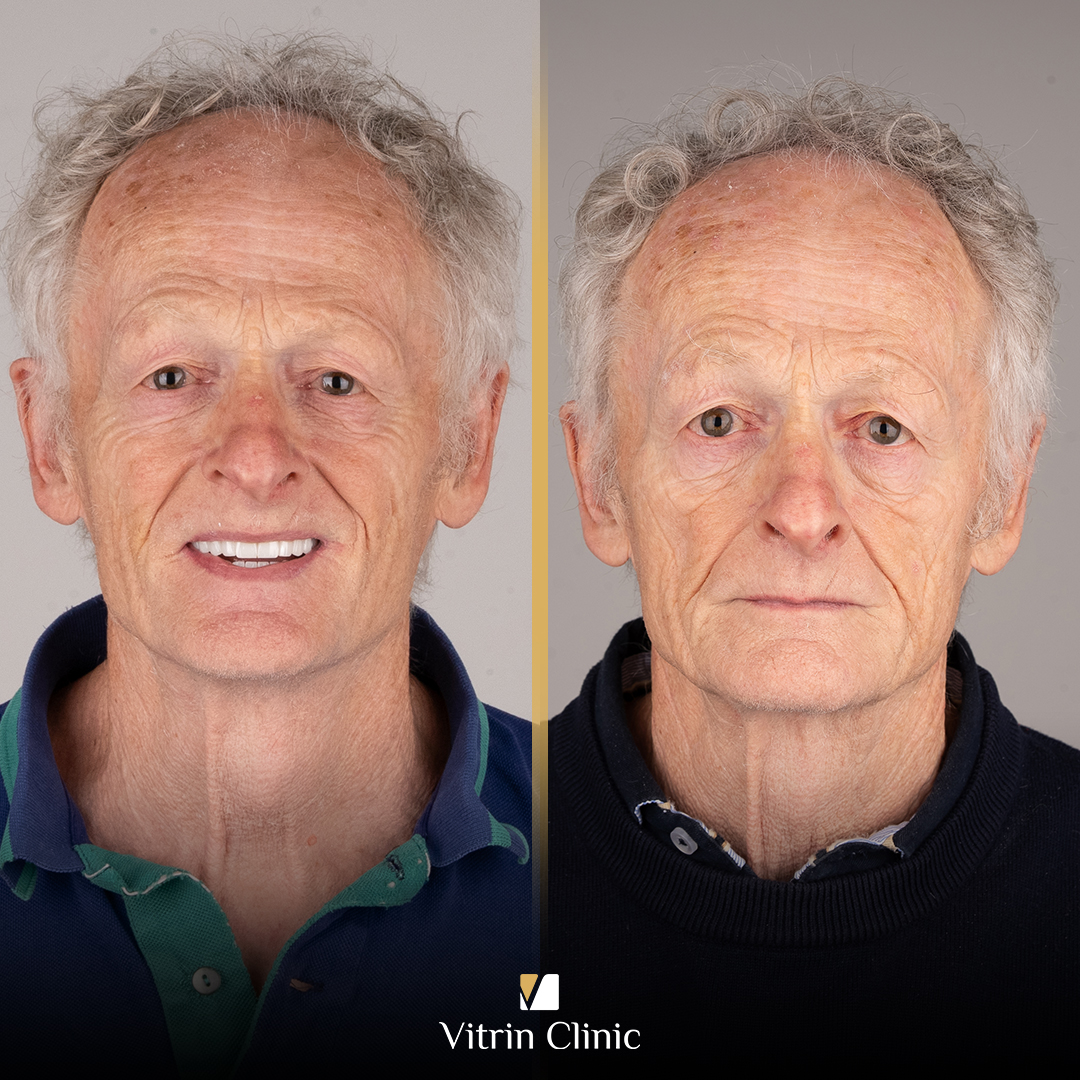
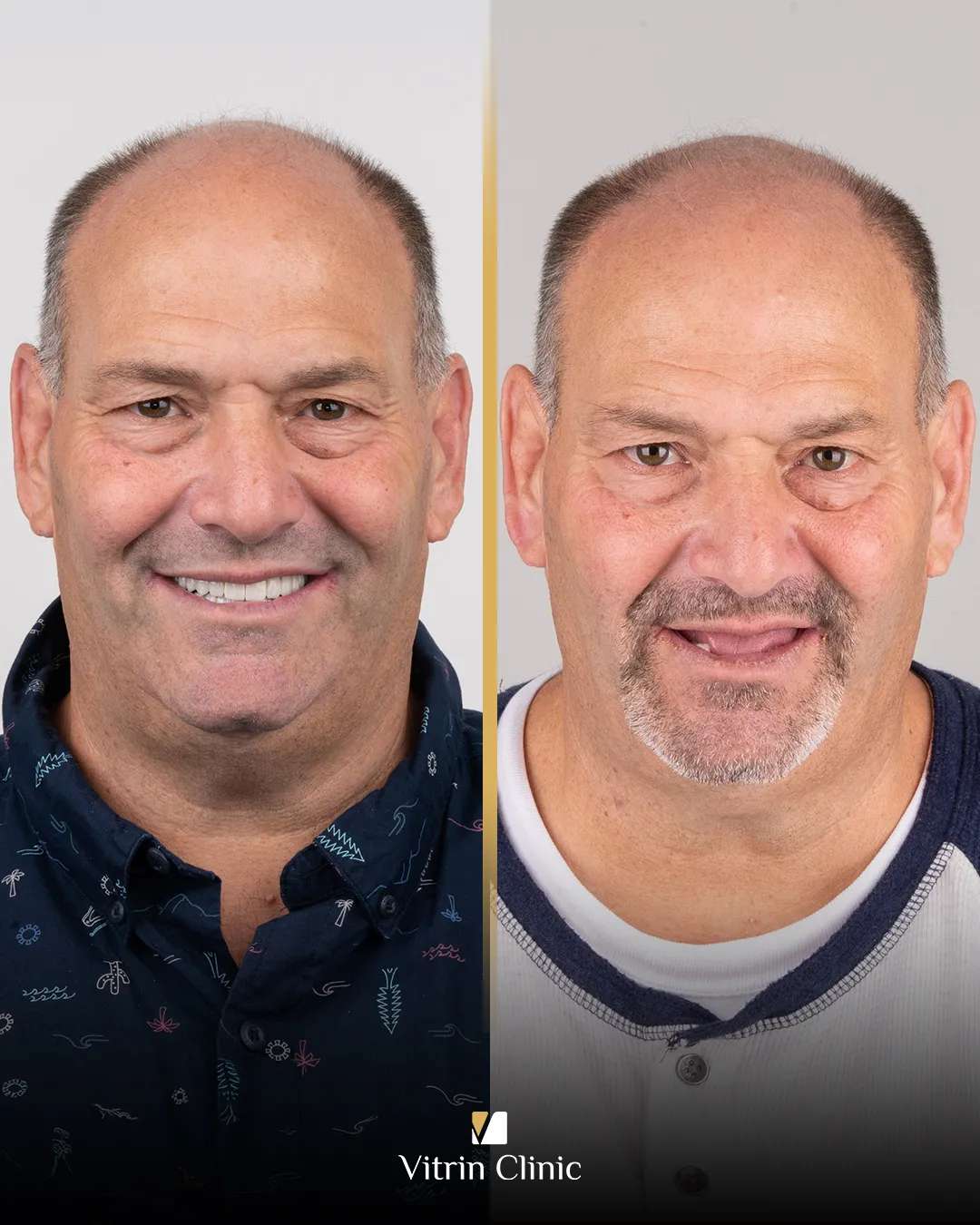
.jpg)
Why Do Older Adults Need Different Dental Care Considerations?
Older adults may experience oral health changes that influence treatment choices. Existing medical conditions and medication can also affect clinical decisions. Reduced dexterity may make daily cleaning more difficult. Some patients also need additional support during travel and recovery. Dental treatment abroad for seniors should address these individual requirements. Treatment planning must also consider long-term oral health.
What Dental Problems Are More Common Among Older Adults?
Older adults may experience tooth decay, gum disease, tooth loss, and worn restorations. Dry mouth and exposed root surfaces can create additional problems. Receding gums expose vulnerable tooth roots. Reduced hand strength may also make plaque removal more difficult. The CDC's 2024 surveillance report provides useful United States data. Approximately 11.4% of adults aged 65–74 had lost all permanent teeth. This figure increased to 19.7% among adults aged 75 or older. These estimates describe the United States, not global prevalence.
Does Ageing Affect Gum Health, Bone Health, and Healing?
Ageing can influence oral tissues, but deterioration is not inevitable. Gum disease and reduced jawbone volume may complicate some treatments. Bone loss can follow tooth loss and affect implant planning. Healing also depends on circulation, nutrition, medical conditions, and oral hygiene. Diabetes and smoking may further influence recovery. A clinical examination helps identify relevant concerns.
Can Dry Mouth and Difficulty Cleaning Teeth Affect Treatment Choices?
Yes, dry mouth can increase decay risk and denture discomfort. Reduced saliva may also make chewing, swallowing, and speaking difficult. Arthritis, tremors, or reduced hand strength can affect brushing. Patients may therefore need simpler oral hygiene routines. Treatment should remain manageable after patients return home.
Which Medical Conditions Can Affect Dental Treatment for Seniors?
Many older adults receive dental treatment while managing chronic health conditions. However, some conditions require additional precautions. Dental treatment abroad for seniors should consider disease stability and surgical risks. Medical coordination may be necessary before complex procedures. Patients should disclose their full medical history before travelling.
Can Seniors With Diabetes Receive Dental Treatment Abroad?
Yes, patients with diabetes may receive dental treatment when clinically suitable. Blood glucose control can influence immune function and tissue healing. Poorly controlled diabetes may increase infection and gum disease risks. The dental team should review relevant medical information. Complex procedures may require advice from the patient's treating doctor. Treatment decisions depend on individual health and clinical findings.
Can People With Heart Conditions Undergo Dental Procedures?
Many patients with heart conditions can receive dental treatment. Suitability depends on the diagnosis and cardiovascular stability. Patients should disclose previous cardiac procedures and current symptoms. Some conditions require additional precautions before invasive treatment. The dental team may request medical information before confirming surgical suitability.
Does Osteoporosis Affect Dental Implant Suitability?
Osteoporosis does not automatically prevent dental implant treatment. Jawbone condition and medical history help determine suitability. Some osteoporosis medications are associated with medication-related osteonecrosis of the jaw. This is an uncommon but potentially serious complication. Risk varies according to medication, dosage, duration, and other clinical factors. The American Dental Association advises individualized care rather than automatic exclusion from treatment. Patients should disclose all osteoporosis medications. They must never stop prescribed medication without medical advice.
Can Patients With Arthritis, Mobility Limitations, or Frailty Travel for Dental Care?
Some patients with mobility limitations can travel with suitable arrangements. However, their functional needs require consideration before booking. Arthritis may affect walking, sitting, and daily oral hygiene. Frailty can increase vulnerability during travel and recovery.
Patients may need:
Wheelchair-accessible transportation.
Accommodation with suitable bathroom facilities.
Shorter or carefully spaced appointments.
Assistance with daily activities.
A companion when independent travel is difficult.
Do Multiple Health Conditions Make Dental Treatment Abroad Riskier?
Multiple conditions can increase treatment complexity. Their combined effects matter more than simply counting diagnoses. Diabetes, cardiovascular disease, and reduced mobility may influence planning. Cognitive difficulties may also affect consent and postoperative instructions. Some patients need medical advice before elective surgery.
How Can Medications Affect Dental Treatment for Older Adults?
Medication can influence bleeding, healing, saliva production, and surgical planning. Older adults may take several medicines for different conditions. Dental treatment abroad for seniors therefore requires complete medication disclosure. Patients should provide an accurate medication list before receiving treatment recommendations.
Why Must Seniors Disclose All Their Medications?
Every medication and supplement should be disclosed before treatment. This helps identify possible interactions and clinical risks. Some medicines influence bleeding or immune responses. Others contribute to dry mouth or affect bone metabolism. Patients should mention recent medication changes and previous adverse reactions.
Can Blood-Thinning Medication Affect Dental Surgery?
Yes, anticoagulant and antiplatelet medication can influence bleeding. However, stopping these medicines can create serious health risks. The American Dental Association explains that most patients do not require automatic medication changes before routine dental procedures. More complex surgery may require individual planning. Any medication adjustment must involve the prescribing clinician.
Patients should never stop blood-thinning medication independently.
Can Osteoporosis Medication Affect Dental Implant Surgery?
Certain osteoporosis medications are associated with medication-related osteonecrosis of the jaw. This complication can affect jawbone healing. Risk depends on medication type, dosage, duration, and medical indication. Dental surgery requires careful review of these details. Patients should provide their complete treatment history. They must never interrupt prescribed medication without medical advice.
Can Medication-Related Dry Mouth Affect Dental Treatment?
Yes, reduced saliva can increase decay and oral infection risks. Patients may also experience difficulty swallowing dry foods. The dentist should consider possible medication-related causes. Treatment planning should include suitable dry mouth management. Restorations should also support effective daily cleaning.
Ready to transform your smile?
Talk to our team and get a personal FREE treatment plan.
Which Dental Treatments May Be Suitable for Older Adults?
Older adults may qualify for different restorative and surgical procedures. Suitable options depend on remaining teeth, gum health, and jawbone condition. Medical history and oral hygiene also influence decisions. Dental treatment abroad for seniors may involve individual procedures or comprehensive rehabilitation. Not every patient needs implants or extensive restoration.
Are Dental Implants Suitable for Elderly Patients?
Yes, dental implants may suit selected older patients. Chronological age alone does not determine implant eligibility. Bone condition, gum health, medical stability, and oral hygiene are important factors.
A 2025 systematic review examined 3,892 implants across 27 studies. It reported an estimated five-year implant survival of 96.8% among patients older than 75. The comparison group aged 65–75 recorded 92.1%. These findings do not mean older age improves implant survival. They show that selected older adults can achieve favourable outcomes. Individual results may differ considerably. Patients must also understand implant maintenance and possible complications.
Can Seniors Receive Full-Mouth Dental Implants or All-on-4 Treatment?
Yes, some older patients may qualify for full-mouth implant rehabilitation. All-on-4 uses four strategically positioned implants to support a fixed restoration. However, this approach is not suitable for every patient. The dentist must evaluate jawbone anatomy and medical history.
Important considerations include:
Remaining teeth and existing restorations.
Jawbone volume and density.
Gum health and active infection.
Bite relationships and chewing forces.
Ability to maintain implant hygiene.
Medical suitability for surgery.
Full-mouth rehabilitation may require several treatment stages. Immediate fixed teeth should never be promised before clinical confirmation.
Are Dental Crowns and Bridges Suitable for Older Adults?
Yes, crowns and bridges may restore damaged teeth or replace missing teeth. Crowns cover weakened or heavily restored natural teeth. Bridges replace missing teeth using supporting teeth or suitable implants. The dentist must evaluate supporting tooth strength and gum health. Bite forces and cleaning ability also influence suitability. Conservative treatment may sometimes be preferable to extensive surgery.
Are Dentures an Alternative to Dental Implants for Seniors?
Yes, removable dentures remain an established option for replacing missing teeth. Complete dentures replace all teeth within an arch. Partial dentures replace selected missing teeth while retaining suitable natural teeth. Dentures avoid implant surgery and may suit patients with certain medical limitations. However, they may move during eating and require regular adjustments. Patients must be able to insert, remove, and clean them properly.
Can Older Adults Receive Root Canal Treatment or Tooth Extractions?
Yes, age alone does not prevent root canal treatment or tooth extraction. Root canal treatment may preserve a natural tooth affected by infection. Extraction may be necessary when a tooth cannot be predictably restored. The dentist evaluates infection, remaining tooth structure, and surrounding bone. Natural teeth should be preserved whenever clinically appropriate.
.jpg)
.jpg)
.jpg)
What Examinations Do Seniors Need Before Travelling for Dental Treatment?
Older adults need a thorough dental review before arranging international treatment. The examination identifies existing problems and suitable procedures. Dental treatment abroad for seniors should begin with preliminary information gathering. Definitive treatment decisions require an appropriate clinical examination.
Can a Dental Clinic Review an Older Patient's Case Remotely?
Yes, photographs and existing dental records can support preliminary discussions. Patients may share images of their teeth and gums. Previous dental X-rays can also provide useful information. Medical history and medication details should accompany these records. Remote discussions cannot replace an examination in Istanbul. The final treatment plan may change after clinical evaluation.
What Happens During the Initial Dental Examination?
The initial examination evaluates oral health and identifies treatment priorities. The dentist may examine:
Remaining teeth and existing restorations.
Gum condition and periodontal pockets.
Jawbone condition and missing teeth.
Bite alignment and chewing function.
Oral infections and damaged tissues.
Medical history and current medication are reviewed alongside dental findings. Additional investigations may be recommended when clinically necessary.
Do Seniors Need Dental X-Rays or CBCT Scans?
Not every older patient needs advanced dental imaging. Required investigations depend on the clinical question. Digital X-rays can identify decay, infection, and bone changes. CBCT scans provide three-dimensional information when implant planning requires anatomical detail. Imaging should be clinically justified. Additional scans should never replace a proper examination.
Do Older Patients Need Medical Clearance Before Dental Surgery?
Not everyone needs formal medical clearance. However, patients with significant health conditions may require additional medical advice. This is particularly relevant before extensive surgery or sedation. The treating doctor may clarify cardiovascular stability or diabetes management. Medical clearance does not guarantee an uncomplicated procedure. It helps clinicians make informed decisions.
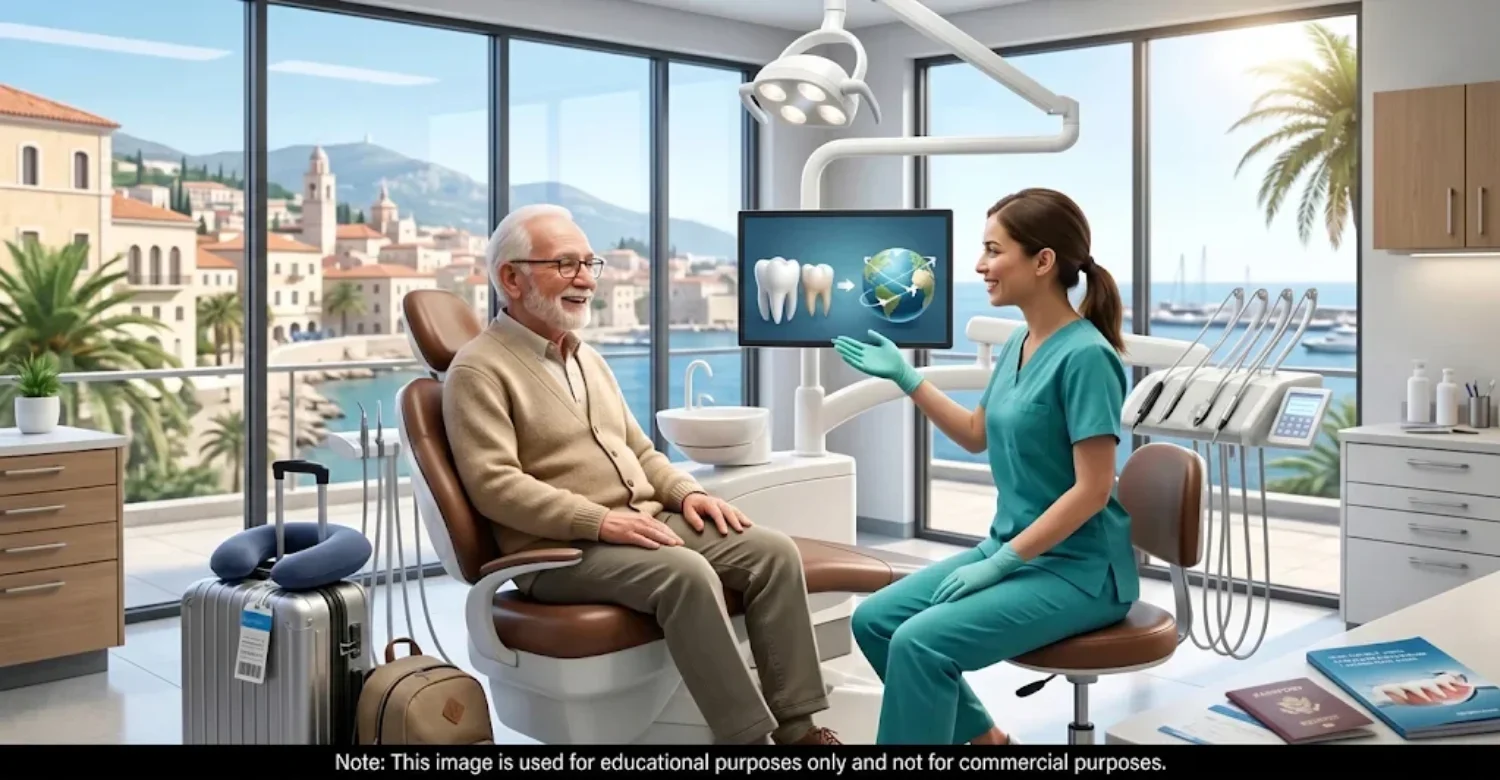
How Should Seniors Prepare for Dental Treatment Abroad?
Preparation helps older adults manage international treatment more comfortably. It also reduces avoidable complications during travel and recovery. Patients, family members, and clinical teams should communicate before booking flights. Preparation should include medical records, practical arrangements, and realistic expectations.
What Medical and Dental Records Should Seniors Bring?
Patients should carry relevant medical and dental documentation. Accurate records help the clinical team understand existing conditions.
Useful documents include:
Updated medical history.
Current medication list.
Relevant medical investigation reports.
Previous dental X-rays and treatment records.
Details of allergies and previous complications.
Contact information for treating doctors.
Original documents and digital copies can both be useful. Keep essential information in your hand luggage.
Should Older Adults Consult Their Regular Doctor Before Travelling?
Patients with significant medical conditions should discuss travel with their regular doctor. This is especially important when surgery or sedation is planned. Their doctor can review travel fitness and existing health concerns. They may also recommend additional medical documentation. Dental suitability and fitness to fly are separate considerations.
Should Seniors Travel With a Family Member or Companion?
A companion can provide emotional and practical support. This may be particularly helpful after surgery or longer appointments. Consider travelling with someone when patients have reduced mobility. Memory difficulties or limited independence may also make support useful. Some patients can travel independently. The decision should reflect individual needs.
How Can Seniors Prepare for Long Appointments?
Long appointments can cause discomfort for patients with joint or back problems. Discuss physical limitations before treatment begins. Appointment scheduling can include breaks and comfortable positioning.
Useful preparations include:
Requesting shorter appointment sessions.
Discussing suitable chair positioning.
Arranging regular comfort breaks.
Following food and drink instructions.
Bringing necessary mobility aids.
Which Anaesthesia and Comfort Options May Be Considered for Older Patients?
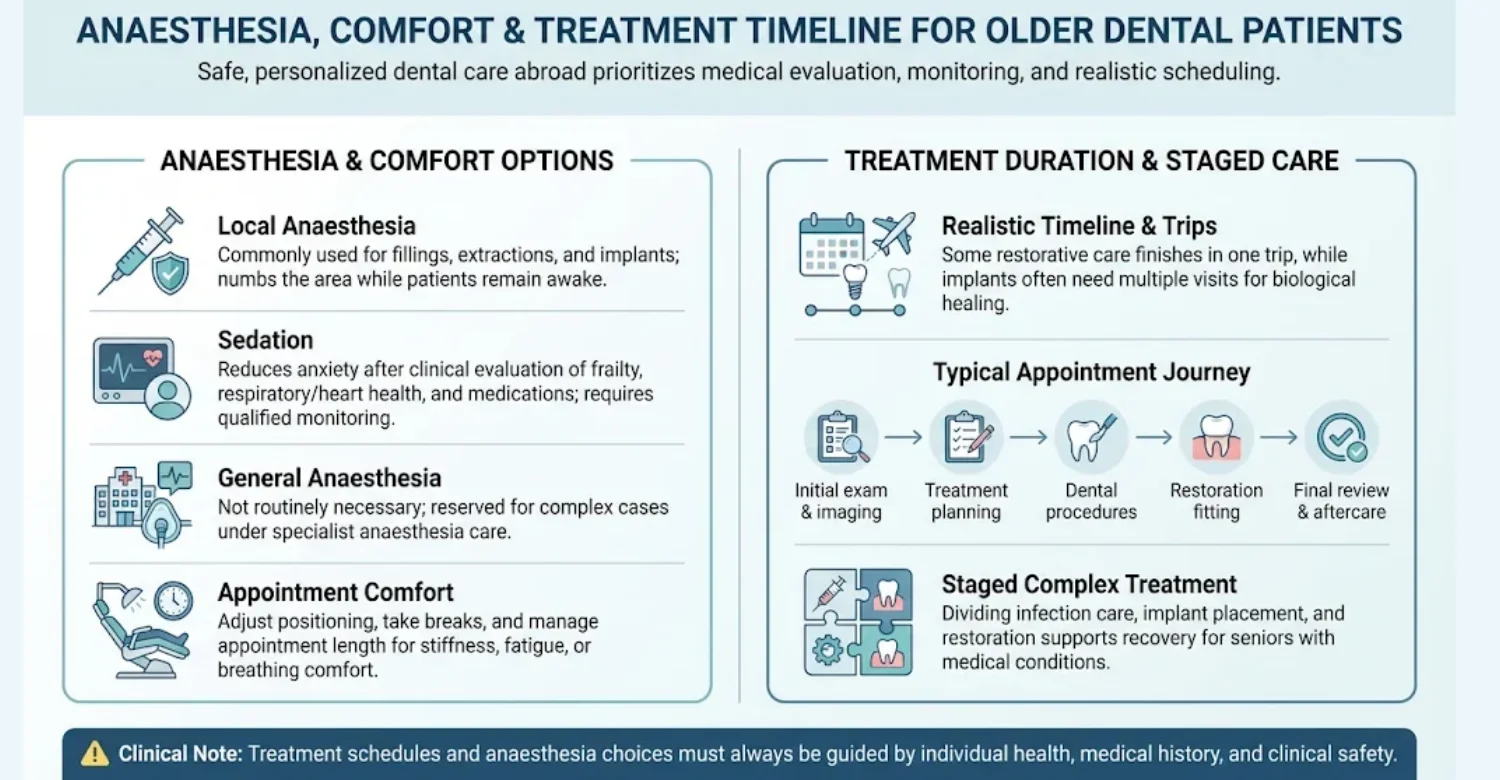
Anaesthesia and comfort options depend on the procedure and medical history. Older adults may need additional evaluation before receiving sedative medication. Dental treatment abroad for seniors should prioritise appropriate monitoring. No anaesthesia option is automatically suitable for everyone.
Can Older Adults Receive Dental Treatment Under Local Anaesthesia?
Yes, local anaesthesia is commonly used for many dental procedures. It temporarily reduces sensation around the treatment area. Patients generally remain awake throughout the procedure. Local anaesthesia may be suitable for fillings, extractions, and implant placement. Medical history and procedural complexity remain important considerations.
Is Sedation Suitable for Elderly Dental Patients?
Some older adults may receive sedation after appropriate clinical evaluation. It can reduce anxiety and help patients tolerate treatment. Age, frailty, respiratory health, cardiovascular conditions, and medication influence suitability. Sedation requires qualified professionals and appropriate monitoring. Patients should confirm available services before travelling.
Is General Anaesthesia Necessary for Dental Treatment in Seniors?
General anaesthesia is not routinely necessary for older dental patients. It may be considered for selected complex procedures or individual circumstances. It involves unconsciousness and requires specialist anaesthesia care. Medical risks, recovery arrangements, and monitoring must be considered. A qualified clinical team must determine suitability.
How Can Dental Appointments Be More Comfortable for Seniors?
Comfort depends on positioning, communication, and appointment length. Patients should explain pain, stiffness, fatigue, or breathing difficulties. The team can discuss practical adjustments where appropriate. These may include breaks and carefully scheduled appointments. Comfort measures should never compromise clinical safety.
How Long Does Dental Treatment Abroad Take for Seniors?
Treatment duration depends on the procedures required and their clinical sequence. Some patients need only a few appointments. Others require staged treatment and additional healing time. Dental treatment abroad for seniors should never follow an unrealistic schedule. Appointment planning must accommodate individual clinical needs.
Can Seniors Complete Dental Treatment During One Trip to Turkey?
Some patients can complete planned treatment during one visit. This may apply to selected restorative procedures. Implant treatment often requires more than one clinical stage. Healing and implant integration may require another visit. Biological healing requirements must guide the schedule. A shorter trip should never override appropriate treatment timing.
How Many Appointments Might Older Patients Need?
Appointment numbers depend on treatment complexity and clinical findings. A treatment journey may include:
Initial examination and imaging.
Treatment planning and discussion.
Necessary dental procedures.
Restoration fitting or adjustment.
Final review and aftercare instructions.
Some patients need only a few appointments. Extensive rehabilitation may require multiple visits.
Can Complex Dental Treatment Be Divided Into Several Stages?
Yes, staged treatment may reduce appointment demands and support recovery. Infection management may need to precede implant surgery. Implant placement may also precede a later restoration stage. Staging can help patients with multiple medical conditions. The clinical team must establish the appropriate sequence.
How Much Does Dental Treatment for Seniors Cost at Vitrin Clinic Compared with Other Countries?
Dental treatment costs vary depending on the procedure, materials, and clinical complexity. At Vitrin Clinic, treatment plans are tailored to each patient's dental and medical needs. Comparing prices across countries can help seniors understand potential costs before travelling.
How Do Dental Implant Prices at Vitrin Clinic Compare Internationally?
A single dental implant should be compared using the complete restoration, including the implant, abutment, and final crown. The following table compares indicative private treatment prices across seven countries.
UK
Indicative price per implant: 1,900–3,500
Approximate USD equivalent: 2,502–4,609
Indicative price per implant: 1,900–3,500
Approximate USD equivalent: 2,502–4,609
Vitrin Clinic, Turkey
Indicative price per implant: 700–1,500
Approximate USD equivalent: 700–1,500
Indicative price per implant: 700–1,500
Approximate USD equivalent: 700–1,500
Save ~50–77% vs. US, UK, Canada & Australia
USA
Indicative price per implant: 3,000–6,000
Approximate USD equivalent: 3,000–6,000
Indicative price per implant: 3,000–6,000
Approximate USD equivalent: 3,000–6,000
Australia
Indicative price per implant: 4,500–6,500
Approximate USD equivalent: 3,019–4,361
Indicative price per implant: 4,500–6,500
Approximate USD equivalent: 3,019–4,361
Canada
Indicative price per implant: 3,500–6,000
Approximate USD equivalent: 2,447–4,194
Indicative price per implant: 3,500–6,000
Approximate USD equivalent: 2,447–4,194
Germany
Indicative price per implant: 1,800–4,000
Approximate USD equivalent: 1,981–4,403
Indicative price per implant: 1,800–4,000
Approximate USD equivalent: 1,981–4,403
France
Indicative price per implant: 1,500–3,000
Approximate USD equivalent: 1,651–3,302
Indicative price per implant: 1,500–3,000
Approximate USD equivalent: 1,651–3,302
Italy
Indicative price per implant: 1,200–3,000
Approximate USD equivalent: 1,321–3,302
Indicative price per implant: 1,200–3,000
Approximate USD equivalent: 1,321–3,302
How Much Could Seniors Potentially Save at Vitrin Clinic?
The following estimates compare Vitrin Clinic's indicative 700–1,500 range against international prices.
Country | Indicative potential saving |
USA | 50%–88% |
UK | 40%–85% |
Canada | 39%–83% |
Australia | 50%–84% |
Germany | 24%–84% |
France | 9%–79% |
Italy | No guaranteed saving at every price point; up to approximately 79% |
What Other Costs Should Seniors Consider Before Travelling?
The dental quotation is only one part of the overall budget. Patients should also consider:
Return flights and baggage charges.
Accommodation and additional recovery nights.
Meals and local transportation.
Companion travel expenses, where needed.
Travel insurance and unexpected costs.
Additional visits, if clinically necessary.
What Should a Vitrin Clinic Dental Treatment Quotation Include?
Patients should request a written, itemised quotation before confirming travel. It should identify the implant system, abutment, final crown, diagnostic procedures, and any additional surgery. It should also explain appointment arrangements, follow-up, exclusions, and possible extra charges.
Ready to transform your smile?
Talk to our team and get a personal FREE treatment plan.
How Does Vitrin Clinic Support Safe Dental Treatment for Seniors?
At Vitrin Clinic, older patients receive individualised treatment planning based on their dental and medical needs. Our approach considers oral health, existing conditions, medications, and recovery requirements. We aim to help patients understand their options before making treatment decisions.
How Does Vitrin Clinic Review Each Senior Patient's Dental Needs?
Our dental team reviews each patient's dental history, available records, and current concerns. An in-person clinical examination helps identify problems affecting teeth, gums, and oral function. Digital X-rays or CBCT scans may be recommended when clinically necessary.
Dr. Rifat Alsaman, Head of the Medical Team, oversees clinical care at Vitrin Clinic. Treatment recommendations depend on individual findings rather than age alone.
How Does Vitrin Clinic Help Seniors Understand Their Treatment Options?
We explain the proposed procedures, their purpose, and relevant alternatives. Patients can discuss potential risks, treatment stages, and expected recovery requirements. This helps them understand why specific procedures may be recommended.
When appropriate, treatment may involve dental implants, crowns, bridges, dentures, or other restorative procedures. The final recommendation depends on clinical findings and individual suitability.
How Does Vitrin Clinic Plan Treatment Around Medical Conditions?
Medical history and current medications are important parts of treatment planning. Patients should disclose conditions such as diabetes, cardiovascular disease, and osteoporosis. They should also provide an updated medication list.
When additional medical input is necessary, patients may need to consult their treating doctor. Medication changes should never be made without advice from the prescribing clinician.
How Does Vitrin Clinic Support International Patients During Treatment?
Our international patient coordination team helps patients understand the treatment journey and appointment arrangements. Patients can discuss practical requirements before travelling to Istanbul. We also explain the expected treatment stages and available follow-up arrangements.
Before travelling, patients should receive clear information about their proposed treatment and estimated costs. Individual clinical findings may require changes to the original plan.
.jpg)
.jpg)
.jpg)
How Does Vitrin Clinic Determine the Right Dental Treatment for Seniors?
At Vitrin Clinic, treatment recommendations consider each patient's oral health, medical history, and personal needs. Age alone does not determine which dental procedures are suitable.
What Does Vitrin Clinic Review Before Recommending Treatment?
Our dental team considers several important factors:
Existing dental problems, including decay, gum disease, and missing teeth.
Gum condition and available jawbone support.
Medical conditions and current medications.
Previous dental treatments and relevant medical records.
Chewing function, oral hygiene, and mobility needs.
Treatment expectations, preferences, and recovery requirements.
How Does Vitrin Clinic Develop an Individual Treatment Plan?
The process begins with a preliminary review of available dental records and photographs. An in-person clinical examination then helps establish the patient's actual dental needs. Digital X-rays or CBCT scans may be recommended when clinically indicated.
Our dental team uses these findings to discuss suitable options, possible limitations, and alternative treatments. Patients receive a treatment plan based on their individual circumstances. The plan also considers treatment stages, recovery time, and follow-up requirements.
What Should Seniors Know About Travelling to Vitrin Clinic for Dental Treatment?
Travelling to Vitrin Clinic in Istanbul requires careful planning, particularly for older adults. Dental treatment abroad for seniors involves more than attending dental appointments. Transportation, accommodation, accessibility, and medical needs should all be considered before travelling.
Is Vitrin Clinic a Practical Choice for Older Dental Patients?
Vitrin Clinic welcomes international patients seeking dental treatment in Istanbul. Older patients should consider their mobility, medical needs, and travel requirements before booking. Traffic, walking distances, and crowded areas may create difficulties. Patients should discuss accessibility requirements with our coordination team before travelling.
Should Seniors Arrange Accessible Accommodation Before Travelling to Vitrin Clinic?
Yes. Accommodation should support mobility, comfort, and postoperative recovery. Patients should consider:
Step-free entrances and suitable lifts.
Walk-in showers and accessible bathrooms.
Comfortable beds and seating.
Convenient access to essential facilities.
Quiet surroundings for recovery.
Convenient transportation to Vitrin Clinic.
Patients with limited mobility should confirm accessibility directly. Photographs alone may not reveal practical obstacles.
Should Older Patients Arrange Airport Transfers and Local Transportation?
Prearranged transportation can reduce unnecessary physical effort. Airport transfers may be particularly helpful after dental surgery. Patients should consider mobility aids, luggage, and companion requirements. Our coordination team can discuss transportation arrangements before patients arrive at Vitrin Clinic.
What Travel Documents and Insurance Should Seniors Prepare?
Patients should prepare all necessary travel and medical documents, including:
Valid passport and required entry documents.
Return flight information.
Accommodation confirmation.
Relevant medical records.
Travel insurance documentation.
Emergency contact information.
Can Seniors Fly After Dental Treatment or Oral Surgery?
Some patients can fly after dental treatment when their clinical condition allows. However, timing depends on the procedure and recovery. Recent surgery may involve swelling, bleeding, or discomfort. Complex procedures may require additional recovery time. Patients should obtain individual travel advice before booking flights.
How Soon Can Older Patients Fly After Dental Implant Surgery?
There is no universal return-flight timeline after implant surgery. The decision depends on surgical complexity and postoperative recovery. An uncomplicated implant procedure differs from extensive bone grafting. Patients should consider swelling, bleeding, pain, and possible infection. The treating surgeon should provide specific travel instructions.
Is Flying Different After Tooth Extraction or More Complex Oral Surgery?
Yes, different procedures create different recovery considerations. A simple extraction may involve less surgical trauma than complex bone surgery. Sinus-related procedures require particular attention to pressure changes. Patients should follow their surgeon's specific instructions. They should not rely on a universal waiting period.
What Should Seniors Consider Before Booking Their Return Flight?
Patients should discuss the return journey before treatment begins. Important considerations include:
Expected postoperative swelling and discomfort.
Bleeding control and wound stability.
Surgical complexity and healing progress.
Ability to eat and drink comfortably.
Access to medical support if symptoms worsen.
Flexibility to postpone travel when necessary.
A flight booking should never determine medical readiness to travel.
Ready to transform your smile?
Talk to our team and get a personal FREE treatment plan.
What Is Recovery Like for Older Adults After Dental Treatment Abroad?
Recovery varies according to the procedure, medical history, and general health. Older age does not automatically mean slower healing. However, frailty, nutritional problems, and uncontrolled medical conditions may affect recovery. Patients need realistic expectations and clear aftercare instructions.
Does Recovery Take Longer for Older Dental Patients?
Not necessarily. Many healthy older adults recover well after appropriate dental procedures. Individual factors influence tissue healing. These include circulation, immune function, diabetes, nutrition, and surgical complexity. Recovery planning should reflect the patient's health rather than age alone.
What Can Seniors Eat After Dental Treatment?
Food choices depend on the procedure and the dentist's instructions. After some surgeries, patients may initially need softer foods. Suitable options may include:
Soft cooked vegetables.
Mashed potatoes.
Scrambled eggs.
Smooth soups at a comfortable temperature.
Soft fish.
Nutritious foods require minimal chewing.
Patients should avoid foods that irritate surgical areas. Adequate hydration and nutrition support general recovery.
How Should Seniors Maintain Oral Hygiene During Recovery?
Good oral hygiene helps reduce plaque accumulation and infection risk. However, surgical areas require appropriate care. Patients should:
Follow the dentist's cleaning instructions.
Brush unaffected teeth carefully.
Avoid disturbing healing surgical sites.
Use recommended oral hygiene products.
Attend scheduled clinical reviews.
Patients with limited dexterity may need assistance. Written instructions should explain how to clean safely.
How Can Family Members Support Recovery?
Family members can provide practical help during recovery. They may assist with:
Preparing suitable meals.
Organising transportation.
Monitoring appointment schedules.
Supporting daily oral hygiene.
Recognising unusual symptoms.
Communicating with the dental team.
Patients with limited independence may need assistance beyond their initial trip.
.jpg)
.jpg)
What Complications Should Seniors Watch for After Dental Treatment Abroad?
Complications can occur after dental procedures at any age. Some older adults may need closer observation because of existing medical conditions. Patients should receive clear instructions about warning signs. They must know when to contact their clinical team.
Which Symptoms Require Contacting the Dental Team?
Patients should contact their dental team when symptoms are unexpected or worsening. Important warning signs include:
Increasing swelling after initial improvement.
Persistent or uncontrolled bleeding.
Worsening pain rather than gradual improvement.
Fever or signs of infection.
Pus or unusual discharge.
Increasing difficulty opening the mouth.
Changes in bite or restoration stability.
Numbness that does not resolve as expected.
Severe breathing or swallowing difficulties require emergency medical attention. Patients should not wait for a routine dental appointment.
Are Older Patients More Vulnerable to Dental Treatment Complications?
Some older adults have increased risks because of frailty or existing conditions. However, age alone does not establish complication risk. Diabetes, cardiovascular instability, and impaired healing may influence outcomes. Difficulty maintaining oral hygiene can also affect implant health. Individual risk evaluation is essential.
What Should Seniors Do If a Dental Problem Develops Abroad?
Patients should contact their treating dental team promptly. They should describe symptoms and when they started. Severe symptoms may require emergency medical care. Patients should not delay urgent treatment while waiting for an international response. Keep clinical records accessible for local healthcare professionals.
How Does Follow-Up Work After Seniors Return Home?
Follow-up is essential for maintaining dental health after treatment. International patients should understand their responsibilities before leaving Turkey. Dental treatment abroad for seniors requires continuity between the treating clinic and local professionals. Patients should retain complete clinical documentation.
Should Seniors Arrange a Local Dentist Before Travelling?
Yes, arranging a local dentist can simplify postoperative care. A local dentist may provide routine examinations and address unexpected concerns. They should receive relevant treatment records from the treating clinic. This is particularly important after implant surgery or extensive rehabilitation.
What Dental Records Should Patients Receive Before Returning Home?
Patients should receive documentation supporting future dental care. Useful records include:
Final treatment plan and completed procedures.
Implant manufacturer and component information, where applicable.
Details of crowns, bridges, and other restorations.
Relevant dental X-rays and CBCT images.
Clinical reports and postoperative instructions.
Recommended maintenance and review intervals.
These records help other clinicians understand previous treatment. Patients should retain digital and printed copies.
How Often Should Older Patients Have Dental Check-Ups After Treatment?
Check-up frequency depends on oral health and treatment complexity. No single schedule suits every older patient. Patients with implants need regular professional maintenance. Those with periodontal disease may require closer monitoring. The treating dentist should recommend an individual maintenance schedule.
What Happens If Additional Treatment Is Needed After Returning Home?
Patients should contact their original dental clinic when new concerns develop. The clinic can review symptoms and available documentation. Some problems may require examination by a local dentist. Urgent symptoms should receive prompt local attention. Patients should understand available support and any associated costs before travelling.
How Does Vitrin Clinic Support Older International Dental Patients?
Older international patients may need additional communication and practical coordination. Their treatment plans should reflect individual dental and medical requirements. At Vitrin Clinic, we focus on understanding each patient's circumstances before recommending treatment. Our approach combines preliminary communication with an appropriate in-person examination.
How Do We Review an Older Patient's Dental Requirements Before Travel?
We begin by understanding the patient's dental concerns and expectations. Available photographs, dental records, and previous imaging support preliminary discussions. We also request relevant medical history and medication information. This helps identify questions requiring further clarification. Remote information cannot establish definitive surgical suitability. Our dentists confirm clinical findings through examination in Istanbul.
Which Dental Treatments Can Older Patients Discuss With Vitrin Clinic?
Treatment options depend on individual clinical findings. Our services include dental implants, including subperiosteal implant options for selected cases. We also provide dental crowns, bridges, periodontics, and endodontic treatment. Same-visit dentistry may be possible for selected procedures. Not every treatment suits every patient. Our dentists determine suitability after clinical examination.
How Do Our Dentists Develop Individualised Treatment Plans?
Our dentists consider oral health, remaining teeth, gum condition, and jawbone characteristics. Medical history and functional needs also influence recommendations. Where appropriate, our dentists explain alternative procedures and staged options. We aim to clarify:
Proposed procedures and their clinical purpose.
Available restorative options.
Relevant risks and limitations.
Expected appointment stages.
Recovery and maintenance requirements.
Patients should understand the reasons behind recommendations before consenting.
How Does Our Patient Coordination Team Help With Treatment in Istanbul?
Our patient coordination team helps international patients understand arrangements before travelling. We communicate relevant appointment and treatment information. We also help coordinate practical aspects of the clinic visit. Patients should inform our team about mobility or accessibility requirements. Our aim is to make the treatment journey easier to understand. Clinical decisions remain the responsibility of qualified dental professionals.
How Do We Explain Treatment and Aftercare Before Patients Return Home?
We explain completed procedures and relevant postoperative instructions. Patients should understand expected recovery and symptoms requiring attention. We provide clinical documentation to support future dental care. We also explain recommended maintenance and follow-up arrangements. Clear communication remains important after patients leave Istanbul.
What Does Dr. Rifat Alsaman Recommend for Older Dental Patients?
Age alone should not determine whether a patient receives dental treatment. We consider general health, oral condition, medication, and functional needs together. Treatment recommendations should reflect the patient's ability to maintain long-term oral health. Some patients may benefit from comprehensive rehabilitation. Others may achieve better outcomes through simpler or staged procedures. A careful examination helps identify suitable options and potential limitations.
Why Choose Vitrin Clinic for Dental Treatment Abroad for Seniors?
Choosing a dental clinic abroad involves more than comparing prices. Older patients need clear communication, individual planning, and organised arrangements. At Vitrin Clinic, we help international patients understand their treatment journey.
Can Seniors Discuss Their Dental Needs Before Travelling?
Yes, patients can share their concerns and available dental records before travelling. Our team can discuss preliminary treatment possibilities and explain the next steps. Final recommendations depend on an in-person clinical examination. Patients should disclose medical conditions and medication early.
Does Vitrin Clinic Provide Different Dental Treatment Options?
Our services include dental implants, subperiosteal implants, crowns, bridges, periodontics, and endodontics. Selected procedures may be coordinated during the patient's stay. The appropriate options depend on clinical findings. We do not recommend extensive treatment simply because patients are travelling internationally.
How Does Vitrin Clinic Support International Patients?
Our patient coordination team helps organise the treatment journey. Our facilities also include a patient terrace, Vitrin Cafe, and photo studio. Patients can discuss practical arrangements before their visit. Mobility and accessibility requirements should be communicated in advance.
Can Patients Receive a Treatment Plan Before Booking Flights?
We can review available information and discuss a preliminary treatment direction. A final plan requires an appropriate clinical examination. Patients should receive clear explanations of proposed procedures and relevant costs. A preliminary quotation should not be treated as guaranteed.
What Practical Tips Should Seniors Follow Before Dental Treatment at Vitrin Clinic?
Good preparation helps older patients make informed decisions before travelling to Vitrin Clinic. It also helps families organise practical arrangements and understand the treatment process.
What Should Seniors Do Before Booking Their Trip to Vitrin Clinic?
Patients should complete several important checks before confirming travel:
Share dental photographs, records, and previous imaging for preliminary review.
Disclose existing medical conditions and current medications.
Discuss fitness to travel with their doctor when necessary.
Understand proposed procedures and available alternatives.
Request a written, itemised treatment quotation.
Confirm the expected appointment and treatment schedule.
Discuss recovery requirements and return-flight considerations.
Clarify how postoperative support will be provided.
Patients should understand the proposed treatment stages before booking flights.
What Should Seniors Pack for Dental Treatment at Vitrin Clinic?
A practical packing list can make travelling to Istanbul easier. Patients should consider bringing:
Passport and travel documents.
Medical records and current medication list.
Previous dental reports and imaging.
Comfortable clothing and suitable footwear.
Glasses and necessary hearing equipment.
Mobility aids, where required.
Emergency contact details.
Travel insurance documentation.
Keep essential medical information in hand luggage. Bring enough personal supplies for the planned stay.
What Should Families Check Before Arranging Dental Treatment at Vitrin Clinic?
Family members should consider the patient's clinical, practical, and emotional needs. They should confirm:
Whether the patient is medically fit to travel.
Whether a companion is necessary.
Whether accommodation meets accessibility needs.
Whether suitable transportation is available.
Whether the proposed treatment plan is understood.
Whether recovery assistance is available.
Whether follow-up care at home has been considered.
Patients should remain involved in treatment discussions and provide their own consent whenever possible.
Ready to transform your smile?
Talk to our team and get a personal FREE treatment plan.
What Dental Treatments Are Available at Vitrin Clinic in Turkey?
Vitrin Clinic offers cosmetic, restorative, and specialist dental treatments in Istanbul. Recommendations depend on individual clinical needs.
Hollywood Smile: A personalized full smile makeover using selected materials and digital smile design.
Dental Implants: Fixed tooth replacement designed to restore function and appearance.
Subperiosteal Implants: An option for selected patients with significant jawbone loss, potentially avoiding conventional bone grafting.
Invisalign: Clear aligner treatment without traditional metal brackets.
Dental Crowns: Restorations designed to protect damaged teeth, including same-day CEREC options when suitable.
Dental Bridges: Traditional and zirconia options for replacing missing teeth.
Periodontics: Treatments for gum disease, gum recession, and supporting bone problems.
Gingival Esthetics: Gum reshaping for selected concerns, including uneven gum contours.
Endodontics: Root canal treatment to address infection inside teeth.
Teeth Whitening: Professional options for improving the shade of natural teeth.
Same Visit Dentistry: Selected fillings, root canal treatments, and implant procedures may be organised during your stay when clinically suitable.
Is Dental Treatment Abroad the Right Decision for Older Adults?
Dental treatment abroad can suit older adults, depending on their health, oral condition, and mobility. Age alone does not determine suitability.
At Vitrin Clinic, our dentists review individual needs and discuss suitable options. Request your FREE Treatment Plan by sharing dental photographs and available records. An in-person clinical examination confirms the recommended approach.
Reference

Medically reviewed by
Dr. Rifat AlsamanDr. Rifat Alsaman has more than 5 years of clinical experience in dentistry and currently serves as the Head of the Medical Team at Vitrin Clinic. He is dedicated to providing exceptional patient care, overseeing treatment planning, and ensuring the highest clinical standards across the team. His expertise, attention to detail, and commitment to continuous professional development have helped countless patients achieve healthier, more confident smiles.
More in Discovery & Decision
View all 19 min readHow Much Time Should You Take Before Agreeing to Dental Treatment?There is no single waiting period that suits every patient. The right time to decide on dental treatment can be a few hours, a few days, or several weeks. It depends on how urgent your condition is, how complex the procedure is, and how ready you feel.
 34 min readAre Dental Clinics Abroad Accessible for Patients with Disabilities or Mobility Issues?Finding an Accessible Dental Clinic Abroad involves more than checking treatment prices.
 19 min readHow Do Dental Clinics Use Patient Photos, and Do They Need Your Permission?Dental patient photo consent is your permission for a dental clinic to take, store, and use photographs of your teeth, smile, or face. Clinics use these images to support diagnosis, plan treatment, track progress, and record final results.
 19 min readCan You Get Dental Treatment Abroad If You Have Dental Anxiety?Dental treatment abroad with anxiety is possible with careful preparation, clear communication, and individualised clinical planning.
Still have a question?
Our patient coordinators answer every day of the week: before, during and long after your treatment.