Periodontics
September 14, 2026
Preventive Dental Care: How to Keep Your Teeth and Gums Healthy?
 Dr. Rifat Alsaman
Preventive Dental Care protects your teeth and gums before severe problems develop. It combines daily oral hygiene, professional exams, healthy nutrition, and personal advice. Taking a consistent approach reduces the risk of cavities, gum disease, and tooth loss. Most oral issues start small. They worsen only when ignored.
The American Dental Association (ADA) recommends brushing twice daily with fluoride toothpaste. You should also clean between your teeth every day. Preventive care means catching early changes instead of waiting for severe pain. NIDCR data shows nearly 90% of adults aged 20 to 64 have experienced decay. About one in five adults in this age group has untreated decay. Prevention belongs in your everyday health routine, not just as a response to pain.
What Is Preventive Dental Care?
Preventive Dental Care involves planned steps to keep your mouth healthy. It combines personal home habits with professional clinical care. Daily brushing removes the soft plaque layer that forms on teeth. Cleaning between your teeth removes buildup from spaces a toothbrush cannot reach.
Fluoride toothpaste strengthens your enamel against acid attacks. During professional visits, dentists spot early issues before pain starts. They may suggest fluoride applications, sealants, digital imaging, or routine cleanings. Suggestions depend on your personal risk. Age, diet, medications, smoking habits, and health history shape your care plan.
How Does Preventive Dental Care Work?
Preventive Dental Care works by targeting major risk factors early. Plaque control limits the bacteria responsible for decay and gum inflammation. Fluoride supports enamel remineralization to resist repeated daily acid exposure.
Flossing or interdental brushing cleans the tight gaps between adjacent teeth. Routine checkups allow your dentist to catch early cavities and gum irritation. Managing your diet also plays a critical role in long-term protection. The ADA suggests limiting sugary snacks to lower cavity risks. These simple protective actions work together to shield your smile.
What Does Preventive Dentistry Include?
Good oral health relies on four core elements: daily hygiene, exams, risk checks, and targeted treatments.
Daily Brushing: Brush twice a day with fluoride toothpaste.
Interdental Cleaning: Clean between your teeth daily to remove trapped plaque.
Professional Exams: Schedule regular dental visits and cleanings based on clinical need.
Targeted Care: Apply sealants or topical fluoride treatments if your cavity risk is high.
Diagnostic Tools: Use low-radiation digital X-rays to assess hidden structural areas when necessary.
Why Is Preventive Dental Care Important?
Preventive Dental Care matters because most oral conditions progress without early warning signs. Cavities can expand under intact enamel, while gum disease often develops painless early symptoms.
NIDCR identifies tooth decay as the most common chronic adult disease, even though it is largely preventable. Gum disease remains another widespread concern across all age groups. Data from NIDCR reveals that roughly 42.2% of U.S. adults aged 30 or older had periodontitis between 2009 and 2014. Regular prevention lowers your exposure to major risk factors and encourages early clinical treatment.
How Can Preventive Care Help Prevent Tooth Decay?
Preventive Dental Care reduces cavity risks by combining plaque removal, fluoride use, and smart dietary choices. Decay occurs when oral bacteria feed on sugars and produce enamel-damaging acids. Frequent snacking creates continuous acid challenges for your teeth.
The ADA recommends limiting sugary treats and acidic beverages to lower your risk. Fluoride toothpaste rebuilds weakened enamel minerals and stops minor decay from worsening. Brushing and interdental cleaning remove bacteria from all accessible tooth surfaces. Routine dental checks ensure early lesions are detected long before they cause physical pain.
How Can Preventive Care Help Prevent Gum Disease?
Preventive Dental Care protects your gums by stopping bacterial buildup before it causes tissue inflammation. Sticky plaque triggers gum irritation, leading to gingivitis and advanced periodontitis if left untreated. NIDCR identifies plaque accumulation as a primary trigger for severe gum destruction.
Clean gently along your gumline during your daily brushing session. Floss daily to clear out bacteria from deep interdental gaps. Quitting smoking is equally vital, as tobacco use heavily increases your risk of periodontal disease. Routine dental visits help track gum recession, pocket depth, and bleeding signs early.
What Are the Early Signs of Dental Problems?
Early detection relies on recognizing minor signs before they turn into major structural damage.
Bleeding, red, or tender gums during regular brushing
Persistent bad breath or unpleasant tastes in your mouth
Receding gums that make your teeth look longer
New sensitivity to hot, cold, or sweet items
Lingering tooth pain or discomfort while chewing
Changes in tooth color, visible spots, or rough enamel edges
Food getting trapped repeatedly in the same location
Loose permanent teeth or changes in your bite fit
Clinical Note: Why Early Detection Matters
Preventive Dental Care prioritizes early intervention because advanced oral conditions require complex treatments. Early evaluations let dentists manage minor issues before structural loss occurs. Catching a small cavity requires less filling material than treating deep, painful decay.
Early gum inflammation is far easier to reverse than permanent bone damage. NIDCR lists periodontal disease as the leading cause of adult tooth loss. Prompt care preserves your natural tooth structure and simplifies your treatment plan. Dr. Rifat Alsaman, Head of the Medical Team at Vitrin Clinic, emphasizes treating root causes rather than temporary symptoms.
Preventive Dental Care Tips for Healthy Teeth and Gums
Focus on sustainable daily habits rather than occasional intensive efforts:
Brush Thoroughly: Spend two minutes brushing twice daily with fluoride toothpaste.
Clean Between Teeth: Use floss or interdental brushes every day.
Drink Plenty of Water: Swap out sugary soft drinks and juices for plain water.
Avoid Tobacco Products: Protect your gums by avoiding all forms of smoking.
Replace Your Brush: Get a new toothbrush every three to four months.
Monitor Changes: Note any persistent pain, sensitivity, or bleeding, and consult your dentist.
What Should a Daily Oral Hygiene Routine Include?
A strong daily routine relies on brushing, interdental cleaning, and low-sugar dietary habits. Brush twice daily using a soft-bristled brush and fluoride toothpaste. The ADA recommends brushing for two full minutes during each session.
Angle your toothbrush bristles gently toward your gumline to clear away soft buildup. Clean between your teeth daily using floss, interdental brushes, or water flossers. Avoid aggressive scrubbing, which can wear down enamel and cause gum recession. Patients with braces or implants may need specialized cleaning tools. Supervise young children to ensure they use proper brushing techniques and correct toothpaste amounts.
Brush Your Teeth Twice a Day
Brushing twice a day removes soft bacterial plaque before it hardens into stubborn calculus. The ADA suggests using fluoride toothpaste for two minutes, twice every single day. Soft bristles clean tooth surfaces thoroughly without irritating sensitive gum tissues.
Position your brush at a 45-degree angle against the gumline using short, light strokes. Clean the outer, inner, and chewing surfaces of every tooth systematically. Turn the brush vertically to clean behind your front teeth effectively. Replace your toothbrush every three to four months, or sooner if the bristles flare outward.
Clean Between Your Teeth Daily
Daily interdental cleaning removes trapped food and plaque from tight spaces your toothbrush cannot reach. Plaque quickly accumulates between contacting teeth, leading to hidden decay and localized gum inflammation. Floss works well for tight gaps, while interdental brushes suit wider spaces.
Select your cleaning tools based on your tooth spacing, restorations, and gum health. Never snap floss forcefully into your delicate gum tissues. Guide the strand smoothly between your teeth and curve it against each tooth surface. NIDCR data shows higher rates of periodontitis among adults who skip regular flossing.
Use Fluoride Toothpaste
Fluoride toothpaste is essential because it actively remineralizes weak spots and shields enamel from acid. The ADA recommends fluoride toothpaste for children, teens, and adults alike. Using it twice daily ensures your teeth receive constant, low-level mineral support.
For children under three, use a tiny smear of toothpaste about the size of a rice grain. Children aged three to six should use a small, pea-sized amount under parent supervision. Encourage kids to spit out excess toothpaste rather than swallowing it. Adults at high cavity risk may require prescription-strength fluoride formulas from their dentist.
Clean Your Tongue
Tongue cleaning complements your daily routine by removing trapped bacteria, food debris, and dead cells. The surface of your tongue contains microscopic grooves that harbor odor-causing bacteria. You can gently brush your tongue using your standard toothbrush or a dedicated tongue scraper.
Keep your scraping movements gentle to avoid irritating delicate tongue tissues. Persistent white coatings, painful sores, or unusual discoloration warrant a professional evaluation. Tongue cleaning does not replace regular brushing or flossing, but it aids fresh breath. If bad breath persists, see your dentist to check for underlying gum disease or decay.
Limit Sugary and Acidic Foods and Drinks
Your daily diet directly impacts your oral health and cavity risk. Oral bacteria consume sugars from food and produce acids that break down enamel. The ADA recommends cutting back on frequent snacks to minimize daily acid attacks.
Acidic beverages like sodas and citrus juices can also wear down your enamel over time. Drinking water throughout the day helps wash away loose debris and stimulates saliva flow. Limit sweet treats to mealtimes rather than sipping or snacking continuously for hours. Balanced meals rich in vitamins and minerals help maintain strong teeth and healthy gums.
How to Maintain Healthy Teeth and Gums
Keeping your teeth and gums healthy requires steady daily care and regular professional checkups:
Daily Hygiene: Brush twice daily with fluoride toothpaste and clean interdentally every day.
Smart Nutrition: Limit sweet snacks, drink water, and avoid tobacco products.
Hydration Check: Address dry mouth issues early, as reduced saliva accelerates tooth decay.
Professional Monitoring: Schedule dental checkups tailored to your personal health risk profile.
Best Ways to Prevent Cavities Naturally
Natural prevention centers on building strong daily habits that preserve enamel and lower acid production.
Brush twice daily with fluoride toothpaste to support natural mineral absorption.
Clean interdentally to prevent hidden cavities between adjacent teeth.
Drink water after meals to help clear away residual sugars and keep your mouth hydrated.
Choose fresh, whole foods over processed, sugar-laden snacks.
Avoid acidic home remedies like lemon rinses, which erode protective enamel surfaces.
Keep regular dental checkups to monitor early enamel changes before cavities form.
How to Prevent Tooth Decay and Cavities
Stopping tooth decay requires managing plaque buildup, fluoride intake, diet, and personal risk factors simultaneously. Caries develop when bacterial acids erode your protective enamel over long periods. Frequent sugar consumption feeds these bacteria, triggering destructive acid spikes inside your mouth.
Brushing twice daily with fluoride toothpaste removes plaque and speeds up enamel remineralization. Flossing daily cleans tight contact points where toothbrush bristles cannot enter. Drinking plain water instead of sugary beverages lowers your daily acid exposure significantly. NIDCR reports nearly 90% of adults have had decay, proving why daily prevention matters.
How to Prevent Tooth Decay With Daily Habits
Daily habits offer the best protection against enamel decay and acid damage. Brush every morning and evening for two full minutes using soft bristles and fluoride toothpaste. Floss daily to remove hidden plaque, and avoid snacking on sweets between major meals.
Choose plain water over sweet drinks, and avoid slowly sipping acidic beverages throughout the day. Replace worn toothbrushes every few months so your cleaning routine stays efficient. If you suffer from dry mouth, ask your dentist about specialized protective rinses. Saliva naturally neutralizes harmful mouth acids, so keeping saliva flowing protects your teeth.
What Role Does Fluoride Play in Cavity Prevention?
Fluoride acts as a natural shield that hardens enamel and reverses early mineral loss. It absorbs directly into weakened enamel areas, making teeth far more resistant to future acid attacks. The ADA recommends fluoride toothpaste for adults, teenagers, and growing children.
Regular daily brushing keeps a low concentration of protective fluoride on your teeth. Dentists may apply professional fluoride varnishes for individuals facing high cavity risks. Children need age-appropriate toothpaste amounts: a smear for under-threes and a pea-sized dot for ages three to six. Fluoride works best alongside thorough plaque removal and a balanced diet.
How Can Diet Affect Tooth Decay?
Your food choices shape the environment inside your mouth every single day. Bacteria feed on carbohydrates, producing acids that slowly dissolve vital enamel minerals. The ADA recommends cutting down on frequent snacking to limit these destructive acid episodes.
Sugary drinks are especially harmful when consumed slowly over extended periods. Water remains the safest everyday choice for keeping your teeth clean and hydrated. Dairy products like cheese supply helpful calcium and phosphate to support your enamel. Sticky candies linger on teeth much longer than foods that wash away quickly.
Clinical Note: Preventing Cavities Before They Progress
Early dental monitoring catches enamel breakdown before cavities require large fillings. Initial mineral loss occurs quietly without pain or obvious color shifts. Professional checks pinpoint these subtle changes so your dentist can start preventive care early.
Topical fluoride applications can often remineralize very early, non-cavitated lesions. The ADA supports nonrestorative treatments for managing minor initial enamel damage. Once decay breaks through enamel into dentin, restorative fillings become necessary. Preserving natural tooth structure remains the top goal of modern preventive dentistry. Dr. Rifat Alsaman stresses evaluating risk profiles early to halt structural decay.
How to Prevent Gum Disease
Preventive Dental Care supports gum health by controlling plaque and identifying early inflammation. Gum disease begins when bacterial plaque accumulates around the gumline. Undisturbed plaque triggers inflammation that can eventually affect deeper periodontal tissues. NIDCR identifies plaque and tartar as major contributors to gum disease. Brushing twice daily helps remove plaque from accessible surfaces. Meanwhile, interdental cleaning is essential because gum disease frequently develops between teeth. Smoking increases periodontal risks and damages treatment outcomes. Regular examinations help identify inflammation, bleeding, recession, and pocketing. Finally, professional cleaning removes hardened deposits that home brushing misses.
What Causes Gum Disease?
Several factors contribute to gum disease and complicate its prevention. The primary cause is bacterial plaque accumulating around teeth and the gumline. If left unchecked, the gums become inflamed and bleed. Hardened plaque, known as tartar or calculus, further complicates plaque control. NIDCR identifies smoking as a major risk factor for periodontal disease. Diabetes also increases periodontal risk while making management more challenging. Other factors include genetic susceptibility, hormonal changes, medications, and poor hygiene. Crowded teeth or complex restorations create additional plaque-retention areas. Lastly, high stress can negative influence oral hygiene behaviors and general health.
How Can Daily Oral Hygiene Reduce Gum Disease Risk?
Daily plaque control reduces gum disease risk by consistently limiting bacterial buildup around teeth. Brush twice daily with gentle movements along the gumline. Avoid excessive pressure, as aggressive brushing can irritate gums and cause recession. Clean between teeth every day using floss or an interdental brush. The best method depends on tooth spacing and your periodontal condition. NIDCR recommends regular brushing and flossing to maintain oral health. Quitting smoking also removes an important periodontal risk factor. Patients with bridges, implants, or braces may require specialized cleaning techniques. Professional cleanings help remove calculus that home brushing cannot budge. If bleeding occurs, do not stop cleaning. Instead, seek a professional evaluation.
What Are the Early Warning Signs of Gum Disease?
Early awareness involves recognizing symptoms that indicate gingivitis or periodontal disease. Bleeding during brushing or interdental cleaning is one common warning sign. Healthy gums generally should not bleed during gentle oral hygiene. Red, swollen, tender, or shiny gums also indicate active inflammation. Persistent bad breath can accompany gum disease and should not be ignored. Gum recession exposes more of the tooth, creating sensitivity near the gumline. Teeth that feel loose indicate advanced periodontal support problems or other issues. Changes in how your teeth fit together also warrant assessment. Symptoms vary considerably, and early periodontal disease can progress with limited pain. NIDCR notes that disease can develop without obvious early symptoms.
When Should You See a Dentist for Gum Problems?
Seek professional care when gum symptoms persist or worsen to protect your oral health. Monitor occasional mild irritation carefully. However, persistent bleeding during brushing requires a formal dental evaluation. Swollen gums, redness, recession, or unexplained tenderness also deserve prompt attention. Persistent bad breath can indicate an underlying oral problem that needs assessment. Loose teeth require immediate evaluation because mobility points to support loss. Seek urgent dental attention for pain, facial swelling, pus, fever, or swallowing difficulties. Patients with past periodontal disease may need more frequent professional monitoring. Finally, discuss smoking and diabetes during visits, as both increase your overall risk. Dentists can measure periodontal pockets and assess bleeding, recession, and tooth mobility.
Regular Dental Checkups and Professional Teeth Cleaning
Regular Preventive Dental Care appointments allow dentists to monitor oral health. They help identify developing problems before they become significant. Dental exams assess teeth, gums, bite, restorations, and other oral structures. Meanwhile, professional cleanings remove plaque and calculus that home care misses. The appropriate appointment frequency differs according to individual risk. Patients with previous cavities or periodontal disease may require closer monitoring. Children, older adults, orthodontic patients, and people with complex restorations also have unique needs. Visits provide personalized hygiene instruction and dietary advice. Dentists prescribe radiographs based on clinical needs to assess hidden structural areas. The ADA emphasizes selecting radiographs based on individual need rather than a fixed schedule.
How Often Should You Get a Dental Checkup?
Appointment frequency depends on individual oral health risks rather than a universal schedule. Some patients benefit from examinations every six months. Others require shorter or longer intervals based on their clinical circumstances. Past cavities, periodontal disease, orthodontic treatment, dry mouth, smoking, and medical conditions influence timing. Children require schedules tailored to developmental changes and cavity risk. A dentist determines the right interval after assessing your oral condition. The ADA does not prescribe one universal schedule for every person. Instead, dental care should be individualized according to specific needs. Regular visits provide vital opportunities to detect problems that patients might miss.
What Happens During a Preventive Dental Visit?
A routine checkup generally begins with a review of oral health concerns and medical history. The dentist examines teeth, gums, bite, restorations, and other oral structures. A gum evaluation includes checking for inflammation, bleeding, recession, and deep pocket measurements. The dentist also assesses signs of decay, enamel wear, cracks, or defective restorations. Dental X-rays may be recommended when clinical findings indicate a need. This follows the ADA's recommendation to select radiographs based on clinical needs. Dentists perform professional cleanings when plaque or calculus requires removal. The dental team may discuss brushing technique, interdental cleaning, fluoride, and diet. Patients can also discuss sensitivity, bleeding, bad breath, or home changes.
What Are the Benefits of Professional Teeth Cleaning?
Professional cleaning maintains oral health by removing deposits that home brushing misses completely. Plaque hardens into calculus when left on tooth surfaces. Standard toothbrushes and floss cannot reliably remove calculus. Professional instruments allow dental hygienists to clean tooth and gum surfaces effectively. This process reduces bacterial deposits associated with gingival inflammation. It also makes tooth surfaces easier to maintain afterward. Patients with periodontal disease may require specialized periodontal cleaning. Professional cleanings do not prevent every cavity or gum problem by themselves. Daily brushing and interdental cleaning remain essential between appointments. Cleaning frequency depends on individual needs and periodontal risk. Finally, patients with implants, braces, or restorations may need specific cleaning techniques.
Why Are Regular Dental Checkups Important Even Without Symptoms?
Regular Preventive Dental Care visits remain valuable because several oral conditions develop without symptoms. Early cavities rarely cause pain until deeper tooth structures become involved. Similarly, periodontal disease can progress while producing limited discomfort. NIDCR notes that periodontal disease may cause bleeding or swelling, but early changes often go unnoticed. Professional examinations identify subtle changes that are difficult for patients to detect. Dentists evaluate areas between teeth, around restorations, and near the gumline. Radiographs can reveal hidden decay or other issues when clinically indicated. Regular visits also review changing risk factors. Diet, medications, hygiene, smoking, and health conditions all influence future dental needs.
Preventive Dentistry Treatments
Preventive Dental Care treatments reduce oral disease risk before extensive damage develops. The right treatment depends on age, hygiene habits, history, and personal risk factors. Fluoride treatments provide additional protection for patients with elevated cavity risks. Dental sealants protect susceptible chewing surfaces where plaque accumulates easily. Professional cleanings remove plaque and calculus that regular brushing cannot eliminate. Oral examinations allow dentists to monitor teeth, gums, and restorations over time. Digital dental X-rays provide additional information when hidden areas require evaluation. Dentists select radiographs according to individual clinical needs, following ADA guidance. Not every patient requires every treatment; a dentist determines which intervention provides real benefit.
What Preventive Dental Treatments Are Available?
Several professional treatments may be offered depending on your oral health needs. Fluoride applications strengthen enamel and support resistance against tooth decay. Sealants cover vulnerable chewing grooves to reduce plaque retention. Professional cleanings remove calculus and deposits that home care cannot eliminate. Oral examinations allow dentists to identify early changes involving teeth and gums. Digital X-rays provide additional information about hidden decay, bone levels, or developing teeth. Some patients receive personalized dietary or oral hygiene recommendations. Children receive preventive treatments tailored to their developing teeth and cavity risk. Adults with prior dental disease may require more frequent monitoring. Finally, patients with implants, crowns, or braces may need specialized maintenance.
Fluoride Treatments
Fluoride treatments are an important part of protecting teeth for patients who have increased susceptibility to tooth decay. Fluoride strengthens enamel and supports remineralization during early stages of mineral loss. Professional fluoride can be applied in different forms depending on patient needs, and dentists may recommend fluoride varnish or other topical preparations for selected patients. Children with elevated cavity risk may benefit from professional fluoride applications, and adults with recurrent cavities, dry mouth, exposed root surfaces, or other risks may also receive additional fluoride. Fluoride treatments do not replace brushing or dietary management — instead, they provide another protective layer alongside daily oral hygiene. The ADA recognizes topical fluoride as an evidence-based method for preventing dental caries.
Dental Sealants
Dental sealants support long-term tooth protection by covering deep grooves and pits on susceptible tooth surfaces. These areas can retain plaque and food particles that are difficult to remove through ordinary brushing, and sealants are commonly considered for permanent molars, especially when cavity risk is elevated. The CDC recommends dental sealants as an effective intervention for preventing cavities on the chewing surfaces of back teeth. Sealants create a protective barrier over vulnerable grooves, though they do not replace brushing, fluoride toothpaste, or interdental cleaning. Dentists evaluate whether a tooth is suitable for sealing based on its condition and cavity risk. Sealants can be particularly useful for children and adolescents during the years when permanent molars remain vulnerable, though adults may also receive sealants when appropriate.
Professional Dental Cleanings
Professional cleaning is a routine component of Preventive Dental Care because dental professionals can remove hardened deposits that home care cannot eliminate. Plaque that remains on tooth surfaces can mineralize into calculus, which provides additional surfaces where plaque accumulates around the teeth and gums. Professional instruments remove these deposits more effectively than ordinary brushing, supporting healthier gums and making it easier for patients to maintain oral hygiene afterward. Patients with periodontal disease may require deeper periodontal treatment rather than routine cleaning alone, and the appropriate procedure depends on clinical findings and periodontal measurements. Professional cleaning does not guarantee that cavities or gum disease will never develop; daily home care remains essential between professional appointments. Patients should follow the cleaning schedule recommended by their dental professional, and those with implants, braces, or extensive restorations may require specialized maintenance.
Oral Examinations
Oral examinations are central to maintaining healthy teeth and gums because they allow dentists to evaluate changes that patients may not notice. The examination can include teeth, gums, tongue, cheeks, bite, restorations, and other oral tissues, and dentists look for cavities, cracks, enamel wear, gum inflammation, recession, and other abnormalities. Periodontal measurements may be performed when gum disease is suspected or previously diagnosed, and the dentist may also review symptoms, medications, lifestyle factors, and previous dental treatments. Additional diagnostic tests can be recommended when clinical findings require further investigation. Early identification can create opportunities for conservative management in suitable cases, and an examination does not necessarily mean treatment will be required — many visits simply confirm that current habits and conditions remain stable.
Digital Dental X-Rays When Clinically Indicated
Digital X-rays can support diagnosis when important dental structures cannot be fully evaluated through visual examination. Radiographs can reveal hidden decay, bone changes, developing teeth, and other structures beneath visible surfaces. The ADA recommends that dental radiographs be prescribed according to individual clinical needs, meaning patients do not necessarily need X-rays at every routine appointment. Dentists consider symptoms, age, dental history, previous imaging, and clinical findings before recommending additional images. Digital systems provide efficient image acquisition and convenient clinical review, though digital technology does not eliminate the need for appropriate radiation safety practices the benefit of imaging should always outweigh potential risks. Vitrin Clinic uses digital diagnostic technologies to support treatment planning when clinically appropriate, and CBCT imaging may be considered for more complex three-dimensional assessments when justified.
Preventive Dental Treatments for Healthy Teeth
These treatments can help maintain healthy teeth by addressing individual risk factors before they become larger problems. Fluoride strengthens enamel and supports resistance against decay, while sealants protect vulnerable grooves on posterior teeth from plaque and food accumulation. Professional cleaning removes calculus and supports healthier gum tissues, and regular examinations identify early changes involving teeth, gums, restorations, or oral tissues. Digital imaging provides additional diagnostic information when clinically justified. The effectiveness of these treatments depends partly on consistent home care patients should continue brushing twice daily and cleaning between teeth every day. Dietary habits also influence cavity risk and should be considered during preventive planning. Children may require sealants and fluoride based on their age and cavity susceptibility, while adults may require specialized maintenance because of restorations, implants, periodontal history, or dry mouth.
Preventive Dental Care for Adults
Adult Preventive Dental Care should focus on maintaining natural teeth, protecting gums, monitoring existing restorations, and identifying new risks early. Adults can develop cavities even after years without significant dental problems, and gum disease risk may increase with age and certain lifestyle or medical factors. NIDCR reports that untreated tooth decay remains common among U.S. adults. Smoking, dry mouth, frequent sugar exposure, inadequate plaque control, and previous dental disease can all increase risk. Adults should brush twice daily with fluoride toothpaste and clean between teeth daily, and regular dental examinations should be scheduled according to individual risk. Existing crowns, bridges, implants, and fillings also require ongoing monitoring, and changes in bite, sensitivity, gum position, or restoration condition should be evaluated promptly.
What Preventive Dental Care Should Adults Follow?
Adults should follow a consistent Preventive Dental Care routine that combines home hygiene, professional monitoring, and healthy lifestyle choices. Brush twice daily for approximately two minutes with fluoride toothpaste, and clean between teeth every day using floss or an appropriate interdental cleaner. Limit frequent sugary foods and beverages, especially between meals, and drink water regularly while avoiding tobacco products. Schedule professional examinations according to individual oral health risks; patients with previous cavities may need closer monitoring than patients with consistently low cavity risk, and adults with periodontal disease may require periodontal maintenance at shorter intervals. Dry mouth can also increase cavity risk and should be discussed with a dentist, and medication reviews can help identify possible contributors to reduced saliva.
How Can Adults Avoid Common Dental Problems?
Adults can reduce common dental problems by maintaining good daily habits throughout their routines. Tooth decay risk can be reduced through fluoride toothpaste, plaque control, and reduced sugar frequency, while gum disease risk can be reduced through brushing, interdental cleaning, professional monitoring, and tobacco avoidance. Tooth fractures may be reduced by avoiding habits such as chewing hard objects or using teeth as tools, and acid erosion can be limited by reducing frequent exposure to acidic drinks and foods. Patients who grind or clench their teeth may require professional evaluation for appropriate management. Dental restorations should also be monitored because their condition can change over time. Adults should seek evaluation for persistent sensitivity, pain, bleeding, swelling, or changes in bite.
How Can Preventive Care Protect Teeth as You Age?
Protecting your teeth becomes increasingly important as oral conditions and risk factors change with age. Older adults may experience increased root exposure because of gum recession, and exposed root surfaces are more vulnerable to decay than protected enamel. Dry mouth can also become more common because of medications and certain medical conditions, and reduced saliva increases cavity risk because saliva helps protect and lubricate oral tissues. Existing crowns, bridges, implants, and fillings require continued monitoring, and gum disease can also affect the supporting tissues around natural teeth and implants alike. Older adults should maintain fluoride exposure and daily interdental cleaning unless their dentist recommends otherwise. Regular examinations help identify changes in restorations, gum tissues, and tooth structure.
Tips for Patients
A practical daily hygiene routine should be simple enough to maintain consistently, not elaborate enough to abandon after a week. Brush twice daily with fluoride toothpaste and use gentle pressure around the gumline, and clean between teeth every day using the method recommended by your dental professional. Keep sugary snacks and sweetened drinks from becoming frequent habits, and choose water regularly throughout the day. Avoid smoking, and discuss tobacco cessation support when needed. Replace toothbrushes when bristles become worn or approximately every three to four months, and do not ignore persistent bleeding, swelling, sensitivity, pain, or bad breath. Maintain dental appointments even when your mouth feels comfortable, and tell your dentist about medications, medical conditions, pregnancy, or changes in your general health.
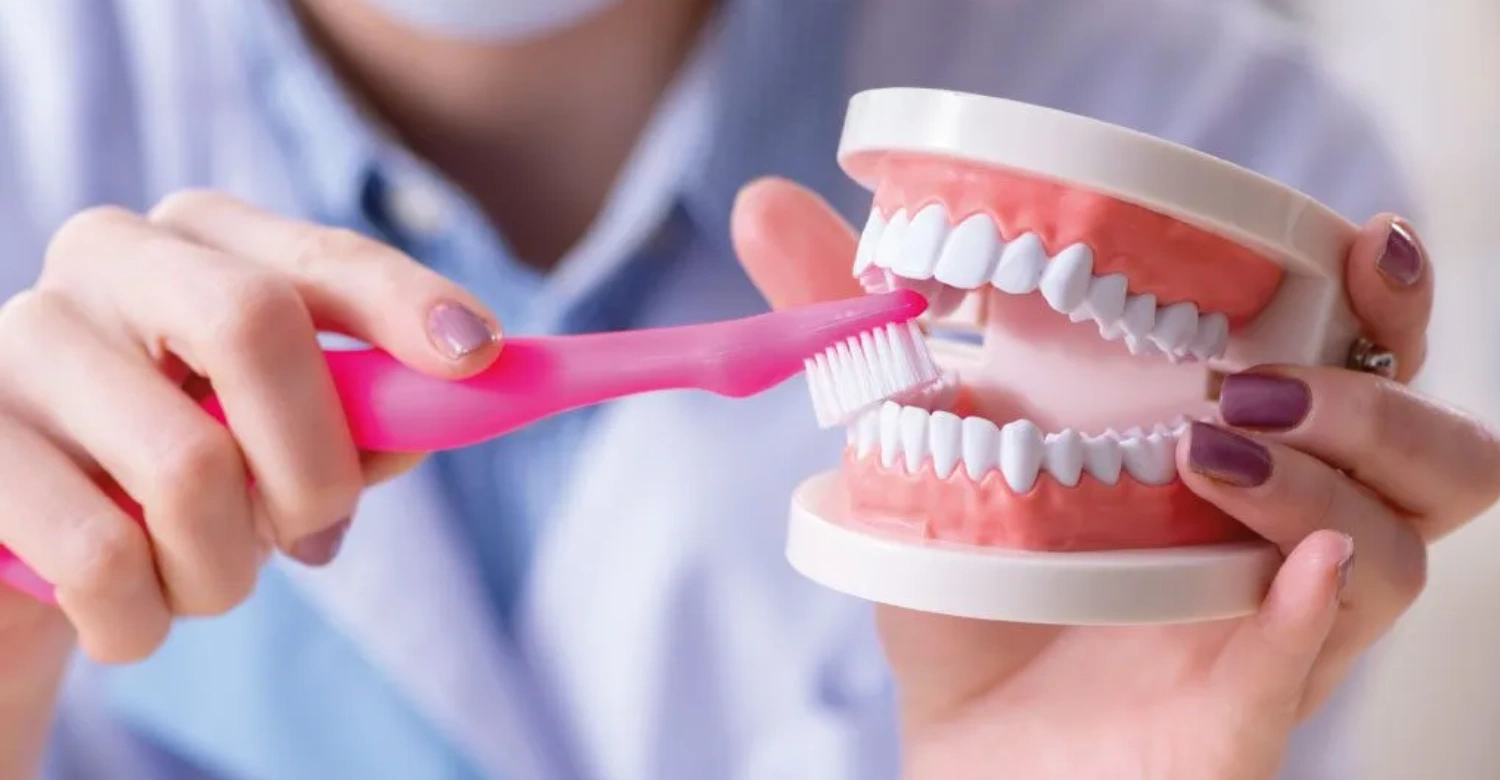
Note : All images used are for editorial and illustrative purposes only and may not originate from the original news provider or associated company.
When Should You Start Preventive Dental Care?
This kind of dental care should begin early because oral health habits develop before children have their permanent teeth. The American Academy of Pediatric Dentistry recommends establishing a dental home by the first birthday, and early visits allow dentists to assess developing teeth and provide guidance to parents. Parents can begin cleaning an infant's gums before teeth erupt, and once the first tooth appears, appropriate fluoride toothpaste should be introduced according to professional recommendations. Early prevention also involves managing bottle and feeding habits appropriately, and parents should avoid frequent exposure to sugary drinks and foods. As children grow, they need increasing responsibility for brushing while parents continue supervision.
When Should Children Start Preventive Dental Care?
Children should begin dental visits around the eruption of their first tooth and no later than their first birthday. The AAPD recommends establishing a dental home by age one, and early appointments allow dentists to assess developing teeth and discuss feeding, fluoride, brushing, and cavity prevention. Parents should gently clean infant gums before teeth appear, and once the first tooth erupts, brushing should begin with an appropriate amount of fluoride toothpaste — a smear approximately the size of a grain of rice for children younger than three years, and a pea-sized amount for children aged three to six. Parents should supervise brushing because young children may swallow toothpaste or miss important surfaces. Regular visits allow dentists to monitor eruption and cavity risk, and sealants may be considered for susceptible permanent molars.
Why Is Early Preventive Dental Care Important?
Starting early helps establish healthy habits before dental problems become established. Children's primary teeth support chewing, speech development, and proper spacing for developing permanent teeth, and untreated decay in primary teeth can cause pain and infection. The AAPD emphasizes the importance of early dental assessment and establishing a dental home. Early visits also allow parents to receive individualized fluoride and nutrition guidance, since children have different cavity risks depending on diet, enamel development, hygiene, and previous decay. Fluoride toothpaste helps protect developing teeth when used appropriately, and dental sealants can provide additional protection for susceptible permanent molars. Early detection may also identify developmental concerns that require monitoring.
How Can Parents Build Healthy Oral Hygiene Habits?
Parents can make daily hygiene easier by creating predictable routines and supervising children's oral care rather than treating it as a battle. Brush at the same time each morning and evening to establish consistency, and use age-appropriate fluoride toothpaste according to dental recommendations. Young children should receive direct parental assistance because they often lack the coordination needed for effective brushing. Parents can use simple songs, timers, or visual routines to make brushing predictable, and dental visits should be presented as regular health appointments rather than something frightening or punitive. Limit frequent sugary snacks and drinks throughout the day, and encourage water as the primary everyday drink when appropriate. Parents should schedule a child's first dental visit according to pediatric dental recommendations.
What We Notice Clinically
Preventive Dental Care is more than completing routine brushing and flossing instructions. Clinical prevention requires understanding why a patient develops repeated dental problems, since two patients with similar hygiene routines can have very different cavity or gum disease risks. Saliva flow, enamel characteristics, diet, medications, restorations, bite forces, and previous dental history can all influence outcomes. A patient with dry mouth may require additional fluoride protection and closer monitoring, while another may need improved interdental cleaning because plaque consistently remains between crowded teeth. Patients with previous periodontal disease may require specialized maintenance. NIDCR identifies smoking, diabetes, and inadequate plaque control among important periodontal risk factors.
Why Prevention Is More Than Just Brushing and Flossing
Protecting your smile involves more than brushing because oral diseases have multiple contributing factors working together. Brushing removes plaque from accessible surfaces, but it cannot control every risk on its own. Interdental cleaning addresses areas that toothbrush bristles cannot effectively reach, and fluoride supports enamel resistance against acid-related mineral loss. Diet influences how frequently teeth encounter fermentable carbohydrates and acids, while saliva provides natural protection by helping clear food particles and neutralize acids. Medications can sometimes reduce saliva production and increase cavity susceptibility, and tobacco use substantially increases periodontal disease risk. Existing restorations can also create areas requiring additional cleaning attention, and bite forces may contribute to tooth wear or fractures in susceptible patients.
Dr. Rifat Alsaman's Clinical Opinion
From Dr. Rifat Alsaman's clinical perspective, dental care should focus on preserving natural tooth structure whenever possible. As Head of the Medical Team at Vitrin Clinic and a cosmetic dentist, he emphasizes individualized assessment over generic advice. A preventive plan should consider the patient's teeth, gums, bite, restorations, habits, and previous dental history. Brushing recommendations alone may not address the actual reason behind repeated dental problems; recurring cavities, for example, may require assessment of dietary frequency, fluoride exposure, saliva, and plaque control together. Recurrent gum inflammation may require evaluation of interdental cleaning and periodontal risk factors specifically. Clinical examination can identify problems before patients notice significant symptoms, which matters because several oral diseases progress gradually and without obvious warning.
Preventive Dental Care at Vitrin Clinic
Preventive Dental Care at Vitrin Clinic focuses on assessing oral conditions before recommending unnecessary or extensive treatment. The clinic uses digital diagnostic technologies when clinically appropriate for individual cases, including digital X-rays, CBCT imaging, and three-dimensional intraoral scanning. Each diagnostic method has a specific clinical purpose and should be selected according to patient needs. Digital records help dentists evaluate existing restorations, tooth structure, bite relationships, and treatment requirements, and a personalized approach is particularly useful for international patients seeking comprehensive dental assessments. Prevention can also involve monitoring teeth before cosmetic or restorative treatment becomes necessary, and patients with existing crowns, veneers, implants, or other restorations receive maintenance guidance based on their clinical condition.
How Vitrin Clinic Supports Preventive Dental Care
Vitrin Clinic supports long-term oral health through clinical examinations, digital diagnostics, individualized planning, and patient education. The clinic uses digital X-rays when specific areas require radiographic assessment, and CBCT may be considered when three-dimensional information is clinically necessary. A 3D intraoral scanner can create detailed digital records of oral structures without conventional impression materials. These technologies support diagnosis and treatment planning in appropriate cases, and prevention may also involve evaluating existing dental work and identifying areas requiring maintenance. International patients receive structured guidance regarding their oral health needs before deciding on treatment, and the clinical team discusses hygiene, restoration maintenance, gum health, and future monitoring.
Personalized Dental Planning at Vitrin Clinic
Personalized planning begins with identifying the patient's specific oral health risks rather than applying a standard protocol. Vitrin Clinic combines clinical examination with digital diagnostic information when appropriate; digital X-rays help assess areas that are not completely visible during an examination, and CBCT provides three-dimensional information when complex anatomical assessment is required. Intraoral scanning creates detailed digital records for selected diagnostic and restorative purposes, helping clinicians understand existing dental conditions more comprehensively. A treatment plan should also consider the patient's dental history, lifestyle, hygiene routine, and long-term goals. Patients with repeated cavities may need a different strategy than patients with periodontal concerns, and someone with multiple restorations may require specialized maintenance recommendations.
Dr. Rifat Alsaman's Clinical Opinion
Dr. Rifat Alsaman's approach emphasizes assessment before intervention. As Head of the Medical Team at Vitrin Clinic and a cosmetic dentist, he considers prevention part of long-term dental planning rather than a single visit. Healthy teeth require more than treating problems after symptoms appear; clinical evaluation identifies plaque-retention areas, gum changes, enamel concerns, and restoration issues before they escalate. Digital diagnostics provide additional information when visual examination alone is insufficient, though technology should support clinical judgment rather than replace it — every diagnostic test should have a clear clinical purpose. Patients should also understand how daily habits influence their individual dental risks. Regular brushing, interdental cleaning, appropriate fluoride use, and dietary awareness remain foundational, while professional examinations provide another layer of protection by identifying changes patients may not recognize themselves.
How to Build a Preventive Dental Care Routine for Healthy Teeth
Building a consistent daily routine requires practical habits that can be repeated every day without becoming a burden. Begin each morning with thorough brushing using fluoride toothpaste, and clean between teeth according to the method recommended by your dentist. During the day, choose water frequently and limit repeated exposure to sugary drinks. After meals, rinsing with water helps clear remaining food debris, and teeth should never be used to open packages or chew hard non-food objects. Evening hygiene should include careful brushing and interdental cleaning, and patients with orthodontic appliances, implants, or restorations may need additional cleaning tools. Replace toothbrushes when bristles become worn or approximately every three to four months, and maintain dental appointments according to individual risk.
Your Daily Preventive Dental Care Routine
A daily oral hygiene routine should cover morning, daytime, and evening care as three distinct opportunities rather than one rushed step. Morning care begins with brushing all accessible tooth surfaces using fluoride toothpaste, spending approximately two minutes and using gentle movements near the gumline. Clean between teeth once daily using floss or an appropriate interdental cleaner. During the day, drink water regularly and limit frequent sugary snacks; after meals, water helps remove loose food particles, and prolonged sipping of sugary or acidic beverages should be avoided. Evening care should include another complete brushing session, and interdental cleaning can be performed before or after brushing depending on the method that supports consistency. Patients with braces, implants, bridges, or other restorations may require additional tools, and children should receive age-appropriate supervision during brushing.
Morning Oral Care
Morning care begins with removing plaque that accumulated during sleep. Brush for approximately two minutes using fluoride toothpaste and a soft-bristled toothbrush, cleaning the outer, inner, and chewing surfaces of every tooth. Pay attention to the gumline without applying excessive pressure, and clean the tongue gently if a coating or debris is present. If you use an orthodontic appliance or removable restoration, follow the cleaning instructions provided by your dental professional. After brushing, spit out excess toothpaste according to the product instructions — rinsing excessively may reduce the amount of fluoride remaining on tooth surfaces. Breakfast choices can also affect oral health throughout the day; water is generally a practical beverage choice after eating, while frequent sugary drinks increase repeated acid exposure.
After-Meal Habits
Good after-meal habits can help reduce prolonged exposure to food debris and sugary substances. Drinking water after meals helps clear loose food particles from the mouth and provides a sugar-free alternative to sweetened beverages. Avoid brushing immediately after certain acidic exposures, because enamel can temporarily become more susceptible to mechanical wear; patients should ask their dentist about timing when they regularly consume acidic foods or drinks. Limiting frequent sugary snacks also reduces repeated acid challenges throughout the day. Chewing sugar-free gum containing xylitol may be appropriate for some patients and can stimulate saliva, though gum should never replace brushing or interdental cleaning. Patients with jaw problems may need to avoid excessive chewing, and individuals with dental appliances should follow specific dietary instructions.
Evening Oral Care
Evening care is important because it provides the final major plaque-control opportunity before sleep. Brush all tooth surfaces for approximately two minutes using fluoride toothpaste, and clean between teeth carefully using floss or another appropriate interdental device, paying particular attention to areas where food repeatedly becomes trapped. Patients with bridges, implants, or orthodontic appliances may require specialized cleaning tools, and the tongue can be cleaned gently when appropriate without causing irritation. Avoid consuming sugary foods or drinks after completing nighttime oral hygiene. If medication causes dry mouth, discuss nighttime protection strategies with your dentist, since saliva production normally decreases during sleep, increasing the importance of effective nighttime plaque control. Patients with recurrent cavities may require additional fluoride measures, and those with periodontal disease may need specialized maintenance instructions.
Your Weekly and Long-Term Oral Health Habits
Long-term care requires reviewing habits beyond the daily brushing routine on a periodic basis. Check your toothbrush regularly and replace it when the bristles become worn — the ADA recommends replacing toothbrushes approximately every three to four months. Monitor whether bleeding, sensitivity, bad breath, or other changes are becoming persistent, and maintain professional dental visits according to your individual risk. Review dietary habits periodically, especially if sugary snacks have become more frequent than intended. Patients with orthodontic appliances should inspect cleaning areas carefully, and people with implants or restorations should follow specific maintenance recommendations. Tobacco users should consider professional cessation support because tobacco significantly increases periodontal risk, and patients with dry mouth should discuss saliva-related risks with their dental team.
When to Contact Your Dentist
Contacting a dentist when changes occur is an essential part of protecting your oral health rather than something to postpone. Persistent tooth pain should receive professional assessment rather than prolonged self-treatment, and swelling around the gums or face can indicate infection or another condition requiring evaluation. Persistent gum bleeding can indicate inflammation and should not be considered normal, and new sensitivity that continues or worsens should also be assessed. A chipped, cracked, or fractured tooth may require prompt evaluation to prevent further damage, and loose permanent teeth require professional assessment because mobility can indicate periodontal or structural problems. Persistent bad breath can have dental or non-dental causes and may require investigation, and changes around dental implants should also be reported promptly. Difficulty swallowing, severe facial swelling, fever, or breathing problems may require urgent medical or dental attention.
Final Thoughts on Preventive Dental Care
Preventive Dental Care is a long-term approach that combines daily hygiene, professional monitoring, healthy habits, and individualized dental guidance. Brushing twice daily with fluoride toothpaste remains one of the most important daily actions, and cleaning between teeth helps control plaque in areas that brushing cannot reach effectively. A balanced diet and reduced sugar frequency further reduce cavity risk, and regular examinations allow dental professionals to identify changes before they become more complicated. Professional cleaning removes calculus that cannot be eliminated through ordinary home care, while fluoride treatments and sealants may provide additional protection for selected patients. NIDCR data demonstrate the continuing burden of dental caries and periodontal disease among adults, which is why prevention should continue even when teeth feel comfortable. Vitrin Clinic approaches prevention through individualized assessment and digital diagnostic support when clinically indicated, and Dr. Rifat Alsaman emphasizes preserving natural tooth structure through appropriate clinical planning.
At Vitrin Clinic
preventive dental care focuses on maintaining healthy gums and preventing periodontal disease. Depending on your needs, periodontal treatment may include professional cleaning, deep cleaning, gum care, and personalized oral hygiene guidance. Early assessment can help identify gum inflammation and other concerns before they progress. Dr. Rifat Alsaman, Head of the Medical Team at Vitrin Clinic and cosmetic dentist, emphasizes the importance of healthy gums for long-term oral health. Patients can request a FREE Digital Treatment Plan for personalized periodontal care.
Reference
FAQs
Dr. Rifat Alsaman has more than 5 years of clinical experience in dentistry and currently serves as the Head of the Medical Team at Vitrin Clinic. He is dedicated to providing exceptional patient care, overseeing treatment planning, and ensuring the highest clinical standards across the team. His expertise, attention to detail, and commitment to continuous professional development have helped countless patients achieve healthier, more confident smiles.
.webp&w=3840&q=75)


