Endodontics
June 8, 2026
How Long Does Pulp Capping Last? Everything You Need to Know Before Treatment
 Dr. Rifat Alsaman
If you've been told you need pulp capping, one of the first questions you're likely asking is: how long does pulp capping last? Understanding the lifespan of this treatment helps you make confident, informed decisions about your dental health. Pulp capping is a minimally invasive procedure designed to preserve the natural vitality of your tooth by protecting the dental pulp. This comprehensive guide covers everything you need to know from procedure types and recovery to long-term outcomes and professional care tips.
Understanding the Purpose of Pulp Capping in Modern Dentistry
To understand how long does pulp capping last, you first need to understand why dentists perform it. Pulp capping is a conservative dental procedure used to protect the innermost layer of your tooth, the dental pulp when it is exposed or at risk. Rather than removing the pulp entirely through a root canal, dentists apply a protective material directly onto or near the pulp to encourage natural healing and preserve tooth function for as long as possible.
What Happens When the Dental Pulp Is Exposed
The dental pulp contains nerves, blood vessels, and connective tissue. When decay or trauma exposes or nearly exposes this tissue, bacteria can enter and cause infection, pain, and eventual tooth loss. Exposure triggers inflammation and, without treatment, can progress quickly. Pulp capping intervenes at this critical stage by sealing the exposed area with a biocompatible material, giving the pulp a chance to form a natural protective barrier called tertiary dentin. Early treatment significantly improves outcomes. The longevity of a dental pulp cap depends heavily on the patient's oral hygiene and age.
Why Dentists Choose Pulp Capping Instead of Root Canal Treatment
Dentists prefer pulp capping when the pulp remains healthy enough to heal on its own. Root canal treatment removes the entire pulp, leaving the tooth non-vital and more brittle over time. Pulp capping preserves the living tissue, which maintains the tooth's structural integrity and sensitivity, an important natural warning system. When properly selected and treated, pulp capping offers a far less invasive, less costly solution that still delivers excellent long-term results for the right candidates.
Types of Pulp Capping Procedures and When Each Is Recommended
There are two main types of pulp capping: direct and indirect. Understanding the difference helps clarify what to expect after pulp capping and how long does pulp capping last for each approach. The choice depends on how close the decay is to the pulp, whether exposure has occurred, the patient's overall dental health, and the dentist's clinical assessment of the pulp tissue's current condition and healing potential at the time of treatment.
Direct Pulp Capping
Direct pulp capping is performed when the pulp tissue is minimally exposed often accidentally during cavity removal or due to trauma. A biocompatible capping material, typically mineral trioxide aggregate (MTA) or calcium silicate cement, is placed directly on the exposed pulp, followed by a restoration. Success depends on the pulp being healthy, bleeding being controlled, and the exposure being small. When done correctly, direct pulp capping can preserve pulp vitality for many years to come.
Indirect Pulp Capping
Indirect pulp capping is used when decay is very close to the pulp but has not yet broken through. A thin layer of softened, affected dentin is left over the pulp and covered with a protective material. This technique avoids pulp exposure entirely, making it gentler and often more predictable. It is commonly used in cases of deep cavities in both adults and children. When executed with precision, indirect pulp capping has high success rates and effectively preserves the tooth's natural vitality long-term.
How Long Does Pulp Capping Last? Factors That Influence Longevity
So, how long does pulp capping last in real-world conditions? Studies show that with proper technique and follow-up, pulp capping can last five to ten years or longer in many patients. However, longevity is not guaranteed; it depends on several clinical and lifestyle factors. Understanding these variables gives you the knowledge to protect your treatment investment and maintain the health of your tooth well beyond the initial healing phase following the procedure. Using advanced direct pulp capping materials significantly extends the lifespan of the treatment.
The Condition of the Tooth Before Treatment
The pre-treatment condition of the tooth plays a major role in determining how long does pulp capping last. If the pulp is already inflamed or partially infected, the procedure is less likely to succeed long-term. Healthy, vital pulp with minimal inflammation responds well to capping materials and has a much stronger chance of forming protective tertiary dentin. Your dentist will evaluate pulp health through clinical tests and X-rays before recommending pulp capping over more aggressive treatment options available today.
Materials Used for Pulp Protection
The capping material directly affects how long does pulp capping last. Traditional materials like calcium hydroxide were once the standard, but modern biocompatible options such as mineral trioxide aggregate (MTA) and Biodentine offer superior sealing ability, antibacterial properties, and better stimulation of dentin bridge formation. These newer materials have significantly improved clinical success rates. Choosing the right material for each situation is a key decision that influences both the immediate outcome and the long-term survival of the treated pulp.
Patient Oral Hygiene and Lifestyle Habits
Even the best clinical procedure cannot compensate for poor oral hygiene. How long does pulp capping last is directly tied to how well patients care for their teeth after treatment. Brushing twice daily, flossing regularly, and using fluoride toothpaste all help prevent new decay from forming around the restoration. Smoking, excessive sugar consumption, and teeth grinding (bruxism) can all undermine the seal and introduce bacteria into the treated area, significantly reducing longevity. A healthy lifestyle extends pulp capping outcomes considerably over time. When considering longevity, comparing pulp capping vs root canal outcomes is essential.
Restoration Quality and Final Seal
The restoration placed over the pulp capping material is just as important as the capping itself. A poor-quality filling or temporary restoration can allow bacteria to leak back into the tooth, compromising the pulp and shortening how long does pulp capping last. A well-placed permanent composite restoration or ideally a crown on heavily restored teeth creates the bacterial seal necessary to protect the pulp for years to come. Your dentist should finalize the restoration promptly after the initial procedure for optimal outcomes.
Age and Healing Capacity of the Dental Pulp
Younger patients tend to have better outcomes because their pulp tissue has greater cellular activity and regenerative capacity. In children and young adults, the pulp heals more readily and forms protective dentin more efficiently. As we age, the pulp narrows and becomes less responsive, which can affect how long does pulp capping last in older patients. This does not mean pulp capping is ineffective in adults, it simply means the dentist must evaluate individual pulp health more carefully before proceeding with any vital pulp therapy approach.
What to Expect After Pulp Capping
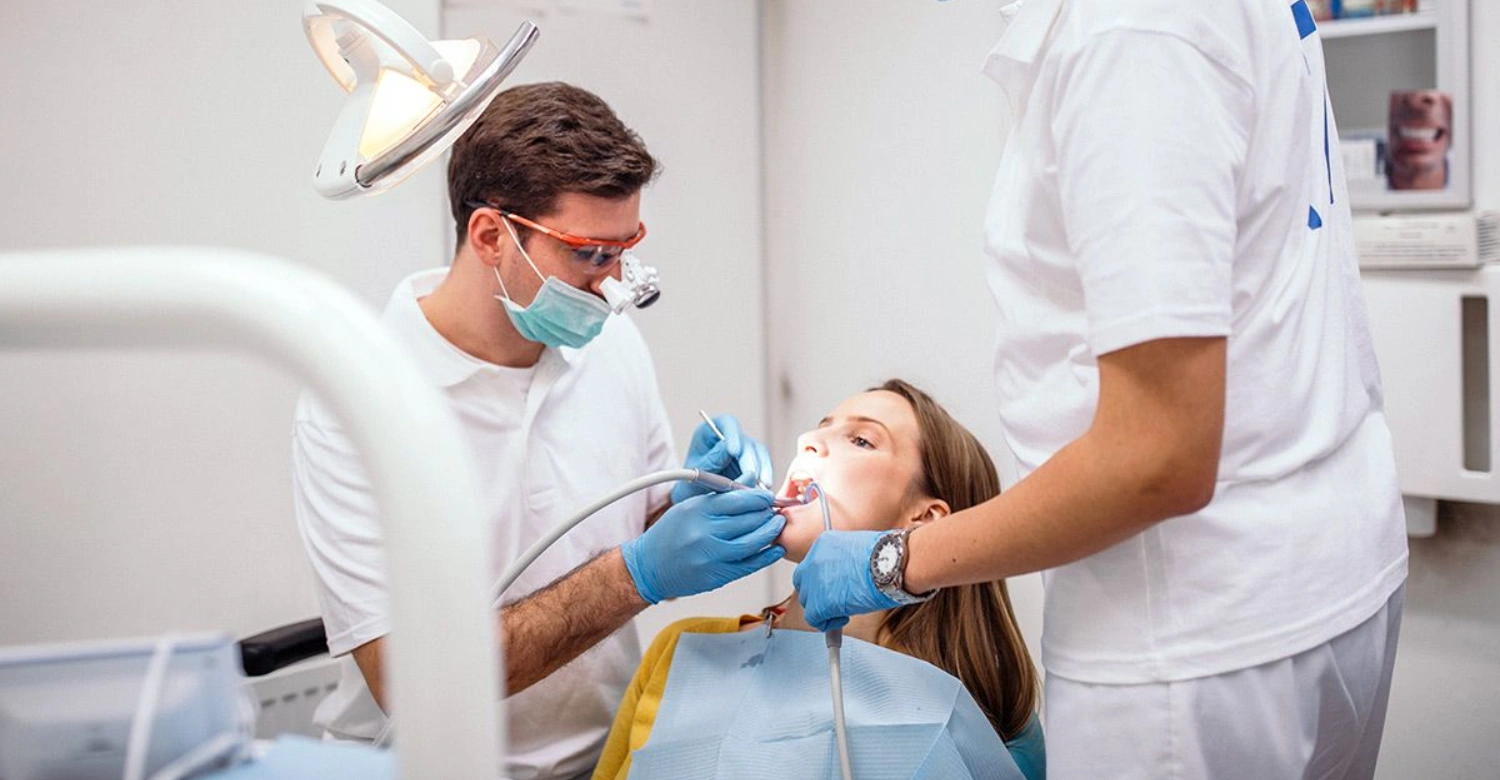
Knowing what to expect after pulp capping helps you manage recovery confidently and recognize any warning signs early. Most patients experience mild sensitivity and discomfort for a few days following treatment. This is completely normal as the pulp begins its healing response. Following your dentist's aftercare instructions carefully during this phase is critical to a smooth recovery and ensures the long-term success of the procedure. With proper care, most patients return to normal dental function within one to two weeks post-treatment. If the cap fails, the condition shifts in the reversible vs irreversible pulpitis spectrum.
Normal Symptoms During the Healing Phase
What to expect after pulp capping includes some degree of sensitivity and mild soreness, particularly in the first few days. The tooth may feel slightly tender when biting, and you might experience occasional dull aching as the pulp adjusts to the capping material and begins forming a protective dentin bridge. These symptoms are a normal part of the healing response and typically subside within one to two weeks. Over-the-counter pain relief is usually sufficient to manage any discomfort experienced during this recovery period.
Sensitivity to Cold, Heat, or Pressure
Temperature sensitivity is one of the most commonly reported experiences of what to expect after pulp capping. The pulp is a living tissue and will react to thermal stimuli, particularly cold, during the healing phase. This sensitivity is generally temporary and fades as the dentin bridge forms over the capped area. Sensitivity to pressure may also occur briefly after the restoration is placed. If these sensations become severe or persist beyond two weeks, you should contact your dentist for a thorough evaluation of the treated tooth.
How Long Recovery Typically Takes
Full recovery after pulp capping typically takes two to four weeks, though many patients feel comfortable within a few days. The dentin bridge, the natural protective layer formed by the pulp, takes several weeks to fully mineralize. During this time, it is important to avoid hard foods and extreme temperatures. Regular follow-up appointments allow your dentist to monitor healing and confirm pulp vitality. Understanding how long does pulp capping last begins with giving the treated pulp proper time and conditions to heal without additional disruption or stress.
Warning Signs That Require Immediate Dental Attention
While most recovery is uneventful, there are warning signs to watch for. Severe, spontaneous, or throbbing pain that worsens over time is not normal and may indicate pulp failure. Swelling, pus discharge, or a persistent bad taste could signal infection. If you develop a visible abscess or notice darkening of the treated tooth, contact your dentist immediately. These signs suggest the pulp capping may not have succeeded and further treatment including possible root canal therapy may be necessary to resolve the underlying condition.
Patient Concerns About Pulp Capping Longevity
Patients frequently ask how long does pulp capping last and whether it's a reliable long-term option. These are valid concerns, and the answers depend heavily on individual clinical factors. While pulp capping is not always a permanent solution, it has strong evidence supporting its use as an effective, tissue-preserving procedure. Understanding realistic expectations including potential limitations allows you to make a confident, informed decision with your dental care provider about the best approach for your specific tooth and situation going forward.
Can Pulp Capping Fail Over Time?
Yes, pulp capping can fail, and understanding this risk is important when evaluating how long does pulp capping last. Failure can occur when the pulp becomes inflamed beyond its healing capacity, when bacteria re-enter through a leaking restoration, or when the initial case selection was not ideal. Signs of failure include progressive pain, abscess formation, and tooth discoloration. Regular dental monitoring can detect early signs of failure, allowing your dentist to intervene before the condition worsens and more invasive treatment becomes absolutely necessary. Patients should monitor how long for pulpitis to settle after the cap is placed.
Is Pulp Capping a Permanent Solution?
Pulp capping is considered a long-term, but not always permanent, solution. How long does pulp capping last varies by patient; some enjoy successful outcomes for a decade or more, while others may require additional treatment within a few years. It is best viewed as a tooth-saving strategy that gives the pulp time to heal and form a protective barrier. With ideal conditions, healthy pulp, quality materials, good oral hygiene, and regular monitoring pulp capping can function successfully for many years without requiring further dental intervention.
When a Root Canal May Still Be Necessary
Despite successful initial pulp capping, some patients eventually need a root canal. This may happen if the pulp fails to heal, if new decay develops near the treated site, or if the tooth sustains further trauma. Root canal therapy is not a failure it is a natural progression of care that ensures the tooth is preserved rather than extracted. Your dentist will recommend this step only when necessary, typically confirmed through clinical symptoms and radiographic evidence of pulp degeneration or periapical infection around the tooth.
Comparing Pulp Capping With Other Vital Pulp Treatments
Pulp capping is one of several vital pulp therapy options. Alternatives include pulpotomy, where only the coronal portion of the pulp is removed, and apexogenesis, used in younger patients to encourage root development. Compared to these, pulp capping is the least invasive and most appropriate when pulp exposure is minimal and the tissue is healthy. It is more conservative than root canal treatment and, when successful, delivers similar long-term tooth retention rates with significantly less structural compromise to the tooth overall.
Available Treatments if Pulp Capping Does Not Last
If you're wondering how long does pulp capping last before needing retreatment, it's reassuring to know that effective follow-up options exist if the initial procedure doesn't hold. Dentists have a range of treatments available to continue preserving the tooth and managing pulp health. The approach taken depends on the extent of pulp involvement, the overall health of the remaining tooth structure, and the patient's clinical history. Prompt follow-up care is the most important factor in achieving a successful outcome after any treatment setback.
Monitoring and Follow-Up Appointments
Regular monitoring is critical to the long-term success of pulp capping. Your dentist will schedule check-up appointments, typically at three, six, and twelve months post-treatment, to assess pulp vitality and check for any signs of failure. Radiographic evaluation helps detect changes in the periapical tissue before symptoms appear. These appointments are not optional; they are the backbone of ensuring how long does pulp capping last is fully maximized for your tooth. Staying consistent with follow-up care provides early warning if additional treatment becomes necessary.
Re-Treatment Options for Vital Pulp Preservation
In cases where pulp capping shows early signs of compromise, a secondary vital pulp therapy procedure may be attempted. This could involve removing the compromised capping material, cleaning the area, and placing fresh biocompatible material with improved sealing properties. Re-treatment is most successful when caught early before irreversible pulpitis develops. With modern materials like MTA and Biodentine, even previously treated cases can sometimes be successfully salvaged, extending pulp vitality and pushing back the need for more invasive root canal treatment in eligible patients.
Root Canal Therapy as a Secondary Solution
If pulp capping fails and the pulp becomes irreversibly inflamed or necrotic, root canal therapy becomes the recommended next step. Root canal treatment removes the infected pulp tissue, disinfects the root canals, and fills them with a biocompatible material. While this eliminates the natural vitality of the tooth, it allows the tooth to remain functional and in place. Root canal treatment has a very high success rate and should not be feared; it is a well-established, highly effective solution for saving compromised teeth when pulp capping is no longer viable.
Crown Placement for Long-Term Protection
Following pulp capping especially if the tooth has a large restoration or significant structural loss, crown placement may be recommended. A dental crown fully covers the tooth, protecting the capping site from bacterial leakage and fracture. Crowns are particularly important after pulp capping in molars, which bear heavy biting forces. A well-fitted crown extends how long does pulp capping last by providing a durable, long-term seal and preventing the mechanical stresses that can destabilize the protective dentin bridge formed during the pulp's natural healing process.
Benefits of Pulp Capping and Expected Outcomes
Pulp capping offers significant advantages over more invasive treatments. When considering how long pulp capping last alongside its broader clinical benefits, it becomes clear why it is increasingly preferred in modern dentistry. Preserving the natural pulp tissue maintains the tooth's biological function and sensitivity, which serves as a vital early warning system for future dental problems. Patients who undergo successful pulp capping experience less post-operative discomfort, lower treatment costs, and a faster return to normal oral function compared to root canal treatment alternatives.
Preserving Natural Tooth Vitality
One of the most important benefits of pulp capping is preserving the natural vitality of the tooth. A vital tooth retains its nerve supply and blood flow, which keeps the surrounding structure nourished and responsive. This means the tooth remains stronger and more resilient over time than a root-canal-treated tooth. Preserving vitality also reduces the risk of tooth discoloration and fracture, two common complications associated with non-vital teeth. Pulp capping prioritizes biological preservation in a way no other restorative procedure can fully replicate or substitute.
Minimally Invasive Alternative to Root Canal
Pulp capping is one of the most effective minimally invasive alternatives to root canal treatment available in modern dentistry. It requires removing far less healthy tooth structure, involves less drilling, and typically takes less time in the dental chair. Patients experience minimal discomfort during and after the procedure. Because the natural pulp is preserved, the tooth does not require the same level of structural reinforcement needed after a root canal. This makes it an ideal first-line treatment when clinical conditions allow for conservative pulp preservation.
Faster Recovery and Reduced Treatment Time
Patients who undergo pulp capping generally recover faster than those who have root canal treatment. What to expect after pulp capping in terms of recovery is typically limited to mild sensitivity lasting one to two weeks, compared to the more extended healing associated with root canals. The procedure itself is also shorter, often completed in a single visit. This translates to less time away from daily activities, fewer overall dental appointments, and a significantly improved patient experience without compromising the durability or quality of the final dental outcome.
Before and After Expectations for Patients
Before pulp capping, patients often experience pain or sensitivity from the exposed or threatened pulp tissue. After successful treatment, what to expect after pulp capping is a gradual improvement in symptoms as healing progresses over several weeks. Within a few weeks, most patients experience complete resolution of pre-treatment discomfort. The tooth should feel and function normally. Understanding how long does pulp capping last begins here with proper healing and the right restoration, this initial success sets the foundation for years of comfortable, natural tooth function.
Professional Tips to Help Pulp Capping Last Longer
Maximizing how long does pulp capping last is largely within the patient's control. While clinical technique and material selection are the dentist's responsibility, day-to-day habits play an equally important role in long-term success. Patients who actively maintain their oral health, protect the treated tooth, and attend regular checkups consistently enjoy better outcomes. The following professional tips are practical, evidence-based strategies recommended by dental experts to help ensure your pulp capping procedure delivers lasting results well beyond the average timeframe.
Daily Oral Hygiene Practices
Consistent oral hygiene is the single most important factor in prolonging how long does pulp capping last. Brushing with a soft-bristled toothbrush and fluoride toothpaste at least twice daily removes plaque that could lead to secondary decay around the restoration. Daily flossing prevents interdental buildup. Using an antibacterial mouthwash adds additional protection. These habits minimize the risk of bacteria infiltrating the capping site and causing recurrent decay or re-infection of the pulp which are among the leading causes of pulp capping failure in otherwise healthy teeth.
Foods to Avoid After Treatment
In the initial healing phase, certain foods can stress the treated tooth and disrupt recovery. Hard, crunchy foods can crack or dislodge the restoration, while sticky sweets create a bacterial-friendly environment. Acidic beverages erode enamel and weaken the restoration over time. Extremely hot or cold foods may trigger temporary sensitivity in the healing pulp. Patients should also avoid chewing on the treated side until the final restoration is fully set. These dietary precautions help protect what to expect after pulp capping from turning into an avoidable complication.
Importance of Regular Dental Checkups
Regular checkups ideally every six months are essential for monitoring how long does pulp capping last. During these visits, your dentist can assess the condition of the restoration, check pulp vitality, and take follow-up X-rays if needed. Early detection of any changes allows for timely intervention before a minor issue becomes a major problem. Without regular monitoring, silent pulp degeneration can go undetected for months, dramatically reducing the chances of a successful outcome and potentially necessitating more invasive treatment that could otherwise have been avoided entirely.
Protecting the Tooth From Fracture or Trauma
A significant threat to pulp capping longevity is physical trauma. Teeth that have undergone pulp capping may be more vulnerable if the existing restoration is large. Wearing a night guard if you grind your teeth (bruxism) is highly recommended. Avoid using your teeth as tools for opening packages or bottles. If you participate in contact sports, wear a custom-fitted mouthguard. These protective measures reduce the risk of fracture or displacement of the capping material and help ensure how long does pulp capping last is not cut short by a preventable injury or mechanical accident.
Technology and Materials That Improve Pulp Capping Success
Advances in dental technology have dramatically improved how long does pulp capping last. The introduction of biocompatible materials, digital diagnostics, and minimally invasive techniques has transformed pulp capping from a variable outcome procedure to a highly predictable, evidence-based treatment. Dentists now have the tools to identify ideal candidates more accurately, place materials more precisely, and seal restorations more effectively than ever before. These innovations have elevated pulp capping to a genuinely competitive alternative to root canal treatment in appropriate clinical cases.
Biocompatible Calcium Silicate Materials
Calcium silicate-based materials, including MTA and Biodentine, are considered the gold standard in modern pulp capping. They are highly biocompatible, meaning they integrate naturally with pulp tissue without triggering inflammatory reactions. These materials also have antimicrobial properties and actively stimulate the formation of a mineralized dentin bridge at the exposure site. Their superior sealing ability and biological compatibility have directly contributed to improved clinical success rates. Understanding how long does pulp capping last today largely comes down to the quality and type of materials your dentist chooses.
Digital Diagnostics for Accurate Case Selection
Case selection is critical to pulp capping success, and digital diagnostics have significantly improved this process. Cone beam computed tomography (CBCT), digital X-rays, and pulp vitality testing allow dentists to evaluate pulp health with greater accuracy than conventional methods. By identifying the exact extent of decay and the proximity to the pulp, digital diagnostics help ensure only appropriate cases receive pulp capping. Better case selection directly translates to better outcomes and answers more reliably the clinically important question of how long does pulp capping last for individual patients.
Advanced Bonding Systems for Better Seal
Modern adhesive bonding systems create a far more reliable interface between the tooth, the capping material, and the overlying restoration. This tight seal prevents microleakage, the microscopic infiltration of bacteria and fluids which is a primary cause of pulp capping failure. High-quality bonding agents combined with well-placed composite restorations form an essentially bacterial-proof barrier over the treated pulp. When paired with calcium silicate capping materials, these bonding systems work synergistically to extend restoration life and directly contribute to how long does pulp capping last overall.
Minimally Invasive Dentistry Techniques
Minimally invasive dentistry (MID) focuses on preserving as much healthy tooth structure as possible during treatment. Techniques such as air abrasion, chemomechanical caries removal, and magnification-assisted dentistry allow clinicians to remove only decayed tissue while leaving healthy dentin intact. This precision reduces the risk of inadvertent pulp exposure and preserves the structural strength of the tooth. By combining MID principles with modern capping materials, dentists can achieve highly predictable outcomes and significantly improve how long does pulp capping last across their entire patient population.
Pulp Capping at Vitrin Clinic
At Vitrin Clinic, we are committed to delivering the highest standard of pulp capping care using the latest techniques and biocompatible materials. How long does pulp capping last is a question we take seriously which is why our clinical protocols are built around evidence-based case selection, precision treatment, and long-term follow-up. Our goal is not just to treat your tooth today, but to preserve its natural vitality for as long as possible through comprehensive, personalized care tailored to your specific dental needs and health history.
Experienced Dentists Focused on Tooth Preservation
Vitrin Clinic's dental team has extensive experience in vital pulp therapy, including both direct and indirect pulp capping. Our practitioners are trained in the latest minimally invasive techniques and understand the clinical nuances that separate a successful procedure from one that fails prematurely. Each case is evaluated individually with a focus on preserving as much natural tissue as possible. We believe that a healthy, vital tooth is always preferable to an artificial substitute, and our treatment philosophy reflects this commitment at every step of patient care.
Use of Modern Biocompatible Materials
At Vitrin Clinic, we exclusively use clinically proven, biocompatible materials for pulp capping procedures, including MTA and Biodentine. These materials have demonstrated superior clinical outcomes in peer-reviewed studies and are widely regarded as the materials of choice for vital pulp preservation. By staying current with material science advancements, we ensure that every patient at Vitrin Clinic benefits from the most effective protective agents available directly contributing to better healing outcomes and extending how long does pulp capping last for each individual under our care.
Personalized Treatment Planning
Every patient at Vitrin Clinic receives a personalized treatment plan based on a comprehensive clinical evaluation. We assess pulp health using digital diagnostics and clinical testing before recommending any course of action. If pulp capping is the right choice, we discuss the procedure in detail including what to expect after pulp capping, realistic outcome expectations, and the monitoring schedule we will follow together. Personalized planning means your care is never one-size-fits-all, and every decision is made with your long-term oral health, comfort, and natural tooth preservation as the priority.
Follow-Up Care for Long-Term Success
Follow-up care is built into every pulp capping treatment at Vitrin Clinic. We schedule post-treatment appointments to monitor healing, assess pulp vitality, and evaluate the condition of the restoration over time. Our proactive approach means that if any early signs of failure emerge, we can intervene quickly with re-treatment or alternative options. This ongoing partnership between patient and dentist is what truly determines how long does pulp capping last and at Vitrin Clinic, we are with you every step of the way through that journey.
Book Your FREE Consultation today
Take the first step toward your dream smile with a personalized consultation from our expert dental team. At Vitrin Clinic, we offer a thorough examination, detailed treatment plan, and professional guidance all completely free. Whether you’re considering veneers, crowns, implants, or other cosmetic treatments, our specialists are here to answer your questions and design a smile that perfectly suits your face, personality, and lifestyle.
FAQs
Dr. Rifat Alsaman has more than 5 years of clinical experience in dentistry and currently serves as the Head of the Medical Team at Vitrin Clinic. He is dedicated to providing exceptional patient care, overseeing treatment planning, and ensuring the highest clinical standards across the team. His expertise, attention to detail, and commitment to continuous professional development have helped countless patients achieve healthier, more confident smiles.


