
Understanding the Receding Gums Stages is important because gum recession usually develops gradually and may not be noticed in the beginning. Many people ignore small changes in their gums, such as increased tooth sensitivity, slight gum changes, or a different appearance of their smile. However, identifying the problem early can help protect the gums, teeth, and overall oral health.
At Vitrin Clinic, patients receive professional dental evaluation and personalized care designed to understand the condition of their gums and recommend suitable treatment options. Gum recession can range from mild changes that require preventive care to advanced cases that need specialized periodontal solutions.
Learning how gum recession progresses helps patients recognize warning signs before the condition becomes more complicated. With proper diagnosis, professional guidance, and modern dental approaches, maintaining healthy gums and protecting the natural smile becomes easier.
What Are the Receding Gums Stages?
Gum recession is a condition where the gum tissue gradually moves away from the tooth surface, exposing more of the tooth or even the tooth root. The progression does not happen suddenly in most cases. Instead, it develops through different levels of severity that show how much the gum tissue has been affected.
The early stages may appear as minor sensitivity or small changes around the gumline, while later stages can involve significant gum loss, exposed roots, and increased risks for tooth problems. Understanding these changes allows patients to seek dental advice before the condition becomes more difficult to manage.
The progression depends on several factors, including oral hygiene habits, gum health, genetics, brushing techniques, and existing dental conditions. At Vitrin Clinic, dentists assess each case carefully to determine the current condition and create an appropriate treatment approach focused on restoring and maintaining gum health.
Stage 1: Early Signs of Receding Gums
The first stage usually begins with subtle changes that many people may overlook. The gums may start pulling slightly away from the teeth, creating small spaces where bacteria can collect. At this point, the condition may not cause serious discomfort, but it indicates that gum health needs attention.
Common early signs include mild tooth sensitivity, slight gum irritation, occasional bleeding while brushing, or noticing that teeth appear slightly longer than before. These symptoms can be easy to dismiss, but they may represent the beginning of a larger gum problem.
Early detection gives patients a better opportunity to control the condition through improved oral care, professional cleaning, and preventive dental support. Vitrin Clinic focuses on identifying these early concerns and helping patients protect their gums before more advanced damage occurs.
First Symptoms of Gum Recession to Notice
The first symptoms of gum recession are often connected to changes in how the gums feel or how the teeth look. Many patients notice sensitivity when consuming hot, cold, or sweet foods because the protective gum tissue around the teeth has started decreasing.
Other noticeable signs may include slight gum bleeding, redness, swelling, or discomfort around certain teeth. Some people may also observe small changes in their smile, especially if the teeth begin to look longer because more of the tooth surface becomes visible.
Although these symptoms may seem minor, they should not be ignored. Early attention can help prevent the condition from progressing. Regular dental checkups at Vitrin Clinic allow dentists to monitor gum health, identify possible causes, and recommend steps that support healthier gums and stronger teeth.
Why Early Treatment Can Protect Your Gum Health
Treating gum concerns early can make a major difference in maintaining long-term oral health. When gum recession is identified in its beginning phase, dentists can often focus on controlling the causes and preventing further progression.
Early care may include improving brushing techniques, managing plaque buildup, addressing gum inflammation, and creating better daily oral hygiene habits. These simple steps can reduce stress on the gums and support healthier tissue.
Ignoring early warning signs may allow bacteria buildup and gum damage to continue, increasing the possibility of more complex dental issues. At Vitrin Clinic, early evaluation helps patients understand their condition and receive guidance based on their individual needs.
Protecting gum health is not only about preventing discomfort; it also helps preserve the stability and appearance of the smile for the future.
Stage 2: Visible Gum Recession and Tooth Sensitivity
As the gum recession progresses, the changes become more noticeable. The gumline may move further downward, making teeth appear longer and increasing sensitivity because more of the tooth surface becomes exposed.
During this stage, patients may experience stronger reactions to temperature changes, discomfort while eating, or sensitivity during brushing. The affected teeth may also become more vulnerable because the protective gum coverage has reduced.
This stage often indicates that the gums need more than simple observation. Professional dental evaluation becomes important to understand why the recession is happening and what steps can help prevent further damage.
At Vitrin Clinic, dentists examine gum condition, tooth stability, and possible contributing factors to develop a treatment plan that supports healthier gums and protects the smile.
Common Signs of This Gum Recession Stage
When gum recession becomes more visible, several signs may appear more clearly. Patients may notice that certain teeth look longer compared with others, especially in the front areas of the mouth. Increased sensitivity is also common because areas that were previously covered by gum tissue become exposed.
Other possible signs include discomfort while brushing, visible changes around the gumline, and increased food trapping between teeth. Some individuals may experience changes in the appearance of their smile that affect their confidence.
These symptoms suggest that the gums are experiencing ongoing changes that should be evaluated professionally. A dental examination can help determine whether the condition is stable or continuing to progress.
Vitrin Clinic provides detailed assessments to identify the causes behind gum changes and recommend suitable solutions based on the patient’s oral health situation.
Main Causes Behind Gum Recession Progression
Understanding the reasons behind gum changes is an important part of understanding the Receding Gums Stages and how the condition develops over time. Gum recession can happen because of multiple factors, and identifying the main cause helps dentists choose the most suitable approach for treatment and prevention.
One common cause is aggressive brushing, especially when using excessive pressure or a hard-bristled toothbrush. Over time, this can damage the delicate gum tissue and contribute to recession. Gum disease caused by bacteria and plaque buildup is another major factor because inflammation can weaken the tissues that support the teeth.
Other causes may include genetics, teeth grinding, uneven tooth positioning, hormonal changes, smoking habits, and insufficient oral hygiene routines. Some patients may experience gum recession even with good dental habits because of natural gum thickness or inherited factors.
At Vitrin Clinic, dentists carefully evaluate the causes behind gum recession to create personalized care plans that focus on protecting the gums and maintaining long-term oral health.
Stage 3: Moderate Gum Recession and Gum Damage
The third phase represents a more noticeable level of gum tissue loss. At this point, the changes are usually easier to identify because more of the tooth surface may become visible, and symptoms may become more frequent. Patients may experience increased sensitivity, changes in their bite, or concerns about the appearance of their smile.
During this stage, the gums may no longer provide the same level of protection around the teeth, which can increase the risk of bacteria accumulation and further irritation. Understanding the Receding Gums Stages helps patients recognize that moderate recession requires more attention than simple home care.
Professional evaluation becomes important because treatment decisions depend on the amount of gum loss, the condition of the teeth, and the overall health of the mouth.
Vitrin Clinic uses modern dental assessment methods to understand each patient’s condition and recommend appropriate solutions designed to support gum health and prevent additional progression.
How Gum Disease Stages Affect Your Smile
Gum health plays a major role in both the function and appearance of a smile. When gum problems progress, they can affect the balance between the teeth and surrounding tissues. Moderate gum recession may cause teeth to look longer, create uneven gum lines, and make some patients feel uncomfortable with their smile.
Beyond appearance, gum changes can also influence oral function. Exposed areas of the teeth may become more sensitive, making daily activities like eating and drinking less comfortable. In some cases, ongoing gum problems may affect the stability of teeth if the supporting structures become weakened.
The connection between gum disease progression and smile changes shows why recognizing the Receding Gums Stages early is valuable. Addressing the condition before it advances can help protect both dental health and confidence.
At Vitrin Clinic, dentists focus on improving gum condition while helping patients maintain a natural and healthy-looking smile.
Symptoms That Need Professional Dental Attention
Some signs of gum recession should not be ignored because they may indicate that the condition is becoming more advanced. Persistent sensitivity, visible root exposure, frequent gum bleeding, swelling, or discomfort while chewing are symptoms that require professional evaluation.
Patients may also notice spaces developing between teeth, changes in tooth position, or increased difficulty keeping certain areas clean. These changes can allow bacteria to build up more easily, increasing the risk of additional gum concerns.
Recognizing these warning signs is an important step when learning about the Receding Gums Stages and how they affect oral health. Early professional advice can help determine whether preventive care, non-surgical treatments, or advanced procedures may be needed.
Vitrin Clinic provides detailed dental examinations to identify the severity of gum recession and develop a treatment strategy focused on protecting the patient’s teeth and gums.
Stage 4: Severe Gum Recession and Exposed Tooth Roots
The fourth stage represents a more advanced condition where significant gum tissue has been lost. The roots of the teeth may become exposed, creating higher sensitivity and increasing vulnerability to decay and other dental problems.
At this level, patients often experience stronger discomfort and may notice visible changes in their smile. The teeth can appear much longer, and exposed roots may react strongly to temperature changes or touch.
The progression described in the Receding Gums Stages shows why advanced gum recession requires professional management. The goal is not only improving appearance but also protecting the remaining gum structure and preventing further complications.
Vitrin Clinic evaluates severe cases carefully and considers different treatment possibilities depending on the patient’s needs, gum condition, and overall dental health.
Warning Signs of Advanced Gum Recession
Advanced gum recession often comes with clearer symptoms that affect daily comfort and oral health. Patients may experience sharp sensitivity, pain when consuming cold or hot foods, visible root exposure, or noticeable changes in the gumline.
Another warning sign is when teeth feel different while biting or when certain teeth appear less stable. These changes may indicate that the tissues supporting the teeth need immediate professional attention.
Understanding the Receding Gums Stages allows patients to recognize when a minor concern has developed into a condition that needs specialized care. Waiting too long may make treatment more complicated.
At Vitrin Clinic, dental professionals assess the condition carefully and help patients understand their options for restoring healthier gum support and protecting their natural teeth.
Treatment Options Available at Vitrin Clinic
Treatment for advanced gum recession depends on the cause, severity, and condition of the surrounding teeth and tissues. Vitrin Clinic provides personalized solutions designed around each patient’s specific situation.
Depending on the evaluation, treatment may include professional gum care, deep cleaning procedures, improved hygiene guidance, gum restoration approaches, or other periodontal treatments when necessary. The goal is to reduce further damage, improve comfort, and support better oral health.
Each patient’s needs are different, so dentists consider several factors before recommending a treatment plan. These may include gum condition, tooth sensitivity, bone support, and overall dental stability.
With modern techniques and professional experience, Vitrin Clinic helps patients manage gum recession effectively and work toward maintaining a healthier smile.
Stage 5: Advanced Gum Disease and Serious Oral Health Risks
The final phase of gum recession represents a more serious condition where extensive gum tissue loss may affect the overall stability of the teeth. At this level, the gums may provide less protection, leaving tooth roots exposed and increasing the possibility of discomfort, sensitivity, and further dental complications.
Understanding the Receding Gums Stages helps patients recognize that advanced recession is not only a cosmetic concern but also an important oral health issue. When gum problems continue without proper care, bacteria can affect the tissues supporting the teeth and may contribute to tooth mobility.
Professional dental attention becomes essential during this stage. Dentists need to evaluate the condition carefully, determine the level of damage, and recommend suitable treatment options.
At Vitrin Clinic, advanced gum cases are approached with detailed assessments and personalized care plans designed to protect oral structures, improve comfort, and support long-term dental health.
Effects of Untreated Severe Gum Recession
Leaving severe gum recession untreated can create several challenges for oral health. When the gum tissue continues to shrink, the exposed tooth roots become more vulnerable to sensitivity, decay, and irritation. Patients may also experience discomfort while eating, brushing, or consuming foods with different temperatures.
Over time, untreated gum problems may affect the supporting structures around the teeth. This can lead to changes in tooth stability and may create additional dental concerns that require more complex care.
Learning about the Receding Gums Stages allows patients to understand why early attention is valuable. A condition that starts with minor symptoms can become more difficult to manage if professional guidance is delayed.
Vitrin Clinic emphasizes preventive evaluation and personalized treatment because protecting the gums early can help reduce the risks associated with advanced recession and maintain a healthier smile.
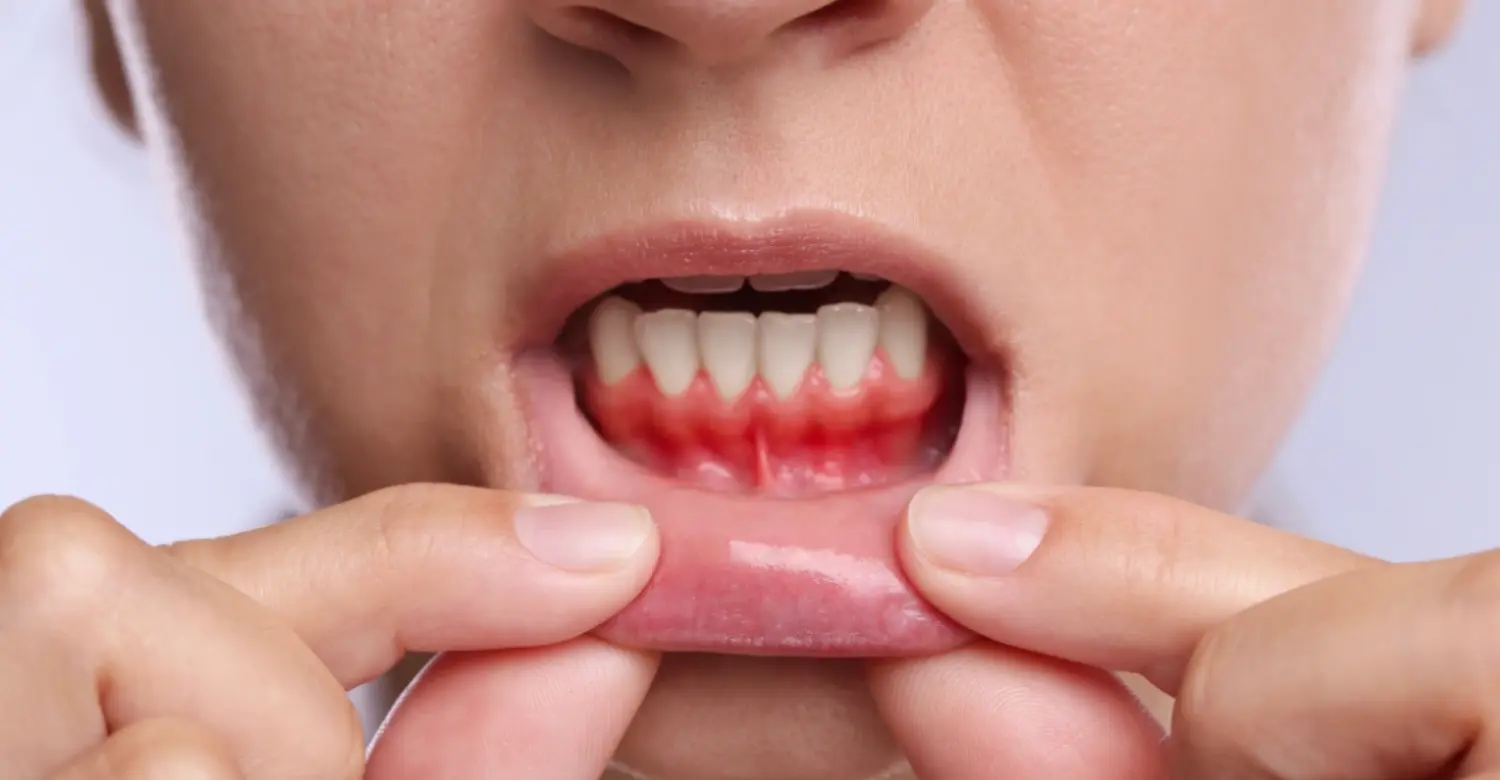
Importance of Professional Periodontal Care
Professional periodontal care plays an important role in maintaining healthy gums and preventing further damage. Dentists and periodontal specialists can identify problems that may not be visible during everyday brushing and provide treatments designed according to the patient’s needs.
Regular dental evaluations help monitor changes in gum health, control bacterial buildup, and detect signs of progression before they become severe. Professional care is especially important when patients notice symptoms related to the Receding Gums Stages, because the right treatment depends on the severity and cause of the condition.
A personalized approach allows dentists to focus on improving gum health while protecting the natural teeth. This may include preventive recommendations, professional cleaning, or advanced periodontal solutions when required.
At Vitrin Clinic, patients receive careful evaluation and expert guidance to support healthier gums and long-lasting oral wellness.
What Causes Receding Gums?
Several factors can contribute to gum recession, and understanding these causes helps explain why some people experience changes in their gumline. One of the most common reasons is gum disease, where bacteria and plaque create inflammation that weakens the tissues around the teeth.
Brushing habits also play a role. Using too much pressure or incorrect techniques may gradually damage gum tissue. Other possible causes include genetics, naturally thin gums, teeth grinding, misaligned teeth, tobacco use, and insufficient oral care.
Lifestyle habits and dental conditions can influence how quickly gum problems develop. This is why learning about the Receding Gums Stages and their causes can help patients make better decisions about prevention and treatment.
At Vitrin Clinic, dentists evaluate each patient individually to identify the factors affecting their gum health. This allows the clinic to create customized recommendations that address the underlying cause and support stronger, healthier gums.
Common Symptoms of Receding Gums You Should Not Ignore
Recognizing symptoms early can help prevent gum recession from becoming more advanced. One of the most noticeable signs is when teeth begin to appear longer because the gumline has moved downward. Many patients also experience increased sensitivity, especially when eating hot, cold, or sweet foods.
Other symptoms may include gum bleeding, redness, swelling, discomfort while brushing, or changes in the spaces between teeth. Some people may notice that their gums look uneven or that certain areas of the mouth feel different.
These warning signs are important when understanding the Receding Gums Stages because they may indicate that the gums are changing and need professional attention.
Ignoring these symptoms may allow the condition to progress. Vitrin Clinic encourages patients to seek dental evaluation when they notice changes in their gums, helping identify the problem early and choose the most suitable care approach.
How Can You Prevent Receding Gums?
Preventing gum recession starts with maintaining consistent oral care habits and protecting the gum tissue from damage. A proper brushing technique, using a suitable toothbrush, and cleaning between the teeth regularly can help reduce plaque buildup and support healthier gums.
Regular dental visits are also important because professional cleanings and examinations can detect early changes before they become more serious. Avoiding habits that harm gum health, such as aggressive brushing or ignoring gum inflammation, can make a significant difference.
Understanding the Receding Gums Stages helps patients realize that prevention is often easier than treating advanced gum damage. Small daily actions can protect the gums and reduce future risks.
At Vitrin Clinic, dentists provide guidance on maintaining healthy gums and offer professional support based on each patient’s oral condition. Personalized advice helps patients build better habits and protect their smiles over time.
Treatment Options for Receding Gums at Vitrin Clinic
Treatment for gum recession depends on the severity of the condition and the reasons behind its development. After a detailed examination, dentists determine the most appropriate approach to improve gum health and prevent further progression.
Some patients may benefit from professional cleaning, improved oral hygiene guidance, and treatments focused on controlling gum inflammation. More advanced cases may require specialized periodontal procedures designed to restore protection around exposed areas.
The right treatment plan depends on the individual situation, which is why understanding the Receding Gums Stages is important during diagnosis. Each stage may require a different level of care and attention.
At Vitrin Clinic, treatment plans are created according to the patient’s needs, focusing on comfort, oral health improvement, and maintaining a natural-looking smile through modern dental solutions.
How Dentists Diagnose Gum Recession
A proper diagnosis is the first step toward effective gum treatment. Dentists evaluate the condition of the gums, measure the level of recession, check tooth sensitivity, and examine the overall health of the mouth.
During the assessment, dentists may look for signs of inflammation, exposed tooth roots, gum damage, or other factors contributing to the condition. Understanding the current level of gum changes helps determine where the patient is within the Receding Gums Stages.
A complete examination allows dentists to create a treatment strategy that matches the patient’s specific needs rather than applying the same approach for every case.
At Vitrin Clinic, professional evaluation helps patients understand their gum condition clearly and receive recommendations based on accurate assessment and modern dental expertise.
Personalized Gum Treatment Plans
Every patient has different oral health needs, which is why personalized treatment planning is an important part of managing gum problems. After evaluating the condition of the gums, teeth, and surrounding tissues, dentists can create an approach that matches the patient’s specific situation.
The treatment plan depends on several factors, including the severity of the condition, the amount of gum tissue affected, the causes behind the recession, and the overall health of the mouth. Understanding the Receding Gums Stages helps dentists determine the right level of care required for each patient.
A personalized approach may focus on reducing inflammation, improving gum health, protecting exposed areas, and preventing further progression. Some patients may need preventive care, while others may benefit from more advanced periodontal solutions.
At Vitrin Clinic, treatment plans are designed around each patient’s needs. The goal is to provide professional care that supports healthier gums, protects natural teeth, and helps patients maintain a comfortable and confident smile.
Why Choose Vitrin Clinic for Gum Recession Treatment?
Choosing the right dental clinic for gum recession treatment is an important decision because gum health requires careful evaluation and professional experience. Vitrin Clinic focuses on providing personalized dental care with attention to each patient’s condition, concerns, and treatment goals.
The clinic approach is based on understanding the causes and severity of gum problems before recommending solutions. Since every case of gum recession is different, dentists consider the patient’s oral condition and the level of the Receding Gums Stages before creating a suitable plan.
Vitrin Clinic combines modern dental techniques with detailed assessments to help patients manage gum concerns effectively. From early signs to more advanced conditions, professional guidance can help protect the gums and maintain better oral health.
Patients receive support throughout their treatment journey, with a focus on comfort, prevention, and long-term dental wellness.
Conclusion: Protect Your Gum Health by Treating Receding Gums Early at Vitrin Clinic
Gum recession can develop slowly, but recognizing the signs early can make a major difference in protecting your smile. Understanding the Receding Gums Stages helps patients identify changes in their gums and know when professional dental advice may be needed.
From mild sensitivity and early gum changes to advanced recession and exposed tooth roots, each stage requires proper attention. Ignoring symptoms may allow the condition to progress and create more complicated oral health challenges.
Maintaining healthy gums depends on good daily habits, regular dental checkups, and receiving professional care when needed. Early diagnosis and personalized treatment can help manage gum concerns and support stronger oral health.
At Vitrin Clinic, patients receive expert evaluation and customized dental solutions designed to protect their gums and preserve their natural smiles. Taking action early is an important step toward maintaining long-term comfort and confidence.
What are the Main Receding Gums Stages?
Gum recession doesn't happen overnight; it is a progressive condition that moves through several key phases:
Stage 1: Mild Recession (Early Phase) At this stage, the gum tissue just begins to pull back, often exposing only a fraction of a millimeter of the tooth root. It is frequently caused by aggressive brushing or early-stage gingivitis.
Stage 2: Moderate Recession The recession advances closer to the line where the moveable gum tissue meets the firmer tissue attached to the bone. Sensitivity to hot and cold foods typically intensifies during this period.
Stage 3: Advanced Recession The root exposure becomes highly visible, and the delicate "papilla" (the triangle of gum tissue between your teeth) begins to disappear, creating dark triangular gaps.
Stage 4: Severe Recession At this ultimate stage, the recession has completely stripped away the protective attached gum tissue around the root, leading to tooth mobility, severe aesthetic concerns, and a high risk of tooth loss.
What We Notice Clinically
At Vitrin Clinic, our medical team monitors gum recession not just as an isolated aesthetic issue, but as a condition deeply tied to the underlying bone support (periodontitis). When a patient presents with progressive receding gums stages, our clinical observations show a distinct pattern:
Pathological Tooth Migration: As the gums and underlying bone recede, teeth lose their structural "anchor." They may begin to drift apart, flare outward, or twist.
Functional Flaws: Misaligned teeth caused by shifting make it significantly harder to chew comfortably and clean properly, creating a cycle that accelerates further gum loss.
Invisible Bone Loss: Often, by the time a patient notices a receding gum line, significant radiographic bone loss has already occurred underneath.
The Medical Insight: Can Orthodontics and Specialized Therapy Help?
Recent scientific literature, including a comprehensive study highlighted in PubMed Central (PMC11853809), sheds light on advanced management techniques for severe periodontal issues. The research emphasizes that when gum recession and bone loss reach advanced phases (Stages III and IV), a multi-disciplinary approach yields the best results.
According to the study, combining periodontal cleaning with specialized orthodontic management can dramatically improve patient outcomes. Correcting tooth positioning can actually facilitate radiographic bone regeneration and significantly reduce pocket depths, helping to stabilize the gums.
Expert Opinion from Vitrin Clinic
To understand how these clinical findings translate into real-world patient care, we spoke with the architect of our treatment philosophies.
Dr. Rifat Alsaman, the Head of the Medical team at Vitrin Clinic and a renowned cosmetics dentist, shares his professional perspective on managing this condition:
"When patients look up the different receding gums stages, they are often looking for an aesthetic fix. However, as a cosmetics dentist, I always emphasize that a beautiful smile cannot exist without a healthy foundation. At the Vitrin Clinic, we look at the root cause.
The recent clinical data confirms what we practice daily: correcting the alignment of teeth isn't just about cosmetic appeal. Dr. Rifat Alsaman notes that by strategically aligning teeth through modern orthodontics, we can reverse pathological shifting, stabilize the surrounding bone, and give the gum tissue the structural support it desperately needs to heal."
As the Head of the Medical team at Vitrin Clinic, Dr. Rifat Alsaman advocates for early intervention. Whether you are experiencing the very first stage of sensitivity or dealing with advanced shifting, customized care pathways can stop the progression of recession in its tracks.
Take Control of Your Smile at Vitrin Clinic
Gum recession doesn't have to mean losing your smile. By understanding your specific receding gums stages and intervening with advanced dental therapies, you can restore both the health and aesthetics of your teeth.
If you have noticed changes in your gum line or shifting teeth, schedule a comprehensive consultation with Dr. Rifat Alsaman, Head of the Medical team at Vitrin Clinic. Let our expert cosmetics dentist and periodontal team build a foundation you can smile about.
Ressource :
The stages of receding gums highlight the importance of early diagnosis and timely treatment before significant damage to the gum tissue and supporting bone occurs. A recent scientific review suggests that combining periodontal therapy with stage-specific treatment approaches leads to better clinical outcomes and helps preserve long-term oral health, making regular dental checkups essential for effective prevention and management.
FAQs

Dr. Rifat Alsaman has more than 5 years of clinical experience in dentistry and currently serves as the Head of the Medical Team at Vitrin Clinic. He is dedicated to providing exceptional patient care, overseeing treatment planning, and ensuring the highest clinical standards across the team. His expertise, attention to detail, and commitment to continuous professional development have helped countless patients achieve healthier, more confident smiles.
.webp&w=3840&q=75)


