Dental Implant
August 5, 2026
Regrowing Teeth: Can Humans Really Grow New Teeth Instead of Dental Implants?
 Dr. Rifat Alsaman
Losing natural teeth has always been considered a permanent condition, requiring solutions like dental implants, bridges, or dentures. However, advances in regenerative dentistry have changed how scientists view tooth replacement. Researchers worldwide are investigating whether the human body can be guided to create new teeth again.
Regrowing Teeth is an emerging field that focuses on activating biological processes involved in tooth development. Scientists are studying stem cells, growth factors, tissue engineering, and genetic pathways to understand how new teeth could eventually be formed.
Current research does not mean patients can grow a complete new set of teeth today. Most treatments remain experimental and are being tested through laboratory studies and early clinical research. However, progress in regenerative medicine offers hope for future alternatives to traditional tooth replacement.
At Vitrin Clinic, advanced tooth replacement decisions are based on current scientific evidence. The focus remains providing reliable treatments today while following innovations that may shape the future of dentistry.
Tooth loss remains a major global oral health challenge. According to the World Health Organization (WHO), nearly 3.5 billion people worldwide are affected by oral diseases, with untreated dental decay and periodontal disease being among the leading causes of tooth loss.
What Is Regrowing Teeth?
Regrowing Teeth refers to scientific approaches designed to stimulate the formation of new natural teeth after tooth loss. Unlike traditional treatments that replace missing teeth with artificial structures, regenerative approaches aim to restore biological tooth development.
The process involves understanding how teeth naturally form during early human development. Researchers study dental stem cells, signaling molecules, and tissue interactions that control tooth formation.
According to current scientific knowledge, humans naturally develop two sets of teeth: primary teeth and permanent teeth. The challenge is activating dormant biological mechanisms that could potentially create another generation of teeth.
Research in regenerative dentistry has expanded significantly during recent years. Studies involving animals have demonstrated promising results, while human applications are still under investigation.
The goal is not simply replacing missing teeth but restoring a fully functional biological tooth. This includes enamel, dentin, pulp tissue, nerves, blood vessels, and supporting structures.
Understanding Tooth Regeneration and Why It Matters
Tooth regeneration focuses on rebuilding damaged or missing dental tissues through biological methods. This approach is important because natural teeth contain complex structures that artificial replacements cannot completely duplicate.
A natural tooth has multiple integrated components. These include enamel, dentin, pulp, periodontal ligament, and surrounding bone support. Creating these structures artificially remains extremely challenging.
Researchers believe regenerative methods could improve future dental care. Instead of placing an artificial implant, patients may eventually receive treatments that stimulate their own body to develop replacement teeth.
Statistics from dental health organizations show that millions of adults worldwide experience tooth loss because of decay, gum disease, trauma, or aging. This creates a significant demand for improved replacement options.
Regenerative dentistry may become especially valuable for younger patients, individuals with congenital missing teeth, and people who have experienced severe dental injuries.
How Adult Teeth Normally Develop
Human tooth development follows a highly organized biological process. It begins before birth and continues through childhood as primary and permanent teeth form.
During development, specialized cells communicate through molecular signals. These signals control the growth, shape, and mineralization of each tooth.
Permanent teeth usually replace primary teeth between childhood and adolescence. After this process finishes, humans generally do not naturally produce additional teeth.
Scientists studying regeneration examine these early developmental pathways. Their goal is understanding whether these mechanisms can be reactivated later in life.
Tooth formation requires precise coordination between epithelial cells and mesenchymal cells. Any future regenerative treatment must recreate this complex communication system.
Modern biotechnology allows researchers to study these processes more accurately. Advanced imaging, genetic analysis, and stem cell research continue improving knowledge about tooth development.
Why Humans Usually Cannot Regrow Lost Teeth
Humans cannot naturally replace lost permanent teeth because tooth development mechanisms become inactive after adulthood.
Unlike some animals, humans do not maintain continuous tooth replacement systems. Species such as sharks can repeatedly replace teeth because their biological pathways remain active throughout life.
After permanent teeth develop, specific genes and cellular signals involved in tooth formation become largely inactive. This prevents uncontrolled tooth growth but also limits natural regeneration.
Scientists are investigating whether these inactive pathways can be safely stimulated. The challenge is creating a controlled process that produces correctly shaped and functional teeth.
Uncontrolled activation could create abnormal tissue growth or improperly formed structures. Therefore, safety remains one of the most important concerns in regenerative dentistry research.
Understanding why humans cannot naturally replace teeth helps researchers design future therapies. It provides the foundation for developing targeted regenerative treatments.
The Difference Between Tooth Repair and True Tooth Regrowth
Tooth repair and tooth regrowth are different concepts within modern dentistry. Tooth repair focuses on restoring damaged areas of an existing tooth.
Examples include fillings, crowns, and procedures that protect weakened dental structures. These treatments preserve the remaining natural tooth but do not create a completely new tooth.
True tooth regeneration aims to develop an entirely new biological tooth. This means recreating all essential components, including enamel, dentin, pulp, and supporting tissues.
Current regenerative research focuses on achieving this complete biological restoration. Scientists are exploring stem cells and tissue engineering methods to reach this goal.
Although some treatments can stimulate limited repair inside teeth, complete replacement remains experimental.
At Vitrin Clinic, current treatments prioritize proven methods while monitoring advances in regenerative dentistry. Patients receive recommendations based on their condition, long-term goals, and available scientific evidence. First week expectations for Veneers Recovery What To Expect The First Week
Can Humans Regrow Lost Teeth?
The possibility of replacing missing teeth naturally has become one of the most discussed topics in regenerative dentistry. Regrowing Teeth research explores whether scientists can reactivate biological pathways responsible for tooth formation.
Currently, humans cannot naturally produce new permanent teeth after losing them. However, researchers have discovered important mechanisms involved in tooth development that may help create future treatments.
Early studies suggest that certain cells inside the body still contain regenerative abilities. Scientists are investigating how these cells can be guided to form organized dental structures.
Human tooth regeneration is not yet an available routine treatment. Most developments remain within laboratories, animal studies, or early-stage clinical research.
Research interest in regenerative dentistry has increased significantly, with hundreds of scientific publications focusing on dental stem cells, tissue engineering, and biological tooth development over the last two decades.
For patients today, treatments such as dental implants, bridges, and advanced restorative procedures remain the reliable solutions. Vitrin Clinic continues following regenerative dentistry developments while providing evidence-based tooth replacement options available today.
Current evidence shows that animal models have successfully demonstrated tooth-like structure formation, but translating these results into predictable human treatments remains the main challenge.
Is Natural Tooth Regrowth Treatment Really Possible?
Natural tooth replacement sounds like a futuristic idea, but scientific progress has made it a realistic research direction. Regrowing teeth depends on understanding the biological signals that control tooth formation.
Researchers have identified specific molecules and genetic pathways involved during early tooth development. These discoveries allow scientists to investigate methods that could stimulate new dental structures.
However, natural tooth regrowth is not currently possible without medical intervention. The human body does not automatically restart tooth development after permanent teeth are lost.
Scientists are exploring several approaches, including stem cell activation, gene regulation, and tissue engineering. These methods aim to recreate the environment needed for tooth formation.
Current evidence shows promise, but more studies are required before patients can access these treatments. Safety, effectiveness, and long-term stability remain major research priorities.
How to Regrow Human Teeth Naturally: What Science Says
Many people search for natural methods to replace missing teeth, but current science does not support any proven natural technique for creating new permanent teeth.
Research into Regrowing Teeth focuses on biological methods rather than home remedies or lifestyle changes. Scientists are studying how cells communicate during tooth development.
A healthy diet, good oral hygiene, and preventive dental care can protect existing teeth. However, these habits cannot restart permanent tooth formation after tooth loss.
Researchers are examining stem cells found in dental tissues, bone, and other parts of the body. These cells may provide important tools for future regenerative therapies.
Current studies indicate that tooth regeneration requires advanced medical technologies. These include controlled cellular stimulation, biological materials, and precise tissue engineering.
Patients should be cautious about products claiming to naturally grow new teeth. Most available claims lack strong scientific evidence.
Third Set of Teeth in Humans: Myth or Medical Reality?
The idea of humans developing a third set of teeth has fascinated scientists and patients for many years. Some researchers believe humans may contain dormant biological instructions related to additional tooth development.
Studies related to Regrowing Teeth investigate whether these hidden pathways can be activated safely. Researchers have identified genes that influence the formation of additional teeth in certain animals.
Some animal species naturally produce multiple generations of teeth. Humans lost this ability through evolution, but certain developmental mechanisms may still exist.
Scientists are exploring whether these mechanisms can be controlled through medications or regenerative techniques. The challenge is producing a complete, correctly positioned, and functional tooth.
At present, a third natural set of human teeth is not medically available. It remains a future possibility rather than an established treatment option.
What Current Research Has Proven So Far
Modern regenerative dentistry has produced important discoveries about tooth development and tissue restoration. Scientists have demonstrated that biological systems can influence dental tissue formation.
Research on Regrowing Teeth has shown encouraging results in laboratory environments and animal models. These studies help researchers understand how cells create tooth-like structures.
Scientists have successfully investigated several regenerative components. These include dental stem cells, growth factors, and tissue scaffolds.
Animal research has provided valuable information about controlling tooth development. However, results from animals cannot always predict outcomes in humans.
Human clinical evidence remains limited. Researchers must confirm that future treatments are safe, predictable, and effective.
Current findings suggest that tooth regeneration is scientifically possible in principle. However, transforming research discoveries into everyday dental treatments requires additional testing and regulatory approval.
Studies in regenerative medicine have demonstrated that dental pulp stem cells can differentiate into multiple cell types, including cells associated with dentin and pulp regeneration.
Animal Studies vs Human Clinical Evidence
Animal studies play an important role in developing future regenerative dental treatments. They allow researchers to test biological processes before involving human participants.
Research related to Regrowing Teeth has shown promising outcomes in animals, including the formation of tooth-like structures under controlled conditions.
Scientists have used animal models to study stem cells, genetic signals, and tissue interactions. These experiments provide information about how regeneration may work.
However, animal results do not guarantee successful human treatments. Human teeth have complex structures requiring precise development and long-term functionality.
Clinical trials involving humans must evaluate safety, effectiveness, and possible side effects. Regulatory organizations require strong evidence before approving new therapies.
Currently, human tooth regeneration remains an emerging research area. The transition from laboratory success to patient treatment is the biggest scientific challenge.
Animal research has provided important evidence because several studies have successfully produced tooth-like structures in animal models. However, only a limited number of regenerative dental approaches have progressed into human clinical trials.
The Biggest Challenges Researchers Still Face
Developing a reliable tooth regeneration treatment requires overcoming several biological and technological barriers. Creating a complete natural tooth is far more complex than repairing existing dental tissues.
One challenge in Regrowing Teeth research is controlling the exact shape and position of newly formed teeth. Teeth must develop correctly to support normal chewing and appearance.
Another challenge involves creating strong enamel. Enamel is one of the hardest substances in the human body and is difficult to reproduce artificially.
Researchers must also ensure regenerated teeth connect properly with nerves, blood vessels, and surrounding bone.
Safety is another major concern. Scientists must prevent uncontrolled cell growth or abnormal tissue formation.
Although progress continues, researchers need more clinical evidence before these treatments become widely available. Future breakthroughs may transform how dentistry approaches tooth loss.
Enamel regeneration remains one of the biggest challenges because enamel-producing cells disappear after tooth development. Unlike bone and some other tissues, mature enamel has very limited natural repair ability.
Clinical Note
From a clinical perspective, regenerative dentistry represents an exciting future direction, but current patient care depends on proven treatments.
Regrowing teeth may eventually provide new possibilities for people who lose natural teeth. However, today’s solutions remain essential for restoring function and confidence.
Dr. Rifat Alsaman from Vitrin Clinic emphasizes that treatment decisions should always consider scientific evidence, oral health conditions, and patient expectations.
Modern implant dentistry provides predictable results for many patients with missing teeth. Advanced planning, digital technology, and personalized approaches improve treatment outcomes.
Following scientific progress allows dental professionals to prepare for future innovations while maintaining high standards of current care.
Patients should understand the difference between promising research and available clinical treatments before choosing any procedure.
Dentists must ensure future regenerated teeth have the same strength, function, and long-term stability as natural teeth before replacing established treatments. Real transformations in Veneers Before And After Real Patient Transformations
How Tooth Regeneration Technology Works
Modern regenerative dentistry combines biology, biotechnology, and engineering to understand how new dental structures could be created. Regrowing Teeth technology focuses on activating natural healing mechanisms inside the body.
Scientists study how cells communicate during tooth formation and how these signals can be recreated after tooth loss. The goal is developing treatments that encourage the body to produce functional replacement teeth.
Several technologies are being investigated, including stem cells, tissue scaffolds, growth factors, and genetic approaches. Each method attempts to recreate the environment required for natural tooth development.
Although these technologies show promise, they are still being developed. Researchers continue studying safety, effectiveness, and long-term outcomes before clinical use.
Future regenerative treatments may change how dentists approach missing teeth. Instead of replacing teeth with artificial materials, dentistry may eventually focus on restoring biological structures.
Dental Stem Cell Tooth Regeneration Explained
Dental stem cells are specialized cells that have the ability to develop into different dental tissues under specific conditions. Researchers believe these cells could become an important component of future regenerative treatments.
Studies related to Regrowing Teeth investigate how dental stem cells can produce enamel, dentin, pulp-like tissues, and supporting structures.
Stem cells can be collected from various dental sources, including tooth pulp and surrounding tissues. Scientists study how these cells respond to biological signals that control development.
The challenge is directing stem cells to create a complete tooth with the correct shape, strength, and function.
Current research has demonstrated tissue regeneration in laboratory environments. However, creating fully functional human teeth remains a complex goal.
At Vitrin Clinic, specialists monitor advancements in regenerative dentistry while continuing to provide evidence-based treatments available for patients today.
Bioengineered Teeth and Tissue Engineering
Tissue engineering combines cells, biological materials, and scientific techniques to create replacement tissues. This approach aims to reproduce the natural environment required for tooth development.
Research into Regrowing Teeth explores whether bioengineered teeth can become future alternatives to traditional replacements.
Scientists use specially designed frameworks called scaffolds. These structures provide support while cells organize into developing tissues.
A successful bioengineered tooth would need multiple components working together. These include enamel, dentin, pulp, nerves, blood supply, and supporting periodontal tissues.
Researchers have achieved promising results in animal models. However, human applications require additional testing and improvements.
The future of tissue engineering depends on controlling biological processes accurately. Scientists must ensure regenerated teeth function naturally and remain stable over time.
Tooth Regrowth Therapy Using Regenerative Medicine
Regenerative medicine focuses on repairing or rebuilding damaged tissues using the body’s natural biological abilities. Dentistry is exploring this field to develop new approaches for tooth loss.
The concept behind Regrowing Teeth therapy involves stimulating biological processes that were active during early tooth development.
Researchers investigate medications, proteins, and cellular signals that may encourage tooth formation. Some studies focus on blocking molecules that prevent additional tooth development.
Regenerative therapies could eventually offer alternatives for specific patients. These may include individuals with congenital tooth absence or severe dental damage.
However, these treatments are not currently available as routine dental procedures. This exact comparison between current options is explored further in our guide to implant vs. bridge.
Scientific progress continues through laboratory research and clinical investigation. Future therapies will require strong evidence before becoming standard dental care.
Regenerative Dental Medicine vs Traditional Dentistry
Traditional dentistry focuses on protecting, repairing, and replacing damaged teeth using proven techniques. These methods include fillings, crowns, bridges, and dental implants.
Regenerative dentistry takes a different approach by attempting to restore natural biological structures. Regrowing Teeth represents one of the most ambitious goals within this field.
Traditional treatments replace missing parts with artificial materials. Regenerative methods aim to encourage the body to rebuild tissues naturally.
Both approaches have important roles in modern dental care. Current treatments provide predictable results, while regenerative solutions represent future possibilities.
Patients today benefit from advanced restorative options supported by years of clinical research. Future regenerative technologies may expand available choices.
Dentists must evaluate each case individually before recommending any treatment approach.
Stem Cells
Stem cells are among the most studied tools in regenerative medicine. They can develop into specialized cells when exposed to specific biological signals.
Researchers studying Regrowing Teeth investigate whether stem cells can recreate dental tissues lost through injury or disease.
Dental stem cells may have potential because they are naturally connected with tooth structures. Scientists examine how these cells can contribute to regeneration.
However, stem cell therapy requires precise control. Incorrect activation could lead to ineffective results or unwanted tissue development.
Current studies focus on improving cell behavior and understanding biological communication.
Although stem cells offer exciting possibilities, they are not yet a replacement for conventional dental treatments. More research is necessary before widespread clinical use.
Growth Factors
Growth factors are biological molecules that influence cell activity, development, and healing. They play an important role in natural tissue formation.
Scientists studying Regrowing Teeth examine how growth factors can stimulate cells involved in tooth development.
These molecules act like communication signals between cells. They can encourage growth, repair, and organization of tissues.
Researchers are investigating whether specific growth factors can reactivate inactive tooth-development pathways.
The challenge is delivering the correct amount at the correct time. Too little stimulation may be ineffective, while excessive activity may create complications.
Growth factors represent a promising area within regenerative dentistry. However, more clinical research is required before they become standard treatment options.
Tissue Scaffolds
Tissue scaffolds are supportive structures designed to help cells organize and develop into functional tissues. They act as temporary frameworks during regeneration.
Research connected with Regrowing Teeth explores how scaffolds can guide dental cells into forming tooth-like structures.
An ideal scaffold must be safe, compatible with the body, and capable of supporting cell growth.
Scientists develop scaffolds using different biological and synthetic materials. These materials help create an environment similar to natural tooth development.
Successful regeneration requires more than creating a structure. The new tissue must integrate with surrounding bone, nerves, and blood vessels.
Although scaffold technology has advanced, complete human tooth regeneration remains under investigation.
Gene Activation Technologies
Gene activation technologies focus on controlling the biological instructions responsible for tooth development.
Scientists studying Regrowing Teeth explore whether specific genes can be safely activated to restart tooth formation.
Certain genes influence the number, size, and development of teeth. Researchers investigate how these genetic pathways work in humans and animals.
Some animal studies have shown that modifying specific signals can influence tooth development.
However, gene-based treatments require careful testing. Researchers must ensure changes are controlled and do not create unwanted effects.
Future advances in genetic medicine may contribute to regenerative dentistry. These technologies could become part of personalized treatment approaches.
What We Notice Clinically
From a clinical perspective, regenerative dentistry is one of the most exciting areas in modern dental science. However, patients must understand the difference between research progress and available treatments.
Regrowing teeth may become a future solution for missing teeth, but current dentistry still depends on predictable methods.
Dr. Rifat Alsaman explains that successful dental care requires evaluating bone health, gum condition, overall oral health, and patient expectations.
At Vitrin Clinic, treatment planning combines modern technology with evidence-based dentistry. Patients receive recommendations based on currently proven procedures.
Regenerative research is followed closely because future developments may expand treatment possibilities. Until then, advanced implants and restorative solutions remain reliable options for many patients. Gallery overview of All On 6 Dental Implants Before And After Gallery
Scientists Regrowing Human Teeth: The Latest Research
Scientific interest in biological tooth replacement has increased significantly as researchers discover more about human development and tissue regeneration. Regrowing Teeth research combines dentistry, molecular biology, and regenerative medicine to explore future solutions for tooth loss.
Researchers worldwide are investigating how dormant biological pathways can potentially be reactivated. These studies focus on stem cells, genetic signals, and tissue engineering methods.
Recent discoveries have improved understanding of how teeth naturally form. Scientists can now analyze cellular communication with greater accuracy through advanced laboratory technologies.
Although results are promising, complete human tooth regeneration remains experimental. Researchers must overcome challenges involving tooth structure, positioning, function, and long-term stability.
Future breakthroughs may create new options for patients who currently depend on implants or other replacement treatments.
The Most Important Tooth Regeneration Research Worldwide
Several international research groups are contributing to advances in regenerative dentistry. Their studies focus on understanding how biological systems could support future tooth development.
Research connected to Regrowing Teeth includes investigations into stem cells, tooth development genes, and regenerative materials.
Universities and biotechnology laboratories are exploring different strategies. Some researchers focus on stimulating existing cells, while others attempt to create bioengineered tooth structures.
Japan, the United States, and several European countries have become important centers for regenerative dental research. These regions have invested heavily in biotechnology and medical innovation.
Studies have produced encouraging laboratory results. However, researchers continue working to translate scientific discoveries into safe human treatments.
The global research community agrees that tooth regeneration requires more investigation before becoming routine dental care.
Tooth Regrowth Clinical Trials Explained
Clinical trials are essential steps before any new medical treatment becomes available to patients. They evaluate safety, effectiveness, and possible risks.
Research involving Regrowing Teeth is moving gradually toward human testing, but most developments remain in early research phases.
Clinical trials usually progress through several stages. Early studies focus on safety, while later studies evaluate effectiveness among larger patient groups.
Researchers must determine whether regenerative treatments can consistently create functional teeth. They also need to confirm that regenerated structures integrate properly with surrounding tissues.
Currently, there are limited human trials compared with other dental treatments. This is because creating a complete biological tooth involves complex processes.
Future clinical studies will provide more information about whether tooth regeneration can become a realistic treatment option.
Which Countries Are Leading Tooth Regeneration Technology?
Different countries are making important contributions to regenerative dental research. Their progress depends on scientific investment, biotechnology development, and medical innovation.
Countries researching Regrowing Teeth include Japan, the United States, South Korea, and several European nations.
Japan has gained attention because of research focusing on biological tooth development and possible future regeneration therapies. Universities and research institutions continue exploring new approaches.
The United States contributes through advanced biotechnology, stem cell research, and tissue engineering programs.
European researchers are also investigating regenerative materials and personalized medical approaches.
Although some countries are leading in specific areas, international cooperation remains essential. Tooth regeneration requires knowledge from multiple scientific disciplines.
What Recent Studies Mean for Future Patients
Recent scientific discoveries have created optimism for patients affected by tooth loss. However, researchers emphasize that experimental progress does not mean immediate availability.
Studies related to Regrowing Teeth suggest that future treatments may offer alternatives to traditional replacement methods.
Patients may eventually benefit from therapies designed around their biological characteristics. Personalized regenerative approaches could improve treatment outcomes.
However, current patients should not delay necessary dental care while waiting for future technologies. Untreated tooth loss can affect chewing ability, bone health, and overall oral function.
Modern dentistry already provides effective solutions through implants, bridges, and restorative procedures.
Future innovations may expand these options, but evidence-based treatment remains essential today.
University Research
Universities play a major role in advancing regenerative dentistry. Academic researchers investigate the fundamental biology behind tooth formation and repair.
Studies involving Regrowing Teeth often begin within university laboratories before moving toward clinical applications.
Researchers analyze cellular behavior, genetic pathways, and tissue interactions. These discoveries create the foundation for future treatments.
Many universities collaborate with hospitals and biotechnology companies to transform laboratory findings into practical therapies.
Academic research also helps identify safety concerns before treatments reach patients.
Although university studies may take years to become clinical solutions, they provide essential scientific knowledge.
Continuous research funding allows scientists to explore new possibilities in regenerative oral healthcare.
Biotechnology Companies
Biotechnology companies are becoming increasingly involved in developing regenerative medical technologies. They combine scientific discoveries with commercial expertise.
Companies researching Regrowing Teeth aim to create treatments that could eventually support natural tooth restoration.
These organizations often work with universities and healthcare institutions. Their role includes developing technologies, conducting studies, and preparing potential therapies for approval.
Biotechnology advances have improved tools for studying cells, genes, and biological materials.
However, developing a safe dental regeneration treatment requires extensive testing. Companies must demonstrate effectiveness and patient safety.
Future partnerships between biotechnology companies and dental specialists may accelerate innovation in regenerative dentistry.
Regulatory Approval Progress
Before regenerative dental treatments become available, they must pass strict regulatory evaluations. These processes protect patients by ensuring treatments are safe and effective.
Research into Regrowing Teeth must meet requirements established by healthcare authorities before clinical use.
Regulators examine scientific evidence, manufacturing standards, treatment safety, and long-term outcomes.
Experimental therapies cannot become routine treatments without strong clinical data. This process can take many years.
Although regulatory approval may slow development, it ensures patient protection.
Future regenerative dental treatments will require approval from medical organizations before dentists can provide them widely. Option comparison: All On 4 Vs All On 6 Dental Implants Which Is Better
Regrowing Teeth Instead of Dental Implants: Can It Replace Traditional Treatments?
The idea of replacing dental implants with biological tooth restoration has attracted significant attention. Regrowing teeth could potentially transform how dentists approach missing teeth in the future.
Dental implants currently provide predictable solutions for many patients. They restore function, appearance, and confidence after tooth loss.
Regenerative approaches aim to create a natural replacement rather than an artificial structure. This could offer advantages related to biological integration.
However, tooth regeneration faces major scientific challenges. Researchers must create teeth that develop correctly and function naturally.
For now, implants remain one of the most advanced and reliable treatments available.
At Vitrin Clinic, specialists evaluate each patient’s needs carefully. Treatment recommendations focus on proven techniques while staying informed about future regenerative developments.
Dental Implants vs Tooth Regrowth Therapy
Dental implants and future regenerative therapies represent two different approaches to replacing missing teeth.
Dental implants use biocompatible materials placed into the jawbone to support artificial teeth. They have decades of clinical evidence supporting their effectiveness.
Research into Regrowing Teeth aims to create biological replacements using the body’s own regenerative abilities.
The main difference is that implants replace missing teeth mechanically, while regeneration attempts to restore natural structures.
Implants are currently available and predictable for many patients. Regenerative therapy remains under development and is not widely accessible.
Future treatments may not completely replace implants. Instead, they may become another option for selected patients depending on their condition.
Modern dental implants have reported high success rates, commonly exceeding 90% when patients have suitable bone quality and maintain proper oral hygiene.
Benefits of Natural Tooth Regrowth Treatment
Future regenerative approaches may offer several potential advantages compared with traditional tooth replacement methods. Regrowing Teeth focuses on restoring biological structures rather than simply replacing missing teeth with artificial materials.
One possible benefit is improved biological integration. A naturally developed tooth could potentially connect with surrounding tissues similarly to original teeth.
Another advantage may involve preserving natural jaw function. Teeth stimulate the supporting bone, helping maintain healthy oral structures over time.
Regenerative treatments may also reduce dependence on artificial materials. This could be valuable for patients who experience limitations with conventional replacements.
However, these benefits remain theoretical until human treatments become clinically available. Current research is still evaluating safety, reliability, and long-term outcomes.
For now, patients should rely on proven dental solutions while scientists continue developing future regenerative options.
Current Limitations of Tooth Regeneration
Although regenerative dentistry has made significant progress, several challenges prevent widespread clinical use today. Creating a complete replacement tooth involves complex biological processes.
Research into Regrowing Teeth faces difficulties related to controlling cell behavior, tooth shape, and proper tissue development.
A regenerated tooth must contain multiple structures working together. These include enamel, dentin, pulp, nerves, blood vessels, and supporting tissues.
Another challenge is timing. Human tooth development normally occurs over specific developmental periods, making adult regeneration more complicated.
Researchers must also prove that future treatments are safe and predictable. Long-term monitoring will be necessary before approval.
While scientific progress is encouraging, patients should understand that regeneration is not currently an alternative to available treatments like implants or bridges.
Which Patients May Benefit Most?
Future regenerative therapies may not be suitable for every patient. Researchers believe certain groups could benefit more from advanced biological treatments.
Studies involving Regrowing Teeth suggest potential applications for patients with specific types of tooth loss or developmental conditions.
Individuals with congenital missing teeth may become candidates because their biological pathways may still provide useful information.
Patients experiencing severe dental trauma could also potentially benefit from future regenerative solutions.
People who have lost teeth due to disease or injury may require different approaches depending on their oral condition.
However, patient selection will depend on future clinical evidence. Dentists will need to evaluate factors such as bone health, genetics, and overall oral stability.
Clinical Note
From a clinical standpoint, regenerative dentistry represents a promising future area, but current treatment decisions must remain based on available evidence.
Regrowing teeth may eventually introduce new possibilities for replacing missing teeth naturally.
Dr. Rifat Alsaman explains that every patient requires an individualized evaluation before choosing any tooth replacement solution.
Factors such as jawbone condition, gum health, oral hygiene, and medical history influence treatment planning.
At Vitrin Clinic, specialists combine digital diagnostics with modern dental techniques to provide predictable outcomes.
While researchers continue exploring regenerative treatments, current procedures such as dental implants remain reliable options for many patients. Procedure outcomes of Root Canal Before And After
New Treatment for Missing Teeth: Current Options Available Today
Although regenerative dentistry is developing rapidly, patients currently have several effective solutions for missing teeth. Regrowing teeth represents a future possibility, but existing treatments remain essential.
Modern dentistry offers different replacement options depending on the number of missing teeth, bone condition, and patient goals.
Dental implants are among the most advanced solutions because they replace both the tooth root and visible crown.
Bridges provide another option by using neighboring teeth for support. Dentures may also help patients restore appearance and function.
Each treatment has different benefits and considerations. Dentists evaluate every case individually before recommending the most suitable approach.
At Vitrin Clinic, treatment planning focuses on creating long-term solutions based on scientific evidence and patient needs. For a full breakdown of this reliable, currently available solution, see our guide to dental implants in Turkey.
Dental Implants
Dental implants are one of the most successful modern treatments for replacing missing teeth. They use a titanium post placed inside the jawbone to support a dental crown.
While future Regrowing Teeth methods continue being researched, implants currently provide predictable results for many patients.
Implants help restore chewing ability, appearance, and confidence. They also support jawbone preservation by replacing the missing tooth root.
The success of implants depends on several factors. These include bone quality, gum health, oral hygiene, and professional treatment planning.
Advanced digital imaging allows dentists to design precise implant procedures.
At Vitrin Clinic, specialists evaluate each patient carefully to determine whether implants are the right solution.
Dental Bridges
Dental bridges are restorative treatments designed to replace missing teeth by connecting artificial teeth to nearby natural teeth or dental restorations.
Research into Regrowing Teeth may change future options, but bridges remain a practical solution available today.
Bridges can improve appearance, chewing function, and speech after tooth loss.
Unlike implants, bridges do not require placement into the jawbone. This may make them suitable for certain patients.
However, bridges require healthy supporting teeth. Dentists must evaluate the surrounding structures before recommending this option.
With proper maintenance, dental bridges can provide long-lasting results. This option is covered in more depth in our guide to the types of dental bridges.
Stem Cell Dentistry
Stem cell dentistry represents one of the most innovative areas within regenerative medicine. It explores how specialized cells may help repair or rebuild dental tissues.
Scientists studying Regrowing Teeth investigate whether stem cells can eventually create complete biological replacements.
Current stem cell applications are mainly focused on research rather than routine dental treatment.
Researchers study how stem cells can develop into different dental tissues, including dentin and pulp-like structures.
Although results are promising, creating a fully functional human tooth remains challenging.
Future developments may allow stem cell dentistry to become part of advanced tooth restoration strategies.
Bioengineered Teeth
Bioengineered teeth are designed through combinations of cells, biological materials, and tissue engineering methods.
The concept behind Regrowing Teeth involves creating structures that closely resemble natural teeth.
Researchers attempt to recreate the complex relationship between enamel, dentin, nerves, and supporting tissues.
Animal studies have shown encouraging results with developing tooth-like structures.
However, producing a complete functional human tooth requires additional scientific breakthroughs.
Bioengineered teeth remain experimental but represent an important direction within regenerative dentistry.
Future Tooth Replacement Alternatives
Future dentistry may include treatment options that go beyond traditional replacements. Scientists are exploring biological solutions that could change how tooth loss is managed.
Research on Regrowing Teeth may contribute to new alternatives involving stem cells, genetic methods, and tissue engineering.
Potential future treatments could focus on restoring natural structures rather than replacing them artificially.
Artificial intelligence may also improve treatment planning by helping researchers personalize regenerative approaches.
However, these technologies require extensive research before becoming available.
The future of dentistry will likely combine existing treatments with advanced regenerative innovations.
Which Option Is Available Today?
Patients currently have access to several proven tooth replacement treatments. These include dental implants, bridges, crowns, and dentures.
Although Regrowing Teeth research continues, complete natural tooth regeneration is not available as a standard clinical procedure.
Dental implants remain one of the most advanced solutions because they closely reproduce natural tooth function.
Treatment choice depends on individual factors, including oral health, bone condition, and personal goals.
Dentists evaluate each case before recommending a solution.
At Vitrin Clinic, specialists focus on providing treatments supported by scientific evidence while monitoring future dental innovations. For patients considering this route, see our guide to best dental dentures.
Which Treatments Are Still Experimental?
Several regenerative treatments remain experimental and are not widely available to patients.
Research involving Regrowing Teeth includes stem cell therapies, bioengineered teeth, and genetic activation methods.
These approaches are being tested in laboratories and selected research environments.
Scientists must prove that these treatments can safely create functional teeth in humans.
Regulatory approval requires extensive evidence about effectiveness and possible risks. Dental symptoms: Teeth Feel Tight
Patients should be careful about clinics or products claiming immediate tooth regeneration.
Currently, experimental therapies should only be considered within approved research studies.
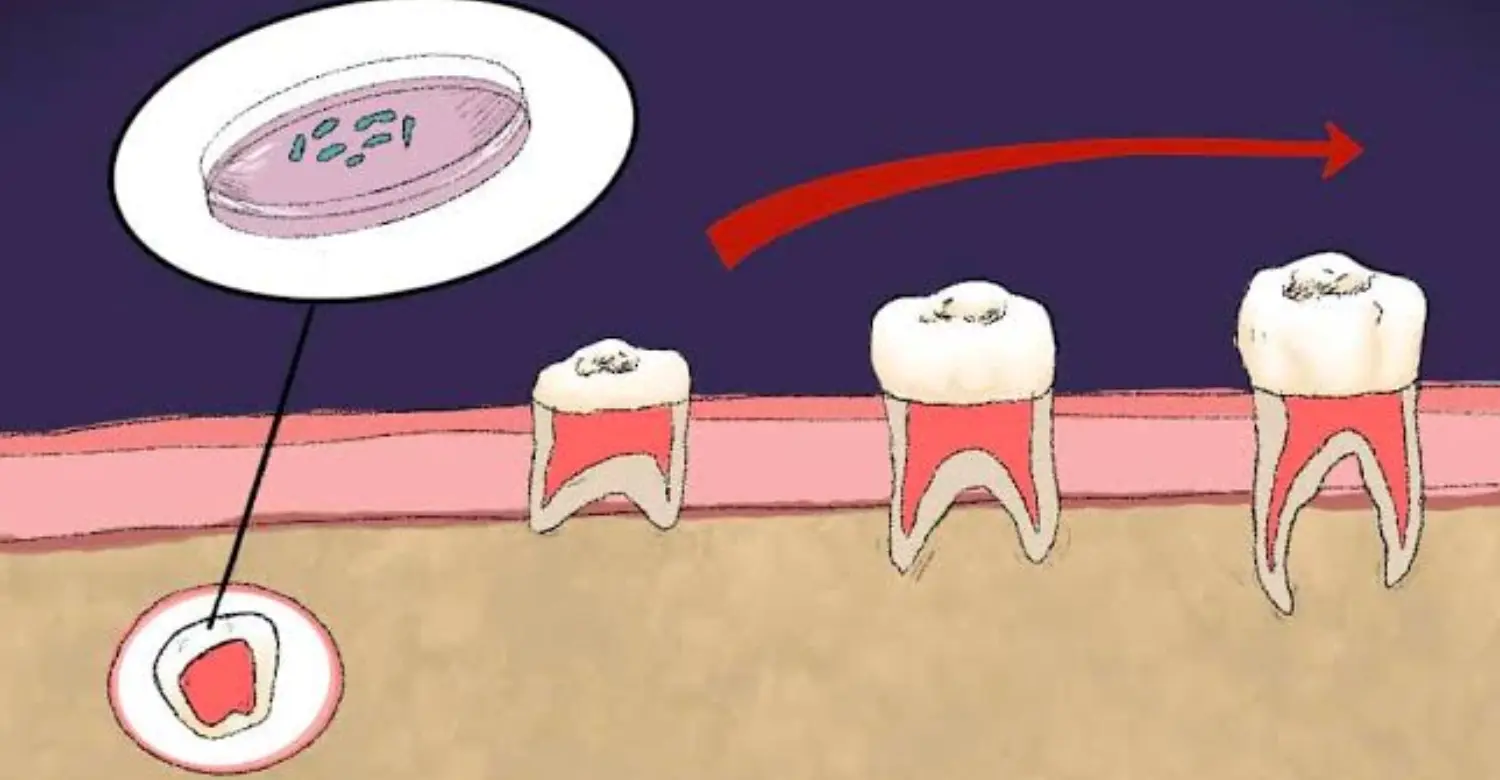
Future of Regenerative Dentistry
Regenerative dentistry is expected to become one of the most innovative areas of future oral healthcare. Scientists are moving beyond repairing damaged teeth toward creating biological solutions for tooth loss.
The development of Regrowing Teeth technology may eventually change how dentists approach missing teeth and complex oral conditions.
Future dentistry may combine stem cell science, genetic research, artificial intelligence, and advanced biomaterials. These technologies could help create personalized treatments based on each patient’s biology.
However, regenerative dentistry will not replace current treatments immediately. Traditional solutions such as implants and restorative procedures will continue playing an important role.
The transition from laboratory discoveries to everyday dental care requires extensive clinical testing. Safety, predictability, and long-term success remain the main priorities.
Future Dental Treatments Expected Over the Next Decade
The next decade may bring significant advancements in regenerative and personalized dental care. Researchers are continuing to explore methods that could improve how missing teeth are treated.
Scientific progress in Regrowing Teeth may lead to new therapies designed to stimulate natural biological processes.
Future treatments may include advanced stem cell applications, improved tissue engineering techniques, and precision-based regenerative procedures.
Artificial intelligence may help dentists predict treatment outcomes and customize therapies according to patient needs.
Despite these developments, researchers expect gradual progress rather than immediate replacement of existing treatments.
Dental professionals will likely continue combining proven procedures with emerging technologies as evidence becomes available.
Advances in Regenerative Oral Health
Regenerative oral health focuses on restoring damaged tissues by supporting the body’s natural healing abilities.
Research related to Regrowing Teeth is part of a broader movement toward biological restoration in dentistry.
Scientists are studying how cells, proteins, and genetic signals interact during tissue development.
New materials are being designed to support cell growth and improve regeneration processes.
Advances in imaging technology also allow researchers to understand dental structures more accurately.
These innovations may improve treatments for tooth loss, gum problems, and damaged dental tissues.
Although many developments remain experimental, regenerative oral health continues to expand rapidly through global scientific collaboration.
Artificial Intelligence and Personalized Regenerative Dentistry
Artificial intelligence is becoming increasingly important in modern dentistry. It helps analyze patient data, improve diagnosis, and support treatment planning.
Future applications connected with Regrowing Teeth may use AI to predict how individual patients respond to regenerative therapies.
AI systems can analyze images, biological information, and treatment results to identify patterns.
Personalized dentistry aims to create treatments based on each patient’s unique characteristics.
In regenerative medicine, this could help determine the best biological approach for different cases.
Although AI cannot replace clinical expertise, it can support dentists in making more informed decisions.
The combination of AI and regenerative science may create more precise dental treatments in the future.
When Could Tooth Regrowth Become Mainstream?
Predicting when regenerative tooth treatments will become widely available remains difficult. Scientific discoveries must pass several stages before becoming routine medical procedures.
Research into Regrowing Teeth suggests future possibilities, but widespread availability may still require many years.
Scientists must complete successful human clinical trials and receive regulatory approval before treatments can reach general patients.
Factors such as safety, cost, manufacturing, and accessibility will influence adoption.
Some experts believe regenerative dentistry could become more common within the next decade or beyond, depending on research progress.
Until then, patients should rely on established treatments supported by clinical evidence.
What We Notice Clinically
From a clinical perspective, regenerative dentistry represents an exciting opportunity, but patient expectations must remain realistic.
Regrowing teeth may become an important future development for tooth replacement.
Dr. Rifat Alsaman explains that modern dentistry must balance innovation with proven clinical methods.
Patients need accurate information before considering any emerging treatment. Many experimental technologies require years of additional research.
At Vitrin Clinic, specialists follow scientific developments while continuing to provide reliable solutions available today.
Combining advanced technology with clinical experience helps create safe and effective treatment plans.
Dr. Rifat Alsaman's Opinion
Dr. Rifat Alsaman believes that the future of dentistry will involve a combination of advanced technology and biological understanding.
Research into Regrowing Teeth demonstrates how dentistry is moving toward more regenerative approaches.
However, he emphasizes that successful treatment depends on accurate diagnosis and evidence-based decisions.
Every patient has different oral conditions, expectations, and treatment requirements.
Current dental solutions remain highly effective for many cases. Future innovations may expand these options rather than completely replace them.
At Vitrin Clinic, patient education is considered an essential part of treatment planning. Pediatric advice: When To Stop Pacifier
Understanding both current solutions and future possibilities helps patients make informed decisions.
Who Could Benefit from Tooth Regrowth Therapy in the Future?
Future regenerative therapies may not be suitable for every patient. Researchers believe certain groups may benefit more from biological tooth replacement approaches.
Studies involving Regrowing Teeth suggest potential applications for individuals with specific causes of tooth loss.
Patients with developmental conditions, trauma-related tooth loss, or complex dental situations may become possible candidates.
Future regenerative treatments may initially focus on patients with specific biological conditions rather than replacing all current implant procedures.
However, future eligibility will depend on scientific evidence and treatment availability.
Dentists will likely evaluate genetics, oral health, bone condition, and overall medical factors.
Regenerative therapy may become another option alongside existing treatments rather than replacing every current procedure.
Tooth loss affects hundreds of millions of adults worldwide, especially older populations and individuals affected by periodontal disease.
Patients with Missing Teeth
Millions of people worldwide experience tooth loss because of decay, gum disease, trauma, or aging.
Future approaches involving Regrowing Teeth may provide new possibilities for patients who currently require artificial replacements.
Researchers hope regenerative methods could restore natural tooth structures instead of using traditional replacement materials.
However, current treatments remain the standard option for restoring function and appearance.
Dental implants, bridges, and dentures continue helping patients improve quality of life.
Future regenerative solutions will likely target specific patient groups after extensive clinical testing.
Young Adults with Congenital Missing Teeth
Some individuals are born without certain permanent teeth due to genetic factors. This condition can affect appearance, chewing function, and confidence.
Future Regrowing Teeth therapies may become especially valuable for these patients.
Researchers are studying developmental pathways involved in tooth formation to understand how missing teeth occur.
Regenerative treatments could potentially stimulate new tooth development in carefully selected cases.
Currently, orthodontic treatment, implants, and restorative procedures remain common solutions.
Future therapies may provide additional options for younger patients with congenital tooth absence. Current solutions for this specific condition are covered in our guide to single tooth implants.
Patients with Severe Dental Trauma
Dental injuries caused by accidents can lead to tooth loss and complex oral problems.
Regenerative research involving Regrowing Teeth may eventually help patients recover damaged dental structures naturally.
Severe trauma can affect teeth, supporting bone, nerves, and surrounding tissues.
Future treatments may focus on rebuilding multiple components rather than replacing only the visible tooth.
However, these approaches are still under investigation.
Current emergency dental care and restorative treatments remain essential after traumatic injuries. Emergency and restorative options after trauma are covered in our guide to emergency dentistry.
Patients with Advanced Tooth Loss
Patients with extensive tooth loss often require comprehensive rehabilitation to restore function and appearance.
Future developments in Regrowing Teeth may provide additional possibilities for individuals with severe dental challenges.
Researchers are exploring whether biological approaches can support complex tooth replacement needs.
Today, treatments such as full-mouth rehabilitation and dental implants remain effective solutions.
Treatment selection depends on bone quality, oral health, and individual patient requirements.
Future regenerative therapies may become another tool for managing advanced tooth loss. For this specific scenario, see our guide to full mouth restoration in Turkey.
Tips for Patients
Patients interested in future dental innovations should focus on protecting their existing oral health.
Understanding Regrowing Teeth research helps patients recognize the difference between scientific progress and available treatments.
Maintaining regular dental visits, healthy gums, and good hygiene remains essential.
Preventing tooth loss is currently more predictable than replacing lost teeth.
Patients should avoid unverified claims about instant tooth regeneration.
Consulting qualified dental professionals helps individuals choose treatments based on evidence and personal needs.
At Vitrin Clinic, patient education supports informed decisions about current and future dental care. Oral habit issues: My Back Teeth Keep Biting My Cheek
Is Regrowing Teeth Available Today?
The idea of replacing missing teeth naturally is becoming more realistic through scientific progress, but it is not currently available as a routine dental treatment.
Regrowing Teeth remains an emerging research field, with most developments still being studied in laboratories and early clinical investigations.
Patients today cannot visit a dental clinic and receive a treatment that grows a complete natural replacement tooth.
Current tooth replacement options include dental implants, bridges, crowns, and dentures. These treatments have established safety records and predictable outcomes.
Researchers continue working to transform laboratory discoveries into practical therapies. Future treatments will require successful human trials and regulatory approval.
For now, patients should focus on protecting natural teeth and choosing proven solutions when tooth loss occurs.
What Patients Can Actually Access in 2026
In 2026, patients will have access to advanced restorative and implant dentistry, but complete biological tooth replacement is not commercially available.
Research into Regrowing Teeth continues worldwide, but current treatments remain focused on restoring function with proven methods.
Dental implants are still considered one of the most reliable options for replacing missing teeth. They provide stability and support similar to natural tooth roots.
Other available treatments include bridges, crowns, and removable prosthetic solutions depending on patient needs.
Regenerative approaches involving stem cells or bioengineered teeth are mainly limited to scientific research.
Patients should consult qualified dental professionals to understand realistic treatment options.
At Vitrin Clinic, specialists evaluate each case individually and recommend solutions based on current evidence.
Which Treatments Are Still in Clinical Trials?
Several regenerative dental technologies remain under investigation and have not reached widespread clinical availability.
Studies related to Regrowing Teeth include stem cell applications, genetic approaches, and tissue-engineered tooth structures.
Clinical trials are designed to evaluate whether these methods are safe and effective for human patients.
Researchers must confirm that regenerated teeth can develop correctly and maintain long-term function.
Regulatory organizations require detailed evidence before approving any new biological treatment.
Experimental therapies may eventually expand dental treatment options, but they must complete scientific evaluation first.
Patients should be cautious about claims suggesting immediate access to regenerative tooth treatments.
What Experts Expect Over the Next 5–15 Years
Experts believe regenerative dentistry may continue advancing significantly during the next decade. However, predicting exact timelines remains challenging.
Research into Regrowing Teeth suggests that future treatments may become possible through improvements in biotechnology.
Scientists expect progress in areas such as stem cell control, tissue engineering, and personalized medicine.
The first available therapies may not work for every patient. They may initially target specific cases with particular biological conditions.
Cost, accessibility, and regulatory approval will influence how quickly these treatments become common.
Traditional dental treatments will likely remain important while regenerative options continue developing.
Future dentistry may combine biological regeneration with existing technologies for better patient outcomes.
Key Takeaways for Patients
Understanding current scientific progress helps patients make informed decisions about tooth replacement.
Regrowing teeth represents an exciting possibility, but it is still a developing area of dental research.
Today, the best approach is preventing tooth loss through proper hygiene, regular checkups, and early treatment.
When teeth are lost, proven options such as implants and restorative procedures provide reliable solutions.
Patients should evaluate information carefully and avoid unrealistic promises from unverified sources.
The future of dentistry may include regenerative therapies, but current care remains focused on safety and predictable results.
Why Patients Choose Vitrin Clinic for Advanced Tooth Replacement
Choosing the right dental clinic is important when considering complex tooth replacement procedures. Patients need specialists who combine modern technology with evidence-based treatment planning.
Although Regrowing Teeth research continues developing, current advanced dentistry requires expertise in available solutions.
Vitrin Clinic focuses on personalized treatment plans based on each patient’s oral condition, goals, and expectations.
The clinic uses modern diagnostic methods to evaluate dental health before recommending procedures.
Specialists consider factors such as bone quality, gum health, facial aesthetics, and long-term function.
This approach helps patients receive treatments designed for their specific needs.
Comprehensive Diagnosis Before Choosing Any Tooth Replacement Solution
A detailed diagnosis is the foundation of successful dental treatment planning.
Before discussing future concepts like Regrowing Teeth, dentists must evaluate the current condition of the patient’s mouth.
Advanced imaging, clinical examination, and digital planning help identify the best treatment approach.
Dentists analyze bone structure, gum health, remaining teeth, and overall oral stability.
This information helps determine whether implants, bridges, or other restorative options are appropriate.
At Vitrin Clinic, comprehensive evaluation supports safe and predictable treatment decisions. This evaluation typically includes the same imaging covered in our guide to CBCT and 3D imaging.
Advanced Digital Smile Planning for Personalized Care
Digital technology has transformed modern dentistry by improving accuracy and patient communication.
While Regrowing Teeth represents future innovation, digital smile planning provides advanced solutions available today.
Three-dimensional imaging and digital simulations help dentists design personalized treatment strategies.
Patients can better understand their expected results before starting procedures.
Digital planning improves accuracy during implant placement and cosmetic restoration.
At Vitrin Clinic, technology supports customized treatment approaches designed around patient needs. This planning process is explained fully in our guide to Digital Smile Design.
Evidence-Based Treatment Decisions Guided by Specialists
Modern dental care requires decisions based on scientific evidence rather than trends or unproven claims.
Research into Regrowing Teeth highlights the importance of following reliable scientific developments.
Dental specialists evaluate available research before recommending treatments.
Each patient requires a personalized approach because oral conditions vary significantly.
Evidence-based dentistry combines clinical experience, scientific research, and patient preferences.
At Vitrin Clinic, specialists focus on treatments supported by established research while monitoring future innovations.
Long-Term Follow-Up and Preventive Dental Care
Successful dental treatment does not end after completing a procedure. Long-term maintenance plays an important role in protecting oral health.
Future developments like Regrowing Teeth may offer new possibilities, but prevention remains essential today.
Regular dental visits help identify problems early and maintain treatment results.
Patients with implants, restorations, or natural teeth benefit from professional monitoring.
Good hygiene habits and preventive care improve long-term oral health outcomes.
Vitrin Clinic emphasizes continued support and follow-up to help patients maintain their smiles.
Why Vitrin Clinic Stays Updated on Regenerative Dentistry
Modern dentistry continues evolving through scientific discoveries and technological advancements.
Following developments related to Regrowing Teeth allows dental professionals to understand future possibilities.
Vitrin Clinic stays informed about emerging research while maintaining focus on reliable treatments currently available.
The clinic combines modern implant dentistry with continuous education about regenerative innovations.
This approach helps patients receive accurate information about both current and future dental options.
Staying updated with regenerative research helps dental professionals explain realistic expectations, avoid misinformation, and guide patients toward treatments supported by scientific evidence.
Following the Latest Scientific Developments in Tooth Regeneration Research
Scientific research changes quickly, especially in regenerative medicine and biotechnology.
Following Regrowing Teeth studies helps dental professionals understand future treatment possibilities.
Researchers continue publishing discoveries related to stem cells, tissue engineering, and biological development.
Keeping updated allows clinicians to separate realistic progress from unsupported claims.
At Vitrin Clinic, scientific awareness supports better patient education and treatment discussions.
Combining Modern Implant Dentistry with Future Innovations
Current implant dentistry provides reliable solutions, while regenerative research explores future alternatives.
The development of Regrowing Teeth may eventually expand available treatment choices.
Until then, implants remain an important option for many patients experiencing tooth loss.
Combining current expertise with awareness of future technology creates a balanced approach.
Vitrin Clinic focuses on delivering proven treatments while preparing for future advancements.
Patient Education Based on Scientific Evidence
Patient education is essential when discussing advanced dental technologies.
Understanding Regrowing Teeth helps patients recognize the difference between research concepts and available procedures.
Dentists should explain benefits, limitations, and realistic expectations.
Accurate information allows patients to make confident treatment decisions.
At Vitrin Clinic, specialists prioritize clear communication and evidence-based recommendations.
Personalized Treatment Recommendations for Every Patient
Every patient has unique dental needs requiring individualized planning.
Future developments in Regrowing Teeth may create personalized regenerative options.
Currently, dentists evaluate factors such as oral health, lifestyle, and treatment goals.
Customized treatment planning improves comfort, function, and long-term satisfaction.
Vitrin Clinic provides personalized recommendations based on each patient’s condition and expectations.
Conclusion: The Future of Tooth Replacement and Regenerative Dentistry
The future of dentistry is moving toward innovative solutions that focus on restoring natural biological structures rather than only replacing missing teeth. Regrowing teeth research has created exciting possibilities through stem cells, tissue engineering, and regenerative medicine.
Although scientists have achieved important discoveries, complete human tooth regeneration is not yet available as a standard treatment. Current options such as dental implants, bridges, and advanced restorative procedures remain the most reliable solutions for patients today.
As research continues, regenerative dentistry may provide new alternatives for specific patients in the future. However, protecting natural teeth through prevention, regular dental visits, and proper oral care remains the best approach.
At Vitrin Clinic, specialists follow the latest scientific developments while providing evidence-based treatments tailored to each patient’s needs. By combining advanced technology, expert care, and continuous learning, the clinic helps patients achieve healthy, confident smiles today while preparing for the future of dentistry.
Reference
FAQs
Dr. Rifat Alsaman has more than 5 years of clinical experience in dentistry and currently serves as the Head of the Medical Team at Vitrin Clinic. He is dedicated to providing exceptional patient care, overseeing treatment planning, and ensuring the highest clinical standards across the team. His expertise, attention to detail, and commitment to continuous professional development have helped countless patients achieve healthier, more confident smiles.


