General Dentistry
September 20, 2026
What Is Relapsing Polychondritis and Oral Health?

Relapsing Polychondritis and Oral Health is a topic worth understanding clearly. RP is an autoimmune disease that specifically targets cartilage and proteoglycan-rich tissues, such as the ears, nose, trachea, joints, and eyes. Teeth are mineralized hard tissue with no cartilage component. This makes a direct link between RP and tooth pain biologically unlikely from the outset, though nearby structures can still be affected.
What Is Relapsing Polychondritis?
Understanding Relapsing Polychondritis and Oral Health begins with the disease itself. RP is a rare condition that causes recurring inflammation of cartilage throughout the body. Because teeth contain no cartilage, oral involvement is uncommon. Structures near the mouth, like the jaw joint, may occasionally be affected.
What Is Relapsing Polychondritis?
Relapsing polychondritis is a rare autoimmune disease. It causes episodic inflammation of cartilage in the ears, nose, airway, and joints. Flares can vary widely in severity and location, which makes the condition unpredictable. It is not classified as a dental disease, though nearby jaw structures may occasionally be involved.
Is Relapsing Polychondritis an Autoimmune Disease?
Yes. The autoimmune classification of relapsing polychondritis reflects an immune system that mistakenly attacks the body's own cartilage tissue. This immune-driven process explains the recurring, unpredictable nature of flares. Since teeth are not cartilaginous, this mechanism doesn't directly target dental tissue the way it targets the ears, nose, or joints.
What Causes Relapsing Polychondritis?
The exact causes of relapsing polychondritis remain unclear. Researchers believe it involves an abnormal immune response against cartilage-specific proteins. Genetic predisposition may play a role in some cases. No specific dietary, dental, or oral trigger has been identified as a direct cause of the condition.
What Are the Symptoms of Relapsing Polychondritis?
Recognizing relapsing polychondritis symptoms helps patients seek timely care. Early signs often appear far from the mouth. When discussing RP and dental health, it helps to remember that the disease's hallmark symptoms — ear and joint inflammation — occur far more often than any dental or oral-specific complaint.
Common Relapsing Polychondritis Symptoms
The earliest and most common signs of RP are auricular chondritis and polyarthritis, which occur in over 80% of patients. Ocular inflammation, such as episcleritis or scleritis, is also common. Dental or tooth-specific symptoms don't feature among RP's classic presenting signs. Instead, the classic signs center on the ears, joints, and eyes.
Can Relapsing Polychondritis Affect the Mouth?
Mouth involvement is uncommon in Relapsing Polychondritis and Oral Health cases, but it can occur indirectly. The most documented connection is rare temporomandibular joint (TMJ) involvement. TMJ issues can cause jaw pain, clicking, or dysfunction, and patients sometimes mistake this for tooth pain since it's felt in the same area.
Relapsing Polychondritis Mouth Symptoms
Reported mouth symptoms of relapsing polychondritis are uncommon. Most are linked to jaw-joint dysfunction rather than the teeth themselves. One documented case described RP occurring alongside synovial chondromatosis of the TMJ. This produced jaw-area discomfort that could be confused with dental pain, despite having a different underlying cause.
Mouth Pain and Discomfort
Mouth or jaw-area pain in RP patients is more likely to stem from TMJ dysfunction than from the teeth directly. Since teeth lack cartilage, RP's core disease mechanism doesn't act on them. This means persistent tooth pain in RP patients is usually explained by an unrelated dental issue.
Oral Swelling and Inflammation
Oral swelling isn't a classic feature of RP. However, chronic inflammatory disease in general can sometimes coincide with gum sensitivity or dry mouth. These changes are more likely tied to treatment or overall inflammation than to RP directly attacking oral tissue, given the disease's cartilage-specific target.
Mouth and Throat Symptoms
RP can affect airway cartilage, occasionally causing throat-related symptoms like hoarseness or breathing difficulty. While not strictly an oral symptom, throat involvement sits close to the mouth anatomically. That's why this topic sometimes covers airway cartilage alongside jaw and dental considerations.
Clinical Note
Oral symptoms can have different causes, so persistent or unusual changes in the mouth should be evaluated by a dental professional.
Relapsing Polychondritis and Oral Health: What Are the Oral Manifestations?
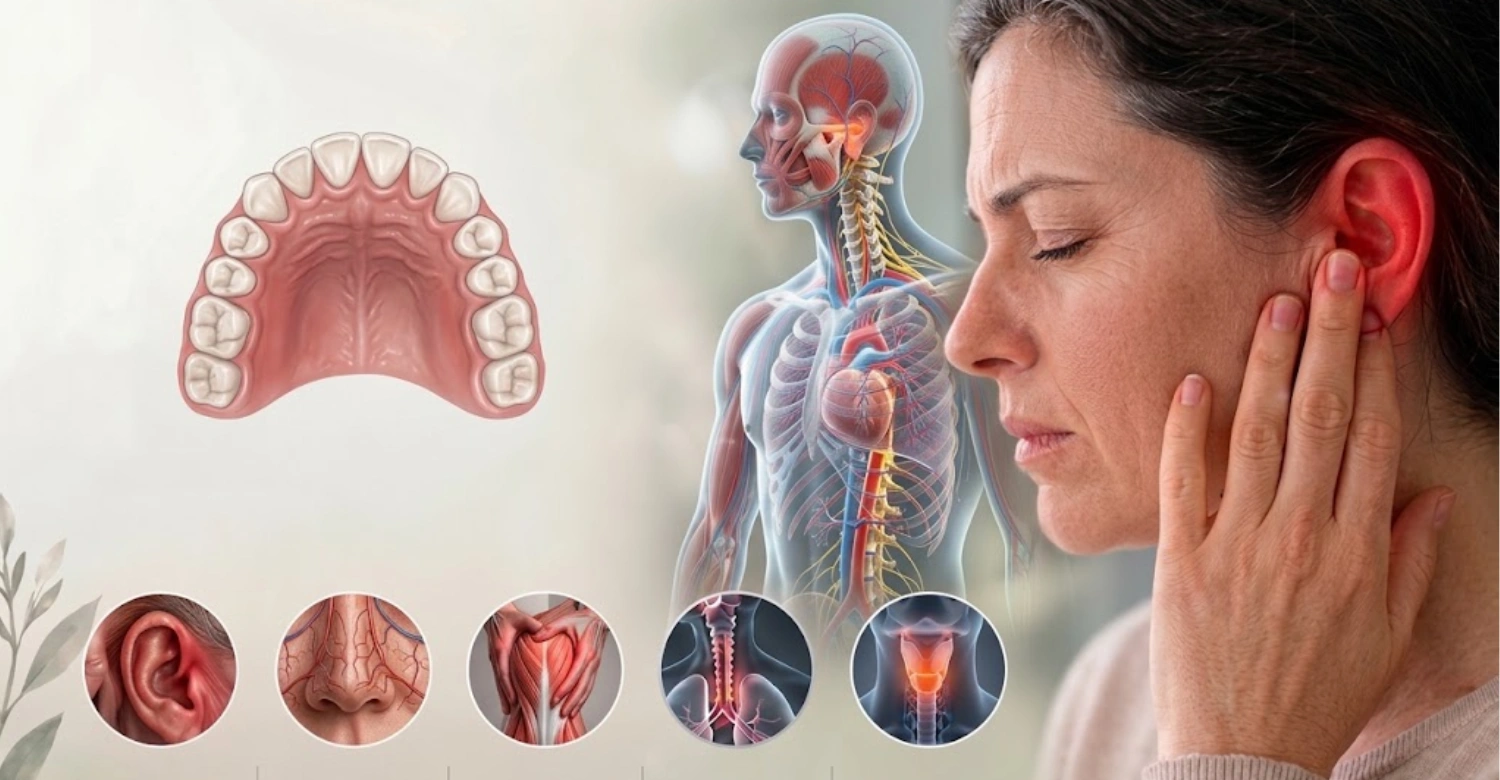
Oral manifestations of relapsing polychondritis remain rare. They are mostly documented through isolated case reports rather than large studies. In this area of research, the two most notable connections are TMJ involvement and oral ulcers linked to an overlap condition, rather than RP acting alone.
Note - All images used are for editorial and illustrative purposes only and may not originate from the original news provider or associated company.
Relapsing Polychondritis Oral Manifestations
Documented oral manifestations of relapsing polychondritis include rare TMJ dysfunction and, in overlap cases, oral ulceration. These findings are uncommon compared to RP's hallmark ear, joint, and eye involvement. This reinforces that the mouth is not a primary or frequent target of this cartilage-focused autoimmune disease.
Can Relapsing Polychondritis Cause Mouth Ulcers?
Mouth ulcers linked to relapsing polychondritis are mainly seen in "MAGIC syndrome," an overlap between Behçet's disease and RP. This overlap condition involves mouth and genital ulcers alongside inflamed cartilage. The ulcers stem from the Behçet's component rather than RP's core cartilage-attacking mechanism, meaning RP alone rarely causes oral ulceration.
Relapsing Polychondritis Oral Ulcers
Oral ulcers linked to relapsing polychondritis are uncommon outside of MAGIC syndrome. Isolated RP without this overlap doesn't typically produce oral ulceration. Patients experiencing persistent mouth ulcers alongside RP symptoms should be evaluated for overlapping conditions, rather than assuming the ulcers stem from RP alone.
How Can Inflammation Affect Oral Health?
Rare cranial nerve involvement, sometimes linked to an underlying vasculitic process, could theoretically produce facial or referred pain near the mouth. This remains an uncommon complication rather than a typical feature. More broadly, chronic inflammation can contribute to dry mouth or gum sensitivity during flares.
Clinical Note
Patients experiencing persistent oral ulcers, pain, swelling, or other changes should discuss these symptoms with their healthcare and dental teams.
What Are the Complications of Relapsing Polychondritis?
Complications of relapsing polychondritis vary widely depending on which cartilage structures are affected, ranging from airway narrowing to joint damage. Within Relapsing Polychondritis and Oral Health considerations, jaw-joint complications are the most relevant. They occasionally produce symptoms that overlap with dental discomfort.
Common Relapsing Polychondritis Complications
Airway collapse, hearing loss from ear cartilage damage, and joint deformity are among the more serious complications of relapsing polychondritis. Oral or dental complications are notably absent from this list. This is because the disease's cartilage-targeting mechanism doesn't directly involve the mineralized structure of teeth.
How Can Complications Affect Oral Health?
Indirectly, RP complications and their treatments can influence oral health. For example, corticosteroids and immunosuppressants may contribute to dry mouth or increased infection risk. These effects relate to managing the disease systemically, not to RP directly damaging oral tissue.
When Should Oral Symptoms Be Evaluated?
Any persistent jaw pain, oral ulceration, or unexplained mouth symptoms in RP patients should be evaluated by a dentist. These symptoms are more likely linked to TMJ dysfunction, medication effects, or an unrelated dental issue than to RP itself.
Tips for the Patients
Maintain good oral hygiene, monitor unusual mouth changes, and inform your dental team about your medical history and current medications.
How Is Relapsing Polychondritis Treated?
Treatment for relapsing polychondritis typically involves corticosteroids and immunosuppressive medications to control flares and reduce cartilage inflammation. Within Relapsing Polychondritis and Oral Health planning, these medications matter. They can influence oral tissue indirectly, even though they don't target the mouth directly.
Relapsing Polychondritis Treatment Options
Common treatment options for relapsing polychondritis include corticosteroids, immunosuppressants, and in some cases biologic therapies. The choice depends on disease severity and organ involvement. Treatment is typically managed by a rheumatologist and tailored to each patient's specific pattern of cartilage involvement.
How Can Treatment Affect Oral Health?
RP medications, particularly corticosteroids and immunosuppressants, can be associated with dry mouth, gum sensitivity, or increased infection risk. These effects coincide with treatment rather than reflecting RP directly attacking oral tissue. Even so, they still matter for overall Relapsing Polychondritis and Oral Health management.
Oral Care During Relapsing Polychondritis Treatment
Maintaining oral care during treatment helps offset medication-related dryness or sensitivity. Regular dental visits allow early identification of any changes. This supports better outcomes for patients managing both their systemic disease and their day-to-day oral health needs.
Managing Oral Discomfort
Oral discomfort during RP treatment is more often linked to dry mouth or medication side effects than to the disease itself. Staying hydrated, using appropriate oral care products, and reporting persistent discomfort to a dental professional can help manage these symptoms effectively.
Maintaining Daily Oral Hygiene
Daily brushing and interdental cleaning remain important regardless of RP status. This is especially true since medication side effects can sometimes increase susceptibility to dental issues. Consistent hygiene habits help reduce the chance of unrelated dental problems compounding existing systemic symptoms.
Monitoring Changes in the Mouth
Patients should monitor for new jaw pain, ulcers, or swelling during treatment. These changes may reflect medication effects, TMJ involvement, or unrelated dental issues rather than RP directly. Reporting changes early supports more effective, coordinated care.
What Should Patients Know About Dental Treatment?
Dental treatment is generally safe for RP patients. Understanding these considerations helps ensure procedures are planned appropriately around disease activity, medications, and any jaw-joint involvement that could affect treatment comfort or approach.
Is Dental Treatment Safe With Relapsing Polychondritis?
Routine dental treatment is typically safe for RP patients, particularly during stable disease periods. Extra care may be needed if TMJ involvement affects jaw movement, or if immunosuppressive medications require additional infection-prevention precautions during certain procedures.
What Should You Tell Your Dentist?
Patients should inform their dentist about their RP diagnosis, current medications, and any jaw-joint symptoms before treatment. This helps the dental team plan appropriately, particularly for procedures requiring extended mouth opening. Such procedures may be affected by TMJ involvement.
Dental Treatment During Active Disease
During active RP flares, dental teams may take extra precautions. This is especially true if jaw-joint inflammation limits mouth opening or if medications affect healing. Coordinating timing with a patient's rheumatologist can help avoid scheduling procedures during periods of higher disease activity.
Dental Examination and Treatment Planning
A thorough dental examination considers a patient's RP history, current medications, and any TMJ symptoms before treatment planning begins. This supports safer, more individualized care within broader Relapsing Polychondritis and Oral Health management.
Preventing Oral Infections
Preventing oral infections is especially relevant for patients on immunosuppressive therapy, since these medications can reduce natural defenses. Good hygiene, regular checkups, and prompt attention to any oral changes all help lower infection risk during treatment.
Coordinating Dental Care With Medical Treatment
More involved dental procedures may benefit from coordination with a patient's rheumatologist, particularly during active flares or medication changes. This helps ensure dental care aligns safely with the patient's broader treatment plan.
Clinical Note
The timing and type of dental treatment may depend on the patient's symptoms, medications, disease activity, and overall medical condition.
How Can You Protect Your Oral Health With Relapsing Polychondritis?
Protecting Relapsing Polychondritis and Oral Health involves consistent hygiene, regular dental visits, and prompt attention to jaw-joint or oral changes. Since direct oral involvement is rare, most protective steps focus on general dental care and monitoring for medication-related effects.
Daily Oral Hygiene
Brushing twice daily, cleaning between teeth, and using suitable oral care products support general oral health for RP patients. Consistent habits are especially valuable given the potential for dry mouth or gum sensitivity linked to certain medications.
Regular Dental Checkups
Routine checkups allow early detection of any oral or jaw-joint changes, supporting proactive management of this condition. Regular visits also give patients a chance to update their dental team on medication or disease activity changes.
Managing Oral Ulcers and Mouth Symptoms
Mouth ulcers linked to relapsing polychondritis are mainly tied to MAGIC syndrome rather than RP alone. For this reason, persistent ulcers should be evaluated for overlapping conditions. Gentle oral care and hydration can help manage general discomfort while awaiting professional assessment.
When Should You See a Dentist?
Patients should see a dentist promptly for persistent jaw pain, oral ulcers, or unexplained mouth symptoms. This is in addition to routine scheduled visits. Early evaluation helps distinguish RP-related jaw-joint issues from unrelated dental problems requiring separate treatment.
Tips for the Patients
Patients should brush regularly, clean between their teeth, attend routine dental examinations, and seek professional evaluation for persistent oral ulcers or unexplained mouth symptoms.
How Can Vitrin Clinic Support Patients With Relapsing Polychondritis?
Vitrin Clinic supports patients navigating Relapsing Polychondritis and Oral Health concerns by taking each patient's full medical background into account. The clinic's dental team considers disease activity, medications, and any jaw-joint symptoms when developing an appropriate treatment plan.
Personalized Oral Health Assessment at Vitrin Clinic
At Vitrin Clinic, oral health assessments consider a patient's broader medical picture, not just their dental condition. This approach is especially relevant for patients managing systemic conditions like RP, where jaw-joint involvement can influence treatment planning.
Individualized Dental Treatment Planning
Vitrin Clinic's dental team works to plan treatment around each patient's individual needs, including any considerations tied to systemic conditions like RP. This means reviewing medications and disease status before recommending or scheduling procedures.
Comprehensive Dental Care at Vitrin Clinic
Vitrin Clinic emphasizes personalized dental planning for patients with systemic conditions. The team evaluates each patient's oral health and medical background when developing a dental care plan tailored to their specific needs.
What We Notice Clinically
Dr. Rifat Alsaman, Head of the Medical team at Vitrin Clinic and a cosmetic dentist, stresses the importance of watching for changes in oral health. This matters especially when managing systemic inflammatory conditions. At Vitrin Clinic, patients can receive an individualized dental assessment based on their oral condition and overall medical needs.
Clinical Note
Vitrin Clinic can tailor dental care to the patient's individual oral health needs while taking relevant medical considerations into account.
Resource:
https://pmc.ncbi.nlm.nih.gov/articles/PMC3420469/
FAQs

Dr. Rifat Alsaman has more than 5 years of clinical experience in dentistry and currently serves as the Head of the Medical Team at Vitrin Clinic. He is dedicated to providing exceptional patient care, overseeing treatment planning, and ensuring the highest clinical standards across the team. His expertise, attention to detail, and commitment to continuous professional development have helped countless patients achieve healthier, more confident smiles.


