General Dentistry
September 20, 2026
Thyroid Eye Disease and Oral Health: How Does it Affect Your Teeth?
 Dr. Rifat Alsaman
Thyroid Eye Disease and oral health may seem unrelated at first. Thyroid Eye Disease (TED) mainly affects the tissues around the eyes. Still, some patients notice mouth-related concerns alongside it. These are not always caused by TED itself. Dry mouth, medications, hydration changes, daily routines, or the thyroid condition may play a role. Patients may notice plaque, gum irritation, periodontal disease, tooth decay, or reduced oral comfort. This article explains the possible link and when to see a dentist. Every symptom needs individual assessment, not assumptions.
Thyroid Eye Disease and Oral Health: Is There a Connection?
Thyroid Eye Disease and dental health are linked mostly through indirect factors. TED is not a direct cause of most dental diseases. However, medical treatment, dry mouth, and changing routines can affect the mouth. Patients with TED may therefore face different dental risks than others. Understanding these connections helps you spot problems early. The sections below explain what is known, what is not, and how a dentist can separate the causes. A clear picture prevents both unnecessary worry and missed warning signs.
What Is Thyroid Eye Disease?
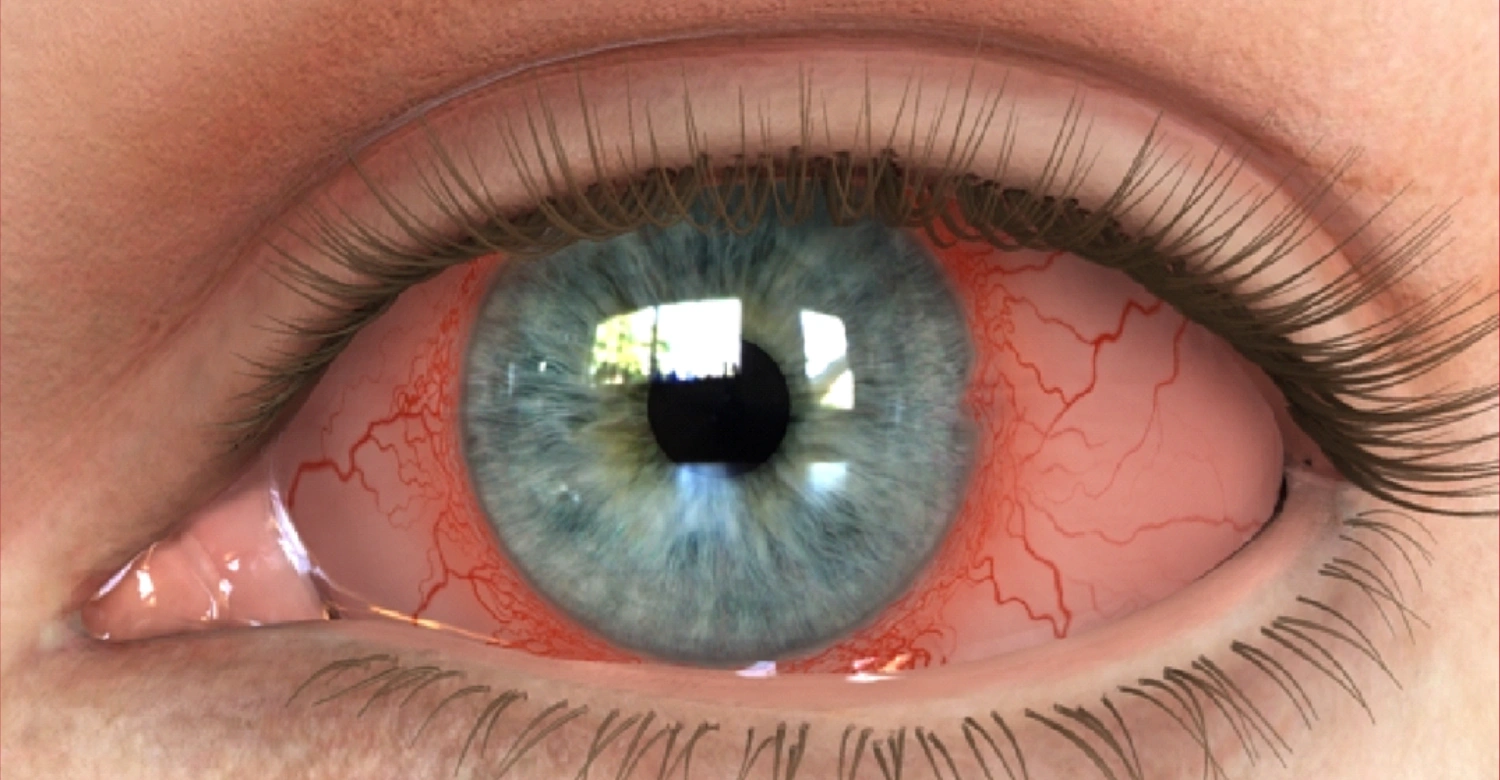
Thyroid Eye Disease is an autoimmune inflammatory condition. The immune system attacks tissues around the eyes, causing swelling, redness, and bulging. It is different from thyroid dysfunction, although the two often appear together. Thyroid problems concern hormone levels, while TED concerns the orbit. Patients may take several medications or attend frequent appointments. These medical factors matter during dental care, because they can influence saliva, healing, and daily habits. That is why Thyroid Eye Disease and oral health deserve to be considered together.
Does Thyroid Eye Disease Directly Cause Oral Problems?
TED is not considered a direct cause of cavities or periodontitis. Those conditions usually develop from plaque, saliva changes, diet, and hygiene. Still, Thyroid Eye Disease and dental health can be connected indirectly. Medications may dry the mouth. Fatigue may reduce brushing. Thyroid status may also affect oral comfort. Your dentist should review your overall medical situation, medications, hydration, and oral hygiene. This avoids blaming TED for problems that have ordinary, treatable causes. Accurate diagnosis always comes first.
Thyroid Eye Disease and Dental Health: What Should Patients Watch For?
Watch for a dry or uncomfortable mouth, increased thirst, or thicker saliva. Plaque buildup, bleeding or inflamed gums, and bad breath are also common signs. Some patients notice tooth sensitivity. When saliva is reduced, tooth decay risk rises. Fatigue, discomfort, or treatment routines can make consistent brushing harder. None of these signs proves TED is the cause. However, they deserve attention. Early checks help protect Thyroid Eye Disease and dental health before minor issues become complex.
Note: All images used are for editorial and illustrative purposes only and may not originate from the original news provider or associated company.
Thyroid Eye Disease and Oral Symptoms: Which Signs Should You Take Seriously?
Not every oral symptom needs urgent care, but some should not be ignored. Thyroid Eye Disease and oral symptoms often overlap with other causes, such as medications or dehydration. Persistent dryness, bleeding gums, loose teeth, swelling, or ongoing bad breath deserve a dental check. Mild, short-lived changes may settle with better hydration and hygiene. The key is duration and severity. If a symptom lasts more than a couple of weeks, book an assessment rather than guessing.
Thyroid Eye Disease and Dry Mouth
Saliva protects your teeth. It neutralizes acids, lubricates tissues, and helps control bacteria. When it drops, dental risk rises. Thyroid Eye Disease and dry mouth can appear together, but TED is not automatically the cause. Medication-related dry mouth, poor hydration, and mouth breathing are common contributors. Your dentist can identify the real source. Persistent dryness should never be ignored, because it affects comfort, gum health, and cavity risk. Simple habits and professional advice support Thyroid Eye Disease and oral health here.
Thyroid Eye Disease and Gum Disease
Reduced saliva lets plaque build up faster, which can inflame the gums. Thyroid Eye Disease and gum disease are linked mainly through this indirect route. Early signs include redness, swelling, tenderness, and bleeding when brushing. These signs are easy to dismiss. However, persistent inflammation should be identified early, before it progresses. Gingivitis is reversible with good care and professional cleaning. Ignoring it allows deeper problems to develop. A prompt dental visit protects both your gums and your comfort.
Thyroid Eye Disease and Periodontal Disease
Gingivitis affects only the gums. Periodontal disease goes further and damages the tissues and bone supporting your teeth. Thyroid Eye Disease and periodontal disease are not considered directly linked, but untreated inflammation can progress quietly. Your dentist may recommend a periodontal evaluation if you notice bleeding, swelling, gum recession, persistent bad breath, or tooth mobility. Early diagnosis allows simpler treatment. Late diagnosis risks tooth loss. Regular measurements of gum pockets help track any change over time.
Thyroid Eye Disease and Tooth Decay
Saliva helps repair early enamel damage. When flow drops, cavity risk rises. Thyroid Eye Disease and tooth decay may be connected through this reduced protection. Plaque, frequent sugar, acidic drinks, and too little fluoride add to the risk. Regular examinations can detect early enamel changes before a cavity becomes large. Early lesions can often be managed with fluoride and remineralization. Waiting until pain appears usually means more extensive treatment. Prevention is simpler, gentler, and more comfortable.
Other Possible Oral Complications
Other oral complications can appear too. Tissues may feel dry, irritated, or burning. Bad breath, increased plaque retention, and tooth sensitivity are also possible. Some patients struggle to wear dentures or other dental appliances when the mouth is very dry. Thyroid Eye Disease and oral complications vary widely between individuals. Therefore, your dentist should examine you rather than assume. Report any new or lasting discomfort promptly to protect Thyroid Eye Disease and dental health. Early advice often prevents small annoyances from becoming larger problems.
Tips for Patients
Keep Oral Hygiene Consistent
Protect Your Mouth From Dryness
Pay Attention to Early Gum Symptoms
Reduce Tooth-Decay Risk
Tell Your Dentist About Your Medical Treatment
Keep Oral Hygiene Consistent
Brush twice daily with fluoride toothpaste and clean between your teeth once a day. Thyroid Eye Disease and oral hygiene go hand in hand, because plaque control becomes more important when saliva is low. Use a soft brush if your gums feel tender. On tired days, keep the routine short instead of skipping it. Even a quick, gentle clean protects your teeth. Set reminders if fatigue or appointments disrupt your schedule. Consistency builds lasting protection for Thyroid Eye Disease and oral health.
Protect Your Mouth From Dryness
Sip water regularly through the day, if your doctor agrees. Limit alcohol-based mouthwashes, which can worsen dryness. Sugar-free gum or lozenges may stimulate saliva. Breathe through your nose when possible, and consider a humidifier at night. Avoid frequent sugary or acidic drinks. If dryness persists, ask your dentist about saliva substitutes. These small changes can improve comfort and reduce cavity risk over time. Thyroid Eye Disease and oral health both improve when dryness is controlled.
Pay Attention to Early Gum Symptoms
Healthy gums do not bleed. If you notice redness, swelling, tenderness, or bleeding when brushing, do not stop cleaning. Gentle, consistent brushing and flossing usually help. Keep an eye on bad breath that does not improve. Persistent symptoms need professional assessment. Catching gum inflammation early can prevent progression to periodontal disease. Note when symptoms started and whether they change. This information helps your dentist diagnose the cause faster and more accurately. Early action is an easier action.
Reduce Tooth-Decay Risk
Use fluoride toothpaste and ask about professional fluoride applications. Reduce how often you snack or sip sugary drinks, since frequency matters more than quantity. Rinse with water after acidic drinks. Do not brush immediately after acid exposure. Attend regular checkups so early enamel damage is found in time. Thyroid Eye Disease and tooth decay concerns become easier to manage when prevention starts early and the routine stays consistent. Small changes lower risk significantly. Ask your dentist which products suit you.
Tell Your Dentist About Your Medical Treatment
Always share your diagnosis, medications, and treatments with your dental team. This may include corticosteroids, immunosuppressive therapy, or thyroid medication. These details influence dry mouth, healing, and treatment safety. Bring an updated medication list to every visit. Never stop or change medication without medical advice. Your dentist can coordinate with your treating physician when needed. Open communication ensures safe, personalized dental care that respects your wider health. Thyroid Eye Disease and oral health care works best when your dentist knows the full picture.
What Causes Oral Problems in Patients With Thyroid Eye Disease?
Oral problems in patients with TED usually have several contributing causes rather than one. Reduced saliva, medication effects, changed daily habits, and the underlying thyroid condition can all play a part. Understanding these factors explains why Thyroid Eye Disease and oral health differ so much from person to person. It also shows why blanket advice rarely works. Your dentist looks at the full picture first. Then the plan targets the real cause, not only the visible symptom.
Reduced Salivary Flow and Dry Mouth
Xerostomia means the sensation of a dry mouth, caused by reduced saliva or altered saliva quality. Saliva cleans, buffers acids, and protects tissues. Without enough of it, plaque and bacteria thrive. Subjective dryness and measurably low saliva are not always the same. A patient may feel dry with normal flow, or the reverse. Your dentist can assess both symptoms and signs. This distinction guides whether Thyroid Eye Disease and dental health care focuses on comfort, prevention, or both.
Medications and Their Oral Effects
Some medications used for thyroid or autoimmune conditions can contribute to dry mouth or altered oral comfort. Some treatments may also influence healing or infection risk. Give your dentist an up-to-date medication list at every visit. This helps them plan safely. Never stop or adjust medication because of a dental symptom without medical advice. Your dentist can suggest oral-care adjustments instead. They can also contact your physician when needed. Medication awareness makes Thyroid Eye Disease and oral health care safer.
Changes in Daily Oral-Hygiene Habits
Living with TED can disrupt routines. Fatigue, discomfort, frequent appointments, dietary changes, and treatment schedules may all make oral care harder. Thyroid Eye Disease and oral hygiene often suffer quietly for this reason. The solution is a realistic routine, not a perfect one. Brush gently twice a day, clean between teeth, and use fluoride. Keep supplies where you can reach them easily. Small, consistent steps protect your teeth better than occasional intense efforts.
The Role of the Underlying Thyroid Condition
Thyroid disorders and TED are related, but they are not identical. TED can occur with overactive, underactive, or normal thyroid function. Each may affect the body differently, including comfort and oral routines. Good medical follow-up therefore matters alongside dental care. Keep your endocrinologist and eye specialist informed about oral symptoms that persist. Ask them how your treatment might affect your mouth. Coordinated care supports Thyroid Eye Disease and oral health together, keeping you comfortable and healthy.
How Are Thyroid Eye Disease and Dental Problems Managed?
Thyroid Eye Disease and dental problems are managed by treating the actual dental diagnosis. TED itself is handled by your medical team. Your dentist focuses on the teeth, gums, and saliva-related risks. Treatment may range from simple prevention to restorative or periodontal care. Everything begins with a thorough examination. From there, the plan is personalized and staged according to your needs. This approach avoids unnecessary procedures and targets what truly matters.
Comprehensive Dental Examination
A comprehensive examination starts with your medical and medication history. The dentist then checks your teeth and existing restorations. Your gums and periodontal condition are examined, and plaque and oral hygiene are evaluated. Dry-mouth symptoms are assessed too. Dental X-rays are taken only when clinically indicated. Together, these findings reveal the true source of any complaint. They also show your risk level for decay and gum disease. Every decision about Thyroid Eye Disease and oral health care rests on this foundation.
Managing Thyroid Eye Disease and Dry Mouth
Managing Thyroid Eye Disease and dry mouth starts with simple steps. Drink water regularly where medically appropriate. Use sugar-free gum or lozenges to stimulate saliva when suitable. Avoid frequent sugary or acidic drinks. If symptoms persist, your dentist may recommend a saliva substitute. Professional fluoride can add extra protection for teeth. Because causes differ, the plan should match your situation. Review the results at follow-up visits and adjust as needed. Patience and consistency usually bring the best results.
Professional Plaque and Calculus Removal
Professional cleaning removes plaque and hardened calculus that brushing cannot. It is appropriate when you have visible buildup, bleeding gums, or bad breath. Removing these deposits reduces bacterial load and supports healthier gums. However, cleaning complements daily oral hygiene. It does not replace it. Your dentist will advise how often you need it, based on your risk. Patients with dry mouth may benefit from more frequent visits. Regular cleaning supports Thyroid Eye Disease and oral health by keeping minor gum issues from becoming serious.
Periodontal Treatment When Gum Disease Is Present
When gum disease is present, treatment starts with non-surgical therapy. Scaling and root planing cleans below the gumline when clinically necessary. Patients with persistent inflammation need periodontal monitoring to keep the disease stable. Advanced cases may require referral to a periodontist for specialist care. Treating gum disease early protects the bone that holds your teeth. Home care remains essential after therapy. Follow your dentist's schedule for maintenance visits. Consistent follow-up protects Thyroid Eye Disease and dental health by preserving your natural teeth.
Treatment of Tooth Decay
Treatment depends on how far decay has progressed. Fluoride-based prevention and remineralization support can arrest or reverse very early lesions. Established cavities need fillings. When decay reaches deeper tooth structures, more advanced restorative treatment may be needed. Early detection keeps treatment small and conservative. That is why regular checkups matter, especially when saliva is reduced. Thyroid Eye Disease and tooth decay risk can be controlled with prevention, timely repair, and consistent home care. Ask your dentist which option suits you.
Managing Advanced Dental Problems
Advanced problems need advanced care. Root canal treatment saves a tooth when the pulp is infected or damaged. Crowns rebuild teeth that have lost substantial structure. When a tooth cannot be restored predictably, replacement options such as implants or bridges are discussed. The choice depends on the actual dental diagnosis, not TED alone. Your dentist explains each option, its benefits, and its limits. Preserving natural teeth remains the first goal whenever it is realistic. Timely treatment keeps options wider.
What Should You Expect Before and After Dental Treatment?
Knowing what to expect reduces anxiety. Dental care for patients with TED follows three stages: preparation, treatment, and aftercare. Each stage considers your medical background and oral condition. Thyroid Eye Disease and oral health needs are reviewed before any procedure begins. Treatment is then adapted to your comfort and tolerance. Afterward, follow-up care protects your results. This structure keeps treatment predictable, safe, and centered on you. The following sections explain each stage in more detail.
Before Treatment
Before treatment, your dentist reviews your medical history and medications. They identify dry-mouth symptoms and periodontal risk. If needed, they consider coordination with your medical team. Imaging or digital diagnostics are used only when clinically indicated. Finally, they build a personalized treatment sequence. This may begin with prevention and gum care before restorative work. A clear plan lets you understand each step, its purpose, and its timing before anything starts. Ask questions freely.
During Treatment
During treatment, comfort and moisture control come first. A dry mouth can make procedures less comfortable, so the team may pause, rehydrate, or adjust techniques. Appointments can be shortened or staged according to your tolerance and medical circumstances. Clear communication is essential. Tell the team if you feel discomfort, fatigue, or dryness. You can request breaks at any time. A relaxed, cooperative approach helps the procedure go smoothly and keeps you comfortable throughout.
After Treatment
After treatment, monitor your gum health and plaque control. Continue preventive fluoride care where appropriate, and maintain hydration when medically suitable. Your recall schedule depends on your individual cavity and periodontal risk. Report persistent dry mouth, bleeding, pain, swelling, or other unexplained changes promptly. Do not wait for the next routine visit. Early attention keeps small issues small. Good aftercare protects your investment and supports Thyroid Eye Disease and oral hygiene in the long term.
What We Notice Clinically
Dr. Rifat Alsaman, Head of the Medical Team at Vitrin Clinic and a cosmetic dentist, evaluates the patient's complete dental condition. He does not assume an oral complaint comes from Thyroid Eye Disease. Dry mouth, plaque, gum inflammation, and cavity risk are assessed individually. He also considers medication history and overall medical background when planning care. TED does not automatically prevent routine dental treatment. The real question is whether the patient needs prevention, periodontal care, restoration, or coordination with their medical team.
Why Individual Assessment Matters
Thyroid Eye Disease and oral health risks differ greatly between patients. One may mainly struggle with dry mouth. Another may have active periodontal disease or untreated cavities. Treating them identically would miss the point. Dr. Rifat Alsaman's approach focuses on diagnosis first and treatment second. Dental procedures are never used to treat the underlying thyroid condition. Each plan addresses only what the examination confirms. This protects patients from unnecessary treatment and ensures real problems are not overlooked.
Clinical Note
Clinical note: the presence of TED is one piece of information, not a diagnosis of your teeth. The dentist still needs to examine the gums, teeth, bite, and saliva. Persistent symptoms deserve assessment, not self-diagnosis. Medication lists and medical history should be shared before extensive care. Where uncertainty remains, coordination with the treating physician is appropriate. This keeps treatment safe and evidence-based. Thyroid Eye Disease and oral complications are best understood through examination, not assumption.
A Dental Perspective on TED and Oral Health
The dental team separates five things. First, symptoms tied to the oral environment. Second, medication-related effects. Third, effects linked to reduced saliva. Fourth, existing dental disease. Fifth, symptoms that need medical evaluation. Dr. Rifat Alsaman recommends disclosing your full medical history before extensive treatment. Persistent oral symptoms should be assessed clinically, not self-diagnosed as a TED complication. Treatment then follows findings: periodontal status, carries risk, imaging when indicated, and your individual needs. This is how Thyroid Eye Disease and dental health are best managed together.
When Should You See a Dentist?
See a dentist regularly, and sooner if something changes. Many oral problems begin silently, so waiting for pain is risky. Thyroid Eye Disease and oral health both benefit from steady preventive care. Some symptoms need prompt attention, while others can be monitored between visits. Complex medical histories may also call for coordination with your doctors. The sections below explain when to book a routine visit, when to seek quick assessment, and when medical coordination helps.
Routine Dental Visits
Preventive examinations matter even without symptoms. Cavities and early gum disease are often painless at first. A checkup finds them while treatment is still simple. Recall intervals should be individual. Patients with dry mouth, high cavity risk, or gum problems may need more frequent visits. Others may need fewer. Your dentist will set the schedule after assessing your risk. Regular visits protect your teeth and reduce surprises. Thyroid Eye Disease and dental health both rely on this steady rhythm.
Symptoms That Need Prompt Dental Assessment
Book a prompt visit for persistent gum bleeding, facial or oral swelling, or severe tooth pain. Tooth mobility, persistent mouth dryness, and recurrent mouth sores also need assessment. So do sudden changes in oral function and bad breath that continues despite good hygiene. Swelling with fever or difficulty breathing or swallowing needs urgent medical care. Do not wait for these symptoms to settle on their own. Early diagnosis is usually simpler, safer, and more comfortable than delayed treatment.
When Medical Coordination May Be Appropriate
Sometimes dental care needs input from your physician. Examples include complex medical histories, medication concerns, significant systemic symptoms, or uncertainty about treatment safety. In these cases, the dentist may contact your treating medical team, when clinically appropriate and with your consent. This ensures timing, medications, and healing are considered together. Coordination is not a delay tactic. It is a safety step that supports better outcomes and gives you confidence in the plan. Open communication makes it work.
Can Thyroid Eye Disease Affect Cosmetic or Restorative Dental Treatment?
Thyroid Eye Disease does not automatically rule out cosmetic or restorative dentistry. What matters is the health of your mouth at the time of treatment. Your dentist assesses teeth, gums, bite, saliva, and medical background first. Then they decide what is safe and sensible. Thyroid Eye Disease and oral health should be stable before elective work begins. Sometimes preparation comes first. The sections below cover veneers, crowns, implants, and why diagnosis always comes before aesthetics.
Dental Veneers and Crowns
TED itself does not automatically exclude veneers or crowns. Before elective treatment, your dentist assesses your teeth, gums, bite, saliva, and overall oral health. Active gum disease or untreated decay must be treated first, where necessary. Otherwise, new restorations may fail early or hide ongoing problems. Once the foundation is healthy, cosmetic work can proceed safely. Careful planning helps results last longer and look natural. Patience at the start protects your investment and your smile.
Dental Implants
Implant candidacy depends on bone volume, gum health, oral hygiene, general medical considerations, and treatment planning. TED does not automatically prevent implants. Active periodontal disease must be controlled before placement, because infection around implants can cause failure. Your medical history and current medications should also be reviewed before surgery. This helps your dentist choose the safest approach and timing. A 3D scan may be used when clinically justified. Individual planning gives implants the best chance to succeed.
Why Diagnosis Comes Before Cosmetic Treatment
Dr. Rifat Alsaman prioritizes oral health and biological stability before aesthetic treatment. Cosmetic dentistry should enhance a healthy foundation. It should never conceal unresolved dental disease. Covering decay or inflamed gums with veneers may look good briefly, but problems continue underneath. Diagnosis first means gums are healthy, decay is controlled, and the bite is stable before design begins. This order protects long-term results. It respects Thyroid Eye Disease and oral health needs first, and appearance second.
How Vitrin Clinic Approaches Patients With Complex Dental Needs
Vitrin Clinic in Istanbul, Turkey, treats patients with complex dental needs through careful, individual planning. Medical conditions are considered, but the dental diagnosis leads to the plan. Modern diagnostic tools and multiple dental disciplines work together when needed. International patients receive clear explanations and organized care. Thyroid Eye Disease and oral health concerns are handled with the same principle: assess first, treat second. The sections below explain how planning, technology, and teamwork fit together.
Individualized Dental Planning
At Vitrin Clinic in Istanbul, Turkey, every treatment plan is built around your specific oral findings. Patients with medical conditions are assessed on what the examination shows, not on diagnosis alone. When several problems exist, the relevant dental disciplines coordinate. For example, gum treatment may come before restorations. This creates a logical sequence and avoids repeated procedures. You receive a clear plan that explains what is needed, why it is needed, and in what order.
Diagnostic Technology When Clinically Indicated
Vitrin Clinic uses digital dental assessment, intraoral scanning, 3D imaging, and CBCT when clinically justified. These tools help evaluate teeth, bone, periodontal structures, and treatment requirements with greater precision. Not every patient needs advanced imaging. Simple cases may need only an examination and standard X-rays. Technology supports the dentist's judgment; it never replaces it. Using it selectively limits unnecessary exposure and cost. The goal is accurate diagnosis and a plan tailored to you. Ask your dentist why any scan is recommended.
Multidisciplinary Dental Care
Complex cases often involve more than one specialty. Periodontal, restorative, implant, endodontic, and cosmetic considerations can be combined when appropriate. Dr. Rifat Alsaman, Head of the Medical Team at Vitrin Clinic and a cosmetic dentist, is part of the clinical leadership guiding this approach. Treatment is planned according to your diagnosis, oral condition, and goals. This teamwork addresses gum health, function, and aesthetics in the right order. Thyroid Eye Disease and oral health are protected at every stage.
Begin With an Individual Assessment
Understanding your Thyroid Eye Disease and dental health situation comes before any recommendation. If you have dry mouth, gum problems, tooth decay, or other oral symptoms, seek a professional assessment. An individual examination shows what is happening and what is truly needed. It also helps you decide with confidence. Book Your FREE Treatment Plan with Vitrin Clinic today. Take the first step toward clear answers and a healthier, more comfortable mouth.
Final Takeaway: Protecting Your Oral Health With Thyroid Eye Disease
Thyroid Eye Disease and oral health are connected mainly through broader medical, medication-related, salivary, and oral-hygiene factors. TED is not a direct cause of every dental condition. Address dry mouth, bleeding gums, tooth sensitivity, decay, or lasting discomfort early. Prevention and individual professional assessment protect your teeth far better than guessing. Vitrin Clinic is ready to help with an individualized dental consultation and treatment plan. Book Your FREE Treatment Plan today and take the first step toward healthier teeth.
References:
FAQs
Dr. Rifat Alsaman has more than 5 years of clinical experience in dentistry and currently serves as the Head of the Medical Team at Vitrin Clinic. He is dedicated to providing exceptional patient care, overseeing treatment planning, and ensuring the highest clinical standards across the team. His expertise, attention to detail, and commitment to continuous professional development have helped countless patients achieve healthier, more confident smiles.


.webp&w=3840&q=75)