General Dentistry
September 20, 2026
Polyarteritis Nodosa and Oral Health: What to Know
 Dr. Rifat Alsaman
Polyarteritis Nodosa and Oral Health is not a combination most patients think about. PAN is a vasculitis. It mainly targets the kidneys, gut, skin, nerves, and heart. Oral involvement is uncommon. It is mostly limited to isolated case reports rather than large studies. Still, understanding this connection matters. Rare complications like tissue damage, numbness, or tooth loosening can occur. They deserve prompt evaluation rather than being dismissed as ordinary dental discomfort.
What Is Polyarteritis Nodosa?
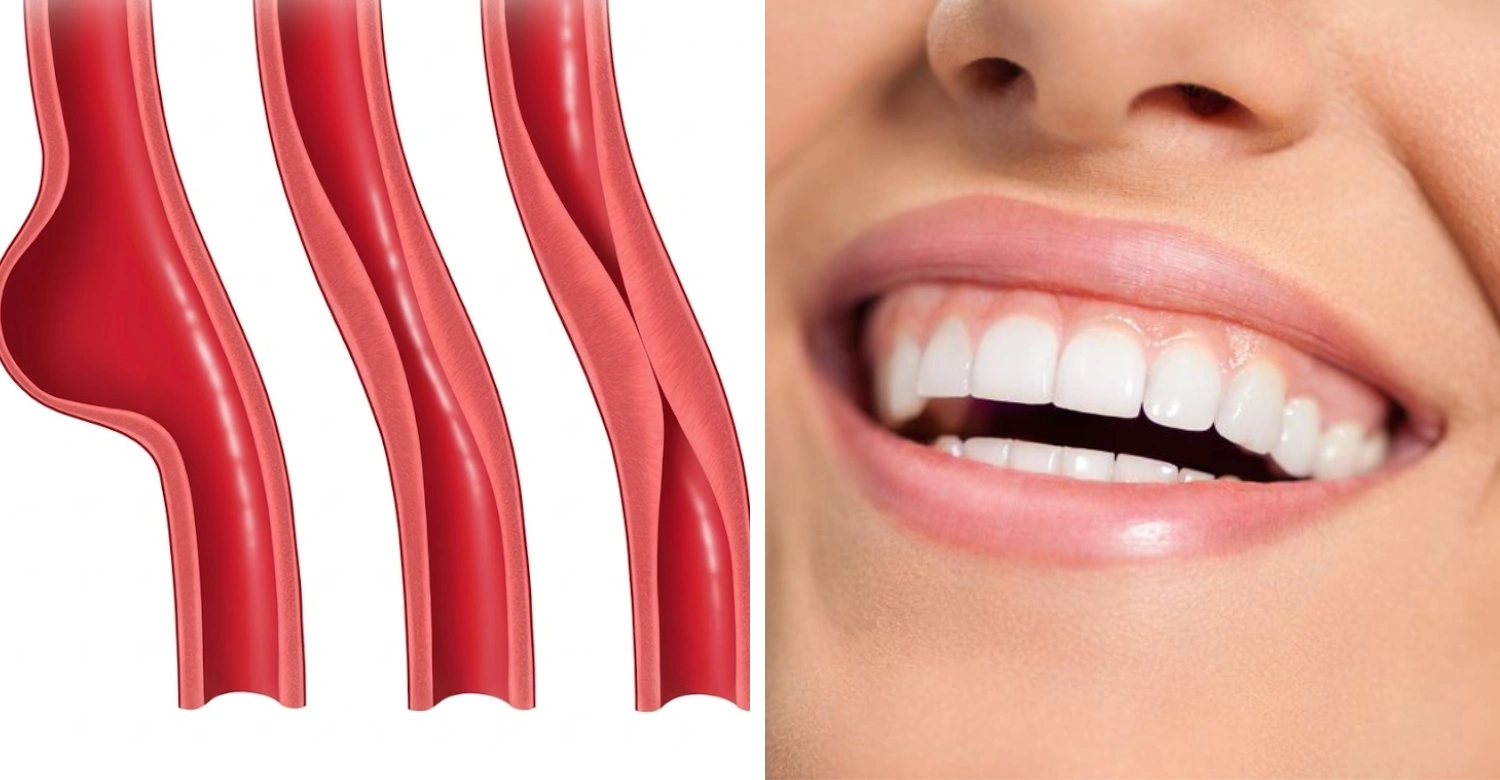
Polyarteritis Nodosa is a systemic vasculitis. Small and medium-sized arteries become inflamed, restricting blood flow to organs and tissues. Understanding PAN and oral health starts here. Reduced blood supply anywhere in the body including rarely the jaw or mouth can eventually produce visible or physical changes worth monitoring.
What Is Polyarteritis Nodosa Vasculitis?
Polyarteritis nodosa vasculitis involves inflammation and damage to artery walls. This can narrow or block blood flow. The process, called ischemia, deprives downstream tissue of oxygen and nutrients. When it affects organs like the kidneys or gut, symptoms are usually more pronounced than any oral changes tied to this condition.
What Causes Polyarteritis Nodosa?
The exact causes of polyarteritis nodosa remain unclear in most cases. It is classified as an autoimmune condition, where the immune system mistakenly attacks blood vessel walls. Some cases are linked to hepatitis B infection. Genetic and environmental factors may also play a role. No single trigger explains every diagnosis.
Who Can Develop Polyarteritis Nodosa?
PAN can affect adults of nearly any age. It is more frequently diagnosed in middle-aged individuals and occurs slightly more often in men. It is considered a rare disease overall. Presentations vary widely. Some people only discover a link between PAN and oral health after unusual dental symptoms prompt further investigation.
What Are the Symptoms of Polyarteritis Nodosa?
Recognizing polyarteritis nodosa symptoms early helps guide diagnosis and treatment. Symptoms range from systemic complaints to organ-specific issues, and in rare instances, oral changes. Because oral involvement in PAN is uncommon, most mouth-related symptoms in these patients still trace back to ordinary dental causes rather than the disease itself.
Common Polyarteritis Nodosa Symptoms
Fever, fatigue, unexplained weight loss, muscle aches, and joint pain are common symptoms. Skin changes, abdominal pain, and nerve-related numbness or weakness may also occur. Against this backdrop of systemic illness, pre-existing dental sensitivity can sometimes feel more noticeable, even without a direct oral cause.
How Can Polyarteritis Nodosa Affect the Mouth?
Oral involvement is rare within discussions of Polyarteritis Nodosa and Oral Health. It is documented mainly through isolated case reports rather than broad clinical data. When it occurs, it reflects real vascular damage restricted blood flow to oral tissue rather than a common or expected symptom of the disease.
Polyarteritis Nodosa Mouth Symptoms
Documented mouth symptoms include tissue necrosis, nerve-related numbness, and, in rare cases, tooth loosening. These are not the same as ordinary toothaches. Patients noticing unusual numbness, tissue changes, or unexplained tooth mobility should seek prompt dental and medical evaluation. They should not assume a routine dental issue is at play.
Mouth Ulcers and Oral Sores
Mouth ulcers are not among the disease's most typical features. Oral sores can sometimes develop as part of broader tissue involvement, though. In documented cases, restricted blood flow has caused necrosis of the tongue. In more severe instances, this extends to the hard or soft palate and salivary glands.
Gum and Oral Tissue Changes
Gum and soft tissue changes tied to PAN are uncommon. They can still reflect underlying vascular compromise. Reduced blood supply to small arteries feeding oral tissue may, in rare documented cases, contribute to visible changes in color, texture, or healing. These changes warrant professional dental assessment.
Pain, Swelling, or Sensitivity in the Mouth
Interestingly, numbness not sharp pain is the more typical jaw-related finding in PAN. This results from nerve ischemia rather than classic dental pain. One documented case involved a patient with six years of PAN. They experienced a loosening lower molar alongside complete numbness of the lower lip and chin.
Polyarteritis Nodosa Oral Manifestations
Reported oral manifestations include tongue necrosis, jaw bone involvement, and nerve numbness. All are linked to arterial damage rather than infection or decay. These manifestations remain rare. This reinforces that most oral symptoms in PAN patients still stem from everyday dental conditions rather than the vasculitis itself.
What Are the Oral Health Complications of Polyarteritis Nodosa?
Complications of PAN affecting the mouth are uncommon. They are clinically significant when they occur, though. One notable case involved a man with six years of PAN. He developed mandibular osteomyelitis bone infection caused by vascular ischemia the first reported case of its kind.
Note - All images used are for editorial and illustrative purposes only and may not originate from the original news provider or associated company.
Can Polyarteritis Nodosa Cause Mouth Ulcers?
Mouth ulcers are not a defining feature of the disease. No large-scale studies confirm a strong or common link. Isolated case reports describe tissue breakdown from restricted blood flow, rather than ulcers resembling common canker sores. Any persistent oral sore should still be professionally assessed.
Can Polyarteritis Nodosa Affect the Gums and Teeth?
In rare documented cases, vascular damage from PAN has contributed to tooth loosening and jaw bone changes. This distinguishes it from ordinary gum disease. A previously reported case showed a molar loosening and eventually falling out due to ischemia-related mandibular osteomyelitis. The patient also had complete numbness of the lower lip and chin.
How Can Systemic Inflammation Affect Oral Health?
Systemic inflammation from PAN can indirectly influence oral health. It can cause fatigue, poor appetite, or a reduced ability to maintain hygiene routines during flares. While this is not a direct cause of dental disease, it can make existing oral sensitivity feel more prominent. This reinforces the value of consistent dental monitoring.
Clinical Note
Patients with Polyarteritis Nodosa may have complex medical needs. Dental treatment should take their overall health, medications, and current disease status into consideration.
How Is Polyarteritis Nodosa Diagnosed?
Diagnosing PAN typically involves clinical evaluation, blood tests, imaging, and sometimes biopsy. Within oral health assessments, dentists play a supporting role. They note unusual findings — such as numbness or tissue changes — that may prompt referral back to a treating physician for further workup.
Medical Evaluation for Polyarteritis Nodosa
A thorough medical evaluation considers systemic symptoms like fever, weight loss, and organ-specific complaints. It also weighs physical examination findings. Because polyarteritis nodosa symptoms can overlap with other vasculitides, doctors often rely on a combination of history, lab markers, and imaging before confirming a diagnosis.
Tests Used to Diagnose Polyarteritis Nodosa
Blood tests, angiography, and tissue biopsy are commonly used to diagnose PAN. They help identify inflamed or damaged arteries. Interestingly, distinguishing PAN from Giant Cell Arteritis often requires biopsy. Giant Cell Arteritis classically causes jaw pain while chewing, and the two conditions can present with overlapping symptoms in rare cases.
Identifying Oral Symptoms During Evaluation
Oral findings are rarely the starting point for a PAN diagnosis. When present, they can offer diagnostic clues. Numbness of the lip or chin, unexplained tooth mobility, or tissue necrosis noted during dental evaluation may prompt closer medical investigation. This is especially true in patients with an existing PAN history.
What Is the Treatment for Polyarteritis Nodosa?
Treatment for PAN typically involves corticosteroids. In more severe cases, additional immunosuppressive medications help control inflammation and prevent organ damage. These medications matter for oral health planning, because they can influence healing, infection risk, and how dental procedures are safely scheduled.
Polyarteritis Nodosa Treatment Options
Common treatment options include corticosteroids, cyclophosphamide, or other immunosuppressants. The choice depends on disease severity and organ involvement. Antiviral therapy may be added when hepatitis B is a contributing factor. Treatment plans are individualized, typically managed by a rheumatologist or a specialist familiar with vasculitis care.
How Treatment May Affect Oral Health
Some PAN medications can affect oral health indirectly. They may increase infection susceptibility or slow tissue healing during immunosuppressive therapy. This is another reason oral health considerations matter during treatment planning. Dental procedures may need timing adjustments based on current medication and disease activity.
Oral Care During Polyarteritis Nodosa Treatment
Maintaining consistent oral hygiene during treatment helps reduce infection risk, particularly with immunosuppressive medications. Patients are encouraged to keep regular dental checkups. They should report any new oral changes promptly and coordinate the timing of dental work with their treating physician when disease activity is high.
Tips for the Patients
Patients should maintain consistent oral hygiene. They should also inform their dental team about their PAN diagnosis, medications, and any changes in their medical condition before undergoing dental procedures.
What Should Patients Know About Polyarteritis Nodosa Dental Treatment?
Dental treatment for PAN patients is generally safe when properly coordinated with a patient's medical history and current disease status. Dentists typically review medications, disease activity, and any prior complications. This happens before proceeding with routine or more involved dental procedures.
Is Dental Treatment Safe With Polyarteritis Nodosa?
Routine dental treatment is typically safe for most PAN patients, especially during stable disease periods. Active flares or certain medications may require extra precautions, such as infection prevention measures or closer monitoring. Communication between dental and medical providers is an important part of safe care.
What Should You Tell Your Dentist Before Treatment?
Patients should share their PAN diagnosis, current medications, disease activity level, and any recent flares before dental treatment. This information helps the dental team plan appropriately. It also helps them anticipate healing considerations and avoid unnecessary risks.
Managing Dental Procedures During Active Disease
During active PAN flares, dental teams may take extra precautions. These include infection control measures and closer monitoring of healing. Coordinating timing with a patient's physician can help ensure dental procedures don't coincide with periods of higher disease activity or medication adjustments that could affect recovery.
Dental Examination and Treatment Planning
A thorough dental examination considers the patient's full medical picture. This includes PAN history and current medications, reviewed before treatment planning begins. This approach supports safer, more individualized care.
Preventing Oral Infections
Preventing oral infections is especially relevant for patients on immunosuppressive therapy. These medications can reduce the body's natural defenses. Good oral hygiene, regular checkups, and prompt attention to any gum or tissue changes all help lower infection risk during PAN treatment.
When Dental Treatment May Need Medical Coordination
More involved procedures, such as extractions or surgery, may require coordination with a patient's rheumatologist. This is particularly true during active disease or recent medication changes. This collaborative approach helps ensure dental care aligns safely with the patient's overall treatment plan.
Clinical Note
The appropriate timing and type of dental treatment can depend on disease activity, medications, and the patient's general medical condition.
How Can You Protect Your Oral Health With Polyarteritis Nodosa?
Protecting oral health with PAN involves consistent hygiene, regular dental visits, and prompt reporting of unusual changes. Because oral complications in PAN are rare but serious when present, staying attentive to new numbness, swelling, or tooth mobility is an important part of long-term self-care.
Daily Oral Hygiene
Brushing twice daily, cleaning between teeth, and using appropriate oral care products support general oral health, regardless of PAN status. Consistent habits are particularly valuable for patients managing systemic inflammation. Fatigue or illness can sometimes make daily hygiene routines harder to maintain during flares.
Regular Dental Checkups
Routine dental checkups allow early detection of any oral changes, including rare findings tied to PAN. Regular visits also give patients an opportunity to update their dental team. They can share changes in medication, disease activity, or new symptoms since their last appointment.
Managing Mouth Ulcers and Oral Discomfort
Mouth ulcers linked to PAN are uncommon, but general oral discomfort can still occur due to systemic illness or unrelated dental issues. Gentle oral care products, staying hydrated, and avoiding irritating foods can help manage discomfort. Persistent or unusual sores should always be evaluated by a professional.
When Should You Seek Dental Care?
Patients should seek dental care promptly if they notice numbness, unexplained tooth looseness, non-healing sores, or unusual swelling. These findings are rare in PAN cases. They may still indicate a complication requiring both dental and medical attention, rather than routine dental treatment alone.
Tips for the Patients
Maintain regular brushing and interdental cleaning. Attend dental examinations. Report persistent mouth ulcers, unusual oral pain, swelling, or other changes to your dental professional.
How Can Vitrin Clinic Support Patients With Polyarteritis Nodosa and Oral Health?
Vitrin Clinic supports patients navigating PAN and oral health concerns with a personalized approach to dental care. The clinic's dental team considers each patient's full medical background, current medications, and disease activity when developing an appropriate and safe treatment plan.
Personalized Dental Assessment at Vitrin Clinic
At Vitrin Clinic, dental assessments take a patient's broader health picture into account, not just their oral condition. This is especially relevant for patients managing systemic conditions like PAN. Medical history can influence how and when certain dental procedures are safely carried out.
Planning Dental Treatment Around Your Medical Needs
Vitrin Clinic's dental team works to plan treatment around each patient's individual medical needs, including considerations tied to PAN and oral health. This means reviewing medications, disease status, and prior complications before recommending or scheduling dental procedures.
Comprehensive Dental Care at Vitrin Clinic
The dental team at Vitrin Clinic emphasizes individualized planning for patients with systemic conditions. Oral health and general health are closely connected. Vitrin Clinic provides personalized dental assessments based on each patient's specific oral and medical needs.
What We Notice Clinically
Dr. Rifat Alsaman, Head of the Medical team at Vitrin Clinic and a cosmetics dentist, considers a patient's overall medical history an important part of dental treatment planning. Vitrin Clinic focuses on assessing individual needs before proceeding with dental procedures, particularly for those managing systemic or vascular conditions.
Clinical Note
Vitrin Clinic's dental team can review the patient's medical history and oral condition when developing an appropriate treatment plan.
Resource:
https://pubmed.ncbi.nlm.nih.gov/6140668/
FAQs
Dr. Rifat Alsaman has more than 5 years of clinical experience in dentistry and currently serves as the Head of the Medical Team at Vitrin Clinic. He is dedicated to providing exceptional patient care, overseeing treatment planning, and ensuring the highest clinical standards across the team. His expertise, attention to detail, and commitment to continuous professional development have helped countless patients achieve healthier, more confident smiles.


.webp&w=3840&q=75)