
Angular stomatitis and cheilosis describe inflammation, cracking, or irritation around the mouth. Angular stomatitis commonly affects the corners of the lips. Cheilosis generally refers to dry, cracked, inflamed lips. These conditions can occur together, especially when nutritional or local factors contribute. Common triggers include saliva exposure, Candida, ill-fitting dentures, and nutritional deficiencies. Iron, vitamin B12, folate, and other deficiencies may contribute to susceptible patients. Persistent symptoms may also indicate another underlying oral or systemic condition. Therefore, recurrent lesions deserve appropriate clinical evaluation. At Vitrin Clinic, oral findings can be assessed alongside dental and denture-related factors. Identifying the underlying cause helps guide appropriate management.
What Are Angular Stomatitis and Cheilosis?
Angular stomatitis and cheilosis describe inflammation and cracking that occur mainly at the corners of the mouth. The affected skin may become red, sore, dry, swollen, or cracked. The condition can affect one or both corners and may make eating, speaking, or opening the mouth uncomfortable. It can develop from several factors, including moisture accumulation, irritation, fungal or bacterial infection, nutritional deficiencies, poorly fitting dentures, or certain medical conditions. Identifying the underlying cause is important because treatment depends on what is triggering the inflammation.
What Is Angular Stomatitis?
Angular stomatitis is inflammation affecting the corners of the mouth. It is also commonly called angular cheilitis or perleche. Lesions often appear as red, cracked, moist, or painful areas. They can affect one or both corners. Bilateral involvement is common, although unilateral lesions can occur. Saliva accumulation is an important contributing factor. Moisture can weaken the skin barrier and encourage microbial growth. Candida species and bacteria can then contribute to inflammation. Other causes include nutritional deficiencies, denture problems, and irritation. The condition is usually diagnosed clinically. Persistent or unusual lesions may require additional investigation.
What Is Cheilosis?
Cheilosis describes dry, cracked, or inflamed lips. It can involve the lip surface or the mouth corners. Nutritional deficiencies are among several possible causes. Iron, riboflavin, vitamin B12, folate, and zinc deficiencies can contribute. Environmental dryness can also worsen lip cracking. Lip licking may increase moisture exposure and irritation. Some medications can cause significant dryness and inflammation. Cheilosis should therefore be considered a clinical sign rather than one specific disease. The underlying cause determines appropriate management. Persistent cracking should be evaluated when routine lip care does not help.
How Are Angular Stomatitis and Cheilosis Related?
These conditions can overlap because both involve lip inflammation. Angular stomatitis specifically affects the mouth corners. Cheilosis can involve broader areas of the lips. Nutritional deficiencies may contribute to both conditions. Saliva exposure can also worsen cracking around the commissures. Candida may contribute when damaged tissue becomes colonized or infected. However, not every cracked lip is caused by infection. Allergic reactions, irritation, dehydration, medications, and dermatological conditions can produce similar findings. Accurate diagnosis therefore requires attention to lesion location and associated symptoms.
Clinical Note
Angular lesions can resemble several other lip conditions. Herpes, contact dermatitis, traumatic lesions, and other cheilitis types can appear similar. Persistent unilateral lesions deserve particular attention. A clinician may consider infection, nutritional deficiencies, medications, or systemic disease.
What Does Angular Stomatitis Look and Feel Like?
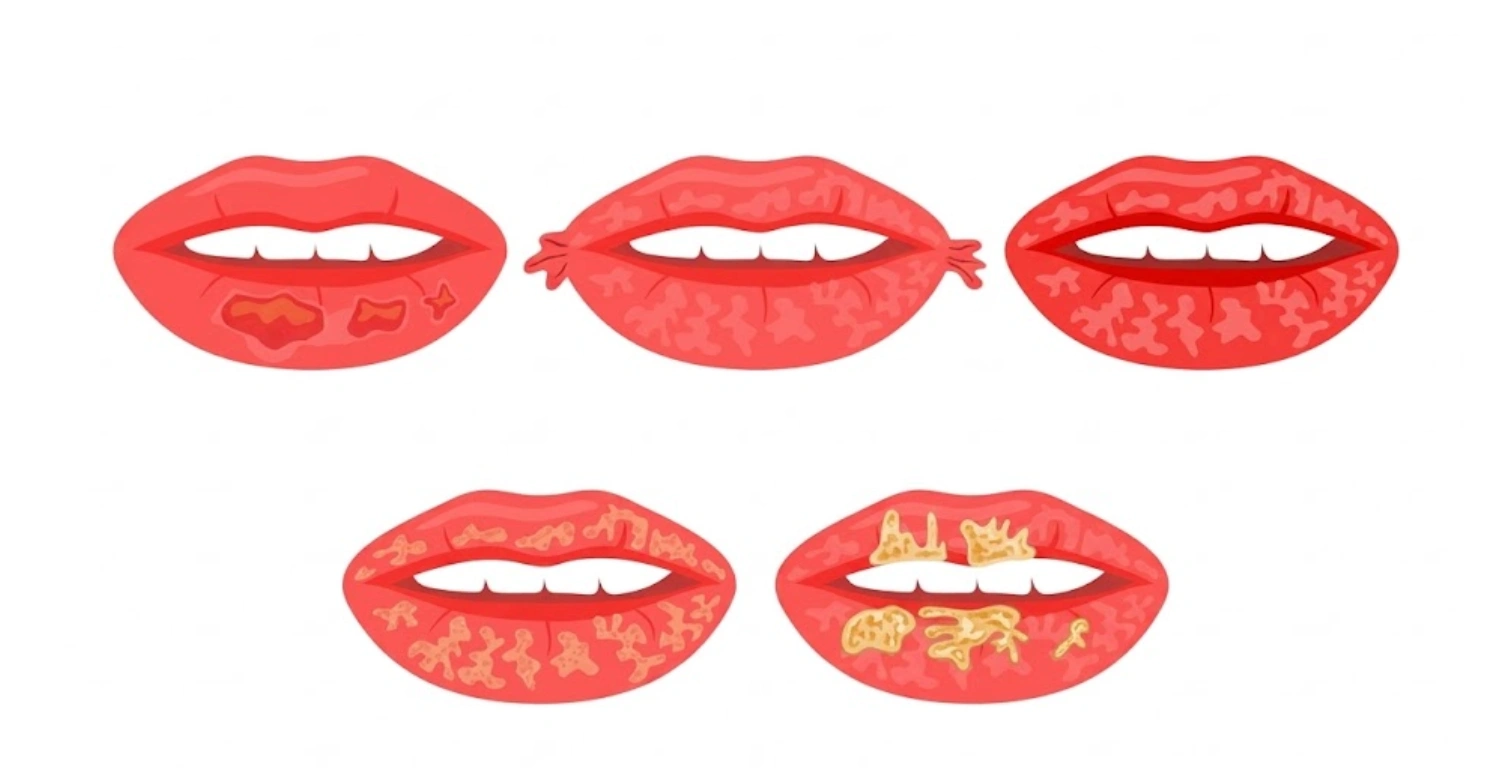
Angular stomatitis and cheilosis commonly appear as redness, scaling, dryness, swelling, or painful cracks at the corners of the mouth. Some people experience burning, tenderness, itching, or discomfort when opening the mouth or eating acidic foods. The skin may become crusted or repeatedly split as the area moves during normal activities. Symptoms can affect one or both sides of the mouth. Because similar signs can occur with different conditions, persistent cracks or inflammation should be examined by a dentist or healthcare professional rather than diagnosed based on appearance alone.
Common Symptoms of Angular Stomatitis
Typical symptoms include redness, cracking, tenderness, burning, and irritation. Some patients notice pain when opening their mouths. The affected corners may become moist or crusted. Fissures can occasionally bleed when the mouth stretches. Lesions commonly occur on both sides. However, one-sided involvement is also possible. The surrounding skin may appear swollen or irritated. Symptoms can become worse when eating acidic or spicy foods. Severe fissuring can interfere with comfortable eating. At Vitrin Clinic, clinicians can examine the affected tissues and surrounding oral structures. This helps distinguish local dental factors from conditions requiring broader medical evaluation.
Cracks and Sores at the Corners of the Mouth
Cracks commonly develop where the upper and lower lips meet. These fissures may initially appear small and superficial. Continued moisture can prevent normal healing. Opening the mouth repeatedly stretches the damaged area. This can cause discomfort or occasional bleeding. Saliva exposure may further weaken the skin barrier. Denture-related changes can increase moisture retention around the corners. Secondary microbial infection can develop in damaged tissue. Patients should avoid repeatedly stretching, picking, or irritating the affected area. Persistent fissures should receive professional assessment.
Redness, Swelling, Burning, and Tenderness
Inflammation can cause visible redness and localized swelling. Burning or tenderness may accompany the visible changes. Symptoms often become more noticeable during mouth opening. Eating can also aggravate sensitive fissured tissue. Moisture, microbial growth, and mechanical irritation can all contribute. Severe inflammation may produce crusting or discharge. However, these findings are not specific to one cause. A dental or medical examination may be needed when symptoms persist. Treatment should target the identified cause rather than symptoms alone.
When Symptoms May Suggest Another Oral Condition
Not every mouth-corner lesion represents angular stomatitis. Herpes can cause painful blisters around the lips. Contact dermatitis can cause broader lip redness and scaling. Oral candidiasis may accompany commissural inflammation. Persistent unilateral lesions may require additional investigation. A clinician should also consider nutritional or systemic conditions. Changes elsewhere in the mouth can provide useful diagnostic clues. At Vitrin Clinic, examination can help identify dental and oral factors. Medical referral may be appropriate when findings suggest a non-dental cause.
What Causes Angular Stomatitis and Cheilosis?
Angular stomatitis and cheilosis can have several possible causes. Saliva collecting at the corners of the mouth can keep the skin moist and irritated, allowing microorganisms to multiply. Candida yeast and certain bacteria may contribute to infection. Other factors include nutritional deficiencies, especially iron or certain B vitamins, denture-related problems, dry mouth, lip licking, skin irritation, and some systemic conditions. More than one factor may be involved in the same patient. A clinical evaluation can help determine whether infection, irritation, nutritional factors, or another underlying issue is contributing to the condition.
Candida and Other Microbial Infections
Candida is a common microbial contributor to angular inflammation. Candida can normally exist in the mouth without causing disease. Damaged, moist tissue can create favorable conditions for overgrowth. Bacteria such as Staphylococcus aureus may also contribute. Current clinical guidance reports microbial organisms in approximately 50% to 80% of lesions. Candida is particularly common among identified organisms. Dentures, poor oral hygiene, diabetes, and immune suppression can increase susceptibility. Treatment therefore depends on identifying the specific contributing factors.
Saliva, Lip Licking, and Moisture Around the Mouth
Saliva exposure is one of the most important local factors. Saliva can repeatedly wet the corners of the mouth. Digestive enzymes may contribute to skin barrier disruption. Lip licking can create the same repeated moisture cycle. Damaged skin then becomes more vulnerable to microorganisms. Deep facial folds can also retain saliva. Drooling may increase exposure during sleep. Breaking this moisture cycle can support healing. Barrier protection may also reduce irritation. Patients should avoid repeatedly licking cracked areas.
Nutritional Deficiencies
Nutritional deficiencies can contribute to lip inflammation and cracking. Iron and B-vitamin deficiencies are particularly relevant. Zinc deficiency may also produce oral and skin manifestations. Current clinical literature estimates that up to 25% of cases may be associated with iron or B-vitamin deficiencies. Deficiencies are more relevant in susceptible populations. These include people with malabsorption disorders or restricted diets. Laboratory testing should be guided by clinical findings. Supplements should not be taken unnecessarily without identifying a deficiency.
Iron Deficiency
Iron deficiency can contribute to oral mucosal changes. Angular lesions may occur alongside glossitis or pale mucosal tissues. Iron deficiency anemia can produce additional systemic symptoms. Recurrent mouth-corner cracking may therefore justify nutritional evaluation. Blood testing can assess iron status when clinically indicated. Treating confirmed deficiency addresses the underlying contributor. Topical treatment alone may not prevent recurrence. Patients should discuss persistent symptoms with their healthcare professional.
Vitamin B12 and Folate Deficiency
Vitamin B12 and folate deficiencies can affect oral tissues. Glossitis and mouth-corner inflammation may occur. Neurological or blood-related findings can accompany significant deficiency. People with absorption disorders may have increased nutritional risk. Strict dietary patterns can also contribute in some circumstances. Laboratory evaluation should follow appropriate clinical assessment. Treating confirmed deficiency may help resolve associated oral findings. Persistent lesions should not automatically be attributed to vitamins.
Dentures and Local Irritation
Ill-fitting dentures can alter the shape of the mouth corners. Reduced facial support may increase skin folding. Saliva can then accumulate within deeper commissural folds. Dentures can also harbor Candida when hygiene is inadequate. A clinical study of 185 denture patients found angular cheilitis in 5.06% of recorded denture-related mucosal lesions. Proper denture fit and hygiene are therefore important. Denture adjustment may be necessary when mechanical factors contribute.
Dry Mouth and Other Oral Factors
Dry mouth can disrupt normal oral tissue protection. It may also encourage irritation and altered microbial balance. Medications, systemic diseases, and certain treatments can cause xerostomia. Smoking can also affect lip and skin condition. Conversely, saliva pooling can contribute directly to mouth-corner maceration. This apparent contradiction highlights the multifactorial nature of the condition. A detailed clinical history can identify relevant triggers.
What We Notice Clinically
Recurrent lesions often involve more than one contributing factor. Saliva exposure can combine with denture problems or microbial colonization. Nutritional deficiency may further impair tissue healing. At Vitrin Clinic, identifying local dental contributors can support appropriate management. Persistent cases may require medical investigation beyond dentistry.
Who Is More Likely to Develop Angular Stomatitis?
Angular stomatitis and cheilosis can affect people of different ages, but certain factors may increase susceptibility. Older adults, people who wear dentures, individuals with dry mouth, and those with nutritional deficiencies may have a higher risk. People with repeated moisture exposure around the lips or conditions affecting immune function may also be more susceptible. Children can develop irritation at the corners of the mouth as well. Risk does not confirm the cause, so persistent symptoms should be evaluated to identify the specific contributing factors.
People With Dentures or Oral Irritation
Denture wearers can develop increased moisture and microbial exposure. Poorly fitting dentures may deepen the mouth-corner folds. Denture surfaces can also support Candida colonization. Regular denture cleaning and professional assessment are important. Dentures should fit comfortably and support appropriate facial contours. Patients should report repeated irritation around the corners.
People With Dry Mouth
People with xerostomia may experience increased oral discomfort. Reduced saliva can change the oral environment. Certain medications are common contributors to dry mouth. However, saliva pooling can also contribute to angular lesions. The relevant mechanism depends on the individual. Clinical evaluation helps identify whether dryness or excess moisture is involved.
People With Nutritional Deficiencies
Nutritional deficiencies can increase susceptibility to mouth-corner inflammation. Iron, B12, folate, riboflavin, and zinc are particularly relevant. Risk can increase with malabsorption or restrictive diets. Recurrent lesions may justify nutritional investigation. Treatment should address confirmed deficiencies rather than presumed deficiencies.
People With Certain Systemic or Oral Conditions
Several systemic conditions can increase susceptibility. Diabetes, inflammatory bowel disease, and immune compromise are examples. Oral candidiasis can also increase commissural inflammation. Medication history can provide important diagnostic information. Persistent or recurrent lesions should therefore be assessed comprehensively.
Is Angular Stomatitis Caused by an Infection?
Angular stomatitis and cheilosis may involve an infection, but infection is not the only possible cause. Candida yeast is commonly associated with affected mouth corners, and bacteria can also contribute in some cases. However, saliva-related irritation, nutritional deficiencies, denture problems, dry skin, and other factors can produce similar symptoms. A dentist or healthcare professional may examine the affected area and consider the patient's medical and dental history to determine whether infection is likely. Treatment should therefore target the identified cause rather than assuming that every case requires an antimicrobial treatment.
Candidal Angular Stomatitis
Candida can contribute significantly to angular inflammation. It often thrives in warm, moist, damaged tissue. Denture wear and oral candidiasis can increase microbial burden. However, Candida presence does not always prove it caused the lesion. Candida can normally colonize healthy mouths. Clinical findings and testing help determine its significance.
Bacterial Involvement
Bacteria can also contribute to mouth-corner inflammation. Staphylococcus aureus is frequently identified alongside Candida. Streptococcal species can also occur. Bacterial involvement may produce crusting or exudation. Treatment should depend on clinical assessment and suspected organisms. Antibiotics should not be used without appropriate indication.
Can Angular Stomatitis Be Contagious?
The condition itself is not automatically contagious. Some cases involve organisms that can spread under certain circumstances. However, saliva exposure, irritation, and individual susceptibility are major factors. Candida commonly exists naturally within the mouth. Therefore, finding Candida does not necessarily mean direct transmission occurred. Good hygiene remains appropriate, especially when infection is suspected.
Clinical Note
Infectious and noninfectious causes can look similar. Testing may help when symptoms persist or initial treatment fails. A clinical examination remains central to diagnosis.
How Is Angular Stomatitis Diagnosed?
Diagnosis of angular stomatitis and cheilosis usually begins with a clinical examination of the corners of the mouth, lips, and surrounding oral tissues. The dentist or healthcare professional may ask about symptoms, medications, denture use, oral hygiene, diet, dry mouth, and relevant medical history. If an infection is suspected, laboratory testing or a swab may sometimes be considered. Blood tests may also be recommended when nutritional deficiency or another underlying medical condition is suspected. The diagnosis is based on the overall clinical picture rather than appearance alone.
What Does a Dentist Look for During an Examination?
Diagnosis usually begins with visual examination of the mouth corners. The dentist evaluates redness, fissures, crusting, swelling, and moisture. The oral cavity is also examined for Candida or other lesions. Denture fit and oral hygiene may be assessed. Medical history can reveal medications or systemic risk factors. The dentist may also ask about recurrent episodes. Persistent unilateral lesions deserve careful assessment. Most straightforward cases can be diagnosed clinically.
When Are Laboratory Tests Needed?
Laboratory tests are not required for every case. Testing becomes more useful when lesions persist or recur. Candida microscopy or culture may help identify fungal involvement. Bacterial cultures can also be considered when indicated. Additional testing depends on clinical findings. Biopsy may occasionally be needed for unusual lesions. A clinician determines which tests provide useful information.
Checking for Nutritional Deficiencies
Recurrent lesions may justify nutritional evaluation. Iron, ferritin, vitamin B12, folate, and other tests can be considered. Testing should reflect the patient's symptoms and medical history. Unnecessary supplementation should be avoided. Confirming a deficiency allows treatment to address the underlying cause.
Identifying Denture or Bite-Related Factors
Dentures can influence mouth shape and saliva retention. The dentist can assess fit, stability, and supporting tissues. Bite relationships can also affect lip closure. Changes in facial support may increase commissural folding. Correcting mechanical factors may reduce recurrence.
How Is Angular Stomatitis and Cheilosis Treated?
Treatment for angular stomatitis and cheilosis depends on the underlying cause. If Candida or bacterial infection is confirmed or strongly suspected, an appropriate topical antimicrobial treatment may be recommended by a healthcare professional. If irritation from saliva, dentures, or skin problems is contributing, addressing the source is important. Nutritional deficiencies may require dietary correction or medically supervised supplementation. Keeping the area clean and dry can also support recovery. Because different causes can produce similar symptoms, patients should avoid using medications without appropriate professional advice, particularly when symptoms are persistent or recurrent.
Treating the Underlying Cause
Treatment depends on the cause and clinical presentation. Saliva exposure should be reduced when it contributes. Denture problems should be corrected when identified. Nutritional deficiencies should receive appropriate replacement. Infection requires targeted antimicrobial therapy when confirmed or strongly suspected. A barrier ointment may protect irritated skin. Recurrent cases require investigation rather than repeated empirical treatment.
Antifungal or Antibacterial Treatment When Appropriate
Antifungal treatment may be used when Candida contributes. Antibacterial therapy may be considered for bacterial involvement. Treatment choice depends on clinical findings and medical history. Patients should not self-prescribe antimicrobial medication. Incorrect treatment can delay diagnosis or cause unnecessary exposure. A healthcare professional should determine appropriate therapy.
Managing Moisture and Lip Irritation
Reducing prolonged moisture can help protect damaged tissue. Patients should avoid repeatedly licking the affected area. Thick emollients or barrier preparations may reduce irritation. Adequate hydration may also support general oral comfort. Fragranced or irritating lip products should be avoided when they worsen symptoms.
Treating Nutritional Deficiencies
Confirmed deficiencies should be treated according to medical advice. Iron or vitamin replacement may be necessary. The correct dose depends on the deficiency and patient factors. Treating the underlying problem can reduce recurrence. Nutritional supplementation without testing is not always appropriate.
Managing Denture-Related Causes
Ill-fitting dentures may require adjustment or replacement. Dentures should be cleaned according to professional instructions. Removing dentures during sleep may support tissue recovery. Denture hygiene also helps control Candida exposure. At Vitrin Clinic, dental and prosthetic factors can be assessed during oral evaluation.
Dr. Rifat Alsaman’s Clinical Perspective
Dr. Rifat Alsaman, Head of the Medical Team at Vitrin Clinic and cosmetic dentist, emphasizes cause-based assessment. Mouth-corner inflammation should not automatically be treated as fungal infection. Local irritation, denture fit, oral hygiene, and systemic factors require consideration. This approach helps support more targeted treatment planning.
Can Angular Stomatitis Go Away on Its Own?
Mild angular stomatitis and cheilosis may improve when the triggering irritation is removed and the affected area is protected. However, persistent or recurring cracks may indicate an underlying infection, nutritional deficiency, denture problem, dry mouth, or another condition that requires treatment. Repeated inflammation should not simply be ignored. If symptoms do not improve, become painful, spread, or repeatedly return, a dentist or healthcare professional should evaluate the area. Identifying the cause can help prevent recurrence and guide appropriate treatment.
Mild Cases and Trigger Removal
Some mild cases can improve without specific medication. DermNet notes that many cases resolve spontaneously. Removing saliva exposure and using protective emollients may help. Lip licking should also be avoided. Improvement should occur as the damaged barrier recovers. However, persistent lesions require further assessment.
Why Persistent Symptoms Need Evaluation
Persistent inflammation can indicate infection or another underlying cause. Nutritional deficiency may prevent normal healing. Denture irritation can also maintain the lesion. Persistent unilateral lesions deserve particular attention. Evaluation helps prevent repeated unsuccessful self-treatment.
What Can Make Angular Stomatitis Recur?
Recurrence can result from unresolved underlying factors. Common contributors include continued saliva exposure, denture problems, Candida, and nutritional deficiencies. Dryness, lip licking, and systemic disease can also contribute. Long-term improvement requires addressing the relevant trigger.
Relief and Home Care for Angular Stomatitis
For angular stomatitis and cheilosis, gentle home care can help reduce irritation while the underlying cause is addressed. Keep the corners of the mouth clean and gently dry them after eating or drinking. Avoid licking the lips because repeated moisture can worsen irritation. A suitable protective barrier may help protect the skin when recommended by a healthcare professional. Avoid irritating products and foods that increase discomfort. Home care does not replace professional treatment when infection, nutritional deficiency, or another underlying condition is suspected.
Protecting the Corners of the Mouth
Keeping the area protected can reduce irritation. A suitable barrier ointment may reduce saliva contact. Thick emollients can support the damaged skin barrier. Apply products according to professional advice. Avoid products that cause additional burning or irritation.
Avoiding Lip Licking and Irritants
Lip licking repeatedly wets and dries the affected skin. This can prolong barrier damage. Avoid harsh cosmetics, fragranced products, and irritating mouth products. Do not pick scabs or cracks. Gentle care can support natural healing.
Maintaining Good Oral Hygiene
Good oral hygiene helps reduce harmful plaque accumulation. Brush teeth regularly with appropriate fluoride toothpaste. Clean dentures carefully when applicable. Denture hygiene can also help control Candida reservoirs. Regular dental visits support prevention and early detection.
When Home Care Is Not Enough
Home care may not resolve persistent lesions. Symptoms lasting several weeks require professional evaluation. Recurrent lesions also warrant investigation. Severe pain, swelling, discharge, or spreading inflammation requires prompt assessment.
Possible Complications of Angular Stomatitis
Untreated angular stomatitis and cheilosis can cause persistent pain, repeated cracking, bleeding, crusting, or difficulty opening the mouth comfortably. If an infectious cause is present, inflammation may continue or recur without appropriate treatment. Chronic irritation can also make the affected skin more vulnerable to secondary problems. Recurrent cases may indicate an underlying factor such as denture-related irritation, nutritional deficiency, dry mouth, or another health condition. Persistent symptoms should therefore be assessed rather than repeatedly treated only with home remedies.
Persistent Cracking and Pain
Untreated fissures can remain painful during mouth opening. Repeated stretching can delay tissue healing. Eating may become uncomfortable when lesions are severe. Persistent symptoms should prompt evaluation.
Note : All images used are for editorial and illustrative purposes only and may not originate from the original news provider or associated company.
Secondary Infection
Damaged skin can become colonized by bacteria or fungi. Candida and Staphylococcus species are commonly associated organisms. Secondary infection may cause crusting or discharge. Appropriate treatment depends on the organism and clinical findings.
Recurrent Angular Stomatitis
Repeated episodes suggest that an underlying trigger remains. Nutritional deficiencies, denture problems, or systemic conditions may contribute. Recurrent cases should receive broader assessment. Treating each episode without identifying the cause may not prevent recurrence.
When to Seek Professional Care
Seek dental or medical evaluation when lesions persist or repeatedly return. Prompt assessment is also appropriate for significant swelling or infection. Unusual unilateral lesions deserve careful examination.
Medical and Dental Tips for Angular Stomatitis
If you develop angular stomatitis and cheilosis, avoid picking or repeatedly licking the affected area. Maintain good oral hygiene and clean dentures properly if you wear them. Tell your dentist about medications, medical conditions, dietary concerns, dry mouth, and recurrent episodes. Do not assume that every case is fungal or use antimicrobial medication without appropriate guidance. A professional evaluation can help identify the underlying cause and determine whether dental treatment, medical assessment, laboratory testing, or targeted medication is appropriate.
Check for Possible Nutritional Deficiencies
Recurrent mouth-corner inflammation can sometimes reflect nutritional problems. Iron, B12, folate, riboflavin, and zinc may be relevant. Ask your healthcare professional whether testing is appropriate. Do not assume every lesion indicates deficiency.
Review Dentures and Oral Irritation
Check whether dentures fit comfortably and remain stable. Persistent rubbing can maintain inflammation. Denture hygiene should also be reviewed. Dental adjustment may resolve an important mechanical trigger.
Do Not Use Medication Without Identifying the Cause
Antifungal and antibacterial treatments target different conditions. Steroids may also be inappropriate for some infections. Professional diagnosis helps prevent unsuitable treatment. Persistent symptoms should be reassessed.
Seek Care if Symptoms Keep Returning
Repeated episodes should not be treated as isolated irritation. Recurrence may indicate an unresolved nutritional, infectious, mechanical, or systemic factor. A structured evaluation can identify contributing factors.
Tips for Patients
Patients with angular stomatitis and cheilosis should monitor how long symptoms last and whether they repeatedly return. Keep the corners of the mouth clean and dry, avoid irritating products, and maintain regular oral hygiene. If you wear dentures, make sure they fit properly and follow recommended cleaning and maintenance instructions. A balanced diet can also support general oral health. Seek professional advice if the condition persists, becomes increasingly painful, or occurs frequently, because recurrent symptoms may require investigation for an underlying cause.
Keep the Area Clean and Dry
Gentle cleansing can remove saliva and food residue. Avoid aggressive scrubbing around painful fissures. Keeping the corners protected can reduce repeated irritation. Barrier products may be useful when appropriate.
Avoid Picking or Irritating the Cracks
Picking can reopen healing tissue. Frequent stretching can also worsen fissuring. Avoid lip licking and harsh lip products. Allow the affected area to recover naturally.
Follow the Recommended Treatment
Use prescribed medication according to professional instructions. Do not stop antimicrobial treatment prematurely without medical advice. Follow denture-care and oral-hygiene recommendations carefully. Appropriate treatment depends on the identified cause.
Report Recurrent or Unusual Symptoms
Tell your dentist if lesions repeatedly return. Report symptoms affecting other oral tissues. Unusual or persistent lesions may require additional testing. Early assessment can help identify underlying factors.
At Vitrin Clinic: Evaluating Angular Stomatitis and Cheilosis
At Vitrin Clinic, patients with angular stomatitis and cheilosis can receive a structured dental assessment of the teeth, gums, lips, and oral tissues. Our dental team can evaluate visible signs of irritation or inflammation and review relevant dental factors, including oral hygiene, dentures, and other conditions affecting the mouth. When clinically appropriate, digital diagnostic tools can support treatment planning. If findings suggest a medical concern outside the scope of dental care, appropriate referral can be recommended. Treatment decisions are based on confirmed clinical findings and the suspected underlying cause rather than assumptions based on appearance alone.
Oral Examination and Clinical Assessment
At Vitrin Clinic, evaluation begins with clinical examination of the affected area. Dentists can assess the lips, mouth corners, teeth, gums, and oral tissues. The examination helps identify possible local contributors. Findings can also indicate when medical assessment is appropriate.
Identifying Local Dental and Denture-Related Factors
Dental and prosthetic factors can contribute to recurring irritation. Denture fit, oral hygiene, tooth condition, and saliva retention may be assessed. Identifying these factors can help guide management. Appropriate denture adjustment may be considered when indicated.
Personalized Treatment Planning
Treatment planning should follow the suspected underlying cause. Infection, irritation, nutritional deficiency, and mechanical factors require different approaches. At Vitrin Clinic, findings can guide individualized dental care. Medical referral can be recommended when the cause extends beyond dentistry.
How Vitrin Clinic Supports Your Oral Health Journey
At Vitrin Clinic, our approach to angular stomatitis and cheilosis focuses on identifying relevant oral factors and developing an individualized care plan. Our dental team can assess the affected oral tissues, review dental and treatment history, and identify conditions that may require dental management. Patients can receive guidance on oral hygiene, denture care, and appropriate follow-up based on their clinical findings. Where a suspected medical or nutritional issue requires further evaluation, referral to an appropriate healthcare professional may be recommended. This helps ensure that persistent or recurrent oral symptoms are considered within the appropriate clinical context.
Digital Diagnostic Workflow
Vitrin Clinic uses digital diagnostic technology when clinically appropriate. Digital X-rays and other imaging can support dental assessment. These tools complement clinical examination rather than replace it. Diagnostic decisions depend on the patient's individual findings.
Personalized Dental Care
Every patient's oral condition can have different contributing factors. Vitrin Clinic focuses on personalized assessment and treatment planning. Dental findings are considered alongside patient history and treatment goals. This approach supports appropriate clinical decision-making.
Follow-Up and Aftercare Support
Follow-up can help monitor healing and treatment response. Patients receive guidance regarding oral hygiene and recommended care. Recurrent symptoms can be reassessed when necessary. International patients can also receive coordinated dental support.
When Should You See a Dentist for Angular Stomatitis?
You should see a dentist if angular stomatitis and cheilosis persist, repeatedly return, become increasingly painful, bleed, develop significant swelling, or interfere with eating and speaking. Professional assessment is also appropriate when the cause is unclear or when home care does not improve the symptoms. A dentist can examine the affected area and surrounding oral tissues and determine whether further dental or medical evaluation is needed. Early assessment can help identify contributing factors and reduce the risk of prolonged or recurrent inflammation.
Symptoms That Do Not Improve
Persistent lesions should receive professional evaluation. Lack of improvement can indicate an unresolved cause. Infection, nutritional deficiency, or irritation may require further investigation.
Repeated Cracks or Inflammation
Recurring lesions may signal an ongoing risk factor. Denture problems and nutritional deficiencies are possible contributors. Repeated treatment without diagnosis may not prevent recurrence.
Significant Pain, Swelling, or Infection
Severe pain can interfere with eating and speaking. Significant swelling or discharge may indicate infection. Prompt dental assessment can determine appropriate treatment. Spreading infection may require urgent medical attention.
Symptoms Alongside Other Oral Changes
Additional oral changes can provide important diagnostic information. Thrush, tongue inflammation, ulcers, or generalized lip changes may alter the differential diagnosis. A comprehensive examination can identify associated conditions.
Key Takeaways About Angular Stomatitis and Cheilosis
Angular stomatitis and cheilosis cause inflammation, cracking, and discomfort around the corners of the mouth and can result from several different factors. Moisture, Candida or bacterial infection, irritation, denture problems, dry mouth, and nutritional deficiencies are among the possible contributors. Diagnosis depends on clinical assessment and, when appropriate, additional testing. Treatment should address the underlying cause rather than relying on a single approach for every patient. Good oral hygiene, appropriate denture care, and professional evaluation of persistent or recurring symptoms can help support effective management and reduce recurrence.
Angular Stomatitis and Cheilosis Can Have Several Causes
Mouth-corner inflammation can involve infection, saliva, irritation, dentures, or nutritional deficiencies. More than one factor can occur simultaneously. Therefore, treatment should address the individual cause.
Identifying the Underlying Cause Helps Guide Treatment
Antifungal therapy is appropriate only when fungal involvement is relevant. Nutritional deficiencies require appropriate replacement. Mechanical causes may require denture adjustment. Correct diagnosis improves treatment selection.
Persistent or Recurrent Symptoms Should Be Evaluated
Repeated lesions can indicate an unresolved contributing factor. Nutritional, infectious, mechanical, or systemic causes may require investigation. Professional evaluation is especially important for unusual lesions.
Good Oral and Lip Care Can Help Prevent Recurrence
Good hygiene can reduce microbial burden. Avoiding lip licking can reduce moisture-related irritation. Proper denture care can also reduce microbial reservoirs. Regular dental care supports long-term oral health.
Reference
FAQs

Dr. Rifat Alsaman has more than 5 years of clinical experience in dentistry and currently serves as the Head of the Medical Team at Vitrin Clinic. He is dedicated to providing exceptional patient care, overseeing treatment planning, and ensuring the highest clinical standards across the team. His expertise, attention to detail, and commitment to continuous professional development have helped countless patients achieve healthier, more confident smiles.


