General Dentistry
September 20, 2026
Dental Trauma: What Should You Do When a Tooth Is Injured?
 Dr. Rifat Alsaman
Dental trauma is an injury that can affect a tooth, its supporting tissues, the gums, or the surrounding bone. Even a minor-looking knock deserves prompt assessment, because hidden damage often develops complications later. Visible chips are easy to spot, but internal injuries may stay silent for weeks. Correct first aid and timely evaluation can decide whether a tooth is saved. This guide explains tooth trauma types, emergency first aid, diagnosis, treatment, management, and prevention. Read on to protect your smile.
Dental Trauma: What Is It and How Can It Affect Your Teeth?
What is dental trauma? It is any injury to a tooth or nearby tissue caused by an outside force. It can affect enamel, dentin, pulp, roots, the periodontal ligament, gums, and alveolar bone. Pain level is not a reliable guide, because a painless tooth may hide serious damage. A simple fracture stays within the crown, while complicated injuries reach the pulp or supporting structures. That is why every injury deserves a proper examination. Understanding these layers helps you judge urgency.
What Are the Common Signs of Teeth Trauma?
Signs vary with the injury, but some appear repeatedly. Look for sensitivity to cold, heat, or pressure, and pain when biting. Cracks, chips, fractures, or visible displacement are obvious warnings. Bleeding around the gum, swelling, or bruising also matters. A loose tooth, or one that turns darker after impact, needs attention. A missing or fully displaced tooth is the most urgent sign. If you notice any of these, contact a dentist promptly. Do not wait for symptoms to worsen.
What Are the Different Types of Dental Trauma?
There are several types of dental trauma, and dentists classify them by the structures affected and the clinical severity. Some injuries involve only enamel, while others reach the pulp, root, ligament, or bone. Soft tissues around the teeth can also be hurt. Knowing the category helps determine how urgent the problem is and which treatment is most suitable. The sections below explain each injury in simple terms, from minor chips to complete tooth loss. Each one calls for a different response.
Enamel Fracture
An enamel fracture is superficial damage to the tooth’s hard outer layer. It usually looks like a small chip or rough edge, and it may cause little or no pain. The tooth often feels normal, though a sharp edge can irritate the tongue or lip. When only enamel is affected, smoothing and polishing may be enough. Composite bonding can restore the shape if the chip is visible. Even so, a dentist should confirm that nothing deeper is involved.
Enamel and Dentin Fracture
This injury goes beyond enamel and exposes dentin, the softer layer underneath. Dentin contains tiny channels that carry sensations to the nerve. As a result, the tooth often becomes sensitive to cold, air, sweet foods, or biting. Exposed dentin needs protection to reduce discomfort and prevent bacteria from reaching the pulp. A dentist may cover it with a bonded restoration. Delaying care leaves the tooth vulnerable, so book an assessment soon. Early protection also keeps treatment simpler.
Crown Fracture With Pulp Involvement
When a fracture reaches the pulp, the nerve and blood vessels are exposed. This changes treatment considerations, because the pulp is vulnerable to bacteria and inflammation. The tooth may bleed or hurt sharply with temperature or pressure. Depending on the injury and the tooth’s condition, a dentist may consider pulp therapy. Options range from removing part of the pulp to a full root canal treatment. The aim is to keep the tooth healthy and functional whenever possible.
Root Fracture
A root fracture happens below the gumline, so it often cannot be seen from the outside. The tooth may feel loose or tender, yet look almost normal. Dental imaging is usually needed to confirm the diagnosis. The fracture’s location matters greatly, because breaks nearer the tip generally have a better outlook. Mobility also influences management, since a very loose tooth may need stabilization. Each case is different, so your dentist will tailor the plan to the findings.
Tooth Luxation and Displacement
Luxation injuries damage the periodontal ligament that holds the tooth in its socket. In subluxation, the tooth is loose but stays in place. Extrusion means it moves partly out, while lateral luxation shifts it sideways. Intrusion pushes the tooth deeper into the bone. Each type can harm the nerve supply and surrounding tissues. Displaced teeth need prompt professional assessment. Early repositioning gives the best chance of healing and lowers complication risk. Never try to fix the position yourself.
Tooth Avulsion
Avulsion means a permanent tooth has been completely knocked out of its socket. This is a genuine dental emergency, and every minute affects the tooth’s chances of survival. The root cells need to stay alive, so speed matters more than anything else. Your first priorities are to find the tooth, handle it carefully, and get to a dentist immediately. Reimplantation within the first hour gives the best prognosis. Detailed first-aid steps follow later in this guide. Act fast.
Soft-Tissue and Alveolar Injuries
These injuries involve the gums, lips, cheeks, or the bone that supports the teeth. They may cause cuts, bruising, swelling, or bleeding. Alveolar bone injuries can make several teeth move together as one block. Sometimes tooth fragments or foreign material become embedded in the lip or cheek. These need professional assessment and, when indicated, imaging. Do not ignore a wound because it seems small, since hidden fragments can cause infection later. Rinse gently while you arrange care.
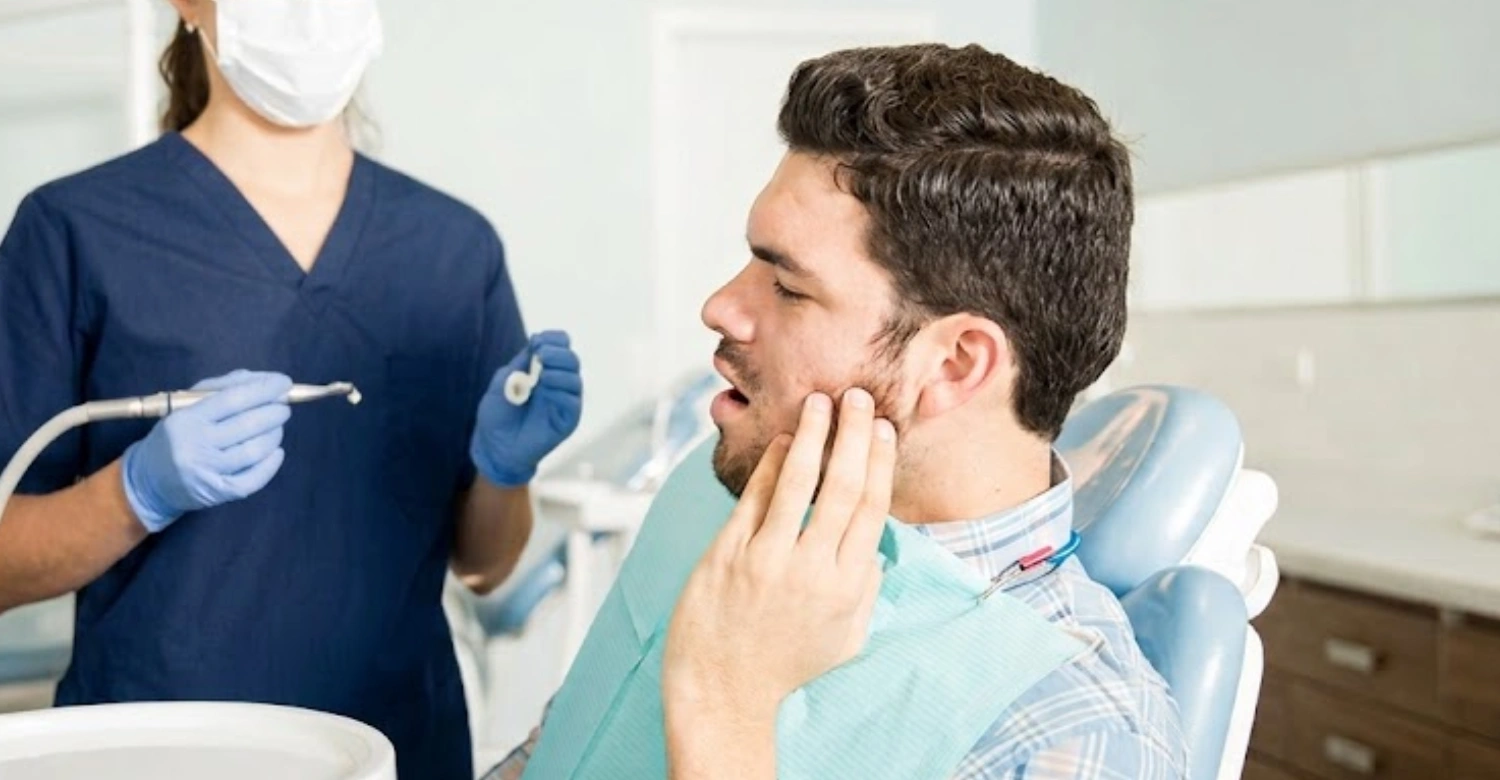
Note: All images used are for editorial and illustrative purposes only and may not originate from the original news provider or associated company.
Is Dental Trauma a Dental Emergency?
A dental trauma emergency is any injury that needs immediate or same-day attention. Delaying care raises the risk of complications, especially with displaced or knocked-out teeth. A knocked-out permanent tooth is always an emergency, because survival depends on speed. Minor chips are different, since they can usually be assessed at a routine appointment. Even so, a dentist should check every injury. When you are unsure, treat it as urgent and call for advice. Waiting can cost you the tooth.
When Should You Seek Emergency Dental Care?
Seek emergency care if a permanent tooth is knocked out or significantly displaced. Go urgently for persistent bleeding, severe pain, or swelling that increases rapidly. Suspected jaw injury, trouble opening or closing the mouth, or facial injury also needs quick attention. Loss of consciousness or other signs of a serious head injury require medical evaluation first. Dental care can follow once the person is stable. If you are uncertain, contact a dentist or emergency service without delay.
What Is Teeth Trauma First Aid and How Should You Respond?
Dental trauma first aid means the simple steps you take in the first minutes after an injury. It protects the tooth and surrounding tissues until a dentist can treat you. Stay calm, control bleeding, and protect any recovered tooth or fragment. Follow the steps below carefully. Remember that first aid never replaces professional treatment, so always arrange an examination afterward, even if the pain fades. Quick, correct action often improves the final outcome. This can save a tooth.
What to Do Immediately After a Tooth Injury
Stay calm and check the injury. Rinse your mouth gently with clean water. Press clean gauze against any bleeding soft tissue. Hold a cold compress on the outside of the face to reduce swelling. Avoid chewing on the injured area. Collect any tooth fragments you find, and keep them safe to show your dentist. Then contact a dental clinic quickly, because early assessment helps identify hidden damage and guides the right treatment. Do not wait for the pain to return.
What Should You Do If a Permanent Tooth Is Knocked Out?
Pick the tooth up by the crown, never the root. If it looks dirty, rinse it gently without scrubbing. If appropriate, carefully place it back into the socket and hold it there. When that is not possible, keep it moist in milk or a proper tooth-storage solution. Do not let it dry out. Seek urgent dental care immediately, because the chances of saving the tooth fall quickly with time. This advice applies to permanent teeth only.
What Should You Avoid After Dental Trauma?
Avoid mistakes that can harm healing. Do not scrub the tooth root, because this removes cells needed for reattachment. Never force a displaced tooth back into position. Do not skip your appointment because the pain has improved, as serious damage can be painless. Stay away from household adhesives or improvised dental materials, which can contaminate the area and complicate professional treatment. Avoid biting hard foods on the injured tooth until it has been examined. Small errors can reduce the tooth’s chances.
How Is Dental Trauma Diagnosed?
Dentists diagnose the full extent of the injury rather than treating only what is visible. They ask how and when the accident happened, then examine the teeth, gums, bite, and soft tissues. Tests and imaging reveal damage that the eye cannot see. This step-by-step approach matters because a tooth that looks intact may still have pulp, root, or bone injury. An accurate diagnosis is the foundation of every good treatment plan. Nothing is assumed from appearance alone.
Clinical Examination
The clinical examination checks how each structure is responding. The dentist tests tooth mobility and notes where any fracture lies. Pulp response tests show whether the nerve is still healthy. Bite and occlusion are assessed to detect displacement or high spots. The gums and periodontal condition are examined for bleeding, pockets, or ligament damage. Any soft-tissue injuries are documented and cleaned. Together, these findings help decide whether the tooth can be preserved and which treatment is appropriate.
Dental Imaging and 3D Assessment
Dental X-rays are often needed to see roots, bone, and the position of injured teeth. When the clinical picture is unclear, CBCT or 3D imaging may be used. This scan can reveal root fractures, bone injuries, and displaced structures that are not visible during a normal examination. It is chosen when clinically indicated rather than for every injury. The goal is to gather enough information for safe, accurate decisions. Radiographs also help compare healing over time.
Why Follow-Up Matters After an Apparently Minor Injury
A tooth can seem fine at first and change later. Delayed pulp changes may develop, and the tooth can slowly discolor. Other post-traumatic complications include root resorption, where the body gradually breaks down root structure. Some problems produce no pain until they are advanced. That is why monitoring often continues after the initial treatment. Regular check-ups and X-rays allow the dentist to spot changes early and act before they threaten the tooth. Never skip these visits.
Tips for Patients
Protect the injured tooth: Avoid hard, sticky, or crunchy foods and prevent further force or pressure on the affected tooth.
Watch for changes: Monitor the tooth for new or worsening pain, sensitivity, swelling, mobility, or discoloration in the days and weeks after the injury.
Keep every follow-up appointment: Regular dental check-ups allow your dentist to monitor healing and identify delayed complications early.
Maintain consistent daily care: Small, careful habits can support recovery and help protect the injured tooth.
Report concerns early: Contact your dentist if you notice any unexpected changes rather than waiting until your next scheduled visit.
Protect the Injured Tooth
Give the tooth time to settle by avoiding hard, sticky, or very crunchy foods. Choose soft foods and chew on the opposite side. Never use the injured tooth to bite objects, open packages, or crack nuts. If your dentist has placed a splint or other stabilization, follow the care instructions carefully. Keep the area clean with gentle brushing and do not disturb the splint. Protecting the tooth now reduces the risk of re-injury and supports healing.
Watch for Changes
Check the tooth regularly and note anything unusual. New or worsening pain is a warning sign. So are increased mobility, tooth discoloration, swelling, or gum changes. Sensitivity that persists or develops later also deserves attention. A tooth turning gray or dark can indicate that the pulp is struggling. Do not wait for the next appointment if these signs appear. Contact your dentist promptly, because early treatment is usually simpler and more effective. Take a photo to track color changes.
Keep Follow-Up Appointments
Traumatic dental injuries can evolve after the first visit, so follow-up appointments are essential. Healing tissues change over weeks and months, and some complications appear late. Clinical checks and radiographic monitoring show how the pulp, root, and supporting tissues are responding. Your dentist may adjust the plan if the tooth changes. Attending every appointment lets small issues be treated early. Skipping visits because the tooth feels fine is a common mistake that can cost you the tooth.
What Is the Right Dental Trauma Treatment?
Treatment depends on several factors: the tooth involved, the injury type, pulp status, root development, supporting tissues, and time since injury. No single approach suits every patient. A young tooth with an open root responds differently from a mature one. Timing also matters, particularly after avulsion or displacement. Your dentist will combine examination and imaging findings to choose the least invasive option that offers a predictable result. That is why examination comes first. The sections below outline common treatments.
Minor Chips and Enamel Fractures
Minor chips are usually the simplest to treat. The dentist may smooth and polish a small rough edge. For a more visible chip, composite bonding rebuilds the missing shape with tooth-colored material. These conservative cosmetic restorations preserve healthy tooth structure and often need just one appointment. They are also easy to repair or adjust later. Before any cosmetic work, the dentist still confirms that the pulp and supporting tissues were not harmed. The result usually looks natural.
Larger Crown Fractures
Larger fractures may need a composite restoration that rebuilds the broken part of the crown. When too much structure is missing, a veneer or crown may be appropriate. These options are chosen only when clinically justified. Dentists first consider preserving healthy tooth structure, because removing more of it can weaken the tooth in the long term. The pulp status must also be checked before restoring. The chosen material should match your bite, color, and function.
Pulp Exposure or Traumatic Pulp Injury
When the pulp is exposed or injured, the goal is to keep it alive if possible. Pulp protection may be enough for small exposures. A pulpotomy removes only the damaged upper portion of the pulp. Root canal treatment may be considered when the pulp cannot recover. The decision depends on factors such as tooth maturity, pulp condition, and time since injury. Young teeth with immature roots are managed differently because preserving the pulp helps the root keep developing.
Luxated or Displaced Teeth
A luxated tooth is often repositioned by the dentist when indicated, usually after local anesthesia. In suitable cases, a flexible splint stabilizes the tooth while the ligament heals, generally for a short period. Afterward, the dentist monitors pulp and periodontal healing with regular checks and radiographs. Some teeth recover completely, while others need later endodontic treatment. Following your dentist’s instructions on diet and hygiene is important during this healing phase and greatly improves the outcome.
Root Fractures
Management varies with the fracture’s location and the tooth’s stability. If the fragments are close together and the tooth is firm, careful monitoring may be enough. A loose tooth may need stabilization with a splint to help the tissues heal. Fractures close to the gumline can be harder to save. The dentist reviews the tooth regularly with X-rays to check the pulp and the healing between fragments. Some cases eventually need root canal treatment or extraction.
Avulsed Permanent Teeth
Treatment focuses on urgent repositioning, also called replantation, as soon as possible. The dentist cleans the socket, places the tooth carefully, and checks its position with an X-ray. A splint holds the tooth steady while the ligament reattaches. Follow-up is essential to detect complications. Depending on the tooth and circumstances, additional endodontic treatment may be required. Success is highest when the tooth was replanted quickly and stored correctly, so time is the deciding factor. Patience is needed during healing.
When Is Extraction Considered?
Extraction is generally considered only when the tooth cannot be predictably restored or maintained. Examples include very deep root fractures, severe infection, or extensive structural loss. Dentists prefer to preserve natural teeth whenever there is a reasonable prognosis. If preservation is not feasible, replacement options can be discussed, such as dental implants or bridges. The timing of replacement depends on healing and, in growing patients, jaw development. Each recommendation is based on a careful evaluation of the individual case.
How Long Does Recovery From Dental Trauma Take?
Recovery depends on the type and severity of the injury. Dental trauma management often continues long after the first appointment. A simple enamel repair is usually finished in one visit. Crown fractures usually settle within days to weeks, while luxation injuries need weeks to months of monitoring. Root fractures and avulsion can require the longest follow-up. Some teeth need months of observation even after successful treatment. Regular appointments help detect delayed complications early. Patience is part of healing.
What Are the Benefits and Expected Results of Treating Teeth Trauma?
Proper treatment offers many benefits. It relieves pain and sensitivity, protects exposed tooth structures, and stabilizes injured teeth. It preserves natural teeth when possible and restores chewing function. Visible fractures or discoloration can be improved, so your smile looks natural again. Treatment also reduces the risk of untreated complications such as infection or root damage. Results depend on the injury, but early, well-planned care gives the tooth its best chance of long-term health. Comfort and confidence often return together.
What Can Patients Expect Before and After Treatment?
Before treatment, patients may have pain, sensitivity, mobility, a visible fracture, displacement, or cosmetic changes. After appropriate treatment, the tooth may regain stability and function. A fractured tooth can often be restored to a natural-looking appearance. Comfort usually improves quickly once the injury is protected. Even so, some injuries still require long-term monitoring despite a successful initial result. Regular check-ups keep any delayed change under control and protect your investment in the treatment. Ask your dentist what to expect.
How to Handle Dental Trauma at Home Before Seeing a Dentist
Knowing how to handle dental trauma at home can protect the tooth until your appointment. Keep the area clean with gentle oral hygiene. Choose softer foods when chewing is uncomfortable, and avoid biting on the affected tooth. Use cold compresses for swelling. Follow professional instructions regarding pain management. Even when symptoms seem manageable, arrange a dental assessment, because hidden injuries may not cause obvious pain. Home care supports healing but never replaces an examination. Book it as soon as you can.
What We Notice Clinically
Dr. Rifat Alsaman, Head of the Medical Team at Vitrin Clinic and Cosmetic Dentist, says the first priority is deciding whether the tooth can be preserved. Visible cracks or chips do not always reveal the full injury. Examination, pulp assessment, occlusal evaluation, and imaging provide a more complete picture. The preferred approach is the least invasive predictable treatment. Cosmetic restoration comes after the tooth’s health and stability are secured. Dr. Rifat Alsaman also stresses individualized follow-up, because delayed changes can appear in stable-looking teeth.
Clinical Note
A traumatic tooth should not be judged by appearance alone. A tooth that looks intact may still have periodontal, pulpal, root, or supporting-bone injury. Dr. Rifat Alsaman, Head of the Medical Team at Vitrin Clinic and Cosmetic Dentist, recommends assessing the complete clinical picture before restorative or cosmetic treatment. Dental trauma guidelines support CBCT only when clinically indicated, not for every injury. Preserving natural tooth structure is generally preferred when the prognosis is reasonable. Treatment planning may involve restorative dentistry, endodontics, periodontics, or oral surgery.
How Can You Prevent Dental Trauma?
Most tooth injuries are preventable with simple precautions. Wearing protective equipment during sports, avoiding risky habits, and making children’s environments safer all lower the risk. Prevention costs far less than treating a fractured or knocked-out tooth. It also protects your natural teeth for years to come. The sections below explain the most effective steps. Small changes to daily routines can prevent injuries that are painful, expensive, and sometimes impossible to fully repair. Prevention is always the best treatment.
Use Protective Equipment During Sports
A properly fitted mouthguard is one of the best ways to prevent tooth injuries. It absorbs impact and spreads force across the teeth and jaw. Mouthguards are especially important in contact and high-impact sports such as boxing, football, hockey, and martial arts. Custom-made guards fit more comfortably and protect better than generic boil-and-bite models. Replace worn or ill-fitting guards, and ask your dentist to check the fit. Wearing one during every practice and match is a small habit with major protection.
Address Habits That Increase Injury Risk
Certain habits quietly raise the risk of chips and fractures. Avoid chewing ice, pen caps, or other hard non-food objects. Do not use your teeth as tools to open bottles, tear tape, or hold items. These actions place sudden stress on enamel. When clinically relevant, address untreated bite or structural problems, since misaligned or weakened teeth break more easily. Regular dental check-ups help identify these risks early, before they lead to an injury. Breaking these habits protects your smile.
Make Children’s Environments Safer
Children fall and collide often, so age-appropriate supervision is essential. Toddlers need close watching near stairs, furniture corners, and slippery floors. Older children need protective measures during activities with fall or impact risks, such as cycling, skating, and team sports. Helmets, mouthguards, and padded play areas reduce serious injury. Teach children not to run with objects in their mouths. If an injury happens, act quickly, because a child’s tooth may need special care. Safer surroundings prevent many childhood injuries.
How Vitrin Clinic Approaches Dental Trauma Treatment
Vitrin Clinic is a multidisciplinary dental clinic in Istanbul. Every trauma case begins with clinical assessment, not an automatic cosmetic procedure. Digital imaging, CBCT/3D assessment, and intraoral scanning are used when clinically indicated. Treatment planning may involve restorative dentistry, endodontics, periodontology, implant dentistry, or oral surgery. The principle is to preserve natural tooth structure whenever possible, with cosmetic rehabilitation considered after the injury is managed. Patients receive individualized planning and education throughout. Book Your FREE Treatment Plan today.
References:
FAQs
Dr. Rifat Alsaman has more than 5 years of clinical experience in dentistry and currently serves as the Head of the Medical Team at Vitrin Clinic. He is dedicated to providing exceptional patient care, overseeing treatment planning, and ensuring the highest clinical standards across the team. His expertise, attention to detail, and commitment to continuous professional development have helped countless patients achieve healthier, more confident smiles.


.webp&w=3840&q=75)