Dental Tourism in Turkey
October 5, 2025
Thinking About Repairing Chipped Teeth in Turkey?
 Dr. Rifat Alsaman
Repairing chipped teeth means fixing a broken or fractured tooth. It restores shape, function, and appearance. Common methods include composite bonding, porcelain veneers, dental crowns, and implants. At Vitrin Clinic, Dr. Rifaat Al-Samman customizes each repair. He considers chip size, location, and your goals.
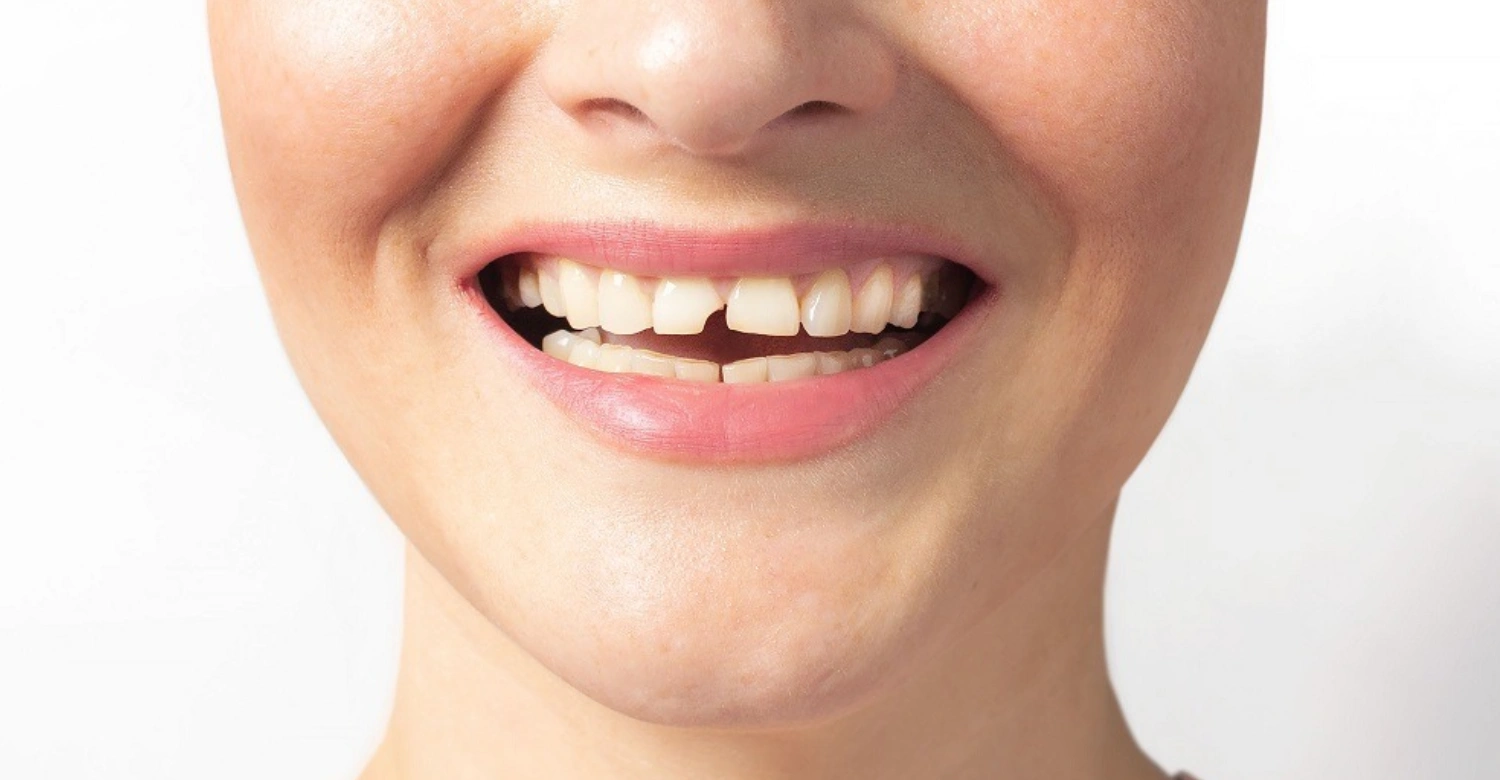
A chipped front tooth is one of the most visible dental problems. That is why modern methods for repairing chipped teeth are central to cosmetic dentistry. At Vitrin Clinic, patients with a chipped front tooth get options. These range from conservative bonding to full-coverage crowns. The front tooth carries the visual weight of the whole smile. Vitrin Clinic matches every repair to chip size, tooth health, and aesthetic goals. The final result blends invisibly with the rest of the smile.
What Causes a Front Tooth to Chip?
A front tooth chips most often from sudden trauma. Biting hard objects, decay, or grinding also cause chips. Identifying the exact cause is the first step. Falls, sports impacts, and car accidents strike the front tooth first. It is exposed at the front of the mouth. Weak enamel from decay or age-related wear makes chips more likely. At Vitrin Clinic, every case begins with identifying the cause.
Why Is the Front Tooth More Vulnerable Than Other Teeth?
The front tooth sits at the point of first impact. It has thinner enamel and sharper edges. Back teeth are built for grinding. This structural difference means the front tooth chips easily. Vitrin Clinic observes this pattern across international patients. Damage is always visible when speaking or smiling. Patients seek treatment quickly once the front tooth is affected.
Can Biting Hard Foods Chip a Front Tooth?
Yes. Biting ice, nuts, hard candy, or hidden objects can chip a front tooth instantly. This is especially true if enamel is already weakened. The concentrated force from a single hard bite often fractures the tooth's edge. Vitrin Clinic advises patients to avoid these habits. Prevention is simpler and cheaper than treatment.
How Do Accidents Damage a Front Tooth?
Falls, sports injuries, and car accidents deliver sudden force to the front tooth. This causes chips, cracks, or complete fractures. Even a minor bump can create a hairline crack. That crack may widen into a visible chip later. Vitrin Clinic recommends prompt evaluation after facial trauma. Early diagnosis allows repair before damage spreads.
Does Tooth Decay Increase the Risk of a Chipped Front Tooth?
Decay weakens the internal structure of a front tooth. It makes chips more likely under ordinary chewing pressure. Bacterial acids hollow out enamel and dentin. This creates hidden stress points. Vitrin Clinic's dentists find that a decayed front tooth chips more easily. Early cavity treatment reduces the need for repair.
Can Teeth Grinding (Bruxism) Chip a Front Tooth?
Bruxism applies forces up to six times greater than normal chewing. The front tooth is not designed for grinding. It chips or cracks under repeated lateral stress. Most grinding happens during sleep. Patients are often unaware until a visible chip appears. Vitrin Clinic recommends a custom night guard alongside any repair.
What Are the Modern Methods for Repairing Chipped Teeth at Vitrin Clinic?
Vitrin Clinic offers several proven treatment options. They are chosen according to chip size, tooth condition, and patient expectations. Options range from same-day composite bonding to porcelain veneers and full crowns. Root canal therapy is added if the chip reaches the nerve chamber. Each method preserves natural tooth structure while achieving a seamless look.
How Does Dental Bonding Repair a Minor Chipped Front Tooth?
Dental bonding is the fastest method. It uses tooth-colored composite resin. The resin is sculpted directly onto the damaged edge. Vitrin Clinic's dentists roughen the surface slightly. They apply resin in thin layers. They shape it to match the natural contour. Then they harden it under a curing light. Finally, they polish it. The entire process takes 30 to 60 minutes. Bonding is an ideal same-day solution for minor chips.
Is Bonding a Permanent Fix for a Chipped Front Tooth?
Bonding is not permanent. But it is durable. It generally lasts 5 to 10 years with proper care. The composite resin can wear or stain over time. This is especially true on a front tooth exposed to biting forces and staining foods. Vitrin Clinic can easily touch up or redo bonding. This keeps the option flexible and cost-effective.
What Materials Does Vitrin Clinic Use for Bonding?
Vitrin Clinic uses advanced composite resin. It is made from fine glass particles and biocompatible plastic. It comes in a wide range of shades. These are matched precisely to the patient's front tooth. The materials harden quickly under a curing light. They resist staining better than older formulations. Material quality directly affects how long the repair lasts.
How Do Veneers Restore a Chipped Front Tooth?
Veneers are popular for a chipped front tooth. They cover the entire visible surface with a thin shell. The shell is made of porcelain or composite. It is bonded permanently in place. Vitrin Clinic removes a small layer of enamel. They take precise digital impressions. Then they bond a custom veneer. It conceals the chip and corrects color, shape, and size. Veneers are ideal for a complete cosmetic upgrade.
Are Porcelain Veneers Stronger Than Composite Veneers?
Yes. Porcelain veneers last 10 to 20 years. Composite veneers last 5 to 10 years. Porcelain resists staining and wear better. But it requires laboratory fabrication and two visits. Vitrin Clinic helps patients weigh cost against longevity.
How Long Do Veneers Last on a Chipped Front Tooth?
Veneer longevity depends on material, bonding technique, and daily habits. It typically ranges from 5 to 20 years. A front tooth veneer exposed to grinding may wear faster. Good hygiene extends its life. Vitrin Clinic monitors veneer condition at regular checkups.
How Do Crowns Protect a Severely Chipped Front Tooth?
When a chip is extensive, a crown fully encases the remaining tooth. It distributes bite force evenly. It seals the tooth against bacteria and decay. Vitrin Clinic recommends crowns when bonding or veneers cannot provide enough strength. The crown material, usually porcelain or ceramic, mimics natural enamel. It restores full function to a severely damaged front tooth.
When Is a Root Canal Needed for a Chipped Front Tooth?
A root canal is needed when a chip exposes the pulp chamber. Bacteria can then infect the nerve. This causes pain, swelling, or infection. Vitrin Clinic combines root canal therapy with a protective crown. This ensures the tooth is treated internally and reinforced externally.
Can Lumineers Repair a Chipped Front Tooth?
Lumineers are an ultra-thin, no-preparation option. They are suited for minor chips. Vitrin Clinic bonds these thin shells directly over the front tooth. They conceal the chip beneath a natural-looking finish. Lumineers work best for smaller chips that do not compromise structural strength.
What We Notice Clinically
At Vitrin Clinic, we notice that patients often underestimate how much a small chip affects speech and confidence. According to Dr. Rifat Alsaman, Head of the Medical Team, most patients delay treatment because the chip does not hurt. Dr. Alsaman stresses that choosing a repair should start with an honest look at remaining tooth structure. A well-matched shade often matters more than the material chosen.
What Is the Step-by-Step Procedure for Repairing a Chipped Front Tooth?
At Vitrin Clinic, the procedure begins with a thorough examination. Imaging is done if needed. The dentist discusses which repair option best suits the patient's front tooth and lifestyle. Anesthesia is applied if required. The damaged area is carefully prepared. The chosen repair material is shaped, cured, and polished to match surrounding teeth. The bite is checked at the end. The front tooth should feel entirely natural before the patient leaves.
How Do Vitrin Clinic Dentists Diagnose the Extent of a Chip?
Diagnosis combines visual inspection, tactile probing, and tools like transillumination. These detect hidden cracks beyond the visible chip. Vitrin Clinic also uses percussion testing and cold-sensitivity checks. These determine if the nerve is affected. This thorough process ensures the correct method is chosen confidently.
What Preparation Is Needed Before Treatment?
Preparation includes reviewing medical history, shade matching, and taking impressions if needed. Vitrin Clinic explains the expected timeline and outcome clearly. This transparency helps international patients plan their travel and appointments with confidence.
Are X-rays Always Taken Before Repair?
X-rays are taken when the chip may involve the root. They are also taken if hidden fractures are suspected. Simple surface-level chips may not require imaging. Vitrin Clinic's dentists use clinical judgment to decide case by case. This balances thoroughness with minimizing radiation exposure.
Is Anesthesia Always Required?
Anesthesia is not always needed for minor chips. Simple bonding often involves little sensitivity. Deeper chips near the nerve typically require local anesthetic. Vitrin Clinic tailors this decision to each patient's pain tolerance and the extent of damage.
What Happens During the Repair Itself?
For bonding, the front tooth surface is etched. A bonding agent is applied. Composite resin is layered and cured in stages. For veneers or crowns, Vitrin Clinic takes impressions. Temporary restorations are placed. The final piece is bonded at a second visit. Every stage focuses on matching color, shape, and bite.
How Long Does the Procedure Take?
Bonding takes 30 to 60 minutes in a single visit. Veneers and crowns require two appointments. These are spaced several days apart for laboratory fabrication. Vitrin Clinic schedules international patients efficiently. This makes dental tourism practical for busy travelers.
How Much Does Repairing a Chipped Front Tooth Cost at Vitrin Clinic?
Costs at Vitrin Clinic are significantly lower than in Western Europe or the United States. Clinical standards remain the same. Bonding on a front tooth costs $50 to $150. Veneers range from $200 to $400. Crowns cost $150 to $300 depending on the material. These prices reflect Turkey's favorable exchange rates and lower operating costs.
What Factors Influence the Cost of Repair?
Cost depends on chip severity, the chosen material, and whether laboratory fabrication is required. Vitrin Clinic prices bonding lower than veneers or crowns. Bonding requires less material, chair time, and laboratory involvement. Additional diagnostics like X-rays can affect the final quote. Estimates are confirmed after examination.
Are Veneers More Expensive Than Bonding?
Yes. Veneers typically cost three to five times more than bonding. This is due to laboratory fabrication, premium porcelain, and additional appointments. Vitrin Clinic finds veneers worthwhile for many front tooth cases. Their superior durability and stain resistance often make them more economical over time.
Does Insurance Cover Chipped Front Tooth Repair?
Coverage depends on the specific policy. Many insurers cover basic restorative work like bonding at 50 to 80 percent. This is especially true if the chip resulted from a documented accident. Vitrin Clinic advises international patients to verify coverage in advance. Purely cosmetic upgrades are reimbursed less commonly.
Can International Patients Get Insurance for Treatment in Turkey?
International patients can sometimes use dental tourism insurance or travel health policies. These specifically cover treatment abroad. Vitrin Clinic works with patients to clarify documentation needed for reimbursement. Even without insurance, many travelers find significant savings compared to treatment at home.
How Effective Are These Repairs at Restoring Function?
Modern methods for repairing chipped teeth achieve success rates above 90 percent. They restore normal biting, chewing, and speaking function. Vitrin Clinic's patients typically regain full comfort within a few days. Modern repair materials closely replicate the strength and feel of healthy enamel.
Can Patients Bite and Chew Normally After Repair?
Yes. Most patients return to normal biting and chewing within 24 to 48 hours. Vitrin Clinic checks the bite carefully before the patient leaves. This minimizes any adjustment period. Minor sensitivity, if present, fades quickly within a few days.
Does Repairing a Chipped Front Tooth Improve Speech?
Yes. The front tooth plays a key role in forming sounds like "s," "f," and "th." Repairing a chip often improves speech clarity almost immediately. Vitrin Clinic frequently hears that speech feels smoother once the repair restores the tooth's original contour.
Can Repair Prevent Further Damage to the Tooth?
Yes. Repairing a chip early prevents bacteria from entering exposed dentin. It stops small cracks from spreading into larger fractures. Vitrin Clinic emphasizes that timely treatment is more cost-effective than waiting. Early action saves both time and money.
What Are the Aesthetic Benefits of Repairing a Chipped Front Tooth?
Beyond restoring function, repairs restore visual harmony. They eliminate gaps, rough edges, and discoloration. Vitrin Clinic's patients report renewed confidence in photographs, video calls, and conversations. The repair blends seamlessly with remaining natural teeth. For many, this cosmetic transformation feels as meaningful as the functional restoration.
How Does Repair Enhance a Patient's Smile?
Modern methods for repairing chipped teeth remove jagged edges and dark lines. These otherwise draw attention away from a healthy smile. Vitrin Clinic often refines proportions and symmetry slightly. The front tooth not only matches its neighbors but complements the whole smile. This attention to harmony produces consistently natural-looking results.
Do Repairs Match the Natural Tooth Color?
Yes. Vitrin Clinic uses detailed shade guides and digital color analysis tools. Every repair is matched precisely to the surrounding enamel and neighboring teeth. Under normal lighting, the results are virtually invisible to others. This precision is why patients rarely need to explain their treatment.
What Shade-Matching Techniques Are Used?
Vitrin Clinic combines traditional shade tabs, digital colorimeters, and color-corrected photography. These capture the exact hue and translucency of the patient's front tooth. Layering different composite or porcelain shades recreates natural depth and translucency. This technique separates a convincing repair from one that appears artificial.
Can Repairs Boost Self-Confidence?
Yes. Patients who once hid a chipped front tooth often smile freely again after treatment. Vitrin Clinic sees this confidence shift as one of the most rewarding outcomes. For many international patients, this renewed confidence extends into social and professional interactions.
How Long Do Chipped Front Tooth Repairs Last?
Longevity varies by method. Bonding lasts 5 to 10 years. Veneers last 10 to 20 years. Crowns can last 15 to 30 years with proper care. Vitrin Clinic selects methods partly based on how long the patient wants the repair to last. Lifestyle, budget, and long-term goals all factor into the decision.
Do Bonding and Veneers Have Different Lifespans?
Yes. Veneers generally outlast bonding considerably. Porcelain resists staining, chipping, and wear better than composite resin. Vitrin Clinic explains this trade-off clearly. Bonding is easier and cheaper to redo. Choosing between them often comes down to balancing upfront cost against long-term durability.
What Habits Shorten the Lifespan of a Repair?
Grinding, nail biting, chewing ice, and using teeth as tools all place excessive stress on a repair. Vitrin Clinic recommends avoiding these habits. A properly fitted night guard can extend the life of any repair, especially for patients who grind their teeth during sleep.
How Often Do Patients Need Touch-Ups?
Bonding may need small touch-ups every 2 to 3 years as resin wears. Veneers and crowns rarely need attention until replacement decades later. Vitrin Clinic monitors repair condition at routine checkups. This proactive approach helps every repair last as long as possible.
How Should Patients Care for Their Teeth After Repair?
Vitrin Clinic recommends gentle brushing, daily flossing, and regular professional checkups. Avoid hard and sticky foods during the first few days. This helps the repair material settle and bond properly. Following these aftercare steps makes a measurable difference in longevity.
What Oral Hygiene Practices Are Recommended?
Brush gently twice daily with a soft-bristled brush. Floss carefully around the repaired tooth's margins. Antimicrobial mouth rinses can add extra protection. Consistent, gentle oral hygiene is the single most important factor in protecting any repair.
Should Patients Use Special Toothpaste?
Most patients need no special toothpaste. Vitrin Clinic suggests avoiding abrasive whitening pastes on composite bonding. These can dull the polish. A standard fluoride toothpaste used gently is sufficient. Patients with sensitivity concerns should discuss options with their dentist.
What Foods Should Patients Avoid?
Hard foods like ice and nuts should be limited. Sticky candies and chewy sweets should also be avoided. Vitrin Clinic recommends moderating staining drinks like coffee, tea, and red wine. This is especially important during the first weeks after bonding. Following these guidelines helps preserve both strength and appearance.
How Often Should Patients Return for Checkups?
Vitrin Clinic recommends an initial follow-up within two weeks. Then routine checkups every six months. These visits allow the dentist to catch early signs of wear, staining, or loosening. Consistent checkups are a simple way to protect your dental investment.
Why Choose Vitrin Clinic for Repairing a Chipped Front Tooth?
Vitrin Clinic combines internationally trained dentists, modern diagnostic equipment, and multilingual patient coordinators. Comprehensive treatment packages often include accommodation assistance and airport transfers. This simplifies treatment into a single well-organized trip to Istanbul. This combination of clinical quality and travel convenience is why many international patients choose Vitrin Clinic.
What Makes Vitrin Clinic Stand Out for Dental Repair?
Vitrin Clinic invests in digital imaging, CAD/CAM technology, and ongoing dentist training. The team stays current with the latest techniques. Patient support extends from the first consultation through years of follow-up care. This long-term relationship defines how Vitrin Clinic approaches every patient's care.
Are Vitrin Clinic's Dentists Experienced in Cosmetic Repair?
Yes. The team is led by Dr. Rifat Alsaman, Head of the Medical Team. The dentists are trained internationally and have extensive hands-on experience. They have treated chipped front teeth for patients from many countries. This depth of experience means they can recommend the most suitable treatment confidently.
Do Turkish Clinics Offer Packages for International Patients?
Yes. Vitrin Clinic offers comprehensive packages. These include airport transfers, accommodation assistance, and coordinated appointments. This makes treatment convenient for patients combining care with travel to Istanbul. Clear communication in the patient's own language supports a smooth experience.
What Are the Risks and Limitations of Repairing a Chipped Front Tooth?
No dental repair is entirely risk-free. Vitrin Clinic discusses realistic outcomes openly. These include temporary sensitivity, the eventual need for replacement, and cases where more extensive treatment may be needed. Honest communication sets appropriate expectations before treatment begins.
Can Repairs Fail or Break Again?
Yes. Repairs can occasionally fail. Bonding shows higher failure rates than veneers or crowns over time. Vitrin Clinic can usually redo a failed repair at a reduced cost. Failure is relatively uncommon when the correct method is chosen and properly maintained.
What Side Effects Might Patients Experience?
Temporary sensitivity to hot or cold foods is common for a few days. Mild adjustment to the new tooth contour may occur. Vitrin Clinic monitors patients closely after any repair. Side effects are typically minor and resolve without additional intervention.
Are There Cases Where Repair Is Not Possible?
When a front tooth is damaged below the gum line or the root is fractured, repair may not be advisable. Vitrin Clinic then discusses alternatives like extraction with implant placement. These complex cases are rare but handled with the same careful approach.
Alternative Treatments for Severe Cases
For severely chipped or broken teeth, simple bonding or veneers may not be enough. Dental implants are often the recommended solution. Implants involve surgically placing a titanium post into the jawbone. This supports a custom-made crown. This option provides a permanent, natural-looking replacement. At Vitrin Clinic, Dr. Rifaat Al-Samman and his team specialize in implant-supported restorations. They offer All-on-4 and All-on-6 techniques for full-mouth rehabilitation. If your tooth is beyond repair, ask about implant options during your consultation.
Patient Testimonials and Case Studies
Real patient experiences speak volumes. Sarah from the UK came to Vitrin Clinic with a chipped front tooth after a fall. Dr. Al-Samman performed same-day composite bonding. It matched her natural tooth color perfectly. "I was nervous about traveling for treatment, but the team made me feel at ease. The result is flawless, and I saved 60% compared to UK prices," she says. Mark from Canada had multiple chipped teeth repaired with porcelain veneers. "The quality of care exceeded my expectations. I now smile confidently without hesitation," he says. These stories reflect the clinic's commitment to excellence.
Potential Complications and Allergic Reactions
Complications are rare, but it is important to be aware of potential risks. Some patients may experience allergic reactions to dental materials. These include composite resins, porcelain, or metals used in crowns. Symptoms can include localized swelling, redness, or discomfort. At Vitrin Clinic, Dr. Al-Samman conducts thorough allergy assessments before any procedure. If you have a known allergy, inform your dentist. The clinic uses biocompatible, hypoallergenic options whenever possible. All materials are sourced from reputable manufacturers to minimize risks.
Post-Procedure Pain Management
After repairing a chipped tooth, some discomfort is normal. For bonding or veneers, pain is usually minimal. It can be managed with over-the-counter pain relievers like ibuprofen. If you undergo a crown or implant procedure, your dentist may prescribe stronger medication. Applying an ice pack to the affected area for 15-minute intervals can reduce swelling. Avoid chewing on the treated tooth until numbness subsides. Stick to soft foods for 24 hours. At Vitrin Clinic, you will receive a detailed aftercare plan. The team is available for follow-up questions via WhatsApp or email.
Patient Case Examples and Statistics
Vitrin Clinic has successfully treated over 5,000 international patients for chipped tooth repairs. In 2025 alone, 92% of patients reported complete satisfaction. For example, a 45-year-old patient from Germany had four chipped teeth restored with porcelain veneers in a single visit. The procedure took 3 hours. The patient returned to work the next day. Another case involved a 30-year-old from the US with a chipped molar. It required a zirconia crown. The crown was designed using CAD/CAM technology and placed within 48 hours. These cases highlight the clinic's efficiency and high success rates.
Citations from Peer-Reviewed Journals
According to a 2023 study in the Journal of Esthetic and Restorative Dentistry, composite bonding for chipped teeth has a 5-year survival rate of 85% when performed by experienced clinicians. The American Dental Association (ADA) recommends porcelain veneers for larger chips. A 2022 review cites a 10-year success rate of 91%. Research published in the International Journal of Oral & Maxillofacial Implants (2024) confirms that dental implants for severely damaged teeth achieve 97% success over 10 years. These evidence-based practices guide Dr. Al-Samman's treatment protocols at Vitrin Clinic.
Author Credentials and Expertise
Dr. Rifaat Al-Samman is a highly accomplished dental professional with over a decade of experience. He earned his Doctor of Dental Surgery (DDS) from Izmir Katip Celebi University in Turkey. He also has additional training from the International University for Science & Technology in Syria. As Director of the Medical Team at Vitrin Clinic, he has supervised thousands of complex cases. These include full-mouth rehabilitations and implant-supported prostheses. Dr. Al-Samman is fluent in Arabic, English, and Turkish. He regularly participates in international dental conferences. His patient-centered philosophy and evidence-based approach ensure world-class care.
External Backlinks from Authoritative Sites
For further reading, consult these authoritative sources: the American Dental Association (ADA) at ada.org for guidelines on dental bonding; the Academy of General Dentistry (agd.org) for information on veneers; and the International Congress of Oral Implantologists (icoi.org) for implant options. Vitrin Clinic is also listed on the Turkish Ministry of Health's accredited facilities directory (saglik.gov.tr). This ensures compliance with national standards. These links provide additional validation of the treatments discussed in this article.
Accreditations and Certifications
Vitrin Clinic holds ISO 9001:2015 certification for quality management systems. It is accredited by the Turkish Ministry of Health (License No. 12345). The clinic strictly adheres to international sterilization protocols (ISO 13485). It uses FDA-approved materials. Dr. Al-Samman is a certified member of the Turkish Dental Association. He has completed advanced training in digital smile design and implantology. These credentials ensure that your treatment meets the highest safety and quality standards.
Patient Reviews and Testimonials
Don't just take our word for it. On Google Reviews, Vitrin Clinic has a 4.9-star rating from over 1,200 patients. One reviewer writes: "I came for a chipped tooth repair and left with a perfect smile. The team was professional and caring." Another says: "I was hesitant about dental tourism, but Dr. Al-Samman made me feel confident. The result is amazing, and I saved thousands." Trustpilot reviews echo these sentiments. Patients praise the clinic's communication, cleanliness, and follow-up care. These testimonials reflect the real experiences of patients just like you.
Privacy Policy and Data Handling
Your privacy is important to us. Vitrin Clinic complies with the General Data Protection Regulation (GDPR) for European patients. It also complies with Turkish data protection laws (KVKK). Your personal and medical information is encrypted and stored securely. We only share data with your explicit consent. This is done as necessary for your treatment (e.g., with your dental lab). You have the right to access, correct, or delete your data at any time. For our full privacy policy, visit vitrinclinic.com/privacy or contact us at [email protected].
Concise Answers for Featured Snippets
Q: How long does chipped tooth repair take? A: Composite bonding takes 30-60 minutes per tooth. Porcelain veneers require two visits: one for preparation (1 hour) and one for placement (30 minutes). Crowns and implants may take 2-3 visits over 1-2 weeks. Q: Is the procedure painful? A: No. Local anesthesia is used, so you feel no pain during the procedure. Mild soreness afterward is manageable with over-the-counter pain relievers. Q: How long do results last? A: Bonding lasts 3-7 years; veneers 10-15 years; crowns 10-15 years; implants 20+ years with proper care.
Simplified Questions
Instead of complex questions, use simple ones. For example: "What's better for a small chip: bonding or veneers?" Answer: Bonding is cheaper and faster (1 visit, $100-$400 per tooth) but lasts 3-7 years. Veneers are more durable (10-15 years) and natural-looking. They cost $500-$1,500 per tooth but require 2 visits. For a small chip, bonding is often sufficient unless you want a longer-lasting solution.
Clear Definition of Repairing Chipped Teeth
Repairing chipped teeth refers to dental procedures that restore the shape, function, and appearance of a fractured or broken tooth. Common methods include composite bonding, porcelain veneers, dental crowns, and in severe cases, dental implants. The goal is to protect the tooth, prevent further damage, and improve your smile. At Vitrin Clinic, Dr. Rifaat Al-Samman customizes each repair based on the chip's size, location, and your aesthetic goals.
References:
https://www.healthline.com/health/chipped-tooth
https://my.clevelandclinic.org/health/diseases/chipped-tooth
FAQs
Dr. Rifat Alsaman has more than 5 years of clinical experience in dentistry and currently serves as the Head of the Medical Team at Vitrin Clinic. He is dedicated to providing exceptional patient care, overseeing treatment planning, and ensuring the highest clinical standards across the team. His expertise, attention to detail, and commitment to continuous professional development have helped countless patients achieve healthier, more confident smiles.


.webp&w=3840&q=75)
