Dental Tourism in Turkey
November 9, 2026
Is Gummy Smile Treatment Turkey the Right Choice for Your Smile?
 Dr. Rifat Alsaman

A gummy smile occurs when a noticeable amount of gum tissue shows during smiling. Gummy Smile Treatment Turkey offers several solutions, from gum contouring and crown lengthening to lip repositioning and orthodontics.
However, the right treatment depends on what causes the excess gum display. Gum thickness, tooth proportions, upper-lip movement, and jaw position all influence the treatment plan.
Some patients need minor gum reshaping, while others require more complex procedures. This guide explores treatment options, clinical considerations, recovery, potential risks, and costs.
Key Takeaways
Excessive gum display can result from gum tissue, tooth position, lip movement, or jaw development.
Treatment should address the underlying cause, not simply remove visible gum tissue.
Gum contouring may help selected patients with excess gum coverage.
Crown lengthening may involve reshaping the supporting bone.
Lip repositioning can help selected patients with excessive upper-lip movement.
Orthodontics may correct certain tooth-positioning problems.
Significant skeletal discrepancies may require jaw surgery.
A clinical examination determines suitability and helps protect periodontal health.
Ready to transform your smile?
Talk to our team and get a personal FREE treatment plan.
What Makes a Smile Look Gummy?
A gummy smile describes excessive upper gum visibility during smiling. It can affect a few teeth or the entire upper gum line. The cause may involve the gums, teeth, upper lip, or jaw, so identifying it is the first step towards appropriate treatment.
When Does Visible Gum Become a Concern?
Around 2–3 mm of visible gum is sometimes considered excessive in clinical literature. However, there is no universal measurement for an unattractive smile. Facial proportions, lip position, tooth shape, and personal preferences all influence how a smile looks.
Is Excessive Gum Display the Same as an Uneven Gum Line?
Not exactly. A gummy smile involves excessive gum visibility, while an uneven gum line describes irregular gum heights around the teeth. Both concerns can occur together, but they may require different treatment approaches.
What Could Be Behind Excessive Gum Display?
Several factors can contribute to a gummy smile, sometimes in combination:
Excess gum coverage: Altered passive eruption can leave more gum tissue covering the natural tooth crowns, making teeth appear shorter.
Upper-lip movement: A short or hyperactive upper lip may expose more gum during smiling.
Jaw development: Vertical maxillary excess can increase gum visibility and affect facial proportions.
Tooth shape and position: Small-looking teeth, dental wear, altered eruption, and tooth alignment can influence smile proportions.
Identifying these factors helps determine whether gum reshaping, orthodontics, or specialist treatment is appropriate.
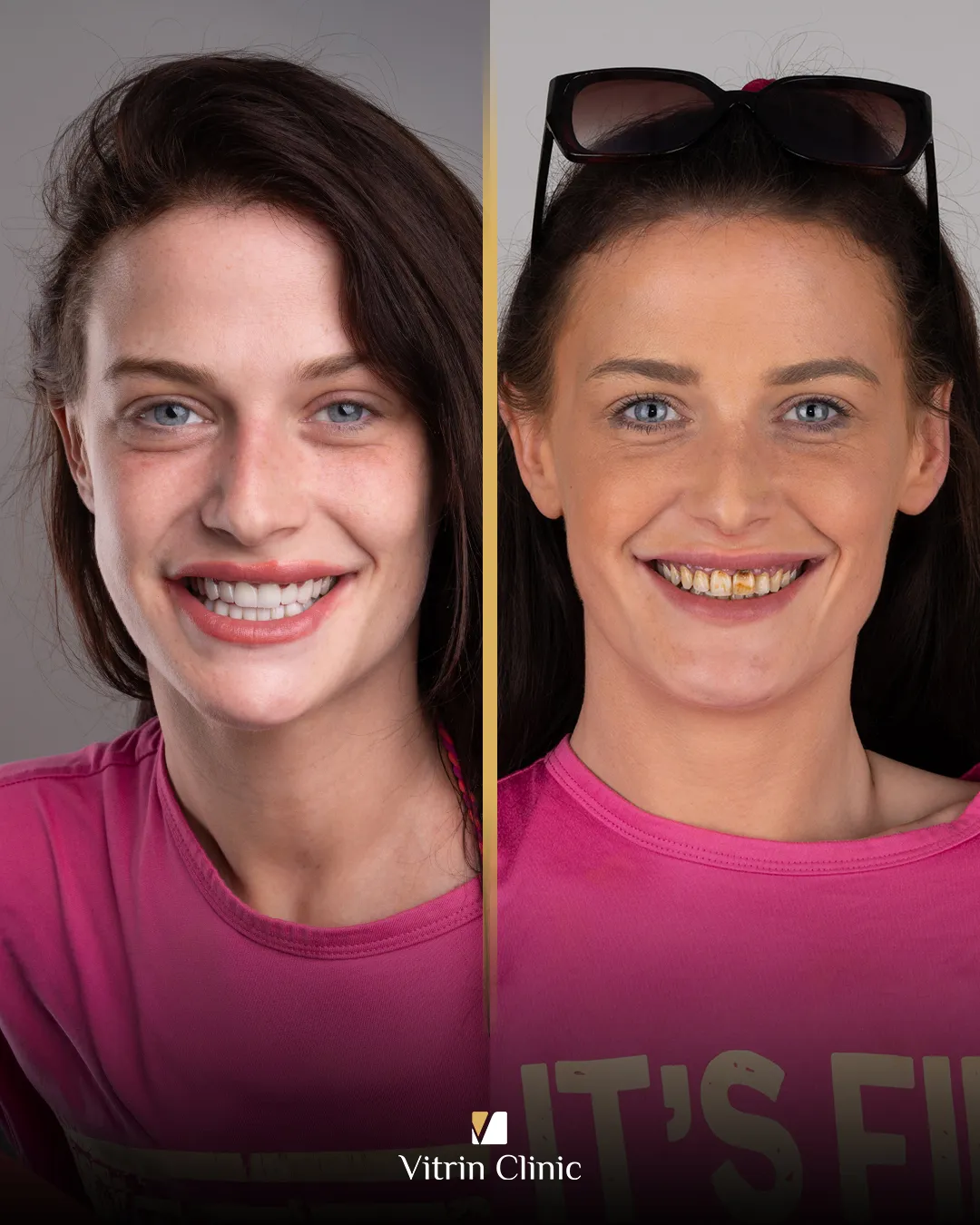
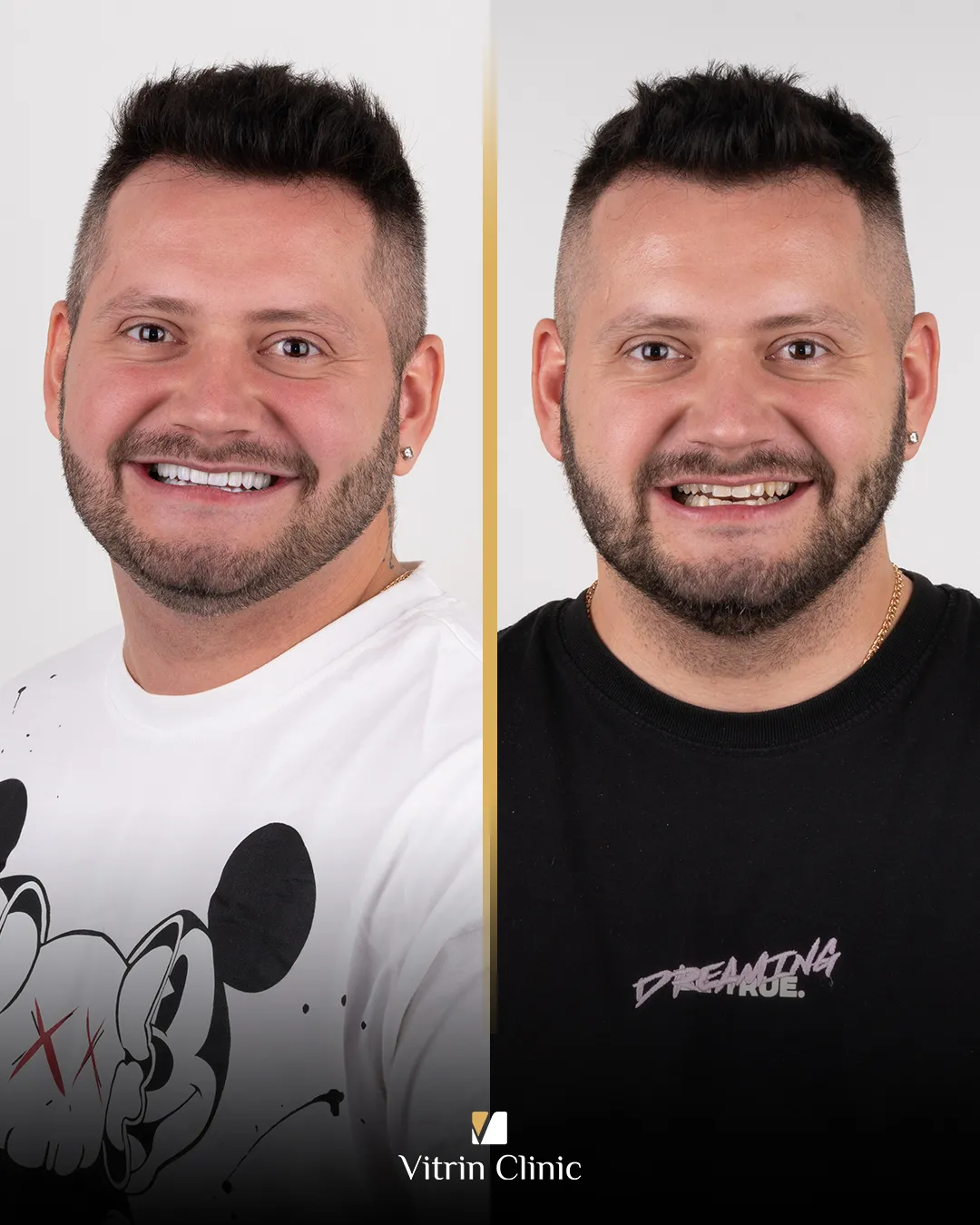
Which Treatment Can Correct Your Gummy Smile?
There is no universal procedure for excessive gum display. The recommended approach depends on the underlying anatomy and may involve one or more treatments.
Gum Contouring: Can Reshaping the Gum Line Reveal More Tooth?
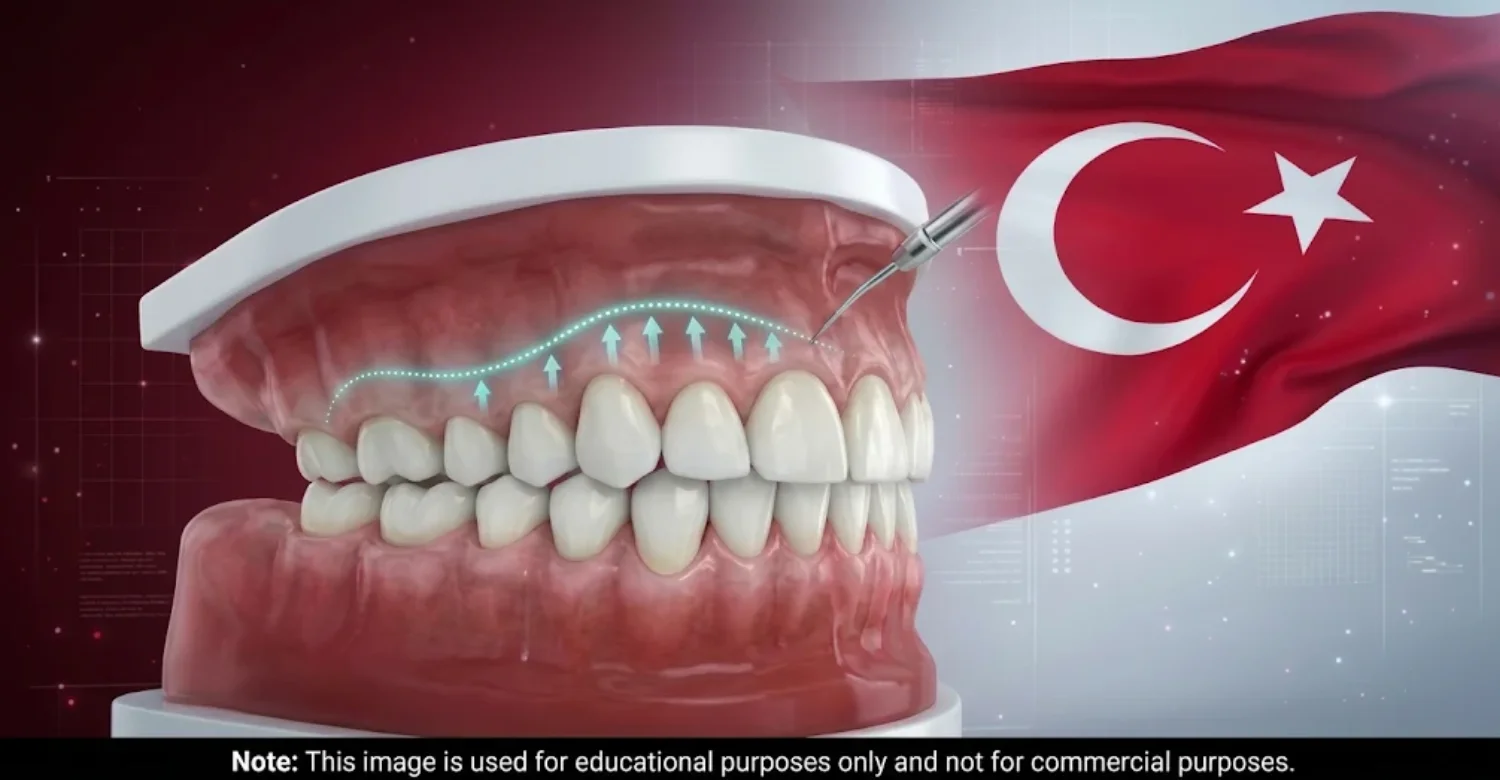
Gum contouring reshapes excess tissue, while gingivectomy removes selected portions of the gums. These procedures may suit patients with altered passive eruption and sufficient space for healthy periodontal attachment. They can reveal more natural tooth structure and improve gum symmetry. However, they cannot correct jaw discrepancies or excessive lip movement.
Crown Lengthening: When Does Treatment Involve the Bone?
Crown lengthening may be needed when the supporting bone also requires reshaping. The procedure adjusts gum tissue and, when necessary, underlying bone to expose more tooth structure. Careful planning protects periodontal attachment, and tissue stabilisation may take several months.
Conventional Surgical Reshaping: How Is Excess Tissue Removed?
Conventional surgical techniques remove selected gum tissue under local anaesthesia. The clinician shapes the margins around natural tooth proportions and periodontal health. Removing too much tissue may expose roots or compromise gum health.
Lip Repositioning: Can Changing Lip Movement Reduce Gum Visibility?
Lip repositioning limits how far the upper lip moves during smiling. The surgeon repositions tissue inside the upper lip and secures it with sutures. It may suit selected patients with excessive lip mobility. Possible limitations include relapse, scarring, discomfort, and restricted lip movement.
Orthodontics: Can Moving the Teeth Improve the Smile?
Orthodontic intrusion moves selected upper teeth upwards within their supporting bone. It may help when tooth positioning contributes to excessive gum display. Some cases require temporary anchorage devices. However, orthodontics cannot correct every lip-related or skeletal cause.
Jaw Surgery: When Is a Skeletal Correction Necessary?
Significant vertical maxillary excess may require orthognathic surgery. This procedure repositions the upper jaw to address an underlying skeletal discrepancy. Specialist evaluation determines suitability, as changing gum margins alone cannot correct jaw development.
How Is the Right Treatment Selected?
A successful treatment plan starts with identifying the anatomical cause. A clinical examination considers gum health, tooth proportions, lip movement, and jaw relationships.
What Do Gum and Tooth Measurements Tell the Dentist?
The clinician examines gum margins, visible crown length, tooth shape, and symmetry. These findings help identify excess gum coverage or naturally short-looking teeth. Gum thickness and periodontal attachment also influence whether tissue removal is appropriate.
Why Examine the Upper Lip, Jaw, and Bite?
The upper lip is observed at rest and during smiling to identify excessive movement. Facial proportions, jaw relationships, and tooth positioning are also reviewed. Suspected skeletal concerns may require specialist evaluation.
Are X-Rays or Specialist Opinions Always Needed?
Not every patient requires additional imaging. Dental X-rays may help evaluate roots and supporting bone when indicated, while cephalometric imaging can clarify jaw relationships. Three-dimensional imaging is not routinely necessary for every case. A periodontist, orthodontist, or oral and maxillofacial surgeon may be involved when appropriate.
Does Every Gummy Smile Need Correction?
No. Mild gum visibility does not automatically indicate a clinical problem. Treatment is a personal decision based on oral health, anatomy, expectations, and potential risks.
Comparing Gummy Smile Procedures: Which Approach Does What?
Different procedures target different anatomical concerns. Understanding their purpose helps explain why one treatment may suit a patient but not another.
Treatment | Main purpose |
Gum contouring | Reshapes excess gum tissue |
Crown lengthening | Adjusts gum tissue and, when needed, supporting bone |
Lip repositioning | Limits excessive upper-lip movement |
Orthodontic intrusion | Corrects selected tooth-positioning problems |
Orthognathic surgery | Corrects significant skeletal discrepancies |
How Long Can Results Last?
Results can be long-lasting, but they may change during healing or over time. Gum tissue can remodel or rebound, and lip repositioning may experience relapse. Orthodontic treatment requires appropriate retention. No procedure guarantees an unchanged smile for life.
What About Recovery and Possible Complications?
Gummy Smile Treatment Turkey , Recovery depends on the procedure and its complexity. Soft-tissue reshaping generally involves less extensive healing than surgery involving bone. Orthodontics takes longer because teeth move gradually, while jaw surgery requires more extensive recovery.
Potential complications include swelling, bleeding, infection, scarring, and changes in sensation. Individual risks should be discussed before treatment.
Ready to transform your smile?
Talk to our team and get a personal FREE treatment plan.
Your Gummy Smile Treatment Journey at Vitrin Clinic
At Vitrin Clinic, treatment planning begins with understanding your smile concerns and clinical needs. The process includes examination, personalised planning, treatment, and follow-up.
From First Consultation to Personalised Planning
We review your medical history, oral health, and smile concerns. Clinical photographs and gum measurements help document tooth proportions and gum visibility. We explain suitable options, expected changes, limitations, and potential risks.
Preparing the Treatment Area
Preparation depends on the selected procedure. Gum surgery requires healthy periodontal tissues, so existing inflammation may need treatment first. Lip repositioning involves separate anatomical planning.
What Anaesthesia Is Used?
Local anaesthesia is commonly used for surgical gum procedures to minimise pain. Patients may still notice pressure or movement. The experience depends on the procedure and individual sensitivity.
How Is the Gum Line Reshaped?
During gingivectomy, the clinician removes selected excess gum tissue and shapes the margins around natural tooth proportions. If crown lengthening requires bone modification, additional surgical steps help protect healthy periodontal attachment.
What Happens After the Procedure?
The clinician reviews the treated area and provides personalised aftercare instructions. Guidance may cover oral hygiene, eating, swelling, and follow-up appointments. Patients should also know which symptoms require clinical attention.
Gummy Smile Before and After: What Can You Realistically Expect?
Before-and-after photographs can show changes in gum visibility and tooth proportions. However, results vary according to anatomy, treatment choice, and healing.
How Can Treatment Change Your Smile?
Gum contouring may reveal more of the natural tooth crowns and improve uneven margins. The visible change depends on the original gum and bone anatomy. Excessive tissue removal can create unnatural tooth proportions.
Can Lip Movement Still Affect the Result?
Yes. Excessive upper-lip elevation may leave some gum visible after gum contouring. Treatment planning should therefore consider the smile in motion, not only its appearance at rest.
When Will the Final Result Become Visible?
Initial swelling can temporarily affect the gum line. Soft tissues need time to heal and mature, while procedures involving bone generally require longer stabilisation. Follow-up reviews help monitor progress.
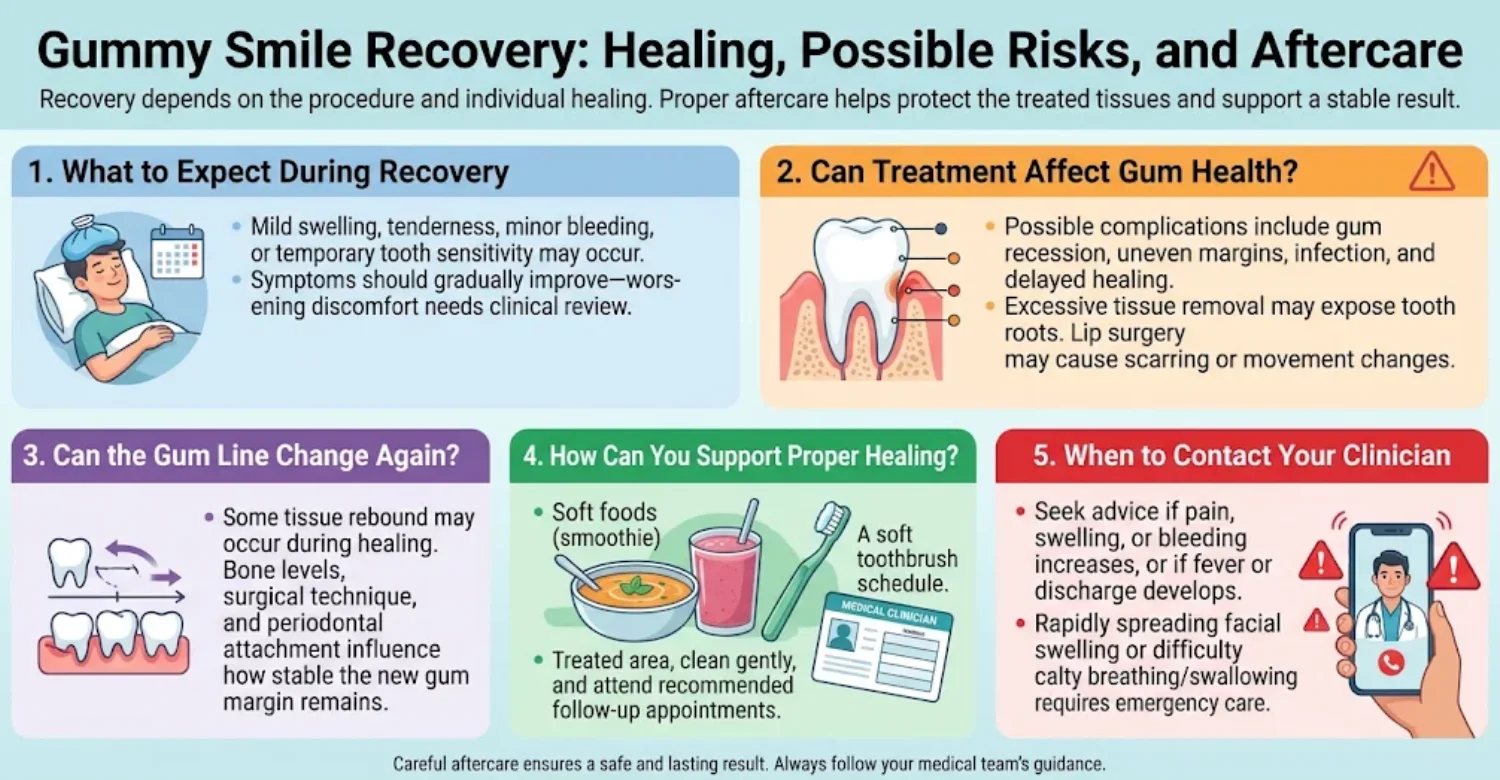
Gummy Smile Recovery: Healing, Possible Risks, and Aftercare
Recovery depends on the procedure and individual healing. Proper aftercare helps protect the treated tissues and support a stable result.
What Should You Expect During Recovery?
Mild swelling, tenderness, minor bleeding, or temporary tooth sensitivity may occur after gum surgery. Symptoms should gradually improve. Worsening discomfort needs clinical review.
Can Treatment Affect Gum Health?
Possible complications include gum recession, uneven margins, infection, and delayed healing. Excessive tissue removal may expose tooth roots. Lip surgery may also cause scarring or changes in movement.
Can the Gum Line Change Again?
Some tissue rebound may occur during healing. Bone levels, surgical technique, and periodontal attachment influence how stable the new gum margin remains.
How Can You Support Proper Healing?
Follow your clinician's instructions for eating and oral hygiene. Avoid disturbing the treated area, clean gently as directed, and attend recommended follow-up appointments.
When Should You Contact Your Clinician?
Seek advice if pain, swelling, or bleeding increases, or if fever or discharge develops. Rapidly spreading facial swelling or difficulty breathing or swallowing requires emergency medical care.
Gummy Smile Treatment Cost: What Should You Budget in Turkey?
The overall cost depends on the procedure, number of teeth involved, and clinical complexity. The figures below are indicative estimates, not confirmed clinic prices or guaranteed quotations.
Gum Contouring Prices Compare: UK, Turkey, and US
UK
Indicative Contouring Cost: $600 – $2,000
Indicative gum contouring cost
Contouring cost: $600 – $2,000
Private UK clinic standard rate
Domestic specialist periodontal care
Turkey
Indicative Contouring Cost: $250 – $600
Indicative gum contouring cost
Contouring cost: $250 – $600
Save up to ~75–80% vs. USA & UK
Advanced laser sculpting & smile harmony
US
Indicative Contouring Cost: 1,000–3,000
Indicative gum contouring cost
Contouring cost: 1,000–3,000
US private clinic standard rate
Highest domestic private expense
Why Can Treatment Costs Differ?
Simple gum reshaping generally costs less than procedures involving bone modification. Lip repositioning, orthodontics, and jaw surgery involve different techniques and specialist requirements. Combining procedures may increase the overall cost.
What Should Your Quotation Cover?
Ask for an itemised estimate covering:
The recommended procedure and number of teeth involved.
Clinical investigations and anaesthesia, where applicable.
Follow-up appointments and aftercare.
Excluded services and possible additional costs.
For treatment in Turkey, also budget for accommodation, transfers, and any extra days needed for clinical reviews.
Ready to transform your smile?
Talk to our team and get a personal FREE treatment plan.
Clinical Insights: What Should Guide the Treatment Decision?
Similar-looking smiles can have very different anatomical causes. Accurate diagnosis helps avoid unnecessary treatment and protects healthy tissues.
Why Can Two Similar Smiles Need Different Procedures?
Excess gum tissue, tooth positioning, and upper-lip movement can create similar appearances. However, each requires a different approach. Clinical examination identifies the factors contributing to excessive gum display.
Can Removing Too Much Gum Affect Oral Health?
Yes. Excessive removal can create unnatural tooth proportions, expose sensitive roots, and compromise periodontal health. Preserving healthy gum tissue and supporting structures is essential.
Why Does Bone Position Matter?
Supporting bone influences how safely the gum margin can be repositioned. Removing soft tissue without considering bone levels and periodontal attachment may lead to unstable results.
What Influences Dr. Rifat Alsaman's Recommendations?
Dr. Rifat Alsaman, Head of the Medical Team at Vitrin Clinic, considers tooth proportions, gum thickness, bone levels, and upper-lip movement when planning treatment. The priority is to address the underlying cause while preserving periodontal health.
Planning Gummy Smile Treatment at Vitrin Clinic for International Patients
Travelling for dental treatment requires clear communication and realistic expectations. At Vitrin Clinic, preliminary planning helps international patients understand their options before arranging a visit.
Can Smile Photos and Dental Records Help Before Travelling?
Yes. We review available photographs and dental records to understand your concerns and provide preliminary guidance. However, these cannot replace an in-person examination or confirm supporting bone levels.
How Do We Determine Whether Gum Reshaping Is Suitable?
Our clinical examination considers gum symmetry, tooth dimensions, and periodontal health. Dental X-rays may be requested when necessary. Not every patient is suitable for cosmetic gum surgery.
How Is Your Treatment Plan Personalised?
Recommendations depend on the underlying cause. Some patients may benefit from soft-tissue reshaping, while others need orthodontic or specialist treatment. We explain the proposed procedure, limitations, risks, and expected recovery.
How Are Appointments and Follow-Up Arranged?
We coordinate treatment estimates, appointment schedules, and recovery guidance with international patients. Before travelling, confirm the expected visits, healing period, and any necessary follow-up appointments.
Before Travelling to Turkey: What Should You Check?
Good preparation helps avoid unexpected costs and travel arrangements. Make sure you understand the proposed treatment before confirming your trip.
What Should You Ask Before Agreeing to Treatment?
Ask what causes your gummy smile and why the recommended procedure is suitable. Discuss alternatives, potential complications, recovery time, and expected results.
Which Records Should You Share?
Provide recent smile photographs, relevant medical history, and previous dental or periodontal records. These details support preliminary planning but cannot replace an in-person clinical examination.
How Should You Plan Your Stay?
Confirm the number of appointments, expected healing period, and required clinical reviews. Arrange your return journey according to the treating clinician's recommendations.
Why Is a Written Treatment Plan Important?
Request an itemised plan outlining procedures, estimated costs, exclusions, and follow-up arrangements. Clarify possible additional treatment and associated costs before giving consent.
.jpg)
.jpg)
.jpg)
.webp)
Conclusion: Is Gummy Smile Treatment Turkey Right for You?
The best approach to Gummy Smile Treatment Turkey starts with understanding why excess gum shows when you smile. Gum contouring, crown lengthening, lip repositioning, orthodontics, and jaw surgery each address different concerns.
There is no single solution for everyone. Gum health, tooth proportions, lip movement, and jaw position all influence the recommendation.
A professional clinical examination helps identify suitable options and potential risks. Choose a treatment plan that considers both your smile goals and long-term oral health.
Ready to transform your smile?
Talk to our team and get a personal FREE treatment plan.
Medical Disclaimer
This article is for general information only and does not replace a professional clinical examination. A qualified dental professional should discuss treatment suitability, potential risks, and expected outcomes based on your individual needs.
Reference
FAQs
Local anaesthesia helps minimise discomfort during most surgical procedures. Some tenderness, swelling, or pressure may occur afterwards. Recovery depends on the technique and extent of treatment. Contact your clinician if discomfort progressively worsens.
Dr. Rifat Alsaman has more than 5 years of clinical experience in dentistry and currently serves as the Head of the Medical Team at Vitrin Clinic. He is dedicated to providing exceptional patient care, overseeing treatment planning, and ensuring the highest clinical standards across the team. His expertise, attention to detail, and commitment to continuous professional development have helped countless patients achieve healthier, more confident smiles.


