Endodontics
June 3, 2026
Should I Get a Root Canal? A Dentist's Guide to Save Your Tooth
 Dr. Rifat Alsaman
If you've been asking yourself should I get a root canal, you're not alone. Millions of patients face this exact question every year. They deal with persistent tooth pain, sensitivity, or swelling that refuses to go away on its own. Whether triggered by a dental emergency or an unexpected X-ray finding, the question is one of the most consequential you can ask. The answer directly determines whether you keep your natural tooth or lose it. This complete guide walks you through safety, costs, recovery, and long-term outcomes. Understanding your options leads you to a confident, well-informed decision.
Real Reason Patients Ask Should I Get a Root Canal?
Most patients don't wake up one morning casually wondering about this procedure. The question almost always arises from a specific trigger. It might be a throbbing tooth that interrupts sleep, unexpected jaw swelling, or a dentist's recommendation after reviewing an X-ray. Fear, uncertainty, and financial concerns frequently complicate the decision. Understanding why patients ask this question helps shift the focus to what genuinely matters. Can root canal treatment save your tooth, relieve your pain, and protect your long-term dental health? Acting before the situation becomes irreversible keeps costs and complications down.
Signs Your Tooth May Need a Root Canal Treatment for should i get
Several warning signs indicate that the dental pulp, the soft tissue inside your tooth, may be infected or irreversibly inflamed. Watch for severe, persistent tooth pain when chewing or biting. Prolonged sensitivity to heat or cold that lingers after the source is removed is another red flag. Tooth discoloration, swollen or tender gums localized near a specific tooth, and a recurring pimple on the gum round out the list. If you're experiencing any of these symptoms, the question of whether to get a root canal deserves urgent professional evaluation. A wait-and-see approach only allows the infection to worsen.
Why People Do Root Canal Treatment Instead of Extraction for should i get
Understanding why people choose root canal treatment is essential for making a truly informed decision. Extraction may appear to be the simpler path. But removing a natural tooth triggers a cascade of long-term consequences. Neighboring teeth drift into the gap, jawbone shrinks at the extraction site, and replacement options like implants involve significantly greater time and expense. Root canal treatment preserves your natural tooth and maintains proper bite alignment. It also protects jaw bone density and eliminates the lengthy, costly restoration process that follows extraction. For salvageable teeth, it is consistently the more practical and protective solution.
Are Root Canals Safe? Addressing Common Patient Concerns for should i get
A key concern for patients evaluating this treatment is whether the procedure is actually safe. Are root canals safe? The answer is a clear yes. Root canal treatment is a thoroughly researched, clinically validated procedure. It is performed safely on millions of patients worldwide each year. When performed by a trained specialist using modern techniques and equipment, the risks are minimal. The outcomes are highly predictable, and the benefits far outweigh any potential complications. Understanding how far dental technology has progressed is the most effective first step toward replacing anxiety with well-grounded confidence.
Modern Root Canal Technology and Safety Standards for should i get
Today's root canal procedures look nothing like the treatments patients heard about decades ago. Cone beam CT imaging maps the entire root system with exceptional detail before treatment begins. Rotary endodontic instruments clean and shape the canals with greater speed and precision than traditional manual files. Advanced antibacterial disinfection protocols eliminate bacteria far more thoroughly than ever before. Effective local anesthesia ensures that the vast majority of patients experience little to no discomfort during treatment. When asking about this procedure at a modern clinic, this progress is genuinely reassuring. Technology has transformed the safety and predictability of the treatment.
Myths vs. Facts About Root Canal Treatment for should i get
When evaluating whether to get a root canal, separating persistent myths from clinical facts is essential. The most damaging myth is that root canals cause systemic illness. That claim is based on thoroughly discredited early 20th-century research, and it has no support in modern evidence-based dentistry. Another widespread misconception is that root canals are extremely painful. In reality, the procedure relieves infection-driven pain rather than creating new pain. The belief that extraction is inherently safer is also unsupported by clinical evidence. Are root canals safe? Decades of published research answer that question with an unequivocal yes.
What to Expect During and After the Procedure for should i get
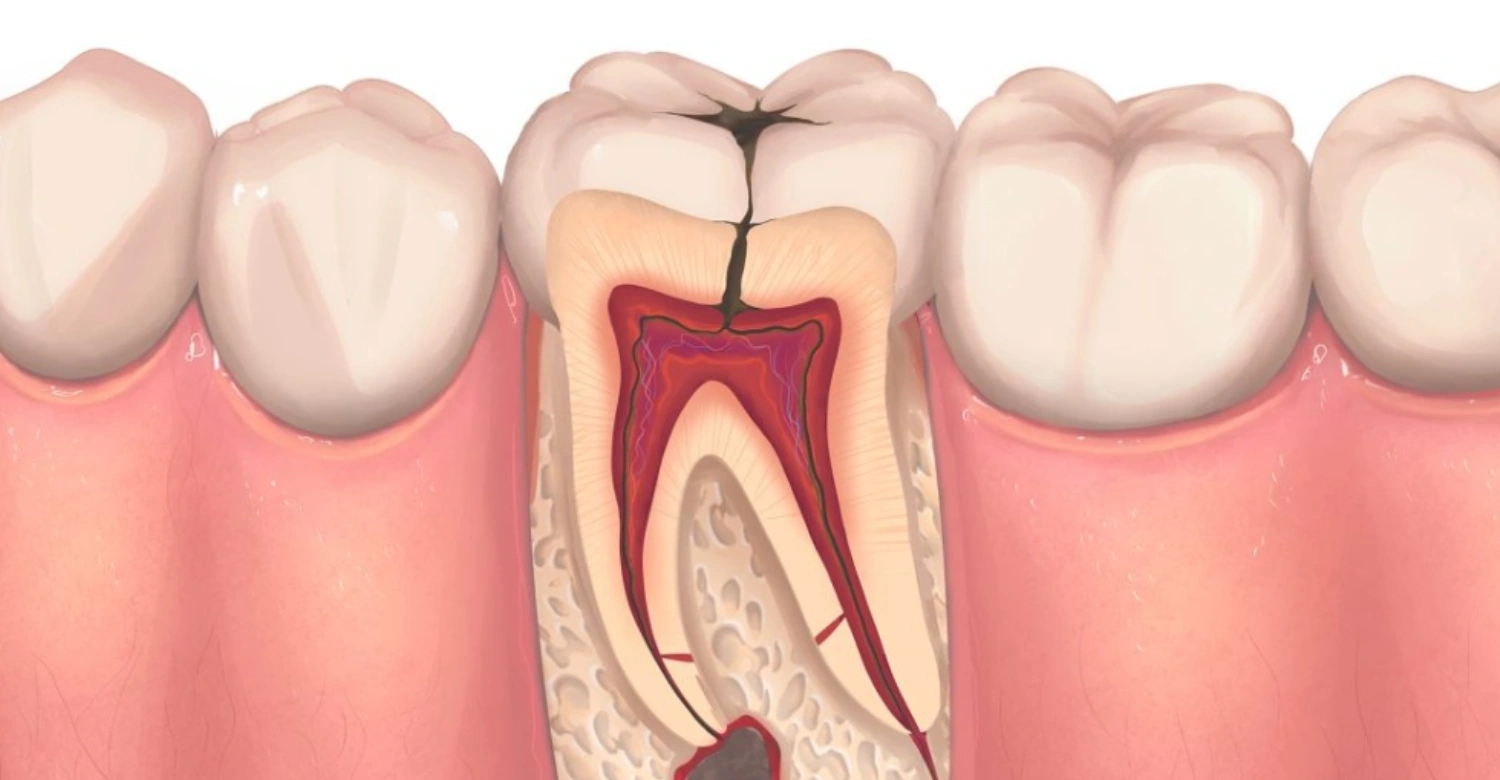
Understanding every step helps patients who are asking should I get a root canal feel prepared and significantly less anxious. During the procedure, local anesthesia numbs the entire area. A small opening is made in the tooth, and the infected pulp tissue is removed. The canals are cleaned and shaped, then filled with gutta-percha, a biocompatible sealing material. A temporary filling closes the tooth until a crown is placed. Afterward, mild soreness lasting two to three days is normal. It is easily managed with over-the-counter pain relief. Most patients return to regular activities the following day.
Step-by-Step Root Canal Procedure for should i get
A detailed walkthrough can ease your anxiety. Here is what typically happens during a root canal, step by step:
Diagnosis and X-rays: Your dentist takes digital X-rays to assess the infection and root canal shape.
Local Anesthesia: The dentist numbs the tooth and surrounding area. You should feel no pain during the procedure.
Rubber Dam Placement: A small rubber sheet keeps the tooth dry and free from saliva.
Access Opening: The dentist creates a small opening in the top of the tooth to reach the pulp chamber and canals.
Cleaning and Shaping: Specialized instruments remove the infected pulp, clean the canals, and shape them for filling.
Disinfection: An antiseptic solution flushes out remaining bacteria and debris.
Filling: The canals are filled with gutta-percha, and the access opening is sealed with a temporary or permanent filling.
Restoration: In most cases, a crown is recommended to protect the tooth and restore full function.
Throughout the procedure, your dentist may take additional X-rays to ensure the canals are properly cleaned and filled. The entire process usually takes one to two visits, depending on the complexity of your case. Ask your dentist to show you images of your tooth and explain each step.
Should You Get a Root Canal? Key Considerations
Are root canals worth it? This question often surfaces alongside should I get a root canal, and both deserve a clear, evidence-based answer. Clinical data consistently shows that root canal treatment is one of the most cost-effective and functionally successful procedures in all of dentistry. Compared to extraction followed by implant or bridge placement, root canal treatment preserves your natural tooth at a fraction of the total long-term expense. It also involves significantly less treatment complexity and time investment. For most patients with salvageable infected teeth, the answer is straightforwardly yes: it is absolutely worth it.
Saving Your Natural Tooth vs. Removing It for should i get
Your natural tooth will always outperform any prosthetic replacement. No implant or dental prosthetic fully replicates the function, sensation, or structural stability of a real tooth. Root canal treatment preserves natural biting force and maintains surrounding bone density. It also prevents neighboring teeth from shifting out of alignment. When asking whether to undergo endodontic treatment versus choosing extraction, every clinical effort should be directed toward saving the natural tooth first. Root canal treatment makes that preservation possible in the overwhelming majority of cases involving infected or severely inflamed dental pulp.
Cost Comparison: Root Canal vs. Extraction and Implant for should i get
For patients evaluating should I get a root canal from a financial perspective, the real comparison is between root canal treatment plus a crown versus extraction plus full tooth replacement. A dental implant alone can cost two to four times more than root canal treatment. Bridges and partial dentures also carry ongoing maintenance and eventual replacement costs over time. When total long-term expenses are factored in honestly, saving the natural tooth is almost always the more economical decision. This holds true for patients who are clinically appropriate candidates for the procedure.
Long-Term Success Rates of Root Canal Treatment for should i get
When asking whether to undergo endodontic treatment, understanding long-term outcomes is critical, and they are highly favorable. Clinical studies consistently document success rates of 85–97% when root canal treatment is performed correctly. This is true when it is restored with a quality crown. Many treated teeth remain fully functional for an entire lifetime. Key factors affecting long-term success include the severity of the original infection, the quality of the crown placed afterward, and the patient's daily oral hygiene discipline. Among best root canals outcomes, consistent professional follow-up care and thorough home maintenance make a decisive and lasting difference.
What to know about should i get
Deciding should I get a root canal isn't always a straightforward yes or no. It depends on the specific clinical details of each individual case. In many situations, root canal treatment is clearly the best and only viable path to saving the tooth. In others, dentists carefully weigh additional factors before finalizing any recommendation. Understanding when root canal treatment is most appropriate, and when alternatives may serve the patient better, helps patients participate meaningfully in their own care decisions. It helps them choose treatments that align with their long-term health needs and personal circumstances.
Cases Where Root Canal Treatment Is Strongly Recommended for should i get
Root canal treatment is strongly recommended when the dental pulp is infected or irreversibly inflamed. It is also recommended when a dental abscess has developed at the root tip, when deep decay has reached the nerve, or when dental trauma has severely compromised the pulp. In all of these scenarios, the infection will not heal on its own. Antibiotics may suppress symptoms temporarily, but they cannot eliminate the infection residing inside the tooth. For these clinical presentations, whether to undergo endodontic treatment has a definitive, evidence-based answer: yes. Acting sooner rather than later is strongly advised.
Situations Where Alternative Treatments May Be Considered for should i get
Not every tooth with pulp involvement automatically requires a full root canal. In cases of early-stage reversible pulpitis, a pulp capping procedure may allow the tooth to recover without complete pulp removal. If a tooth is so severely fractured, structurally compromised, or surrounded by significant bone loss that it cannot be properly restored, extraction followed by implant placement may be the more clinically appropriate path. Your dentist conducts a thorough individual assessment before making any recommendation. This ensures the chosen approach genuinely serves your specific clinical needs and long-term goals.
Dentist's Clinical Decision-Making Process for should i get
When a dentist evaluates whether you need a root canal, they follow a systematic and comprehensive clinical process. This includes a detailed symptom review and pulp vitality testing. It also includes analysis of digital X-rays or 3D cone beam CT imaging, assessment of decay depth and extent, and careful evaluation of the tooth's restorability after treatment. Your medical history, existing restorations, and the tooth's functional role in your bite are all weighed. This thorough individual assessment ensures every recommendation is grounded in your specific clinical reality, not a generalized treatment approach.
Root Canal vs Extraction: Cost, Recovery Time, and Long-Term Value for should i get
Choosing between a root canal and tooth extraction is not only about the immediate procedure. Many patients compare the short-term price, recovery period, and what happens to the tooth afterward.
A root canal treatment usually costs more upfront because it saves the natural tooth. It involves cleaning, disinfecting, and sealing the infected root canals. The average root canal cost is commonly around $500–$1,000+, depending on the tooth type, complexity, and location.
Tooth extraction may appear cheaper initially, often costing around $200 or more. But removing a tooth can create additional expenses if the missing tooth needs replacement with a dental implant, bridge, or other restoration.
According to guidance from the American Association of Endodontists (AAE), preserving the natural tooth whenever possible is generally preferred. A natural tooth maintains function, stability, and chewing efficiency.
At Vitrin Clinic, Dr. Rifat Alsaman, Head of the Medical Team at Vitrin Clinic and a cosmetics dentist, explains that the decision should always be based on the tooth's condition and remaining structure. Infection level and the patient's long-term oral health goals matter just as much.
Root Canal vs Extraction: Which Treatment Is the Better Choice? for should i get
When patients search "should I get a root canal", one of the most common questions is whether they should save the tooth with root canal treatment or remove it through extraction. Both treatments can solve dental problems. But they have very different long-term outcomes.
A root canal treatment is designed to remove infected or damaged pulp tissue while keeping the natural tooth in place. The tooth is cleaned, disinfected, sealed, and usually protected with a dental crown to restore strength and function.
Tooth extraction removes the entire tooth. Although extraction may provide immediate relief from severe damage or infection, the missing tooth often needs replacement. A dental implant, bridge, or other restoration helps maintain proper chewing function and prevent surrounding teeth from shifting.
According to the American Association of Endodontists (AAE), preserving natural teeth whenever possible is usually the preferred approach. Natural teeth provide better function, stability, and comfort compared with artificial replacements.
Root Canal vs Extraction Comparison for should i get
If you've been asking yourself should I for should i get
Factor | Root Canal Treatment | Tooth Extraction |
|---|---|---|
Main purpose | Save the natural tooth | Remove the damaged tooth |
Treatment approach | Removes infection inside the tooth | Removes the entire tooth |
Recovery time | Usually 1–3 days | Usually 1–2 weeks |
Long-term result | Maintains natural tooth function | Requires tooth replacement |
Future treatment | Usually requires a crown | May require implant or bridge |
should i get Root Canal vs Extraction Cost Comparison: Which One Is More Affordable?
Many patients search for root canal vs extraction cost comparison because extraction seems less expensive at first. However, the total cost should include future treatments required after losing a natural tooth.
Average Cost Comparison: for should i get
Treatment | Approximate Cost |
Root Canal Treatment | $500–$1,000+ |
Tooth Extraction | Around $200+ |
Dental Implant After Extraction | $3,000–$5,000+ depending on case |
A root canal can often be the more economical long-term choice because it allows patients to keep their natural tooth without needing replacement.
Root Canal vs Extraction Cost Comparison: Which Option Costs Less? for should i get
One of the biggest concerns when deciding should I get a root canal is the financial aspect. Many patients assume extraction is always cheaper because the procedure removes the tooth immediately. However, the long-term cost comparison is more complex.
The average root canal cost commonly ranges from approximately $500 to $1,000 or more. The exact figure depends on the tooth type, complexity, location, and required restoration.
Tooth extraction may initially cost less, often starting around $200 or more. However, extraction does not include the cost of replacing the missing tooth.
If the extracted tooth is replaced with a dental implant, additional expenses may include:
Dental implant placement
Implant abutment
Dental crown
Possible bone grafting procedures
Root Canal vs Implant Cost
A dental implant can cost significantly more than root canal treatment because it involves multiple stages of treatment.
In many cases, a dental implant may cost two to four times more than saving the natural tooth with root canal treatment and a crown.
For patients who are good candidates, preserving the natural tooth is often the more affordable long-term solution.
Root Canal Recovery Time vs Extraction Recovery Time
Recovery is another important factor when deciding between root canal treatment and extraction.
Root Canal Recovery Time
Most patients experience mild sensitivity or discomfort after a root canal. This usually improves within 1–3 days. The tooth can often return to normal function after the final restoration, such as a dental crown.
Extraction Recovery Time
Tooth extraction recovery may take longer because the gum tissue and bone need time to heal. Many patients require around 1–2 weeks for initial healing, while complete bone healing can take several months.
Quick Comparison:
Procedure | Average Recovery |
Root Canal | 1–3 days |
Extraction | 1–2 weeks |
At Vitrin Clinic, Dr. Rifat Alsaman, Head of the Medical Team at Vitrin Clinic and a cosmetics dentist, highlights that recovery depends on the complexity of each case, the patient’s oral health, and following proper aftercare instructions.
Root Canal Recovery Time Compared With Extraction Recovery
Understanding recovery time is an important part of deciding between root canal treatment and extraction.
Root Canal Recovery Time
Most patients recover quickly after root canal therapy. Mild soreness or sensitivity is common after treatment, but symptoms usually improve within a few days.
Typical recovery includes:
Mild discomfort for 1–3 days
Temporary sensitivity when chewing
Returning to normal activities shortly after treatment
Protecting the tooth until the final restoration is completed
Extraction Recovery Time
Tooth extraction usually requires a longer healing period because the gum and bone tissues need time to recover.
Typical extraction recovery includes:
Initial healing within 1–2 weeks
Avoiding pressure on the extraction area
Following aftercare instructions to prevent complications
Planning replacement options if needed
Clinical Note
Although extraction may seem like a faster solution, the complete treatment journey can become longer when tooth replacement is required. Root canal treatment often allows patients to maintain normal tooth function without additional replacement procedures.
When Is Tooth Extraction Better Than Root Canal?
Although saving the natural tooth is often preferred, there are situations where extraction may be the better option.
A tooth extraction may be recommended when:
The tooth has severe structural damage below the gum line.
There is not enough healthy tooth structure to support a crown.
Advanced infection has caused significant bone loss.
Previous root canal treatment has failed and retreatment is not suitable.
The tooth cannot be restored successfully.
However, extraction should always be considered carefully because removing a tooth may require future replacement.
Are Root Canals Safe and Successful?
Many patients ask: Are root canals safe?
Yes, modern root canal treatment is considered a safe and predictable dental procedure when performed correctly.
With advanced techniques, proper diagnosis, and high-quality restoration, root canal success rates are commonly reported between 85% and 97%.
A successful root canal can:
Remove infection from inside the tooth.
Reduce pain caused by inflamed or infected pulp.
Preserve the natural tooth.
Prevent the need for extraction.
AAE Guidance: Why Saving the Natural Tooth Matters
The American Association of Endodontists (AAE) recommends considering root canal treatment as a way to save natural teeth whenever possible.
The AAE highlights that natural teeth provide important benefits, including:
Better chewing function.
Maintaining proper bite balance.
Supporting surrounding teeth.
Avoiding additional replacement procedures.
When patients ask should I get a root canal, the answer depends on whether the tooth can be predictably restored and maintained.
When Is Tooth Extraction Better Than Root Canal?
Although dentists usually prefer preserving natural teeth, extraction can sometimes be the better treatment option.
A dentist may recommend extraction when the tooth cannot be predictably restored or maintained.
Situations Where Extraction May Be Recommended
Severe Tooth Structure Damage
If most of the tooth structure is destroyed and cannot support a crown, restoring the tooth may not provide a reliable long-term result.
Vertical Root Fracture
A tooth with a vertical root fracture usually cannot be successfully treated with root canal therapy because the crack allows bacteria to continue entering the tooth.
Advanced Bone Loss
When severe periodontal disease has caused significant bone loss around the tooth, the tooth may not have enough support to function properly.
Failed Root Canal Treatment
If previous root canal treatment has failed and retreatment or other procedures cannot provide a predictable outcome, extraction may become the recommended option.
Checklist: When Extraction May Be Better Than Root Canal
Extraction may be considered when:
The tooth cannot be restored
There is a deep root fracture
The supporting bone is severely damaged
The tooth has a poor long-term prognosis
The cost and complexity of saving the tooth outweigh the expected benefit
Root Canal vs Implant Cost: Why Tooth Preservation Is Important
Some patients compare root canal vs implant cost when deciding whether to save or remove a tooth.
A root canal treatment combined with a crown is usually significantly less expensive than replacing a missing tooth with a dental implant.
A dental implant may require:
Tooth extraction.
Bone healing time.
Implant placement.
Abutment and crown restoration.
Because of the multiple stages involved, implant treatment can cost 2–4 times more than saving a natural tooth with root canal treatment and restoration.
Alternative Treatments Before Root Canal: Is Pulp Capping an Option?
Not every tooth problem requires a root canal immediately.
In some cases, when the pulp is only mildly affected and the damage is limited, treatments such as pulp capping may help protect the tooth and maintain pulp vitality.
Pulp capping may be considered when:
The pulp exposure is small.
The tooth is still healthy enough to recover.
The infection has not progressed deeply.
However, when bacteria reach the pulp and cause irreversible inflammation, root canal treatment may become necessary.
At Vitrin Clinic, Dr. Rifat Alsaman, Head of the Medical Team at Vitrin Clinic and a cosmetics dentist, explains that early diagnosis can sometimes prevent more complex treatments and help patients preserve their natural teeth.
Before and After Root Canal Treatment: What Patients Should Expect
For many patients, should I get a root canal is really a masked way of asking: what will this experience actually feel like? Setting accurate expectations about pain levels, the procedure itself, and the recovery process is one of the most effective strategies for reducing dental anxiety. The journey from diagnosis through treatment completion and full recovery is typically well-managed and predictable. It is also far less overwhelming than most patients anticipate, particularly when they understand what happens at each stage.
Pain Levels Before Treatment vs. After Treatment
Before root canal treatment, patients are typically experiencing significant dental pain: throbbing, pressure, acute temperature sensitivity, or radiating discomfort that disrupts sleep, eating, and daily functioning. Once whether to undergo endodontic treatment is answered with timely action, the source of that pain is permanently removed. Most patients describe post-treatment soreness as mild and far less intense than what they experienced before treatment. The widespread belief that root canals are an extreme source of pain is simply not supported by the actual lived experience of most modern dental patients.
Healing Timeline and Recovery Tips
Understanding the recovery timeline helps patients who have decided should I get a root canal feel fully prepared and confident moving forward. Mild soreness typically resolves within two to three days following treatment. Full soft tissue healing occurs within one to two weeks. To support recovery effectively, avoid chewing hard foods on the treated side until your permanent crown is placed. Maintain gentle but thorough oral hygiene, and take over-the-counter pain relief as directed. Avoid smoking and alcohol during the healing period. Contact your provider promptly if you experience worsening pain, significant swelling, or fever.
How Your Tooth Functions After a Root Canal
Following root canal treatment and crown placement, your tooth functions virtually identically to a natural tooth. You can chew, bite, and speak normally without any discomfort. Although the tooth no longer contains living pulp tissue, it retains its complete structural role in your bite and overall oral function. With proper care, consistent brushing, flossing, and regular professional checkups, a root canal-treated tooth can last decades or a lifetime. Patients who once agonized over whether to undergo endodontic treatment frequently express genuine satisfaction with how seamlessly and comfortably the treated tooth functions in everyday life.
Are Root Canals Safe?
Many patients search "are root canals safe" because they worry about discomfort, complications, or effectiveness.
Modern root canal treatment is safe and predictable when performed correctly.
The purpose of root canal therapy is to:
Remove infected tissue from inside the tooth
Eliminate bacteria and infection
Prevent dental abscess formation
Preserve natural tooth structure
Restore normal chewing function
Root Canal Success Rate
The root canal success rate is generally high, especially with proper restoration and regular dental care.
Studies show success rates from 85% to 97%, depending on factors such as:
Tooth condition
Infection severity
Treatment quality
Final restoration
Patient oral hygiene
Dental Care Tips to Avoid Needing a Root Canal
The most effective approach is to never need a root canal. Consistent dental care reduces the risk of pulp infection. It also reduces the conditions that make patients ask, "Should I get a root canal?" Most root canals result from untreated decay, gum disease, or trauma. These problems could have been managed earlier with routine care. Strong daily habits and a trusting relationship with your dentist are powerful tools for tooth preservation.
Daily Oral Hygiene Practices
Brush twice daily with fluoride toothpaste and floss once per day. This removes plaque and bacteria before decay reaches the pulp. An antibacterial mouthwash adds protection along the gum line. Replace your toothbrush every three months. Use gentle circular motions. Aggressive scrubbing damages enamel and irritates gums. These habits reduce the chance of decay reaching the pulp and requiring a root canal.
Regular Dental Checkups and Early Detection
Visit your dentist every six months. This enables early detection of decay, cracks, and gum disease. Cavities caught before pulp involvement need only a filling. Professional cleanings remove tartar that brushing cannot. Patients with a history of dental problems may need more frequent visits. Consistent care helps you avoid asking, "Should I get a root canal?" due to a problem that could have been detected earlier.
Managing Tooth Decay Before It Reaches the Nerve
Tooth decay progresses in stages: enamel, dentin, then pulp. Before pulp involvement, treatments are simpler and less expensive. Fluoride, sealants, and fillings can halt decay. If you notice sensitivity to sweets, temperature, or pressure, seek evaluation promptly. Early intervention is critical. It helps you avoid the deep infection that forces patients to ask, "Whether to undergo endodontic treatment?" when the situation is already complex and costly.
Protecting Teeth From Cracks and Trauma
Cracked teeth let bacteria reach the pulp over time. This causes infection that may require a root canal. If you grind your teeth, wear a custom night guard. Avoid chewing ice, hard candies, or non-food objects. Use a mouthguard during contact sports. Address chips and cracks promptly with bonding or a crown. These measures reduce trauma-related pulp damage. They help you avoid asking, "Should I get a root canal?" in a situation that prevention could have avoided.
Alternative Treatments Before Root Canal
Not every tooth problem requires immediate root canal treatment. The right treatment depends on the stage of damage and pulp condition.
Dental Fillings
If decay has not reached the nerve, a filling may restore the tooth.
Pulp Capping
Pulp capping is a conservative treatment that may protect the nerve when damage is limited and detected early.
This approach preserves pulp vitality and may avoid a root canal.
Monitoring and Preventive Care
In some cases, dentists monitor minor symptoms with regular checkups, especially without clear infection.
Professional Advice: How to Decide If You Should Get a Root Canal
Deciding whether to get a root canal comes down to professional guidance, honest self-assessment, and a clear understanding of your options. This guide provides valuable context. But nothing replaces a direct consultation with a qualified dentist. Only they can evaluate your specific clinical situation. When a dentist recommends root canal treatment, it is almost always because the alternative—extraction—carries far greater long-term consequences. These affect your oral health, bite function, jaw bone density, and overall wellbeing.
Questions to Ask Your Dentist
When evaluating whether you should get a root canal, come prepared with specific questions. What is the current condition of my dental pulp? Is the tooth fully restorable after treatment? What are the long-term consequences of choosing extraction instead? How many appointments will this require? What is the total expected cost including the crown? Is a specialist referral recommended for my case? These focused questions ensure you receive a thorough, personalized explanation of your diagnosis and all treatment options.
Understanding Risks vs. Benefits
Every dental procedure carries some risk. The question "Should I get a root canal?" deserves a balanced, honest answer. Root canal risks include rare reinfection, instrument separation in a narrow canal, or incomplete sealing of a complex root system. However, these risks are uncommon. They are significantly outweighed by the alternative: allowing an untreated infection to spread into surrounding bone, adjacent teeth, or the bloodstream. The benefits of permanent pain relief, a preserved natural tooth, maintained bite function, and long-term cost savings are substantial and well-documented.
Timing and Urgency of Treatment
Timing is critical when answering "Whether to undergo endodontic treatment?" An infected tooth will not heal without professional intervention. Delay allows the infection to spread progressively. It can move from the pulp into surrounding bone, adjacent teeth, the sinuses, or the jaw. Untreated dental abscesses can escalate into life-threatening emergencies. If your dentist has confirmed the need for treatment and you are still deliberating, the professional answer about timing is unambiguous. Act promptly to protect your tooth and your health.
Protecting Your Long-Term Oral Health
Choosing root canal treatment when clinically indicated protects more than just the treated tooth. Tooth loss triggers a complex chain reaction: bone resorption at the extraction site, drifting of neighboring teeth, altered bite mechanics, and increased load on remaining dentition. These cascading effects can require extensive and expensive correction over time. Root canal treatment interrupts this chain before it starts. It preserves the structural integrity of your entire mouth. Every decision made in favor of treatment is a meaningful investment in your long-term dental and overall wellbeing.
Why Patients Choose Vitrin Clinic
When deciding whether to get a root canal, selecting the right clinic matters as much as selecting the right treatment. At Vitrin Clinic, patients receive care that combines advanced diagnostic technology, specialist-level expertise, and a patient-centered philosophy. From the first consultation through treatment completion and follow-up care, every aspect is designed to deliver clinical excellence, transparency, and comfort. Vitrin Clinic's consistent record of achieving the best root canal outcomes reflects a deep commitment to individualized, high-quality dental care.
Advanced Diagnostic and Treatment Technology
At Vitrin Clinic, state-of-the-art equipment supports every stage of root canal treatment. Cone beam CT imaging and digital X-rays provide a precise, three-dimensional picture of your tooth's anatomy before treatment begins. Electronic apex locators and rotary endodontic systems ensure thorough, accurate canal cleaning. These technologies minimize complications, reduce treatment time, and improve clinical outcomes. When patients ask if root canals are safe at Vitrin Clinic, the answer is supported by world-class equipment and rigorous infection control standards. Every decision leads to reliably optimal results.
Why Trust This Guide?
This guide is written by Dr. Rifaat Al-Samman, a general and aesthetic dentist with extensive experience in endodontic treatment planning. Dr. Al-Samman has treated thousands of patients with root canal therapy. He is the Director of the Medical Team at Vitrin Clinic in Istanbul. His expertise ensures that the information provided is accurate and evidence-based.
About the Author
Dr. Rifaat Al-Samman is a dentist with a Doctor of Dental Surgery degree from Izmir Katip Celebi University. He has extensive experience in root canal treatment and restorative dentistry. He currently serves as the Director of the Medical Team at Vitrin Clinic in Istanbul. His clinical expertise and patient-centered approach ensure that you receive reliable, compassionate care.
Disclosure
This article is for informational purposes only and does not constitute medical advice. The author, Dr. Rifaat Al-Samman, is a dentist at Vitrin Clinic. This content is provided to educate patients. No financial conflicts of interest exist that could influence the information presented. Always consult with a qualified dental professional for personalized advice.
Patient Satisfaction: What Our Patients Say
We value patient feedback. Here are some recent reviews from patients who underwent root canal treatment at our clinic:
"Excellent experience! The staff was caring, and the procedure was painless. I'm so relieved." – Verified Patient
"I was nervous, but the sedation option made it easy. The dentist explained everything clearly." – Verified Patient
"Professional and gentle. My root canal was done in one visit, and I had no discomfort afterward." – Verified Patient
These reviews reflect our commitment to patient comfort and quality care. If you have questions, we encourage you to reach out to us.
Experienced Dental Specialists
Root canal treatment at Vitrin Clinic is performed by dental specialists with advanced training in endodontics, pulp disease management, and complex root canal anatomy. Their depth of expertise enables confident, precise handling of even the most challenging cases: calcified canals, curved roots, retreatment scenarios, and multi-rooted molars with unusual anatomy. Specialist-level proficiency significantly improves long-term success rates and reduces the likelihood of procedural complications. Are root canals worth it when performed at this caliber of specialist care? Absolutely. Patients consistently leave with comfortable, fully functional, well-restored teeth and lasting confidence in their dental health outcomes.
Patient-Centered Treatment Planning
No two patients receive identical treatment plans at Vitrin Clinic. Every person undergoes a thorough clinical evaluation followed by a fully personalized recommendation. It reflects their condition, dental history, lifestyle, financial considerations, and long-term oral health goals. All available options, including clinically appropriate alternatives to root canal treatment, are explained clearly. This helps patients make genuinely informed decisions. This transparent, collaborative approach ensures that whenever a patient decides should I get a root canal, they do so with complete understanding of their diagnosis, full confidence in their care team, and a clear vision of their long-term treatment path.
Comfortable and Stress-Free Care Approach
Dental anxiety is real and widely experienced, and Vitrin Clinic takes it seriously in every patient interaction. Every element of the experience, from a calm clinic environment to thorough pre-treatment explanations, gentle clinical technique, and attentive chairside manner, is designed to minimize stress and build trust. When patients arrive asking whether to undergo endodontic treatment with visible apprehension, Vitrin Clinic's team provides thorough reassurance and effective comfort measures throughout the entire process. Many patients who arrived deeply anxious report being genuinely surprised by how manageable and even comfortable their root canal experience truly was.
What We Notice Clinically
According to Dr. Rifat Alsaman, Head of the Medical Team at Vitrin Clinic and a cosmetics dentist, many patients delay root canal treatment because they focus mainly on the fear of the procedure rather than the long-term condition of the tooth.
Dr. Rifat Alsaman explains that clinically, the best decision depends on several factors. These include the amount of healthy tooth structure remaining, the level of infection, gum condition, and whether the tooth can be restored successfully after treatment.
At Vitrin Clinic, the priority is always to evaluate whether the natural tooth can be preserved before considering extraction. Saving a natural tooth whenever possible can help maintain proper chewing function. It also helps prevent shifting of surrounding teeth and reduces the need for more complex treatments in the future.
Tips for Patients Before and After Root Canal Treatment
Preparing properly for root canal treatment can make the experience easier and improve long-term results.
Before Treatment
Patients should:
Ask about the treatment steps and expected timeline
Discuss pain control options with their dentist
Inform the dentist about medications or medical conditions
Understand the importance of completing the final restoration
After Treatment
Patients should:
Follow post-treatment instructions carefully
Avoid chewing hard foods until the tooth is fully restored
Maintain regular brushing and flossing
Attend follow-up appointments
Protect the treated tooth with proper restoration when recommended
Dr. Rifat Alsaman’s Clinical Advice
Dr. Rifat Alsaman, Head of the Medical Team at Vitrin Clinic and a cosmetic dentist, advises:
“Patients should not delay root canal treatment because of fear. Early diagnosis usually leads to simpler treatment, better comfort, and a higher chance of preserving the natural tooth.”
AAE Root Canal Guidance: Why Saving Natural Teeth Matters
The American Association of Endodontists (AAE) emphasizes the importance of preserving natural teeth whenever possible. Root canal treatment allows dentists to remove infection while maintaining the original tooth structure.
Saving a natural tooth can help patients maintain:
Better chewing ability
Natural appearance
Tooth alignment
Jaw stability
A root canal is not simply a treatment to remove pain; it is a procedure designed to protect long-term oral health.
For More Information
For further reading on root canal treatment, we recommend the following authoritative sources:
American Association of Endodontists (AAE): www.aae.org – Provides patient education and information on root canal safety.
American Dental Association (ADA): www.ada.org – Offers guidelines on oral health and procedures.
National Institutes of Health (NIH): www.nih.gov – For scientific research on endodontics.
These resources can help you make an informed decision about your dental health.
Reference
Should I Get a Root Canal depends on the condition of the tooth, the extent of pulp damage, symptoms, and the results of a dental examination and X-rays. Root canal treatment is usually recommended when the tooth's inner pulp becomes infected or irreversibly inflamed. This helps relieve pain and preserve the natural tooth. The following references provide more information about root canal indications, diagnosis, benefits, alternatives, and factors to consider before deciding on treatment:
https://saudijournals.com/media/articles/SJODR_711_270-275.pdf
https://onlinelibrary.wiley.com/doi/10.1111/j.1365-2591.2007.01322.x
FAQs
Dr. Rifat Alsaman has more than 5 years of clinical experience in dentistry and currently serves as the Head of the Medical Team at Vitrin Clinic. He is dedicated to providing exceptional patient care, overseeing treatment planning, and ensuring the highest clinical standards across the team. His expertise, attention to detail, and commitment to continuous professional development have helped countless patients achieve healthier, more confident smiles.


