Oral Dentistry
July 1, 2025
Smoking After Tooth Extraction: Why Waiting Really Matters!?
 Dr. Rifat Alsaman
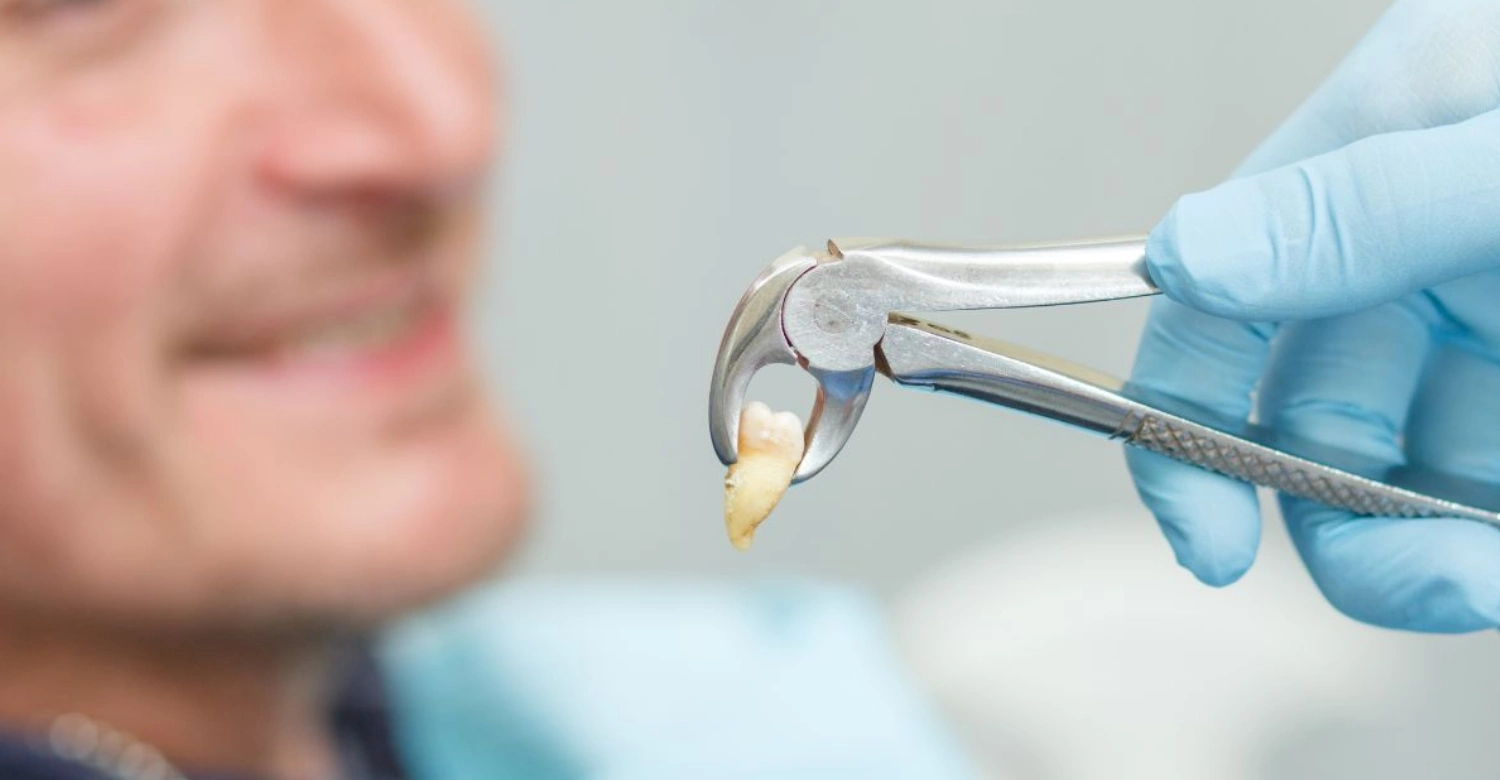
Smoking after tooth extraction is one of the first questions patients ask before leaving the dental chair. A tooth extraction is a common dental procedure to remove a damaged or infected tooth. It might seem straightforward, but it triggers a natural healing process. The empty socket must form a blood clot. This clot acts as a protective plug. It prevents excessive bleeding, shields bone and nerves, and stops infection.
Recovery from any extraction depends on a stable, undisturbed socket for the first several days. Anything that interrupts that stability extends discomfort. Suction, heat, chemicals, and reduced blood flow can all turn a routine recovery into a painful one. Understanding how smoking interferes with each stage of healing makes it easier to follow the waiting periods dentists recommend.
The Dangers of Smoking After Tooth Extraction
A. Dislodging the Blood Clot → Dry Socket
Inhaling creates suction. It doesn't matter whether you're dragging from a cigarette, cigar, iqos, or vape. That suction can pull out the clot. This leads to dry socket (alveolar osteitis), a condition where bone and nerves are exposed. The pain is sudden and severe, and it can last 5–6 days. This mechanism is the single biggest reason smoking after tooth extraction is discouraged so strongly in the first few days.
B. Heat + Chemicals Melt Clots & Irritate Tissue
Heat and chemicals from smoke can "melt" the clot. They also irritate open tissue. This delays healing and leaves the wound vulnerable to bacteria. It's another reason smoking after tooth extraction so often leads to a slower, more painful recovery than patients expect.
C. Reduced Blood Flow & Oxygen = Delayed Healing
Nicotine causes blood vessels to constrict. This cuts oxygen and nutrient delivery to the socket. Combined with delayed clotting, it can prolong pain, swelling, and possible infection. Prepare for your dental procedure with our guide on Wisdom tooth extraction in Turkey 2025 for safe and modern care.
These three mechanisms rarely act alone. A weakened clot combined with reduced oxygen delivery leaves the socket with fewer resources to fight bacteria. This is why dentists treat smoking after tooth extraction as a combined risk, not a single, isolated habit to avoid. Patients who understand all three factors tend to take the waiting period far more seriously than those who only hear "don't smoke."
How Long Should You Wait Before Smoking?
First 48–72 Hours: Absolutely No Smoking
This is when the clot is forming. Smoking after tooth extraction during this window carries the highest risk of dry socket of any point in recovery.
After 3 Days: Risk Drops But Still Present
The socket may start healing by this point. But suction and toxins are still risky. Many dentists now recommend waiting 7–10 days, especially after wisdom tooth removal, to ensure solid healing. The risk of smoking after tooth extraction drops after day three, but it doesn't disappear entirely.
When Is It Truly Safe?
Most experts agree that waiting a full week to 10 days offers the safest path, especially for complex extractions.
The exact number of days can shift depending on your specific case. A single, straightforward front-tooth extraction generally closes faster than a surgical wisdom tooth removal. Wisdom tooth surgery often involves cutting through gum tissue or bone, which slows healing. Patients with diabetes, autoimmune conditions, or a history of dry socket are usually advised to extend their waiting period further. If you're unsure which category your case falls into, ask your dentist for a personalized timeline rather than relying on a general rule.
Is Vaping or Using E-Cigarettes Safer Than Smoking?
Vaping is often assumed to be gentler on a healing socket. The evidence doesn't support that. Vaping after tooth extraction carries the same dry socket risk, because the inhale-and-hold motion still creates negative pressure in the mouth. That suction is what pulls clots loose, whether you're inhaling smoke or vapor. The standard guidance for smoking after tooth extraction applies to vaping too.
E-cigarettes also deliver nicotine, which constricts blood vessels and slows the oxygen supply your socket needs to heal. Some vape liquids contain flavoring chemicals that can irritate open tissue too.
How Chronic Smoking Prior to Surgery Negatively Affects Healing
Patients who smoke regularly before surgery don't just face risk afterward. Their healing capacity is already compromised going in. Chronic nicotine exposure narrows blood vessels long-term. Tissue at the extraction site receives less oxygen from the very first hour of healing, which makes smoking after tooth extraction even riskier for habitual smokers.
Long-term smokers also tend to form weaker, slower blood clots. Their immune response is often reduced too. Together, this raises the chance of infection, delayed bone healing, and dry socket, even beyond the standard recovery window.
Other Post-Extraction Care Tips
Smoking after tooth extraction isn't the only thing to watch. Here are vital habits to ensure fast, smooth healing:
Avoid straws, spitting, and forceful rinsing for 24 hours, just like the smoking suction risk. Swish gently with saltwater after 24 hours and after meals for up to a week.
Skip alcohol for at least 48 hours. It thins blood and irritates tissues.
Avoid strenuous activity for 2–3 days. Exercise raises blood pressure and may dislodge clots.
Maintain gentle oral hygiene. Brush other teeth carefully, but stay away from the extraction site. Use antimicrobial mouthwash if advised.
Attend follow-up appointments so your dentist can check for healing issues or dry socket early.
Diet plays a bigger role in recovery than most patients expect. Stick to soft, lukewarm foods for the first few days. Yogurt, mashed potatoes, and soups all work well. Avoid anything crunchy, spicy, or very hot that could irritate the site. Staying well hydrated also supports clot stability and tissue repair. Patients who combine these habits with the smoking after tooth extraction precautions above tend to report noticeably less swelling by day three.
Learn the steps and recovery tips in Wisdom tooth extraction for a smooth experience.
What If Dry Socket Happens?
If your socket becomes exposed, you'll feel intense, throbbing pain, usually 2–5 days after extraction.
Pain usually subsides within 24–48 hours after treatment, but don't delay seeking care. This is the most common complication linked to smoking after tooth extraction.
If dry socket does develop, your dentist will typically clean the socket and pack it with a medicated dressing. This protects the exposed bone while new tissue forms. Pain relief is usually immediate once the dressing is placed, though the dressing may need to be changed over a couple of follow-up visits. Waiting it out at home rarely helps. It can allow the exposed area to become infected, so same-day contact with your clinic is always the safer choice, especially if dry socket followed smoking after tooth extraction.
Understand the procedure and what to expect in a Tooth extraction procedure to ensure proper care.
Final Summary Table
When | What to Do |
|---|---|
0–24 hours | No smoking, no straws/spitting, no brushing near site |
48–72 hours | Still no smoking; rinse gently with saltwater |
3–7 days | Avoid smoking; if needed, use gauze + no deep inhalation |
7–10 days & beyond | Only smoke once extraction site is fully healed and dentist gives approval |
Tips for Patients
Ask your dentist for a written aftercare sheet before leaving the clinic.
Keep a soft-food plan ready for the first 3 days.
Set phone reminders for saltwater rinses after the first 24 hours.
Consider a nicotine patch or gum as a bridge if quitting outright feels overwhelming.
Call the clinic right away if pain worsens after day 3, rather than waiting it out.
Keep your follow-up appointment even if healing feels fine. Small issues are easier to catch early.
Pack a small recovery kit (saltwater rinse, soft food, prescribed medication) before your procedure day, so you're not scrambling afterward.
Write down the exact date you can safely resume smoking after tooth extraction, so you're not guessing later in recovery.
What We Notice Clinically
Dr. Rifat Alsaman, Head of the Medical Team at Vitrin Clinic and a cosmetic dentist, notes that patients who vape often underestimate their risk. Dr. Rifat Alsaman explains that vaping patients frequently return with dry socket symptoms. They assumed vapor was "safer" than smoke, one of the most common misconceptions around smoking after tooth extraction.
Dr. Rifat Alsaman also points out that chronic smokers who commit to even a short pre-surgery reduction period tend to heal noticeably faster. They see less swelling and fewer follow-up visits. According to Dr. Rifat Alsaman, Head of the Medical Team at Vitrin Clinic, this pattern holds across both cigarette and vape users treated at the clinic.
Clinical Note
Dry socket rates rise sharply within the first 72 hours in patients who resume any form of inhalation: smoke, vapor, or shared water-pipe use. Clinically, the mechanism is mechanical suction combined with nicotine's vessel-narrowing effect, not the substance's flavor or perceived strength. Wisdom tooth patients face a longer at-risk window, since those sockets sit deeper and close more slowly. This is why smoking after tooth extraction guidance is often stricter for surgical extractions.
Need Support? Vitrin Clinic Is Here for You!
At Vitrin Clinic Istanbul, we encourage all patients, especially smokers, to use this time as a springboard. A short-term smoking pause, or even a full quit, speeds healing and improves oral health.
Free consultation available: Ask us how to safely manage nicotine cravings during recovery or seek long-term quitting support.
Dental care in Istanbul: We serve international patients, offering multilingual, compassionate care before, during, and after your dental treatment.
Ready for personalized advice? Book your free post-op consultation with Vitrin Clinic Istanbul today. We're here to help you heal smoothly, pain-free, and supported.
About Vitrin Clinic
Vitrin Clinic is a cosmetic and general dentistry clinic based in Istanbul, Turkey, serving patients from around the world. The clinic combines modern surgical techniques with multilingual patient support. International patients can plan extractions, implants, and cosmetic treatment with clear aftercare guidance in their own language. Dr. Rifat Alsaman, Head of the Medical Team at Vitrin Clinic and a cosmetic dentist, oversees clinical standards across the team's treatment protocols. This includes guidance on smoking after tooth extraction and other post-extraction care.
Patients traveling from abroad receive a full treatment plan before arrival. This comes along with detailed recovery instructions covering diet, medication, and activity limits for the days following surgery. The clinic's coordinators stay in contact with patients after they return home. Questions about healing, including concerns about smoking after tooth extraction, don't go unanswered once the in-person visit ends. This continuity of care is central to how Vitrin Clinic supports patients through every stage of treatment, not just the day of the procedure.
Resources:
FAQs
Dr. Rifat Alsaman has more than 5 years of clinical experience in dentistry and currently serves as the Head of the Medical Team at Vitrin Clinic. He is dedicated to providing exceptional patient care, overseeing treatment planning, and ensuring the highest clinical standards across the team. His expertise, attention to detail, and commitment to continuous professional development have helped countless patients achieve healthier, more confident smiles.


