Dental Implant
August 5, 2026
How Does Subperiosteal Implant Care Ensure Long-Term Success? Complete Aftercare Guide
 Dr. Rifat Alsaman
Subperiosteal Implant Care ensures long-term success by protecting implant stability, maintaining healthy gum tissues, and preventing potential complications after treatment. Proper aftercare includes daily oral hygiene, regular dental checkups, professional cleaning, and following personalized recovery instructions.
Unlike traditional implants placed inside the jawbone, subperiosteal implants rely on healthy surrounding tissues for support. This makes consistent maintenance essential for preserving comfort and function over time.
Patients who maintain good hygiene habits and attend routine follow-up visits can improve their chances of achieving lasting results. Clinical studies show that regular maintenance programs help reduce inflammation risks and support better implant outcomes.
At Vitrin Clinic, patients receive customized aftercare plans designed around their healing progress and oral health needs. Through professional monitoring and patient education, proper maintenance helps protect implant performance and maintain a confident smile for many years.
Why Subperiosteal Implant Care Is Important for Implant Success
Subperiosteal Implant Care plays a major role in protecting implant stability, supporting gum health, and improving long-term treatment outcomes. Unlike traditional implants placed inside the jawbone, subperiosteal implants sit above the bone and under the gum tissue, making proper maintenance essential.
After implant placement, the healing tissues need protection from bacteria, excessive pressure, and poor oral habits. Following professional instructions helps reduce complications and supports comfortable adaptation.
Clinical studies show that implant maintenance programs with regular professional monitoring can significantly improve long-term implant survival rates. Research in implant dentistry highlights that patient hygiene habits and routine follow-up visits are key factors affecting implant success.
At Vitrin Clinic, patients receive personalized aftercare guidance designed around their implant condition, healing stage, and daily lifestyle. Proper cleaning routines, scheduled examinations, and healthy habits help patients protect their investment and maintain confident smiles. Healing stages of All On 6 Recovery
Understanding the Subperiosteal Implant Healing Process
The healing process after subperiosteal implant placement requires patience, consistency, and careful attention. Since the implant framework rests on the jawbone surface, surrounding tissues need time to adapt and stabilize.
During recovery, the gums gradually heal around the implant structure while the supporting tissues become stronger. Patients may experience swelling, sensitivity, or mild discomfort during the early stages.
Following professional recommendations helps prevent unnecessary stress on the surgical area. Avoiding pressure, maintaining hygiene, and attending follow-up appointments are essential steps.
Research indicates that successful implant outcomes depend on multiple factors, including surgical technique, patient health, and long-term maintenance. Healing is not only about the initial procedure but also about continuous care afterward.
Vitrin Clinic focuses on monitoring every recovery stage to ensure patients receive proper support throughout their healing journey.
What Happens After Subperiosteal Implant Surgery?
After subperiosteal implant surgery, the body begins a natural healing process around the implant framework. The gums start repairing while the tissues adjust to the new dental structure.
During the first days, patients may notice swelling, tenderness, or minor bleeding. These symptoms are usually temporary when proper aftercare instructions are followed.
Dentists typically recommend avoiding pressure on the surgical area and maintaining gentle oral hygiene. Medication instructions should also be followed carefully to support comfortable recovery.
The implant area requires protection because bacteria accumulation can increase inflammation risks. Patients should avoid disturbing healing tissues with aggressive brushing or hard foods.
Clinical observations show that patients who follow post-surgical instructions usually experience smoother recovery periods. At Vitrin Clinic, patients receive detailed guidance to protect healing tissues and support successful outcomes.
Subperiosteal Implant Recovery Timeline
Recovery after subperiosteal implant placement happens gradually through several stages. Each patient heals differently depending on health conditions, bone structure, and surgical complexity.
The first stage focuses on reducing swelling and protecting the surgical area. The following weeks involve tissue strengthening and adaptation around the implant framework.
Long-term healing continues as the implant becomes comfortable and functional during daily activities. Regular dental monitoring helps identify any concerns before they become serious problems.
Studies in implant dentistry emphasize that maintenance programs contribute significantly to implant longevity. Consistent professional evaluations allow dentists to monitor gum health, hygiene levels, and implant stability.
Vitrin Clinic creates customized recovery plans that help patients understand every healing phase and maintain their results.
First 24–72 Hours After Surgery
The first 24–72 hours after surgery are critical for protecting the healing tissues and supporting early recovery. Patients should carefully follow all post-operative instructions provided by their dentist.
Swelling and discomfort are common during this period. Applying recommended care methods can help improve comfort and reduce unnecessary irritation.
Patients should avoid touching the surgical area unnecessarily. Smoking, vigorous rinsing, and heavy physical activity may interfere with early healing.
Soft foods and proper hydration are important during this stage. Gentle cleaning methods help maintain oral hygiene without disturbing sensitive tissues.
Dental professionals recommend close observation during the first few days. Any unusual symptoms should be reported quickly for evaluation.
At Vitrin Clinic, early recovery support helps patients understand how to protect their implant area and achieve predictable healing results.
First Few Weeks of Healing
The first few weeks after subperiosteal implant surgery focus on tissue recovery and gradual adaptation. During this period, the gums continue healing around the implant framework.
Patients usually begin returning to normal routines gradually. However, excessive pressure on the implant area should still be avoided.
Daily hygiene becomes increasingly important as healing progresses. Removing bacteria and plaque helps reduce inflammation around the supporting tissues.
Regular follow-up appointments allow dentists to evaluate healing progress. These visits help confirm that the implant area is developing properly.
Clinical insights show that early maintenance habits influence long-term implant performance. Patients who maintain consistent hygiene often experience fewer complications.
Vitrin Clinic provides ongoing monitoring during this stage to ensure patients receive professional guidance throughout recovery.
Long-Term Healing and Implant Adaptation
Long-term healing involves continued tissue adaptation and maintaining the health of the implant-supported restoration. Even after initial recovery, professional care remains essential.
Patients must continue daily cleaning routines to protect surrounding gums. Regular dental examinations help detect early changes before they affect implant performance.
Lifestyle choices also influence long-term outcomes. Balanced nutrition, avoiding harmful habits, and maintaining oral hygiene contribute to better results.
Research suggests that implant success is influenced by long-term maintenance rather than surgery alone. Continuous care helps preserve function, comfort, and appearance.
Subperiosteal implants can provide lasting benefits when patients follow professional recommendations. Vitrin Clinic emphasizes preventive care strategies that support long-lasting implant health.
Clinical Note: The Importance of Following Recovery Instructions
Following professional instructions after surgery is essential for successful healing and reducing avoidable complications. Subperiosteal Implant Care requires consistency because the implant depends on healthy surrounding tissues.
Clinical experience shows that patients who follow recovery guidelines usually achieve smoother healing progress. Ignoring instructions may increase risks such as inflammation, discomfort, or delayed tissue recovery.
Dentists recommend maintaining hygiene, attending follow-up visits, and protecting the surgical area. These steps help monitor healing changes and maintain implant stability.
At Vitrin Clinic, recovery instructions are customized according to each patient’s condition. The team focuses on clear guidance, regular evaluations, and long-term support for successful implant outcomes. Practical instructions in Dental Aftercare Guide
How to Care for Subperiosteal Implants After Surgery
Proper maintenance after surgery helps protect the implant area and supports long-term comfort. Subperiosteal Implant Care begins immediately after placement through careful hygiene and protective habits.
Patients should follow their dentist’s instructions regarding cleaning, medication, diet, and activity levels. These recommendations reduce unnecessary pressure during early healing.
Professional monitoring is also important because dentists can identify concerns before they become complex problems. Regular assessments help evaluate gum condition and implant adaptation.
Research indicates that maintenance programs improve implant success by controlling bacterial buildup and supporting tissue health.
Vitrin Clinic provides structured aftercare plans that guide patients through each recovery stage. This approach helps patients maintain healthy results after their implant procedure.
Immediate Subperiosteal Implant Aftercare Instructions
The first days after surgery require careful attention to protect healing tissues. Subperiosteal Implant Care during this period focuses on preventing irritation and supporting recovery.
Patients should avoid touching the surgical area unnecessarily. Gentle cleaning methods are recommended to prevent disturbing healing tissues.
Dentists may recommend specific medications to control discomfort and reduce infection risks. Following dosage instructions correctly supports safer recovery.
Cold compresses and proper rest can help manage early swelling. Patients should also avoid smoking because it can negatively affect tissue healing.
At Vitrin Clinic, patients receive detailed instructions before leaving the clinic. This ensures they understand how to protect their implant during the important early recovery phase.
Daily Habits That Support Implant Healing
Healthy daily routines play an important role in protecting implant results. Subperiosteal Implant Care depends on consistent habits that support clean and stable tissues.
Patients should maintain gentle brushing, balanced nutrition, and regular dental appointments. These habits help prevent plaque accumulation around the implant area.
Avoiding harmful behaviors such as smoking and poor hygiene can improve long-term outcomes. Small daily actions often create significant differences over time.
Clinical studies highlight that patient cooperation is a major factor in implant maintenance success. Regular care reduces the possibility of inflammation and complications.
Vitrin Clinic encourages patients to build simple routines that protect their smile and improve implant longevity.
Maintaining Oral Hygiene
Keeping the mouth clean is essential for protecting the tissues surrounding implants. Subperiosteal Implant Care includes proper hygiene methods that reduce harmful bacteria.
Patients should brush carefully around the implant-supported teeth using recommended techniques. Gentle cleaning prevents irritation while removing plaque effectively.
Interdental cleaning tools may help reach areas that regular brushing cannot access. Dentists can recommend suitable products based on individual needs.
Research shows that controlling plaque levels contributes to healthier implant outcomes. Good hygiene habits support gum health and reduce inflammation risks.
Vitrin Clinic educates patients about practical cleaning routines. These personalized instructions help patients maintain their implants comfortably throughout daily life.
Protecting the Implant Area
Protecting the surgical area helps prevent unnecessary stress during recovery. Subperiosteal Implant Care requires patients to avoid behaviors that may disturb healing tissues.
Patients should avoid chewing hard foods near the implant area during early recovery. Excessive pressure can affect comfort and tissue adaptation.
Following activity restrictions is also important after surgery. Heavy physical efforts may increase swelling or discomfort during the healing stage.
Patients should contact their dentist if unusual symptoms appear. Early professional evaluation can prevent minor concerns from becoming serious complications.
At Vitrin Clinic, patients receive guidance about protecting their implants during every recovery phase. This support helps create safer and more predictable results.
Following Your Dentist’s Recommendations
Professional recommendations are designed to improve healing and maintain implant health. Subperiosteal Implant Care becomes more effective when patients follow every instruction carefully.
Dentists provide guidance about cleaning methods, appointments, medications, and lifestyle adjustments. Each recommendation supports a specific part of the recovery process.
Skipping follow-up visits may prevent early detection of potential concerns. Regular examinations allow dentists to monitor tissue health and implant stability.
Statistics from implant research show that maintenance and patient compliance influence long-term success rates. Consistent care remains essential after treatment completion.
Vitrin Clinic prioritizes patient education by explaining every step clearly. This approach helps patients feel confident about maintaining their implant results.
Tips for Patients: How to Improve Recovery After Implant Placement
Improving recovery requires patience, consistency, and following professional guidance carefully. Subperiosteal Implant Care helps patients protect healing tissues and support better long-term results after placement.
Patients should maintain a soft food diet during early recovery and avoid putting pressure on the treated area. Drinking enough water also supports overall healing and tissue repair.
Keeping scheduled dental appointments allows professionals to monitor progress and adjust recommendations when needed. Patients should also avoid habits that may delay healing, including smoking and poor oral hygiene.
Clinical insights show that patient cooperation strongly influences implant outcomes. Individuals who follow maintenance instructions often experience fewer complications and better comfort.
At Vitrin Clinic, patients receive personalized recovery recommendations designed around their specific implant condition. This support helps patients move through healing stages with confidence and proper guidance. Best advice for Teeth Whitening Aftercare
Daily Cleaning Routine for Subperiosteal Dental Implants
Maintaining a consistent cleaning routine is essential for protecting implant-supported restorations. Subperiosteal Implant Care depends on effective daily hygiene to reduce bacteria buildup and support gum health.
Patients should clean their teeth and implant areas regularly using gentle techniques recommended by their dentist. Proper cleaning helps prevent plaque accumulation around sensitive tissues.
A complete routine includes brushing, interdental cleaning, and professional evaluations. Each step contributes to maintaining a healthy environment around the implant framework.
Studies in implant dentistry emphasize that oral hygiene is one of the most important factors affecting implant longevity. Regular maintenance reduces inflammation risks and supports stable results.
Vitrin Clinic provides patients with customized hygiene instructions. These recommendations help individuals maintain their implants while protecting their overall oral health.
Best Oral Hygiene Practices After Subperiosteal Implant Placement
Good hygiene practices after implant placement help maintain healthy gums and improve comfort. Subperiosteal Implant Care requires careful cleaning methods that protect the implant-supported area.
Patients should brush gently twice daily using appropriate techniques. Excessive brushing pressure may irritate healing tissues and cause unnecessary discomfort.
Flossing alternatives, water flossers, and interdental brushes can help remove bacteria from difficult areas. Dentists can recommend suitable tools based on each patient’s needs.
Clinical research shows that controlling plaque levels improves implant maintenance outcomes. Effective hygiene routines reduce the chance of gum inflammation around implant structures.
At Vitrin Clinic, patients learn practical cleaning strategies that fit their daily routines. Professional advice helps patients maintain healthy implant conditions for years.
Subperiosteal Implant Cleaning Methods
Cleaning methods for implants should focus on removing bacteria without damaging surrounding tissues. Subperiosteal Implant Care involves balanced hygiene practices that support long-term implant health.
Patients should use gentle brushing movements around implant-supported teeth and avoid aggressive cleaning techniques. The goal is maintaining cleanliness while protecting soft tissues.
Specialized tools may improve cleaning effectiveness in areas where traditional brushing is difficult. Water flossers and interdental brushes are commonly recommended options.
Research suggests that professional maintenance combined with daily hygiene improves implant survival outcomes. Regular care reduces bacterial challenges that may affect implant stability.
Vitrin Clinic guides patients toward suitable cleaning methods based on their implant design and oral condition. Personalized instructions help patients achieve better maintenance results.
Brushing Techniques for Implant-Supported Teeth
Proper brushing techniques protect the gums and surrounding tissues after implant treatment. Subperiosteal Implant Care includes gentle brushing habits that support cleanliness without causing irritation.
Patients should use soft-bristle toothbrushes and controlled movements around implant-supported teeth. Brushing too aggressively may damage delicate gum tissues.
Dentists often recommend focusing on the gumline because bacteria commonly accumulate in this area. Careful cleaning helps maintain healthier tissues around the restoration.
Statistics from dental studies indicate that poor plaque control increases the risk of peri-implant inflammation. Consistent brushing helps reduce these risks.
Vitrin Clinic teaches patients effective brushing methods during follow-up visits. These techniques help patients maintain their implants comfortably and safely.
Using Interdental Brushes and Water Flossers
Interdental cleaning tools can improve hygiene by reaching areas that regular toothbrushes cannot access. Subperiosteal Implant Care benefits from additional cleaning methods that reduce hidden bacteria.
Interdental brushes help remove debris between teeth and around implant-supported structures. Water flossers provide gentle cleaning through controlled water pressure.
Patients should ask their dentist before selecting specific tools. Different implant designs may require different cleaning approaches for maximum effectiveness.
Clinical evidence suggests that additional cleaning methods may improve plaque control when combined with regular brushing. These tools support better oral hygiene routines.
At Vitrin Clinic, professionals recommend suitable products based on each patient’s needs. Personalized recommendations help protect implant health and improve long-term satisfaction.
Recommended Oral Care Products
Choosing suitable oral care products supports healthier implant maintenance. Subperiosteal Implant Care includes selecting tools that clean effectively while protecting surrounding tissues.
Soft toothbrushes, gentle toothpaste, and specialized cleaning tools are commonly recommended for implant patients. Harsh products may irritate sensitive areas.
Patients should avoid abrasive materials that can damage surfaces or increase discomfort. Professional recommendations help patients choose safer options.
Dental professionals evaluate each patient’s oral condition before suggesting products. This personalized approach improves cleaning efficiency and supports long-term implant care.
Vitrin Clinic provides guidance about appropriate oral care products during follow-up appointments. Patients receive practical advice to maintain their implants confidently at home.
What We Notice Clinically: Common Hygiene Mistakes After Implant Treatment
Many patients achieve successful implant results but make small hygiene mistakes that affect long-term health. Subperiosteal Implant Care requires consistent habits because minor cleaning issues can contribute to bacterial accumulation.
A common mistake is brushing too aggressively around the implant area. Excessive pressure may irritate soft tissues and create unnecessary sensitivity.
Another issue is avoiding professional checkups after feeling comfortable. Regular visits allow dentists to identify early signs of inflammation or changes around the implant.
Clinical observations show that patients with irregular hygiene routines have higher risks of gum-related complications. Preventive maintenance remains essential for protecting implant performance.
At Vitrin Clinic, dental specialists educate patients about correct cleaning methods and common mistakes. This guidance helps patients maintain healthy results and avoid preventable problems. Recovery expectations for Gum Contouring Recovery
How to Prevent Infection Around Subperiosteal Implants
Preventing infection requires a combination of professional monitoring and daily hygiene habits. Subperiosteal Implant Care focuses on maintaining healthy tissues and reducing harmful bacteria around the implant area.
Infections usually develop when bacteria accumulate around healing tissues or implant-supported restorations. Proper cleaning helps reduce bacterial growth and supports gum health.
Patients should follow their dentist’s recommendations regarding hygiene, follow-up visits, and lifestyle choices. Early attention to unusual symptoms can prevent more serious complications.
Research indicates that peri-implant infections are strongly associated with poor plaque control and insufficient maintenance. Regular professional care improves early detection.
Vitrin Clinic uses structured monitoring protocols to help patients protect their implants. Personalized aftercare plans support long-term stability and healthier outcomes.
Causes of Infection After Subperiosteal Implant Surgery
Understanding infection causes helps patients take effective preventive steps. Subperiosteal Implant Care includes protecting healing tissues from factors that may increase bacterial risks.
Poor oral hygiene is one of the most common causes of inflammation around implant structures. Plaque buildup creates an environment where harmful bacteria can grow.
Other risk factors include smoking, uncontrolled medical conditions, and missed dental appointments. These factors may affect tissue healing and implant stability.
Clinical studies show that maintaining good hygiene significantly reduces infection risks after implant procedures. Prevention remains easier than treating advanced complications.
At Vitrin Clinic, patients receive detailed instructions about infection prevention. The team focuses on helping patients understand risk factors and maintain healthy habits.
Signs of Infection Patients Should Watch For
Recognizing warning signs early can help prevent implant-related complications. Subperiosteal Implant Care requires patients to monitor changes and seek professional advice when needed.
Possible warning signs include unusual swelling, persistent discomfort, bleeding, or changes around the implant-supported area. These symptoms should not be ignored.
Early evaluation allows dentists to determine whether symptoms are part of normal healing or require treatment. Quick action often improves management outcomes.
Statistics from implant research show that early diagnosis improves the ability to control inflammatory conditions. Regular monitoring remains a key part of successful maintenance.
Vitrin Clinic encourages patients to report unusual changes quickly. Professional assessment helps protect implant function and maintain patient comfort.
Gum Swelling and Redness
Mild swelling after surgery can be normal, but ongoing redness may require professional evaluation. Subperiosteal Implant Care involves monitoring gum health throughout the healing process.
Healthy gums should gradually improve after the initial recovery period. Persistent inflammation may indicate irritation, bacterial buildup, or another concern.
Patients should avoid ignoring changes because early treatment can prevent complications. Professional examinations help identify the reason behind swelling or redness.
Clinical experience shows that routine maintenance allows dentists to detect gum problems before they become advanced. Prevention supports better long-term implant results.
At Vitrin Clinic, follow-up appointments include careful evaluation of gum condition. This helps ensure patients receive appropriate care during every recovery stage.
Persistent Pain or Discomfort
Some discomfort is expected after surgery, but persistent pain should receive professional attention. Subperiosteal Implant Care includes monitoring symptoms to ensure proper healing progress.
Normal recovery discomfort usually improves gradually as tissues repair. Increasing pain or ongoing sensitivity may indicate a problem requiring evaluation.
Patients should avoid self-treatment without professional advice. Dentists can identify whether symptoms are related to healing, pressure, or inflammation.
Research highlights that early management of implant complications improves treatment outcomes. Monitoring changes allows professionals to provide timely solutions.
Vitrin Clinic provides continuous patient support after implant procedures. The team evaluates concerns carefully to protect comfort and implant performance.
Unusual Discharge or Implant Changes
Unexpected discharge or changes around the implant area should always be evaluated. Subperiosteal Implant Care requires attention to any signs that may indicate infection or tissue problems.
Healthy healing should not include persistent discharge, unpleasant taste, or sudden changes in implant comfort. These symptoms may require professional assessment.
Patients should schedule an appointment if they notice unusual developments. Early diagnosis helps prevent conditions from becoming more difficult to manage.
Clinical insights emphasize that regular monitoring improves implant maintenance success. Dentists can identify subtle changes during routine examinations.
At Vitrin Clinic, patient concerns are addressed through detailed evaluations and personalized treatment recommendations. This approach supports safer and more predictable implant outcomes. What to expect after Veneers Recovery
Early Detection Helps Prevent Implant Complications
Early detection is one of the most important factors in protecting implant health. Subperiosteal Implant Care becomes more effective when patients maintain regular professional monitoring.
Small changes in gum condition or comfort can provide important information about implant health. Dentists can evaluate these signs before complications become advanced.
Regular checkups allow professionals to assess hygiene levels, tissue condition, and overall implant stability. Preventive care reduces the need for complex interventions.
Clinical studies emphasize that maintenance visits contribute significantly to long-term implant success. Monitoring remains essential even when implants feel comfortable.
At Vitrin Clinic, follow-up care focuses on prevention and early management. Patients receive continuous support to maintain healthy and functional implant results.
Foods to Eat and Avoid After Subperiosteal Implant Surgery
Choosing the right foods after surgery supports tissue healing and protects the implant area. Subperiosteal Implant Care includes proper nutrition because healing tissues require essential nutrients for recovery.
During the early recovery stage, patients should choose soft foods that require minimal chewing pressure. This helps prevent irritation around the surgical area.
A balanced diet containing protein, vitamins, and minerals supports tissue repair and overall health. Patients should avoid foods that may damage healing tissues or increase discomfort.
Clinical research shows that nutrition plays an important role in wound healing and recovery after dental procedures. Adequate nutrient intake helps support the body’s natural repair process.
At Vitrin Clinic, patients receive dietary recommendations alongside aftercare instructions. These guidelines help patients protect their implants while improving their recovery experience.
Best Foods During the Subperiosteal Implant Healing Process
Selecting suitable foods during recovery helps protect healing tissues and maintain patient comfort. Subperiosteal Implant Care involves nutritional choices that support tissue repair and reduce unnecessary pressure.
Patients should focus on foods that are soft, nutritious, and easy to consume. Options such as soups, smoothies, eggs, and soft vegetables can provide important nutrients.
Protein is especially important because it supports tissue regeneration and healing. Vitamins and minerals also contribute to healthy recovery.
Patients should gradually return to normal eating habits according to professional advice. Eating too quickly may place pressure on sensitive areas.
Clinical observations show that patients following balanced diets often experience smoother recovery periods. Vitrin Clinic guides patients toward practical nutrition choices during healing.
Soft Foods During Early Recovery
Soft foods are recommended during the first recovery stages because they reduce chewing pressure. Subperiosteal Implant Care requires protecting healing tissues from unnecessary stress.
Foods such as yogurt, mashed vegetables, soft pasta, and blended meals can provide comfort and nutrition. These options help patients maintain energy during recovery.
Hard or crunchy foods should be avoided because they may disturb sensitive tissues. Patients should follow their dentist’s timeline before introducing firmer foods.
Research indicates that reducing mechanical stress after surgery supports better healing conditions. Proper food selection can improve comfort during recovery.
At Vitrin Clinic, patients receive personalized dietary instructions based on their procedure and healing progress. This support helps maintain safe recovery habits.
Nutrients That Support Tissue Healing
Important nutrients help the body repair tissues and recover after implant surgery. Subperiosteal Implant Care includes supporting healing through proper nutrition and healthy lifestyle choices.
Protein helps rebuild tissues, while vitamin C supports collagen production and gum health. Minerals such as zinc contribute to normal healing processes.
Patients should maintain a balanced diet instead of relying on single nutrients. A variety of healthy foods provides broader support for recovery.
Clinical evidence shows that nutritional deficiencies may affect healing speed and tissue repair. Maintaining adequate nutrition supports better recovery outcomes.
Vitrin Clinic encourages patients to maintain healthy eating habits during recovery. Proper nutrition complements professional treatment and daily maintenance routines.
Foods to Avoid After Subperiosteal Implant Placement
Avoiding certain foods helps protect the surgical area and reduce recovery complications. Subperiosteal Implant Care requires patients to understand which foods may interfere with healing.
Hard, sticky, or highly irritating foods can place unnecessary pressure on healing tissues. These foods may increase discomfort or disturb the recovery process.
Patients should also avoid extremely hot foods during the early healing period. Heat may increase irritation around sensitive areas.
Following dietary recommendations helps create a safer healing environment. Gradual food changes allow tissues to adapt properly.
At Vitrin Clinic, patients receive clear instructions about foods to avoid after treatment. These recommendations support comfortable healing and long-term implant protection.
Hard and Crunchy Foods
Hard and crunchy foods can create excessive pressure during the early healing period. Subperiosteal Implant Care requires avoiding foods that may interfere with tissue recovery.
Items such as nuts, hard candies, and crunchy snacks may increase stress around the surgical area. Patients should wait until their dentist confirms that firmer foods are safe.
Chewing pressure can affect comfort and may irritate healing tissues. Choosing softer alternatives helps protect the implant-supported area.
Clinical experience shows that patients who follow dietary restrictions often experience fewer recovery issues. Proper food choices support smoother healing.
Vitrin Clinic educates patients about safe eating habits after implant placement. This guidance helps protect treatment results during the recovery period.
Sticky Foods
Sticky foods can create cleaning challenges and increase bacterial accumulation around implant-supported teeth. Subperiosteal Implant Care includes avoiding foods that may compromise oral hygiene.
Foods such as caramel, chewing gum, and certain sweets can attach to teeth and surrounding areas. Removing these residues may require aggressive cleaning, which should be avoided during healing.
Reducing sticky food consumption helps maintain cleaner oral conditions. This supports healthier gums and lowers inflammation risks.
Dental professionals recommend choosing foods that are easier to clean after meals. Good food choices simplify daily maintenance routines.
At Vitrin Clinic, patients receive practical advice about nutrition and hygiene. These recommendations help maintain implant health throughout recovery.
Foods That Can Irritate Healing Tissues
Certain foods may irritate sensitive tissues during recovery. Subperiosteal Implant Care requires avoiding items that can increase discomfort or delay healing.
Spicy foods, acidic foods, and very hot beverages may cause irritation in some patients. Reducing these foods can improve comfort during early healing.
Patients should pay attention to how their body responds after eating. Individual sensitivity levels can vary during recovery.
Clinical observations suggest that minimizing irritation helps patients maintain better comfort throughout healing. Gentle dietary choices support tissue recovery.
Vitrin Clinic provides patients with recovery guidance that includes nutrition recommendations. This comprehensive approach helps protect healing tissues and implant outcomes. Understanding symptoms of Laryngopharyngeal Reflux On Teeth
Subperiosteal Implant Follow-Up Care and Maintenance Schedule
Regular follow-up care is essential for monitoring healing, maintaining comfort, and protecting implant performance. Subperiosteal Implant Care depends on continuous professional evaluation after the initial recovery period.
Follow-up appointments allow dentists to examine gum health, check implant stability, and identify early signs of possible complications. These visits are important even when patients feel no discomfort.
Professional maintenance helps control plaque buildup and supports healthier tissues around the implant area. A consistent schedule improves the chances of maintaining successful long-term results.
Clinical studies in implant dentistry highlight that supportive maintenance programs contribute to better implant survival rates. Regular monitoring remains a key factor in preventing avoidable problems.
At Vitrin Clinic, follow-up plans are customized according to each patient’s healing progress. This approach ensures patients receive ongoing support from surgery through long-term maintenance.
How Often Should You Visit Your Dentist After Subperiosteal Implants?
Dental visits after implant placement should follow a schedule recommended by the treating dentist. Subperiosteal Implant Care requires regular examinations to monitor tissue health and implant condition.
Many patients benefit from routine visits every few months during the first year. After successful healing, appointments may continue according to individual needs.
The frequency depends on factors such as oral hygiene, medical history, and implant condition. Patients with higher risks may require closer monitoring.
Research shows that regular professional maintenance improves early detection of implant-related concerns. Preventive appointments help dentists manage problems before they become advanced.
Vitrin Clinic creates personalized follow-up schedules based on each patient’s situation. This ensures patients receive appropriate care throughout their implant journey.
Professional Cleaning for Subperiosteal Implants
Professional cleaning plays an important role in maintaining healthy tissues around implant-supported restorations. Subperiosteal Implant Care includes removing bacteria that daily cleaning may not completely eliminate.
Dental professionals use specialized techniques to clean areas that are difficult to reach at home. These procedures help maintain gum health and reduce inflammation risks.
Professional cleaning is different from regular brushing because dentists can identify hidden concerns during appointments. Early detection supports better long-term implant protection.
Clinical insights show that supportive maintenance visits improve oral health outcomes for implant patients. Regular cleaning helps preserve function, comfort, and appearance.
At Vitrin Clinic, professional maintenance focuses on protecting implant health while providing comfortable patient experiences.
Removing Plaque and Bacteria Buildup
Plaque control is one of the most important parts of maintaining implant health. Subperiosteal Implant Care requires effective removal of bacteria that can affect surrounding tissues.
When plaque accumulates around implant-supported teeth, it may contribute to gum irritation and inflammation. Professional cleaning helps remove buildup from difficult areas.
Patients should combine professional cleaning with daily home hygiene routines. Both approaches work together to maintain healthier implant conditions.
Clinical research indicates that bacterial control is strongly connected with implant maintenance success. Good hygiene reduces risks associated with inflammation around implants.
Vitrin Clinic educates patients about plaque prevention strategies. These recommendations help patients maintain cleaner and healthier implant environments.
Monitoring Implant and Gum Health
Monitoring implant and gum health allows dentists to evaluate long-term treatment stability. Subperiosteal Implant Care involves checking both the implant structure and surrounding tissues.
During examinations, dentists assess gum condition, comfort levels, and possible changes around the implant area. These evaluations help identify problems early.
Patients should report unusual symptoms such as swelling, discomfort, or changes in bite function. Early communication supports faster professional management.
Statistics from implant studies show that regular monitoring improves the ability to maintain successful outcomes. Preventive evaluations remain essential after treatment completion.
At Vitrin Clinic, specialists use detailed assessments to monitor patient progress. This helps ensure implants continue functioning properly over time.
Long-Term Care for Subperiosteal Implants
Long-term maintenance protects implant function and supports lasting oral health. Subperiosteal Implant Care continues throughout the patient’s life through hygiene, monitoring, and healthy habits.
Patients should maintain daily cleaning routines and attend regular dental appointments. These actions help prevent bacterial buildup and protect surrounding tissues.
Lifestyle choices also influence implant longevity. Avoiding smoking, maintaining nutrition, and protecting oral health contribute to better outcomes.
Research suggests that implant success depends on ongoing maintenance rather than surgery alone. Long-term care plays a major role in preserving results.
Vitrin Clinic supports patients beyond the initial procedure through continued guidance and professional monitoring. This approach helps patients maintain confident smiles for many years. Impact on gums from Nicotine Pouches And Gum Health
Common Problems After Subperiosteal Implant Surgery and Solutions
Although subperiosteal implants have many benefits, some patients may experience challenges during recovery. Subperiosteal Implant Care helps prevent and manage common concerns through proper maintenance.
Possible issues include gum irritation, discomfort, inflammation, or hygiene-related complications. Many problems can be reduced through regular care and professional monitoring.
Understanding potential concerns helps patients recognize changes early. Prompt attention allows dentists to provide suitable solutions before complications progress.
Clinical evidence shows that preventive maintenance reduces the risk of implant-related problems. Patient awareness remains an important part of successful treatment.
At Vitrin Clinic, patients receive continuous support to address concerns and maintain stable implant results. Personalized care helps improve confidence throughout recovery.
Subperiosteal Implant Complications and Prevention
Understanding possible complications helps patients protect their implant investment. Subperiosteal Implant Care focuses on prevention through hygiene, monitoring, and professional support.
Common complications may include gum inflammation, discomfort, infection risks, or changes in implant comfort. Many issues develop gradually and require early attention.
Patients can reduce risks by maintaining proper cleaning routines and attending scheduled appointments. Healthy lifestyle choices also contribute to better outcomes.
Research in implant dentistry emphasizes that prevention is more effective than managing advanced complications. Regular maintenance remains essential for long-term stability.
Vitrin Clinic follows preventive strategies designed around each patient’s condition. This helps patients maintain healthier tissues and reliable implant performance.
Gum Irritation and Inflammation
Gum irritation and inflammation can occur when bacteria accumulate around implant-supported areas. Subperiosteal Implant Care helps reduce these risks through proper hygiene and regular professional monitoring.
Patients may notice redness, swelling, or sensitivity around the gums. These symptoms should be evaluated if they continue or become more noticeable.
Maintaining clean oral conditions is essential because inflammation can affect tissue health around the implant framework. Gentle brushing and professional cleaning help support healthier gums.
Clinical studies indicate that controlling plaque levels plays an important role in preventing inflammatory conditions around dental implants. Consistent maintenance improves long-term outcomes.
At Vitrin Clinic, specialists evaluate gum health during follow-up appointments. Personalized recommendations help patients manage irritation and maintain stable implant results.
Implant Discomfort
Some patients may experience discomfort after implant placement, especially during the early healing stages. Subperiosteal Implant Care includes monitoring discomfort to ensure proper recovery.
Mild sensitivity can be part of normal healing as tissues adapt to the implant structure. However, persistent or increasing discomfort should receive professional evaluation.
Possible causes may include pressure changes, inflammation, or hygiene-related issues. Dentists can identify the cause and recommend suitable solutions.
Research shows that early assessment of implant concerns improves treatment management. Regular communication between patients and dental professionals supports better outcomes.
Vitrin Clinic encourages patients to report changes quickly. This allows the dental team to provide timely guidance and maintain patient comfort.
Infection Risks
Infection risks can increase when bacteria accumulate around healing tissues or implant-supported restorations. Subperiosteal Implant Care focuses on prevention through effective hygiene and regular checkups.
Patients can reduce infection risks by maintaining proper cleaning routines and following professional instructions. Avoiding smoking and maintaining healthy habits also supports recovery.
Warning signs such as swelling, discharge, persistent pain, or unusual changes should not be ignored. Early evaluation allows dentists to provide appropriate management.
Clinical insights show that preventive maintenance significantly reduces complications associated with implant treatments. Patient cooperation remains essential for protecting long-term results.
At Vitrin Clinic, infection prevention strategies are included in every aftercare plan. Patients receive ongoing support to maintain healthy implant conditions.
How Professional Care Helps Solve Implant Problems
Professional care provides essential support when patients experience implant-related concerns. Subperiosteal Implant Care relies on expert evaluation to identify and manage problems effectively.
Dentists can assess gum condition, implant stability, and hygiene levels during follow-up appointments. These evaluations help determine the most appropriate solution.
Professional intervention may include improved cleaning recommendations, treatment adjustments, or additional monitoring. Early management often prevents minor concerns from becoming complex issues.
Statistics from implant research show that regular professional maintenance improves long-term implant outcomes. Continuous evaluation remains a key factor in successful treatment.
Vitrin Clinic provides comprehensive implant support through advanced assessments and personalized care plans. This approach helps patients protect their investment and maintain healthy smiles. Is it safe: Ulcerative Colitis And Dental Implants
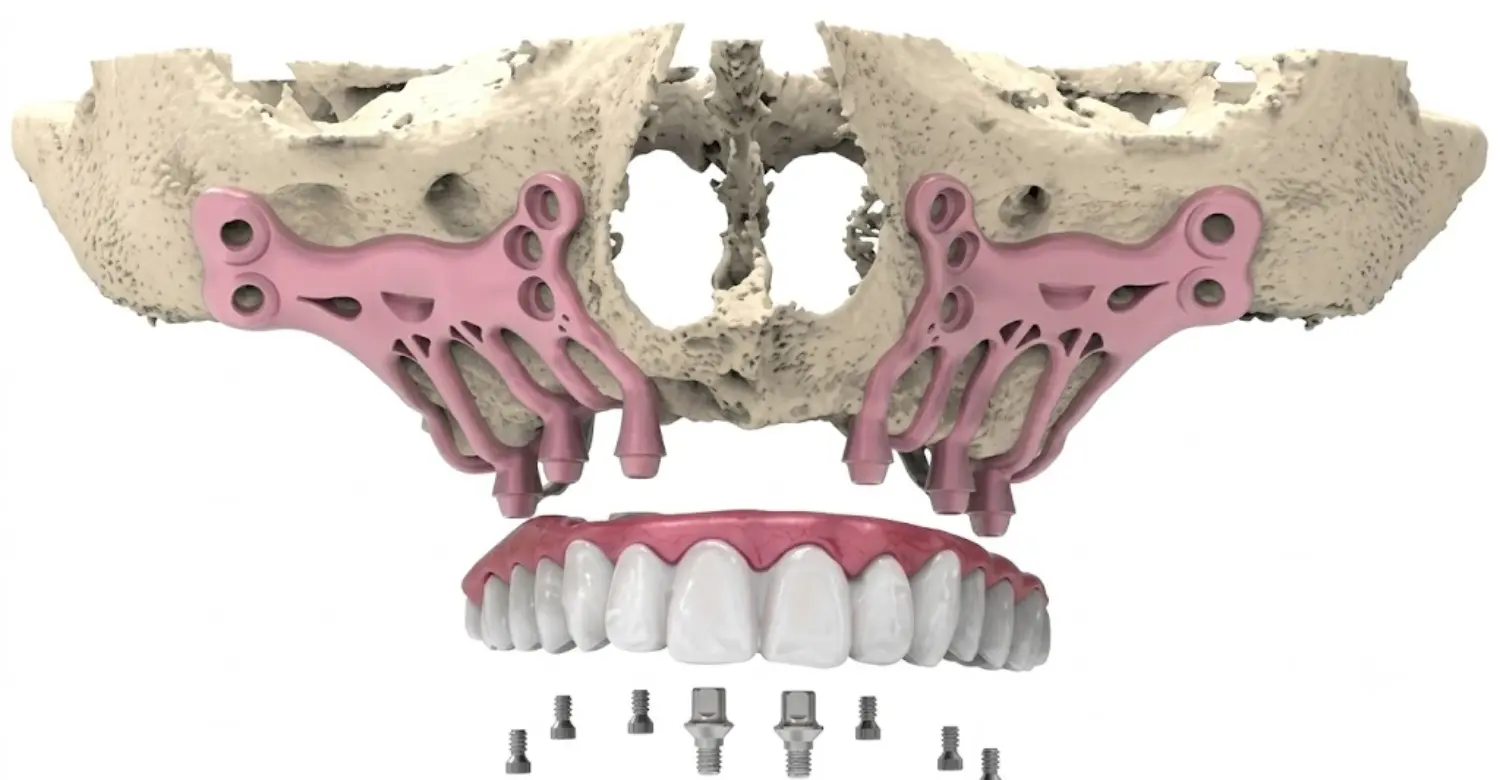
How Long Do Subperiosteal Implants Last With Proper Care?
The lifespan of subperiosteal implants depends on several factors, including hygiene habits, professional maintenance, and overall health. Subperiosteal Implant Care plays a major role in supporting long-term implant performance.
With proper maintenance, many implant patients can enjoy functional and stable results for many years. However, success depends on continuous care rather than the procedure alone.
Daily cleaning, regular dental visits, and healthy lifestyle choices contribute to implant longevity. Patients should follow customized recommendations provided by their dental team.
Clinical studies indicate that maintenance programs are strongly associated with improved implant survival rates. Preventive care remains essential throughout the patient’s lifetime.
At Vitrin Clinic, long-term implant success is supported through structured follow-up programs. Patients receive guidance designed to protect their results over time.
Factors That Affect Subperiosteal Implant Longevity
Several factors influence how long implants remain comfortable and functional. Subperiosteal Implant Care helps manage these factors through preventive maintenance and professional supervision.
Oral hygiene is one of the most important influences on implant longevity. Poor cleaning habits may increase bacteria accumulation and tissue inflammation.
Other factors include overall health, lifestyle habits, bite pressure, and regular dental attendance. Each factor can affect implant stability differently.
Research highlights that patient behavior has a significant impact on long-term implant outcomes. Consistent maintenance supports healthier conditions around the implant area.
Vitrin Clinic evaluates each patient individually to identify factors that may influence results. Personalized recommendations help patients improve their implant maintenance routine.
Subperiosteal Implant Success Factors
Successful implant outcomes depend on multiple elements working together. Subperiosteal Implant Care supports these factors through hygiene, monitoring, and professional guidance.
A successful outcome requires healthy tissues, proper cleaning habits, and regular dental evaluations. Patients also need to follow recommendations throughout the implant’s lifespan.
Surgical quality and patient cooperation both influence long-term results. Maintaining a healthy oral environment helps protect implant-supported restorations.
Clinical evidence suggests that successful implant maintenance requires continuous attention rather than occasional care. Prevention remains the foundation of long-term stability.
At Vitrin Clinic, specialists focus on creating personalized care strategies. These plans help patients maintain comfort, function, and confidence after treatment.
Good Oral Hygiene Routine
A consistent oral hygiene routine is essential for protecting implant health. Subperiosteal Implant Care depends on daily habits that reduce bacteria and support healthy tissues.
Patients should brush regularly using recommended techniques and clean difficult areas carefully. Professional advice can help select suitable hygiene tools.
Poor hygiene may allow plaque buildup around implant-supported teeth. Over time, this can contribute to gum irritation and other concerns.
Clinical research confirms that effective plaque control improves implant maintenance outcomes. Daily care remains one of the most important patient responsibilities.
Vitrin Clinic teaches patients practical hygiene methods that fit their lifestyles. These routines help protect implant results and support long-term oral health.
Regular Dental Checkups
Regular dental checkups allow professionals to monitor implant condition and surrounding tissues. Subperiosteal Implant Care includes scheduled evaluations to maintain long-term success.
During visits, dentists examine gum health, hygiene levels, and possible changes around the implant area. These assessments help detect concerns early.
Skipping appointments may delay the discovery of developing problems. Preventive visits allow professionals to provide guidance before issues become more complicated.
Studies show that supportive maintenance visits contribute to better implant outcomes. Regular monitoring remains an essential part of implant care.
Vitrin Clinic provides organized follow-up schedules to help patients stay on track. Continuous monitoring supports healthy and reliable implant performance.
Healthy Lifestyle Habits
Healthy lifestyle choices can influence implant stability and overall oral health. Subperiosteal Implant Care includes maintaining habits that support healing and protect surrounding tissues.
Avoiding smoking is one of the most important steps because tobacco can negatively affect gum health and tissue recovery. Patients should also maintain balanced nutrition to support the body’s natural repair processes.
Managing general health conditions and maintaining proper hydration can contribute to better healing outcomes. Daily habits often have a long-term effect on implant performance.
Clinical research highlights that lifestyle factors can influence implant maintenance success. Patients who follow healthier routines generally experience improved oral conditions.
At Vitrin Clinic, patients receive guidance beyond the implant procedure. The team encourages sustainable habits that help protect results and support long-lasting smiles.
The Role of Maintenance in Implant Longevity
emphasizes that long-term implant success depends on continuous maintenance, not only the surgical procedure. Subperiosteal Implant Care requires commitment from both the dental team and the patient.
According to his clinical approach, regular evaluations help identify small changes before they become major concerns. Proper hygiene and professional monitoring are essential for maintaining healthy tissues.
He highlights that every patient has different needs based on oral condition, lifestyle, and healing response. Personalized maintenance plans provide better support than general recommendations.
Clinical experience shows that patients who follow structured care routines often achieve more predictable outcomes. Consistency remains one of the strongest factors affecting implant longevity.
At Vitrin Clinic, Dr. Rifat Alsaman and the dental team focus on patient education, preventive care, and long-term implant stability.
What We Notice Clinically: Patient Behaviors That Improve Subperiosteal Implant Outcomes
Patient behavior has a significant impact on implant success after treatment. Subperiosteal Implant Care becomes more effective when patients maintain consistent routines and follow professional guidance.
Patients who attend follow-up visits, practice proper hygiene, and protect their implants usually experience better long-term results. Small daily actions contribute to healthier outcomes.
Common positive behaviors include regular brushing, avoiding harmful habits, and communicating concerns early. These habits reduce risks and support implant stability.
Clinical observations show that patient cooperation is one of the most important factors in maintaining implant health. Professional treatment works best when combined with responsible home care.
At Vitrin Clinic, patients receive continuous education to help them make informed decisions. This approach improves confidence and supports successful implant maintenance.
The Importance of Patient Compliance After Implant Surgery
Patient compliance plays a major role in protecting healing tissues and achieving stable results. Subperiosteal Implant Care depends on patients following instructions throughout the recovery process.
After surgery, patients must follow recommendations regarding cleaning, diet, medication, and appointments. These instructions are designed to support proper healing.
Missing follow-up visits or ignoring hygiene recommendations may increase the chance of complications. Consistent cooperation helps dentists monitor progress effectively.
Studies in implant dentistry show that patient adherence contributes significantly to treatment success. Good communication between patients and dentists improves outcomes.
Vitrin Clinic focuses on clear education before and after treatment. Patients receive detailed guidance that helps them maintain healthy implant conditions.
Common Maintenance Mistakes and How to Avoid Them
Some patients unintentionally make mistakes that may affect implant health. Subperiosteal Implant Care requires awareness of common problems to maintain long-term results.
A frequent mistake is inconsistent cleaning around implant-supported teeth. Another issue is delaying dental appointments because the implant feels comfortable.
Patients may also use unsuitable cleaning tools or apply excessive brushing pressure. These habits can irritate tissues and reduce comfort.
Clinical insights show that prevention is easier than managing advanced complications. Learning correct maintenance techniques helps patients avoid unnecessary risks.
At Vitrin Clinic, professionals educate patients about proper routines and mistakes to avoid. This guidance helps protect implant performance throughout the years. Systemic effects of High Blood Pressure And Oral Health
Why Choose Vitrin Clinic for Subperiosteal Implant Care?
Choosing an experienced dental clinic is important for maintaining implant health after treatment. Subperiosteal Implant Care requires advanced knowledge, careful monitoring, and personalized support.
Vitrin Clinic provides comprehensive aftercare services designed around each patient’s individual condition. The clinic focuses on long-term maintenance rather than short-term results.
The dental team combines modern technology with professional experience to monitor healing and implant performance. Patients receive structured guidance throughout every stage.
Clinical dentistry emphasizes that successful implants require both quality treatment and ongoing maintenance. A reliable care system helps patients protect their investment.
Vitrin Clinic supports patients with personalized plans, professional follow-ups, and patient-focused care. This approach helps create stable and confident long-term outcomes.
Personalized Implant Aftercare Plans Based on Each Patient’s Needs
Every patient has unique healing requirements and oral health conditions. Subperiosteal Implant Care works best when aftercare plans are customized according to individual needs.
Dentists evaluate factors such as tissue condition, hygiene habits, and overall oral health. These evaluations help create appropriate maintenance strategies.
Personalized plans may include cleaning recommendations, follow-up schedules, and lifestyle guidance. This ensures patients receive care that matches their specific situation.
Clinical evidence suggests that individualized maintenance improves patient satisfaction and treatment outcomes. Tailored care helps address challenges before they become serious.
At Vitrin Clinic, every patient receives a dedicated aftercare approach. The team focuses on creating comfortable recovery experiences and long-lasting implant results.
Advanced Technology and Expert Implant Monitoring
Modern technology helps dentists evaluate implant conditions more accurately. Subperiosteal Implant Care benefits from advanced monitoring methods that support better decision-making.
Digital imaging, clinical assessments, and detailed examinations allow professionals to evaluate healing progress. These tools help identify changes that may not be visible to patients.
Technology combined with clinical expertise improves the accuracy of maintenance planning. Regular monitoring supports safer and more predictable implant outcomes.
Research shows that advanced diagnostic approaches contribute to improved implant management. Continuous evaluation remains essential for long-term success.
Vitrin Clinic uses modern dental technology alongside expert care. This combination helps patients receive comprehensive monitoring throughout their implant journey.
Why Vitrin Clinic Is a Trusted Choice for Long-Term Implant Maintenance
Choosing the right dental provider is essential for protecting implant results after treatment. Subperiosteal Implant Care requires continuous attention, professional monitoring, and a personalized approach.
Vitrin Clinic focuses on supporting patients beyond the surgical stage through structured maintenance programs. The team monitors healing progress, evaluates oral health, and provides ongoing guidance.
Long-term implant success depends on cooperation between the patient and dental professionals. Regular evaluations help maintain healthy tissues and identify concerns at an early stage.
Clinical insights show that professional maintenance programs improve patient confidence and support better implant outcomes. Consistent follow-up remains an important part of successful implant care.
At Vitrin Clinic, patients benefit from advanced techniques, experienced specialists, and patient-centered support. This comprehensive approach helps maintain comfortable and reliable implant results.
Comprehensive Follow-Up Care From Surgery to Recovery
Complete follow-up care helps patients move safely through every recovery stage. Subperiosteal Implant Care includes monitoring healing, managing concerns, and maintaining implant health over time.
After surgery, patients require guidance about hygiene, nutrition, and daily habits. Follow-up appointments allow dentists to evaluate healing and provide necessary adjustments.
A structured recovery plan reduces uncertainty and helps patients understand each stage of healing. Professional support also encourages better maintenance habits.
Clinical studies highlight that regular follow-up visits contribute to improved implant stability and patient satisfaction. Monitoring remains important even after successful recovery.
Vitrin Clinic provides continuous support from the first consultation through long-term maintenance. This approach helps patients achieve predictable results and maintain their smiles confidently.
Patient-Centered Approach for Sustainable Implant Results
A patient-centered approach focuses on individual needs, comfort, and long-term goals. Subperiosteal Implant Care becomes more effective when treatment plans match each patient’s situation.
Every patient has different oral conditions, healing responses, and lifestyle factors. Personalized recommendations help create more suitable maintenance routines.
Clear communication between patients and dental professionals improves understanding and cooperation. Patients who understand their care plan often follow recommendations more effectively.
Clinical experience shows that patient involvement contributes significantly to successful implant outcomes. Education and support are essential parts of long-term maintenance.
At Vitrin Clinic, patient satisfaction is supported through customized care strategies. The team focuses on creating sustainable results through professional guidance and continuous follow-up.
Conclusion: Maintaining Your Subperiosteal Implants for Long-Term Success
Long-term implant success requires consistent maintenance, healthy habits, and professional monitoring. Subperiosteal Implant Care is an ongoing process that protects implant function and surrounding tissues.
Patients can improve their outcomes by following hygiene routines, attending regular appointments, and maintaining healthy lifestyle choices. Prevention remains one of the most effective strategies for protecting implants.
Clinical evidence shows that long-term maintenance programs improve implant stability and reduce potential complications. The success of treatment depends on both professional care and patient commitment.
At Vitrin Clinic, patients receive personalized guidance designed to support every stage of their implant journey. From recovery instructions to long-term evaluations, the focus remains on protecting results.
With proper attention and professional support, subperiosteal implants can provide comfortable function and improved confidence for many years.
Reference
FAQs
Dr. Rifat Alsaman has more than 5 years of clinical experience in dentistry and currently serves as the Head of the Medical Team at Vitrin Clinic. He is dedicated to providing exceptional patient care, overseeing treatment planning, and ensuring the highest clinical standards across the team. His expertise, attention to detail, and commitment to continuous professional development have helped countless patients achieve healthier, more confident smiles.


