
Subperiosteal implant recovery is an important phase that determines the long-term success of treatment. Although healing varies between patients, most people recover comfortably when they follow professional aftercare instructions and attend scheduled follow-up visits. Modern digital planning, minimally invasive techniques, and careful postoperative monitoring have significantly improved recovery outcomes compared with earlier treatment methods.
Most patients experience the greatest improvement during the first two weeks. However, deeper tissue adaptation continues for several months before complete stabilization occurs. Age, overall health, oral hygiene, smoking habits, and surgical precision all influence healing speed. Studies report implant success rates above 90% for carefully selected patients receiving appropriate maintenance, highlighting the importance of personalized care throughout recovery.
At Vitrin Clinic, every recovery plan is tailored to the patient's medical history, bone anatomy, and lifestyle. Continuous monitoring helps identify normal healing patterns while reducing the likelihood of complications.
What Is Subperiosteal Implant Recovery?
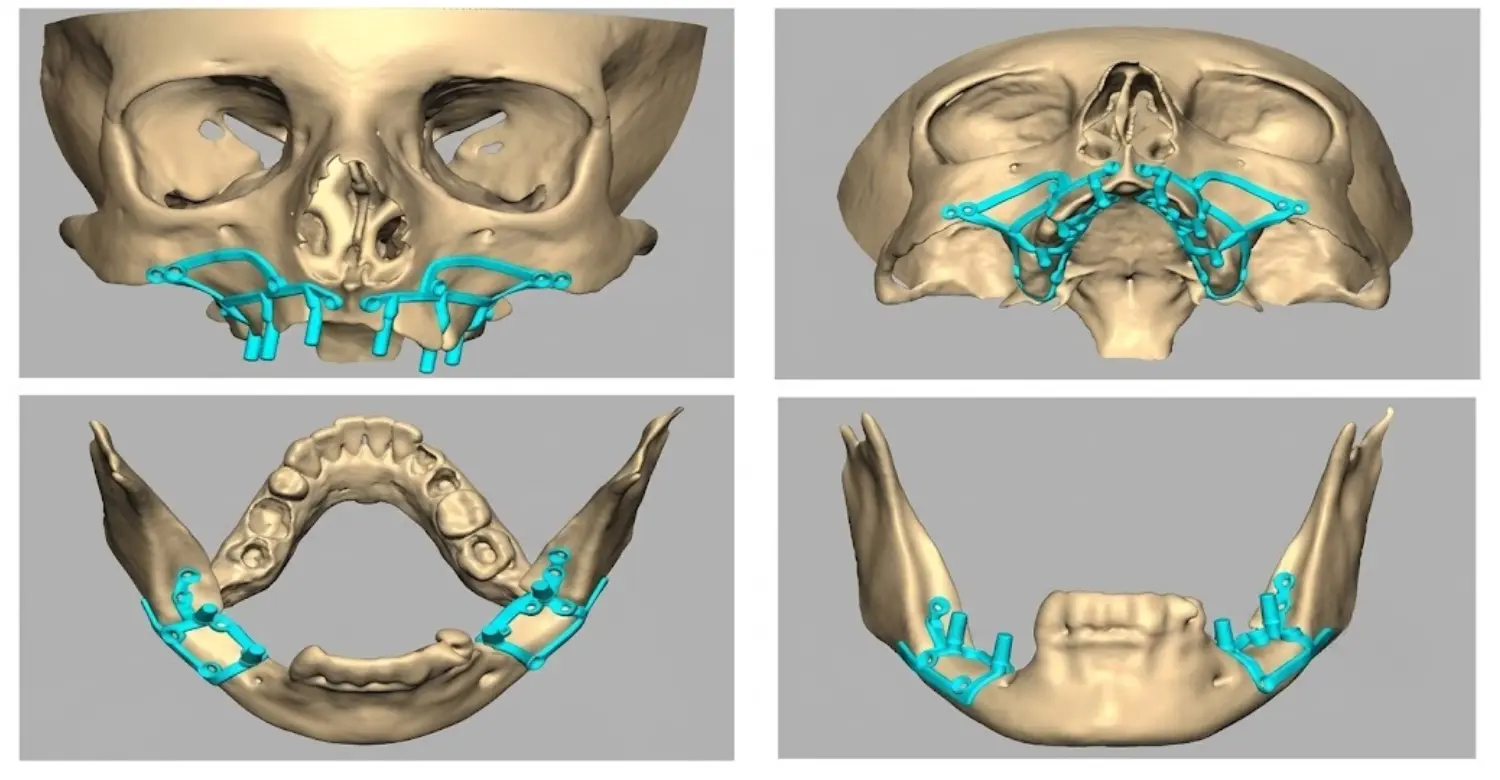
Subperiosteal implant recovery refers to the healing period after a custom metal framework is placed over the jawbone beneath the gum tissue. Unlike conventional implants, these implants rest on the bone instead of being inserted into it, making recovery characteristics slightly different.
The healing process focuses primarily on soft tissue closure, inflammation control, and gradual stabilization around the framework. Patients usually experience temporary swelling, mild discomfort, and limited chewing ability during the initial days. These symptoms steadily improve with proper home care.
Clinical research indicates that maintaining excellent oral hygiene significantly lowers postoperative complications. Regular professional evaluations also improve long-term implant stability. At Vitrin Clinic, digital treatment planning and individualized recovery instructions help patients heal more comfortably while supporting predictable clinical outcomes. Prescription practices: Antibiotic Stewardship In Dentistry
How Long Does Subperiosteal Implant Recovery Take?
Recovery length depends on surgical complexity, individual healing capacity, and compliance with postoperative recommendations. Most patients resume routine daily activities within several days, while complete biological healing continues over several months.
Soft tissue generally heals during the first few weeks. Internal tissue remodeling progresses gradually until complete adaptation develops. Healthy patients without significant medical conditions often recover more efficiently than smokers or individuals with uncontrolled diabetes.
Recent implant studies suggest that careful postoperative monitoring reduces early complications and improves overall treatment success. At Vitrin Clinic, scheduled follow-up appointments allow clinicians to monitor tissue response and provide timely adjustments whenever necessary.
Typical Subperiosteal Implant Recovery Time
Most patients notice meaningful improvement within seven to fourteen days. Swelling decreases steadily, chewing becomes easier, and tenderness gradually resolves. Complete tissue maturation generally requires several months.
Recovery speed varies according to oral health, nutrition, immune response, and surgical precision. Patients following professional instructions consistently demonstrate smoother healing than those neglecting oral hygiene or follow-up care.
Clinical data suggest that personalized postoperative protocols reduce inflammation and enhance patient satisfaction. Regular communication with the dental team further supports comfortable healing while minimizing unexpected concerns.
Subperiosteal Implant Healing Timeline
The healing timeline begins immediately after surgery with clot formation and soft tissue protection. During the first week, inflammation gradually subsides while the surgical site becomes more stable.
Weeks two through four involve progressive tissue maturation and improved comfort. Daily activities become easier, although patients should continue avoiding unnecessary pressure on healing tissues.
Several additional months allow complete biological adaptation beneath the gum tissue. Long-term monitoring remains essential because successful healing depends on stable tissue health rather than symptom disappearance alone.
Clinical Note
Clinical experience demonstrates that recovery differs considerably among patients despite identical surgical techniques. Individual immune response, medical history, and oral hygiene strongly influence postoperative progress.
Evidence indicates that smokers experience delayed wound healing compared with non-smokers. Likewise, uncontrolled diabetes may prolong inflammation and increase infection risk.
At Vitrin Clinic, clinicians evaluate healing during each follow-up appointment using detailed clinical examinations. Personalized recommendations help address concerns early while supporting long-term implant stability and patient comfort. Behavioral damage: Lip Biting Teeth
What to Expect After Subperiosteal Implant Surgery
Patients commonly experience temporary swelling, mild bleeding, and manageable discomfort immediately after surgery. These reactions represent normal healing rather than treatment failure.
Symptoms usually improve noticeably during the first week when postoperative instructions are followed carefully. Adequate hydration, soft foods, prescribed medications, and proper rest contribute significantly to recovery quality.
Research consistently shows that structured aftercare programs improve patient satisfaction and reduce postoperative complications. Early communication with the dental team also encourages prompt management of unexpected symptoms before they become significant issues.
The First 24 Hours
The first day focuses on protecting the surgical area while controlling bleeding and inflammation. Patients should avoid vigorous rinsing, smoking, alcohol consumption, and strenuous exercise.
Cold compresses applied intermittently help reduce facial swelling. Prescribed medications should be taken according to schedule without skipping doses.
Rest remains one of the most important recovery factors. Patients who avoid unnecessary physical activity generally report greater comfort during the initial healing period.
Bleeding
Minor bleeding or blood-tinged saliva commonly occurs during the first day. Gentle pressure with sterile gauze usually controls the bleeding effectively.
Persistent heavy bleeding remains uncommon and requires immediate professional evaluation. Patients should avoid repeatedly checking the surgical site because unnecessary disturbance may restart bleeding.
Most bleeding resolves naturally within several hours when postoperative instructions are carefully followed.
Swelling
Swelling typically reaches its highest level between forty-eight and seventy-two hours after surgery. This inflammatory response protects healing tissues during the earliest recovery stage.
Cold compresses during the first day reduce swelling effectively. Later, warm compresses may improve circulation after professional recommendation.
Clinical observations show that swelling gradually decreases throughout the first week in uncomplicated cases.
Mild Pain
Mild discomfort usually peaks during the first few days before steadily improving. Pain medication prescribed by the dentist effectively manages most symptoms.
Severe worsening pain may indicate complications requiring professional assessment. Patients should report unusual symptoms without unnecessary delay.
Most individuals describe discomfort as manageable rather than severe when following prescribed postoperative care.
Rest Recommendations
Adequate sleep promotes immune function and tissue repair. Patients should keep their head slightly elevated while resting to minimize swelling.
Heavy lifting and vigorous exercise should be postponed during the early recovery period. Gentle walking remains acceptable unless otherwise instructed.
Patients returning to demanding activities too early may experience increased swelling and discomfort.
The First Week
The first week marks a noticeable improvement in comfort and daily function. Subperiosteal implant recovery progresses as swelling decreases and gum tissues begin sealing around the custom framework. Patients often notice reduced tenderness after several days, although mild sensitivity during chewing remains expected. Maintaining prescribed medications and following dietary recommendations support uninterrupted healing. Clinical studies report that postoperative compliance significantly reduces complication rates and improves patient satisfaction. Gentle oral hygiene also lowers bacterial accumulation around the surgical site. At Vitrin Clinic, clinicians review healing progress during follow-up appointments and provide individualized recommendations when necessary. Patients should avoid smoking, excessive alcohol consumption, and strenuous exercise because these habits may delay tissue repair. Consistent aftercare during this period establishes a strong foundation for long-term implant success.
Improving Comfort
Daily comfort improves as inflammation gradually resolves and tissues become more stable. Subperiosteal implant recovery benefits from regular medication use, cold compresses during the early phase, and adequate hydration. Patients should consume soft foods while avoiding excessive chewing near the treated area. Clinical evidence shows that maintaining sufficient sleep enhances immune function and supports wound healing. Stress management also contributes to improved recovery because prolonged stress may affect tissue repair. Gentle jaw movements prevent stiffness without disturbing healing tissues. Vitrin Clinic encourages patients to contact the clinical team whenever unexpected discomfort develops. Early intervention often prevents minor concerns from becoming larger complications. Comfortable recovery depends on following professional advice consistently rather than relying solely on symptom improvement.
Returning to Daily Activities
Most patients gradually resume routine activities within several days after surgery. Subperiosteal implant recovery continues internally even when external symptoms improve, making caution essential. Light office work usually becomes comfortable before physically demanding occupations. Heavy lifting should remain limited until the dentist confirms sufficient healing. Clinical observations indicate that excessive physical strain may increase swelling during the first week. Patients should prioritize adequate rest while slowly increasing activity levels. Walking remains beneficial because gentle movement supports healthy circulation without stressing surgical tissues. At Vitrin Clinic, individualized recommendations consider occupation, medical history, and treatment complexity. Returning to normal activities gradually protects healing tissues and encourages predictable long-term implant stability.
Medication Schedule
Following the prescribed medication schedule reduces inflammation and lowers infection risk. Subperiosteal implant recovery depends on taking antibiotics, pain relievers, and anti-inflammatory medications exactly as directed. Skipping doses may reduce treatment effectiveness and prolong discomfort. Patients should never discontinue antibiotics early unless instructed by their dentist. Research demonstrates that medication adherence improves postoperative outcomes and decreases preventable complications. Drinking sufficient water also supports medication absorption and overall recovery. Patients experiencing allergic reactions or unexpected side effects should immediately contact their dental provider. Vitrin Clinic provides detailed medication instructions before discharge to improve patient understanding. Organized medication routines contribute significantly to comfortable healing and successful implant outcomes.
Pain and Swelling After Subperiosteal Implants
Pain and swelling remain expected during the early postoperative period. Subperiosteal implant recovery usually involves temporary inflammation that gradually decreases over several days. Swelling commonly reaches its peak within seventy-two hours before steadily improving. Mild bruising may also develop around nearby facial tissues. Clinical studies indicate that cold therapy effectively minimizes early swelling when applied correctly. Persistent worsening pain, increasing swelling, or fever may indicate infection requiring professional evaluation. Patients should monitor symptoms carefully without disturbing the healing site. At Vitrin Clinic, scheduled postoperative assessments help distinguish normal healing from developing complications. Early recognition allows prompt treatment while protecting long-term implant success.
Managing Discomfort After Subperiosteal Implant Placement
Managing discomfort requires combining medication, nutrition, and proper oral care. Subperiosteal implant recovery becomes more comfortable when patients avoid unnecessary pressure on healing tissues. Cold compresses remain beneficial during the initial days before transitioning to warm compresses if recommended. Soft meals reduce chewing stress while maintaining nutritional intake. Research suggests balanced protein consumption supports collagen production and tissue regeneration. Patients should remain hydrated because dehydration may slow normal healing responses. Smoking cessation further improves circulation and oxygen delivery to recovering tissues. Vitrin Clinic educates patients about practical home-care techniques that encourage smooth healing. Consistent daily habits produce better outcomes than occasional intensive care.
What We Notice Clinically
Clinical follow-up appointments reveal predictable healing patterns among compliant patients. Subperiosteal implant recovery generally progresses smoothly when inflammation remains controlled and oral hygiene standards stay high. Most successful cases demonstrate steady soft tissue closure without excessive redness or persistent drainage. Research reports implant survival rates exceeding 90% among carefully selected patients receiving regular maintenance. Delayed healing frequently correlates with smoking, uncontrolled diabetes, or inconsistent aftercare. At Vitrin Clinic, clinicians monitor tissue appearance, patient comfort, bite function, and hygiene during every review. Early identification of abnormalities allows conservative management before serious complications develop. Personalized follow-up remains one of the strongest predictors of successful long-term outcomes. Tooth damage: Chewing Ice Teeth
Understanding the Subperiosteal Implant Healing Process
Healing involves coordinated biological changes affecting soft tissues, surrounding bone, and immune responses. Subperiosteal implant recovery progresses through several overlapping stages rather than a single continuous event. Initial inflammation protects damaged tissues while specialized cells begin rebuilding healthy structures. Blood supply increases around the surgical area to support oxygen delivery and cellular repair. Clinical research shows that healthy circulation plays a major role in predictable wound healing. Individual factors including nutrition, age, and medical history influence biological recovery speed. Vitrin Clinic combines careful monitoring with personalized recommendations to encourage efficient tissue adaptation. Understanding these healing mechanisms helps patients maintain realistic expectations throughout treatment.
How Soft Tissue Heals Around the Implant
Soft tissue healing begins immediately after surgery through clot formation and gradual epithelial closure. Subperiosteal implant recovery depends on stable gum attachment surrounding the custom framework. Healthy blood circulation delivers nutrients required for collagen production and tissue remodeling. Most patients experience visible improvement during the first two weeks. Clinical evidence suggests meticulous oral hygiene significantly reduces bacterial accumulation and postoperative inflammation. Gentle brushing protects healing tissues without disrupting newly formed attachments. Patients should avoid aggressive rinsing during the earliest healing period. At Vitrin Clinic, clinicians evaluate tissue color, firmness, and closure during every review. Healthy gums create an essential protective barrier supporting long-term implant stability.
Bone Adaptation Beneath the Framework
Bone adaptation occurs gradually as surrounding tissues respond to normal chewing forces and functional loading. Subperiosteal implant recovery includes this biological adjustment, even though the framework rests above the jawbone instead of inside it. Small mechanical changes help distribute pressure evenly across the supporting bone. Clinical studies suggest healthy bone remodeling continues for several months after placement. Stable bite alignment also reduces unnecessary stress on surrounding structures. Adequate calcium, vitamin D, and balanced nutrition contribute to maintaining healthy bone metabolism. At Vitrin Clinic, digital imaging helps monitor bone adaptation during scheduled reviews. Regular evaluations confirm that the framework remains stable while surrounding tissues continue adapting successfully.
Recovery Without Bone Grafting
Many patients choose this treatment because extensive bone grafting is unnecessary. Subperiosteal implant recovery may therefore involve fewer surgical stages than conventional implant therapy for severe bone loss. Eliminating graft healing shortens the overall treatment timeline for carefully selected candidates. Research indicates that customized frameworks provide reliable support when designed using accurate digital imaging. However, careful patient selection remains essential for long-term success. Good oral hygiene and regular maintenance appointments continue protecting surrounding tissues after surgery. At Vitrin Clinic, advanced three-dimensional planning improves framework accuracy and treatment predictability. Patients benefit from personalized care that minimizes surgical complexity while supporting durable functional outcomes.
Clinical Note
Clinical observations show that healing quality depends more on patient compliance than healing speed alone. Subperiosteal implant recovery progresses predictably when professional instructions are followed consistently throughout every stage. Stable soft tissue, healthy gum color, and decreasing sensitivity indicate favorable healing patterns. Scientific literature reports that regular maintenance appointments significantly reduce biological complications around implant-supported restorations. Patients who miss follow-up visits often experience delayed identification of developing problems. Vitrin Clinic schedules structured reviews to evaluate tissue health, oral hygiene, and functional stability. Early professional guidance improves long-term outcomes while increasing patient confidence during recovery. TMJ issues: Nail Biting Jaw
Subperiosteal Implant Aftercare Instructions
Successful healing depends on consistent home care and professional monitoring after surgery. Subperiosteal implant recovery improves when patients combine excellent oral hygiene with balanced nutrition and healthy daily habits. Gentle cleaning protects healing tissues while reducing bacterial accumulation around the implant framework. Hydration also supports tissue repair by maintaining healthy circulation throughout the healing process. Clinical evidence demonstrates that structured aftercare lowers complication rates and enhances long-term implant success. Patients should attend every scheduled review even when symptoms appear resolved. At Vitrin Clinic, individualized postoperative instructions help patients understand each recovery stage. Consistent aftercare protects both immediate healing and long-term implant function.
Oral Hygiene After Subperiosteal Implants
Proper oral hygiene remains one of the strongest predictors of long-term implant health. Subperiosteal implant recovery benefits from careful plaque control without disturbing healing tissues. Patients should clean the mouth gently while avoiding excessive pressure around the surgical area. Research suggests consistent plaque removal significantly decreases inflammation surrounding implant-supported restorations. Daily hygiene also reduces bacterial biofilm formation that may contribute to peri-implant disease. Professional cleaning appointments remain equally important after complete healing. Vitrin Clinic teaches every patient personalized cleaning techniques before discharge. Effective oral hygiene preserves healthy gum tissues while supporting durable implant stability.
Brushing Safely
Gentle brushing protects healing tissues while maintaining oral cleanliness during early recovery. Subperiosteal implant recovery requires a soft-bristled toothbrush and controlled brushing movements around the treated area. Patients should avoid vigorous scrubbing because excessive pressure may irritate healing gums. Clinical recommendations encourage brushing twice daily while carefully following professional guidance. Toothpaste containing fluoride helps protect remaining natural teeth throughout recovery. Electric toothbrushes may be introduced after sufficient healing if approved by the clinician. At Vitrin Clinic, personalized brushing demonstrations improve patient confidence before returning home. Consistent brushing supports healthy tissue maturation and reduces postoperative bacterial accumulation.
Mouth Rinses
Therapeutic mouth rinses reduce bacterial levels while supporting comfortable healing after surgery. Subperiosteal implant recovery often includes antimicrobial rinses during the early postoperative period when brushing remains limited. Patients should use prescribed solutions exactly as directed by their dental provider. Scientific studies indicate chlorhexidine temporarily lowers bacterial counts around healing tissues when appropriately prescribed. Excessive rinsing should still be avoided immediately after surgery to protect early clot formation. Alcohol-free products generally provide greater comfort during recovery. Vitrin Clinic recommends individualized rinsing schedules based on each patient's clinical condition. Proper rinse use complements brushing rather than replacing mechanical plaque removal.
Cleaning Around the Implant
Cleaning around the framework requires patience and gentle technique throughout healing. Subperiosteal implant recovery becomes more predictable when plaque remains under control every day. Specialized brushes or interdental cleaning devices may be recommended after initial tissue healing. Clinical evidence associates consistent biofilm control with lower risks of peri-implant inflammation. Patients should never use sharp objects to remove trapped food around the implant. Professional cleaning remains essential because certain areas cannot be reached at home. At Vitrin Clinic, hygienists demonstrate safe cleaning methods during follow-up visits. Daily maintenance protects surrounding tissues and preserves long-term treatment success.
Subperiosteal Implant Post-Operative Care
Postoperative care extends beyond the first few days after surgery. Subperiosteal implant recovery requires continuous attention until tissues fully stabilize and normal function returns. Patients should maintain scheduled medication routines, balanced nutrition, and gentle oral hygiene practices. Clinical studies show structured postoperative care significantly reduces emergency visits following implant surgery. Rest, hydration, and avoiding tobacco products further improve tissue healing. Patients should immediately report persistent bleeding, fever, or increasing pain. At Vitrin Clinic, comprehensive postoperative protocols help patients recover comfortably while minimizing avoidable complications. Long-term success depends on consistent care throughout every recovery stage.
Follow-Up Appointments After Subperiosteal Implants
Follow-up visits allow clinicians to evaluate healing before complications become serious. Subperiosteal implant recovery should always include regular professional examinations according to the personalized treatment schedule. Dentists assess gum health, implant stability, oral hygiene, and patient comfort during every appointment. Research indicates routine maintenance significantly improves implant longevity and patient satisfaction. Radiographic evaluations may also confirm healthy adaptation beneath the framework when necessary. Patients should prepare questions before each appointment to improve communication. At Vitrin Clinic, every review includes individualized guidance based on healing progress. Consistent monitoring strengthens long-term clinical outcomes and patient confidence.
Tips for Patients
Small daily habits create meaningful improvements throughout the healing journey. Subperiosteal implant recovery benefits from consistent routines rather than occasional intensive care efforts. Drink enough water, consume nutritious meals, and prioritize adequate sleep every day. Avoid smoking because reduced blood flow delays tissue repair and increases complication risks. Follow medication schedules carefully without missing prescribed doses. Clinical evidence consistently links patient compliance with improved implant survival and lower biological complications. Contact the dental team whenever unusual symptoms appear instead of waiting. At Vitrin Clinic, patient education remains central to every treatment plan. Well-informed patients generally experience smoother healing and greater long-term satisfaction. Dental wear: Nail Biting Teeth
Eating After Subperiosteal Implant Surgery
Nutrition plays an essential role in supporting tissue repair and maintaining immune function after surgery. Subperiosteal implant recovery becomes smoother when patients choose foods that provide sufficient protein, vitamins, and minerals. Soft meals reduce pressure on healing tissues while allowing the body to receive necessary nutrients. Clinical studies show that adequate protein intake supports collagen formation during wound healing. Patients should avoid foods that create excessive chewing pressure during early recovery. Hydration also supports circulation and tissue regeneration. At Vitrin Clinic, patients receive personalized dietary recommendations based on their treatment stage. Proper nutrition helps protect healing tissues while encouraging comfortable progress toward normal function.
Soft Diet After Subperiosteal Implant Surgery
A soft diet protects surgical tissues during the earliest healing period. Subperiosteal implant recovery improves when patients select foods that require minimal chewing effort. Recommended options include yogurt, mashed vegetables, smoothies, eggs, and soft proteins. These foods provide important nutrients without creating unnecessary pressure around the surgical area. Clinical nutrition research highlights the importance of adequate calories during recovery because energy supports tissue regeneration. Patients should avoid extremely hot foods because they may irritate sensitive tissues. Gradually introducing firmer foods allows the mouth to adapt safely. Vitrin Clinic guides patients through dietary transitions according to individual healing progress.
Foods to Eat During Week One
During the first week, patients should prioritize soft, nutrient-rich foods that support healing. Subperiosteal implant recovery benefits from meals containing protein, vitamins, and minerals essential for tissue repair. Examples include scrambled eggs, soups, soft fish, smoothies, and cooked vegetables. Vitamin C-rich foods support collagen production, while protein helps maintain tissue strength. Clinical evidence shows that poor nutrition may delay wound healing after oral surgery. Patients should maintain regular meals despite temporary chewing limitations. Avoiding nutritional deficiencies supports faster recovery and better comfort. Vitrin Clinic provides practical food recommendations to help patients maintain healthy eating habits after treatment.
Foods to Avoid
Certain foods may increase irritation or pressure during early healing. Subperiosteal implant recovery requires avoiding hard, crunchy, spicy, and sticky foods immediately after surgery. Nuts, chips, and hard vegetables may disturb sensitive tissues around the surgical area. Excessively spicy foods can increase discomfort for some patients. Alcohol should also be avoided because it may interfere with healing and medication effectiveness. Smoking remains one of the most significant risk factors because it reduces blood supply. Research consistently connects tobacco use with delayed oral wound healing. At Vitrin Clinic, patients receive clear dietary instructions to reduce unnecessary risks during recovery.
When Can You Return to a Normal Diet?
Returning to a normal diet depends on individual healing progress and clinical evaluation. Subperiosteal implant recovery usually allows gradual dietary expansion as tenderness decreases and tissues become stronger. Many patients begin introducing firmer foods after the initial healing period. However, excessive pressure should still be avoided until the dentist confirms sufficient stability. Clinical assessments determine when chewing forces can safely increase. Patients should listen to their comfort level while following professional recommendations. At Vitrin Clinic, clinicians provide personalized timelines based on surgical complexity and tissue response. A gradual transition protects healing structures and supports long-term success.
Clinical Note
Clinical experience shows that dietary compliance strongly influences postoperative comfort. Subperiosteal implant recovery often progresses more efficiently when patients maintain balanced nutrition throughout healing. Patients with insufficient protein intake may experience slower tissue repair. Research in oral surgery emphasizes the relationship between nutrition and wound healing outcomes. Clinicians also observe that hydration improves patient comfort during the early recovery phase. At Vitrin Clinic, dietary guidance forms part of comprehensive postoperative planning. Supporting the body internally improves healing quality while reducing unnecessary recovery challenges. Hygiene errors: Brushing And Flossing Mistakes
Recovery Stages After Subperiosteal Implant Surgery
Healing occurs through several biological stages that gradually restore comfort and function. Subperiosteal implant recovery includes immediate healing, tissue maturation, adaptation, and long-term maintenance phases. Each stage involves different changes within the gums and supporting structures. Clinical research indicates that patient monitoring throughout these phases improves treatment predictability. Understanding recovery stages helps patients recognize normal progress and identify concerning symptoms early. Vitrin Clinic uses structured follow-up protocols to evaluate each healing milestone. Clear communication between patients and clinicians creates better outcomes. Recovery is not only about symptom reduction but also about achieving stable long-term function.
Stage 1: Immediate Postoperative Recovery
The immediate recovery stage begins directly after surgery and focuses on controlling inflammation. Subperiosteal implant recovery starts with natural healing responses including clot formation and immune activity. Patients commonly experience swelling, mild discomfort, and limited chewing ability during this phase. Following medication instructions and resting properly support early tissue protection. Clinical evidence shows that appropriate postoperative management reduces infection risks. Patients should avoid disturbing the surgical area during the first days. At Vitrin Clinic, detailed discharge instructions help patients manage this important stage confidently. Early protection creates the foundation for successful healing.
Stage 2: Early Healing
Early healing occurs as inflammation decreases and soft tissues begin strengthening around the framework. Subperiosteal implant recovery progresses when patients maintain excellent hygiene and follow dietary recommendations. During this stage, tenderness usually decreases while daily comfort improves gradually. Clinical studies demonstrate that consistent oral care reduces bacterial accumulation during healing. Patients may begin returning to regular routines while avoiding excessive physical stress. Regular follow-up appointments allow clinicians to evaluate progress accurately. Vitrin Clinic monitors tissue response carefully during this stage to ensure healthy development. Proper care supports smooth transition toward advanced healing phases.
Stage 3: Tissue Stabilization
Tissue stabilization involves strengthening and maturation of the healing gums surrounding the implant framework. Subperiosteal implant recovery continues as soft tissues become more resistant and functional adaptation improves. Patients usually experience improved comfort and increased confidence during daily activities. Clinical evaluations focus on tissue health, cleanliness, and functional stability. Research suggests that long-term implant success depends significantly on maintaining healthy surrounding tissues. Patients should continue professional maintenance even after symptoms disappear. Vitrin Clinic emphasizes preventive care because stable tissues protect future implant performance. This stage represents an important transition toward long-term recovery.
Stage 4: Long-Term Recovery
Long-term recovery focuses on maintaining stability, comfort, and oral health after initial healing. Subperiosteal implant recovery continues through regular maintenance rather than ending after symptoms disappear. Patients should attend periodic examinations and maintain excellent daily hygiene. Clinical evidence shows that professional monitoring improves implant longevity and reduces biological complications. Lifestyle choices including smoking avoidance and balanced nutrition remain important. Vitrin Clinic supports patients through ongoing evaluations and personalized maintenance recommendations. Long-term success depends on protecting the relationship between the framework, tissues, and surrounding oral environment.
Signs of Successful Subperiosteal Implant Healing
Successful healing is identified through stable tissues, reduced discomfort, and improved daily function. Subperiosteal implant recovery shows positive progress when swelling decreases and gum tissues appear healthy. Patients usually notice easier speaking, improved chewing ability, and reduced sensitivity over time. A stable framework without movement represents another important indicator of successful adaptation. Clinical research suggests that regular maintenance contributes significantly to long-term implant survival rates. Studies report that well-maintained implant treatments can achieve success rates above 90% in suitable patients. Patients should still attend professional evaluations even when healing feels complete. At Vitrin Clinic, clinicians assess tissue condition and functional stability during follow-up appointments. Monitoring ensures early detection of any developing concerns. Cardiovascular precautions: Aortic Dissection And Dental Treatment
Subperiosteal Implant Complications During Recovery
Although many patients heal successfully, complications can occasionally occur after surgery. Subperiosteal implant recovery requires careful monitoring because early detection improves treatment outcomes. Possible concerns include infection, prolonged swelling, tissue irritation, or framework discomfort. Most complications develop because of biological factors, hygiene problems, or delayed professional evaluation. Clinical studies emphasize that preventive care reduces postoperative risks significantly. Patients should understand the difference between normal healing symptoms and warning signs. At Vitrin Clinic, postoperative monitoring helps identify unusual changes before they become complex issues. Professional guidance provides reassurance while protecting long-term treatment success.
Normal Symptoms vs Warning Signs
Understanding normal symptoms helps patients avoid unnecessary concern during healing. Subperiosteal implant recovery commonly includes temporary swelling, mild pain, and sensitivity during the first days. These symptoms usually improve gradually with proper care. Warning signs include increasing pain, persistent bleeding, fever, or unusual discharge. Clinical evidence shows that early intervention improves outcomes when complications develop. Patients should avoid self-diagnosing because some symptoms require professional evaluation. Vitrin Clinic educates patients about expected recovery patterns before surgery. Clear knowledge allows patients to recognize problems early while maintaining confidence throughout healing.
When Should You Contact Your Dentist?
Patients should contact their dentist whenever symptoms become unusual or progressively worse. Subperiosteal implant recovery requires professional evaluation if severe pain, swelling, or infection symptoms appear. Persistent bleeding beyond the expected period also requires immediate attention. Fever and unpleasant taste may indicate bacterial concerns requiring treatment. Clinical recommendations emphasize early communication because delayed care can complicate management. Patients should not wait until scheduled appointments if serious symptoms develop. At Vitrin Clinic, patients receive direct guidance regarding postoperative concerns. Prompt communication supports faster solutions and protects the healing process.
Possible Recovery Complications
Possible complications include infection, delayed tissue healing, discomfort, and framework-related concerns. Subperiosteal implant recovery may become longer when risk factors affect normal healing responses. Smoking, poor hygiene, and uncontrolled medical conditions increase complication risks. Clinical studies identify tobacco use as one of the strongest factors affecting oral wound healing. Diabetes management also plays an important role because elevated blood sugar can slow tissue repair. Patients can reduce risks through preventive habits and regular monitoring. Vitrin Clinic evaluates individual risk factors before treatment and throughout recovery. Personalized care improves predictability and patient safety.
What We Notice Clinically
Clinical observations show that most complications can be minimized through early monitoring. Subperiosteal implant recovery generally remains predictable when patients maintain communication with their dental team. Clinicians evaluate swelling patterns, tissue appearance, hygiene quality, and patient comfort. Research indicates that scheduled maintenance reduces the risk of implant-related biological problems. Patients who follow instructions usually demonstrate smoother healing patterns. At Vitrin Clinic, every follow-up appointment provides an opportunity to identify small changes early. Preventive management remains more effective than treating advanced complications. Clinical monitoring supports both immediate comfort and long-term implant stability.
Dr. Rifat Alsaman's Opinion
Dr. Rifat Alsaman emphasizes that patient cooperation is essential for predictable healing outcomes. Subperiosteal implant recovery depends on combining advanced treatment planning with disciplined postoperative care. He explains that successful results require proper hygiene, regular reviews, and realistic expectations. Modern implant dentistry focuses not only on surgical placement but also on long-term tissue health. Clinical experience shows that patients who follow recovery instructions achieve more comfortable outcomes. At Vitrin Clinic, treatment plans are designed around individual anatomy and healing needs. Dr. Alsaman highlights that continuous communication helps patients feel confident throughout every recovery stage. Tech in dentistry: Medical Diagnostic Technology
Recovery Tips for Faster Subperiosteal Implant Recovery
Recovery speed depends on healthy habits, professional guidance, and consistent patient participation. Patients can support subperiosteal implant recovery by maintaining excellent hygiene and protecting healing tissues. Adequate sleep, balanced nutrition, and hydration improve the body’s natural repair mechanisms. Avoiding smoking remains one of the most important recommendations after implant surgery. Clinical research shows that lifestyle choices directly influence wound healing quality. Patients should also attend every follow-up appointment to monitor progress. Vitrin Clinic provides personalized recovery plans designed around each patient’s clinical condition. Small daily actions create significant improvements throughout the healing journey.
Daily Habits That Support Healing
Healthy daily routines create better conditions for tissue repair and long-term stability. Subperiosteal implant recovery improves when patients prioritize hygiene, nutrition, and adequate rest. Brushing carefully and following cleaning instructions reduce harmful bacterial buildup. Drinking enough water supports circulation and tissue regeneration. Patients should avoid habits that irritate healing areas, including smoking and excessive alcohol consumption. Clinical evidence links healthy behaviors with improved postoperative outcomes. Consistency matters more than temporary efforts during recovery. Vitrin Clinic encourages patients to develop simple routines that protect their investment. Long-term success begins with responsible daily care.
Lifestyle Changes That Improve Recovery
Lifestyle adjustments can significantly influence healing speed and treatment success. Subperiosteal implant recovery benefits from avoiding tobacco, maintaining healthy nutrition, and managing stress levels. Smoking reduces oxygen supply and delays tissue repair after surgery. Regular sleep supports immune function and natural healing processes. Clinical studies demonstrate that healthier lifestyles improve outcomes after dental procedures. Patients should also manage medical conditions according to professional advice. Vitrin Clinic considers lifestyle factors when creating personalized recovery recommendations. Supporting overall health improves both comfort and long-term implant performance.
Mistakes That Can Slow Healing
Certain mistakes may delay healing and increase unnecessary complications. Subperiosteal implant recovery can become longer when patients ignore instructions or return to stressful activities too quickly. Smoking, poor hygiene, missed appointments, and inappropriate foods may negatively affect recovery. Clinical research consistently identifies tobacco use as a major risk factor for delayed oral healing. Patients should avoid experimenting with unapproved treatments or excessive cleaning methods. Following professional advice remains the safest approach. Vitrin Clinic provides clear instructions to prevent common recovery mistakes. Proper awareness helps patients achieve smoother and more predictable outcomes.
Tips for Patients
Patients can improve healing outcomes by following simple but consistent daily practices. It becomes more predictable when patients maintain hygiene, nutrition, and scheduled dental visits. Avoiding smoking remains one of the most important recommendations after surgery. Patients should also protect the surgical area from unnecessary pressure during early healing. Clinical studies show that patient compliance strongly influences implant success and long-term satisfaction. Maintaining communication with the dental team allows concerns to be addressed quickly. At Vitrin Clinic, patients receive personalized instructions based on their recovery progress. Understanding each healing stage helps patients make better decisions throughout treatment. Small improvements in daily habits can create significant benefits. Treatments in Turkey: Cosmetic Dentistry In Turkey
Factors That Affect Subperiosteal Implant Recovery
Healing speed differs between patients because several biological and lifestyle factors influence recovery. depends on age, medical conditions, surgical complexity, and personal care habits. Some patients experience faster tissue adaptation because of strong immune responses and healthy lifestyles. Others require longer monitoring because of underlying health challenges. Clinical research confirms that personalized care improves outcomes after implant procedures. Dentists evaluate multiple factors before recommending treatment and during follow-up appointments. At Vitrin Clinic, clinicians consider every patient's unique situation when creating recovery plans. Understanding these factors helps patients develop realistic expectations.
Age and General Health
Age and overall health can influence how quickly tissues repair after surgery. Subperiosteal implant recovery may progress differently between younger and older patients because healing capacity changes throughout life. Older adults can still achieve successful outcomes with proper medical evaluation and care. General health conditions, nutrition, and immune function often affect recovery speed more than age alone. Clinical studies show that medically controlled patients can achieve predictable implant results. Patients should provide complete medical information before treatment. At Vitrin Clinic, health assessments help create safer and more personalized treatment approaches. Maintaining good overall health supports better healing responses.
Smoking and Alcohol
Smoking and excessive alcohol consumption can negatively affect healing after implant surgery. Subperiosteal implant recovery may become delayed because tobacco reduces oxygen supply to healing tissues. Research consistently identifies smoking as a major risk factor for oral wound complications. Alcohol may interfere with medication effectiveness and immune responses. Patients are encouraged to avoid these habits during the recovery period. Smoking cessation before and after treatment improves circulation and tissue repair. Vitrin Clinic provides guidance for patients who need support with lifestyle adjustments. Healthy choices contribute significantly to successful long-term implant outcomes.
Diabetes and Medical Conditions
Medical conditions can influence healing quality and require careful management before surgery. Subperiosteal implant recovery may take longer in patients with uncontrolled diabetes because elevated blood sugar affects tissue repair. Clinical research shows that controlled diabetes patients can achieve successful implant outcomes with proper monitoring. Other conditions affecting immunity or circulation may also influence recovery. Patients should share complete medical histories with their dental team. Vitrin Clinic evaluates health factors to reduce risks and improve treatment planning. Coordinated care between healthcare providers and dentists supports safer recovery. Managing medical conditions remains essential for predictable healing.
Surgical Technique
The surgical approach directly influences healing comfort and treatment predictability. Subperiosteal implant recovery benefits from accurate planning, precise framework design, and careful tissue handling. Modern digital technologies allow clinicians to create customized solutions based on individual anatomy. Studies show that advanced planning improves accuracy and reduces unnecessary surgical challenges. Experience and technique remain important factors affecting postoperative outcomes. At Vitrin Clinic, digital planning tools support precise implant placement and personalized treatment strategies. Skilled clinical execution helps patients experience smoother recovery. Proper surgical preparation creates a strong foundation for long-term success.
Oral Hygiene Habits
Maintaining excellent oral hygiene protects healing tissues and supports long-term implant health. Subperiosteal implant recovery improves when patients consistently remove harmful bacteria without irritating surgical areas. Poor hygiene can increase inflammation and create unnecessary healing challenges. Clinical studies demonstrate a strong relationship between plaque control and implant maintenance success. Patients should follow professional cleaning instructions carefully. Regular dental examinations remain essential even after complete healing. Vitrin Clinic provides hygiene education to help patients maintain healthy oral conditions. Daily care protects both the implant framework and surrounding tissues.
Why Choose Vitrin Clinic for Subperiosteal Implant Treatment?
Choosing the right dental provider influences treatment quality, comfort, and long-term results. Subperiosteal implant recovery requires professional planning, experienced clinicians, and structured follow-up care. Vitrin Clinic combines advanced technology with personalized patient management throughout treatment. The clinical team evaluates each patient's anatomy, health history, and recovery needs before creating a treatment plan. Modern dentistry emphasizes predictable outcomes through accurate diagnosis and continuous monitoring. Clinical evidence supports the importance of experienced teams in achieving successful implant results. Patients receive guidance before surgery and throughout every healing stage. Vitrin Clinic focuses on safety, comfort, and long-term oral health.
Advanced Digital Planning for Predictable Recovery
Digital technology improves treatment accuracy and helps clinicians predict surgical outcomes. Subperiosteal implant recovery benefits from detailed planning because customized frameworks require precise measurements. Three-dimensional imaging allows dentists to analyze jaw anatomy before treatment. Research indicates that digital planning improves surgical accuracy and patient satisfaction. Advanced visualization helps identify potential challenges before surgery begins. Vitrin Clinic uses modern diagnostic approaches to design individualized treatment strategies. Accurate preparation reduces unnecessary complications and supports comfortable healing. Technology combined with clinical expertise creates more predictable implant experiences.
Experienced Implant Team Led by Dr. Rifat Alsaman
Experience plays an important role in achieving reliable implant treatment outcomes. Subperiosteal implant recovery depends on skilled clinical decisions before, during, and after surgery. Dr. Rifat Alsaman leads the Vitrin Clinic medical team with a focus on personalized implant care. Clinical expertise allows proper evaluation of patient needs and healing expectations. Research shows that experienced clinicians contribute to improved treatment predictability. Patients benefit from professional guidance throughout every recovery phase. Vitrin Clinic combines advanced techniques with patient-centered care. The goal remains achieving functional results with comfortable healing experiences.
Personalized Recovery Monitoring and Long-Term Follow-Up
Continuous monitoring helps ensure healing progresses safely after implant treatment. Subperiosteal implant recovery requires follow-up care because tissues continue changing after surgery. Regular appointments allow clinicians to evaluate healing, hygiene, and implant stability. Clinical studies demonstrate that maintenance programs improve long-term implant success rates. Personalized monitoring identifies concerns before they become serious problems. At Vitrin Clinic, recovery plans are adjusted according to individual healing responses. Patients receive ongoing support rather than isolated surgical treatment. Long-term follow-up protects treatment investment and supports lasting oral health.
How Vitrin Clinic Supports Patients Throughout Recovery
Comprehensive support continues beyond the surgical procedure itself. Subperiosteal implant recovery requires consistent communication, personalized guidance, and professional monitoring. Vitrin Clinic focuses on creating a comfortable recovery experience through structured postoperative programs. Patients receive detailed instructions covering hygiene, diet, medication, and activity levels. Clinical evidence shows that patient education improves compliance and reduces preventable complications. Regular communication helps patients understand expected healing changes. The clinical team monitors progress and adjusts recommendations when necessary. This approach supports safer healing and stronger long-term outcomes. Vitrin Clinic prioritizes patient confidence by providing continuous support throughout every recovery phase.
Customized Postoperative Care Plans
Every patient requires an individualized plan because healing responses differ between individuals. Subperiosteal implant recovery improves when postoperative instructions match each patient's medical and dental conditions. Vitrin Clinic develops customized care plans based on surgical complexity, lifestyle factors, and healing expectations. These plans include hygiene recommendations, dietary guidance, medication instructions, and follow-up schedules. Clinical studies indicate that personalized care improves patient satisfaction after implant procedures. A structured plan reduces uncertainty and encourages better daily habits. Patients receive clear recommendations designed around their specific recovery needs. Individualized support creates a more predictable healing experience.
Regular Follow-Up Appointments
Regular follow-up appointments help clinicians monitor healing and maintain implant health. Subperiosteal implant recovery depends on professional evaluation because internal changes continue after symptoms improve. During visits, clinicians assess tissue condition, framework stability, and oral hygiene. Research shows that routine maintenance significantly contributes to long-term implant success. Early detection of inflammation or discomfort allows faster intervention. Patients should attend appointments even when recovery appears successful. Vitrin Clinic schedules reviews according to each patient's healing progress. Continuous monitoring protects treatment results and supports lasting function. Professional follow-up remains an essential part of implant care.
Patient Education for Faster Healing
Patient knowledge plays a major role in achieving successful healing outcomes. Subperiosteal implant recovery becomes easier when individuals understand proper care techniques and recovery expectations. Vitrin Clinic educates patients about hygiene routines, dietary choices, warning signs, and lifestyle adjustments. Clinical research shows that informed patients demonstrate better treatment compliance. Understanding normal symptoms reduces unnecessary anxiety during healing. Education also helps patients identify situations requiring professional advice. Clear instructions encourage responsible daily decisions after surgery. A well-informed patient becomes an active partner in achieving successful results.
Immediate Access to the Clinical Team During Recovery
Quick communication provides reassurance and supports early problem management. Subperiosteal implant recovery benefits from immediate professional guidance when unexpected symptoms appear. Patients may have questions about discomfort, swelling, medication, or daily activities. Vitrin Clinic maintains patient communication channels to provide timely assistance throughout healing. Clinical studies emphasize that early management of complications improves treatment outcomes. Prompt responses help prevent small concerns from becoming complex issues. Accessible support increases patient confidence during the recovery journey. Continuous communication reflects a patient-centered approach to implant care.
Additional Insights About Subperiosteal Implant Healing Success
Successful implant outcomes depend on multiple factors beyond the surgical procedure. Subperiosteal implant recovery involves biological adaptation, patient responsibility, and professional monitoring. Modern implant dentistry focuses on predictable healing through accurate diagnosis and personalized treatment strategies. Clinical studies indicate that implant success improves when patients maintain regular dental maintenance programs. Healthy tissues, proper hygiene, and controlled medical conditions contribute to better outcomes. Patients should understand that healing continues after visible symptoms disappear. Long-term success requires ongoing protection of the surrounding oral environment. At Vitrin Clinic, recovery management combines advanced technology with personalized clinical supervision. This approach supports stable results and patient confidence.
The Role of Digital Dentistry During Recovery
Digital dentistry has transformed how clinicians plan and monitor implant treatments. Subperiosteal implant recovery benefits from advanced imaging because accurate planning improves framework adaptation. Three-dimensional scans allow dentists to evaluate jaw anatomy before surgery. Digital workflows help reduce unexpected challenges during treatment. Research shows computer-assisted planning improves surgical accuracy and patient satisfaction. Technology also supports better communication between clinicians and patients. Vitrin Clinic uses modern diagnostic tools to create detailed treatment strategies. Digital evaluation continues supporting follow-up decisions throughout healing. Combining technology with clinical expertise creates more predictable recovery experiences.
Importance of Patient Communication During Healing
Communication between patients and clinicians directly influences recovery quality. Subperiosteal implant recovery becomes smoother when patients report concerns early. Questions about pain, swelling, diet, or hygiene should be discussed promptly. Clinical research highlights that patient engagement improves adherence to postoperative recommendations. Delayed communication may allow minor concerns to become more complicated. Vitrin Clinic encourages open communication throughout every healing stage. Patients receive guidance whenever they need clarification about recovery instructions. Strong communication creates trust and supports better treatment outcomes. Recovery is a shared process between the dental team and the patient.
How Lifestyle Choices Influence Long-Term Results
Daily lifestyle choices continue affecting oral health after healing is complete. Subperiosteal implant recovery benefits from habits that protect tissues and maintain overall wellness. Smoking cessation remains one of the most important recommendations after implant procedures. Balanced nutrition supports healthy gums and immune function. Regular dental visits help identify early changes before they become serious concerns. Clinical studies associate healthy lifestyles with improved implant maintenance outcomes. Vitrin Clinic educates patients about protecting their investment through preventive care. Long-term success depends on maintaining the same attention given during early healing. Healthy habits support lasting comfort and function.
The Importance of Professional Implant Maintenance
Professional maintenance protects the stability of implant-supported treatments over time. Subperiosteal implant recovery requires continued care even after initial healing appears complete. Dental professionals evaluate tissue health, hygiene levels, and functional performance during routine visits. Clinical evidence shows that regular maintenance reduces biological complications around implants. Patients should follow recommended recall schedules based on their individual needs. Professional cleaning reaches areas that are difficult to manage at home. Vitrin Clinic provides ongoing monitoring to support long-term oral health. Maintenance transforms successful healing into successful lifelong function.
Understanding Patient Expectations After Treatment
Realistic expectations help patients feel confident throughout the healing journey. Subperiosteal implant recovery involves gradual improvement rather than immediate final results. Temporary limitations are normal while tissues adapt and strengthen. Patients should understand that comfort improves progressively over time. Clinical experience shows that informed patients often report higher satisfaction levels. Comparing recovery with other individuals may create unrealistic expectations. Every patient has different biological responses and healing patterns. Vitrin Clinic explains expected milestones before and after treatment. Clear expectations encourage patience and better cooperation during recovery.
Advanced Clinical Factors Affecting Healing Outcomes
Several clinical factors influence how patients respond after implant placement. Subperiosteal implant recovery depends on surgical precision, tissue health, and patient-specific conditions. Dentists evaluate bone structure, gum quality, and medical history before treatment. Clinical research emphasizes that comprehensive assessment improves treatment predictability. Infection prevention and hygiene management remain essential throughout healing. Patients with controlled health conditions often achieve successful outcomes with proper monitoring. Vitrin Clinic uses detailed evaluations to customize every treatment plan. Understanding clinical influences helps patients appreciate the importance of personalized care. Successful outcomes result from combining expertise, technology, and patient cooperation.
The Connection Between Gum Health and Healing
Healthy gums provide important protection around implant-supported structures. Subperiosteal implant recovery improves when surrounding soft tissues remain stable and clean. Gum inflammation can interfere with comfort and increase complication risks. Clinical studies demonstrate a strong relationship between periodontal health and implant maintenance. Patients should prioritize gentle cleaning and professional evaluations. Healthy gum tissues create a stronger environment for long-term stability. Vitrin Clinic evaluates gum condition before and after treatment to support successful healing. Maintaining gum health remains essential throughout the patient's dental journey.
The Impact of Nutrition on Tissue Repair
Nutrition provides the building blocks required for effective healing after surgery. Subperiosteal implant recovery benefits from sufficient protein, minerals, and vitamins. Protein supports collagen formation, which is essential for tissue strength. Vitamin C contributes to normal wound repair processes. Clinical nutrition studies show that deficiencies may delay recovery after surgical procedures. Patients should maintain balanced meals throughout healing. Hydration also supports circulation and tissue metabolism. Vitrin Clinic provides dietary recommendations that match each patient's recovery stage. Supporting the body internally improves healing quality and comfort.
Conclusion
Understanding the healing process helps patients approach treatment with confidence and realistic expectations. Subperiosteal implant recovery involves several stages, including early healing, tissue adaptation, and long-term maintenance. Although recovery times differ between patients, proper aftercare, healthy habits, and professional monitoring support better outcomes.
Following dental instructions, maintaining excellent oral hygiene, and attending regular follow-up appointments are essential for protecting implant stability. Clinical evidence shows that patient cooperation and preventive care significantly influence long-term success rates.
At Vitrin Clinic, every patient receives personalized guidance throughout the recovery journey. The combination of advanced digital planning, experienced implant care, and continuous follow-up helps create a comfortable and predictable treatment experience.
A successful recovery is not only about healing after surgery. It is about maintaining healthy tissues, restoring function, and achieving long-lasting confidence with a stable and natural-looking smile.
Reference
FAQs

Dr. Rifat Alsaman has more than 5 years of clinical experience in dentistry and currently serves as the Head of the Medical Team at Vitrin Clinic. He is dedicated to providing exceptional patient care, overseeing treatment planning, and ensuring the highest clinical standards across the team. His expertise, attention to detail, and commitment to continuous professional development have helped countless patients achieve healthier, more confident smiles.


